分类: environment

  • First phase of rehabilitation complete on Dumfries cistern

    First phase of rehabilitation complete on Dumfries cistern

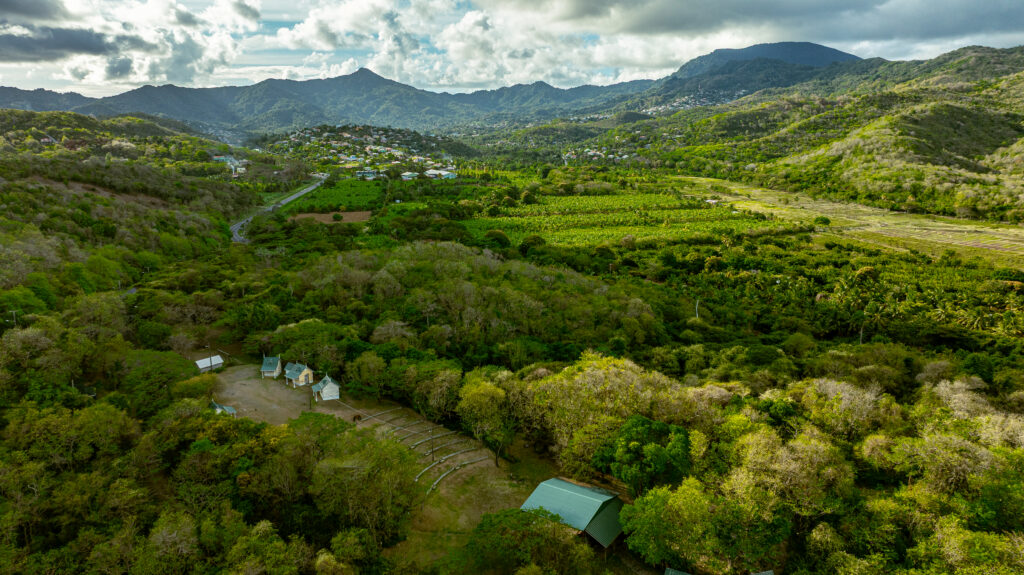
    On the small island of Carriacou, where water scarcity has long been a persistent barrier to agricultural prosperity, a major international development project is delivering tangible progress toward building climate-resilient food systems and lifting rural livelihoods. The Enhancing Land Management and Strengthening Ecosystem Resilience for Integrated Landscape Restoration and Climate-Resilient Food Systems in Carriacou, widely referred to as the Carriacou ILM Project, has completed a critical milestone: the full restoration of the decades-old Dumfries cistern, a community water storage infrastructure that had fallen into disrepair and lost nearly all of its functional capacity.

    Led by the local Partnership Initiative for Sustainable Land Management (PISLM), the initiative draws core funding from the Global Environment Facility (GEF) and receives technical and operational support from the United Nations Environment Programme (UNEP). Beyond its broader goals of reversing land degradation, scaling ecosystem-based landscape restoration, and expanding sustainable livelihood opportunities for local communities, the project has prioritized expanding reliable water access for smallholder farmers — a foundational change that will strengthen irrigation capabilities, increase staple food output, support larger livestock herds, and raise household incomes across the region.

    Project manager Bernard McIntosh outlined the scope of the restoration work completed on the cistern, explaining, “The project intervention was to fence the perimeter, repair all the cracks and crevices on the catchment area, consequently maximising the catchment’s potential.” After the rehabilitation, the structure once again holds its full design capacity of more than 14,000 gallons of rainwater, a vital reserve in Carriacou’s climate where water resources are extremely limited.

    Agriculture is the backbone of Carriacou’s social fabric and local way of life, with smallholders growing a diverse range of staple and cash crops including pigeon peas, corn, sweet potato, yam, dasheen, watermelon, sorrel, cucumber, and butternut squash. For these producers, consistent access to water is the single biggest limiting factor to production, especially as climate change increases the frequency and severity of droughts across the Caribbean.

    The project’s next phase of work is already planned, with McIntosh confirming that teams will soon install a solar-powered pump system and a supplementary black storage tank. This additional infrastructure will allow farmers to easily access the stored cistern water for irrigation and livestock needs, turning the restored storage capacity into active, usable resources for the community.

    At its core, the Carriacou ILM Project aims to tackle long-standing land degradation across the island through a community-centered approach. By combining evidence-based ecosystem restoration, sustainable land management practices, and climate-smart agricultural techniques, the initiative works to diversify local livelihood options and build long-term resilience to climate shocks. The restoration of the Dumfries cistern represents more than just infrastructure improvement: it is a concrete step toward the project’s broader vision of a sustainable, food-secure future for Carriacou.

  • CYEN Grenada supports World Earth Day 2026 initiative

    CYEN Grenada supports World Earth Day 2026 initiative

    As the 2026 World Earth Day approaches, the Caribbean small island nation of Grenada is gearing up for a nationwide collective push for environmental action, anchored by this year’s global theme: “Our Planet, Our Power.”

    The youth-led Caribbean Youth Environment Network (CYEN) Grenada Chapter has officially announced its full partnership with the Ministry of Climate Resilience, the Environment and Renewable Energy, calling on every segment of Grenadian society to step forward with intentional, purpose-driven action when Earth Day is marked on Wednesday, April 22, 2026.

    For a low-lying Caribbean island extremely vulnerable to climate impacts like sea-level rise and coastal erosion, protecting the nation’s rich natural resources is far more than a policy priority—it is a responsibility that spans generations. CYEN Grenada, which centers youth leadership in climate and environmental work, emphasized this intergenerational stakes in its statement, aligning fully with the national 2026 Earth Day initiative led by the government ministry. To turn growing public awareness of climate issues into tangible progress, the organization is urging all citizens, local businesses, community groups, and national institutions to commit to measurable, actionable changes this Earth Day.

    To make participation accessible for every Grenadian, CYEN Grenada has outlined five simple but impactful actions people can take: First, wear green or blue—colors symbolizing the Earth’s forests and oceans—on April 22 to show visible public solidarity for climate action. Second, join national and local reforestation drives by planting native trees and supporting ongoing reforestation projects. Third, organize or join local clean-up events in neighborhoods, schools, or workplaces to remove litter from shared public spaces and coastal areas. Fourth, cut down on unnecessary waste by shifting to more conscious consumption habits and adopting long-term sustainable daily practices. Fifth, educate friends, family, and social media followers about environmental protection to spread awareness across the entire island.

    “Real change comes through collaboration. This Earth Day, we call on every Grenadian in their household, their workplace, and their community to demonstrate that our power as a people lies in our unity of purpose,” the organization said in its official statement.

    Beyond individual action, CYEN Grenada is also reaching out to government agencies, private sector businesses, educational institutions, and civil society groups to formalize their long-term environmental commitments and partner with the youth-led climate movement. The organization encourages all participants to document their Earth Day activities and share their work publicly, not only to inspire more action across the Caribbean region but also to highlight Grenada’s collective commitment to climate resilience.

    This Earth Day call is part of CYEN Grenada’s ongoing core mission: empowering young Grenadians to take leadership roles in environmental advocacy, climate education, and sustainable development. The group remains dedicated to deepening youth engagement in climate resilience work and nurturing the next generation of environmental stewards across Grenada and the broader Caribbean.

    (Disclaimer: This content is a contributed announcement, with NOW Grenada not taking responsibility for contributor opinions, statements, or shared media. Abuse can be reported via official channels.)

  • Water Sector Transformation Project Advances in Nevis with Stakeholder Engagement

    Water Sector Transformation Project Advances in Nevis with Stakeholder Engagement

    CHARLESTOWN, Nevis – A landmark initiative to overhaul St. Kitts and Nevis’ water infrastructure into a low-carbon, climate-resilient system is moving forward in Nevis, anchored by proactive stakeholder engagement that centers local input ahead of full implementation.

    The SKN TransWater Project, formally named Transitioning the Water Supply in St. Kitts and Nevis to a Low-Carbon, Climate-Resilient Sector, brought a team of international and regional consultants to Nevis in mid-April 2026 for a collaborative workshop hosted at the Pond Hill Community Centre. The event, organized in partnership with local water management authorities, created a structured space for stakeholders to receive the latest project updates, ask critical questions, voice concerns, and shape the initiative’s next steps.

    Led by the Caribbean Community Climate Change Centre (CCCCC) with financial backing from the Green Climate Fund, the cross-cutting development project targets two core priorities: addressing the federation’s growing water security challenges and building a sustainable water management framework for long-term resilience. Beyond upgrading infrastructure, the initiative aims to cut non-revenue water, embed climate adaptation into standard water governance, and strengthen the policy environment that supports reliable water access across both islands.

    Dr. Adrian Cashman, team leader for the project’s consulting group CEAC Solutions Ltd., emphasized that the return visit to Nevis was designed to avoid the common pitfall of top-down development projects. “Usually what seems to happen is a project goes there and the next thing you know it’s being implemented. We didn’t want that to happen, so we’ve been very keen on using the opportunities we have to provide updates, share what we’ve been doing, let you know where we are and what we’re proposing, and then opening it up for discussion,” he explained, noting all stakeholder feedback will be integrated as the project moves toward full rollout.

    For Nevis, a small island nation on the frontlines of climate change, the project comes as regional water scarcity risks intensify. The federation has recorded a steady drop in available water supplies in recent years, driven by shifting rainfall patterns, more frequent extreme drought, growing population, and rising demand from industrial and agricultural sectors.

    Hon. Spencer Brand, Minister responsible for Water Services in the Nevis Island Administration (NIA), reaffirmed the government’s full backing for the initiative, calling it a critical investment in Nevis’ long-term sustainable development. “It is no secret that these are two small islands, but we are also facing some significant challenges when it comes to our water resources,” Brand said. “I am hopeful that the discussion that we are having with the various stakeholders here on the island of Nevis will help to move this process forward and will also help us to better position ourselves and better understand what this entire project is all about. The Cabinet of the Nevis Island Administration is in full support of this project because we believe for our sustainable development we must have access to a reliable and stable supply of water.”

    The workshop was co-chaired by Cashman, Floyd Robinson, Manager of the Nevis Water Resources Management Unit, and Ryan Phillip of the CCCCC. Attendees included cross-sectoral government representatives from the Nevis Water Department, Solid Waste Management Department, and the departments of Agriculture, Physical Planning and Environment, Statistics and Economic Planning, and Social Services and Gender Affairs, reflecting the project’s cross-cutting impact on multiple sectors of Nevis’ economy and public life.

    This press release was originally distributed by the Nevis Island Administration and published by SKNVibes.com, which does not edit for spelling or grammar errors, nor does it endorse the views expressed in the release.

  • Caribbean urged to prepare for hotter, drier conditions as El Niño develops

    Caribbean urged to prepare for hotter, drier conditions as El Niño develops

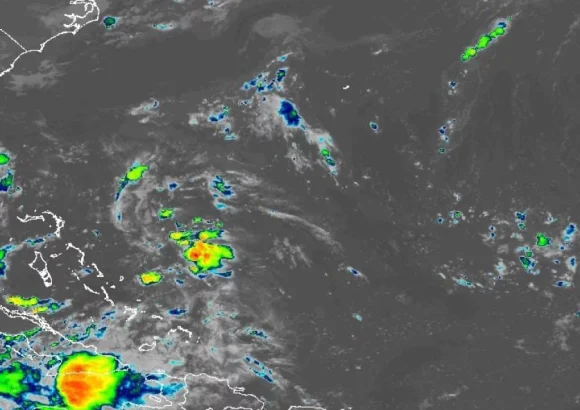
    BRIDGETOWN, Barbados — Regional climate scientists are sounding the alarm, calling on Caribbean governments, private sector actors, agricultural producers, and local communities to put proactive preparedness measures in place ahead of a developing El Niño event forecast to bring prolonged high heat and severe dry conditions across the Caribbean between 2026 and 2027.

    El Niño, the warm phase of the El Niño-Southern Oscillation (ENSO) climate cycle, forms every two to seven years when surface ocean temperatures rise across the central and eastern tropical Pacific. This warming weakens the normally persistent easterly trade winds, allowing warm ocean water to shift eastward across the Pacific, a shift that ripples through global weather systems and triggers far-reaching environmental disruption.

    Dr. Cedric Van Meerbeeck, a climatologist at the Barbados-headquartered Caribbean Institute of Meteorology and Hydrology (CIMH), explains that this upcoming event is projected to bring extended stretches of below-average rainfall combined with dangerously humid high temperatures. These conditions will strain regional water supplies, disrupt agricultural production, raise the risk of widespread heat stress, and exacerbate dry conditions across the region.

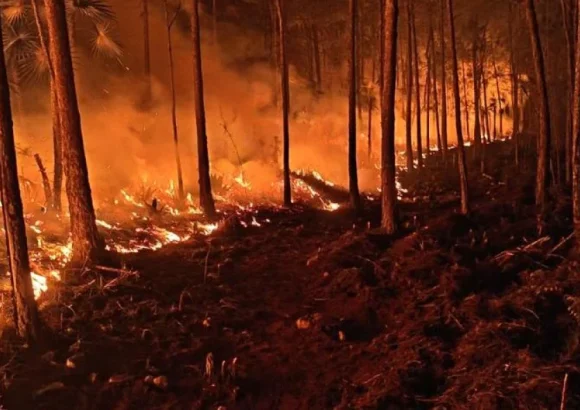
    Without comprehensive advance planning, CIMH warns that the cascading, overlapping hazards triggered by El Niño will cause severe socio-economic damage across the Caribbean. Historically, El Niño events have been tied to catastrophic regional droughts, including the major dry spells of 2009–2010 and 2014–2016. The climate pattern also amplifies risks of extreme heat events, out-of-control wildfires, and marine heatwaves that drive mass coral bleaching.

    These overlapping, destructive impacts were already seen during the record-breaking hot years of 2010, 2023, and 2024. Regions already facing ongoing drought, particularly across the Eastern Caribbean, could see extremely slow recovery of groundwater and surface water reserves during the upcoming wet season, which is set to begin as early as May 2026.

    While El Niño is historically associated with reduced Atlantic hurricane activity, Dr. Van Meerbeeck stressed that hurricane and storm risk cannot be dismissed: even a single powerful storm or intense rainfall event can cause catastrophic damage, as seen when Hurricane Andrew battered the Bahamas in 1992 and Tropical Storm Erika devastated Dominica in 2015.

    Professor Michael Taylor, co-director of the University of the West Indies Climate Studies Group Mona (UWI CSGM), noted that current forecasts point to the emergence of a new multi-hazard climate regime, where extreme heat, drought, and marine environmental damage occur simultaneously and amplify one another.

    “Our research has long identified these compound extreme events as a major threat to lives and livelihoods across the Caribbean,” Taylor said. “With advance warning of this looming overlapping threat, preparedness is not optional—it requires coordinated, cross-sector action and a unified regional approach.”

    Both CIMH and UWI CSGM confirm that this emerging climate pattern reflects a broader shift toward more complex, interconnected climate risks that threaten the Caribbean’s most critical sectors, including agriculture, water management, energy, and public health.

    Reduced rainfall paired with elevated temperatures will likely drive widespread agricultural losses, undermining regional food security and threatening the livelihoods of rural communities. Public health risks will also rise, with impacts on drinking water quality, increased transmission of vector-borne diseases, and a spike in heat-related illnesses. Water and energy infrastructure will come under growing strain, as demand for cooling rises—particularly in nations that depend on hydroelectric power or energy production cooled by freshwater.

    Broader economic disruptions will also hit key regional industries, including tourism, fisheries, and maritime shipping. Because the Caribbean relies heavily on imported goods, global supply chain disruptions linked to El Niño will impact trade, logistics, and access to essential goods and services. Governments have been urged to proactively assess risks to supply chains, transportation networks, and critical trade routes.

    For example, recent drought events have already disrupted operations at the Panama Canal, a key transit hub for goods bound for the Caribbean and U.S. East Coast ports. These disruptions directly harm regional food security and drive up the cost of living across Caribbean nations.

    El Niño forecast accuracy typically improves significantly starting in May, so Dr. Van Meerbeeck is urging all stakeholders to monitor evolving forecasts and impacts closely, adding that regional climate teams will continue tracking conditions and releasing timely public updates. He encourages decision-makers and the general public to watch for outcomes from the next Caribbean Climate Outlook Forum (CariCOF), hosted by CIMH and scheduled for the week of May 24.

    At the forum, regional climate experts and staff from National Meteorological and Hydrological Services will collaborate with national, regional, and international stakeholders from climate-sensitive sectors to deliver targeted guidance ahead of the upcoming wet season and Atlantic hurricane season.

    CIMH Principal Dr. David Farrell emphasized that early awareness and proactive preparedness are critical, noting that timely, actionable climate information is foundational to effective decision-making across the region.

    “Proactive measures are essential to reduce the impact of extreme weather on climate-sensitive sectors, vulnerable communities, and national economies,” Farrell said, reinforcing CIMH’s long-term commitment to strengthening regional climate resilience. He added that the institute has strategically expanded its services to place greater focus on water resources, marine ecosystems, earth observation, and climate forecasting, to support the development of more effective early warning systems across the Caribbean.

    In recent years, CIMH has dedicated substantial resources to studying how climate hazards like El Niño generate cascading, cross-sector impacts that lead to widespread socio-economic harm across the region. This research informs the design of risk-informed climate adaptation programs, which are core to building Caribbean resilience to long-term climate change and growing climate variability.

    Farrell concluded that strengthening early warning systems and expanding public access to clear, actionable climate information remains the top priority for boosting regional preparedness, and thanked regional governments and international development partners for their ongoing support of CIMH’s work to improve early warning infrastructure across the Caribbean.

  • Exclusive: Landmark push to create first regulated conservation areas First regulated conservation areas at Long Pond, Turners Hall Wood

    Exclusive: Landmark push to create first regulated conservation areas First regulated conservation areas at Long Pond, Turners Hall Wood

    For a quarter of a century, Barbados has planned to create its first formally protected national forest and regulated conservation area – and this March, that long-held vision finally moved from planning to implementation. In an exclusive report to Barbados TODAY, conservation leaders have confirmed that on-the-ground work is now underway at two ecologically irreplaceable sites in the parish of St Andrew: Turners Hall Woods, the island’s last remaining intact patch of original rainforest, and Long Pond, a biologically diverse coastal lagoon on Barbados’ East Coast. The two-year initiative is backed by nearly $184,000 in grant funding from the Barbados Environmental Sustainability Fund (BESF), and is being led by the local chapter of global conservation nonprofit The Land Conservancy Barbados.

    Robin Mahon, chair of The Land Conservancy Barbados and emeritus professor at the University of the West Indies Centre for Resource Management and Environmental Studies, emphasized that the team is prioritizing responsible use of existing funding before pursuing additional support. “We need to get on and do what we have been funded to do. I am not going to be going for any more funding from them until I finish with the funding I already have,” Mahon explained, noting the project officially launched on March 1 and is still in its early setup phases. The immediate next steps include recruiting a full-time project coordinator, building collaborative relationships with local communities, and coordinating with relevant national government departments to align work with existing national planning frameworks.

    The project’s core objectives, laid out in Barbados’ national Physical Development Plan, have been 25 years in the making: to establish a formal protected conservation area at Long Pond and the country’s first official national forest at Turners Hall Woods. To date, no protected conservation areas or national forests have been formally established on the island, so this project marks a historic milestone for Barbados’ conservation movement. Leaders chose these two sites for the pilot phase to demonstrate what can be accomplished, with hopes of expanding protection to other pre-identified sites in coming years.

    Turners Hall Woods spans 50 acres of land and is the only stretch of original rainforest that survived more than 400 years of human settlement and colonial-era deforestation on the island. It hosts thriving populations of ecologically significant native tree species, including sandbox, silk cotton, fustic, cabbage palm, trumpet tree, locust, and the macaw palm – a species indigenous exclusively to Barbados.

    Long Pond, by contrast, is a dynamic coastal lagoon fed by the Bruce Vale and Walkers Rivers, which drain the island’s second and third largest watersheds respectively. The site hosts a rare mosaic of distinct native habitats, including a naturally formed sand dune system, mature mangrove forests, a marshy woodland ecosystem, and the coastal lagoon itself. Geographically, the site is bounded by Walker’s Reserve to the north, the community of Belleplaine to the west, and private landholdings to the south.

    Mahon explained that the majority of the project budget will be allocated to the coordinator role and extensive community engagement work, as the initiative is designed to be community-led from its inception. “We want to establish community groups to run the conservation area and the national forest site long-term,” Mahon said. The project team will also resolve outstanding land ownership questions and draft formal management plans for both sites. At the conclusion of the two-year project, the team will submit a detailed outline development plan for each site to Barbados’ Planning and Development Department for formal approval.

    Budget breakdowns show the Long Pond project carries an estimated price tag of $108,000, while the Turners Hall Woods initiative is budgeted at $76,000. While the team is focused on delivering results with the current funding, Mahon noted that community-centered conservation is resource-intensive, and the organization is actively seeking additional private donors to expand impact. “Community-based work takes a lot of time and trouble… you spend a lot of time chasing down people and holding meetings and that kind of thing,” he explained. “We always need more money, but we are going to do the best we can with what we have got.”

    The BESF, which provided the seed funding for this initiative, is currently accepting applications for its second cycle of grant awards, after disbursing more than $1.2 million to eight local environmental projects during its first funding round last year. Beyond project grants, the fund has also invested millions of dollars in national marine spatial planning and broad sustainability initiatives across the island. For this second cycle, only organizations registered and operating within Barbados are eligible to apply, with funding available up to $300,000 per project focused on environmental conservation, climate resilience, and sustainable development.

    Grants are structured in three tiers to support projects of all sizes: small grants up to $50,000, medium grants ranging from $50,001 to $100,000, and large grants from $100,001 to $300,000. To be considered for funding, projects must demonstrate clear scalability, long-term financial and ecological sustainability, and measurable environmental impact. Eligible applicants include registered nonprofits, community-based organizations, government agencies, academic institutions, and private sector entities based in Barbados, with applications due by March 26.

    Established in 2022, BESF is a dedicated conservation trust fund created through a strategic Conservation Funding Agreement between the Government of Barbados and global conservation organization The Nature Conservancy. Its core mission is to mobilize financial resources to support impactful local projects that advance environmental sustainability and protect Barbados’ unique native biodiversity, safeguarding the island’s natural heritage for future generations.

  • NEPA signs MOU with SRC, Forestry to conserve endemic and threatened plant species

    NEPA signs MOU with SRC, Forestry to conserve endemic and threatened plant species

    KINGSTON, Jamaica — Three leading Jamaican environmental and scientific agencies have formalized a landmark collaborative partnership aimed at reversing the decline of the island nation’s unique native plant life, signing two landmark memoranda of understanding (MOUs) to unify their expertise, resources and conservation efforts. Jamaica’s National Environment and Planning Agency (NEPA) entered into the separate agreements with the Scientific Research Council (SRC) and the Forestry Department (FD), creating a coordinated framework for research, propagation, habitat restoration and public outreach centered on protecting the country’s endemic and at-risk plant species.

    Jamaica holds a globally significant distinction as the fifth-ranked island worldwide for rates of plant endemism, meaning a large share of its native flora is found nowhere else on Earth. But this unique biological heritage is increasingly under pressure: leading environmental officials warn that climate change, unregulated pollution, rapid landscape development, and unsustainable harvesting have pushed dozens of native species toward extinction, eroding the island’s biodiversity and threatening the ecological, cultural and economic benefits native plants provide.

    Addressing the urgency of the new partnership, NEPA Chief Executive Officer Leonard Francis noted that accelerating development has reshaped Jamaica’s natural landscapes in recent decades, putting unprecedented strain on native plant populations. Francis emphasized that every plant species is an irreplaceable piece of Jamaica’s natural heritage, which contributes an estimated billions of dollars to the national economy. Losing any endemic species, he argued, is a permanent loss for the country that can never be reversed.

    NEPA Deputy CEO Anthony McKenzie, who leads the agency’s environmental management and sustainability division, echoed that warning, stressing that the MOU signing comes at a critical moment for Jamaica’s biodiversity. McKenzie named climate change and widespread pollution as the two biggest drivers of biodiversity decline across the island, adding that urgent coordinated action is the only way to preserve the country’s standing as a global hotspot of unique plant life.

    Under the terms of the new partnership, the three agencies will work together to identify high-priority species for propagation and conservation, with selection based on national biodiversity goals, conservation urgency, and technical feasibility of recovery efforts. SRC Executive Director Dr. Charah Watson emphasized that cutting-edge scientific research will be central to the initiative, noting that innovative propagation methods including tissue culture will allow conservationists to scale up production of at-risk species for restoration. Watson framed the partnership as an investment in future generations, noting that Jamaica’s natural resources must be carefully protected and leveraged to ensure coming Jamaicans can benefit from the island’s unique natural heritage.

    Forestry Department CEO Ainsley Henry highlighted the untapped potential of Jamaica’s native flora for medical innovation, recalling childhood observations of how many common modern pharmaceuticals trace their origins to wild plant species. Henry underscored his agency’s full commitment to the partnership, noting that coordinated conservation and restoration work supports not only Jamaica’s national biodiversity targets but also global efforts to halt planetary biodiversity loss and build community resilience to climate change.

    The first high-priority target for the new partnership is the Lignum vitae, Jamaica’s iconic national flower, which is currently listed as endangered on the International Union for Conservation of Nature (IUCN) Red List of Threatened Species and protected under Appendix II of the Convention on International Trade in Endangered Species of Wild Fauna and Flora (CITES). Long-term population surveys conducted by NEPA between 2007 and 2024 confirm that Lignum vitae numbers have continued to decline steadily across the island, driven by land clearing for development, illegal harvesting, hurricane damage, drought and other climate-related impacts, making urgent intervention a critical priority.

    To build public support for Lignum vitae conservation, NEPA launched the Lignum vitae in Schools campaign in January 2024, an outreach initiative designed to raise awareness of the species’ ecological and cultural importance and encourage planting across school campuses and local communities. Three schools have already participated in the pilot phase of the program: Sheffield Primary and Negril Primary in Westmoreland, and St Hugh’s Preparatory in Kingston. NEPA is now calling on additional schools interested in joining the program to reach out to the agency via phone at (876) 754-7540 or email at pubed@nepa.gov.jm.

    NEPA’s CEO Francis stressed that biodiversity conservation is not a responsibility limited to government agencies, saying that every Jamaican has a role to play in protecting the country’s natural heritage. “We have a sacred duty to ensure that every single species, every single plant, survives in perpetuity,” Francis said, framing the new partnership as a critical step forward in fulfilling that obligation.

  • World Earth Day 2026: Wednesday, 22 April

    World Earth Day 2026: Wednesday, 22 April

    Grenada’s Ministry of Climate Resilience, The Environment and Renewable Energy has issued a public call for broad participation from all citizens, organizations and community groups across the island nation for the 2026 World Earth Day observance, scheduled for Wednesday, April 22.

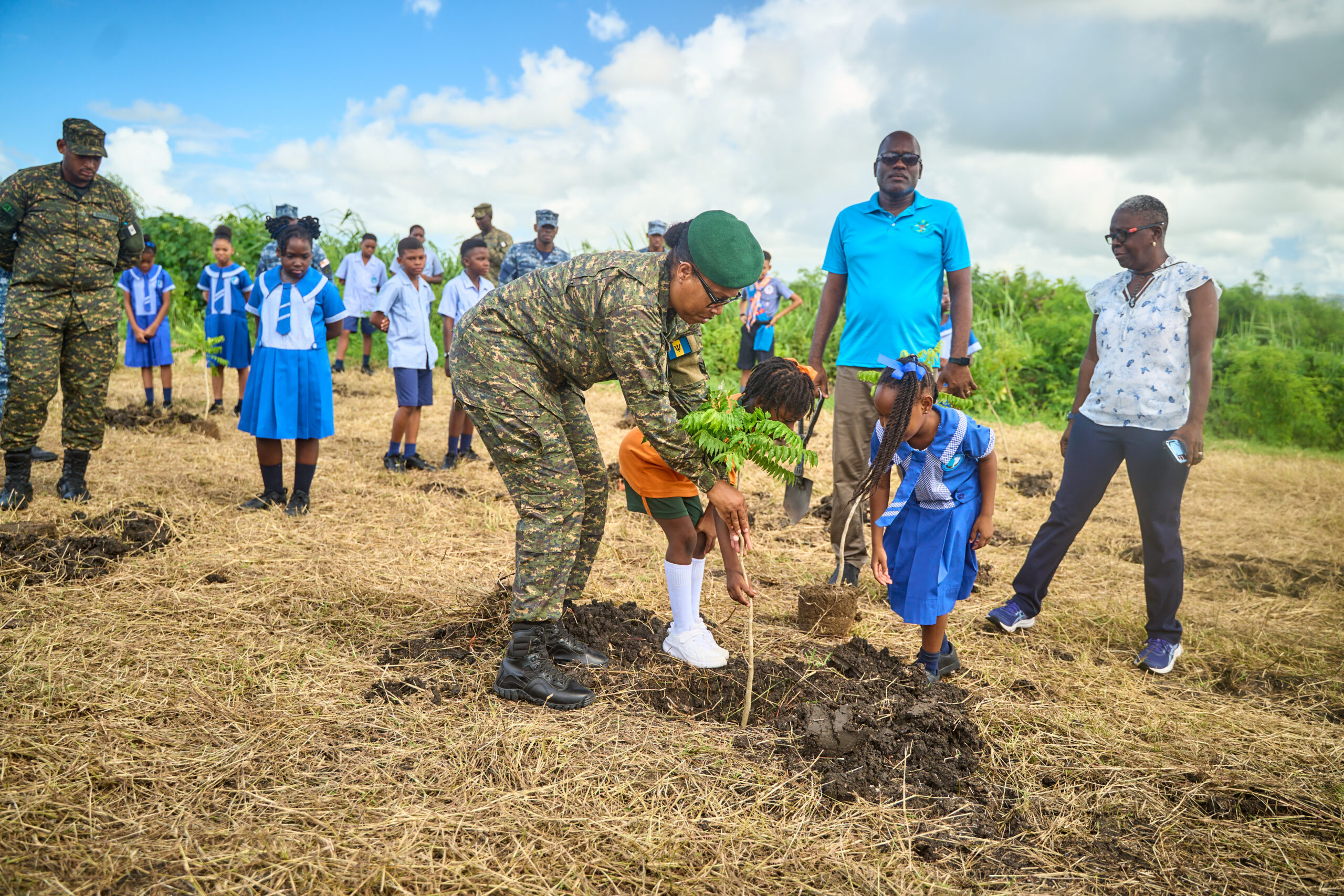
    This year’s national campaign, branded as the Parish Tree Planting and Earth Dress Day, is centered on advancing long-term environmental sustainability, boosting public ecological awareness, and mobilizing collective effort to safeguard Grenada’s unique natural ecosystems. Aligned with the global World Earth Day theme of “Our Planet, Our Power”, the initiative is designed to turn individual intent into coordinated national action.

    Organizers have outlined multiple accessible pathways for people across all age groups and sectors to get involved. First, participants are invited to wear clothing in signature Earth colors—shades of green or blue—on April 22 to visibly show their support for greater environmental consciousness. Beyond this simple gesture, individuals and groups are encouraged to take part in hands-on, eco-friendly activities that fit their local context: this can range from planting a native tree or starting a new community garden to organizing a local neighborhood cleanup or implementing personal waste-reduction habits. Participants are also asked to extend the invitation to their social circles, encouraging friends, family members and coworkers to join the movement and amplify the initiative’s reach. To celebrate the breadth of national engagement, attendees are invited to document their activities with photos and share them on social media, tagging the Ministry’s official Facebook and Instagram accounts. Selected contributions will be featured as part of Grenada’s official national Earth Day commemoration.

    The campaign emphasizes that meaningful environmental progress depends on cross-sector collaboration, bringing together government bodies, the local private sector, faith-based organizations, community associations and individual citizens under a shared mission to foster greater environmental responsibility and nurture national pride in Grenada’s natural heritage. Ministry organizers note that when small, individual actions are combined across the entire nation, they add up to a tangible, lasting impact that moves Grenada closer to its goal of becoming a greener, more climate-resilient and sustainable country.

    This call to action closes with an invitation for all Grenadians to stand united in support of the planet, joining the Ministry in marking 2026 World Earth Day and reaffirming the nation’s commitment to protecting its natural resources for future generations.

    *Disclaimer: This announcement was originally shared via NOW Grenada, which does not take responsibility for opinions, statements or third-party content contributed by external organizations. Users may report content that violates platform guidelines through official reporting channels.*

  • ESFN Participates in Wetland Monitoring Training Workshop in Barbuda

    ESFN Participates in Wetland Monitoring Training Workshop in Barbuda

    From April 13 to 17, 2026, the EcoShores Sustainable Futures Network (ESFN) will take part in a five-day IUCN Wetland Monitoring Training Workshop hosted at the Community Centre in Codrington, Barbuda, a key step to strengthen local and national capacity for evidence-based wetland protection across the Caribbean region.

    Designed to bridge theoretical knowledge and practical application, the workshop will equip participating conservation practitioners with hands-on training in core monitoring techniques, including water quality assessment, mangrove and coastal vegetation mapping, avian population surveys, and standardized digital data management. In the workshop’s final two days, attendees will translate their new skills into action through a pilot monitoring exercise at Codrington Lagoon, a designated RAMSAR wetland site of global conservation importance. This on-site field component gives participants a unique opportunity to test newly learned methodologies, analyze initial field results, and refine monitoring frameworks to suit the unique ecological conditions of Caribbean coastal wetlands for long-term use.

    Wetland ecosystems are dynamic landscapes that shift gradually in response to climate change, coastal development, and other human and natural pressures; without consistent, systematic monitoring, these subtle but significant ecological changes can go undetected, undermining targeted conservation action. For ESFN, this training directly advances the organization’s core mission of community-centered conservation, equipping its team with the skills to strengthen ongoing outreach programs and on-the-ground protection initiatives across Small Island Developing States (SIDS). Beyond building technical capacity for ESFN staff, the training empowers participants to share their new expertise and monitoring findings directly with local communities that depend on healthy wetland ecosystems for their livelihoods and cultural heritage.

    This workshop builds on a series of prior conservation collaborations between ESFN and the regional Wise Use of Caribbean Wetlands Project. ESFN representatives previously participated in two national workshops under the initiative that delivered a comprehensive vulnerability assessment of the Codrington Lagoon RAMSAR site. The training also follows closely on the heels of ESFN’s World Wetlands Day Ecological Tour of the Barbuda RAMSAR site, held on February 21, 2026, which was also supported by the Wise Use of Caribbean Wetlands Project, creating a continuous pipeline of engagement and capacity building for local conservation.

    “Wetland and coastal monitoring generates the foundational knowledge needed to guide smart conservation decisions and build long-term ecosystem resilience to climate impacts,” explained Britney McDonald, ESFN Portfolio Manager, in a statement ahead of the workshop. “By participating in this training, we are reinforcing our commitment to growing local conservation capacity, and ensuring that communities, including all Barbudans, have the practical tools they need to protect and manage these critical habitats themselves.”

    Healthy wetlands deliver a wide range of irreplaceable global and local benefits: they support unparalleled biodiversity, act as natural coastal defenses that buffer communities against storm surges and sea level rise driven by climate change, and sustain fishing, tourism, and other core livelihoods for coastal populations. To extend the impact of the workshop, ESFN is calling on local community members, youth groups, and organizational partners to stay engaged in wetland conservation efforts, and to reframe these vital ecosystems as living, open-air classrooms that connect scientific research, local cultural heritage, and everyday community life.

    As an extension of this educational mission, participants in ESFN’s existing Community Swim Programme will soon begin collecting regular marine and coastline data to support the organization’s long-term field monitoring efforts. This citizen science initiative does more than expand the scope of ESFN’s research: it also builds public confidence in understanding the coastal environments that shape daily life in Barbuda, and creates dedicated, accessible spaces for women and young people to take on active leadership roles in local conservation. Centering diverse community voices in monitoring and conservation planning ensures that protection efforts are inclusive, and that local populations feel empowered to steward their ecosystems for future generations.

    Across all its programming, ESFN aligns its wetland conservation work with broader national and regional development priorities, linking ecological protection to goals for accessible environmental education, youth economic and social empowerment, and improved community well-being across SIDS.

    A registered non-profit organization, ESFN focuses on advancing sustainability, environmental conservation, and community empowerment across Small Island Developing States and the Southern United States. The organization addresses interconnected global challenges, from climate justice and biodiversity loss to youth development, green technology innovation, and environmental education. Through signature initiatives including the ESFN Volunteer Explorer Program, World Wetlands Day outreach, the Build Your Future youth development program, the Community Swim Programme, and the Endeavour conservation publication, ESFN cultivates innovative, community-led solutions and inspires collective action to protect marine and coastal ecosystems. The organization also prioritizes supporting creative media and cultural expression from vulnerable communities, with a particular focus on elevating youth leadership and voices in conservation.

  • Officials From Central Africa Come to Belize to Exchange Ideas

    Officials From Central Africa Come to Belize to Exchange Ideas

    In a collaborative effort to advance marine conservation and sustainable blue economic development, Belize opened its doors this Tuesday to a nine-member delegation of officials and project partners from Gabon, a small Central African nation bordering the Atlantic Ocean. The visit, centered on sharing expertise around nature and blue finance mechanisms, is organized jointly by The Nature Conservancy and the government of Belize under the framework of the newly launched Nature Bonds Knowledge Exchange initiative.

    The core focus of this cross-continental exchange is to disseminate actionable, on-the-ground lessons drawn from Belize’s groundbreaking work in ocean debt-for-conservation swaps, a policy tool that has drawn global attention for its ability to tie debt restructuring to environmental protection commitments. Over the first day of talks, participants dived into critical operational details of these deals, including the architecture of fund management, cross-ministerial coordination frameworks, and strategies for aligning conservation goals with high-priority blue economy sectors—specifically sustainable commercial fishing and nature-based tourism.

    In addition to debt swap insights, Belize’s delegation also showcased its innovative pilot initiative for electronic fishing vessel monitoring, a technology-driven solution designed to curb illegal, unreported, and unregulated fishing and protect vulnerable marine ecosystems. For their part, Gabonese representatives shared an overview of their national marine governance structure, as well as the unique ecological and socioeconomic challenges their country faces as it works to expand blue conservation finance.

    For the remainder of the week, the Gabonese delegation will hold closed-door working sessions with a broad range of Belizean stakeholders, including federal government agencies, local non-governmental conservation organizations, and other key partners that have been involved in implementing Belize’s blue bond and debt swap commitments. The exchange is expected to lay the groundwork for future cross-regional collaboration on ocean conservation, as both nations work to balance environmental protection with inclusive economic growth for coastal communities.

  • REMAR project launched to restore OECS mangroves

    REMAR project launched to restore OECS mangroves

    On April 11, 2026, the Organisation of Eastern Caribbean States (OECS) Commission held an official virtual launch ceremony for the groundbreaking Resilient Ecosystems through Mangrove Restoration (REMAR) Project, in close partnership with France’s Agence Française de Développement (AFD) and the French Facility for Global Environment (FFEM).

    This five-year regional initiative carries a total investment of €5.5 million, marking one of the most significant recent commitments to advancing climate resilience, biodiversity protection, and inclusive sustainable livelihoods across the Eastern Caribbean. Over its implementation period, the project will deliver targeted support for mangrove restoration and long-term collaborative ecosystem management across five participating OECS territories: Grenada, St Lucia, St Vincent and the Grenadines, Martinique, and Guadeloupe.

    Mangrove forests rank among the most ecologically and economically valuable coastal ecosystems in the entire Caribbean region. These unique coastal habitats deliver a wide range of critical ecosystem services: they shield shorelines from destructive erosion and dangerous storm surges, provide essential breeding and feeding grounds that underpin local commercial and artisanal fisheries, support a wide array of unique native biodiversity, filter pollutants to improve coastal water quality, and sequester far larger volumes of atmospheric carbon than most terrestrial forest ecosystems, making them a powerful natural tool for climate change mitigation.

    Despite their outsized importance, Caribbean mangrove habitats have faced growing, cumulative threats in recent decades. Unsustainable coastal development, pollution, rising sea levels and intensifying storm activity driven by climate change, recurring hurricane damage, severe flooding events, and the rapidly growing crisis of large-scale sargassum inundations have all degraded vast swathes of mangrove habitat across the region.

    Speaking during the project’s official launch, OECS Director General Dr. Didacus Jules framed REMAR as far more than an environmental intervention, calling it a strategic investment in regional communities, natural resources, and cross-border cooperation. “Protecting and restoring mangroves is not simply an environmental choice; it is a development imperative,” Jules noted. “REMAR is one such model. A model that brings together regional cooperation, local ownership, and strategic partnerships. A model that allows us to learn, adapt, and scale. And a model that positions the OECS not only as a beneficiary of support, but as a driver of solutions.”

    Jules added that the new initiative aligns perfectly with the OECS’s core vision of lifting quality of life for all people across the region through collective action and equitable, impact-focused development cooperation.

    Domenico Ditaranto, Deputy Head of Mission for the Embassy of France to the Eastern Caribbean States, Barbados, and the OECS, reaffirmed France’s longstanding commitment to sustainable development and collaborative regional action in the Caribbean. “REMAR is a very iconic project because it embodies regional cooperation that is highly relevant for the Caribbean,” Ditaranto said. “It shows the commitment of France and the value of working together to respond to shared challenges.”

    Quentin Lajus, representing the Agence Française de Développement, also delivered remarks at the ceremony, highlighting the urgent need for coordinated cross-border action to address shared regional threats ranging from biodiversity loss and climate change to increasing coastal vulnerability. “The challenges that are shared by the region’s states and territories go beyond national borders and require joint, coordinated responses,” Lajus explained. “This is why our partnership with the OECS is so important and why REMAR is such a meaningful initiative.”

    The REMAR Project is structured around three core strategic pillars that guide its work across all participating territories. First, it supports community-led restoration efforts at sites where mangrove habitats have been heavily degraded. Second, it works to expand scientific understanding of Caribbean mangrove ecosystems and establish open regional data-sharing protocols. Third, it focuses on strengthening institutional capacity for long-term ecosystem management and conservation across local, national, and regional levels.

    At the regional level, the OECS Commission will lead overall implementation coordination, facilitate cross-territory knowledge exchange, and support the development of a new regional network focused on mangroves and swamp forest conservation. At the local level, site managers and community stakeholders will lead all restoration planning and on-the-ground work, with activities tailored to the specific ecological conditions and socio-economic needs of each territory.

    Over the long term, project leaders expect REMAR to deliver far-reaching benefits across environmental, social, and economic domains. These outcomes include healthier, more resilient coastal ecosystems, expanded and more stable livelihoods for coastal communities dependent on mangrove resources, stronger local stewardship of natural resources, and more coordinated regional policy frameworks for mangrove protection.

    Through the REMAR initiative, the OECS Commission and its partner organizations are reaffirming their shared commitment to building a more resilient, interconnected, and sustainable Eastern Caribbean, centered on nature-based climate solutions and strengthened by regional collective action.