分类: environment

  • Environment Ministry enforces 60-meter beach buffer rule for Easter

    Environment Ministry enforces 60-meter beach buffer rule for Easter

    As the Dominican Republic prepares for the annual Easter holiday rush that draws thousands of visitors to its sun-soaked coastal stretches, the nation’s Ministry of Environment and Natural Resources has announced enhanced enforcement of a critical coastal protection regulation. The updated ruling, codified as Resolution No. 026/2025 and officially signed by Environment Minister Paíno Henríquez, mandates that all vehicle parking on public beaches and coastal dunes must maintain a minimum 60-meter setback from the high tide line.

  • OECS Commission hands over ice coolers to Dominica’s fisherfolk to enhance sustainable fisheries

    OECS Commission hands over ice coolers to Dominica’s fisherfolk to enhance sustainable fisheries

    On March 31, 2026, a key milestone for sustainable coastal development in the Eastern Caribbean was reached when the Organisation of Eastern Caribbean States (OECS) Commission formally transferred 30 purpose-built ice coolers to local fishing collectives in Dominica. The handover, carried out in partnership with the Government of the Commonwealth of Dominica, is part of the EU-funded Biodiversity Support Programme for ACP Coastal Environments, better known as BioSPACE, a regional initiative focused on balancing marine conservation and community economic growth.

    The official ceremony drew a cross-section of stakeholders, including Dominica’s Chief Fisheries Officer Wynnona Joseph, senior government fisheries department officials, and elected representatives from the Mahaut and Layou fishing communities — two groups that will directly benefit from the new equipment.

    Unlike broad policy-focused interventions, the delivery of ice coolers represents a targeted, practical solution to a longstanding challenge facing small-scale fishers across the Caribbean: post-harvest loss. For many local operators, lack of access to reliable cold storage immediately after a catch leads to widespread spoilage, forces rushed sales at below-market rates, and drags down the overall quality of landed product. By upgrading local cold storage capacity, the BioSPACE project aims to cut post-harvest waste, lift product quality standards, and boost the net income that fishing households earn from each trip.

    OECS Commission officials emphasized that building local capacity and advancing the sustainable stewardship of marine resources are core, enduring priorities for the regional body. Improved post-harvest handling and storage do more than cut waste: they strengthen the overall efficiency of the fisheries sector, boost its resilience to external economic and environmental shocks, and lay the groundwork for long-term sustainability.

    This handover aligns with the overarching mission of the BioSPACE initiative, which integrates biodiversity protection with tangible economic gains for communities that rely on coastal and marine resources for their livelihoods. Through close coordination with national government agencies and grassroots local stakeholders, the programme continues to roll out community-centered interventions that strike a balance between pressing environmental conservation goals and the need for inclusive economic opportunity.

    This latest donation is not an isolated effort: the OECS’s support for sustainable blue economy development in Dominica extends back years, with a previous high-impact intervention delivered in 2024. That year, the BioSPACE project provided a custom locally built fiberglass boat to seamoss producers operating in Woodford Hill Bay. The new vessel dramatically improved the farmers’ ability to move farming equipment, reach remote cultivation sites, and harvest crop more efficiently. That investment has already strengthened livelihoods across the sector, especially for rural producers and women-led seamoss enterprises, while advancing sustainable marine management and supporting the expansion of the Eastern Caribbean’s fast-growing blue economy.

    At the conclusion of the March 31 handover ceremony, project representatives urged beneficiary fishing groups to implement regular maintenance protocols for the new coolers, to ensure the equipment delivers lasting benefits to the entire community and supports ongoing progress toward a more sustainable, economically vibrant regional fisheries sector.

  • Behind the Catch: How Belize’s Seafood Reaches Your Plate

    Behind the Catch: How Belize’s Seafood Reaches Your Plate

    In the coastal waters of Belize, a comprehensive sustainability initiative is transforming how seafood reaches consumers’ plates. The Belize Fund for a Sustainable Future is spearheading efforts to maintain the delicate balance between fishing traditions and marine conservation, ensuring future generations can enjoy the nation’s culinary treasures.

    The intricate system involves multiple stakeholders working in coordination—from generational fisherfolk households to enforcement officers and restaurant owners. Through revised regulations, the Fisheries Department now requires vendors and middlemen to register, closing critical data collection gaps in the supply chain. This enhanced tracking system helps monitor seafood from harvest to consumption.

    Conservation measures include specific fishing zones, size limitations, and seasonal closures designed to protect vulnerable species. The Nassau Grouper, classified as critically endangered, receives particular attention through protection parameters that safeguard juvenile specimens and mature ‘mega spawners’ that contribute significantly to population replenishment.

    Enforcement teams from organizations like TASA conduct rigorous inspections using specialized equipment including scales, measuring tapes, and detailed fish boards. They monitor catches for compliance, issuing warnings or infractions for undersized conch or other regulated species.

    The sustainability chain extends to restaurants like Smokeez Seaside Restaurant & Bar, where owner Ramon Salgado emphasizes responsible sourcing practices. By refusing to purchase undersized conch or out-of-season species, restaurants play a crucial role in market-driven conservation.

    This integrated approach demonstrates how proper fisheries management supports both marine ecosystems and coastal communities’ livelihoods. The system represents a model for sustainable fishing that preserves both seafood resources and cultural traditions for future generations.

  • Jamaicans urged to step up in tree recovery effort

    Jamaicans urged to step up in tree recovery effort

    Jamaican Prime Minister Andrew Holness has issued a compelling nationwide appeal for volunteers to participate in an extensive reforestation campaign, responding to the severe environmental damage caused by Hurricane Melissa in October. The urgent call to action came during Wednesday’s official launch of the Reforestation, Ecological Enhancement and Landscape Framework (RE-LEAF) program at Lowe River Primary and Infant School in Trelawny.

    The ambitious first phase of this ecological restoration project, scheduled from January to June 2026, targets the planting of 300,000 seedlings with a strategic inclusion of 30,000 fruit trees to simultaneously address food security concerns. Minister of Water, Environment, and Climate Change Matthew Samuda reported that over 2,000 volunteers have already registered through the dedicated portal established on the Forestry Department’s website.

    Holness emphasized the critical timeline for implementation, stating, “We want to do it very quickly,” while announcing parallel infrastructure developments including new nursery facilities in western Jamaica to support the massive seedling requirement. The prime minister specifically encouraged citizens to plant fruit trees alongside ornamental varieties, highlighting the government’s strategic approach to ecological diversity.

    The initiative has been designed with scientific input from forestry experts who discovered that areas with monoculture vegetation suffered disproportionately greater damage during the hurricane compared to zones with diverse tree populations. This finding has directly influenced the program’s emphasis on introducing varied species in previously uniform planting areas.

    Minister Samuda underscored the necessity of collective participation, noting that achieving the 300,000-tree target will require engagement from churches, service clubs, and educational institutions across Jamaica. The launch ceremony itself began symbolically with the planting of 1,000 seedlings, representing the initial step toward the larger goal.

    Governor General Sir Patrick Allen praised the comprehensive nature of the RE-LEAF program, describing it as “a truly holistic approach” that connects environmental restoration with multiple benefits including enhanced food security, improved public health, social development, biodiversity conservation, and disaster risk reduction.

    Prime Minister Holness further elaborated that the restoration efforts would extend beyond traditional forests to include mangrove ecosystems, emphasizing that national resilience requires decentralized responsibility. “Resilience is not just a feature of the Government,” he asserted. “Every institution in the society and every individual must be resilient.”

  • Blue Economy Minister Warns of Escalating Sargassum Threat

    Blue Economy Minister Warns of Escalating Sargassum Threat

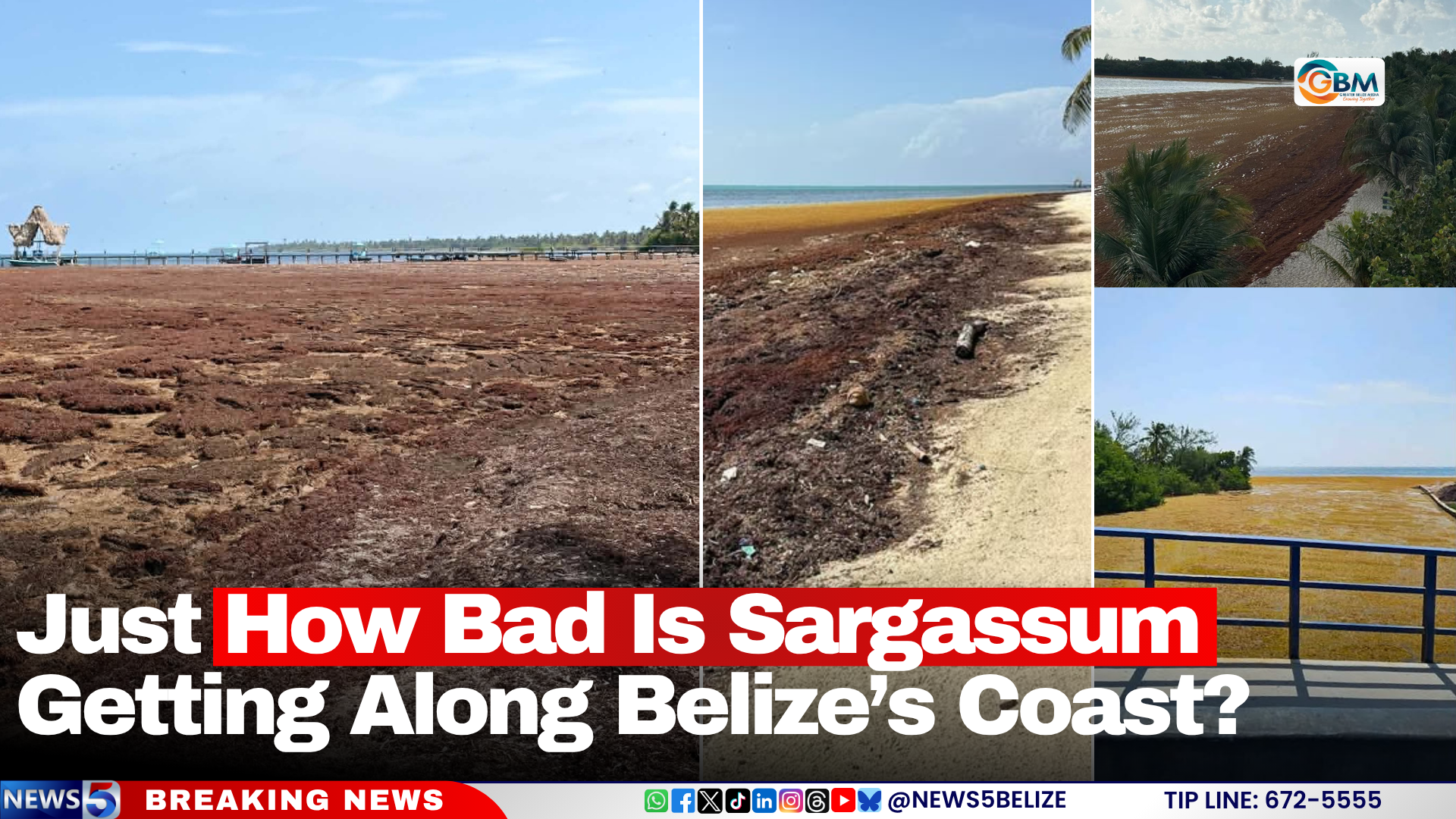
    Belize’s coastal regions are preparing for another significant environmental challenge as meteorological authorities forecast a substantial sargassum influx approaching key shoreline communities. The National Meteorological Service has issued alerts for San Pedro, Caye Caulker, Hopkins, and Placencia, anticipating severe ecological and economic impacts in the coming days.

    In response to the escalating threat, San Pedro’s Town Council has implemented proactive measures, deploying specialized containment corrals along vulnerable coastlines. This initiative aims to mitigate the financial burden on local hotels and businesses that have faced relentless cleanup expenditures during previous sargassum events.

    The situation has reached parliamentary attention, with Andre Perez, Minister of Blue Economy, addressing the National Assembly on March 24, 2026. Minister Perez characterized the sargassum phenomenon as one of Belize’s most critical environmental emergencies, emphasizing that the government regards it as a national priority rather than a seasonal nuisance.

    Minister Perez outlined a comprehensive governmental strategy developed through the Ministry of Blue Economy and Marine Conservation. The multi-faceted approach includes implementing efficient collection systems, establishing environmentally sustainable disposal methods, and exploring conversion technologies that transform the seaweed into valuable resources. This forward-thinking perspective seeks to identify economic opportunities within the ecological challenge, potentially creating new value chains from the abundant organic material.

    The minister highlighted the broader Caribbean context, noting increasing frequency and intensity of sargassum blooms throughout the region. Beyond tourism impacts, the seaweed influx disrupts traditional fishing operations and presents emerging public health concerns for coastal populations.

  • Over 400 Illegal Dumpsites Found Across Belize

    Over 400 Illegal Dumpsites Found Across Belize

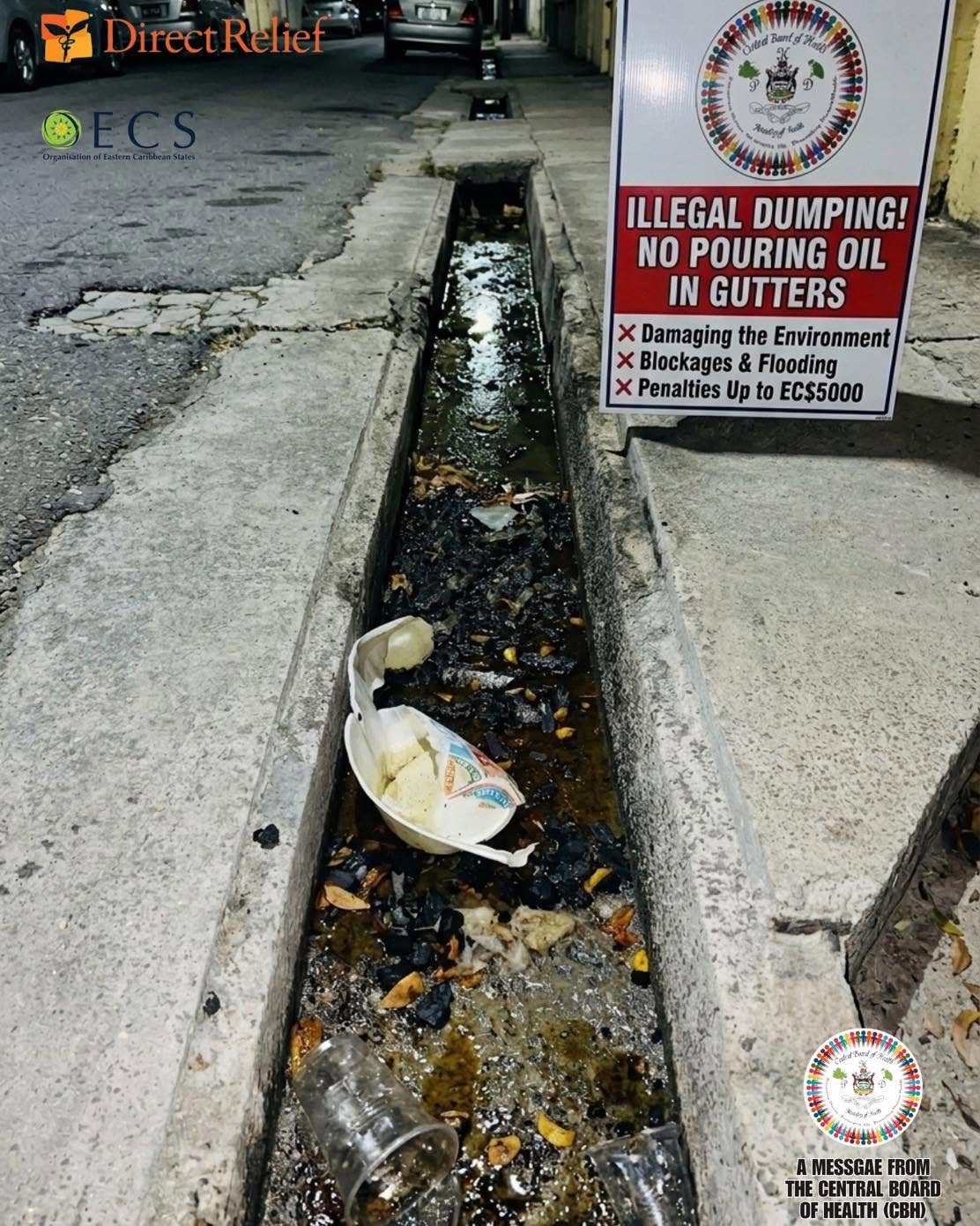
    The Belizean government has declared war on environmental pollution after revealing the existence of more than 400 illegal dumpsites scattered across the country. Minister of Sustainable Development Orlando Habet unveiled an ambitious $2 million anti-dumping initiative during Monday’s budget debate at the National Assembly.

    The comprehensive strategy employs a multi-pronged approach combining technological surveillance, enhanced enforcement, and infrastructure development. Surveillance cameras will be deployed at identified garbage dumping hotspots while littering laws will be rigorously enforced. “The days of irresponsible dumping must come to an end,” Minister Habet asserted before the House, emphasizing strengthened public accountability measures.

    Financial allocation will facilitate the complete operationalization of transfer stations in Orange Walk and Corozal, extending proper waste management services to previously underserved communities. National assessment data indicates the Belize District contains the highest concentration of illegal dumping activity.

    Despite the challenges, progress reports indicate positive momentum. Over the past year, approximately 62,000 tonnes of waste were properly processed through seven transfer stations serving around 220,000 citizens. Concurrently, a home composting pilot project across Orange Walk, Benque Viejo, and Dangriga is projected to divert over 590,000 pounds of organic waste annually from landfills.

    The environmental department will double its enforcement capacity through new personnel hires, with officers deploying district-wide to collaborate with local councils on identification and cleanup operations. Special emphasis will be placed on San Pedro, a key tourism destination, where stronger regulatory presence is planned. The government is additionally exploring waste-to-energy conversion technologies, including repurposing sargassum seaweed accumulations.

  • The Last 11 Years Were the Hottest Ever Recorded

    The Last 11 Years Were the Hottest Ever Recorded

    In a sobering declaration from the World Meteorological Organization, planetary climate systems have reached their most imbalanced state throughout recorded human history. The newly released State of the Global Climate 2025 report delivers conclusive evidence that the period spanning 2015 through 2025 represents the warmest eleven-year sequence ever documented, with the final year ranking as either the second or third hottest individual year in observational records.

    United Nations Secretary-General António Guterres framed the findings with urgent rhetoric, stating: ‘Humanity has just endured the eleven hottest years on record. When history repeats itself eleven times, it is no longer a coincidence. It is a call to act.’

    The comprehensive assessment reveals that Earth’s oceans have absorbed over 91% of excess atmospheric heat, reaching unprecedented temperature levels during 2025. Polar regions experienced severe ice depletion, with both Arctic and Antarctic sea ice diminishing to near-record minimum extents. Simultaneously, glacial systems across diverse regions from Iceland to North America underwent exceptional mass reduction. These combined factors have accelerated sea level rise—a phenomenon scientists project will persist for centuries due to thermal expansion and continued ice melt.

    The critical data underpinning these findings originates from an intricate global network of satellites, ground sensors, and scientific monitoring stations that track environmental changes in real-time. The report’s publication coincided with World Meteorological Day on March 23, which adopted the thematic imperative ‘Observing Today, Protecting Tomorrow.’ This concept emphasizes how meteorological observation extends beyond daily weather prediction to encompass vital early warning systems that safeguard vulnerable communities and enable future preparedness.

    WMO Secretary-General Celeste Saulo encapsulated this mission with clarity: ‘When we observe today, we don’t just predict the weather; we protect tomorrow. Tomorrow’s people. Tomorrow’s planet.’ The organization underscores that continuous climate monitoring provides indispensable tools for mitigating coming environmental challenges and protecting global populations from escalating climate disruptions.

  • Heavy Sargassum Influx Forecast as Government Rolls Out National Response

    Heavy Sargassum Influx Forecast as Government Rolls Out National Response

    Belize’s coastal regions are preparing for another significant sargassum inundation as meteorological experts forecast substantial seaweed accumulations along critical shorelines. The National Meteorological Service has issued alerts for multiple communities including San Pedro, Caye Caulker, Hopkins, and Placencia—areas consistently impacted by the region’s escalating marine vegetation crisis.

    Immediate response measures are already underway, with San Pedro’s Town Council deploying specialized containment corrals along vulnerable coastlines. These floating barrier systems aim to intercept and manage seaweed before it reaches tourist beaches, providing crucial support to hospitality enterprises that have incurred substantial daily cleanup expenditures to maintain their properties and preserve the nation’s vital tourism industry.

    The ecological challenge has ascended to national policy discussions, receiving prominent attention in the National Assembly. Andre Perez, Minister of Blue Economy, characterized the sargassum phenomenon as among the most urgent and visible environmental challenges confronting coastal communities. Minister Perez emphasized the pattern of increasing frequency and intensity of seaweed influxes throughout the Caribbean region, noting multifaceted impacts on tourism infrastructure, fishing industries, and public health systems in affected areas.

    The government’s approach transcends temporary mitigation measures, with Perez asserting that authorities are treating sargassum not as seasonal nuisance but as national priority. The Ministry of Blue Economy and Marine Conservation is developing a comprehensive, scalable national response strategy encompassing enhanced collection mechanisms, environmentally sustainable disposal protocols, and investigation into potential economic opportunities through conversion technologies and value-added product development.

    Minister Perez concluded with an optimistic perspective, noting that the current administration perceives potential economic opportunities within the ecological challenge, signaling a paradigm shift from crisis management to innovative adaptation in addressing this persistent environmental issue.

  • Backing the Defenders of Belize’s Natural Heritage

    Backing the Defenders of Belize’s Natural Heritage

    In a landmark celebration of environmental stewardship, the Belize Nature Conservation Foundation (BNCF) has awarded substantial funding to two frontline conservation organizations during its eighteenth annual awards ceremony. The event, held recently in Bermudian Landing, highlighted Belize’s innovative approach to sustainable conservation financing that has endured for over a quarter-century.

    The Community Baboon Sanctuary Women’s Conservation Group and Friends for Conservation and Development (FCD) each received $50,000 grants to intensify their protective measures. The Baboon Sanctuary group will allocate resources toward enhanced environmental education programs targeting youth engagement through practical training and outdoor learning experiences. Simultaneously, FCD will deploy its funding to strengthen surveillance operations within the vulnerable Chiquibul Cave System, equipping specialized units to combat illegal activities threatening this ecological treasure.

    BNCF Chair Edilberto Romero emphasized the historic significance of the foundation’s enduring financial model, noting: ‘After twenty-five years, we still have resources available for grants due to our unique debt-for-nature swap design. Unlike similar initiatives in Latin America that exhausted their funds within a decade, our endowment approach has created lasting impact.’

    The ceremony underscored Belize’s collaborative conservation framework, with both recipient organizations working in coordination with national institutions including the Protected Areas Conservation Trust, the National Biodiversity Office, and the Institute of Archaeology, which holds jurisdiction over the nation’s cave systems.

    Jessie Young of the Community Baboon Sanctuary articulated their mission to ‘inspire behavioral change and cultivate a new generation of conservation leaders,’ while FCD Executive Director Rafael Manzanero emphasized the critical need for ‘ranger presence, equipment, and specialized training’ to protect Belize’s natural heritage effectively.

  • Fish Kill Near San Estevan Renews Fears Over New River’s Health

    Fish Kill Near San Estevan Renews Fears Over New River’s Health

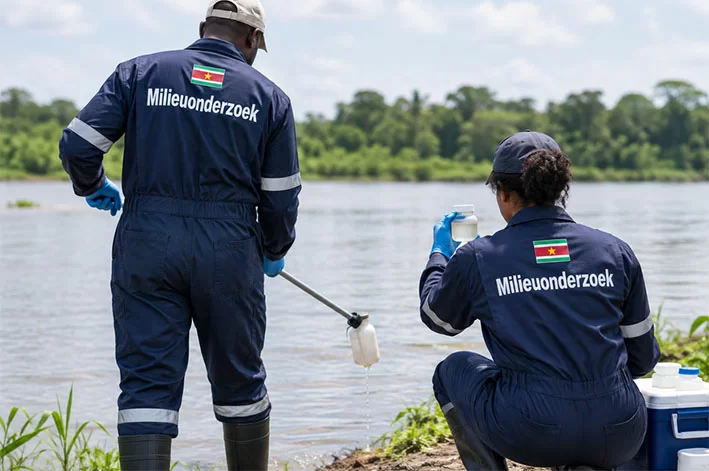
    A recent mass fish mortality event near San Estevan Village has reignited serious concerns regarding the ecological health of Belize’s New River. Environmental authorities confirmed their response to the incident in Orange Walk District, noting this alarming phenomenon has become an almost annual occurrence.

    Preliminary investigation data indicates the die-off resulted from critically low oxygen levels caused by extensive algal blooms. These blooms are fueled by excessive nutrient runoff originating from various human activities throughout the river’s watershed. The situation evokes memories of 2019 when the New River experienced severe eutrophication, transforming its waters into a foul-smelling, oxygen-depleted environment.

    Chief Environmental Officer Anthony Mai provided critical context: “This is an occurrence that happens almost every year or every two years. Eutrophication means there was an algal bloom, normally caused by high nutrients within a water body. The algae proliferate and bloom, drawing down oxygen levels into an anoxic state that results in fish kills.”

    While scientists now possess comprehensive watershed data and a strategic pollution reduction plan, a crucial infrastructure solution remains unrealized. The most significant proposed intervention—rerouting Orange Walk’s municipal drainage system to divert wastewater toward savanna areas instead of the river—awaits government action. Mai emphasized that meaningful progress now depends on these long-overdue infrastructure improvements to alleviate the persistent strain on the New River’s ecosystem.

    The Department of the Environment acknowledges that all operations along the river contribute to this complex environmental challenge, highlighting the need for coordinated watershed management to address the recurring ecological crisis.