分类: environment

  • The cleanup of Cap

    The cleanup of Cap

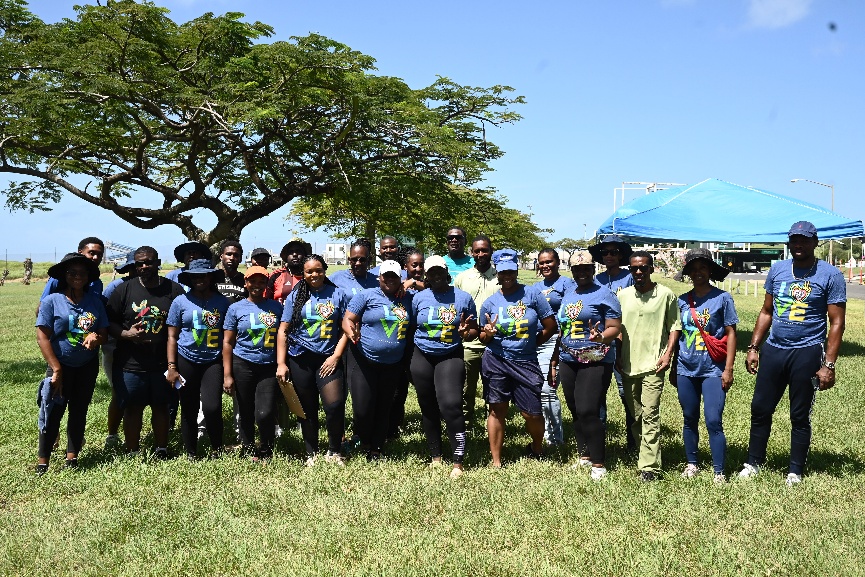
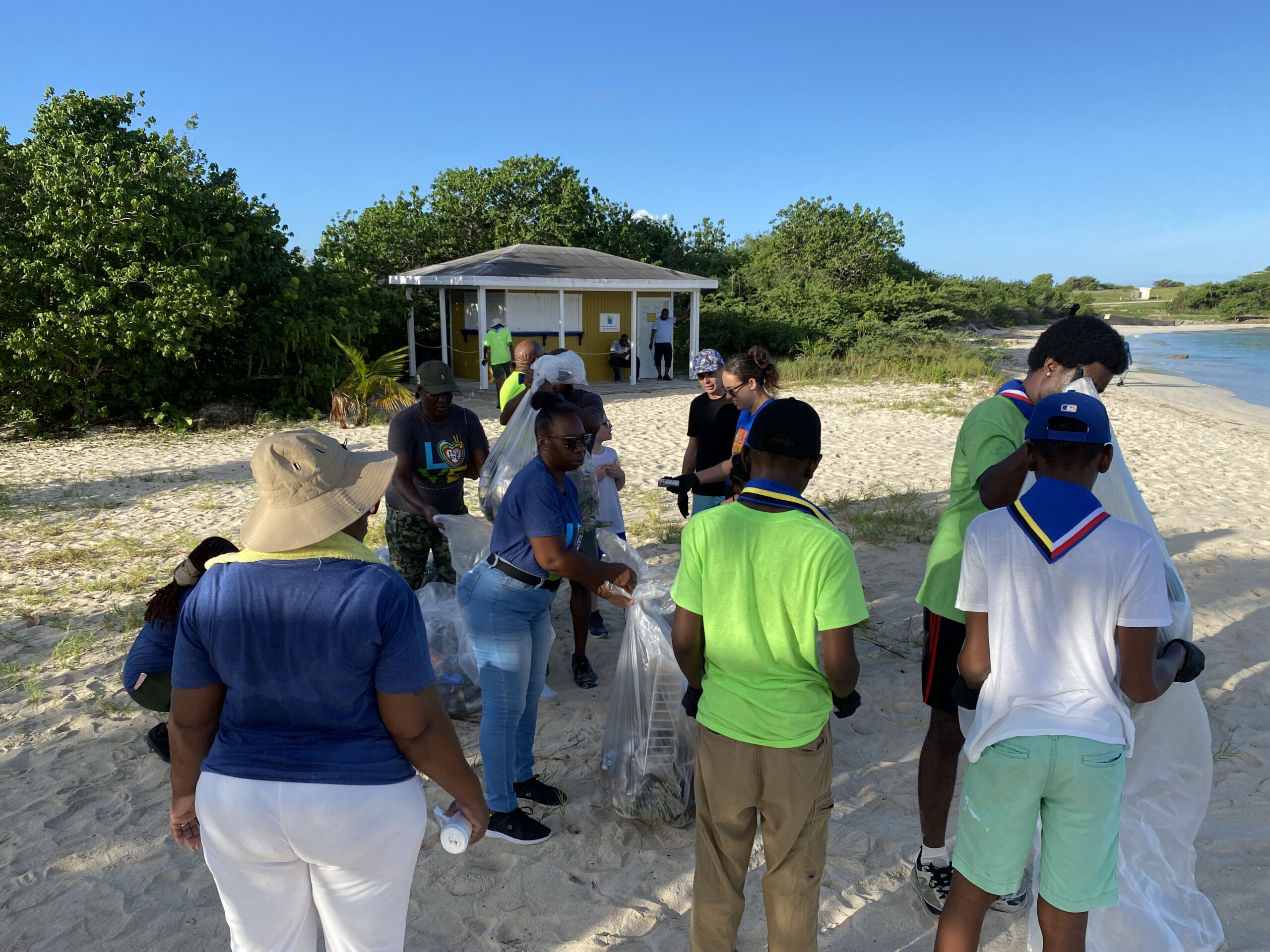
    Long plagued by chronic sanitation gaps that threaten public health and economic vitality, Haiti’s northern coastal hub of Cap-Haïtien is moving forward with sweeping cleanup efforts under the collective community initiative *Konbit Netwayaj*, paired with the monthly *Samedi Sitwayen* (Citizen Saturday) campaign that brings together residents and institutions for coordinated action on the last Saturday of every month. The ongoing effort, which first launched in September 2025, marked its latest major milestone on April 25, 2026, when Cap-Haïtien City Hall coordinated a cross-sector turnout of key national and local partners to clean up one of the city’s most high-profile public spaces.

    Joining the municipal team for the April cleanup were representatives from Haiti’s Ministry of the Environment, Ministry of Public Works, and the National Solid Waste Management Service (SNGRS), alongside dozens of civil society groups, all of whom turned out in force to advance the initiative’s goals. What makes this local effort particularly notable is that it forms an integral part of *Konbit Haiti Zero Waste*, a nationwide movement spearheaded by the Ministry of the Environment to overhaul the country’s fragmented waste management systems.

    The April cleanup operation focused specifically on the scenic coastline stretching along the key arterial road linking Cap-Haïtien’s international airport to its bustling city center. This corridor is widely recognized as the city’s primary gateway for visitors and commerce, making its upkeep a critical priority for boosting local tourism and economic activity.

    In opening remarks to participants, Cap-Haïtien Mayor Angie Bell welcomed the national program’s support, framing it as a long-awaited boost to the municipality’s ongoing work to build more sustainable waste management practices. Bell emphasized that poor sanitation has stood as one of the most pressing, long-running challenges facing the city, and that the collaborative initiative has injected new momentum into local efforts to turn the tide. The Cap-Haïtien Municipal Administration further reaffirmed its pledge to continue uniting community stakeholders around the shared goal of building a cleaner, more organized urban environment for all residents.

    Environment Minister Valery Fils Aimé used the event to highlight the collaborative model that underpins the national movement, noting that the effort draws together public sector agencies, private sector actors, and civil society organizations in a shared mission. He stressed that solving Haiti’s complex environmental and sanitation challenges requires collective responsibility, urging every resident and institution to commit to ongoing action. “The fight against environmental challenges cannot be won without everyone’s involvement. Every little bit counts,” Fils Aimé told attendees.

    Daril Baltaza, Director General of the SNGRS, echoed that sentiment, praising both Cap-Haïtien residents for their relentless determination and local leaders for their proactive commitment to rolling out the program successfully. Baltaza also called on residents to embed long-term change by adopting consistent, responsible waste disposal and recycling habits in their daily lives, beyond scheduled group cleanup events.

    The Cap-Haïtien event marks a key stepping stone in the national program’s gradual expansion across Haiti. On April 26, just one day after the Cap-Haïtien cleanup, Minister Fils Aimé traveled to the northeastern border city of Ouanaminthe to formally launch the *Konbit Haiti Zero Waste* program locally. The initiative will then roll out to the coastal city of Gonaïves starting April 27, with additional rollouts planned for other municipalities across the country in the coming weeks and months.

  • FLASH : An arson destroys the Botanical Garden of Les Cayes

    FLASH : An arson destroys the Botanical Garden of Les Cayes

    On April 25, 2026, just one day after global communities marked World Earth Day to celebrate and protect planetary biodiversity, a deliberate act of arson has left one of Haiti’s most important ecological and scientific sites in ruins: the Les Cayes Botanical Garden, a conservation hub decades in the making.

    Founded in 2003, the botanical garden grew far beyond a public green space over its 23 years of operation. Teams of botanists, conservationists and local researchers spent more than two decades traversing Haiti to collect and cultivate a one-of-a-kind collection of the country’s native and endemic plant species, many of which cannot be found anywhere else on Earth. The site also doubled as a critical wildlife refuge, supporting fragile local ecosystems and serving as a living laboratory for ecological research focused on Haiti’s unique natural heritage. Today, that decades-long work is gone: large swathes of the garden have been reduced to ash, with entire stretches left completely charred and unrecognizable.

    In an official statement released shortly after the fire was discovered, Haiti’s Ministry of the Environment issued a harsh condemnation of the intentional vandalism, announcing an immediate temporary closure of the site to the public. The closure will allow law enforcement and conservation authorities to secure the area and conduct a full, detailed assessment of the full scope of damage. The garden has been placed under formal police protection, with additional operational support provided by Haiti’s National Agency for Protected Areas (ANAP).

    The Ministry expressed profound dismay over the attack, noting that the blaze did not only damage the natural environment—it destroyed a national collective asset of incalculable scientific, cultural and ecological value to the Haitian people. Authorities have called for calm and public responsibility as the investigation proceeds, confirming that all necessary steps have been taken to secure the site and suspend all public and research activities pending the outcome of ongoing legal proceedings into the arson.

    Initial assessments of the damage underscore the unprecedented scale of the loss. Investigations remain open to confirm the full details of the attack and identify those responsible, but early observations confirm the permanent disappearance of multiple rare plant species, the irreversible destruction of intact native ecosystems, and the total loss of more than 20 years of accumulated scientific research data tied to the garden’s work.

    Ecovert Haiti, a leading Haitian environmental conservation organization, has framed the tragedy as more than a singular ecological and scientific loss—it is a urgent wake-up call for the entire nation. The organization has issued a public appeal to Haitian citizens, domestic institutional stakeholders and international conservation partners to unite in defense of Haiti’s irreplaceable natural heritage. Ecovert Haiti emphasized that this devastating destruction must serve as a catalyst to launch a broad national movement committed to biodiversity protection and building a more sustainable future for all Haitians.

  • Tree planting push for climate future

    Tree planting push for climate future

    On the occasion of Barbados’ observance of World Arbour Day and the 50th anniversary of the European Union’s diplomatic presence on the island, the EU’s top representative to Barbados has emphasized that widespread tree planting across the small Caribbean nation is a critical step to cut its carbon footprint and boost environmental resilience.

    Friday’s commemorative activities kicked off with the ceremonial planting of 30 native tree saplings at the Graeme Hall Nature Sanctuary, a sprawling protected wetland and wildlife habitat that serves as one of Barbados’ most important biodiversity hubs. EU Ambassador to Barbados Fiona Ramsey used the event as a platform to reaffirm the bloc’s commitment to placing sustainability at the heart of all its global policy and partnership initiatives, highlighting the EU’s longstanding leadership in international climate action.

    “Across global climate forums, the European Union has led efforts on ambitious climate policy, scaled up green climate financing, and built actionable partnerships that deliver real progress on decarbonizing energy systems and global supply chains, protecting vulnerable biodiversity, and sustainable management of coastal ecosystems,” Ramsey told attendees at the event. She framed the small-scale tree-planting exercise as far more than a symbolic gesture, describing it as a tangible, hands-on contribution to safeguarding Barbados’ unique natural environment.

    “As the EU delegation here in Barbados, we are delighted to make this modest but deeply personal contribution to protecting the island’s natural heritage, preserved for future generations right here at the Graeme Hall Nature Sanctuary,” she added. Ramsey explained that the 30 trees planted Friday are all indigenous species selected to support the local ecosystem, noting that expanded tree cover delivers far-reaching benefits beyond climate action, including improvements to public health and overall community well-being.

    The initiative aligns with a national tree-planting target first announced by Barbadian Prime Minister Mia Mottley in 2019, which set a goal of planting one million new trees across the island by the end of the initiative. Ramsey stressed that this ambitious national goal carries extra weight for small island developing states like Barbados, which are among the nations most vulnerable to the worst impacts of human-caused climate change. Expanded tree coverage directly supports these nations’ climate resilience, long-term economic stability, and sustained prosperity, she added.

    Against a backdrop of accelerating global climate change, Ramsey warned that the climate crisis is not a distant future threat, but an immediate daily reality for Caribbean communities. “Rising global temperatures, more frequent and intense extreme weather events, and growing environmental pressure – these are not abstract concerns for future generations. They are immediate, everyday challenges that demand urgent, consistent action from all stakeholders,” she said.

    The ambassador also voiced growing concern over ongoing deforestation across Barbados driven by expanding commercial development and residential housing construction. She praised Mottley’s one million tree target as a critically important step forward, noting that robust tree cover serves three core functions for small island nations: it protects fragile soil from erosion, acts as natural carbon sinks to absorb greenhouse gas emissions, and expands biodiversity by creating native habitats for local wildlife.

    Ramsey emphasized that consistent, intentional tree replacement efforts are just as critical as new planting initiatives. “It is essential to protect mature, established trees in their natural environments, but we also have a responsibility to continuously renew tree stocks as older trees die off. That is exactly what we are doing here today: planting new saplings that will take decades to reach full maturity, but will deliver decades of environmental, social, and economic benefits for the people of Barbados over their lifetime.”

    Beyond Friday’s planting at Graeme Hall, the EU delegation plans to partner with local community and environmental organizations across Barbados to plant an additional 20 trees, bringing the total number of new trees planted for the anniversary initiative to 50.

    Geoffrey Roach, general manager of the Graeme Hall Nature Sanctuary, echoed Ramsey’s comments on the climate benefits of expanded tree planting, noting that the protected sanctuary already holds significant carbon reserves. “Graeme Hall has always been committed to environmental stewardship, and we are incredibly grateful for this partnership with the European Union to expand our carbon capture capacity through today’s tree and native shrub planting. We want to encourage all Barbadians to recognize the critical role individual and collective action plays in reducing the island’s carbon footprint,” Roach said.

    Roach also echoed the ambassador’s concern over tree loss tied to Barbados’ ongoing residential development boom, noting that as construction expands across the island, natural tree cover is steadily lost. “To preserve our natural environment and expand biodiversity, we all need to adopt a far more intentional, conscious approach to replacing that lost tree cover through consistent planting efforts,” he added. Roach also shared that the Graeme Hall Nature Sanctuary is actively seeking to deepen partnerships with a wide range of public and private organizations to expand its environmental work, which extends well beyond tree planting to include a broad portfolio of conservation initiatives across the island.

  • Environmental Groups Challenged Cruise Port Expansion at Belize Port

    Environmental Groups Challenged Cruise Port Expansion at Belize Port

    Scheduled for development along Belize’s ecologically vulnerable Caribbean coastline, a major cruise port and cargo expansion project has sparked formal pushback from a coalition of more than a dozen local environmental non-governmental organizations, who argue the scheme threatens marine ecosystems, community health, and the nation’s international climate commitments. The challenge, filed with Belize’s National Environmental Appraisal Committee (NEAC), targets the project’s approved Environmental and Social Impact Assessment (ESIA), which advocacy groups say contains critical gaps in oversight and ignores long-term ecological hazards.

    The controversy around the Port of Belize Limited development is not a new debate. This marks the third time the proposal has come before national regulators for approval. As far back as 2021, the Government of Belize publicly pledged to develop a binding national ports policy to guide large-scale coastal development, following public pressure from environmental advocates. Dr. Elma Kay, chair of the Belize Network of NGOs, noted that the promise of a national framework has yet to be fulfilled, leaving the approval process unmoored from consistent, legally mandated environmental standards. “This is not a conversation from yesterday,” Kay explained. “There was a clear promise from the government that a national ports policy would be put in place to give clarity on how we move forward with coastal development. That has not happened, and we are left with gaping oversight gaps as a result.”

    At the top of the coalition’s list of concerns is the handling of dredge material generated by the port expansion. While developers revised their proposal to include constructing artificial mangrove islands from excavated sediment to offset ecological damage, NGOs say the ESIA lacks mandatory long-term studies proving these structures will remain stable through coastal erosion, tropical storms, and sea level rise. Without baseline data on settlement patterns and storm resilience, the risk of structural collapse or unplanned sediment release into surrounding waters remains completely unaddressed, advocates warn.

    Dr. Melanie McField, founder of the Healthy Reefs for Healthy People Initiative, called the artificial mangrove island plan a distraction from the core risks of dredging. “This is a red herring,” McField argued. “Regardless of whether the islands stay intact, dredging will pull up decades of buried sediment that is likely contaminated with heavy metals, pathogens, and other toxins that should remain undisturbed on the harbor floor. Dredging that material and re-depositing it in open water creates major risks of downstream water quality degradation, even if the island structure works as planned – and we have no data to confirm that it will.”

    Beyond marine ecosystem damage, the coalition says the ESIA completely fails to account for the air and noise pollution generated by expanded cruise ship traffic. Modern cruise lines are steadily increasing in size to accommodate more passengers, leading to far higher fossil fuel consumption while docked. These constant emissions expose nearby coastal communities to toxic air pollutants and directly undermine Belize’s national pledge to cut greenhouse gas emissions, advocates say.

    Alyssa Noble, senior communications director for Oceana Belize, explained that the push for larger vessels creates cascading social and environmental risks that the ESIA does not address. “Cruise ships are only getting bigger, designed to hold more passengers. More people means more waste, more fuel use, and more pollution, and there has been no clear plan for how all that additional solid waste, food waste, and emissions will be managed in a country as small and ecologically sensitive as Belize,” Noble noted.

    The coalition also disputes the developer’s claims that full stakeholder consultation was completed during the approval process. Lisa Carne, founder of Fragments of Hope, pointed out that developers repeatedly stated all relevant local NGOs had been consulted, but no discussion was ever held with the Belize Mangrove Alliance – one of the nation’s leading organizations focused on coastal mangrove conservation. “That is a major red flag,” Carne said. Kay added that as the port is publicly owned by the government of Belize, purchased with taxpayer funds, there is a heightened expectation for transparent public consultation that has not been met. “What are the pathways through which Belizeans are being consulted on this very critical development that uses public money?” Kay asked.

    In their formal challenge submission, the environmental coalition is calling on NEAC to reject the cruise port component of the project for the third time, requiring the developer to draft a revised proposal that comprehensively addresses the outstanding environmental and social risks before moving forward. NEAC previously approved the project despite the coalition’s advance warning letter submitted to the Department of the Environment just eight days before the vote.

  • Climate Forum Wraps with Warning of Less Rain

    Climate Forum Wraps with Warning of Less Rain

    After three days of collaborative data analysis and cross-border discussion, the annual regional Climate and Hydrological Forum drew to a close on April 23, 2026, in Belize City, with a stark forecast that has put agricultural stakeholders and climate planners on alert across Central America.

    The forum, a rotating event hosted by member countries across the region, brings together hydrologists, climate scientists, policy leaders and agricultural extension officers to align on seasonal weather projections and share adaptive strategies for a shifting climate. This year’s gathering centered on one high-stakes question: what conditions can the region expect between May and July, a critical window for crop planting and growth?

    Climate experts at the event confirmed a major transition in global ocean-atmosphere patterns: the cooling La Niña phenomenon that dominated recent years is now retreating, giving way to the warming El Niño. The shift is projected to bring significantly drier conditions and below-average cumulative rainfall across Belize and much of Central America through the core growing months. Unusually widespread rainfall across Belize in early April already served as an early indicator of this unexpected climate shift, a deviation from historical patterns that experts say signals the growing volatility of regional weather.

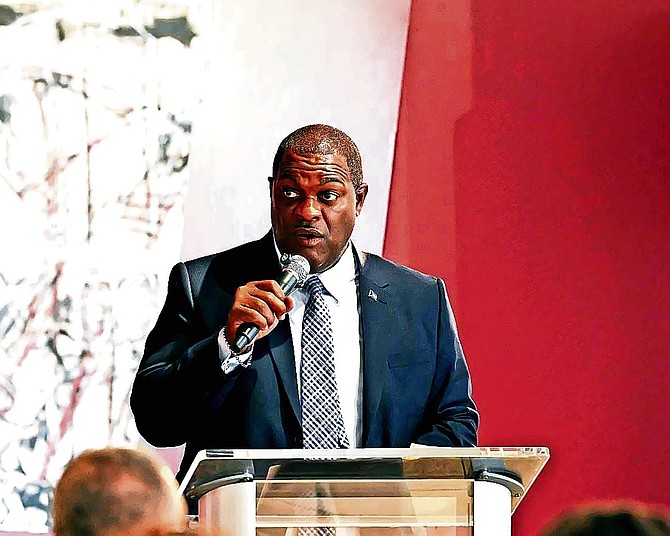
    Orlando Habet, Belize’s Minister of Sustainable Development, emphasized the unique value of the annual collaborative forum ahead of this projected shift. “This gathering has been held for decades across different Central American nations, and its impact goes far beyond just sharing climate data,” Habet explained in closing remarks. “By pooling observations and technical experiences, and integrating new advances in forecasting technology, we can build more robust, region-wide early warning systems that benefit every sector, from disaster management to food production.”

    Habet added that the advance projection of El Niño-driven dry conditions is particularly critical for hurricane preparedness and protecting national food security. Early forecasts let agricultural communities time their planting decisions appropriately, while disaster response agencies can activate readiness protocols ahead of an active storm season, he noted.

    For Belize’s agricultural community, which anchors a large share of the national economy and supports rural livelihoods, the forecast is more than a climate update—it is a make-or-break guide for planting decisions that will shape harvest outcomes and food supplies for the year. May through July marks the traditional start of the main planting season, when farmers prepare fields and sow crops in anticipation of seasonal rains. A prolonged dry spell immediately after planting would leave young seedlings without sufficient moisture, likely leading to widespread crop failure.

    Andrew Mejia, Director of Extension at Belize’s Ministry of Agriculture, explained that the national government is already moving to support farmers in adapting to the projected dry conditions. “Accurate long-range forecasting is the foundation of agricultural resilience,” Mejia said. “It lets us guide farmers on when to plant, when to hold off, and what adjustments to make to protect their crops and their livelihoods. With this forecast calling for below-average rain across May, June, and July, we are urging caution to avoid devastating losses from post-planting drought.”

    To support preparedness, the Ministry of Agriculture has partnered with the World Food Program and Belize’s National Meteorological Service to roll out “Anticipatory Action”, a targeted support project designed to help smallholder farmers mitigate drought-related risks. Mejia noted that forecasting accuracy from the national meteorological service has improved steadily over the past decade, giving policymakers and farmers greater confidence in planning around the three-month projection. The consensus takeaway for producers across the country is straightforward: hold off on early planting, monitor weekly conditions closely, and adjust plans to account for the drier outlook.

    As climate change continues to amplify the frequency and intensity of extreme weather events across Central America, regional collaborative forums like this one have grown in importance, helping nations align on projections and share adaptive strategies to protect vulnerable communities and food systems.

  • Can Belize Afford Climate Action?

    Can Belize Afford Climate Action?

    In a pivotal gathering held this week, senior Belizean government officials, policy specialists, and international development partners convened to unpack a pressing, underdiscussed question at the intersection of climate change and public finance: how can small, climate-exposed nations align taxpayer spending with urgent environmental action?

    Hosted jointly by Belize’s Ministry of Finance and Ministry of Economic Transformation, the high-level workshop, officially named “Strengthening Strategic Fiscal Policy for Climate Action in Belize,” set out to tackle a deceptively complex goal: restructuring the country’s national budget to advance climate resilience, rather than inadvertently undermining it. Beyond the technical policy terminology—from fiscal framework alignment and climate budget tagging to green public procurement—the gathering centered on a far larger, more uncomfortable truth that frames every policy decision for climate-vulnerable states: can a nation as small and economically constrained as Belize actually afford to delay overhauling how it allocates public funds for climate threats?

    Participants drawn from across government agencies and stakeholder groups used the workshop to conduct a full review of how well Belize currently integrates climate risk into its long-term financial planning. A comprehensive national assessment completed in March 2026, presented to attendees for the first time during the session, confirmed that the country has made measurable incremental progress since 2022. Over the past four years, Belize has overseen a clear policy shift: a growing share of national regulations align with net-zero and resilience goals, key institutional reforms have been rolled out to support climate action, and innovative new financing mechanisms tailored to local sustainable development have been launched.

    Yet progress on paper has not eliminated the growing climate risks that threaten to destabilize Belize’s economy. Already, intensifying hurricanes, accelerating coastal erosion, and widespread biodiversity loss are creating cascading economic harms, damaging critical infrastructure, eroding the country’s core tourism sector, disrupting small-scale and commercial agriculture, and forcing unexpected reallocations of government spending that drain resources from other priority programs.

    For many attendees, the true value of the workshop lies not in the diagnostic work completed so far, but in the next phase of implementation. As Leroy Martinez, Director of Belize’s Climate Finance Unit, emphasized during closing discussions: “The real value of this process is what comes next—turning this diagnostic into action.”

    What does a “climate-smart” national budget actually look like in practice for Belize? The framework being rolled out includes core structural changes: tagging line items in the national budget that directly address climate mitigation and resilience, conducting pre-emptive assessments of financial risks tied to extreme weather disasters before catastrophe strikes, revising public procurement rules to prioritize low-carbon, sustainable supplier options, rolling out new green financial instruments to fund resilience projects, developing a national taxonomy to standardize definitions for eligible green investments, and building specialized technical capacity across all levels of government to coordinate these changes.

    A core tension remains at the heart of Belize’s climate finance push, however. In a country with limited public resources, every dollar allocated to climate resilience is a dollar that cannot be immediately directed to urgent domestic priorities such as road infrastructure, universal healthcare access, and public education. But workshop analysts stressed that the cost of inaction will be far steeper: unaddressed climate risks will eventually force the government to spend far larger sums on post-disaster recovery, far outstripping the upfront cost of building resilience today. That catastrophic outcome is exactly what Belize’s policymakers are working to avoid.

    With technical and financial support from the Inter-American Development Bank, the workshop closed with a clear roadmap for next steps, outlining assigned responsibilities for different government agencies, prioritizing policy changes to be implemented in the first 12 months, and establishing accountability frameworks to turn policy ideas into on-the-ground action.

    As one of the nations on the frontline of human-caused climate change, Belize has already moved past the debate over whether climate action is necessary. The central question now, policymakers agree, is no longer if they will act, but how quickly and how strategically they can embed climate resilience into every level of public spending.

  • Ministry of Agriculture suspends issuance of open burn permits

    Ministry of Agriculture suspends issuance of open burn permits

    The Caribbean nation of Grenada has enacted an immediate, indefinite suspension on all open burning license approvals, announced Friday by the country’s Ministry of Agriculture, Lands and Forestry. The sweeping policy change comes as officials confront rising seasonal and long-term threats, from heightened wildfire risk during the annual dry period to worsening environmental degradation and widespread public health hazards tied to unregulated open burning.

    Public health and environmental experts have long documented the severe harms of widespread open burning: the practice releases large volumes of harmful particulate matter and toxic pollutants into the atmosphere, driving poor air quality that exacerbates asthma, chronic obstructive pulmonary disease and other life-threatening respiratory conditions. Beyond health impacts, out-of-control open fires pose constant risks to private property, commercial agricultural operations, and the island’s fragile native ecosystems, which support unique biodiversity and draw millions in tourism revenue each year.

    Ministry officials emphasized that the suspension is not an isolated policy, but a core component of a national initiative to advance more sustainable land stewardship and boost Grenada’s overall climate resilience. As extreme weather and prolonged dry seasons become more frequent due to global climate change, curbing unregulated burning is seen as a critical step to reduce the island’s vulnerability to destructive, large-scale wildfires.

    To support affected groups in transitioning away from open burning, the government is offering free practical guidance and technical support to farmers, private landowners, construction contractors, and general community members. Alternative, low-impact methods for land clearing and organic waste management are being promoted, including composting, organic mulching, and mechanical land clearing. Assistance is available through the Ministry’s local Extension District Offices, the national Forestry Department, and the Fire Department under the Royal Grenada Police Force.

    Enforcement of the new policy will also be ramped up: the Fire Department and partnered regulatory agencies will increase patrols and monitoring across the island to detect unauthorized open burning. Any individual caught conducting unapproved burning will face fines and other legal penalties outlined in Grenada’s existing environmental and public safety regulations.

    In closing, the Government of Grenada issued a public appeal for cooperation, framing the policy as a collective effort to protect the island’s natural environment and safeguard the health and safety of all residents. A disclaimer from local publication NOW Grenada notes that the outlet is not liable for opinions or content shared by external contributors, and invites users to report any abusive content via official platform channels.

  • Environmental Groups Reject Port Expansion

    Environmental Groups Reject Port Expansion

    In a high-stakes clash over coastal development and conservation, a coalition of environmental organizations has pushed back against the conditional greenlighting of a major expansion project at the Port of Belize, raising urgent alarms about unaddressed ecological and regulatory threats.

    Earlier this April 2026, the National Environmental Appraisal Committee (NEAC) voted to approve Port of Belize Limited’s dual Cargo Expansion and Cruise Port Development initiative, attaching a strict set of performance requirements to the green light. Just 24 hours ahead of NEAC’s decision, the Belize Coalition to Save Our Natural Heritage — an alliance of multiple leading environmental groups — submitted a formal letter to NEAC Chair Milagro Matus demanding the cruise port portion of the project be scrapped entirely.

    The coalition emphasizes that even the updated 2026 Environmental Impact Assessment (EIA) submitted by the developer fails to resolve major environmental and policy vulnerabilities that put Belize’s coastal ecosystems at risk. Regulators have centered their approval conditions on rigorous oversight of core high-risk activities: strict limits on dredging operations, mandatory protocols for sediment handling, enforceable pollution reduction measures, and ongoing long-term monitoring of the artificial mangrove island planned to hold dredge disposal material. Following NEAC’s announcement, the Belize Department of the Environment clarified that the developer will be required to submit a formal Environmental Compliance Plan before work can begin, and a joint inter-agency enforcement team will be deployed to conduct continuous on-site checks throughout construction.

    At the top of the coalition’s list of objections is the proposal to build an artificial mangrove island in the Sibun Bight using material excavated during dredging. Activists point out that critical geotechnical and structural stability surveys for the island have not yet been completed. Without this core data, there is no verifiable evidence that the artificial island can withstand extreme weather events, accelerating sea-level rise driven by climate change, and constant coastal wave action. The coalition argues that all developer claims about the project’s long-term resilience remain unproven and purely speculative without this foundational research.

    The group’s letter also flags additional cumulative pollution risks that have been underaddressed in the project’s assessment. These include existing and new pollution loads from discharge produced by Belize Water Services’ settling ponds, as well as ongoing air and noise pollution generated by frequent cruise ship dockings in Belize City. The combined impact of these multiple pollution sources, activists warn, could cause lasting harm to local marine habitats and coastal communities that depend on a healthy ecosystem for tourism and fishing.

    Full additional details on the coalition’s opposition and the project’s path forward are set to be shared during News 5 Live’s 6 p.m. broadcast.

  • From Nova Scotia to Nassau: Lucky’s extraordinary journey

    From Nova Scotia to Nassau: Lucky’s extraordinary journey

    Against all odds, a tiny, critically endangered Kemp’s ridley sea turtle named Lucky has completed an extraordinary 2,700-mile cross-border journey from an icy Canadian shore to the warm tropical waters of The Bahamas, a groundbreaking conservation success story that arrives just as the world marks Earth Day.

    Lucky’s story began in late autumn last year, when volunteers with the Canadian Sea Turtle Network, who conduct routine cold-weather coastal patrols, stumbled upon the weak, unresponsive juvenile along the rocky outer shores of Halifax, Nova Scotia. The young turtle had wandered far north of his species’ native warm Gulf of Mexico habitat, and plummeting ocean temperatures left him suffering from “cold stunning” — a life-threatening condition that leaves sea turtles immobilized and unable to forage or escape dangerous conditions. Prior to this rescue, no cold-stunned Kemp’s ridley sea turtle had ever been found alive and successfully rehabilitated in Canadian history; survival of such an event in Halifax’s frigid waters was widely considered almost impossible.

    After the turtle was pulled from the shore, he received weeks of specialized veterinary care in Canada, slowly regaining enough strength to move to the next phase of his rehabilitation. Conservation teams began searching for a suitable facility with a natural warm marine environment and experienced veterinary staff to continue preparing Lucky for his eventual release back into the wild. That search ultimately led to Atlantis Paradise Island, a resort in The Bahamas with a dedicated Fish and Turtle Hospital and a long-running marine conservation program.

    The journey south was almost derailed before it even began. Teams were set to depart Halifax on February 24, when a massive winter storm slammed into the region, dumping nearly 12 inches of snow and bringing wind gusts reaching 60 miles per hour. But as his name suggests, fortune favored the young turtle. After rerouting through Toronto, the rescue team and their precious passenger completed the multi-leg trip and touched down in The Bahamas, where Atlantis staff were waiting at the airport to receive him.

    Lucky was immediately transported via the organization’s SeaKeepers rescue vehicle to the Atlantis facility, where he entered a quarantine period to acclimate to his new surroundings. A full health intake was conducted the following day, with Atlantis’s veterinary and aquarist teams completing detailed measurements, a full physical examination, and diagnostic blood work to confirm his stability.

    After six weeks of continuous observation, targeted care, and rehabilitation that allowed Lucky to redevelop natural foraging behaviors and rebuild his strength, he passed a final health assessment led by Atlantis veterinarian Deandra Delancey-Milfort on April 8. Later that day, the Atlantis SeaKeeper team carried Lucky offshore and released him into the clear waters just off Paradise Island, marking the successful end of a months-long collaborative effort that crossed international borders, connected multiple conservation organizations, and united volunteers and experts across two vastly different climates.

    Kemp’s ridley sea turtles, first formally identified in 1906 by Florida fisherman Richard M. Kemp after whom the species is named, are the smallest and most critically endangered of all sea turtle species. Juveniles typically hatch along Gulf of Mexico nesting beaches, then seek shelter in floating sargassum patches to feed and grow before moving to coastal habitats. However, young, inexperienced turtles often get pushed far off course by strong winds and shifting tides, stranding them in far northern waters as autumn transitions to winter, when dropping temperatures lead to life-threatening cold stunning.

    Ahead of this year’s Earth Day, Lucky’s survival and release offers a powerful reminder of the fragility of marine ecosystems and the impact of cross-border collaborative conservation. What began as a near-fatal wrong turn for a tiny juvenile turtle has become a powerful example of what collective action for the natural world can achieve. Even for the smallest, most vulnerable creatures, conservationists note, cross-border cooperation can deliver second chances that make every mile of effort worth it.

  • Environmental advocates target waste from campaign signs

    Environmental advocates target waste from campaign signs

    As the Bahamas approaches its upcoming general election, the proliferation of plastic political campaign signs across public and private landscapes has spurred environmental advocates to call for urgent reform of long-standing campaign traditions, highlighting the lasting ecological damage caused by disposable election materials.

    Most modern campaign signage is constructed from durable synthetic materials, most commonly polypropylene, a petroleum-based plastic that never fully biodegrades when introduced to natural ecosystems. While the exact composition of signs used by local political parties in this election cycle has not been publicly disclosed, environmental researchers warn that the standard production and disposal practices for these materials carry steep, underdiscussed environmental costs that persist long after voting concludes.

    Dr. Ancilleno Davis, a prominent Bahamian environmental scientist, explained that importing large volumes of single-use materials for a temporary political campaign contributes to unnecessary fossil fuel consumption and generates persistent waste that contaminates local ecosystems. Abandoned signs and their metal support stakes are often left littering landscapes for months after election day, with many turning up in remote natural areas half a year after campaigns end. Even when signs are collected after voting, they are typically deposited in municipal landfills, where their non-biodegradable components leach toxic chemicals into groundwater reserves that supply local communities.

    “It’s a high price to pay for this type of campaigning,” Davis emphasized. Beyond the ecological harm, Davis also criticized the massive sums of campaign money diverted to printed signage, arguing that these funds could deliver far greater long-term benefit to Bahamian communities if redirected to public projects like community green spaces and urban gardens, rather than temporary materials destined for waste.

    To address the issue, Davis proposed a multi-pronged reform framework for political groups: cutting reliance on physical signage in favor of lower-waste outreach channels, including social media campaigns, radio advertising, and targeted community engagement. For campaigns that still choose to use physical signs, he urged strict limits on total signage volume, mandates for biodegradable or fully recyclable materials, and mandatory pre-election planning for post-campaign material disposal that accounts for long-term environmental impacts.

    Nikita Shiel-Rolle, founder and CEO of the Cat Island Conservation Institute, echoed Davis’s concerns, framing the problem of campaign signage waste as a entry point for a broader national conversation about sustainable political campaigning and intentional community engagement. Shiel-Rolle noted that the sheer volume of signs deployed during a typical campaign is often unnecessary, and suggested that formal new regulations could help curb overproduction—for example, rules mandating minimum spacing between individual signs to reduce overall quantity.

    She pointed out that current sign deployment practices lack intentional structure beyond basic name recognition: campaign workers are typically hired simply to put up as many signs as possible, with no planning for post-election removal or processing. For Shiel-Rolle, the most critical gap in current practice is the lack of a clear post-election plan for campaign materials.

    “I think as long as there is a plan as to what they’re going to do with the signs, I think that’s the most important thing,” she said. “I think that kind of goes back to even the bigger environmental conversations that we have.”