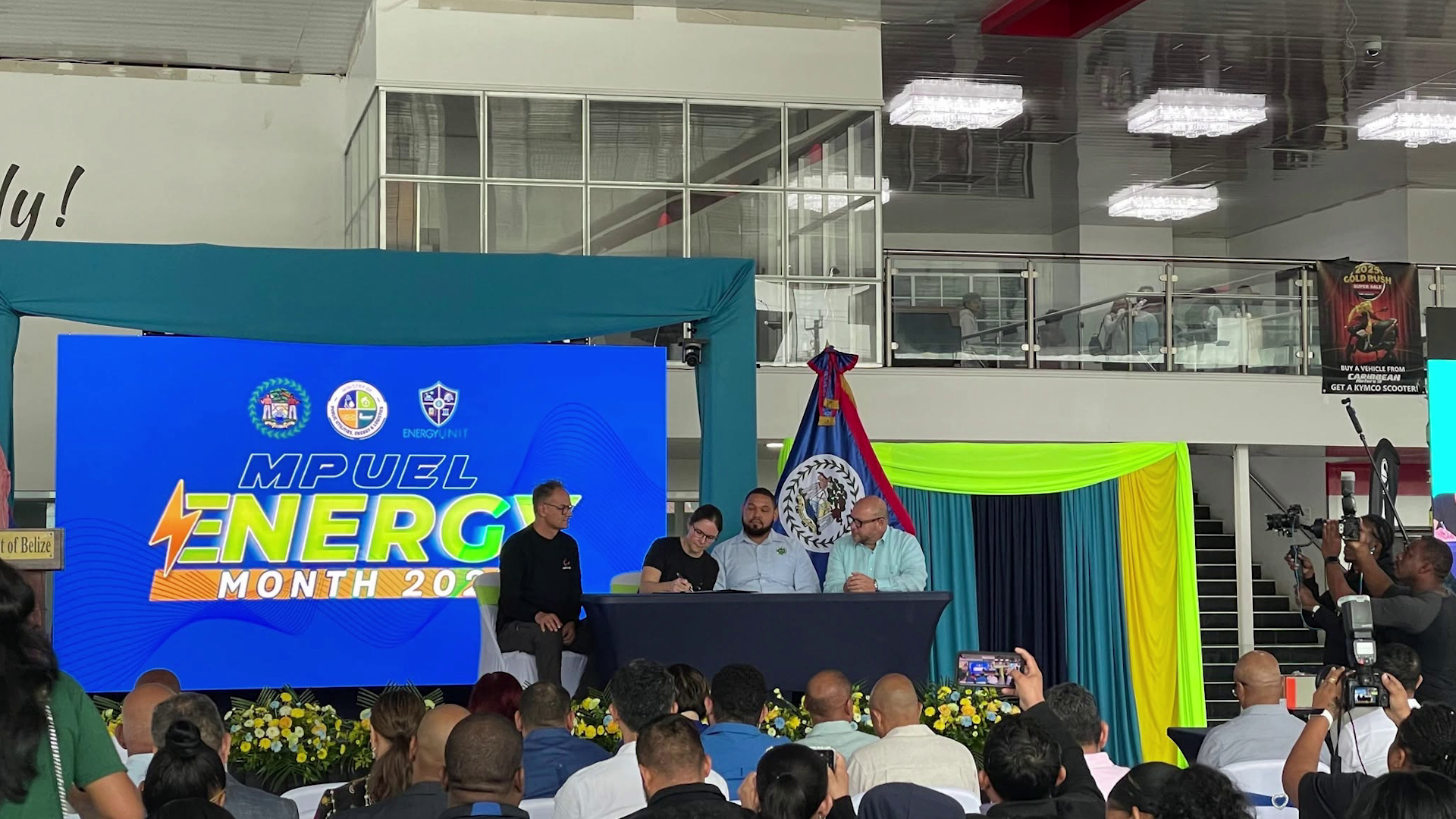
Grenada has launched a landmark utility-scale battery energy storage project at its Maurice Bishop International Airport, backed by a $14.4 million multi-stakeholder financing package led by the Barbados-based Caribbean Development Bank (CDB), aimed at accelerating the island nation’s shift away from fossil fuels and strengthening its energy infrastructure.
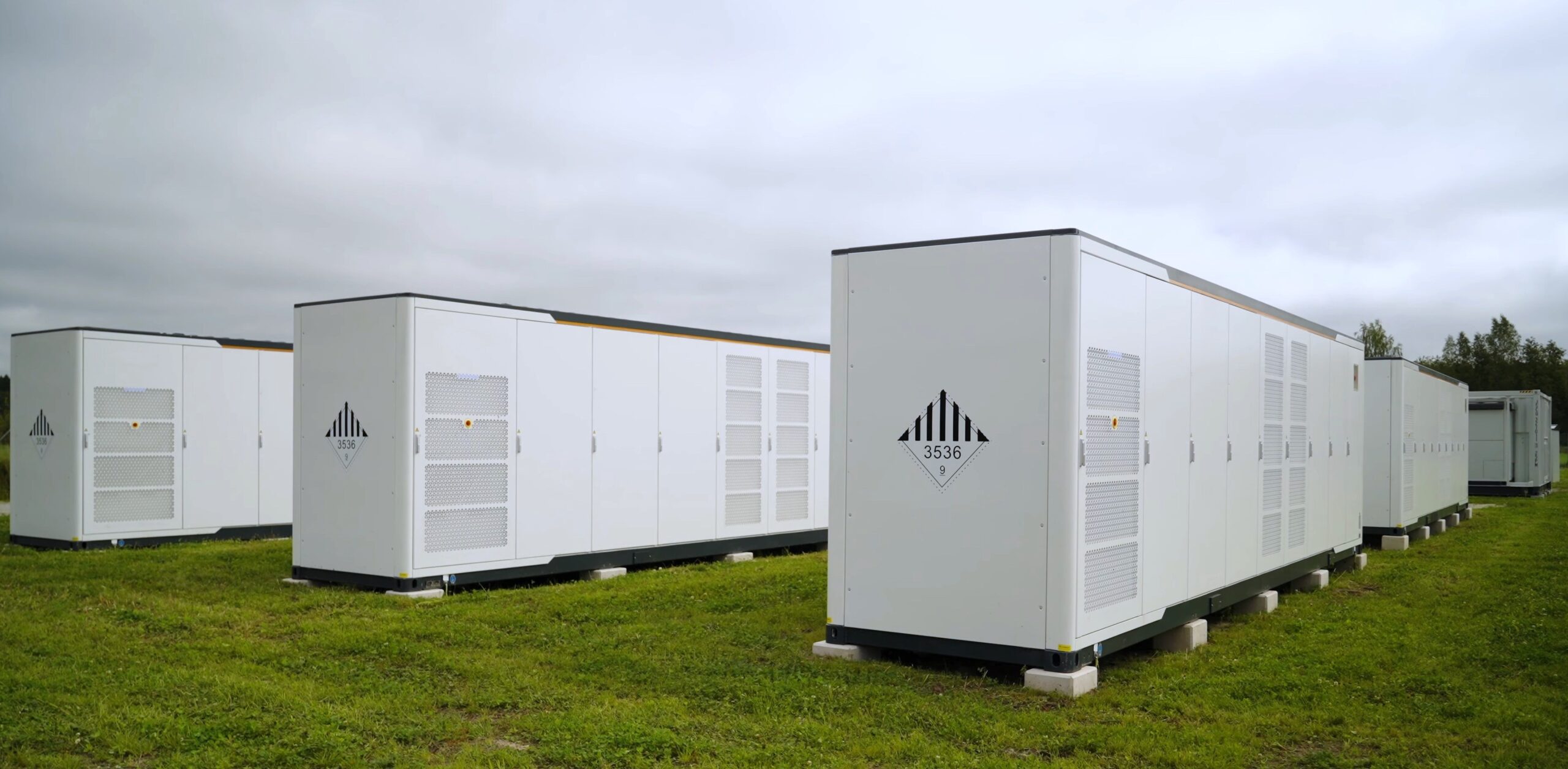
The project, a core component of the broader Supporting Resilient Green Energy (SURGE) Caribbean programme, will deliver a utility-scale Battery Energy Storage System (BESS) that directly addresses a critical barrier to renewable energy adoption across small island developing states: grid instability. Once installed, the system will strengthen the reliability and resilience of Grenada’s national electricity grid, create capacity for higher volumes of variable renewable energy inputs, and move the country closer to its policy goal of cutting reliance on costly imported fossil fuels.
Implementation of the BESS will be led by Grenada Electricity Services Limited (Grenlec) under a structured subcontracting framework designed to build long-term local operational expertise and upgrade the country’s core electricity infrastructure permanently.
Peron Johnson, Permanent Secretary of Grenada’s Ministry of Climate Resilience, the Environment and Renewable Energy, framed the project as a transformative investment for the Caribbean island. “This project demonstrates the power of strategic partnerships in advancing Grenada’s climate resilience, energy security, and sustainable economic development, and brings us another step closer to achieving a cleaner, more affordable, and more resilient energy future for all Grenadians,” Johnson said, noting that the country extended its sincere gratitude to the CDB and all participating development partners.
Financing for the initiative draws together contributions from a range of global and regional development actors, coordinated through CDB’s Special Funds Resources. A combined $3 million grant comes from the United Kingdom’s Foreign, Commonwealth and Development Office (FCDO) and the European Union, while the Government of Grenada has committed a $5.7 million loan to the project. Canada has also contributed a $5.7 million investment through the SURGE programme, and the World Bank is providing separate parallel financing for complementary BESS installations and national grid upgrades aligned with Grenada’s long-term grid modernization strategy.
The initiative aligns directly with CDB’s 2026–2035 Strategic Plan, which prioritizes innovative investment to build climate-resilient energy systems across the Caribbean region. L O’Reilly Lewis, CDB’s Director of Projects, emphasized the collaborative nature of the effort. “The Caribbean Development Bank is proud to support an initiative that reflects what is possible when development partners and national institutions work together with a shared vision for a cleaner, more sustainable future,” Lewis said. “We look forward to seeing the long-term impact this investment will have on Grenada’s energy security and climate-smart development.”
Kyle Farnum, Programme Manager for Energy at the Delegation of the European Union to Barbados, the Eastern Caribbean States and the OECS, noted that reliable energy infrastructure forms the foundation of resilient national economies. “With this Battery Energy Storage System project, the European Union is supporting Grenada not only in expanding renewable energy, but in ensuring that clean power is available when it is needed most,” Farnum said. He added that the project forms part of a wider EU-Grenada energy transition partnership aligned with the EU’s Global Gateway infrastructure and development initiative.
Tom Coward, UK Development Director for the Caribbean and Executive Director at the CDB, said the UK government was pleased to collaborate on the project, which advances the UK’s shared regional ambition to build resilient, low-carbon energy systems across the Caribbean. “Energy storage is critical to maintaining grid stability, unlocking the full potential of renewable energy, and strengthening long-term energy security,” Coward explained. “For small island states, increased storage capacity is a vital step in reducing dependence on imported fossil fuels while supporting climate resilience, sustainable economic growth, and economic security.”
Brenda Wills, High Commissioner of Canada to Barbados and the Eastern Caribbean, underscored Canada’s ongoing commitment to climate-smart development across the Caribbean. “Through the Supporting Resilient Green Energy (SuRGE) programme, Canada is partnering with the Caribbean Development Bank and other regional and international institutions to advance climate mitigation and strengthen energy resilience across the Caribbean,” Wills said. “Our $5.7 million investment in this battery energy storage project reflects Canada’s commitment to practical, climate-smart solutions that improve grid stability, reduce climate risks, and support sustainable growth.”