标签: Suriname

苏里南

  • Column: Vrije meningsuiting ook voor impopulaire meningen

    Column: Vrije meningsuiting ook voor impopulaire meningen

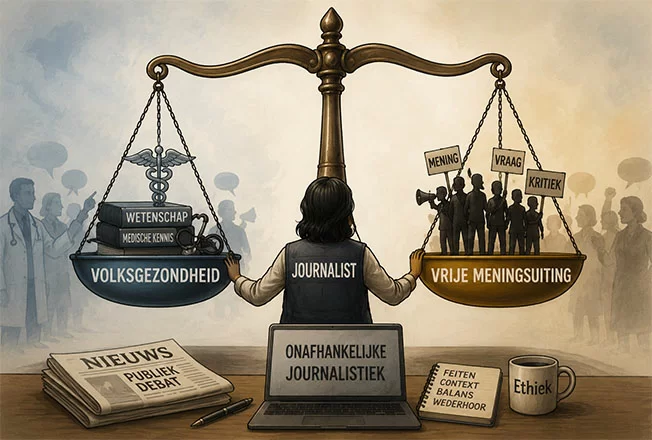
    Freedom of speech is not designed only to shield ideas that already enjoy widespread public acceptance. It is the unpopular, heterodox perspectives that most need legal and cultural protection, after all; without this protection, free speech becomes little more than the freedom to repeat what everyone already agrees with.

    This week, a sharp and illuminating debate has emerged in Suriname following the publication of a reader submission on local news platform Starnieuws. Written by contributor Karel Donk, the piece was a response to an upcoming national HIV testing campaign. In his contribution, Donk publicly questioned the established scientific link between HIV and AIDS, and urged readers to think carefully before agreeing to get tested.

    The reaction from the medical community was swift and indignant. Multiple doctors, including clinicians who work directly in the HIV/AIDS treatment sector, condemned the publication. They argue that giving space to this unsubstantiated perspective puts public health at direct risk, and have criticized Starnieuws for platforming a claim that contradicts decades of established medical consensus.

    This criticism is not unfounded. Medical professionals bear daily responsibility for patient lives, and they evaluate any such publication through the lens of rigorous scientific evidence and years of clinical experience. It is entirely natural that concern arises when claims directly contradict universally accepted medical understanding.

    Yet it is precisely here that the fundamental debate over free speech begins. When a news outlet opens its pages to reader-submitted opinion pieces, it does not automatically endorse every view it publishes. Starnieuws made the decision to run Donk’s essay because a meaningful commitment to free speech requires making space for controversial, dissenting, even unpopular perspectives — as long as those contributions remain within established editorial guidelines. The outlet did not hide or suppress the medical community’s pushback: it published doctors’ critical responses in full, allowing readers to weigh competing perspectives against one another.

    This is exactly how an open, democratic society is supposed to function. It does not ban dissenting views ahead of publication; instead, it brings conflicting ideas into public debate, where they can be challenged with evidence, facts and counterarguments. In recent years, calls to censor unpopular perspectives have grown steadily louder. Any view that deviates from dominant consensus is quickly labeled disinformation, conspiracy thinking or dangerous. Sometimes that label is justified.

    But there is a critical line between publishing a controversial perspective as part of open debate, and actively seeking to cause harm. Speech that calls for violence, spreads hatred, or deliberately disseminates lies with malicious intent is a separate category entirely from what occurred in this case.

    Added context is important here: HIV testing in Suriname is not legally mandated. It remains a voluntary choice for every citizen, who retains full responsibility for seeking out information, consulting medical professionals, and making their own decisions.

    The true strength of a free society is not measured by its ability to silence dissenting voices, but by its ability to refute those voices publicly with evidence. Science is not strengthened by censorship; it grows stronger through open debate, transparent evidence-gathering and public scrutiny. That is precisely why freedom of expression must be protected and cherished. This is not because every unpopular opinion is correct, but because a free society that eliminates space for open debate gradually becomes a society ruled by fear, where self-censorship dictates what can and cannot be said.

    A striking detail in this controversy is how many other media outlets have only repeated the doctors’ angry condemnation, without addressing the full original context: that Starnieuws intentionally created space for public debate, and that its decision to run the controversial piece was a deliberate editorial choice to fuel broader public discussion. When only the doctors’ criticism, with its harsh condemnation of Starnieuws, is published without the full original context, there is a serious risk that Starnieuws will be misrepresented as willfully spreading disinformation, when the outlet actually opened the door to debate and published critical counter perspectives.

    At the same time, it is well within any other outlet’s rights to judge the doctors’ reaction as newsworthy. When medical professionals warn that public health may be endangered, that is inherently a societally relevant news story. It is appropriate and healthy for media outlets to hold each other accountable, but they have an obligation to be honest about the full context and intentions of their peer organizations. Without that commitment to context, we do not get a debate about ideas — we get a blanket moral condemnation of the outlet that opened space for discussion.

    Freedom of speech does not mean every opinion is equally correct, or equally rooted in fact. It means that all ideas deserve to be publicly discussed, criticized and refuted, without an immediate call for censorship and silence. The strength of a democratic society lies not in banning controversial opinions, but in its ability to counter them openly with evidence and argument. A society where people are afraid to publish, to debate, to deviate from consensus for fear of public condemnation is ultimately far more dangerous than a single controversial reader submission.
  • Pg wijst uitnodiging DNA-commissie af: extra toelichting alleen schriftelijk

    Pg wijst uitnodiging DNA-commissie af: extra toelichting alleen schriftelijk

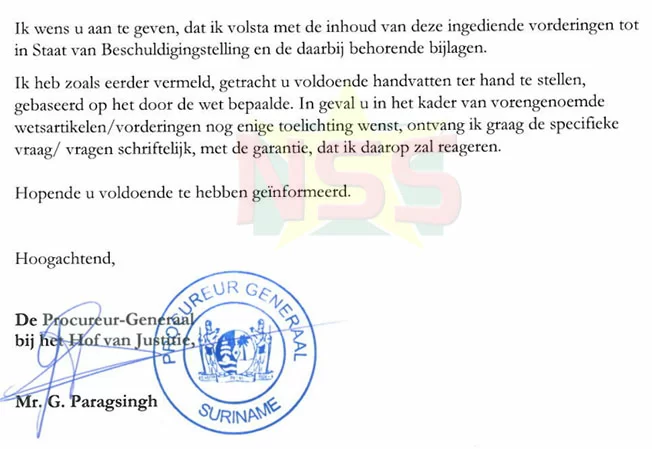
    On May 15, 2026, new developments emerged in Suriname’s high-stakes impeachment process against three former senior government officials, after Prosecutor General Garcia Paragsingh formally notified a parliamentary investigative committee that the Public Prosecution Service (OM) has already turned over all required documentation related to the cases.

    The proceedings target three ex-cabinet members: Riad Nurmohamed, Bronto Somohardjo and Gillmore Hoefdraad, with the National Assembly required to reach a final ruling on whether to allow criminal prosecution by June 9. Paragsingh’s May 14 correspondence was addressed to committee chair Rabin Parmessar, who had previously extended a written invitation for the prosecutor general to deliver additional in-person testimony to the National Assembly. In her official response, Paragsingh confirmed that the already submitted impeachment motions and accompanying documentation are sufficient to address the committee’s needs. She added that the OM stands ready to provide written responses to any further follow-up questions the committee may put forward within the bounds of national law.

    Per Paragsingh’s statement, the three impeachment motions were formally filed with the National Assembly on March 9, 2026, under Article 140 of the Surinamese Constitution and the country’s Law on Impeachment and Prosecution of Political Office Holders. The motions center on alleged criminal offenses the three former ministers are accused of committing during their tenures in public office. Nurmohamed’s case is tied primarily to the controversial Pan American Real Estate project, while proceedings against Somohardjo draw heavily on investigative findings from a CLAD report. Hoefdraad, a former finance minister who is currently a fugitive, faces new impeachment motions linked to the corruption investigation into the Suriname Post Savings Bank (SPSB).

    In her letter, Paragsingh emphasized that all filed motions fully comply with the legal requirements laid out in Article 3 of the impeachment law. She confirmed that the submitted documents include detailed factual descriptions of the alleged offenses, alongside clear references to the specific legal provisions that underpin the charges against the three men.

    The prosecutor general also clarified the legal scope of the National Assembly’s review role. Under Article 5 of the relevant legislation, parliament is only required to assess whether proceeding with prosecution is justified by the broader public interest from a political and administrative perspective. For this reason, Paragsingh explained, the OM intentionally included supporting background context alongside the formal motions, rather than releasing the full confidential criminal investigation dossier to the public and parliamentary body.

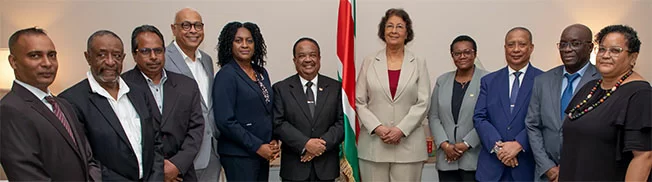
    The cross-party investigative committee tasked with reviewing the motions is led by Parmessar, with additional seats held by members from Suriname’s major political parties: Dew Sharman (VHP), Xiabao Zheng (PL), Jennifer Vreedzaam (NDP), Mahinder Jogi (VHP), Ivanildo Plein (NPS) and Ebu Jones (NDP).

  • Nieuwe RvC Centrale Bank moet toezien op financieel beleid en economische stabiliteit

    Nieuwe RvC Centrale Bank moet toezien op financieel beleid en economische stabiliteit

    On Thursday, the Central Bank of Suriname (CBvS) received a newly formed Board of Commissioners (RvC), with seven members officially installed for a five-year mandate during a ceremony held at the President’s Cabinet. Finance and Planning Minister Adelien Wijnerman outlined the core mandate and long-term expectations for the new governing body in remarks following the appointment ceremony, as confirmed by Suriname’s Government Communication Service.

    The seven appointed members of the new board are Silvano Tjong-Ahin, Glenn Gersie, Robbie Poetisi, Radjkoemar Kirpal, Dinesh Ramadhin, Saskia Walden, and Reina Raveles. A formal selection process for a board chair is still underway, with an announcement expected in the coming weeks.

    Wijnerman emphasized that while the primary responsibility of the RvC remains oversight of the Central Bank’s daily operations and the safeguarding of sound fiscal and monetary policy, the board also carries a broader strategic role. She noted that close coordination between the CBvS and the Ministry of Finance is a non-negotiable foundation for consistent, stable economic governance across the country.

    “Both the Central Bank and the Ministry of Finance hold monetary authority in Suriname,” Wijnerman explained. “This collaborative dynamic is critical to striking the right balance between fiscal policy, which covers government spending and taxation, and monetary policy, which regulates currency and interest rates.” Beyond its oversight duties, the board will also provide strategic advice and support to both the CBvS governor and the Finance Ministry, she added.

    The minister also clarified the distinct role the Central Bank plays within Suriname’s broader financial ecosystem, differentiating it from the country’s commercial banking sector. Unlike commercial banks, which focus primarily on issuing loans and delivering retail banking services to individual consumers and private businesses, the CBvS is tasked with overseeing the entire banking industry and all registered financial institutions operating within national borders.

    Additionally, the CBvS serves as Suriname’s key monetary liaison to the global financial community, facilitating ongoing cooperation with the International Monetary Fund (IMF) and other major international financial bodies. “The Central Bank’s core focus is on monetary stability, and it sets the regulatory standards that all commercial banks in the country must follow,” Wijnerman said.

    Turning to Suriname’s current macroeconomic outlook, Wijnerman acknowledged that the country continues to grapple with significant structural challenges. While the minister confirmed that measurable progress has been made in recent economic stabilization efforts, she warned that volatile global developments continue to pose downside risks to the domestic economy.

    “We have not yet crossed the finish line, but we are firmly on the right path,” Wijnerman stated. “Global shifts can still impact our economy, but as long as we maintain a constructive approach and all stakeholders contribute their part, I am confident we will overcome these hurdles.”

  • Taiwan en Straat van Hormuz domineren cruciale top in Beijing

    Taiwan en Straat van Hormuz domineren cruciale top in Beijing

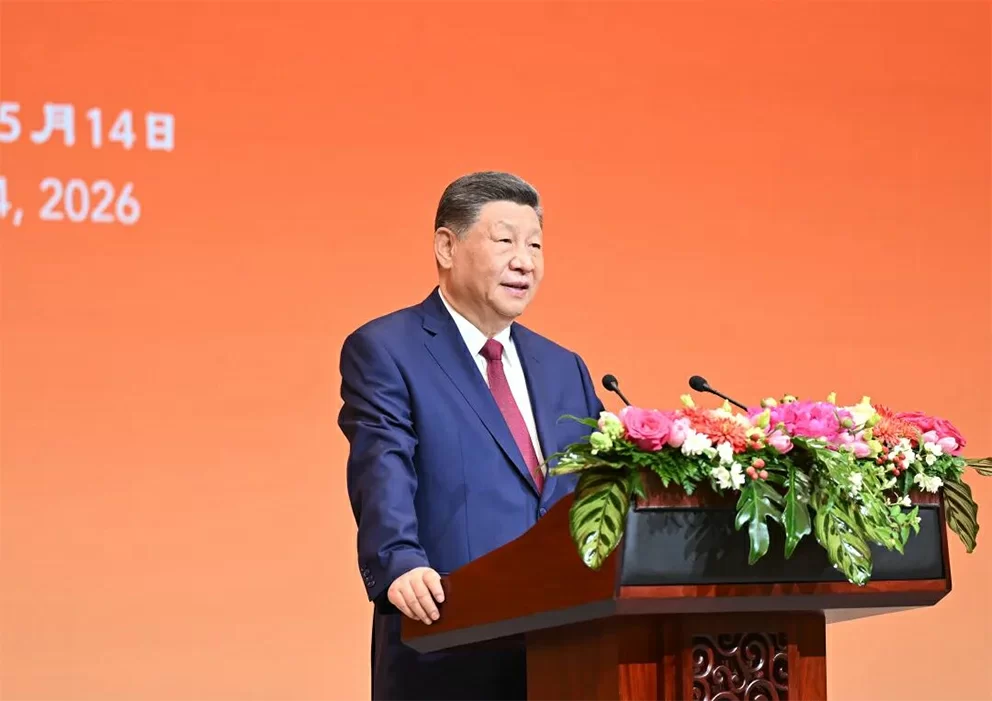
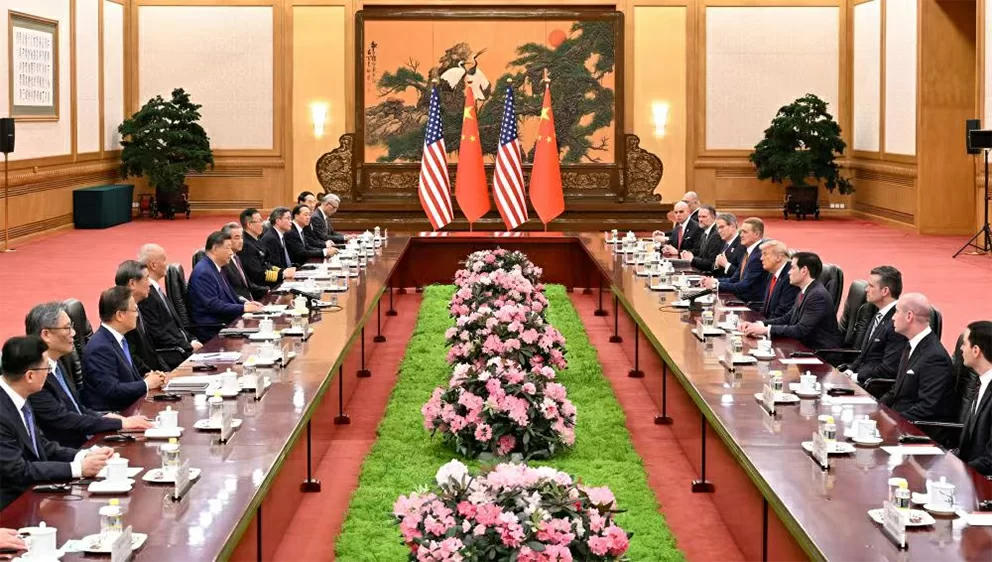
    On May 14, during U.S. President Donald Trump’s two-day state visit to China, Chinese President Xi Jinping held high-level bilateral talks with his American counterpart, laying out core principles for stable China-U.S. relations and addressing pressing global and regional issues. Xi opened the discussion by emphasizing the far-reaching significance of the bilateral relationship, noting that it shapes the well-being of more than 1.7 billion people across both nations, and reverberates across the entire globe, touching the interests of nearly 8 billion people worldwide.

    Xi underlined that mutual respect for core interests and commitment to peaceful collaboration are non-negotiable foundations for maintaining long-term stability between the world’s two largest powers, and called on both countries to uphold shared responsibility to keep bilateral ties on a steady, constructive trajectory. By the end of the talks, Trump was scheduled to depart China and return to Washington the same day.

    A key point of global economic relevance raised during the meeting was the security of the Strait of Hormuz, a critical chokepoint for global energy supplies. Both leaders agreed on the urgent necessity of keeping the strategic waterway open to ensure unobstructed flow of global energy trade. Trump confirmed that China has explicitly opposed the militarization of the strait and the imposition of any transit tariffs, a position that comes as escalating tensions between the U.S. and Iran have severely disrupted shipping through the route, threatening global energy security and pushing fuel market volatility upward.

    Currently, the situation in the region remains highly tense. Iran has implemented strict shipping regulations through the strait, requiring all commercial vessels to obtain pre-approval before transiting the waterway. In response to what the U.S. frames as an Iranian blockade, Washington has redirected 70 commercial vessels and disabled four ships to counter the restrictions. Recent incidents have further amplified friction: a commercial vessel was seized off the coast of the United Arab Emirates, and an Indian cargo ship was sunk in an suspected attack involving drones or missiles.

    One of the most sensitive core issues addressed in the talks was the question of Taiwan, which Xi identified as the most consequential and sensitive topic in China-U.S. relations. Xi explicitly warned that misunderstandings or missteps on the Taiwan question could cause severe damage to bilateral ties and even lead to open conflict. China reaffirmed that full U.S. respect for the one-China principle is a fundamental precondition for any continued productive cooperation between the two countries. For his part, Trump maintained the longstanding U.S. policy of strategic ambiguity, acknowledging Taiwan as part of China while stopping short of supporting Taiwanese military independence.

    Despite the unresolved tensions on sensitive issues, both leaders reaffirmed that the China-U.S. relationship is the most important bilateral partnership in the world today. The two sides also discussed expanding economic cooperation, including improved market access for U.S. businesses operating in China and attracting increased Chinese investment into U.S. industrial sectors. According to Chinese official readouts, recent negotiating rounds held in South Korea have already yielded what Beijing describes as “balanced and positive” outcomes for both parties.

  • Surinaamse afgestudeerden krijgen internationale training voor offshore-sector

    Surinaamse afgestudeerden krijgen internationale training voor offshore-sector

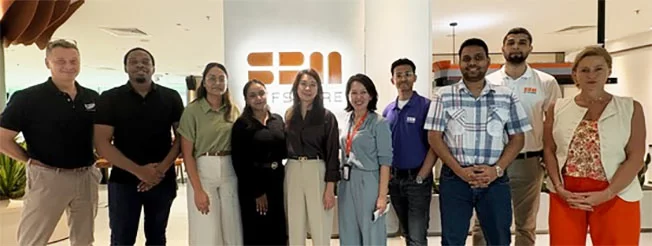
    A transformative skills development initiative for young Surinamese energy professionals reached a key milestone recently, when six program participants met SBM Offshore CEO Øivind Tangen during a gathering in Malaysia. The meeting took place on Life Day, an annual company event dedicated to centering workplace safety, employee health and overall staff well-being across global operations.

    The graduate training program, launched earlier this year, is a collaborative venture between STS, a joint partnership of SBM Offshore, Technip Energies and the government of Suriname, created specifically to support the $1.2 billion GranMorgu FPSO oil and gas production project off Suriname’s coast. Designed to build local capacity for the fast-growing offshore energy sector, the program prioritizes preparing young Surinamese talent for long-term careers in the emerging industry.

    Over the 19-month comprehensive training curriculum, participants complete rotational stints across three international training hubs in Guyana, Malaysia and China, gaining hands-on practical experience alongside veteran industry teams. Trainees work directly on operational activities, join core project working groups, and even spend time at the shipyard where the GranMorgu FPSO production vessel is under construction, giving them first-hand insight into every stage of large-scale offshore energy development.

    All six participants are recent graduates from three leading Surinamese higher education institutions: Anton de Kom University of Suriname, Polytechnic College Suriname, and IBW University of Applied Sciences. They bring diverse academic backgrounds aligned with critical needs for Suriname’s offshore sector, including electrical engineering, mechanical engineering, process technology, occupational safety, and supply chain procurement.

    Program organizers note that each of these skill sets is essential to the sustained growth of Suriname’s nascent offshore oil and gas industry. Upon successful completion of the full 19-month program, graduates will be eligible for open positions at SBM Offshore Suriname, giving them a direct pathway to full-time employment in their chosen field.

    The core mission of the initiative extends beyond individual job placement: partnering companies aim to upskill a new generation of local workers, strengthen domestic expertise in offshore energy operations, and create opportunities for Surinamese professionals to take on larger, more central roles in all future national offshore projects, including the landmark GranMorgu development.

    During the Malaysia meeting, safety and employee well-being were also core discussion topics. SBM Offshore reaffirmed that these two priorities will remain non-negotiable foundational values for all its future operations across Suriname’s offshore sector.

  • Kantonrechter wijst ontslagverzoek EBS tegen vakbondsleider Hellings af

    Kantonrechter wijst ontslagverzoek EBS tegen vakbondsleider Hellings af

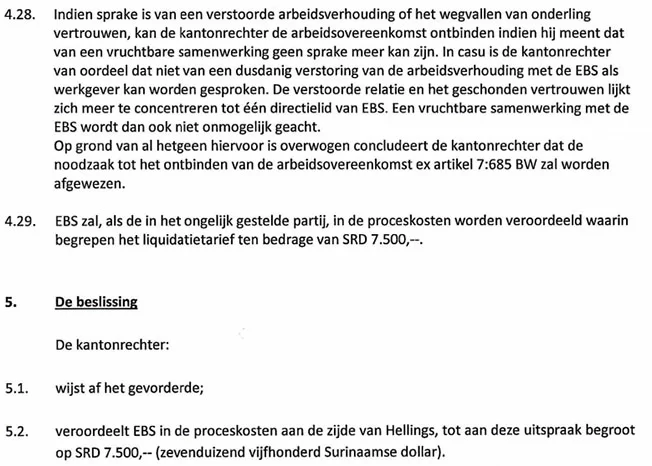
    A Dutch-language Surinamese court ruling delivered on May 14 has delivered a major legal victory to organized labor in the country, turning down a request from state-owned utility N.V. Energie Bedrijven Suriname (EBS) to terminate the employment contract of Marciano Hellings, a long-serving EBS employee and leader of the company’s primary workers’ union. This latest decision marks the second time EBS has failed to secure judicial approval to remove Hellings from his role, with the full written judgment made public the day after the ruling.

    The legal battle is the most recent development in a years-long bitter conflict between EBS’ executive leadership and Hellings, who has worked at the state-run energy provider since 2011 and currently serves as president of the EBS workers’ union Organisatie van Werknemers Suriname (OWOS). Tensions between the two sides have flared repeatedly over the past several years, resulting in disciplinary action, multiple administrative suspensions, union-led work stoppages, and a series of overlapping legal disputes.

    The most recent chapter of the conflict began in July 2025, when EBS’ executive board fired Hellings on the spot. Company leadership justified the immediate dismissal by citing a series of Facebook posts and public comments Hellings made that harshly criticized EBS management, particularly its chief executive officer Leo Brunswijk. In one post, Hellings referred to Brunswijk as a “clown” — a description EBS classified as a severe personal insult that destroyed the professional trust required for the working relationship.

    However, Suriname’s Labor Inspectorate immediately challenged the dismissal. The regulatory body argued that Hellings’ critical comments were made in his formal capacity as a union president, not as an ordinary rank-and-file employee, and that union activity and protected speech within that role carry enhanced legal protections under Surinamese labor law. Following the Inspectorate’s objection, the national Dismissal Commission also rejected EBS’ application for a formal termination permit, ruling that the company had failed to provide sufficient credible evidence to justify ending Hellings’ employment.

    Unwilling to accept the prior rulings, EBS escalated the dispute to the cantonal court, filing a new petition to secure a court-ordered termination of Hellings’ employment contract. The company reiterated its claim that the professional trust between management and Hellings had been irreparably broken by his public criticism, social media activity, and alleged workplace-related incidents.

    In its final judgment, the cantonal court conducted a critical review of every element of EBS’ case, finding major flaws in the company’s argument. The judge noted that many of the historical incidents EBS cited to support termination were either too old to be considered valid grounds or had already been resolved through prior legal proceedings and mediation efforts. The court also emphasized that both sides contributed to the escalating conflict, not just Hellings.

    The ruling pointed out that EBS itself took a series of aggressive actions against Hellings that deteriorated the working relationship over time, including reassigning his job role, imposing multiple disciplinary penalties, restricting his access to company property, and placing him on repeated unpaid suspensions. Because of this, the court found that the current tense situation cannot be blamed solely on Hellings.

    The judge also weighed Hellings’ 15-year tenure at EBS, his valuable technical expertise in the energy sector, and his legitimate role as an elected workers’ representative in its final deliberation. The court concluded that EBS had failed to prove the existence of an urgent, compelling reason that would make continuing Hellings’ employment impossible.

    In the final outcome, the cantonal court ruled that terminating Hellings’ employment contract was not legally justified, rejected EBS’ petition in full, and ordered the state-owned energy company to cover all legal costs associated with the case.

    This ruling marks the second consecutive legal win for Hellings in his ongoing dispute with EBS management, and it underscores the persistent deep tensions between the OWOS union and the leadership of one of Suriname’s most critical state-owned infrastructure providers.

  • Johnny Kasdjo toegelaten tot DNA: focus op verantwoordelijkheid en daadkracht

    Johnny Kasdjo toegelaten tot DNA: focus op verantwoordelijkheid en daadkracht

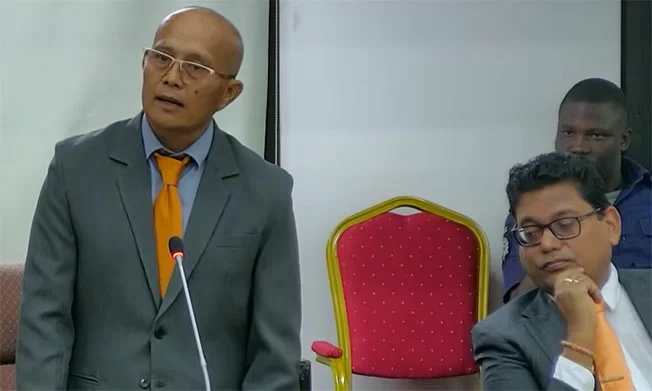
    On May 14, Suriname’s National Assembly confirmed its return to full membership following the formal swearing-in of Johnny Kasdjo, a member of the VHP party. Kasdjo fills the vacant seat left by the passing of former parliamentarian Chan Santokhi on March 30, closing a six-week gap in the legislature’s representation.

    After completing the required oath of office and passing the mandatory credentials review, Kasdjo received welcomes and congratulations from lawmakers across every parliamentary faction. Speakers across party lines acknowledged the unusual circumstances of his appointment, noting the weight of responsibility he carried stepping into the role mid-term. Lawmakers emphasized that parliamentary service is far from a simple honor, requiring consistent time, immense energy, and significant personal sacrifice. Many also centered their remarks on the shared value of cross-party collaboration and the core mandate of all elected officials: serving the people of Suriname. Leaders of the VHP faction expressed particular relief at restoring the party to full legislative strength, and voiced unanimous confidence in Kasdjo’s ability to deliver for constituents.

    The centerpiece of the day’s proceedings was Kasdjo’s maiden address to the assembly, and the new lawmaker immediately set himself apart from standard political convention. Rejecting the flowery, empty rhetoric that defines many first speeches, Kasdjo opened with a stark, unflinching commitment: he would not come to the legislature with grand, unfulfillable promises that do nothing for ordinary people. “I do not come here with big promises I cannot keep. Suriname has already had enough of that,” he stated, laying out a clear marker for his policy approach and governing style from day one.

    Kasdjo went on to outline the harsh daily realities that millions of Surinamese residents navigate, issues he argues have been ignored by the political establishment for too long. He called attention to the growing exodus of young people, who now feel forced to build their futures outside of Suriname due to limited opportunity at home. He also highlighted the struggles of elderly Surinamese, who after decades of hard work still cannot make ends meet on their retirement benefits. Finally, he spoke of local small business owners, who are constantly stymied by bureaucratic red tape and pervasive economic uncertainty that makes long-term planning impossible. None of these crises, Kasdjo stressed, can continue to be pushed aside for political convenience.

    The new parliamentarian argued that the Surinamese public has grown tired of political posturing and is now counting on elected leaders to deliver tangible, measurable results. To that end, he summarized his governing approach in three core pillars: listen to the people, act decisively on critical issues, and accept full accountability for outcomes. Rejecting the traditional model of lawmaking that happens exclusively behind closed committee room doors, Kasdjo pledged to remain rooted in community life. “I am the man who will go out into the streets. I will go into the neighborhoods. I will listen to the people who do not sit in these meeting rooms, but who feel the consequences of every decision we make here,” he said.

    Kasdjo emphasized that effective policy cannot only exist on printed government documents—it must improve daily life for all Surinamese, a standard he will hold for every proposal that comes to the floor. He added that Suriname urgently needs leaders willing to make difficult, unpopular choices when they serve the public good, even when those choices make political life more complicated. Closing his address, Kasdjo reiterated his core motivation: he did not seek a seat in the National Assembly for prestige or personal power, but out of a deep sense of responsibility to the constituents who placed their trust in him.

  • Protesten in Havana escaleren door stroomuitval en brandstoftekort

    Protesten in Havana escaleren door stroomuitval en brandstoftekort

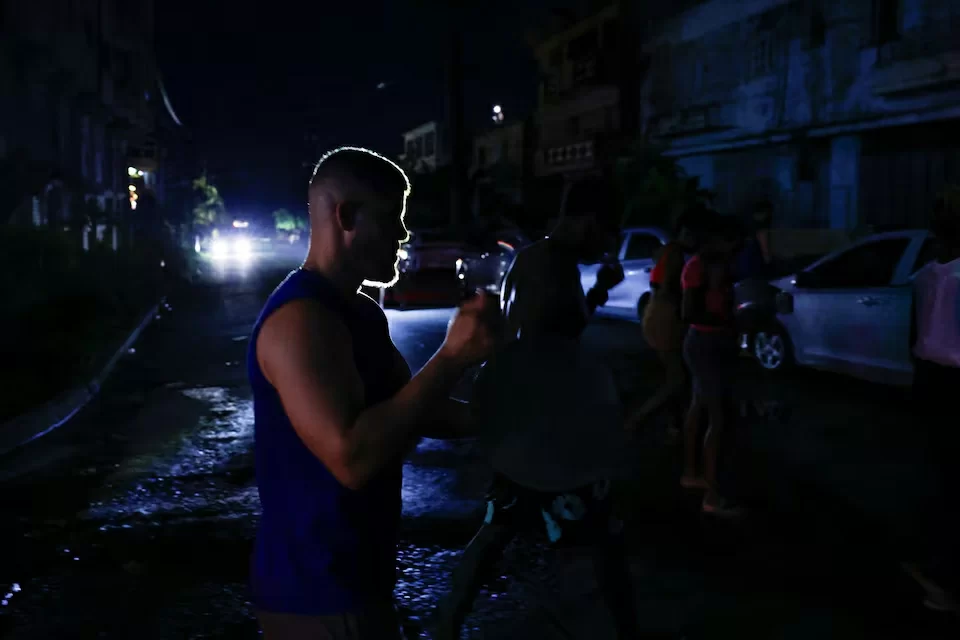
    On Wednesday evening, mass public demonstrations broke out across Havana, Cuba, as the capital grapples with the most severe nationwide electricity outage the country has seen in 60 years. The crisis, rooted in a months-long United States fuel blockade that has cut off the island’s access to critical energy supplies, has sparked widespread anger among hundreds of local residents who gathered in multiple suburban neighborhoods to decry ongoing power shortages.

    Protesters took to the streets, blocking roadways with burning debris, banging metal pots and kitchen utensils in a display of public discontent, and chanting slogans including “Turn the lights on!” and “The people, united, will never be defeated!” According to Reuters reporting from the ground, the demonstration marked the largest single night of public unrest in Havana since the deepening energy crisis began earlier this year.

    Power outages have grown exponentially worse across Cuba since January, when former US President Donald Trump implemented a full fuel embargo and threatened harsh secondary sanctions against any nations that continue to supply energy to the island. Local Havana resident Rodolfo Alonso shared that his neighborhood has gone more than 40 hours straight without access to electricity, a situation that hits vulnerable groups like the elderly and chronically ill the hardest. “Our food stores are spoiling, and we just ask for a few hours of power a day,” Alonso explained in an interview.

    Earlier the same day the protests erupted, Cuba’s Minister of Energy and Mines Vicente de la O released an official statement confirming that the country has exhausted all available stockpiles of diesel and fuel oil, leaving the national power grid in “critical condition.” Currently, most neighborhoods across Havana face 20 to 22 hours of blackout per day, a reality that has pushed public tensions to a breaking point.

    The US blockade on fuel imports, now in its fourth month, has brought most public services across the island to a near-standstill. Even after limited negotiations to secure alternative fuel imports, spiking global oil and transportation costs driven by the escalating Israel-Hamas conflict and escalating US-Iran regional tensions have compounded the island’s crisis.

    Historically key fuel suppliers for Cuba, Mexico and Venezuela have halted all oil shipments to the country since the embargo took effect. Only one Russian crude oil tanker, the Anatoly Kolodkin, has delivered energy supplies to Cuba since December, providing only temporary relief to the strained system.

    Last week, the United Nations officially designated the US blockade as “illegal”, noting that it severely undermines the Cuban people’s fundamental rights to development, food access, education, healthcare, and clean water.

    Amid the deepening humanitarian crisis, the US government has offered a $100 million humanitarian aid package to Cuba, contingent on the island’s communist government implementing what Washington calls “meaningful reforms”. In an official statement, the US State Department emphasized that Cuba faces a choice: accept the terms of the aid, or “bear responsibility for blocking life-saving assistance” to its people.

    Critics of the US offer have framed it as a pressure tactic designed to advance Washington’s decades-long campaign to destabilize the communist government in Havana. A strict US trade boycott has been in place against Cuba since the 1960s, justified by claims of political repression on the island.

    Trump has repeatedly threatened to target Cuba for regime change, particularly after his administration oversaw political shifts in Venezuela. During a recent summit of Latin American leaders, Trump spoke of “the final moments of the old Cuba” and promised a “new beginning” for the island under new leadership. The US has stated it intends to distribute the proposed $100 million aid through independent organizations, primarily the Catholic Church, rather than through Cuban government channels.

    The humanitarian situation across Cuba remains critical at present. Public transit has been paralyzed, food prices have skyrocketed, and hospitals struggle to maintain basic operations without consistent access to electricity. At the same time, US pressure on the island has intensified, with new rounds of sanctions and increased military surveillance operations along Cuba’s coasts.

    Across Havana and other Cuban population centers, residents continue to voice their frustration with the devastating conditions, with many emphasizing that their grievances are not rooted in partisan politics, but in a basic fight for daily survival.

  • China en VS zoeken balans tussen competitie en samenwerking

    China en VS zoeken balans tussen competitie en samenwerking

    On Wednesday, former U.S. President Donald Trump launched an official state visit to China, opening a full day of high-stakes diplomatic talks with Chinese President Xi Jinping that touched on everything from bilateral cooperation to sensitive geopolitical issues.

    The visit opened with a ceremonial welcome, including a formal military review held at Beijing’s Tiananmen Square, setting a solemn tone for the discussions between leaders of the world’s two largest economies. During opening remarks, both heads of state underscored their shared commitment to building a stable, constructive, and strategic bilateral relationship, even as they addressed long-standing points of disagreement.

    President Xi opened his remarks by acknowledging the growing uncertainty and rapid transformation reshaping today’s global order, posing two fundamental questions that frame the future of U.S.-China ties: Can the two nations co-develop a new model of relations between major global powers? Can they set aside differences to collaborate on pressing transnational challenges and bring greater stability to the world? Xi expressed hope that working with Trump would turn 2026 into a historic milestone for advancing bilateral relations.

    On the topic of economic cooperation and trade, negotiation teams from both sides reached positive, actionable outcomes. Xi emphasized that even amid existing differences and tensions, dialogue rooted in equality and mutual respect has delivered tangible results. He reaffirmed that U.S. companies have long played a key role in China’s reform and opening-up process, and that the Chinese market will only grow more accessible to American businesses moving forward. “China welcomes deepened mutually beneficial cooperation between the United States and China,” Xi stated, noting that the door of China’s market will keep opening wider to foreign, and particularly American, enterprises. He added that the framework of a “constructive, strategic, and stable relationship” agreed by both leaders is no empty slogan, but a concrete roadmap to guide bilateral ties in the coming years, with core goals of sustaining long-term peace, keeping differences manageable, and delivering fruitful collaboration.

    For his part, Trump called the state visit a tremendous honor, offering warm praise for Xi Jinping and the Chinese people. He described the current U.S.-China relationship as the strongest it has ever been, and reiterated his commitment to resolving outstanding differences through dialogue while deepening cross-border cooperation. Trump was accompanied by a delegation of senior American business leaders, who publicly expressed their confidence in the long-term potential of the Chinese market during the visit.

    Beyond economic and trade issues, the two leaders exchanged in-depth views on a range of pressing regional and global issues, including the ongoing conflict in Ukraine, tensions in the Middle East, and security on the Korean Peninsula. Both leaders also expressed mutual support for each other’s presidencies of this year’s APEC and G20 summits, signaling alignment on advancing multilateral cooperation this year.

    One of the most sensitive topics on the meeting agenda was the Taiwan question. Xi emphasized that the issue of Taiwan remains the most core and consequential topic in U.S.-China relations, and requires careful, prudent handling to avoid escalation and open conflict. “Taiwan independence and peace across the Taiwan Strait are mutually exclusive,” Xi warned.

    To wrap up the official day of talks, Xi hosted Trump for a symbolic visit to the Temple of Heaven, a historic imperial complex in central Beijing that dates back to the Ming and Qing dynasties, where emperors once held rituals to pray for national peace and bountiful harvests. The cultural outing was widely interpreted as a symbolic gesture representing the two nations’ shared desire for peace, mutual understanding, and collaborative progress.

  • Nieuw trainingsprogramma helpt werkende ouders bij ontwikkeling jonge kinderen

    Nieuw trainingsprogramma helpt werkende ouders bij ontwikkeling jonge kinderen

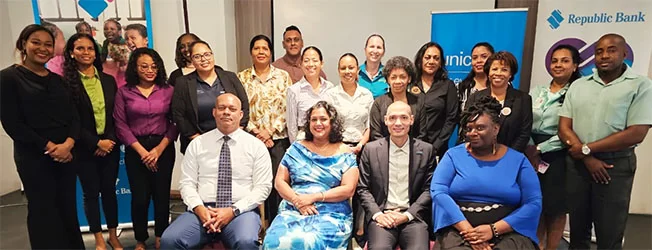
    On May 14, UNICEF and Republic Bank announced the official launch of a groundbreaking Workplace Parenting Programme in Suriname, an initiative tailored to strengthen caregiver skills and support the critical early developmental stages of young children across the country. Targeted specifically at working parents raising children between the ages of 2 and 4, a window widely recognized as the most formative period for long-term cognitive and social growth, the program fills a key gap in accessible, convenient parenting support for employed caregivers.

    The core mission of the partnership is to equip working parents with practical tools and evidence-based knowledge to actively nurture their children’s learning and growth during these critical early years. Unlike many parenting support programs that require parents to travel outside work hours, this initiative brings training directly to the workplace, making participation accessible for employed caregivers who often struggle to balance work and family responsibilities.

    In the first rollout of the program, employees from a diverse mix of public and private entities will participate in an 8-week on-site training course. Participating organizations span multiple sectors of Suriname’s economy and public services, including the Fernandes Group, Assuria, Rudisa Group, the Ministry of Social Affairs and Housing, and the Academic Hospital Paramaribo.

    To reinforce learning and extend support beyond in-person sessions, all participating parents will gain access to a curated library of 15 instructional videos that can be accessed from home. This hybrid model allows caregivers to review key concepts and practice new parenting techniques on their own time, ensuring the skills learned during training translate to real-world family life.

    Representatives from the Fernandes Group, one of the first participating organizations, noted that the program aligns perfectly with the company’s corporate social responsibility goals. “By giving our employees the opportunity to join this initiative, we are not only supporting our workforce but investing in stronger families and better developmental outcomes for the next generation of Suriname,” the representative said.

    The new Workplace Parenting Programme is part of a broader strategic partnership between UNICEF and Republic Bank, focused on advancing child-friendly workplaces and expanding robust support systems for families across Suriname. Program organizers emphasize that cross-sector collaboration between public institutions and private enterprises is essential to driving sustainable development that centers the needs of children and families, creating long-term benefits for communities across the nation.