标签: Suriname

苏里南

  • Column: Wat taal vertelt over Suriname

    Column: Wat taal vertelt over Suriname

    Suriname’s living, breathing language is offering a revealing window into how the nation navigates its colonial past, blends diverse cultural identities, and reshapes meaning for a modern, multiethnic society, writer Wilfred Leeuwin argues in a new commentary.

    The conversation starts with a recent observation: a radio advertisement for Suribet, a local gambling platform, aired in Sranan, Suriname’s widely spoken Creole language, carrying the line: “Soso bigisma e teri, gi pikin-nengre Suribet ne seri.” Directly translated, the phrase uses the term “pikin nengre” to reference minors, stating that Suribet only sells to adults. What caught Leeuwin’s attention was not the responsible gambling messaging, but the history carried by that specific phrase.

    Historically, “pikin nengre” originates from the colonial and slavery era, with a literal meaning of “little black child” that carries unmistakeable racist connotations tied to Suriname’s exploitative past. Today, however, the term has shifted dramatically in everyday Surinamese speech: in the advertisement, it is not used as an ethnic label at all, but as a general reference to all children and minors, regardless of their ethnicity or skin color.

    This shift is not driven by dictionary updates or academic linguistic theory, Leeuwin notes. It is organic language evolution, shaped by daily use among ordinary people. Popular platforms from advertising and street slang to music, radio, and social media often reshape language far faster than formal regulatory bodies can.

    Language is a living entity, after all. It shifts alongside new generations, cultural exchange, broader societal change, and the evolving ways people connect with one another. Terms that were once widely accepted can become hurtful and offensive over time, while other words lose their original sharp negative connotations and expand to take on new, broader meanings. Sometimes, the original historical meaning fades entirely from collective public memory.

    At the same time, these linguistic shifts reflect how societies process and engage with their own history. Some terms shed their harmful baggage, while others pick up negative connotations they never originally carried. Leeuwin offers another well-known example to illustrate this dynamic: the Dutch phrase “indianenverhalen”, which today is commonly used to dismiss claims as nonsense, exaggerated fantasy, or untrustworthy tales. But the phrase’s origins are very different.

    As far as linguistic research records, the term originally referenced the rich oral storytelling tradition of Indigenous communities, where elders gathered around campfires to pass down tales of creation, nature, culture, spiritual figures like the great Manitou, traditional wisdom, warnings, and spiritual experiences to younger generations. These stories were never “nonsense” — they were a core pillar of cultural transmission and communal identity. Yet over time, the phrase gained the dismissive negative connotation it carries today. This shift says less about Indigenous culture itself, Leeuwin argues, and more about how broader societies have historically marginalized less powerful, underrecognized cultural groups.

    Language is far more than just a tool for communication, he emphasizes. It carries the weight of history, pain, humor, prejudice, identity, and existing power dynamics. Words change because societies change: sometimes terms evolve as a society grows more inclusive, and sometimes old harmful stereotypes persist unconsciously in everyday speech.

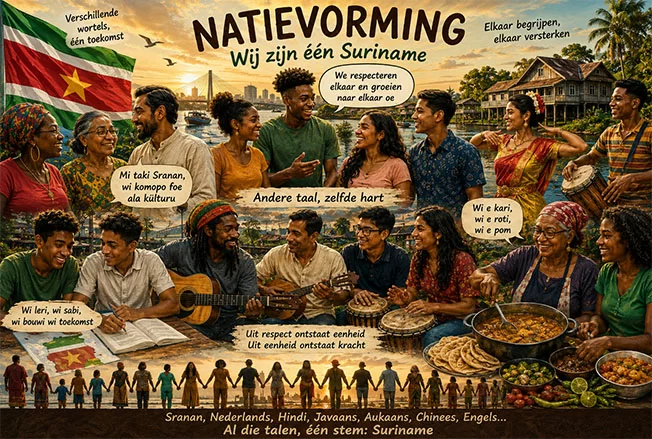
    These evolving linguistic blends also highlight what makes Suriname uniquely diverse, Leeuwin notes. He shares a recent personal encounter that drove this point home: a few weeks before writing the commentary, he heard a customer speaking Sranan with a distinct Aucaan accent at a building supply store. Assuming the speaker was an inland resident with African roots, he was surprised to learn the man was a young Hindustani Surinamese. Striking up a conversation, Leeuwin learned the man had spent part of his childhood in Suriname’s interior and had friends from every major ethnic group in the country. Though he identifies as Hindu, he does not feel culturally boxed in by his background.

    That encounter reinforced a truth about Suriname that language makes plain: different cultural and linguistic traditions blend into one another constantly and naturally, a dynamic that is rare in many other parts of the world. In many nations, language, culture, and ethnicity remain strictly segregated. In Suriname, those boundaries are constantly overlapping. A Hindustani young man speaks Aucaan and Sranan. A Javanese Surinamese person regularly uses Creole phrases. Maroon youth switch seamlessly between Dutch, Sranan, and English in daily conversation. This is not a loss of individual or cultural identity — it is a source of extraordinary cultural richness.

    Leeuwin argues that this is where Suriname’s true national strength lies: in the everyday reality where people adopt one another’s language, humor, customs, and expressions, without losing their own core identity. This is natural nation-building at its most organic, because language tells a more honest story of a country than any official government report or policy document ever could.

    In Suriname’s overlapping languages and evolving terms, you can hear the full scope of the nation’s history: the trauma of slavery and colonialism, the waves of migration, the constant cultural blending, street culture, religious diversity, and widespread communal solidarity. You can also hear a society actively working to let go of old harmful meanings and co-create new, inclusive shared meanings together.

    That is what makes language evolution far more than just a linguistic process — it is a cultural and societal project. And perhaps that is Suriname’s most beautiful strength: that all of its languages, accents, expressions, and meanings continue to mix, shift, evolve, and thrive side by side.
  • Suriname en Brazilië verdiepen samenwerking op diverse gebieden

    Suriname en Brazilië verdiepen samenwerking op diverse gebieden

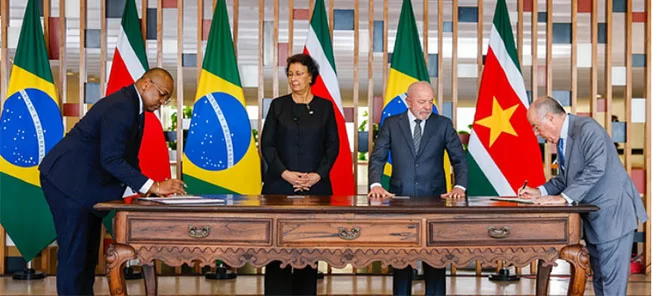
    In a historic diplomatic gathering marking five decades of formal relations between the two South American nations, Suriname’s President Jennifer Simons and Brazil’s President Luiz Inácio Lula da Silva have announced a sweeping expansion of bilateral cooperation, with dozens of concrete agreements spanning political, economic, social, security and global policy domains.

    The high-level meeting, held to commemorate the 50th anniversary of diplomatic ties, opened with both leaders expressing satisfaction with the progress of existing collaboration while emphasizing the vast untapped potential for deeper integration. To institutionalize the new expanded partnership, the two governments have established a joint bilateral commission composed of foreign ministry representatives from both sides, tasked with monitoring the implementation of signed agreements and identifying new areas for future collaboration.

    One of the most significant outcomes of the presidential meeting is a shared commitment to negotiate a new, comprehensive trade agreement that modernizes and expands existing bilateral trade frameworks. The updated deal is designed to unlock greater cross-border investment, expand two-way trade flows, and deepen regional economic integration between the two countries. To support this goal, the nations will work closely to reduce non-tariff barriers for agricultural products through enhanced coordination between veterinary, sanitary and phytosanitary regulatory bodies, while streamlining procedures to facilitate the export of new agricultural goods to each other’s markets. Additional economic cooperation priorities include joint work on sustainable tropical agriculture, strengthened food security, and rural development across both nations.

    Energy cooperation stands as a core pillar of the new strategic partnership, with major opportunities identified in both fossil fuel development and renewable energy transition. The state-owned oil companies of both nations, Suriname’s Staatsolie and Brazil’s Petrobras, will see their collaboration elevated to a more prominent strategic level, with agreements to expand joint activity in oil and gas exploration and production, while also ramping up joint investment in renewable energy generation. A key highlighted initiative is the revival of the Arco Norte project, which aims to create a regional interconnected electricity grid linking Brazil, Suriname, Guyana and French Guiana. The partners will also conduct feasibility studies for the development of shared cross-border natural gas infrastructure.

    To support expanded trade and people-to-people ties, the two nations have committed to upgrading cross-border and regional transportation connections. Priority projects include the establishment of direct maritime shipping routes between Suriname and Brazil, upgrades to port infrastructure and operations, the strengthening of transportation corridors across the Guiana Shield, and technical and political support for the planned bridge across the Corantijn River that will connect Suriname and Guyana. The agreement also calls for improved regional road connections through Guyana and French Guiana, and new formal cooperation between the two nations’ civil aviation authorities.

    Security cooperation forms another critical component of the expanded partnership, with a shared focus on combating transnational organized crime. The two nations will intensify joint efforts to disrupt drug trafficking, human trafficking, arms smuggling, illegal gold mining, cybercrime, and environmental crime. Multiple agreements have already been signed between Brazil’s federal police, the Suriname Police Corps, and other relevant law enforcement agencies. The new cooperation framework includes provisions for joint operational activities, accelerated cross-border information sharing, and strengthened border surveillance.

    A particular focus of the security partnership is the coordinated crackdown on illegal gold mining, which both governments recognize causes severe ecological damage to protected natural areas and harms local Indigenous and traditional communities. Joint priorities include enhanced traceability controls for gold exports, increased transparency across the gold supply chain, crackdowns on gold smuggling networks, reduced mercury use in artisanal mining, and enhanced protection of the Amazon rainforest ecosystem. The two nations will also expand cooperation on satellite-based forest monitoring through partnerships between Brazil’s National Institute for Space Research (INPE) and Suriname’s Foundation for Forest Management and Forest Supervision (SBB).

    Defense cooperation is also being expanded, with new agreements covering joint military training, air traffic management, border and airspace surveillance, and coordinated joint military patrols and operations along the shared bilateral border. The two governments have also reached a cooperation agreement with Brazilian aerospace manufacturer Embraer covering collaboration in civil aviation, defense, and public security domains.

    In the knowledge and education sector, Suriname and Brazil have committed to expanding cross-border knowledge exchange, including new scholarship opportunities, expanded student exchange programs, joint diplomatic training initiatives, collaborative scientific research, and partnerships in digital innovation and technological development. Surinamese students will gain significantly expanded access to Brazilian exchange and study programs under the new framework.

    Multiple new public health and social development agreements were also reached during the meeting. Brazil has agreed to provide technical and capacity-building support to Suriname to strengthen its national health system, train local medical personnel, improve infectious disease control, enhance cross-border health services, and expand health access for Indigenous communities. President Lula also formally congratulated Suriname on its recent certification by the World Health Organization as a malaria-free country.

    On social policy, Suriname has expressed strong interest in Brazil’s successful national housing program Minha Casa, Minha Vida, and Brazil has agreed to share its decades of expertise in social housing development, including administrative frameworks, digital management tools, and implementation models that can be adapted to Suriname’s local context. Additional social policy cooperation priorities include coordinated poverty reduction, expanded food security, strengthened social protection systems, targeted support for women and youth, and capacity building for small family-owned agricultural enterprises.

    Both leaders also reaffirmed their shared commitment to protecting the rights of Indigenous peoples and traditional communities. New joint initiatives will be launched to improve health access for Indigenous groups, protect their traditional territorial lands, expand knowledge exchange on Indigenous issues, and strengthen the participation of Indigenous communities in national policy decision-making processes that affect their communities.

    On the global stage, Suriname and Brazil reaffirmed their commitment to close cooperation within multilateral frameworks including the Amazon Cooperation Treaty Organization (OTCA), the Organization of American States (OAS), the Community of Latin American and Caribbean States (CELAC), and the United Nations. Both leaders issued a joint statement in support of strengthening multilateralism, advancing reform of the United Nations Security Council, and increasing the representation and decision-making influence of developing countries in global governance institutions.

    The sweeping joint declaration signed at the conclusion of the meeting marks a clear shift in the bilateral relationship, transforming what has long been a positive neighborhood relationship into a full strategic partnership that covers almost every major policy domain, from trade and energy to security, infrastructure, health, education, science, defense and social development. For Suriname, the partnership opens new avenues to access Brazilian expertise, advanced technology, foreign direct investment, professional training opportunities, and expanded market access for its exports. For Brazil, the deepened cooperation strengthens its regional influence and strategic position across the Guiana Shield and northern South America.

  • Exclusieve WK-2026-rechten voor STVS kosten US$ 450.000

    Exclusieve WK-2026-rechten voor STVS kosten US$ 450.000

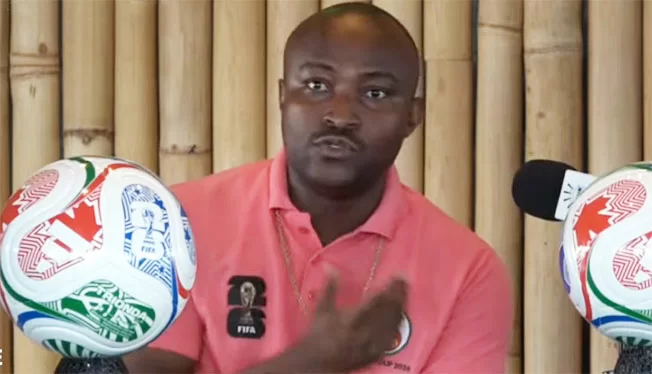
    Suriname’s acting president Gregory Rusland has publicly confirmed the total cost of securing exclusive broadcast rights for the 2026 FIFA World Cup, ending days of public and parliamentary speculation over the undisclosed sum. The $450,000 price tag for the rights, which include live coverage of all tournament matches, was announced by Rusland during a public plenary session of the National Assembly on Wednesday, answering repeated questions from sitting parliamentarians who had demanded transparency on the public expenditure.

    Under the agreed financial arrangement, the national government has covered the full $450,000 payment upfront, but state-owned public broadcaster STVS will ultimately be required to cover 50% of the total cost through its own revenue streams, primarily expected to come from commercial sponsorships. The confirmation from the presidency came hours after STVS held its own press conference, where director Raoul Abisoina declined to share the exact total, deflecting all questions on the financial details to Rusland — who as vice president holds oversight responsibility for state media outlets in the country.

    During that press briefing, Abisoina did confirm key procedural details surrounding the rights acquisition. The deal was negotiated and purchased through regional media firm IRIS-LATAM LIMITED, which held the regional tender for broadcast rights. The STVS chief refuted widespread local rumors that the total cost had reached $500,000, noting only that the actual sum was “far lower” than the circulated figure before the official confirmation from the presidency. He also acknowledged that the broadcaster would be responsible for covering half of the cost, matching the structure Rusland later outlined to parliament.

    Abisoina told reporters he personally took part in negotiations alongside STVS’s board of commissioners to secure the deal. Multiple domestic Surinamese companies submitted bids for the exclusive rights in the tender launched by IRIS-LATAM, and STVS was ultimately selected as the winning bidder, according to Abisoina. To date, IRIS-LATAM has not released any information on the other competing bidders that participated in the process. Abisoina explained that the selection of STVS was based on two core criteria: the bid value submitted by the broadcaster, and the guarantee that all legal requirements and contractual terms would be fully met. He added that full public disclosure of the contract between STVS and IRIS-LATAM is not possible, as all financial management of the deal falls under the purview of the national government.

    Addressing concerns over access for other media outlets, Abisoina pushed back on claims that STVS’s acquisition of exclusive rights would block private media from airing any World Cup content. He clarified that sublicensing agreements with other outlets have been part of the planning process from the earliest stages, and STVS is currently in active negotiations with at least two additional media organizations to share broadcast rights. That said, he emphasized that STVS’s exclusive status means no outlet may use the broadcast feed without the organization’s explicit written approval.

    STVS also acknowledged a current gap in its broadcast infrastructure: Abisoina admitted that the existing transmission capacity of STVS and partner public broadcaster ATV (operated via state-owned telecom Telesur) is not currently sufficient to deliver World Cup coverage to all regions of Suriname. But he stressed that the state broadcaster is working aggressively to resolve all infrastructure gaps before the tournament kicks off, with full government funding already allocated for the necessary upgrades. “The government has freed up the required resources. I can assure the public that STVS will make sure coverage reaches even the areas that do not currently receive our signal,” Abisoina said during the press conference. He added that the Surinamese government views universal access to the 2026 World Cup as a core public responsibility, and has no intention of denying citizens the opportunity to watch the global tournament.

    Speaking to parliament, Rusland noted that this acquisition marks the 12th consecutive time that STVS has secured broadcast rights for the FIFA World Cup. “The government has always covered the cost of these rights, and we will always meet the expectations of the Surinamese people,” Rusland told the legislative body. The requirement for STVS to contribute half the cost via sponsorship revenue is a new arrangement for this 2026 tournament, he confirmed.

  • Derde helft WK 2026: Boeiende teams, nieuwe spelers

    Derde helft WK 2026: Boeiende teams, nieuwe spelers

    The 2026 FIFA World Cup, set to kick off in North America, is already shaping up to be one of the most groundbreaking editions in the tournament’s history. Beyond its historic expansion to 48 participating nations, this year’s event is defined by a sweeping generational turnover across the world’s top national sides, as legendary veterans bid farewell to the global stage and a new wave of young talent prepares to leave their mark on football’s biggest stage.

    Among the most exciting teams to watch heading into the group stage, Netherlands have been drawn into Group F, where they will face challenging tests against Japan, Tunisia and Sweden. Under manager Ronald Koeman, the Dutch side has deliberately reshaped its squad to inject fresh energy into wide areas and overall dynamic play, a notable tactical shift from the 2022 World Cup campaign. Where Koeman previously relied on versatile players such as Jeremie Frimpong to occupy the right flank and right-back role, he has now opted to field pure attacking wingers like Crysencio Summerville, shifting the team’s focus to consistent offensive threat rather than overlapping full-back runs. Further changes have come in midfield: where Xavi Simons stood out as a creative playmaker in 2022, Quinten Timber now brings greater physicality and relentless work rate to the center of the pitch. At the back, Daley Blind has been replaced by Micky van de Ven, whose blistering pace and elite athleticism make him a massive upgrade for the Oranje defense. In goal, Andries Noppert has ceded the starting spot to Bart Verbruggen, who has emerged as an undisputed ball-playing number one at the top club level. Rounding out the squad’s fresh faces, new call-up Noa Lang adds unpredictable individual flair from the left flank, a refreshing addition to Netherlands’ style of play.

    Traditional powerhouse France, long known for balancing youthful potential and veteran experience, is also undergoing a major generational shift, most notably in its attacking line. Where Olivier Giroud’s target man presence and Antoine Griezmann’s playmaking from the shadow striker role anchored Les Bleus’ 2022 title run, both veterans have made way for more mobile, creative attacking talents. Marcus Thuram brings greater depth of run and dynamic movement as the starting striker, while young playmaker Michael Olise injects fresh creativity and dangerous set-piece ability to the side. A change has also come between the sticks: retired captain Hugo Lloris has been succeeded by Mike Maignan, who excels both in leadership and distribution from the back. In central defense, Raphaël Varane has been replaced by William Saliba, who has developed into one of the world’s top center backs during his time at Arsenal. In midfield, young Paris Saint-Germain sensation Warren Zaïre-Emery, who takes over from Eduardo Camavinga, adds an unprecedented level of dynamic energy that makes France’s play even more potent than in previous tournaments.

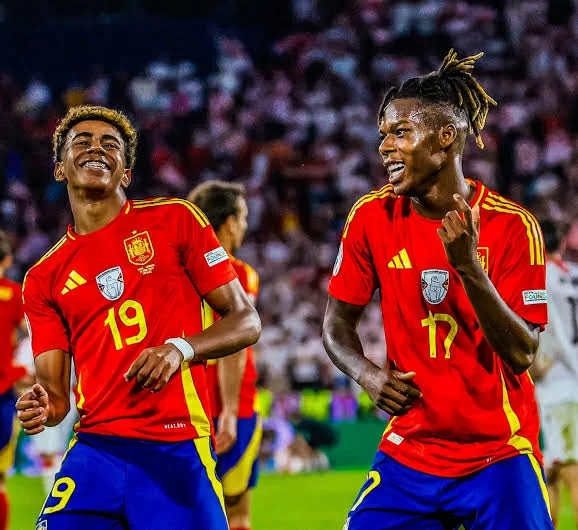
    Spain, meanwhile, has undergone a clear tactical evolution, shifting from a possession-focused control side to a team that combines lethal wide speed with signature technical quality. With the retirements of veteran stalwarts Sergio Busquets and Jordi Alba, and injuries ruling out Dani Carvajal and César Azpilicueta, space has opened up for bold, young wide attackers to step into the starting lineup. Lamine Yamal and Nico Williams are the standout new faces, expected to unlock opposition defenses with their blistering pace and tricky dribbling ability. In midfield and defense, Rodri and Alejandro Grimaldo take on key roles: Rodri is the undisputed tactical leader and linchpin of the side, while Grimaldo adds an extra attacking dimension from left back with his goalscoring ability and playmaking. Pedro Porro fills in for the injured Carvajal with relentless offensive drive, and young Barcelona talent Pau Cubarsí adds sharp build-up play from the back line.

    Morocco, the surprise semi-finalist of the 2022 World Cup, has been completely rebuilt under a new manager, with the team’s young “golden generation” taking control from the veteran leaders that carried the side four years ago. Creative veterans Hakim Ziyech and Youssef En-Nesyri are absent from this year’s squad, while Brahim Díaz and Ismael Saibari invigorate the forward line and flanks with their speed and dynamic movement. In defense, younger, faster center back Chadi Riad takes over from long-time captain Romain Saïss. This widespread rejuvenation not only brings a fresh perspective to the Atlas Lions, but also a tactical shift that places greater emphasis on counter-attacking play and creative attacking.

    Defending champions Argentina have also revamped their squad around irreplaceable talisman Lionel Messi, who will be playing in his final World Cup. Following the retirements of veterans Ángel Di María, Papu Gómez and Nicolás Otamendi, manager Lionel Scaloni has turned to younger, more energetic players to boost the side’s tempo and attacking power. Alejandro Garnacho brings youthful fearlessness and attacking depth to the wing, while Thiago Almada can step into creative playmaking duties when Messi requires rest. In defense, Lisandro “The Butcher” Martínez has earned a permanent starting spot, bringing faster build-up play and greater technical quality from the back.

    Beyond these established global powers, the 2026 World Cup also welcomes two historic debutants: Curaçao and Uzbekistan. Curaçao, led by experienced Dutch manager Dick Advocaat, blends veteran leadership with emerging young talent, and is primed to pull off upset results against bigger sides. Uzbekistan, meanwhile, has built a reputation for its physically robust defense and quick counter-attacks, and the Asian side is aiming to make an immediate impression on the global stage.

    In sum, the 2026 World Cup is set to be a thrilling spectacle where tradition and renewal collide. New stars get their chance to cement their legacies, while football icons bid goodbye to the sport’s biggest tournament. Coaches’ bold tactical choices and the fresh energy of young replacements will play a critical role in the race for the world title. This is poised to be a history-making tournament, where teams compete for glory and players write a new chapter in their professional careers.

  • Hoge prijzen beproeven offerbereidheid tijdens Ied-ul-Adha

    Hoge prijzen beproeven offerbereidheid tijdens Ied-ul-Adha

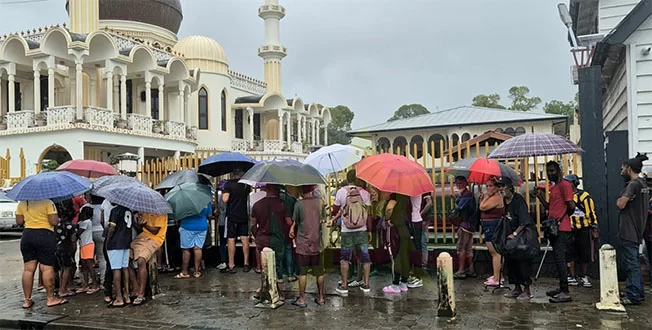
    As the first day of Eid al-Adha, also called the Feast of Sacrifice, dawned on Wednesday in Suriname, hundreds of low-income residents gathered early outside mosques across Paramaribo and Wanica, waiting patiently for their allocated share of fresh beef or mutton. For generations, this annual religious tradition has centered on sharing sacrificial meat: Muslims divide offerings into three parts, keeping one portion for their own families, giving a second to relatives, and donating the third to people experiencing financial hardship, with the minimum allocation usually set at one kilogram per household. This year, however, the long-held custom is facing unprecedented strain driven by “rocket-like” surges in cattle and sheep prices.

    On-the-ground observations at multiple mosques across the two districts painted a consistent picture of the challenges communities are navigating. Congregation members worked tirelessly to process the limited available meat, administrative teams kept meticulous logs of total stock and individual allocations to ensure fairness, and community leaders faced agonizing decisions about how to stretch limited resources to serve as many needy families as possible. Reports from the sites confirm that price hikes have reached extraordinary levels: one healthy, fully grown bull was recently priced at as much as $11,000 US dollars, a sum out of reach for most local congregations.

    The impact of these soaring costs is visible in the sharp drop in the number of sacrificial animals purchased this year. Just last year, congregations that ordered five animals already considered that a reduction from previous years; in 2026, that number has fallen further, with most communities only able to afford two or even one single animal. A small number of congregations have been completely unable to source any sacrificial animal at all this year, while a handful of better-resourced communities managed to fund seven animals, a small number still far below typical pre-inflation levels. For communities that can still offer meat to needy residents, a numbered ticketing system is strictly enforced to avoid overcrowding and ensure orderly distribution.

    Under the tradition, each sacrificial animal is collectively purchased by seven congregation members, making the per-person cost far more manageable than individual purchase — even so, many households cannot contribute this year due to broader economic pressures. Despite the significant challenges, community leaders have expressed deep gratitude to members and donors who have stretched their budgets to keep the tradition alive, allowing the congregation to fulfill its core religious obligation. Leaders emphasize that beyond the ritual of the sacrifice itself, the most important elements of Eid al-Adha are the intention to give, community solidarity, and care for the most vulnerable members of society. Still, many hold out cautious hope that next year will bring more stable, affordable prices, so the tradition can operate without the severe financial strain that marked 2026’s observance.

  • Simons in overleg met Lula over economie, veiligheid en infrastructuur

    Simons in overleg met Lula over economie, veiligheid en infrastructuur

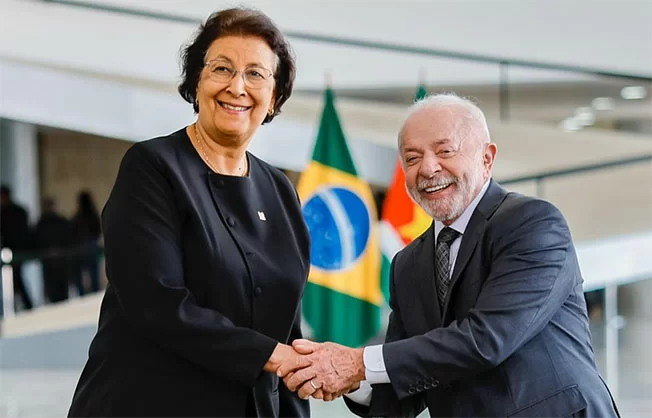
    On May 28, top diplomatic talks between Suriname President Jennifer Simons and Brazilian President Luiz Inácio Lula da Silva took place in Brazil’s capital Brasília, marking a key milestone in advancing bilateral cooperation between the neighboring South American nations. The meeting, hosted at the Palácio do Planalto — Brazil’s official presidential working headquarters — opened with full ceremonial honors for Simons, who is currently on an official state visit to the country.

    Diplomatic preparations for this high-level encounter stretch back several months, laying solid groundwork for the wide-ranging talks held this week. The two leaders first met on the sidelines of the Belém Climate Summit in November 2025, where they established an initial framework for expanded collaboration across multiple priority sectors. Following that introductory meeting, foreign ministry teams from both nations continued behind-the-scenes diplomatic work to finalize the agenda for Simons’ official visit and advance concrete cooperative agreements.

    Discussions between the two presidents covered a broad spectrum of strategic topics aligned with Suriname’s stated development priorities. Core agenda items included enhanced cross-border security, expanded economic cooperation, agricultural development, energy sector collaboration, large-scale infrastructure projects, increased bilateral trade and investment, joint countermeasures against transnational crime, defense partnership, public safety improvement, and coordinated social policy development. Simons has previously emphasized that closer ties with Brazil will bring critical support to Suriname’s ongoing economic, agricultural, and social development efforts, while strengthening security along their shared border.

    A high-profile delegation of senior Surinamese ministers joined President Simons for the visit, including Melvin Bouva, Raymond Landveld, Diana Pokie, Mike Noersalim, and Uraiqit Ramsaran. Beyond bilateral issues, the two sides also exchanged views on a range of regional and global governance matters. These included coordination within the Organization of the Amazon Cooperation Treaty (OTCA), implementation of the Brasília Consensus, and cooperation through major regional blocs such as the Community of Latin American and Caribbean States (CELAC) and the Organization of American States (OAS). Talks also addressed advancing deeper integration between South America and the Caribbean, strengthening global multilateralism, and upholding the central role of the United Nations in international affairs.

    This meeting reaffirms the shared commitment of both nations to deepening their long-standing partnership, building on the preliminary diplomatic progress achieved in recent months. Officials from both sides expect the outcomes of the talks to deliver tangible benefits to communities in both countries, while advancing stability and integration across the broader South American region.

  • Suriname kijkt naar Braziliaans Bolsa Família-model voor hervorming sociaal systeem

    Suriname kijkt naar Braziliaans Bolsa Família-model voor hervorming sociaal systeem

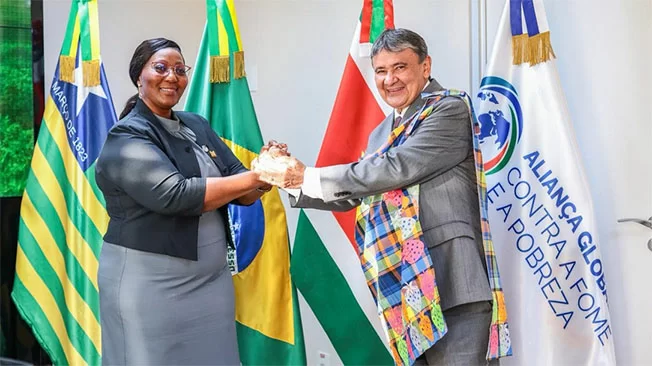
    Against the backdrop of a state visit by Suriname’s President Jennifer Simons to Brazil, high-level bilateral talks between the two South American nations have centered on strengthening social protection cooperation, with Suriname actively exploring the adoption of key components of Brazil’s globally recognized Bolsa Família anti-poverty initiative. The discussions were held Tuesday between Suriname’s Minister of Social Affairs and Housing Diana Pokie and her Brazilian counterpart Wellington Dias, marking a key milestone in cross-border knowledge sharing for poverty alleviation.

    Bolsa Família, first launched during the current administration of Brazilian President Luiz Inácio Lula da Silva’s earlier term, is widely regarded as one of the most successful conditional cash transfer programs in Latin America. The initiative combines direct financial aid to low-income households with mandatory requirements for children’s school attendance and family access to basic healthcare, a model that has lifted millions out of extreme poverty across Brazil.

    During the bilateral meeting, officials focused on unpacking Brazil’s decades of expertise in three core areas of social policy: national social registration systems, conditional cash transfer frameworks, and integrated social assistance delivery mechanisms. Ahead of the presidential visit, working groups and designated focal points from both governments have already completed preliminary work on a Memorandum of Understanding (MOU) to formalize bilateral cooperation around the Bolsa Família adaptation project, according to Suriname’s Ministry of Social Affairs and Housing.

    In remarks following the closed-door talks, Minister Pokie emphasized that the meeting represented a critical opportunity to exchange on-the-ground lessons and address shared social development challenges faced by both nations. “As governments, we share a collective responsibility to improve the quality of life for our populations, especially the most vulnerable groups within our societies,” Pokie said. She outlined the core priorities of Suriname’s ongoing social policy reform: expanding and strengthening national social protection systems, enhancing support services for at-risk low-income families, advancing social inclusion for people living with disabilities, and shoring up national food security and social safety net mechanisms.

    Minister Dias characterized the talks as constructive, confirmed Brazil’s full commitment to deepening bilateral social policy cooperation, and extended an open acceptance of a future reciprocal visit to Suriname to advance joint work. Pokie expressed profound gratitude for Brazil’s willingness to share its decades of implementation expertise with Suriname, noting that the partnership builds on longstanding ties between the two nations. “We look forward to productive next steps and to further strengthening the bonds of friendship, solidarity, and cooperation between our two countries,” Pokie added.

  • Viraal fenomeen redt ‘Trump’-buffel van slacht in Bangladesh

    Viraal fenomeen redt ‘Trump’-buffel van slacht in Bangladesh

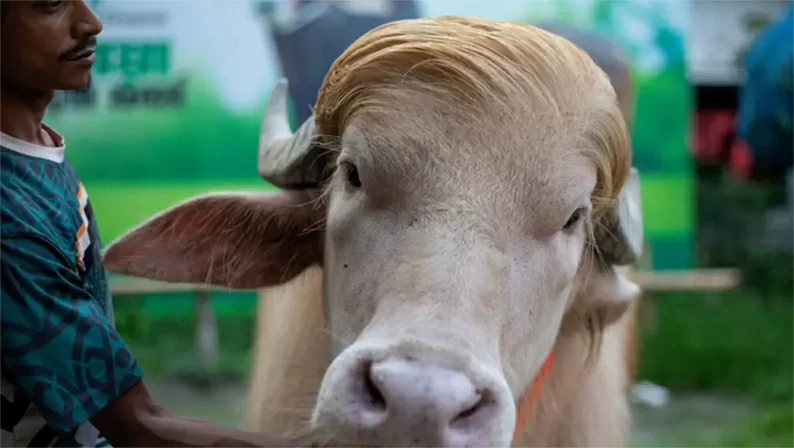
    A rare, creamy-furred albino buffalo that took social media by storm in Bangladesh has been spared from ritual slaughter just days before the major Islamic festival of Eid al-Adha, and will now receive lifetime care at the country’s national zoo.

    The 700-kilogram young buffalo, which earned its viral nickname “Donald Trump” for its striking pale blonde coat that bears an uncanny resemblance to the former U.S. president’s iconic hairstyle, was originally set to be sacrificed as part of traditional Eid al-Adha observances. As a majority-Muslim nation of 170 million people, Bangladesh celebrates Eid al-Adha, or the Feast of Sacrifice, each year, when millions of livestock including goats, sheep, cows and buffalo are slaughtered per religious custom, with much of the meat distributed to low-income families who rarely get to eat meat throughout the year. In 2024, the festival falls on Thursday this year.

    What began as an ordinary preparation for the festival turned into a viral nationwide sensation after images and videos of the unique buffalo circulated across social media platforms. The unusual pale animal drew crowds of curious visitors to its former owner’s farm in Keraniganj, a subdistrict of Dhaka, with countless people flocking to snap photos of the one-of-a-kind creature.

    Amid the outpouring of public attention, Bangladeshi authorities stepped in at the eleventh hour to spare the buffalo’s life. Following the public outcry sparked by viral social media content, government officials ordered the rare animal to be transferred to the national zoo instead of being slaughtered. Local police took the buffalo into custody at the request of the country’s veterinary department, which noted that the young albino specimen is healthy and capable of living for many years with proper professional care.

    “We have prepared a special, dedicated enclosure for the buffalo, and it will undergo a mandatory quarantine period before we begin full-time care for it,” Atiqur Rahman, a conservator at the national zoo, confirmed to media outlets. Mohammad Ruhul Quddus, an officer with Keraniganj Police, added that the buffalo’s young age and extreme rarity made it a valuable specimen worth preserving for public education and enjoyment.

    The buffalo’s former owner, Zia Uddin Mridha, had already sold the animal ahead of the festival, but the unexpected government intervention saved it from the slaughter block. Mridha confirmed that the nickname originated directly from the buffalo’s extraordinary pale coat, which immediately reminded locals of the former American president’s signature blond hair.

    Each year, an estimated 12 million livestock are sacrificed across Bangladesh during Eid al-Adha, a tradition that provides critical access to protein for millions of poor households. The unexpected story of the “Trump” buffalo has emerged as a rare, heartwarming highlight of this year’s festival celebrations, demonstrating how grassroots public attention amplified by social media can intervene to change the fate of a rare animal.

  • Ook tijdens Offerfeest staat voedselveiligheid centraal

    Ook tijdens Offerfeest staat voedselveiligheid centraal

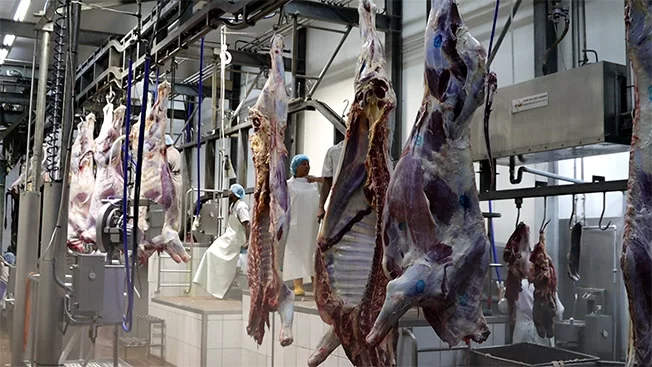
    As preparations for the Islamic Feast of Sacrifice (Eid al-Adha) get underway in the Netherlands, food safety has been positioned as the top priority for all ritual cattle slaughter operations carried out for the holiday. The country’s Ministry of Agriculture, Livestock and Fisheries (LVV) has issued binding mandatory guidelines that all participating mosques must strictly adhere to during the process, industry leaders have confirmed.

    René Gosen, managing director of Sure Beef, a Halal-certified slaughterhouse operating in the region, noted that established certified facilities like his operation are already well-positioned to meet the new regulatory requirements. “We already hold all the necessary certifications and have our full safety protocol set up permanently, so food safety has always been our leading priority here,” Gosen explained in an interview.

    Under standard long-standing rules, cattle must be at least two years old to be eligible for slaughter during the Feast of Sacrifice. However, 2026 has brought an unexpected challenge: a widespread shortage of mature qualified bulls in the national livestock herd. To address this gap, regulators have granted a one-year exception to the age and gender rules, allowing uncalved female cattle to be processed for the holiday ritual this year.

    Last week, LVV Minister Mike Noersalim led a dedicated coordination meeting alongside industry experts and representatives from major Islamic organizations to walk through the new hygiene and food safety guidelines for the holiday slaughter period. On Wednesday, official food inspectors began carrying out rigorous pre- and post-slaughter inspections to confirm all meat processed is safe for human consumption.

    Ricardo Balai, one of the senior inspectors leading the checks, emphasized that rigorous inspection is a critical line of defense against dangerous notifiable animal diseases that can pose public health risks. “Our job is to identify any abnormalities or disease indicators that point to a dangerous, regulated animal disease, so we can confirm that the slaughtered animal is completely free of health hazards,” Balai said.

    The standard inspection protocol includes two key stages: a pre-slaughter examination of the live animal and a post-slaughter assessment of the carcass. During the live check, inspectors look for any visible external abnormalities that may signal underlying health issues. After slaughter, the team conducts a hands-on assessment of all internal organs, cutting into tissue, feeling for irregularities, and checking for unusual discoloration or odors that indicate contamination or disease.

    If a hazardous condition such as jaundice is detected, the entire carcass is immediately rejected and permanently destroyed, as the meat is deemed unfit for consumption by humans or even animals. Officials noted that this strict rejection process is non-negotiable to protect public health.

    So far, 2026 has seen lower overall volumes of slaughter animals presented for the Feast of Sacrifice compared to previous years, according to Grace Mohamedali, HR Manager and Senior Quality Manager at Sure Beef. The ritual slaughter period for the holiday spans two full days, and in typical years, the slaughterhouse receives between 100 and 120 animals across both days.

    On the first day of this year’s slaughter period, the facility received 108 cattle and 17 small ruminants, including sheep and goats. On the second day, an additional 35 cattle are scheduled to be processed. Mohamedali confirmed that all slaughter operations at the facility are carried out in full compliance with Islamic religious requirements. “We have our own on-site imams who lead the ritual kurbani sacrifice according to religious tradition, so participants can be fully confident their offering meets all spiritual requirements, while also meeting the strict government food safety standards,” she added.

  • Column: Kampioenschap Broki onverdiend?

    Column: Kampioenschap Broki onverdiend?

    In the wake of widespread debate surrounding Broki’s recent Surinamese national football championship, veteran football commentator Mireille Hoepel has pushed back against criticism that claims the underdog club’s title win was unfair, arguing that the trophy was fully earned through relentless hard work and tactical focus.

    Much of the public criticism has centered on two core claims: first, that Robinhood, the losing finalist, deserved the title more because it led the league table throughout the entire regular season. Second, critics argue that Robinhood, with its long history of regional success and established regional reputation, would have been a far better representative for Surinamese football on the continental stage.

    Hoepel rejects both arguments outright, reminding critics that football matches are decided by in-game performance on match day, not historical prestige or past achievements. Broki, she emphasizes, fought its way to the title step by step, knocking off multiple larger, more fancied clubs along the road to the final. This championship win is far from a fluke: the club proved that consistent, hard work can turn limited resources into major success.

    What makes Broki’s run even more remarkable, Hoepel explains, is the constrained context the team and its technical staff operated within. With very little preparation time available, the club could not afford to spend weeks drilling complex set patterns of play to outwit opponents. Instead, the staff started with a modest goal: limit damage against bigger rivals and stay competitive. Gradually, as the team picked up win after win, they adjusted their targets upwards, eventually lifting the coveted national title. The coaching staff pulled together a cohesive unit from the playing talent they had available, and that chemistry allowed them to take down one giant opponent after another. Hoepel argues that this underdog success story holds lessons for football teams across the region, and Broki’s achievement deserves to be celebrated, not questioned.

    She goes on to challenge critics with a series of uncomfortable questions that cut through the narrative of an ‘unfair’ title. If Broki is really as weak as its detractors claim, what does that say about the quality of every established club that the underdog defeated one after another? How strong can Robinhood really be if it could not beat a supposedly weak Broki side in the final? Would there be this much outcry over competition format if Robinhood had ended up as the winner? Why should younger, less established football organizations not be allowed to achieve success? Shouldn’t the traditional powerhouses of Surinamese football be looking inward to figure out why they could not stop Broki’s run?

    Critics also claim that Broki will disappoint when it represents Suriname in regional CONCACAF competition, arguing Robinhood would have performed better. Hoepel counters that every team has to prove its worth anew every season, regardless of reputation. Even if Broki fails to earn regional honors, she notes, the club still earned its right to compete by winning the national title – a fact that cannot be erased. Hoepel also points out that past Surinamese champions have also failed to find success in regional competition, so poor regional results would not invalidate Broki’s domestic win.

    Looking ahead, Hoepel says the work now falls to Broki’s board and coaching staff to strengthen the squad responsibly in preparation for regional competition. At the end of the day, Broki won the championship fair and square by beating every opponent placed in its path. As the official national champion, the club has earned its place on the regional football stage.