博客

  • Briceño Targets Procurement Reform with Sweeping New Measures

    Briceño Targets Procurement Reform with Sweeping New Measures

    In a proactive move responding to mounting public pressure for greater fiscal accountability, Prime Minister John Briceño has announced far-reaching reforms to overhaul Belize’s public sector procurement system, announced in June 2026 ahead of scheduled legislative and cabinet reviews. The administration is pushing forward with the overhaul without waiting for investigations into the controversial Mira contracts to conclude, framing the changes as a long-planned effort rather than a hasty response to recent political scandal. The reform package, developed over several years in collaboration with the Inter-American Development Bank (IDB), is designed to embed greater transparency, operational efficiency, and cost savings across all government purchasing activity.

    Briceño has laid out a clear timeline for advancing the reforms. Next Tuesday, top fiscal oversight officials—including the Financial Secretary, Contractor General, and Auditor General—will brief the full cabinet on the legislative framework underpinning the changes, which includes updates to the Finance and Audit Reform Act (FARA), store supply regulations, store control rules, and general financial orders. Ministry chief executive officers will also attend the briefing to ensure both political leadership and senior administrative staff gain a clear shared understanding of proposed adjustments.

    One week after that cabinet briefing, on July 14, the administration will officially table the draft legislation to establish a new centralized procurement unit, developed through the government’s Central Execution Unit with technical and policy support from the IDB. In designing the new system, the government studied successful procurement models used in other countries to adapt best practices for Belize’s context.

    The centerpiece of the reforms is a mandatory centralized electronic procurement portal that will serve as a single public window for all government tender opportunities and purchasing activity. Under the new rules, every government ministry and department will be legally required to publish all procurement activity on the platform. This requirement extends to all purchases, even small contracts valued under $10,000 and tender opportunities for agencies such as the Belize Defence Force (BDF), removing the exceptions that have previously allowed for off-publication purchasing. Briceño emphasized that this mandatory public disclosure will embed the core values of openness, transparency, and accountability across all government spending.

    Beyond strengthening governance, the Prime Minister argues the centralized system will deliver significant long-term cost savings for public finances. Currently, individual ministries negotiate purchases separately from independent suppliers, which means the government often fails to access the bulk purchase discounts that consolidated ordering would unlock—discounts that can reach 20% on common goods and services. A centralized procurement unit will aggregate all government demand, allowing the state to negotiate better pricing and capture these savings for the public purse.

    This announcement marks a major shift in how the Belizean government manages public spending, coming amid growing public scrutiny of government contracting practices. While the reforms are tied to ongoing conversations about accountability sparked by the Mira contracts controversy, the administration stresses that the policy itself is the product of years of collaborative development with regional financial experts, intended to deliver long-term structural change to public financial management.

  • PM Says Mira Supplies Contract are More Perception Than Corruption

    PM Says Mira Supplies Contract are More Perception Than Corruption

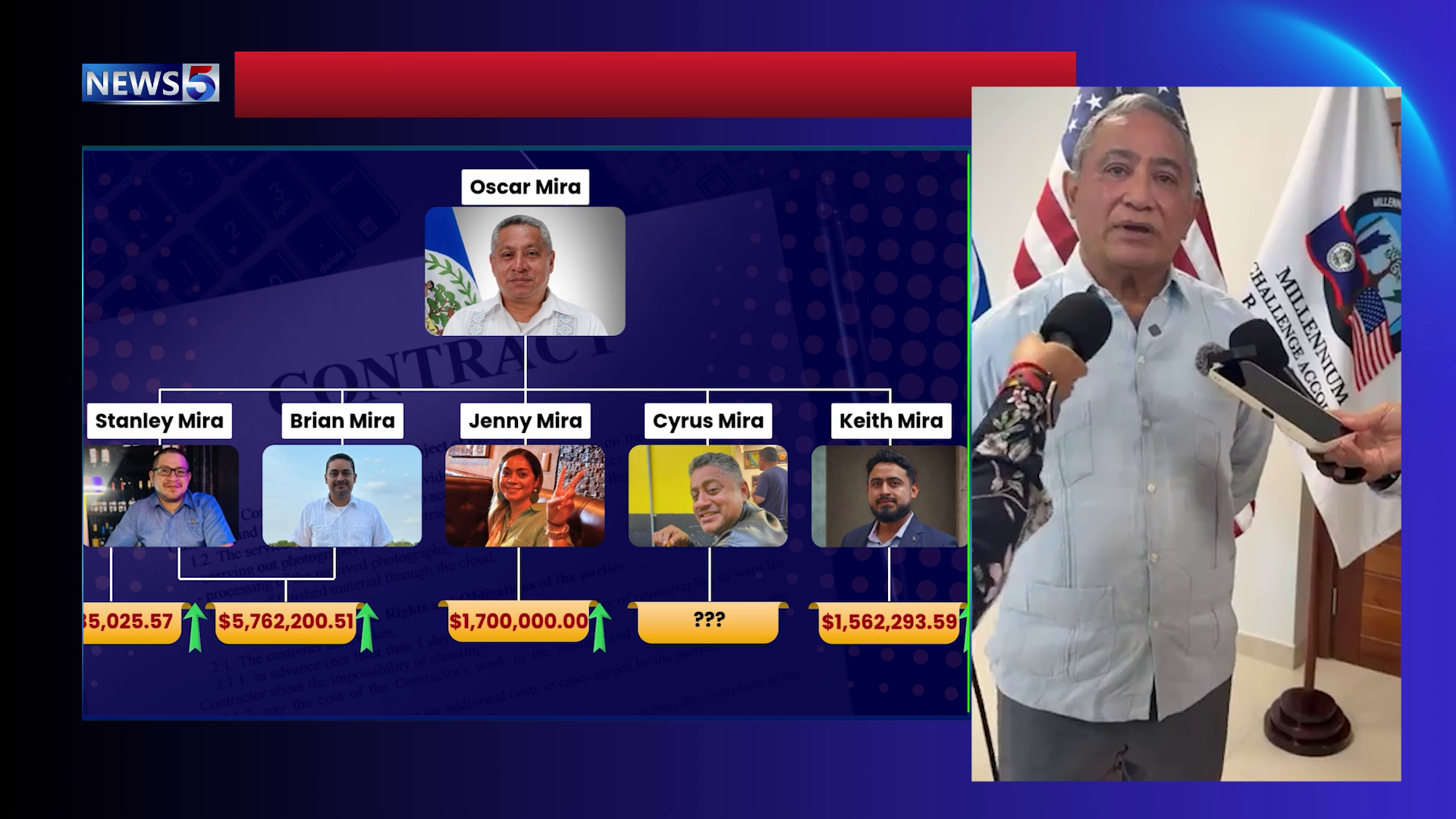
    In June 2026, as the Belizean government pushes forward with plans to implement tighter oversight over future public expenditure, lingering scrutiny continues to surround already finalized state contracts and procurement deals. At the center of the latest controversy is a equipment purchase for the Belize Defense Force, specifically a contract awarded to Mira Supplies for military boots, which has drawn allegations that public funds were overspent at the cost of taxpayers.

    Prime Minister John Briceño, speaking to reporters on July 1, 2026, addressed the growing public concern, noting that an ongoing independent audit of the Ministry of National Defense is expected to deliver full transparency into how public funds have been allocated and spent over the previous six years. Briceño emphasized that despite the lack of a complete full brief on the details of the contract to date, he does not support any improper use of public money, and his administration will move forward to resolve the issue openly.

    Reframing the controversy surrounding Mira Supplies, Briceño pushed back against claims of explicit corruption, arguing that much of the public anger stems from misperception rather than proven wrongdoing. He confirmed that all contracted goods, including the military boots, were delivered to the defense force as agreed. The core issue, he explained, is not a failure of delivery but a gap in public perception: the contract’s award to a single supplier has created an appearance of favoritism that undermines public trust, regardless of whether any explicit rules were broken.

    “We don’t only have to do the things right, we also have to appear to do the things right,” Briceño told reporters, repeating the stance he has already shared with his cabinet on multiple occasions. The Prime Minister added that he had no intention of deflecting accountability for the issue, and that his administration would address the controversy head-on as more details emerge from the ongoing defense ministry audit.

    This report is adapted from a transcribed transcript of a televised evening news broadcast.

  • Mira Says He Dropped August Complaint Before DPP Acted

    Mira Says He Dropped August Complaint Before DPP Acted

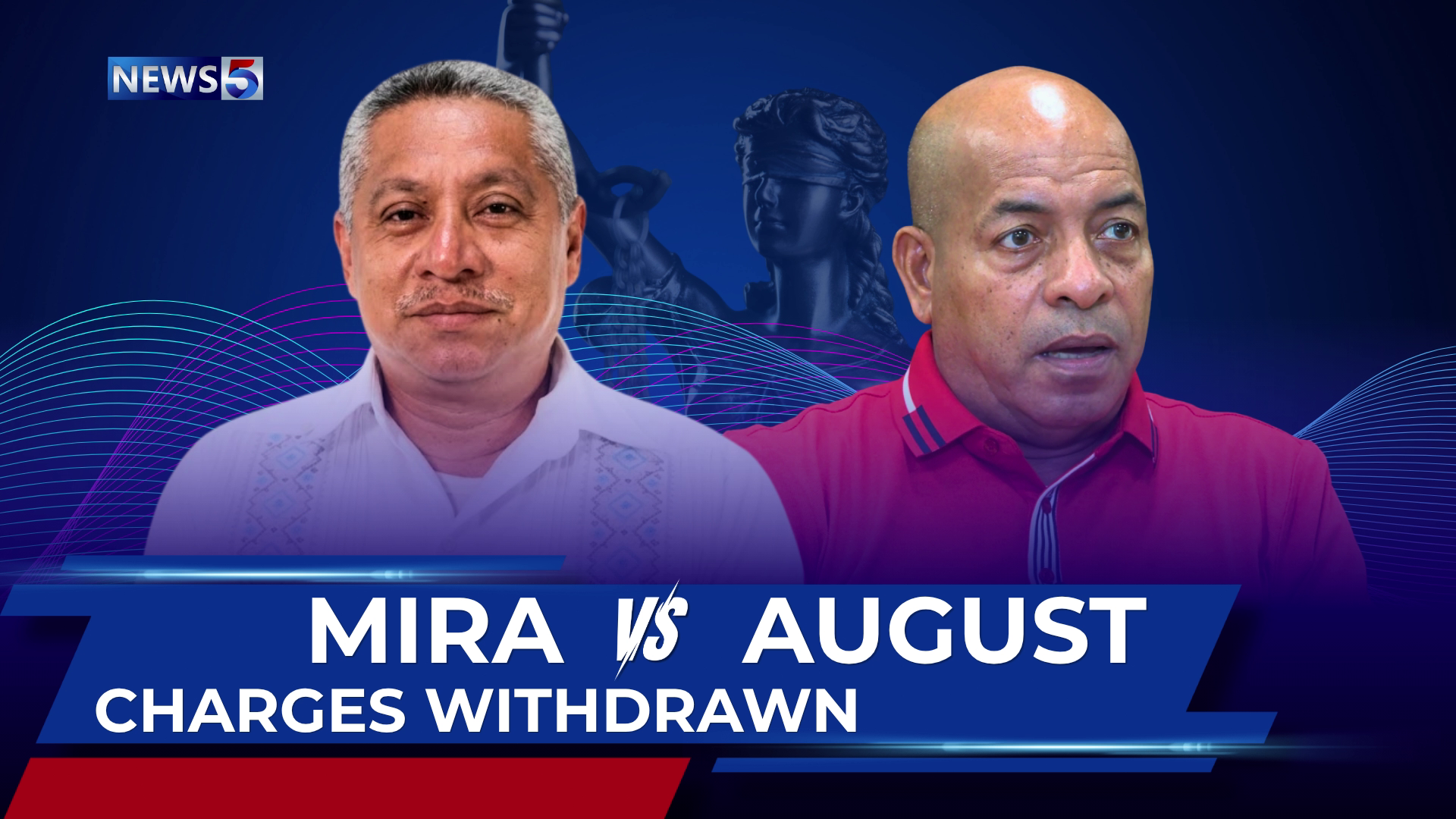
    In a political controversy unfolding in Belize dating to July 1, 2026, Oscar Mira, the Area Representative for Belmopan, has confirmed he voluntarily moved to dismiss a criminal cyberbullying complaint against political figure Alberto August days before the Director of Public Prosecutions (DPP) officially ordered the case dropped.

    Mira’s account clarifies the sequence of events that has sparked widespread public debate over political conduct and the constitutionality of the nation’s existing cybercrime legislation. Speaking to reporters, Mira explained that after careful reflection and consultations with his family and closest political advisors, he submitted a formal supplementary statement to police last Friday requesting that all charges be withdrawn. He emphasized that his decision was finalized well before the DPP issued her directive to dismiss the case.

    “We are humans, and we can always reflect on what we could have done better,” Mira stated. He went on to push back against the alleged actions that prompted his original complaint, noting: “you don’t try to gain political points at a time when you have a whole city grieving and try to put words I did not say. After reflection I believe it is in the best interest of everyone not to continue with that case.” When asked if he regretted his initial decision to file the complaint, Mira acknowledged that there is always room for improvement in political decision-making.

    The fallout from the high-profile case has now prompted the Belizean government to open a full review of the existing cyberbullying legislation, which was originally enacted by the previous administration. Prime Minister John Briceño announced that Attorney General Anthony Sylvestre has concluded key provisions of the current cybercrime law are likely unconstitutional, and government is preparing amendments to introduce to the House of Representatives during its next sitting.

    Briceño stressed that while he respects the institutional independence of both the national police service and the Office of the DPP, political leaders must avoid even the appearance of using state institutions to target political opponents. “I don’t think that the public have a problem if a politician were to sue anybody because they believe that they have been aggrieved or they’ve been slandered,” Briceño explained. “But I think the public would have a problem when they would feel that the minister is using the state to go after its enemies.” He clarified he was not accusing Mira of intentional abuse of process, noting that law enforcement initially believed there was a valid basis for the case, but added that allowing such proceedings to move forward sets a dangerous precedent that could be exploited by future leaders.

    The case has already drawn criticism from political opponents, after Interim Home Affairs Minister Julius Espat confirmed he directed police to forward the case file to the DPP for formal review. While many observers welcomed the DPP’s eventual decision to dismiss the charges, critics frame the minister’s intervention as yet another instance of inappropriate political interference in independent law enforcement processes.

    This report is adapted from a broadcast transcript of original evening news coverage.

  • Lowmans man charged over murder of St. Lucian

    Lowmans man charged over murder of St. Lucian

    Authorities in St. Vincent and the Grenadines have secured murder charges against a 21-year-old Lowmans Hill resident in connection with a fatal shooting that claimed the life of a 34-year-old St. Lucian man, Troy Cassely, in the West Kingstown neighborhood on June 23. Alongside the murder count, suspect Delroy Harry faces two additional counts of attempted murder stemming from the same violent incident, which left two other local men injured: a 33-year-old from Campden Park and a 22-year-old from Lower Questelles. Per standard protocol, law enforcement has not released the names of the two wounded men to protect their privacy.

    The series of gunshots was reported to local police shortly after 5:00 p.m. that afternoon. When first responders arrived at the scene, they found Cassely with multiple gunshot wounds across his body. A district medical officer officially pronounced the 34-year-old dead at the site of the attack. Harry is scheduled to be arraigned at the territory’s Serious Offences Court in the coming days.

    In an official statement released Wednesday, the Royal St. Vincent and the Grenadines Police Force (RSVGPF) reaffirmed its unwavering commitment to combating violent crime across the islands, noting that all investigations are conducted with strict discipline, rooted in solid evidence, and pursued with consistent persistence. The force publicly commended the investigative team from its Major Crime Unit and all supporting personnel for their concentrated, thorough work throughout the probe into the June 23 shooting.

    Law enforcement is still calling on members of the public who hold any additional details that could advance the investigation to come forward. Tips can be submitted directly to police through two dedicated contact lines: 456-1810 or 457-1211. To close the statement, the RSVGPF once again extended its deepest condolences to Cassely’s family and friends, who are mourning his loss.

  • Staatsolie renoveert twee scholen in Commewijne voor SRD 5,2 miljoen

    Staatsolie renoveert twee scholen in Commewijne voor SRD 5,2 miljoen

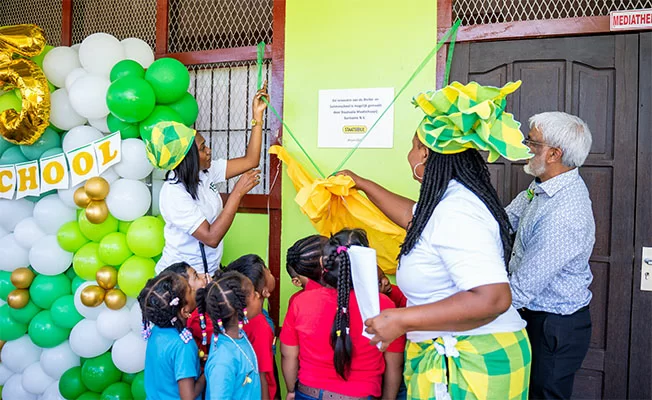
    On June 29, a landmark handover ceremony marked the completion of major renovation works at two public schools in Leliëndaal, Commewijne, Suriname, transforming learning conditions for nearly 300 students and teaching staff. The project, carried out by Staatsolie Maatschappij Suriname N.V. (Suriname State Oil) as part of the company’s 45th anniversary corporate social responsibility program, injected approximately 5.2 million Surinamese dollars into upgrading the H.M. Bielkeschool (GLO) and Saliminschool (MULO), coinciding with the H.M. Bielkeschool’s own 105th founding celebration.

    Before the renovation, deteriorating infrastructure at H.M. Bielkeschool had rendered many classrooms unfit for consistent use, forcing disruptions to daily classes for enrolled students. The comprehensive overhaul addressed critical structural issues: the project team fully replaced the aging roof, damaged ceilings, crumbling interior walls, outdated doors and windows, and worn security mesh across campus. Additionally, the covered connecting walkway linking the two neighboring schools, which had fallen into dangerous disrepair, was also fully restored to safe working condition.

    Speaking at a post-handover thanksgiving service, Cherida Kwasie, principal of H.M. Bielkeschool, expressed profound gratitude for the intervention. “Our school now shines again, it feels welcoming, and most importantly, it is a safe space for every person who learns and works here,” Kwasie said. “This effort has touched so many hearts, and we hope it inspires other organizations to continue investing in our schools and Suriname’s education sector as a whole.” Cheira Denswil, principal of Saliminschool, also shared her public appreciation for the completed works during the event.

    The ceremony was attended by key stakeholders, including Staatsolie Managing Director Annand Jagesar, representatives from the Commewijne District Commission, and board members of the Evangelical Brethren Community Education Foundation of Suriname, which oversees the institutions.

    Staatsolie officials emphasized that the school renovation project forms one piece of a far broader 45th anniversary social investment initiative rolling out across the country. Beyond education-focused projects, the program also targets support for socially vulnerable groups, institutional capacity building, public recreation infrastructure, and community sports development. The company’s core goal with these education investments is to foster safe, motivating learning environments that empower Suriname’s young people to pursue long-term personal and professional growth.

    As of the handover, a portion of the anniversary-themed community projects have been completed, with remaining works still ongoing. According to Staatsolie leadership, these initiatives reinforce the company’s commitment to corporate social responsibility and its mission to deliver sustainable, long-term contributions to national development across Suriname.

  • What Does Francis Fonseca Make of Government’s Latest Controversy?

    What Does Francis Fonseca Make of Government’s Latest Controversy?

    On July 1, 2026, Belizean Foreign Affairs Minister Francis Fonseca stepped back into his office after a period of absence, immediately confronting a wave of pressing questions from reporters over the growing controversy that has already sidelined two of his fellow Cabinet members.

    Oscar Mira and Florencio Marin Jr., the two ministers currently placed on administrative leave, are the subjects of ongoing official audits and internal investigations centered on questionable financial practices, including the controversial method of split payments. The unfolding situation has sparked public speculation about whether similar irregularities permeate other government agencies, including Fonseca’s own portfolios of foreign affairs and education.

    When asked directly to confirm whether split payment schemes have ever been used in either of the ministries he oversees, Fonseca denied any personal involvement or awareness of such practices. “As the minister responsible for both the Ministry of Foreign Affairs and the Ministry of Education, that is not a practice that I certainly am involved in or engaged in,” he told reporters. “I have always made it very clear that my role is a policy role. I do not get involved in the work of finance officers, nor do I interfere in spending decisions or contract negotiations within the ministries. That is not part of my remit.”

    Reporters followed up by asking if the unfolding controversy amounts to a full-blown crisis for the current administration, a claim Fonseca quickly pushed back on. While he acknowledged the seriousness of the allegations, he emphasized that the government is handling the situation in a transparent and responsible manner.

    “No, I don’t think it is a crisis. Obviously, it is a serious matter, and I think it is being treated with a great sense of gravity,” Fonseca explained. “I think the prime minister is doing the right thing. He has ensured that the ministers who are responsible for those ministries are on leave while a comprehensive audit is being done of those ministries. Whatever the outcome is of those audits will determine what future actions have to be taken. So I think that is the right approach: let’s get all the information, all of the data, and then decisions can be made. I don’t think it’s a crisis. I think it is being handled responsibly, and then we see where we go from there.”

    This report is adapted from a transcript of an evening television news broadcast, with all dialogue reproduced accurately as captured during the live interview.

  • Fonseca Confirms NICH Employee Fired After Funds Went Missing

    Fonseca Confirms NICH Employee Fired After Funds Went Missing

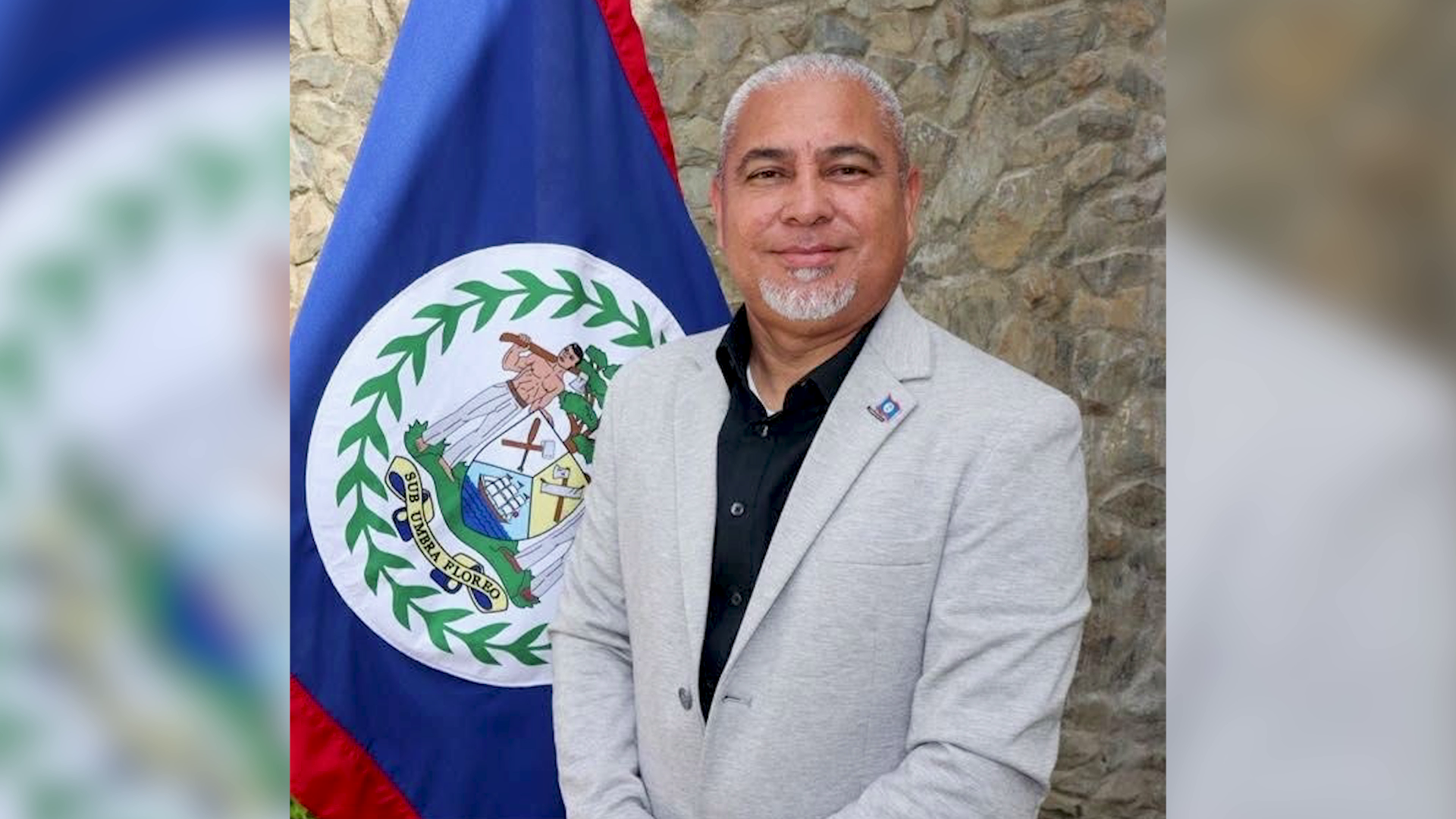
    A routine financial audit has sparked personnel changes and disciplinary action at Belize’s National Institute of Culture and History (NICH), following the discovery of unauthorized withdrawals from the National Celebrations Commission’s operating budget. Culture Minister Francis Fonseca has publicly confirmed the outcomes of the internal probe launched after thousands of dollars in public funds were found unaccounted for during the standard review.

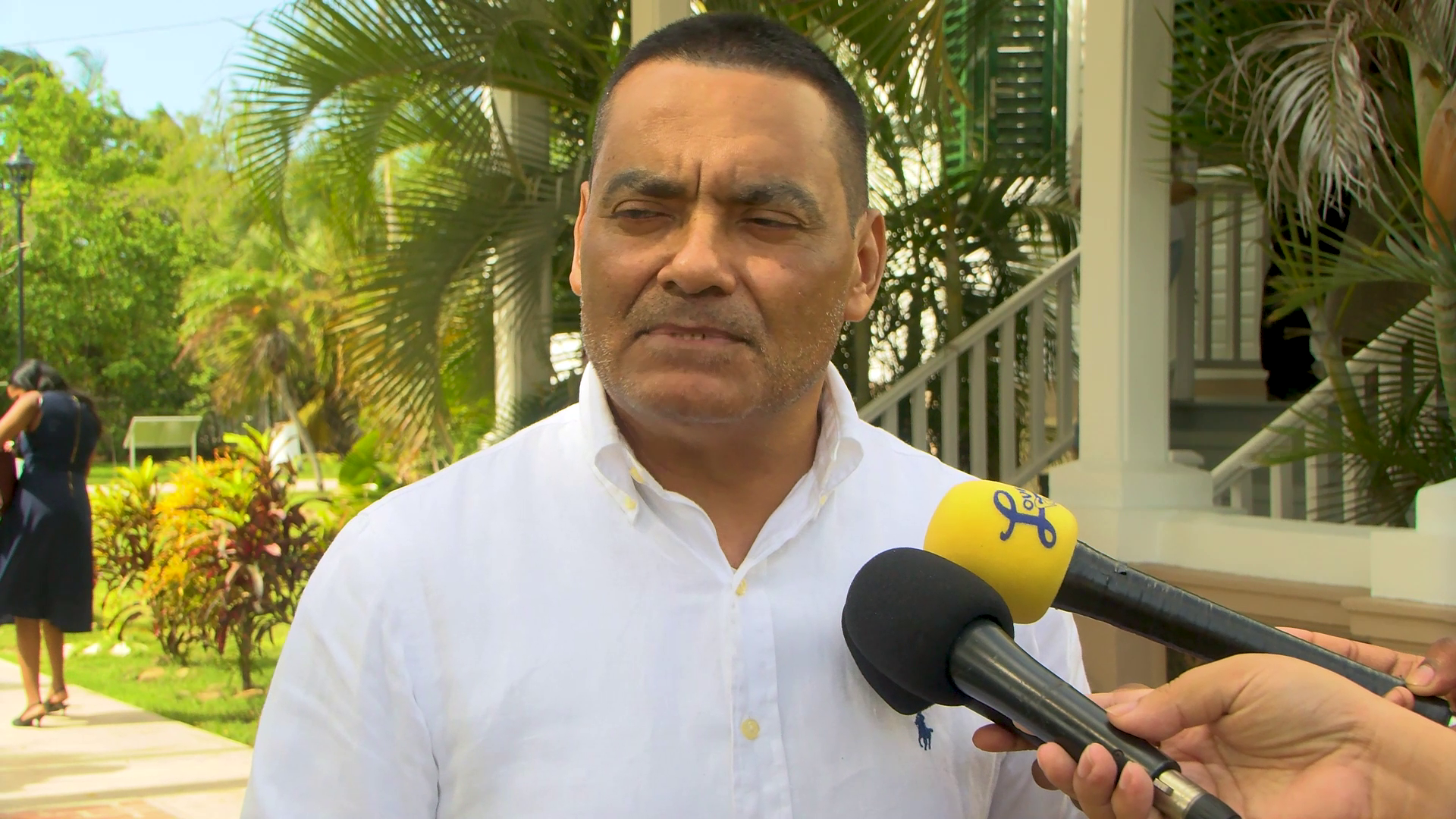
    In remarks to reporters following the audit’s completion, Fonseca confirmed that one NICH staff member implicated in the misappropriation has been formally terminated from their position. A second employee, identified by the audit as having played a minor, secondary role in the irregular financial activity, was placed on administrative leave before being reassigned to a new role within the institution. According to the minister, all of the misappropriated funds have already been fully repaid to the government.

    While Fonseca declined to officially verify the exact total of the missing money, local reporting places the unaccounted sum at more than $45,000. The funds in question are earmarked for supporting public national celebration events, and the misappropriation was uncovered just as the country prepares to launch its upcoming official celebration calendar, with a new event theme already unveiled to the public.

    When pressed by reporters on how the cultural department will prevent similar misuse of public funds in the future, Fonseca emphasized that the irregularities were first uncovered through the existing routine audit process, and that the department has already implemented updated, clear procedural safeguards to close gaps in financial oversight. “It was discovered through an audit. And everything has been done to ensure that there is a clear process in place to make sure that does not happen in the future,” Fonseca told reporters.

    The minister added that he had only returned to office the day of the announcement and was still awaiting a full detailed briefing on the full scope of the case, but confirmed the broad strokes of the investigation’s outcomes that had already been finalized. This report is adapted from a transcript of a televised evening news broadcast from the region.

  • Micro Industrial Parks : Call for Expressions of Interest

    Micro Industrial Parks : Call for Expressions of Interest

    Haiti’s Ministry of Commerce and Industry (MCI) has opened a national call for expressions of interest for private developers and organizations to submit proposals for new Micro Industrial Park (MIP) projects, as a core component of the country’s ongoing Integrated Business Development Program (PIDE).

    The initiative is designed to catalyze private-sector led industrial growth across Haiti, with the Haitian government limiting its role to enabling economic activity and protecting the interests of all project stakeholders — all selected MIPs will operate under full private management. Eligible participants include private institutions, for-profit organizations and independent project promoters that meet the ministry’s outlined eligibility criteria, with a submission deadline set for July 14, 2026. All application materials, including a full viable project business plan and official company legal documentation, must be submitted via email to servicemicroparc@mci.gouv.ht.

    The MCI is specifically seeking projects focused on four key priority sectors that align with the country’s long-term economic development goals: agribusiness; wood and textile manufacturing; industrial services, with a focus on general and precision mechanics; and applied biotechnological research.

    To support successful applicants in bringing their projects to fruition, the government is offering a comprehensive package of technical and financial incentives tailored to address common barriers to industrial development in emerging markets. Key benefits include targeted technical assistance for pre-feasibility and full feasibility studies, guidance and support in securing third-party project financing, direct capital funding for industrial equipment, building construction and core infrastructure, specialized training programs for local technicians and industry-specific staff, support navigating the patent and operating license application process, access to nearby basic public and private services, national and international marketing and promotion support, and guidance to help operations meet international production and quality standards.

    Notably, MIPs designated as Multi-Production Investment zones will be classified as special customs territories, meaning all companies operating within these parks will qualify for additional tax and business incentives outlined in Haiti’s national Investment Code.

    To be considered for selection, applicants must meet a series of baseline eligibility requirements. Promoters must operate as a private institution or for-profit organization with a minimum of three years of active industry experience, propose projects that leverage the unique economic and geographic potential of their proposed location, deliver high-value-added employment opportunities for local workers, and be led by teams with proven expertise and experience in their target sector. Additional evaluation criteria include confirmed land availability and accessible, high-quality project locations, demonstrated potential to attract complementary businesses to the area, a verifiable personal financial contribution from the project promoter, clear identification of target markets and secured supply chains, confirmed project profitability for producers, measurable positive environmental and social impact, meaningful integration with local producer networks, and meaningful inclusion of women in project leadership and operations.

    Selected projects will receive targeted financial support to cover the cost of acquiring and assembling required industrial materials and equipment. The MCI has confirmed that only shortlisted, selected proposals will receive support through the PIDE program, following a full review of all submitted applications.

  • Pinelo Faces Reckoning as Government Reviews His Explanation

    Pinelo Faces Reckoning as Government Reviews His Explanation

    Nearly seven days have passed since Belize’s Chief Forest Officer John Pinelo was formally ordered to respond to public misconduct allegations that have sparked widespread public attention, and the future of his position remains uncertain as government authorities await his formal response.

    Pinelo has repeatedly rejected all claims of wrongdoing since the allegations emerged, and was granted a six-day deadline to submit a formal written explanation addressing the accusations to his department’s Chief Executive Officer. On July 1, 2026, local news outlet News Five sat down with Minister of Sustainable Development Orlando Habet to get an update on the inquiry’s progress, and what disciplinary steps could come once Pinelo’s submission is received.

    When asked to confirm whether Pinelo had turned in his explanatory report, Habet clarified that the official was actually given a full week to prepare his response, rather than the initially reported six days. “I think he was given a week to prepare it. I am sure if he has and he will prepare that letter and submit it to the CEO who will prepare the ministry’s position and present it to the Ministry of Public Service,” Habet told reporters.

    Pressed for a timeline, Habet confirmed that the submission is expected sometime this week, with instructions issued last week requiring Pinelo to turn over his response by the end of the current seven-day period. Reporters also followed up on a separate pending inquiry tied to the allegations, asking whether a promised investigative report from a Mr. Godina had been filed with the ministry. Habet responded that no such report had crossed his desk as of the July 1 interview.

    When asked what disciplinary actions would be taken if Pinelo’s explanation fails to resolve the allegations against him and confirms misconduct occurred, Habet declined to preview potential outcomes. “We can’t comment on that yet because it will depend on the report,” he said, noting that all next steps will be determined by the findings of the review process.

    News Five has confirmed it will continue to track developments in the inquiry and publish updates as new information becomes available. This report is a transcribed excerpt from the outlet’s evening television broadcast, with all Kriol-language statements transcribed using a standardized spelling system for accessibility.

  • The Largest U.S. Investment Ever in Belize Is Now Underway

    The Largest U.S. Investment Ever in Belize Is Now Underway

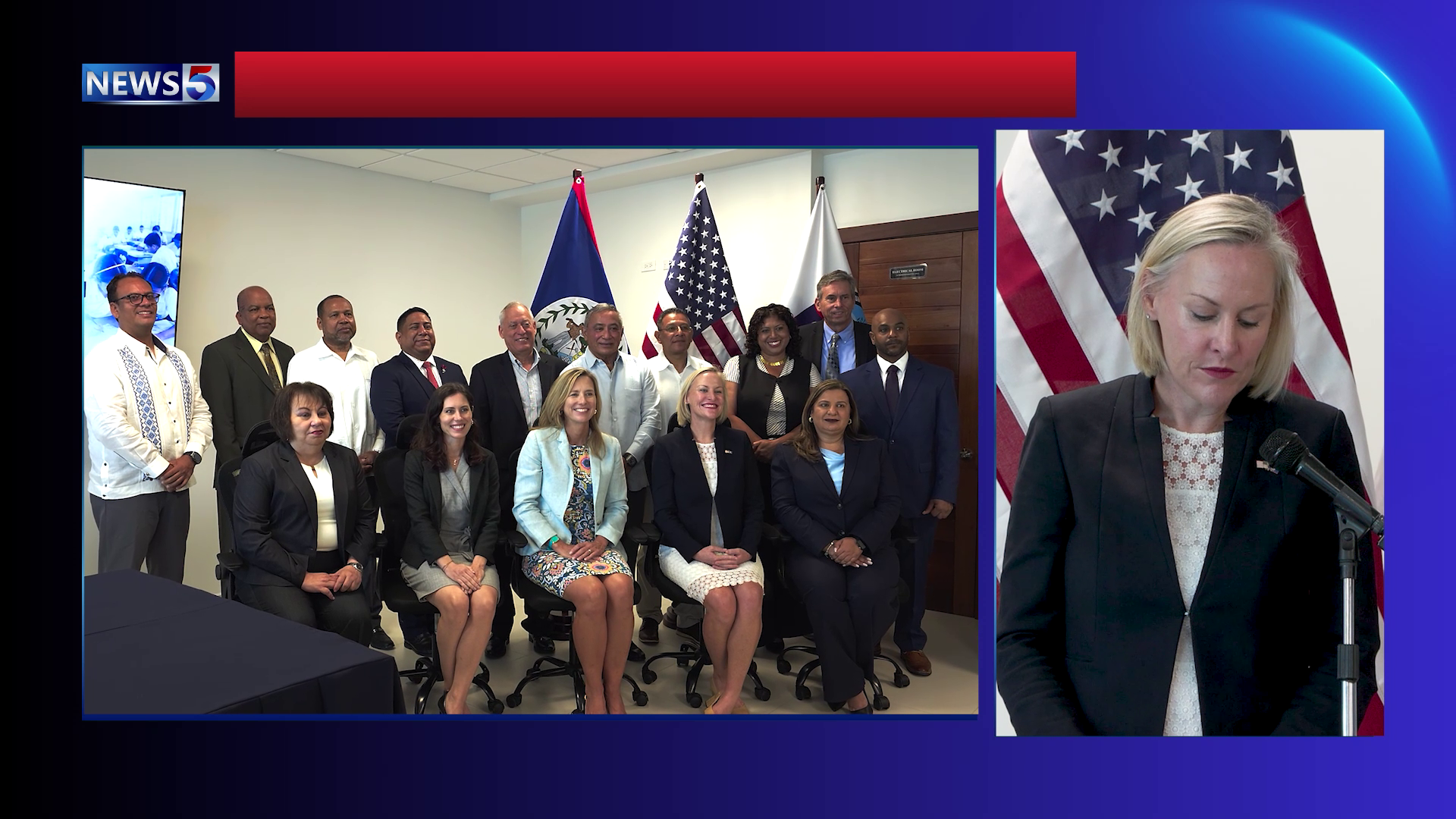
    On July 1, 2026, a landmark development in bilateral cooperation between Belize and the United States came to fruition, as the long-negotiated Millennium Challenge Account (MCA) Compact officially transitioned from years of planning to active implementation. This multi-million-dollar partnership, the single largest U.S. investment in Belize’s history, targets two of Belize’s most pressing national priorities: upgrading the country’s public education system and expanding and modernizing its energy infrastructure.

    After years of iterative negotiations, cross-government consultations, and program restructuring, the launch paves the way for transformative improvements that are expected to deliver long-term gains for Belize’s workforce and broader national economy. Speaking at the official launch, U.S. Charge d’Affaires Katharine Beamer emphasized that every aspect of the compact—from the selection of focus sectors to the granular details of investment allocation and implementation—was shaped by intentional, collaborative work between both nations.

    Beamer explained that upgrading Belize’s education system will open new economic pathways for young Belizeans entering the workforce, while also equipping local growing businesses with a skilled labor force that possesses the 21st-century technical and professional skills required for sustained expansion. On the energy side, she noted that investments in critical, long-overdue energy infrastructure, paired with targeted policy and regulatory reforms, will drive down overall electricity costs for ordinary Belizean households and build a more resilient, robust national power sector for decades to come.

    For his part, Belizean Prime Minister John Briceño shared that his government intentionally centered education and energy as non-negotiable top priorities from the start of compact discussions. When U.S. stakeholders asked Belize to outline its national development priorities, Briceño said the choice was clear: education and energy immediately rose to the top, and U.S. partners rapidly aligned with this framework.

    Briceño explained that the years of pre-launch consultation were critical to refining the program, with extensive engagement with educators, finance ministry officials, and energy sector stakeholders to address existing challenges. He added that unanticipated rapid economic growth in Belize has created an urgent need for expanded energy capacity—current energy consumption has already hit levels originally projected for 2028 and 2029, making early investment in the sector all the more critical. In Briceño’s view, focusing the compact on these two high-impact areas was a strategically sound decision that aligns with Belize’s current and future development needs.

    As part of the bilateral agreement, the Government of Belize has committed $76 million in financing to support energy sector projects under the compact. This public investment complements the U.S. funding allocated through the MCA program, creating a combined investment framework that will deliver tangible benefits to Belizean communities across the country.