博客

  • What Does Francis Fonseca Make of Government’s Latest Controversy?

    What Does Francis Fonseca Make of Government’s Latest Controversy?

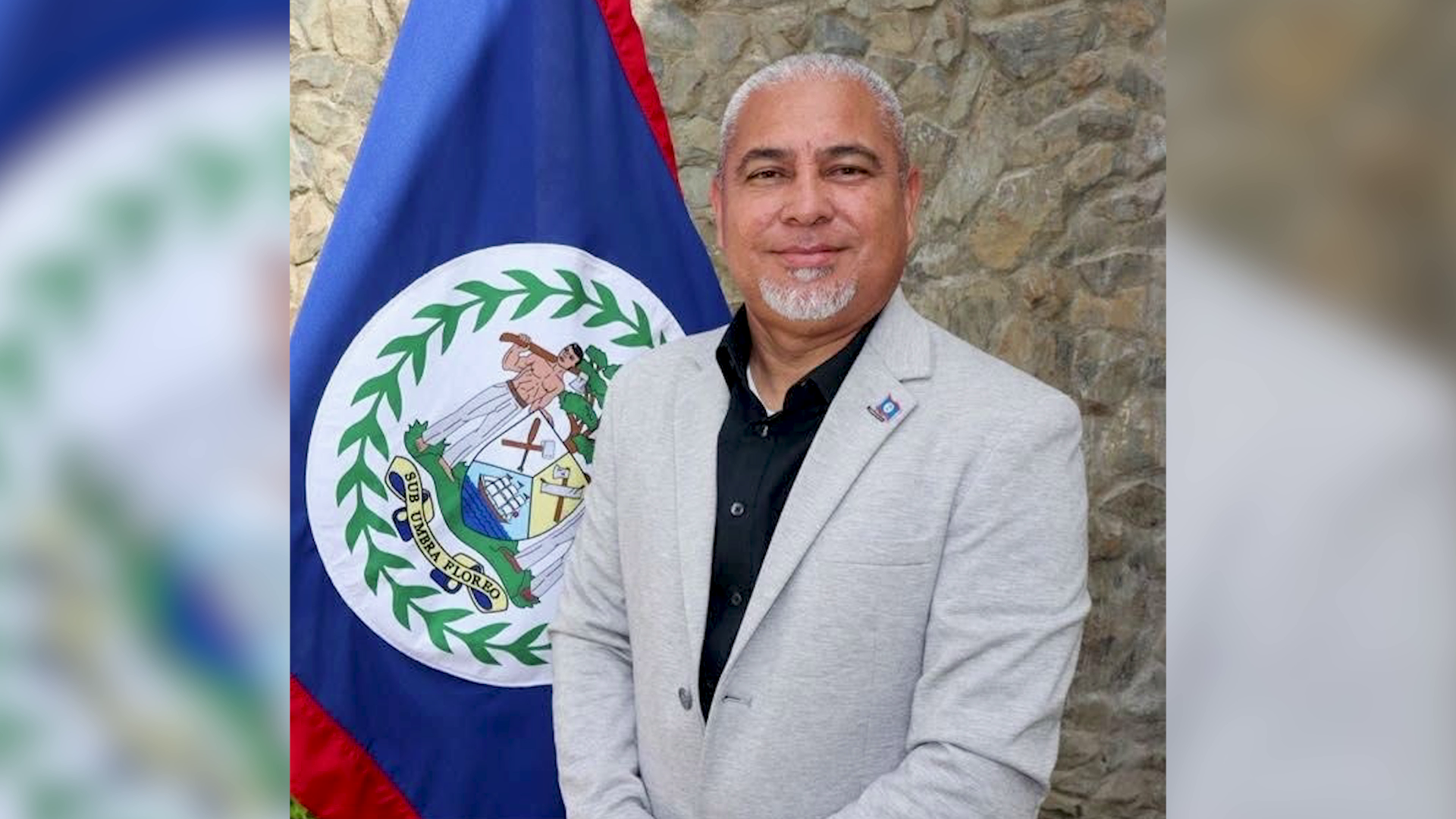
    On July 1, 2026, Belizean Foreign Affairs Minister Francis Fonseca stepped back into his office after a period of absence, immediately confronting a wave of pressing questions from reporters over the growing controversy that has already sidelined two of his fellow Cabinet members.

    Oscar Mira and Florencio Marin Jr., the two ministers currently placed on administrative leave, are the subjects of ongoing official audits and internal investigations centered on questionable financial practices, including the controversial method of split payments. The unfolding situation has sparked public speculation about whether similar irregularities permeate other government agencies, including Fonseca’s own portfolios of foreign affairs and education.

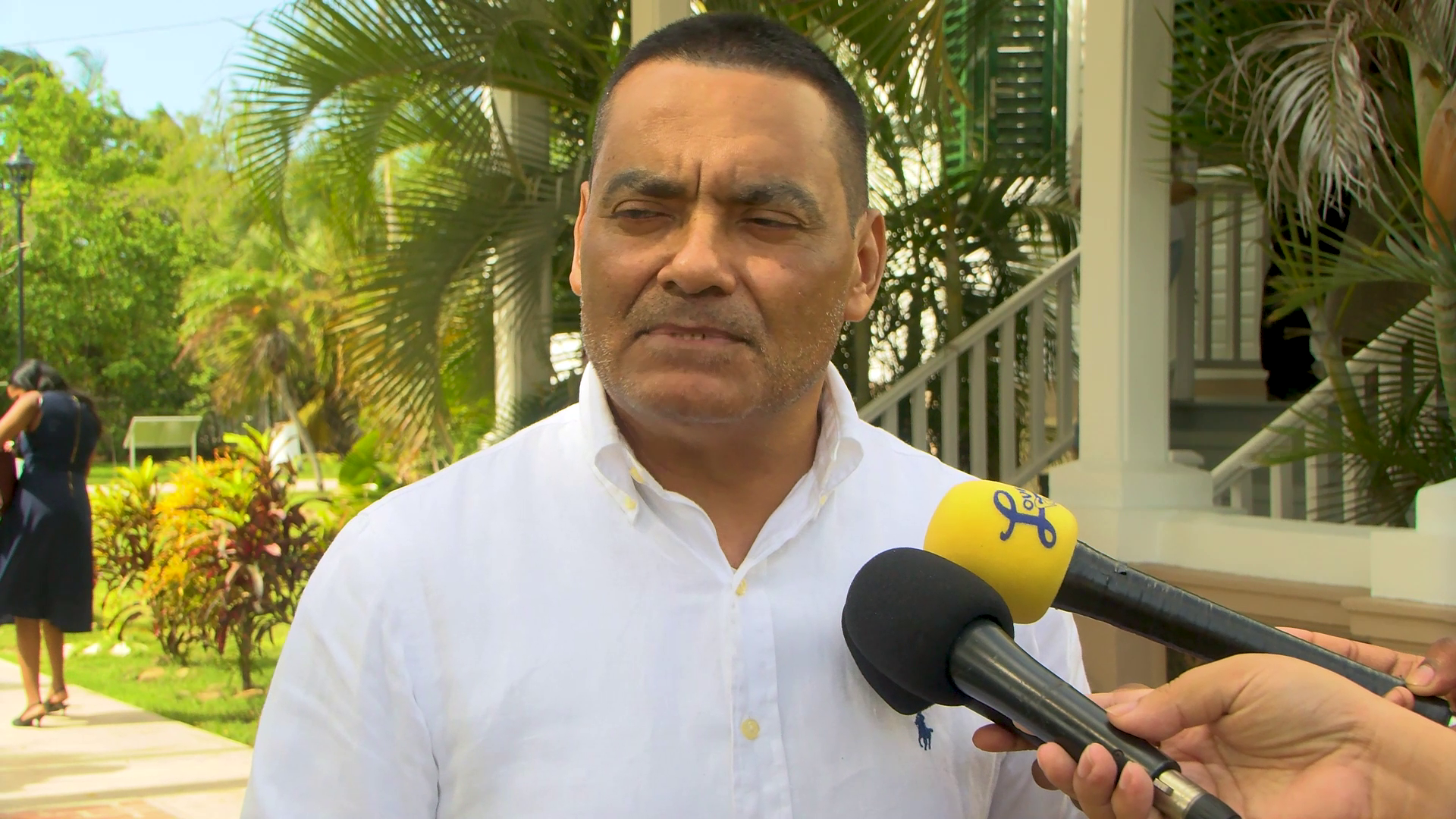
    When asked directly to confirm whether split payment schemes have ever been used in either of the ministries he oversees, Fonseca denied any personal involvement or awareness of such practices. “As the minister responsible for both the Ministry of Foreign Affairs and the Ministry of Education, that is not a practice that I certainly am involved in or engaged in,” he told reporters. “I have always made it very clear that my role is a policy role. I do not get involved in the work of finance officers, nor do I interfere in spending decisions or contract negotiations within the ministries. That is not part of my remit.”

    Reporters followed up by asking if the unfolding controversy amounts to a full-blown crisis for the current administration, a claim Fonseca quickly pushed back on. While he acknowledged the seriousness of the allegations, he emphasized that the government is handling the situation in a transparent and responsible manner.

    “No, I don’t think it is a crisis. Obviously, it is a serious matter, and I think it is being treated with a great sense of gravity,” Fonseca explained. “I think the prime minister is doing the right thing. He has ensured that the ministers who are responsible for those ministries are on leave while a comprehensive audit is being done of those ministries. Whatever the outcome is of those audits will determine what future actions have to be taken. So I think that is the right approach: let’s get all the information, all of the data, and then decisions can be made. I don’t think it’s a crisis. I think it is being handled responsibly, and then we see where we go from there.”

    This report is adapted from a transcript of an evening television news broadcast, with all dialogue reproduced accurately as captured during the live interview.

  • Fonseca Confirms NICH Employee Fired After Funds Went Missing

    Fonseca Confirms NICH Employee Fired After Funds Went Missing

    A routine financial audit has sparked personnel changes and disciplinary action at Belize’s National Institute of Culture and History (NICH), following the discovery of unauthorized withdrawals from the National Celebrations Commission’s operating budget. Culture Minister Francis Fonseca has publicly confirmed the outcomes of the internal probe launched after thousands of dollars in public funds were found unaccounted for during the standard review.

    In remarks to reporters following the audit’s completion, Fonseca confirmed that one NICH staff member implicated in the misappropriation has been formally terminated from their position. A second employee, identified by the audit as having played a minor, secondary role in the irregular financial activity, was placed on administrative leave before being reassigned to a new role within the institution. According to the minister, all of the misappropriated funds have already been fully repaid to the government.

    While Fonseca declined to officially verify the exact total of the missing money, local reporting places the unaccounted sum at more than $45,000. The funds in question are earmarked for supporting public national celebration events, and the misappropriation was uncovered just as the country prepares to launch its upcoming official celebration calendar, with a new event theme already unveiled to the public.

    When pressed by reporters on how the cultural department will prevent similar misuse of public funds in the future, Fonseca emphasized that the irregularities were first uncovered through the existing routine audit process, and that the department has already implemented updated, clear procedural safeguards to close gaps in financial oversight. “It was discovered through an audit. And everything has been done to ensure that there is a clear process in place to make sure that does not happen in the future,” Fonseca told reporters.

    The minister added that he had only returned to office the day of the announcement and was still awaiting a full detailed briefing on the full scope of the case, but confirmed the broad strokes of the investigation’s outcomes that had already been finalized. This report is adapted from a transcript of a televised evening news broadcast from the region.

  • Micro Industrial Parks : Call for Expressions of Interest

    Micro Industrial Parks : Call for Expressions of Interest

    Haiti’s Ministry of Commerce and Industry (MCI) has opened a national call for expressions of interest for private developers and organizations to submit proposals for new Micro Industrial Park (MIP) projects, as a core component of the country’s ongoing Integrated Business Development Program (PIDE).

    The initiative is designed to catalyze private-sector led industrial growth across Haiti, with the Haitian government limiting its role to enabling economic activity and protecting the interests of all project stakeholders — all selected MIPs will operate under full private management. Eligible participants include private institutions, for-profit organizations and independent project promoters that meet the ministry’s outlined eligibility criteria, with a submission deadline set for July 14, 2026. All application materials, including a full viable project business plan and official company legal documentation, must be submitted via email to servicemicroparc@mci.gouv.ht.

    The MCI is specifically seeking projects focused on four key priority sectors that align with the country’s long-term economic development goals: agribusiness; wood and textile manufacturing; industrial services, with a focus on general and precision mechanics; and applied biotechnological research.

    To support successful applicants in bringing their projects to fruition, the government is offering a comprehensive package of technical and financial incentives tailored to address common barriers to industrial development in emerging markets. Key benefits include targeted technical assistance for pre-feasibility and full feasibility studies, guidance and support in securing third-party project financing, direct capital funding for industrial equipment, building construction and core infrastructure, specialized training programs for local technicians and industry-specific staff, support navigating the patent and operating license application process, access to nearby basic public and private services, national and international marketing and promotion support, and guidance to help operations meet international production and quality standards.

    Notably, MIPs designated as Multi-Production Investment zones will be classified as special customs territories, meaning all companies operating within these parks will qualify for additional tax and business incentives outlined in Haiti’s national Investment Code.

    To be considered for selection, applicants must meet a series of baseline eligibility requirements. Promoters must operate as a private institution or for-profit organization with a minimum of three years of active industry experience, propose projects that leverage the unique economic and geographic potential of their proposed location, deliver high-value-added employment opportunities for local workers, and be led by teams with proven expertise and experience in their target sector. Additional evaluation criteria include confirmed land availability and accessible, high-quality project locations, demonstrated potential to attract complementary businesses to the area, a verifiable personal financial contribution from the project promoter, clear identification of target markets and secured supply chains, confirmed project profitability for producers, measurable positive environmental and social impact, meaningful integration with local producer networks, and meaningful inclusion of women in project leadership and operations.

    Selected projects will receive targeted financial support to cover the cost of acquiring and assembling required industrial materials and equipment. The MCI has confirmed that only shortlisted, selected proposals will receive support through the PIDE program, following a full review of all submitted applications.

  • Pinelo Faces Reckoning as Government Reviews His Explanation

    Pinelo Faces Reckoning as Government Reviews His Explanation

    Nearly seven days have passed since Belize’s Chief Forest Officer John Pinelo was formally ordered to respond to public misconduct allegations that have sparked widespread public attention, and the future of his position remains uncertain as government authorities await his formal response.

    Pinelo has repeatedly rejected all claims of wrongdoing since the allegations emerged, and was granted a six-day deadline to submit a formal written explanation addressing the accusations to his department’s Chief Executive Officer. On July 1, 2026, local news outlet News Five sat down with Minister of Sustainable Development Orlando Habet to get an update on the inquiry’s progress, and what disciplinary steps could come once Pinelo’s submission is received.

    When asked to confirm whether Pinelo had turned in his explanatory report, Habet clarified that the official was actually given a full week to prepare his response, rather than the initially reported six days. “I think he was given a week to prepare it. I am sure if he has and he will prepare that letter and submit it to the CEO who will prepare the ministry’s position and present it to the Ministry of Public Service,” Habet told reporters.

    Pressed for a timeline, Habet confirmed that the submission is expected sometime this week, with instructions issued last week requiring Pinelo to turn over his response by the end of the current seven-day period. Reporters also followed up on a separate pending inquiry tied to the allegations, asking whether a promised investigative report from a Mr. Godina had been filed with the ministry. Habet responded that no such report had crossed his desk as of the July 1 interview.

    When asked what disciplinary actions would be taken if Pinelo’s explanation fails to resolve the allegations against him and confirms misconduct occurred, Habet declined to preview potential outcomes. “We can’t comment on that yet because it will depend on the report,” he said, noting that all next steps will be determined by the findings of the review process.

    News Five has confirmed it will continue to track developments in the inquiry and publish updates as new information becomes available. This report is a transcribed excerpt from the outlet’s evening television broadcast, with all Kriol-language statements transcribed using a standardized spelling system for accessibility.

  • The Largest U.S. Investment Ever in Belize Is Now Underway

    The Largest U.S. Investment Ever in Belize Is Now Underway

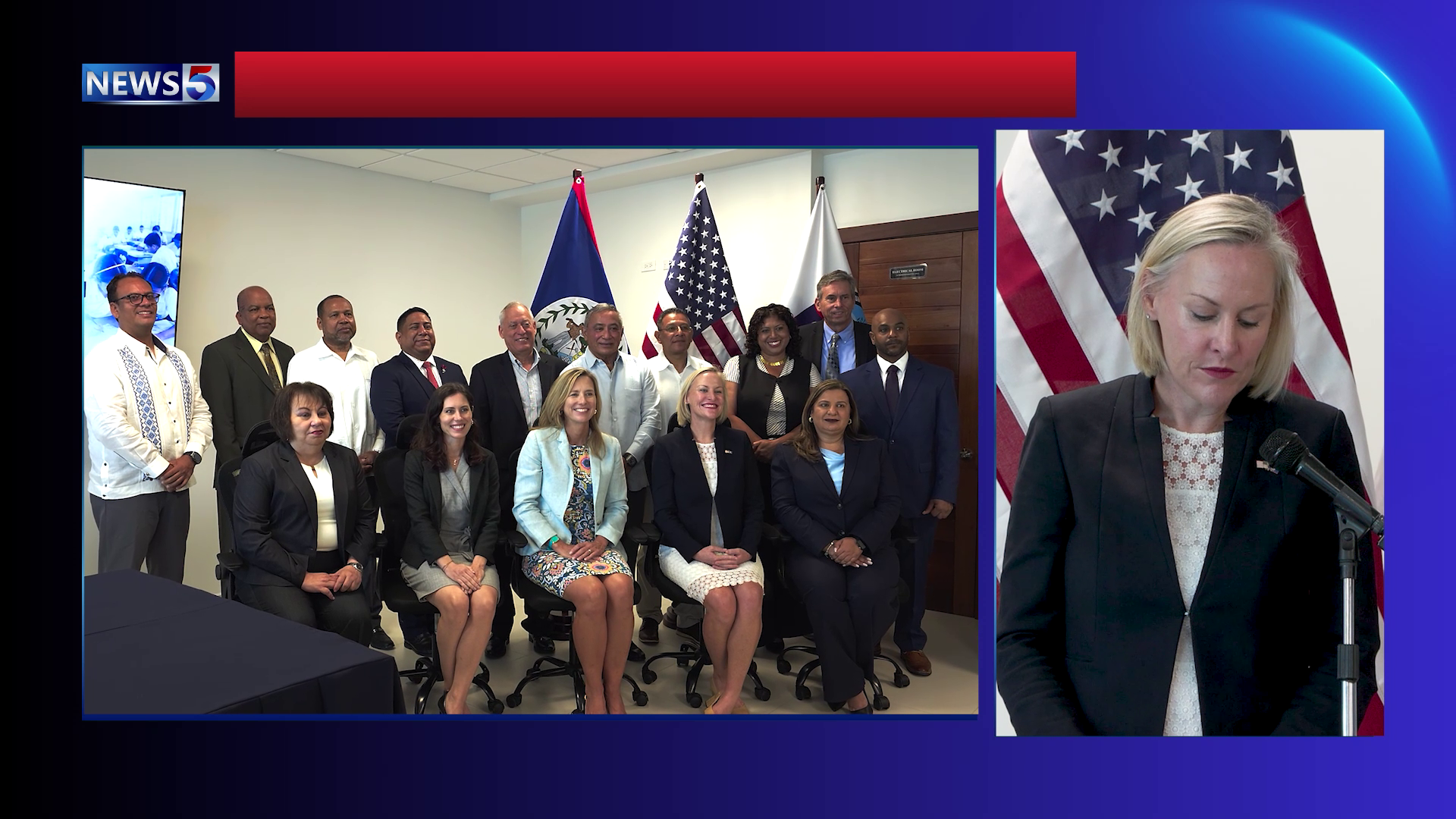
    On July 1, 2026, a landmark development in bilateral cooperation between Belize and the United States came to fruition, as the long-negotiated Millennium Challenge Account (MCA) Compact officially transitioned from years of planning to active implementation. This multi-million-dollar partnership, the single largest U.S. investment in Belize’s history, targets two of Belize’s most pressing national priorities: upgrading the country’s public education system and expanding and modernizing its energy infrastructure.

    After years of iterative negotiations, cross-government consultations, and program restructuring, the launch paves the way for transformative improvements that are expected to deliver long-term gains for Belize’s workforce and broader national economy. Speaking at the official launch, U.S. Charge d’Affaires Katharine Beamer emphasized that every aspect of the compact—from the selection of focus sectors to the granular details of investment allocation and implementation—was shaped by intentional, collaborative work between both nations.

    Beamer explained that upgrading Belize’s education system will open new economic pathways for young Belizeans entering the workforce, while also equipping local growing businesses with a skilled labor force that possesses the 21st-century technical and professional skills required for sustained expansion. On the energy side, she noted that investments in critical, long-overdue energy infrastructure, paired with targeted policy and regulatory reforms, will drive down overall electricity costs for ordinary Belizean households and build a more resilient, robust national power sector for decades to come.

    For his part, Belizean Prime Minister John Briceño shared that his government intentionally centered education and energy as non-negotiable top priorities from the start of compact discussions. When U.S. stakeholders asked Belize to outline its national development priorities, Briceño said the choice was clear: education and energy immediately rose to the top, and U.S. partners rapidly aligned with this framework.

    Briceño explained that the years of pre-launch consultation were critical to refining the program, with extensive engagement with educators, finance ministry officials, and energy sector stakeholders to address existing challenges. He added that unanticipated rapid economic growth in Belize has created an urgent need for expanded energy capacity—current energy consumption has already hit levels originally projected for 2028 and 2029, making early investment in the sector all the more critical. In Briceño’s view, focusing the compact on these two high-impact areas was a strategically sound decision that aligns with Belize’s current and future development needs.

    As part of the bilateral agreement, the Government of Belize has committed $76 million in financing to support energy sector projects under the compact. This public investment complements the U.S. funding allocated through the MCA program, creating a combined investment framework that will deliver tangible benefits to Belizean communities across the country.

  • Early Close to Sugar Season Highlights Industry Challenges

    Early Close to Sugar Season Highlights Industry Challenges

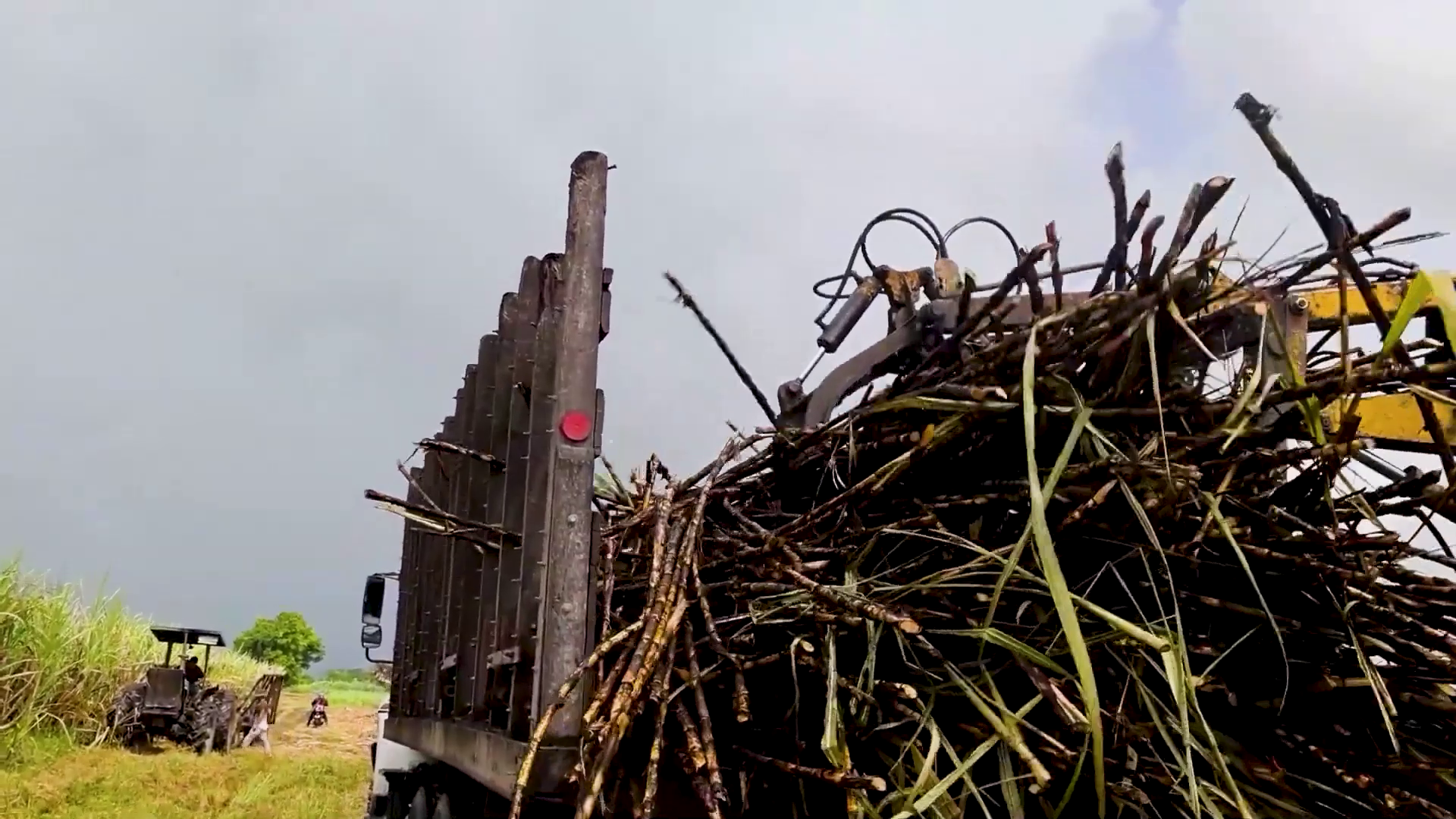
    Belize’s 2026 sugar harvesting and processing season has wrapped up earlier than initially planned, a premature close that brings longstanding structural challenges in the country’s key agricultural sector back into the spotlight. Factories across the nation closed operations ahead of schedule after receiving far fewer sugar cane deliveries than industry projections had forecast.

    While final output figures paint a mixed regional picture, aggregate production for the 2026 cycle has landed above 2025 levels. Northern Belize, a historic core of the country’s sugar production, recorded only marginal production gains compared to last year’s harvest. By contrast, the western region delivered a noticeable jump in output that lifted the national overall total.

    Dr. Osmond Martinez, Minister of State for Economic Transformation, acknowledged that the industry has taken a small step forward in 2026, but emphasized that deep, sustained improvements will require major targeted investment and structural reform to lift lagging productivity, especially among small-scale cane producers in the north.

    “In terms of overall performance, we are looking at a modest uptick from last year – just one to two percent improvement when looking at the full sector,” Martinez explained in an interview. “When broken down by region, the contrast is clear: the north is still struggling, but the west posted significant growth. Combining output from both regions, we are projecting a 10 to 15 percent increase in total raw sugar tonnage compared to 2025. So overall, the outcome is positive, but we are far from satisfied.”

    Martinez pointed to ongoing government efforts to address the sector’s weaknesses, centered on large-scale investment projects targeting northern sugar producers. “The Government of Belize has already launched a stimulus push for the region: 14 million Belize dollars is being deployed through the CRESAP project, with an additional 50 million Belize dollars allocated through the Five Cs initiative,” he said.

    The investment will focus on four core priorities to boost northern productivity: large-scale replanting of aging cane crops, improving soil quality, upgrading regional drainage infrastructure, and expanding knowledge sharing and technical training for micro, small and medium-sized enterprises (MSMEs) and small-scale family farmers that make up the majority of producers in the region. The early close of the 2026 season has underscored just how urgent these upgrades are to put the entire Belizean sugar industry on a more stable, competitive footing for the future.

    This report is adapted from a transcribed evening television newscast originally published online.

  • Dr. Osmond Martinez Champions Belize’s AI Ambitions

    Dr. Osmond Martinez Champions Belize’s AI Ambitions

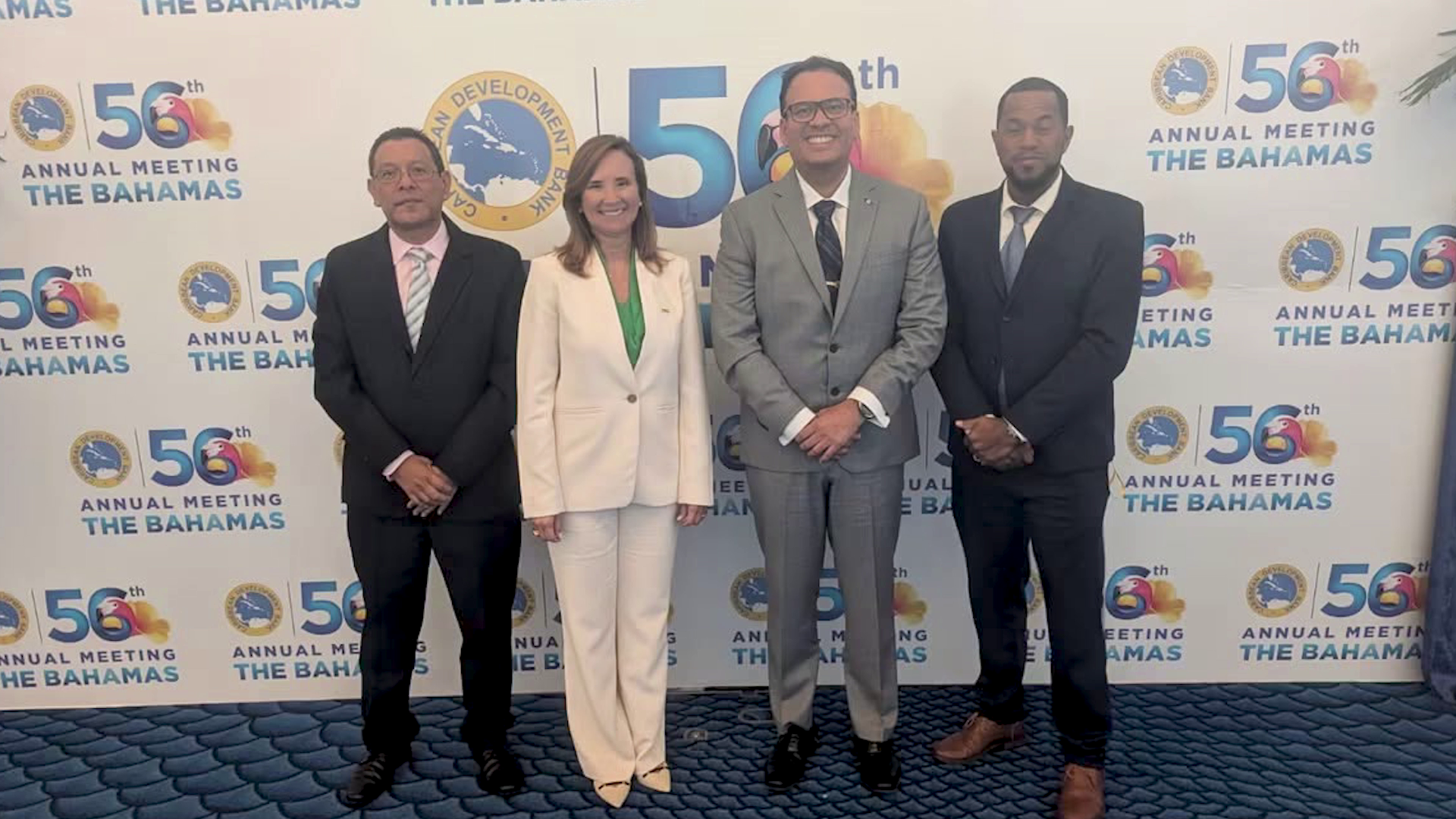
    The small Central American and Caribbean nation of Belize is actively advancing its ambition to become a regional artificial intelligence leader, with top government officials lobbying to secure the right to host a newly proposed regional AI innovation hub. Speaking at the Central American Bank for Economic Integration (CABEI) Board of Governors meeting held in Oviedo, Spain on June 26, Dr. Osmond Martinez, Belize’s Minister of State for Economic Transformation, made a forceful case for Belize as the optimal location for the planned hub, highlighting the country’s unique geographic and institutional advantages.\n\nThe proposed regional AI hub is a key initiative emerging from CABEI’s latest capital incrementation round, designed to boost digital and technological development across the Central American and Caribbean regions. Dr. Martinez emphasized that Belize holds a one-of-a-kind position in the region: it is the only country that maintains full membership in both the Caribbean Community (CARICOM) and the Central American Integration System (SICA), allowing it to serve as a natural connectivity bridge between the two blocs. Complementing this institutional advantage, the country’s widespread proficiency in both Spanish and English eliminates critical language barriers for cross-regional collaboration, a major asset for a pan-regional knowledge and innovation center.\n\nBeyond lobbying for the hub, the Belizean government has already begun laying the foundational policy groundwork for national AI development. Dr. Martinez revealed that the administration has formally requested technical assistance from the Inter-American Development Bank (IDB) to support the drafting of Belize’s first national AI policy framework, which will guide the country’s long-term AI regulation, innovation, and workforce development efforts. To build broader international support for its bid, Belize is also actively engaging with two major CABEI shareholders and global AI leaders: South Korea, which already hosts the IDB’s main global AI hub headquarters in Seoul, and Taiwan. Both economies are key stakeholders in CABEI, with South Korea also holding significant influence within the IDB, making their backing critical to Belize’s bid.\n\nIf successful, hosting the regional AI hub would deliver transformative benefits for Belize, according to projections from the government. The initiative would accelerate the country’s tech sector growth, create high-skill future-oriented employment opportunities for local workers, and position Belize at the center of regional AI innovation and collaboration. Dr. Martinez expressed confidence that with coordinated support from CABEI, the IDB, and key international partners South Korea and Taiwan, Belize can deliver on its ambitious vision to become the AI hub for both the Caribbean and Central America.

  • Belize Unveils Theme for 45th Independence

    Belize Unveils Theme for 45th Independence

    On July 1, 2026, Belize took a key first step toward its upcoming 45th Independence anniversary celebrations, with the National Celebrations Commission officially unveiling the year’s unifying rallying cry: “Look At Me: I Am Belize at 45.” The winning theme was submitted by Amber Mariano, and will anchor all national September festivities held across the country this year.

    Unlike general themes that center national institutions or major historical milestones, this year’s selection was crafted to shine a spotlight on the ordinary Belizeans whose quiet, consistent contributions have built and shaped the nation over its 45 years of independence. Speaking at the official theme launch, Minister of Culture Francis Fonseca walked through the rigorous, inclusive selection process that led to the final pick.

    Every year, the national theme selection draws thousands of submissions from communities across every corner of Belize, with ordinary citizens eager to participate in shaping the narrative of their national celebrations. A dedicated committee reviews all entries to narrow down the options, and this year, “Look At Me: I Am Belize at 45” stood out for its fresh, introspective angle.

    Fonseca explained that the core spirit of the theme is to encourage national reflection at this 45-year milestone. Rather than only looking back at collective history, the theme calls on every individual Belizean to turn inward and examine their own role in the country’s ongoing growth. “What am I doing to make Belize better? How am I contributing to the growth and development of Belize?” Fonseca said, outlining the core questions the theme poses.

    For Fonseca himself as a public servant, the theme translates to a personal challenge: to push himself to do more for Belize and serve the population more effectively. That same challenge extends to all professions across the country: for media workers, it means asking how they can become more committed, responsible reporters and creators; for teachers, it means reflecting on how they can better nurture the next generation of Belizeans; for private sector workers, it means considering how their work lifts local communities. In every sector, the theme invites personal accountability and renewed dedication to national progress.

    With the theme now officially announced, full-scale preparations for the September national celebrations are kicking off across all regions of Belize, bringing communities together to mark the 45th year of independence around the unifying message of introspection and collective commitment.

    This report is adapted from a transcript of an original television evening newscast.

  • 3 Senses Opens the Doors for Its Inaugural Kitchen Party

    3 Senses Opens the Doors for Its Inaugural Kitchen Party

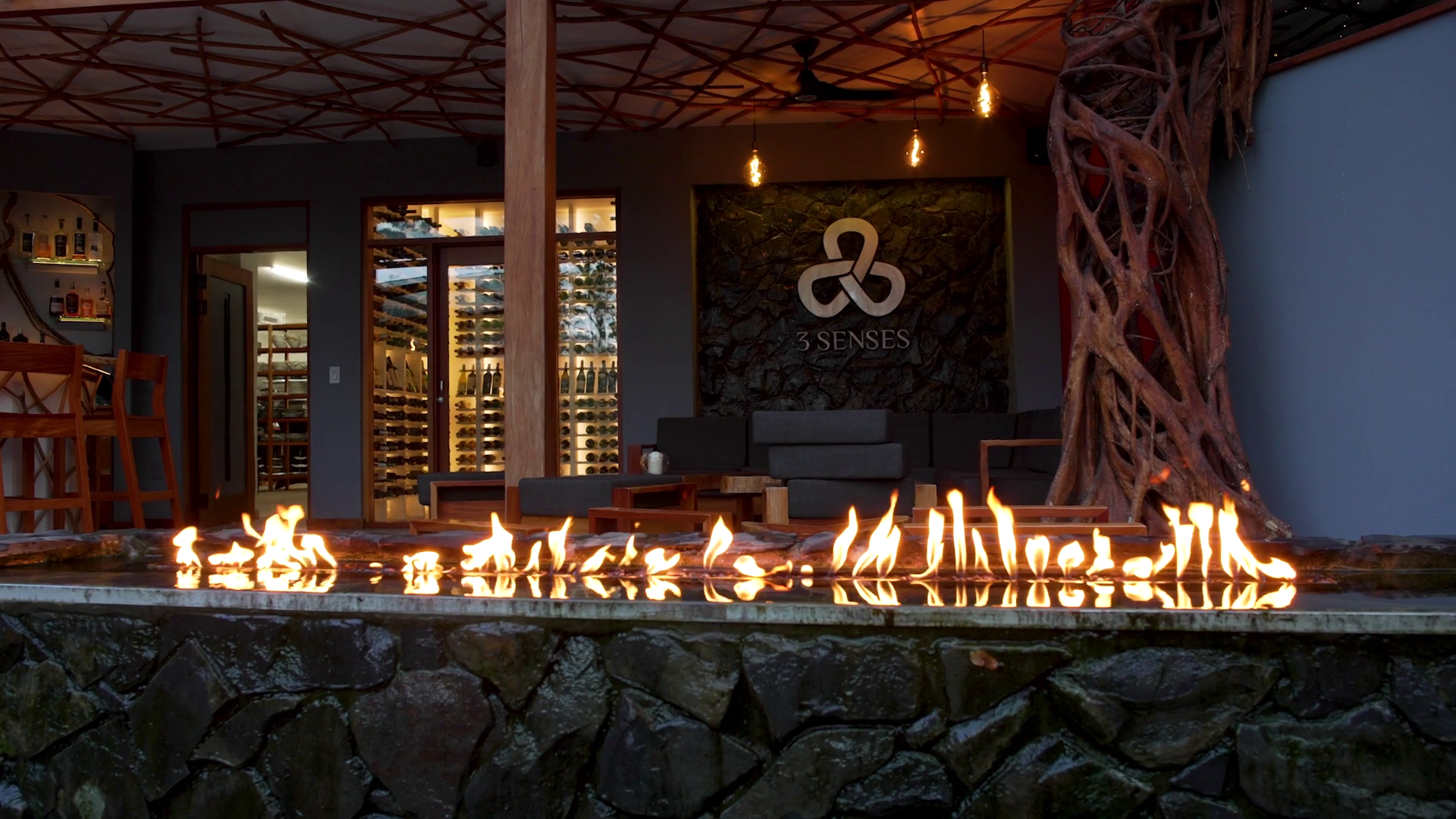
    On July 1, 2026, a groundbreaking new dining experience made its debut in Vanilla Hills, Cayo District, Belize, as 3 Senses Lounge throws open the once-closed doors of its commercial kitchen for the launch of its one-of-a-kind Inaugural Kitchen Party.

    Co-owners Claudia Konig and Franklin Syrowatka have reimagined the traditional restaurant model, tossing out the invisible barrier that separates dining room guests from the culinary magic happening behind closed kitchen doors. Instead of only seeing the final plated dish arrive at their table, patrons are invited straight into the heart of the restaurant to walk alongside chefs, observe every step of the cooking process, and build personal connections with the team that creates their meals.

    Under the new concept, the kitchen transforms into a dynamic stage, with diners welcomed as invited guests rather than distant audience members. The experience centers on a 17-item menu crafted exclusively around tasting-sized portions, giving guests the flexibility to sample as many dishes as they desire, at their own pace. “The kitchen becomes the stage and our guests are invited to enter the kitchen at any time they want,” Konig explained in an interview with News Five. “Our chefs are preparing the food in front of our guests, they can pick whatever they like, how often they like. We have seventeen different items on the menu, they come in tasting sizes so that our guests can get the chance to try as many as possible.”

    For the 3 Senses ownership team, the concept is far more than a novel dining gimmick: it is a deliberate choice to pull back the curtain on elevated culinary craft. Syrowatka emphasized that the restaurant team takes immense pride in every step of their cooking process, and is eager to share that work with visitors. “We are very proud of our kitchen and not only about the room and the appliances and everything, but also about how we do things,” he said. “About the process that’s behind it, and if you want to do elevated cooking, like we do here, it is indeed quite a process, and we want that people have a chance to look at it.”

    Notably, this open-kitchen “kitchen party” model is the first of its kind in Belize, according to Konig, who had experienced similar concepts elsewhere and saw an opportunity to bring immersive dining to the local food scene. “I have been to a kitchen party before, but I’ve never heard of anything like this in Belize. So, we thought it’s high time to bring something like this to Belize,” she noted.

    The concept also creates meaningful benefits for the restaurant’s culinary team, who typically work out of public view. Sous-Chef Luis Maroquin explained that for most restaurant guests, the work of putting a dish together remains a mystery. “Most people, they only come to the restaurant and just eat the food. There are minimum people that can actually say, ‘You know what, I saw the chef doing it. I saw how he plated it, I saw the ideas that came to life,’” he said.

    Syrowatka added that the open format gives kitchen staff a rare opportunity to connect directly with the guests they serve, rather than interacting only through front-of-house service teams. “First of all, they should even appreciate more what usually comes out in the dining room because now you’ll see how much work goes into it. Then, of course, it is also good for our kitchen staff, you know, because our chefs, like everywhere, they only work behind closed doors normally and the only connection to the floor is through the service staff, as well. And, for them, it will be a nice, new experience.”

    On the eve of the inaugural event, the kitchen hummed with focused energy as the team put the final touches on their preparations. Prep Cook Alicia Coc, who is in charge of the restaurant’s signature parmesan pasta wheel station, shared that all preparations were on track for the first event. The space itself is designed to highlight the craft: crisp white walls and gleaming stainless steel fixtures provide a clean backdrop that makes the vibrant hues of fresh seasonal produce pop, turning the kitchen into a visual experience as much as a culinary one.

    What sets the Kitchen Party apart, however, is the sense of community and belonging it fosters. Instead of leaving as passive diners, guests leave as part of the 3 Senses story, having forged personal connections with chefs and gained a new appreciation for the work that goes into every handcrafted dish. For 3 Senses, the open kitchen is more than a new dining experience—it is a redefinition of what eating out can be: casual, energetic, intimate, and unforgettable, with every step of the culinary journey put center stage. Isani Cayetano reported this story for News Five from Cayo District.

  • Report card: Education ministry details school repairs

    Report card: Education ministry details school repairs

    Barbados’ Ministry of Education Transformation has released its first official progress update on a sweeping national primary school refurbishment initiative, confirming that most upgrade projects are moving forward steadily after schools closed early for construction last month — but one major campus will see work extend into 2027 due to unexpected foundation challenges.

    The multi-school improvement program forms the cornerstone of the government’s broader education transformation agenda, which aims to replace aging, outdated infrastructure across the island to create safer, more accessible, and modern learning spaces that meet the current needs of both students and teaching staff. When the initiative was first announced, authorities moved up the end of the school year by four weeks for 13 participating campuses, giving contractors an extended window to carry out disruptive construction work during the summer break, avoiding disruptions to future classes.

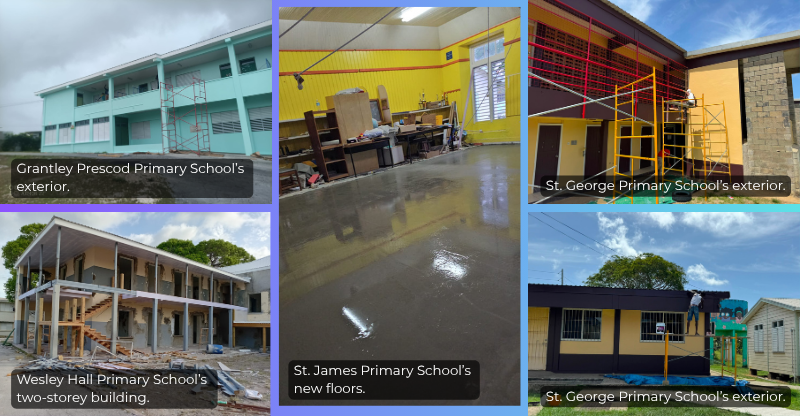
    As of the latest update, most participating schools have hit key construction milestones, with several projects well past the halfway completion mark. At Grantley Prescod Primary School, overall refurbishment work is moving ahead rapidly: interior and exterior painting is 85% finished, while ceiling replacement across the campus is 70% complete. Nearby at Wesley Hall Primary School, progress is even further along, with the project hitting 80% completion. Upgrades at Wesley Hall include the addition of new internal classroom partitions in the campus’ single-story building, full replacement of aging roofing and ceilings in the two-story wing, and the construction of new external staircases designed to boost accessibility for students with mobility needs and improve overall campus safety.

    St. George Primary School is also on track, with overall renovation work sitting at 70% completion. Contractors on site are currently focused on completing exterior painting and replacing old, worn roof sheeting across campus. Two schools, Blackman and Gollop Primary and St. James Primary, are both 40% finished with their respective upgrades. At Blackman and Gollop, painting and structural repairs are ongoing in one core classroom, while at St. James, repairs to the campus’ prefabricated classroom building are progressing as scheduled, with new flooring already installed in many areas.

    The only outlier in the progress report is the refurbishment project at Wilkie Cumberbatch Primary School, which has hit unforeseen delays that will push final completion all the way to 2027. Wayne Baker, Director of the Education Technical Management Unit (ETMU), explained that contractors encountered unexpected geotechnical challenges during the initial foundation phase of the project, which is required to support new reinforced concrete structures for the campus’ expanded facilities. After consultations between project managers, government officials, and the contracted construction team, a revised safety-compliant work schedule was finalized.

    “The contractors overseeing the critical foundation work have identified all solutions needed to address the challenges they encountered, and have submitted a revised timeline that guarantees the structure will be completed safely,” Baker said in an official statement. Once foundation work is finalized, the project will move into the main construction phase, which includes a raft of major upgrades for Wilkie Cumberbatch: new dedicated staff rooms, modernized restroom facilities, upgraded nutrition and food service rooms, a purpose-built information technology laboratory, and an expanded physical education department to support extracurricular programming.

    Despite the delay at one campus, Ministry officials say they remain pleased with the overall pace and quality of work across all participating schools. In the update, the ministry commended contractors, project managers, school administration teams, and all other stakeholders for their cooperation to keep the program on track, noting that the early school closure has already helped create breathing room for construction teams to work through key phases without time pressure. The ministry also pledged to release regular public progress updates as projects move toward completion, reaffirming that the national school refurbishment initiative is a core part of the government’s long-term vision to deliver modern, sustainable, future-ready learning environments for every child across Barbados.

    A full breakdown of current project completion rates is as follows: Grantley Prescod Primary at 85% complete, Wesley Hall Primary at 80% complete, St. George Primary at 70% complete, Blackman & Gollop Primary at 40% complete, St. James Primary at 40% complete, and Wilkie Cumberbatch Primary with a revised completion date of 2027.