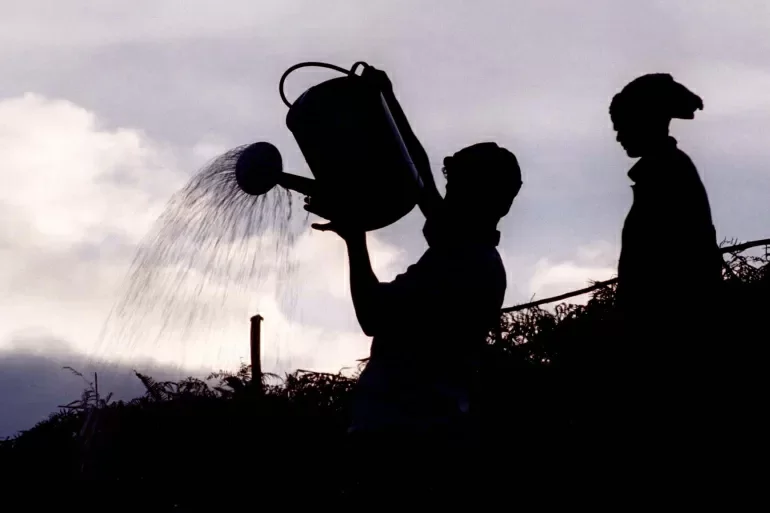
A rapidly intensifying El Niño, on track to become one of the most severe climate events of the 21st century, is already unleashing catastrophic extreme weather across every major region from South Asia to Central America, forcing governments worldwide to roll out urgent emergency response measures and allocate billions in emergency funding to mitigate damage. El Niño, a naturally occurring climate pattern driven by unusually warm ocean surface temperatures across the central and eastern tropical Pacific, is known to upend global weather systems, elevating the risk of widespread droughts, catastrophic flooding, record-breaking heatwaves, and destructive wildfires. Meteorologists have warned that the 2024–2025 El Niño event is shaping up to be one of the strongest ever recorded. In the Indian Ocean island nation of Sri Lanka, the event has already sparked a crippling, widespread drought that has devastated agricultural regions in the island’s hill country, where laborers tend to the country’s iconic tea crops, one of the nation’s top export commodities. Water levels in hundreds of small local reservoirs across the country have plummeted to just 10% of their total capacity, leaving nearly 72,000 residents across seven hard-hit districts without consistent access to safe drinking water. As of Thursday, a senior Sri Lankan government official confirmed that the national administration has allocated 4.8 billion Sri Lankan rupees, equivalent to approximately $14 million, to fund emergency water trucking operations. Under the current plan, affected households receive 75 liters of water every two to three days, distributed via truck convoys deployed from less arid regions of the country. Sri Lanka’s Environment Minister Dammika Patabendi told reporters that the government initially expected the El Niño peak to arrive around November, but updated forecasts have pushed that timeline forward, requiring an urgent adjustment to national response plans. “We will revise and expand our response measures wherever necessary,” Patabendi stated. While the annual monsoon season is expected to bring heavy rainfall to the island after September, Patabendi warned that drought conditions could reemerge as early as early 2025, prolonging the crisis for vulnerable communities. Thousands of miles away in Southeast Asia, Indonesia is grappling with an unprecedented wildfire crisis amplified by El Niño-driven dry conditions. Since the start of 2024, wildfires have destroyed more than 200,000 hectares of land — an area roughly three times the size of Indonesia’s capital city of Jakarta. July alone saw 95,000 hectares burned, as record-dry conditions create ideal fuel for fast-spreading blazes. Thick, toxic smog has blanketed major urban centers including Palangkaraya, the capital of Central Kalimantan province on the island of Borneo, pushing local air quality to hazardous levels. The city’s mayor has advised residents to wear protective face masks and avoid unnecessary time outdoors, while motorists forced to travel navigate dense brown haze that severely reduces visibility on roads. Indonesian Forestry Minister Raja Juli Antoni announced Wednesday in Palangkaraya that authorities have prepped expert teams to carry out cloud seeding operations, which involve injecting clouds with silver iodide to stimulate rainfall, to extinguish active blazes and prevent new outbreaks. “As soon as there is even the slightest hint of a cloud suitable for seeding, and if it is technically feasible, we will carry out a weather modification operation,” Antoni said. Preparations for extreme El Niño impacts are also underway across the Americas. The United States has announced plans to deploy a military hospital to the coast of Peru next year to help the South American nation manage projected public health and humanitarian impacts from the event. In Central America, Honduras’s government has issued drought emergencies covering 80% of the country’s total territory, including the capital Tegucigalpa. Sustained dry conditions linked to El Niño have destroyed staple crop harvests across the country and caused widespread mortality of livestock, threatening food security for millions of vulnerable Honduran households. As forecasts continue to point to a stronger and longer-lasting event than initially predicted, governments across the globe are accelerating emergency planning to avoid a cascading global climate disaster.