博客

  • St. Kitts breaks ground on new cruise terminal, eyes cruise home-porting by 2027 – WIC News

    St. Kitts breaks ground on new cruise terminal, eyes cruise home-porting by 2027 – WIC News

    On July 1, 2026, the Federation of St. Kitts and Nevis launched official construction on a transformative new cruise terminal at Basseterre’s Port Zante, marking a key milestone in the nation’s plan to become a full-service Caribbean home port for cruise lines by November 2027. The infrastructure project, led by the St. Christopher Air & Sea Ports Authority (SCASPA), is framed as a public-private partnership-driven investment designed to reshape the country’s tourism economy and advance long-term economic diversification goals.

    Speaking at the groundbreaking ceremony, Prime Minister Dr. Terrance Drew emphasized that large-scale, industry-transforming projects like this cannot be delivered by government alone. He highlighted that the initiative relies on intentional collaboration between national government bodies, local tourism industry stakeholders, and international partners, turning a project once seen as out of reach for the small island nation into a tangible development underway. Unlike the existing facility that only accommodates St. Kitts as a temporary port of call for passing cruise itineraries, the new terminal is purpose-built to support home-porting operations, meaning cruise ships will start and end full voyages at Port Zante.

    This shift in operations is expected to deliver widespread economic benefits across multiple sectors of the local economy. Drew explained that home-porting will drive higher overall visitor spending, increase demand for overnight hotel stays, boost airlift activity to the island, and create new, high-wage employment opportunities for local workers across the entire tourism supply chain. From taxi operators and local vendors to tour guides and hospitality staff, Drew stressed that the gains from this public investment are intended to be shared broadly across the community, rather than concentrated among a small group of stakeholders.

    The new terminal is designed with cutting-edge infrastructure to support its expanded role, including modern high-capacity passenger processing systems, advanced security and baggage screening technology, and upgraded digital immigration processing. In line with the government’s focus on balancing efficiency with national security, Drew noted that the upgraded border management systems will deliver a seamless, frictionless experience for cruise passengers while upholding the country’s strict security standards, with the ultimate goal of establishing St. Kitts and Nevis as the most preferred starting and ending point for Caribbean cruise vacations.

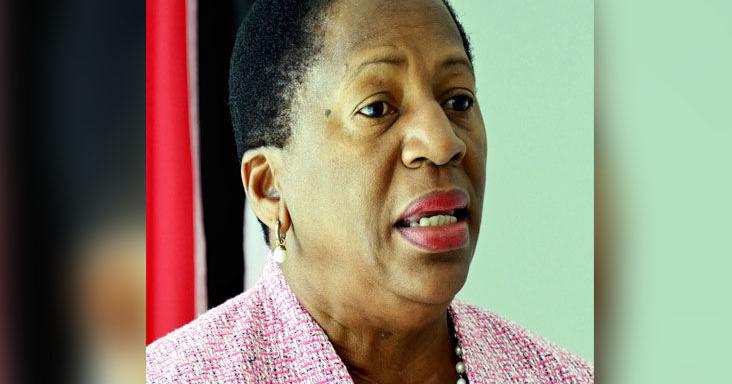
    This project forms a core component of the Drew administration’s broader economic diversification strategy, which aims to reduce the nation’s economic vulnerability by expanding and strengthening the tourism sector. It also aligns with the government’s Sustainable Island State Agenda, which prioritizes building a more resilient, diversified economy that delivers inclusive, long-term prosperity for all citizens of St. Kitts and Nevis. At the conclusion of his remarks, Drew extended congratulations to Minister of Tourism Honourable Marsha Henderson, the SCASPA team, and all contributing stakeholders for their work to bring the project to the construction phase.

    Tourism Minister Henderson echoed Drew’s optimism, noting that the new terminal cements St. Kitts and Nevis’ position alongside leading Caribbean cruise hubs such as Antigua and Barbados as a top transit and home port for the global cruise industry. “This new cruise terminal represents vision, partnership, innovation and confidence in the future of Saint Kitts and Nevis as one of the Caribbean’s premier cruise destinations,” Henderson said. For the small Caribbean nation, the project represents more than just infrastructure: it is a strategic bet on long-term tourism growth that is expected to deliver shared economic opportunity for years to come after its scheduled completion in 2027.

  • Earthquake disaster  ‘heartbreaking’

    Earthquake disaster ‘heartbreaking’

    Last week, two powerful back-to-back earthquakes tore through Venezuela, leaving a trail of widespread destruction, thousands of fatalities and a nation grappling with unthinkable loss. As search and recovery efforts continue, the Venezuelan diplomatic mission in neighboring Trinidad and Tobago has turned into a hub for solidarity and aid coordination, with diplomats from across the globe gathering to honor the victims and organize relief supplies for the disaster-stricken country.

    Speaking at the Venezuelan Embassy on Victoria Avenue in Port of Spain on Monday, Alvaro Sanchez Cordero, Venezuela’s Ambassador to Trinidad and Tobago and dean of the local diplomatic corps, described the catastrophic scene that has shaken his homeland. “It’s very sad. Really heartbreaking. A lot of devastation. The tall buildings have crumpled. Then you have the aftershocks. It’s another challenge,” he said of the disaster.

    Cordero was joined by his wife Monica Rey, alongside senior diplomats from China, the United States, Ghana and Spain, to sign an official condolence book opened to commemorate the lives lost in the tragedy. While Cordero confirmed none of his immediate family members were killed or injured in the quakes, he shared profound grief for those who lost their loved ones.

    Rey put the scale of the disaster in stark perspective, comparing the impact of the tremors to the detonation of roughly 200,000 atomic bombs. She noted the event marked Venezuela’s worst seismic event since a major earthquake in 1812, the same year revolutionary leader Simon Bolivar vowed to press on with his independence campaign despite the disaster. She added that the global and local response to the tragedy has been a source of comfort for the Venezuelan community abroad.

    As of current updates, the confirmed death toll from the June 24 earthquakes stands at 2,295, a number that continues to climb as recovery teams reach more affected areas. More than 11,000 people have been reported injured, and nearly 50,000 individuals remain unaccounted for, leaving thousands of families waiting for word on missing loved ones.

    Cordero, a native of Caracas, had been planning a personal trip back to Venezuela with his wife and 15-year-old daughter the Sunday after the quakes hit, but immediately canceled the journey to coordinate relief efforts from his post in Port of Spain. He recalled the moment he learned the full scale of the destruction: after getting initial word of the quake, photos from his wife and footage from his 27-year-old adopted daughter Paulo, who is currently in Venezuela, revealed the full extent of the collapse. “The big buildings were falling. Everything was collapsing. I am scared,” Paulo told her father in the video. When Cordero saw the scale of damage and confirmed the epicenter was located on land rather than off the coast, amplifying the destruction, “My heart sank. Sheer destruction.”

    For Cordero, the disaster comes as Venezuela already navigates intense political upheaval, a point he emphasized when he noted, “We were not expecting a doublet” of crisis. Though his own family is unharmed, many of his friends have lost loved ones, with dozens still missing, leaving him deeply shaken by the tragedy.

    Venezuelan migrants residing in Trinidad and Tobago have also been overwhelmed by grief, Cordero explained, with many unable to contact family members back home, unable to locate missing relatives, or confirming that loved ones died in the collapse. The embassy has stepped in to support these migrants, assisting with registration for missing person reports and coordinating with local authorities to access any available support for affected communities. “I am happy for any assistance that the State is giving that would benefit the Venezuelans here,” Cordero said.

    Instead of traveling to Venezuela, Cordero made the decision to “stay on the ground” in Port of Spain, where the lower wing of the embassy has been converted into a temporary collection depot for donated relief supplies. The government of Trinidad and Tobago has led coordinated relief efforts, with additional support coming from across the Caribbean, and from both private and public sector entities. Local concerned citizens have also turned out in droves to donate essential goods. As of Tuesday, a large shipment of supplies including bottled water from Blue Waters was scheduled to depart from the Port of Pt Lisas for Venezuela.

    Cordero pushed back against widespread misinformation circulating about the disaster, countering claims that the Venezuelan government has failed to distribute food aid across affected areas by saying 97% of food aid is currently being distributed across the country. He also noted that false claims about the official death toll have been widely spread online and in some media outlets.

    The condolence book at the Venezuelan Embassy will remain open to sign from 9:30 a.m. to 12:30 p.m. and 2:30 p.m. to 4:30 p.m. daily through July 9 for any members of the diplomatic community or public wishing to pay their respects.

  • Birchwood condemns MiLAT suspension

    Birchwood condemns MiLAT suspension

    A sharp political dispute has erupted over the planned pause of Trinidad and Tobago’s Military-Led Academic Training Programme (MiLAT), after a senior opposition parliamentarian publicly condemned the government’s decision and pushed back against the official justification for the move.

    Christian Birchwood, opposition MP for Laventille East/Morvant, leveled criticism at Defence Minister Wayne Sturge during an opposition press briefing on Wednesday, rejecting Sturge’s core claim that the program was suspended due to unsustainable economic costs. Sturge had first confirmed the temporary suspension publicly on Tuesday, emphasizing that the initiative had not been permanently terminated, and that the government was carrying out a full-scale restructuring of MiLAT before any potential relaunch.

    Birchwood argued that Sturge had fundamentally misinterpreted the core mission of the program. In blunt remarks, he said: “It is my opinion had the minister done some research or some homework, he would understand that these programmes were designed to be socially viable, and there is a major difference there.” Birchwood dismissed Sturge’s framing of the suspension as nonsensical, noting that MiLAT was created explicitly to serve and uplift the most marginalized and vulnerable groups in Trinidad and Tobago’s society. He called the minister’s justification for the pause “extremely punitive and insensitive at the very least.”

    The opposition MP also pushed back against Sturge’s implication that MiLAT had failed to reduce rising violent crime rates, a line of argument the defence minister had advanced to support the suspension. Birchwood called this claim “unadulterated nonsense,” noting that Sturge was incorrectly holding the standalone program responsible for stopping all violent crime across the country. He further challenged the minister’s cost-based reasoning, drawing a parallel to the country’s national police service: if rising crime amid high public spending justified suspending a program, Birchwood argued, the government would have to suspend the Trinidad and Tobago Police Service (TTPS) by the same flawed logic.

    To back up his claim that MiLAT has delivered meaningful results, Birchwood highlighted recent academic performance data from the initiative. The 2024 cohort of MiLAT participants achieved an 86% pass rate in English Language and a 66.3% pass rate in mathematics, results he said demonstrated the program’s on-the-ground success. He closed by pressing the government to outline what support will replace MiLAT for vulnerable communities, noting that just like existing public employment and support programs CEPEP and URP, MiLAT disproportionately serves low-income and marginalized groups that will bear the brunt of its absence.

  • CoP revokes 17 police appointees

    CoP revokes 17 police appointees

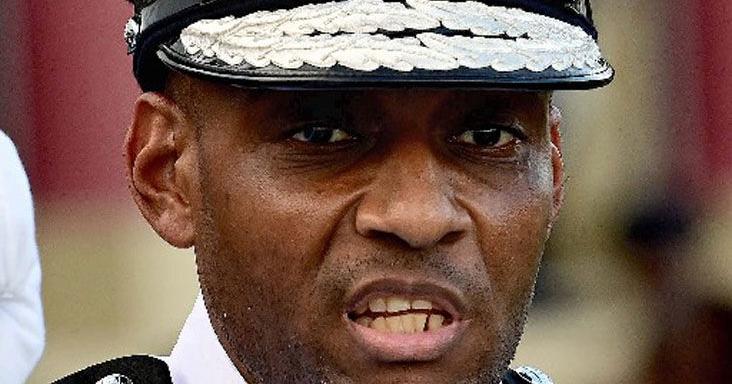
    The Trinidad and Tobago Police Service (TTPS) made a public announcement on Wednesday confirming that Police Commissioner Allister Guevarro has terminated the official appointments of 17 serving officers. In an official public notice distributed to media outlets, the TTPS confirmed that the dismissals were carried out in alignment with internal administrative guidelines set out by the Office of the Police Commissioner. The full list of affected officers has been released for public documentation: Tamara Boyce, Vijay Singh, Elliot Chin, Joanne Jadoo, Owen Hem-Lee, Jilann Holder, Kizzy Thomas, Karlon Murray, Christopher Gobin, Michael Alcala, Carlos Thorne, Devon Basant, Akiel Smith, Desron Dillon, Shaun Reid, Joff Awong, and Daryl Baksh. The service issued the notification to update public records and inform the general population of the personnel changes, but declined to share further context surrounding the revocations. No details have been provided regarding the underlying causes for the dismissals, nor has the TTPS confirmed the official effective date of the decisions. This move comes as part of a long-running agency-wide push to root out alleged officer misconduct, a topic Commissioner Guevarro addressed publicly just one month prior. During a media interview last month, Guevarro revealed that the TTPS currently holds roughly 290 officers on active suspension amid ongoing internal investigations into professional misconduct. He also acknowledged that one of the most persistent public relations and institutional challenges facing the service is the widespread public belief that police misconduct is rarely met with meaningful disciplinary action. Guevarro noted that while misconduct allegations against officers tend to draw heavy public and media scrutiny, the subsequent disciplinary and criminal legal processes that follow rarely attract the same level of public attention. This ongoing effort to clean up the TTPS’ ranks is not a new development: the last time a similarly large cohort of suspended officers was reported publicly was in 2020, when then-Commissioner Gary Griffith disclosed that approximately 280 suspended officers were still collecting full pay, costing Trinidad and Tobago taxpayers an estimated $50 million annually in unnecessary public expenditure.

  • Penny: One exam does not determine your future

    Penny: One exam does not determine your future

    As thousands of Trinidad and Tobago students prepared to receive their Secondary Entrance Assessment (SEA) results, two key education stakeholders—national Opposition Leader Penelope Beckles and the Trinidad and Tobago Unified Teachers’ Association (TTUTA)—have delivered a shared message of reassurance: a single examination outcome cannot determine a young person’s worth or lifelong trajectory.

    In a pre-result statement released ahead of the official scores release at 11 p.m. the previous night, Beckles emphasized to students that secondary school placement should never be allowed to box them in or limit their future ambitions. “I encourage every student to remember that the school you are placed in today does not determine your future success. Your character, commitment, resilience, and willingness to continue learning will shape the person you become,” she said, urging students to hold faith in their own abilities, maintain consistent effort, and reject the idea that any temporary setback can erase their full potential.

    Beckles also opened with congratulations for the cohort, marking the SEA results release as a major milestone that caps years of consistent hard work, personal sacrifice, unwavering determination and quiet perseverance, and signals the start of an exciting new educational chapter. “As the clock strikes 11 p.m., many of you will take your first step toward new opportunities, new friendships, and new dreams. We are proud of all that you have accomplished,” she added.

    She extended gratitude to the full network of support behind the students: teachers, parents, guardians and every other individual who guided learners through their entire SEA preparation period, noting that their dedication played an irreplaceable role in helping young people reach this key educational turning point. Turning to parents and guardians directly, Beckles called on caregivers to sustain their encouragement and support for their children, no matter what results they receive. “Your love, reassurance, and guidance will help them understand that one examination does not define their worth or determine the limitless potential of their future,” she said. She closed her statement with a prayer for divine blessing and guidance for the nation’s young people as they step into the next phase of their educational journeys.

    TTUTA echoed this message of reassurance, echoing the call for parents to avoid placing unnecessary pressure on children over school assignments and to center encouragement regardless of outcome. In its official statement, TTUTA President Crystal Ashe extended congratulations to all 17,509 students who completed the 2024 SEA examination, repeating the core point that a secondary school’s reputation does not predetermine a child’s future success.

    “Celebrate your child’s efforts and achievements regardless of the secondary school to which they are assigned. Please refrain from placing undue pressure on your children concerning school placement,” Ashe advised. “Remember that a child’s success is not determined by the name of a school, but by the values they uphold, the discipline they cultivate, the opportunities they embrace and the support they continue to receive from home and school.”

    Ashe noted that the kind words and reassurance parents offer in this results period can leave a lasting positive mark on children’s confidence and long-term success, framing the completion of the SEA as the end product of years of hard work from students, enabled by consistent backing from parents, guardians, teachers, principals and the entire school community. He also extended public thanks to teachers for their extraordinary commitment and sacrifice in preparing students for the high-stakes examination.

    “I take this opportunity to express my sincere appreciation to every member of the Teaching Service for your yeoman service, unwavering commitment and countless sacrifices in preparing our nation’s children for this important examination. Your professionalism, dedication and passion continue to inspire excellence and shape the future of Trinidad and Tobago. TTUTA proudly salutes each of you for your outstanding contribution to education,” Ashe said.

    For students, Ashe echoed Beckles’ message that school placement must not narrow their ambitions. “The school to which you are assigned does not determine your destiny. Success is achieved through discipline, perseverance, resilience and a commitment to continuous learning. Wherever you are placed, embrace every opportunity, work diligently, respect your teachers and classmates, and strive to become the very best version of yourselves,” he encouraged.

    Describing the current SEA cohort as the nation’s future leaders, innovators, educators, entrepreneurs and nation builders, Ashe urged young people to dream boldly, work tirelessly, and never allow unanticipated obstacles to limit their potential. He also reaffirmed TTUTA’s longstanding commitment to advocating for improved educational standards across all of Trinidad and Tobago’s schools, noting that the union will continue collaborating with all key stakeholders—including the Ministry of Education, school leaders, teachers, parents, and education partners—to guarantee every child access to a safe, inclusive, and enriching learning environment, regardless of which school they attend.

    Closing his statement, Ashe reminded students that the SEA is only the opening of their educational journey, not the final destination. “SEA is not the destination, it is simply the beginning of an exciting new chapter. Believe in yourselves, continue to work hard, pursue excellence in all that you do, and never stop reaching for your dreams,” he said.

  • US$2m cash haul seized at Piarco

    US$2m cash haul seized at Piarco

    In a major customs enforcement action that has sparked cross-border investigation, authorities in Trinidad and Tobago have launched a formal probe into the seizure of $2 million in U.S. cash intercepted at the South Terminal of Piarco International Airport on June 25, 2026. U.S. law enforcement agencies have already been brought on board to assist local officials in unpacking the circumstances of the suspicious shipment, according to local reporting from *Trinidad Express*.

    The intercepted funds originated from a licensed local commercial bank in Trinidad and Tobago, and were slated for air cargo shipment to Miami, Florida, with a planned stopover in Jamaica. The seizure unfolded after officers from Trinidad and Tobago’s Customs and Excise Division flagged the shipment over what authorities described as “certain transactional and accountability deficiencies” that violated established shipping protocols.

    Details of the operation are laid out in a June 29, 2026 report prepared by Dale Raymond, Deputy General Manager of the Airports Authority of Trinidad and Tobago, for Authority Chairman Aaron Henry. Per the report, senior Customs leadership received actionable intelligence on June 25 about the impending outbound cash shipment, scheduled to depart on Atlas Air Cargo Flight BW790, registered tail number N663GT. A joint tactical team consisting of Customs investigators and Airports Authority security officials was immediately deployed to Piarco’s South Terminal to intercept the shipment.

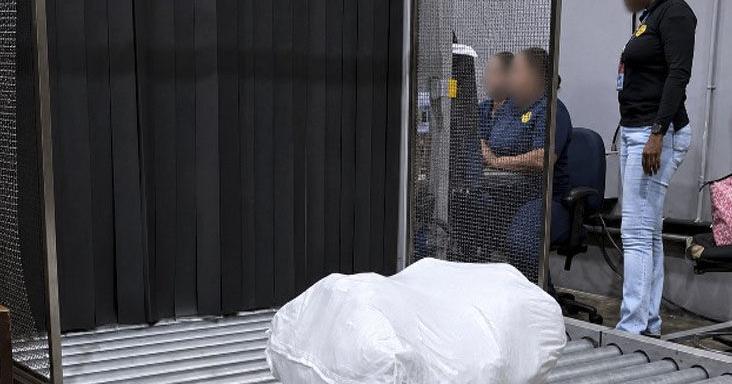
    Customs Preventative Branch officers were positioned on the secure airside tarmac ahead of the shipment’s arrival. At approximately 6:30 p.m. local time, a G4S security van carrying the cash was spotted approaching the parked cargo plane, and was immediately stopped by waiting officers. The two drivers, both G4S corporals, confirmed they were transporting $2 million in U.S. currency. A search of the vehicle uncovered the full sum stowed inside a white crocus bag.

    Shipping documentation confirmed the bag originated from the unnamed local bank, with ground handling firm Swissport listed as the official shipper. The security van was escorted to the Swissport bonded facility for further inspection, where an X-ray scan confirmed the cash was stacked in multiple neat piles. A line-by-line review of accompanying paperwork confirmed the initial red flags: multiple gaps in compliance and procedural documentation indicated that mandatory shipping and anti-money laundering protocols had not been fully followed.

    Following the inspection, the entire cash shipment was secured inside the bonded facility under round-the-clock joint guard by Airports Authority Police Department officers and Customs personnel. Customs investigators formally verified the total amount, confirming it matched the declared sum of $2 million U.S. dollars. The funds have since been transferred to the Central Bank of Trinidad and Tobago for safekeeping while the investigation proceeds.

    Central Bank officials confirmed to *Trinidad Express* that a formal investigation is underway, and senior representatives met with Customs leadership shortly after the seizure to coordinate next steps. Under Trinidad and Tobago’s existing financial regulations, authorized licensed banks are permitted to ship cash internationally under specific regulatory frameworks: common legitimate practices include shipping damaged or mutilated U.S. banknotes to overseas banks for replacement, with settlement processed via wire transfer, and importing new U.S. currency from U.S. financial institutions such as Bank of America to replenish local market demand for U.S. cash. Central Bank officials emphasized that this intercepted shipment differs materially from standard legitimate transactions, and that the involved bank will be required to provide extensive additional documentation and explanation for the shipment.

    A senior anonymous international banking expert with expertise in Caribbean financial regulation explained that large U.S. cash transactions in the local system are subject to strict anti-money laundering (AML) rules. Under local law, any cash deposit exceeding $10,000 U.S. requires enhanced due diligence, and financial institutions are mandated to file a Suspicious Activity Report (SAR) with the Financial Intelligence Unit of Trinidad and Tobago (FIUTT) if there are reasonable grounds to suspect the funds are linked to money laundering or terrorist financing. This requirement is codified in the country’s Proceeds of Crime Act and Anti-Terrorism Act, which mandate all reporting entities including banks to file SARs when suspicion exists.

    The expert noted that a $2 million U.S. cash deposit to a local financial institution would automatically qualify as a high-risk transaction requiring enhanced scrutiny under Trinidad and Tobago’s AML and counter-terrorist financing (CFT) regime. Whether a SAR is required hinges on whether the bank had reasonable suspicion that the funds are proceeds of criminal activity or connected to terrorist financing, the expert added, noting that more details about the origin of the funds and the bank’s internal due diligence are needed before any definitive conclusions can be drawn about compliance.

    *Trinidad Express* reached out to a representative of the involved bank for comment, who confirmed the institution planned to release an official statement on the matter by the evening following the seizure. As the investigation continues, authorities have not yet announced any formal charges or identified any persons of interest in connection with the seized shipment.

  • Three-time defending champs dethroned in F15 cricket

    Three-time defending champs dethroned in F15 cricket

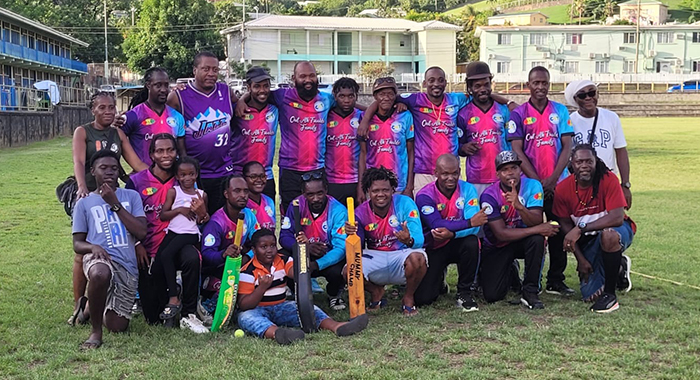
    The fourth edition of the highly anticipated F15 Softball Cricket Tournament drew to a thrilling close on Sunday, as underdog side Country Meet Town Outah Trouble delivered a masterclass all-round performance to topple three-time consecutive champions RS Production Kombat Warriors and claim the coveted title.

    Having won the pre-match coin toss, Country Meet Town Outah Trouble made the tactical decision to take the field first, and the choice paid off immediately with a dominant bowling display that dismantled the defending champions’ batting lineup. RS Production Kombat Warriors crumbled under relentless pressure, bowled out for just 41 runs in 14.2 overs, with no player managing to reach double figures – top batsman Roderick John only managed seven runs before being dismissed.

    The bowling attack was led by Jerando Jardine, who turned in a match-winning spell, claiming three top-order wickets while conceding just seven runs across his three overs. Damian Barnum provided crucial supporting fire, taking two wickets for eight runs in two overs to leave the defending champions reeling.

    Chasing a modest target of 42 runs for victory, Country Meet Town Outah Trouble navigated the chase with calm composure, reaching the required mark for the loss of four wickets in 9.5 overs. Jabari Cunningham anchored the innings with an unbeaten 16 runs, guiding his side across the finish line to secure a historic six-wicket triumph and end RS Production Kombat Warriors’ three-year reign at the top of the tournament.

    Though RS Production Kombat Warriors’ bowlers put up a valiant fight in defense of their low total, with Donaldson Harry picking up two wickets for nine runs in three overs and Danroy Fergus claiming one wicket for six runs in 2.5 overs, the total they had to work with proved far too small to hold off the eventual champions.

    In the tournament’s third-place playoff, BOSVG All Stars capped off their campaign with a confident 34-run win over Fairban United to secure the final podium position. Winning the toss and choosing to bat first, BOSVG All Stars posted an imposing total of 129 runs for the loss of six wickets from their allotted 15 overs. Captain Newborn Josep (listed as Newborn Joseph in tournament awards) led from the front, continuing his exceptional run of form throughout the event with a spectacular knock of 59 runs that earned him the playoff’s Man of the Match award. He received strong support from Kody Horne, who chipped in with a useful 35 runs to build the match-defining total.

    Fairban United’s bowlers worked tirelessly to limit the damage, with Antonio Barker returning standout figures of two wickets for 15 runs in three overs and Andrew Glasgow taking one wicket for 16 runs in two overs. Chasing a target of 130 runs for victory, Fairban United fought hard from the first over but was restricted to 95 runs for seven wickets at the end of their 15 overs. Antonio Barker top-scored for the losing side with 26 runs, and Mike Duncan added 21 runs, but they could not overcome a tight, disciplined bowling performance from BOSVG All Stars.

    Captain Newborn Joseph completed a brilliant all-round display in the playoff, claiming two wickets for 12 runs in two overs, while Desmond Bramble produced an unplayable spell, taking two wickets for just three runs in three overs to seal the win for BOSVG All Stars.

    Following the conclusion of the grand final, Jerando Jardine was named Man of the Match for his three-wicket haul that set up the title win. Tournament organizers also presented end-of-campaign awards to recognize outstanding individual and team performances. Newborn Joseph of BOSVG All Stars claimed the Most Valuable Player award after finishing the tournament with 182 runs (the highest total across all sides) and six wickets. Antonio Barker of Fairban United took home the award for the most wickets, finishing with an impressive 20 wickets. Imran Samuel of champion side Country Meet Town Outah Trouble won the award for the best catch of the tournament, while Malachi Williams of Richmond Hill United earned recognition as the event’s youngest competing player. RS Production Kombat Warriors was honored for winning the Ballaroma title, as well as the award for the best uniformed team.

    The final tournament standings confirm Country Meet Town Outah Trouble as the 4.0 champions, RS Production Kombat Warriors as runners-up, and BOSVG All Stars in third place.

  • Rates and percentages in their real dimension

    Rates and percentages in their real dimension

    Against a backdrop of widespread resource scarcity and systemic challenges, Cuba’s western province of Pinar del Río has achieved extraordinary public health milestones: an infant mortality rate below five per 1,000 live births, paired with zero recorded maternal deaths in recent reporting periods. These exceptional statistics are not the product of luck, but of relentless, individualized commitment from frontline medical workers who adapt daily to overcome shortages and protect what they call the sacred right to life.

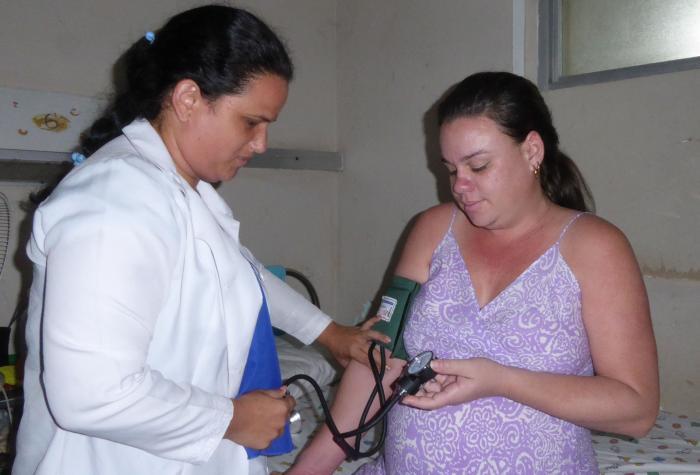
    The human story behind these numbers comes to life in the Intermediate Care Unit (MI) of the Abel Santamaría Cuadrado General Teaching Hospital, where high-risk expectant mothers receive round-the-clock care. For 34-year-old Wendy García, the journey to this point has been marked by years of uncertainty, four major bleeding episodes, unregulated blood pressure, and 51 consecutive days of hospitalization. After years of trying to conceive, her first pregnancy was upended by a sudden emergency diagnosis of preeclampsia that left her fearing for both her life and that of her unborn son, Bryan.

    Today, García speaks with quiet calm, confident the worst is behind her. “Everyone has been wonderful; thanks to them, I’ve made it to the end of my pregnancy,” she says, as her care team prepares to schedule her delivery for the end of the week. Her case is one of dozens of high-risk pregnancies managed by the MI unit, a specialized closed service that treats patients with severe hypertension, threatened preterm labor, and other life-threatening complications, all under the umbrella of Pinar del Río’s national Maternal and Child Health Program (PAMI).

    Dr. Sulemis Carmona, a member of the MI care team, explains that even when cases are stable, complications can arise at any time, and existing resource shortages amplify every risk. “Of the few resources that come into the hospital, we are always prioritized for the care of critically ill mothers,” Carmona says. “Right now, what affects us most is the antibiotic situation, but even if it’s oral, we always have something for maternal care.”

    Dr. María Teresa Machín, head of PAMI in Pinar del Río, confirms that the province’s strong maternal and infant health outcomes are no one-time anomaly. In 2023, Pinar del Río recorded the lowest infant mortality rate across all of Cuba; it reclaimed that top position in 2025, and ranked second in 2024. These results stand out even against global benchmarks, with outcomes on par with or better than much larger Latin American economies including Mexico, Argentina, and Brazil.

    That success has come at a heavy cost, however. Machín acknowledges that years of economic austerity and external pressure have rippled through every layer of the province’s health system. Shortages of essential medications, severe fuel limitations that block primary care teams from reaching remote communities, and unreliable access to electricity for diagnostic imaging all create daily barriers to care.

    To adapt, PAMI leaders have reorganized services to meet the moment. Prenatal genetic consultations once centralized at the provincial level have been decentralized to municipal centers and the main provincial hospital. Photovoltaic solar systems have been installed across outpatient clinics and maternity homes to power critical ultrasound equipment and keep essential services running during outages. To address transportation shortages that delay emergency transfers from remote regions, Pinar del Río’s maternity homes now proactively admit vulnerable pregnant people from hard-to-reach communities long before labor begins, to avoid preventable emergencies.

    In recent months, all 11 of Pinar del Río’s municipalities have opened fully functional maternity homes, each outfitted with solar power kits to guarantee lighting, food cold storage, and other basic needs. These adaptive changes have saved lives, including that of 20-year-old Sinaily Betancourt, a first-time mother from the remote community of El Olivo, more than 100 kilometers from the provincial capital. Betancourt, who lived with chronic hypertension before pregnancy, developed severe preeclampsia that required emergency transfer to the MI unit. Fuel shortages delayed her transfer by nearly 24 hours, but once she arrived, the care team stabilized her condition through repeated relapses.

    Now 31 weeks pregnant, Betancourt is working to reach the 37-week milestone that will give her daughter Camila the best chance of a healthy start. With her family unable to visit regularly due to transportation limits, Betancourt says she has never felt abandoned. “The nurses or doctors come every four hours and take my blood pressure, listen to my heartbeat, and ask me how I’m feeling. The care has been excellent,” she says.

    It is in moments like these, Machín says, that cold health statistics gain a human face. The systemic shortages that shape daily work in Pinar del Río are not random: they are a direct consequence of decades of punitive economic sanctions imposed by the United States government on the Cuban people, which limit access to imported medications, medical equipment, and fuel.

    Yet even amid these constraints, the Pinar del Río health system has consistently prioritized maternal and infant life, adapting at every turn to protect the most vulnerable. For Wendy García, that commitment will soon bring the son she waited years for into her arms. Smiling as she ends a phone call to her family, she says simply: “We’re going to meet Bryan soon.” In that moment, it is clear: against all odds, life continues to triumph.

  • Gov’t follows through on ULP loans amidst tight fiscal space

    Gov’t follows through on ULP loans amidst tight fiscal space

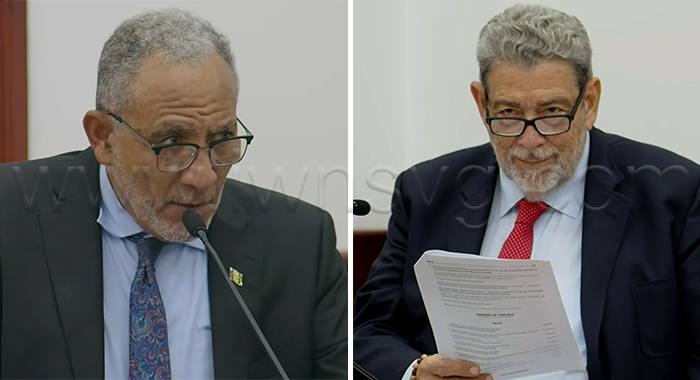
    When the Unity Labour Party (ULP) administration of St. Vincent and the Grenadines lost power in November’s general election, it left behind a constrained fiscal landscape that has limited the borrowing capacity of the new government led by Prime Minister and Finance Minister Godwin Friday. Speaking before Parliament this Thursday, Friday addressed questions from the opposition, shedding new light on the country’s current financing arrangements, revealing that the two major external loans the new administration has signed off on this year were first initiated and negotiated by the previous ULP government.

    Beyond these two external lines of credit, the country has raised Eastern Caribbean (EC) $30.4 million through domestic bond issuances between April and June of this year, as the government continues to rely on a blended strategy of international project financing and local debt to cover both capital investments and ongoing operating expenses.

    The first of the finalized external loans is a $46,715,100 facility from the Caribbean Development Bank (CDB) earmarked for the Canouan Airport Rehabilitation Project. Negotiated initially by the former government, the loan carries a 5% annual interest rate, a 21-year repayment term, and a three-year grace period for principal payments. It is also paired with a $125,000 CDB grant to support project execution. The comprehensive upgrade will address long-standing structural damage to the airport’s runway—including cracking, potholes, surface wear, and cumulative harm from severe weather events—along with updating drainage systems, airfield lighting, coastal protection infrastructure, and delivering new purpose-built facilities for fire services and air traffic control. Friday explained that the current poor condition of the runway restricts aircraft operations, limiting both the type and size of planes that can use the airport. Once complete, the upgrades will allow larger, modern jetliners such as the Airbus A320 to operate from Canouan, boosting direct air connectivity to major regional and international travel hubs.

    The second loan is a $20 million budget support and disaster risk management facility from the OPEC Fund for International Development (OFID), carrying favorable terms of 1.25% annual interest, a 21-year maturity, and a five-year grace period. This loan is a repurposed portion of an original $30 million OFID loan that the ULP administration signed in October 2023, which was initially meant to co-finance a new modern national hospital alongside the World Bank. Before the November general election, the previous ULP government scrapped that original financing arrangement and opted for a new loan agreement with Taiwan instead. Friday’s administration entered negotiations with OFID to repurpose the original commitment, requesting that the full $30 million be reallocated, but OFID only approved a $20 million repurposing. The Loan Authorisation Bill for this facility was tabled before Parliament on Thursday to secure formal legislative approval for the new borrowing arrangement.

    Turning to domestic borrowing, Friday reported that the $30.4 million raised in local government bonds between April and June was issued via private placement across domestic and regional markets, with three tranches maturing in 6, 8, and 10 years, carrying semi-annual coupon rates of 5.75%, 6.5%, and 7.25% respectively. The prime minister noted that these issuance terms align with the government’s broader debt management strategy, which prioritizes extending the average maturity profile of the country’s domestic debt portfolio to reduce refinancing risk.

    Of the total proceeds from the domestic bond issue, approximately EC$6.38 million—equal to 19% of total government capital spending in the second quarter of the year—has been allocated to new capital projects, while the remaining EC$23.66 million has been directed to cover ongoing current government expenditure. In a supplementary question to the prime minister, former prime minister Ralph Gonsalves, leader of the opposition ULP, requested a detailed breakdown of how much of the domestic bond issuance was allocated to the 7.25% coupon tranche, along with specific amortization terms for that portion of the debt. Friday responded that the granular details were not immediately available on the floor of Parliament, but committed to sharing the information at a later date.

  • Cuban President Visits Havana Municipalities

    Cuban President Visits Havana Municipalities

    On July 3, 2026, Cuban President Miguel Díaz-Canel Bermúdez, who also serves as First Secretary of the Central Committee of the Communist Party of Cuba, launched an on-site inspection tour of two of Havana’s most densely populated municipalities, Cerro and Marianao, to hold direct discussions with local leadership over strategies to mitigate the country’s deepening economic and social challenges, which have been amplified by long-standing U.S. sanctions. The current crisis has been further worsened by a months-long U.S.-imposed oil embargo that has strained core public services across the island.

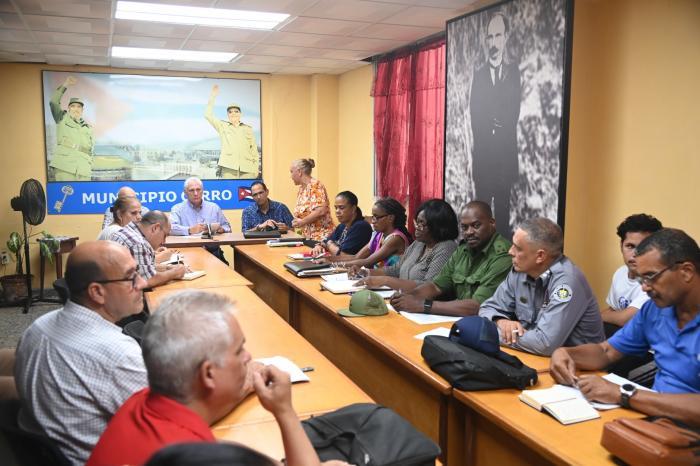
    During closed-door and open dialogues with members of both municipalities’ Defense Councils, the head of state centered his conversations on the most pressing issues facing local communities. Top among these priorities were electricity generation, which has been crippled by the six-month-old oil embargo, consistent drinking water access, municipal waste management, local bread production output, and social support for the country’s most vulnerable populations. The dialogue also expanded to cover a range of other critical topics: coordination with the non-state economic sector and its community-facing obligations, the renovation of underused public sports and cultural venues, the operational performance of the national Family Support System (SAF), planned programming for the summer holiday season, and targeted support for young people who are neither enrolled in education nor formally employed.

    Meeting with representatives from local party bodies, municipal government branches, the Young Communist League, and mass grassroots organizations, Díaz-Canel emphasized that sustained, direct engagement with ordinary citizens is non-negotiable. He noted that many practical, effective solutions to local problems already emerge from community organizing, and leaders should prioritize elevating these on-the-ground perspectives when crafting policy.

    As part of his tour, the president also met with young participants in the Community Youth Network, a pioneering domestic initiative that empowers young Cubans to lead neighborhood-level problem-solving. He received briefings on the network’s ongoing work, which includes targeted outreach to low-income vulnerable families, isolated elderly residents, and expecting mothers, alongside a wide range of community-focused cultural, athletic, educational, and public health promotion activities.

    Díaz-Canel outlined a forward-looking policy framework for local governance, stressing that municipalities must actively prepare to assume greater administrative autonomy, while local business entities must gear up for expanded operational independence. He urged local leaders to build capacity to manage public-private partnerships involving foreign direct investment, closed foreign currency financing schemes, and commercial collaborations with both Cuban residents abroad and domestic Cuban stakeholders.

    The president further detailed plans to unlock mutually beneficial economic collaboration between the state and non-state sectors at the municipal level, put underutilized productive infrastructure back into operation, and test diverse adaptive business models across all sectors of the local economy. By implementing these changes, he argued, Cuba can unleash the full productive potential of municipal-level economies, rapidly improve the range and availability of goods for the general public, strengthen household purchasing power, rebalance the wage-price relationship, and put the country on a sustainable path toward broad-based prosperity.

    Accompanying Díaz-Canel on the tour was Roberto Morales Ojeda, member of the Political Bureau and Secretary of Organization of the Party’s Central Committee. The municipal inspection series began earlier this week in Havana’s Playa municipality, and is scheduled to continue across all other municipalities of the Cuban capital in the coming days.