The Dominican Republic’s centuries-old coconut sector is poised for unprecedented expansion, backed by a multi-million dollar foreign investment from a leading global agricultural firm that is set to transform the entire local value chain. Hecmilio Galván, executive director of the Dominican Fund for Agricultural Development (FEDA), revealed that the initial $7 million foreign inflow into the coconut industry could eventually climb to more than $20 million as expansion projects roll out over the coming years.
The investment comes through Danish multinational Pindstrup, a world-leading producer of professional agricultural growing substrates, which recently completed the acquisition of La Mundial del Coco, a coconut substrate processing firm based in Cabrera, María Trinidad Sánchez. Galván made the announcement during an official site visit to the newly acquired processing facility, where he outlined the far-reaching economic benefits the expansion is expected to deliver.
Under Pindstrup’s growth plan, the facility will scale its coconut fiber processing output dramatically from its current annual capacity of 12,000 tons to 60,000 tons within the next several years. This rapid capacity increase is directly tied to booming global demand for sustainable coconut-based growing substrates, particularly from commercial horticulture and agriculture markets across North America and Western Europe, where consumers and producers increasingly prioritize eco-friendly growing alternatives to peat moss.
Industry leaders project that the expansion will ripple through every segment of the Dominican coconut value chain, creating new economic opportunities for smallholder producers, coconut husk collectors, local transportation providers, and supporting small businesses across the country’s coconut-growing regions. In addition to indirect benefits across the supply chain, the expanded facility will generate dozens of new direct on-site jobs and hundreds of indirect employment opportunities for rural communities.
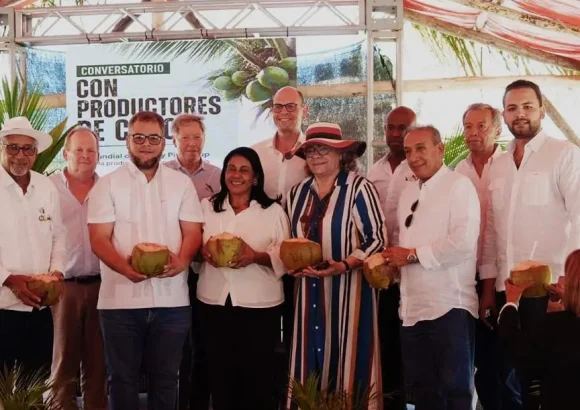
During a stakeholder meeting held as part of the National Coconut Festival in Nagua, Galván and other participants convened to address key prerequisites for sustainable growth. Galván emphasized that targeted collaboration between the Dominican government, local coconut producers, and Pindstrup-La Mundial del Coco is critical to align the company’s growing industrial processing capacity with increased domestic coconut production. Without expanded planting and harvest volumes to match the new processing capacity, he warned, the sector could miss out on the full economic benefits of the investment.
A key silver lining highlighted by Galván is the rising commercial value of coconut byproducts that were once considered low-value waste. Coconut husks, fiber, and other secondary products that previously generated little to no additional income for producers are now in high demand for substrate production, opening an entirely new revenue stream for local farming operations through industrial integration.
Meeting participants also noted that market dynamics have already shifted: the price and demand for coconut husks have risen steadily in recent months, and a growing number of rural workers have entered the sector as collectors to supply the expanding processing plant. To lock in long-term, inclusive growth for the entire sector, Galván stressed that expansion must be supported by targeted policy and resource investments: new large-scale coconut plantings, accessible financing for smallholder producers, hands-on technical training for farmers, and continued support to access high-value international markets. These investments, he said, will ensure that growing industrial capacity translates directly to higher incomes and greater opportunity for Dominican coconut producers across all levels of the supply chain.