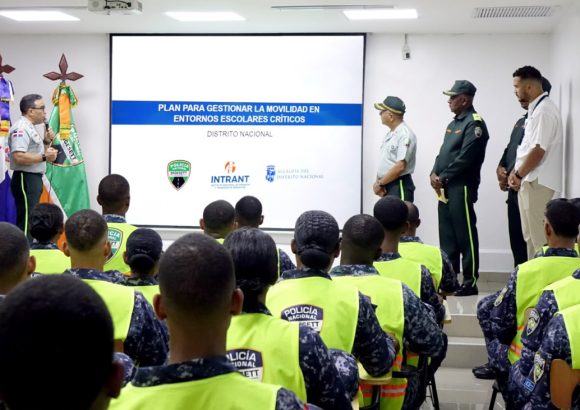
In preparation for the start of the 2026-2027 academic year, two leading Dominican transport regulatory bodies are rolling out a comprehensive set of initiatives to cut crippling traffic congestion around educational institutions and boost overall road safety for students, staff and local residents.
The National Institute of Transit and Land Transportation (Intrant) and the General Directorate of Transit and Land Transportation Safety (Digesett), the two agencies leading the scheme, have confirmed that priority will be given to campuses that consistently face the worst gridlock during peak morning drop-off and afternoon pickup windows.
Among the practical interventions being rolled out are the placement of traffic cones to clearly demarcate separate driving lanes, the publication and promotion of tailored designated routes for parents and guardians dropping off students, and the introduction of staggered dismissal times organized by grade level to spread out vehicle traffic across a longer window.
To further smooth traffic flows, authorities will also closely monitor temporary one-way traffic adjustments introduced to ease congestion in high-footfall school zones. They are also actively promoting carpooling among families and increased use of licensed private transportation services, while uniformed Digesett officers will be deployed to any campus that requires on-site traffic coordination and support.
A key part of the new plan is stricter enforcement of existing school-zone traffic regulations, including compliance with mandatory road signage. Officials are reiterating a public reminder that the legal maximum speed limit for all vehicles in school zones remains 20 kilometers per hour, a restriction designed to reduce the risk of traffic accidents involving vulnerable pedestrians, most notably school-aged children.
Intrant has issued a public call for full cooperation from all stakeholders, including parents, guardians, local drivers, and school management and communities. The agency stressed that collective adherence to traffic rules and partnership with enforcement authorities is the only way to guarantee a safe, orderly and low-stress return to in-person classes for all students when the new academic year begins.