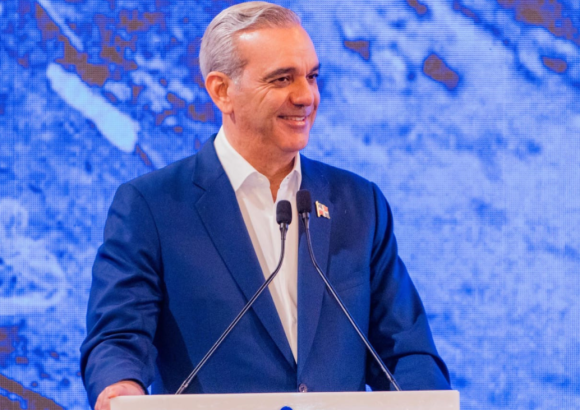
SANTO DOMINGO — In a groundbreaking push to open government work to public scrutiny, Dominican Republic President Luis Abinader is set to unveil *Weekly Agenda*, a new live broadcast initiative, this coming Monday, August 24 at 5:00 p.m. The innovative platform is crafted to give ordinary Dominican citizens an unfiltered, front-row view of how the national administration tracks and delivers on its core policy commitments.
Each installment of the program will center on an executive working session, chaired directly by President Abinader, with participation from cabinet ministers, agency directors, and senior public officials in charge of the policy area being covered that week. Unlike closed-door government meetings that traditionally keep decision-making out of public sight, every episode will dedicate its full focus to a single top national priority. Discussions will cover tangible progress made, persistent hurdles blocking implementation, measurable performance metrics, outstanding unfulfilled commitments, and concrete next steps for advancing the policy goal.
A core feature of the initiative is its commitment to accessibility: the working meetings will air live every Monday, enabling Dominican residents to follow along in real time as public officials weigh tradeoffs, assess outcomes, and coordinate cross-agency solutions to pressing national challenges.
For its historic debut episode, the *Weekly Agenda* program will shine a spotlight on the country’s education sector. President Abinader will convene top leaders from the education system, led by Minister of Education Luis Miguel De Camps, for a comprehensive review of preparations ahead of the upcoming new school year. The discussion will touch on critical on-the-ground issues, from the physical condition of school campuses across the country and the availability of key instructional resources to progress completed to date, unresolved obstacles, and urgent priorities that must be addressed before students return to their classrooms.
Down the line, future editions of the program will tackle a broad range of other high-stakes policy areas, including macroeconomic growth, public safety, major infrastructure projects, public health, affordable housing, and national energy security.
According to a statement from the Dominican Presidency, the overarching goal of this new platform is to bridge the gap between the national government and the public it serves. By opening up internal monitoring and implementation processes, the administration aims to show citizens not just what policy achievements the government has delivered, but also how leaders track progress against priorities, tackle emerging barriers, and roll out effective solutions to improve life across the country.