博客

  • Former Premier champions youth teams to compete in Antigua Cup

    Former Premier champions youth teams to compete in Antigua Cup

    One of the Caribbean’s most anticipated annual youth football competitions is gearing up to kick off its third edition this weekend, bringing together dozens of the region’s most promising young footballers at the Buckleys Primary School Playing Field. Launching on Sunday, July 5, the week-long Antigua Cup International Youth Football Tournament will wrap up its action on July 12, with matches contested across five distinct age groups: under-9, under-11, under-13, under-15 and under-17.

    Three clubs that have previously claimed Antigua’s top Premier Division titles will lead the field, sending their youth development academies to compete for the crown. Four-time top-flight champions Bassa Sports Club and Parham FC will join forces with another former Premier League winner, Villa Lions, to compete across the age categories. For Bassa, the tournament marks a key milestone in the club’s rebuilding efforts: the side has not competed in the Antigua & Barbuda Football Association (ABFA) senior league for the past three seasons, and its youth squad is stepping in to replace Attackers, one of three teams that shared the under-15 championship title in 2023.

    This year’s tournament has also drawn a wave of first-time participants, expanding the competition’s reach across the region. Premier Division side Pigotts Bullets is bringing its youth academy for the first time, alongside debutants CPTSA Wings, Old Road’s Young Lions program, the Soccer Academy, and Jennings FC. These new entrants will face off against returning title-holding squads, including defending under-17 champions Old Road, Cutting Edge – which currently holds titles in under-11, under-13 and the girls’ division – and joint under-15 champions Lion Cubs, as well as Nevis’s Bath United. Rounding out the full field of competitors are Empire, Earthquake, Freetown, and hosts Young Warriors FC.

    Tournament organizers say they have been overwhelmed by the enthusiastic response from clubs across the region, a turnout that promises a week of high-energy, high-skill competition for football fans. The event is designed to showcase the depth of emerging young talent across Antigua and Barbuda and the wider Caribbean, giving up-and-coming players a high-profile platform to display their skills.

    The official opening ceremony is scheduled to begin at 3 p.m. on opening Sunday, featuring remarks from senior government and sports leaders representing the ABFA, Antigua and Barbuda’s National Olympic Committee, and the national Department of Youth. A parade of all participating teams will follow the opening addresses, before organizers present opening-day awards for three special distinctions: Best Disciplined Team, Best Dressed Team, and Best Organised Team. First round matches are set to get underway at 4 p.m. right after the ceremony, with opening fixtures in the under-9, under-11, under-13 and girls’ divisions kicking off the week of competition.

  • CABINET NOTES: Wednesday 1st July 2026

    CABINET NOTES: Wednesday 1st July 2026

    On Wednesday, July 1st 2026, the United Kingdom’s Cabinet convened for its scheduled weekly meeting to deliberate on a range of pressing domestic and international policy priorities. While official full transcripts of closed-door Cabinet discussions are rarely released immediately to preserve the confidentiality of collective ministerial decision-making, the published cabinet notes confirm that top government officials gathered to advance the administration’s policy agenda.

    Meeting at 10 Downing Street, the official residence and workplace of the British Prime Minister, the session brought together Secretaries of State across all major government departments, from the Treasury and Home Office to the Foreign, Commonwealth & Development Office and Department of Health and Social Care. The notes confirm that the meeting was convened on schedule, marking the start of July 2026 for the government’s legislative and governance work.

    Standard agenda items for such meetings typically include updates on economic performance, public service delivery, ongoing international diplomatic negotiations, and any emerging crises that require coordinated government action. As the official record of the gathering, the cabinet notes serve as a foundational document for tracking the government’s decision-making process, allowing for future transparency once the standard 20-year release period for confidential Cabinet documents concludes. For now, the document confirms that the Cabinet met as planned to steer the nation’s governance at the mid-point of the year.

  • Olieprijzen dalen tot niveau van voor het begin van VS-Iran oorlog

    Olieprijzen dalen tot niveau van voor het begin van VS-Iran oorlog

    Global crude oil markets have taken a sharp downward turn this week, with international benchmark Brent crude falling to levels not recorded since the outbreak of armed conflict between the United States and Iran, erasing all the geopolitical risk premiums that had driven prices to multi-year highs just months earlier.

    On Thursday, August-delivery Brent futures dipped below $71 per barrel, hitting a low of $70.82 per barrel — the weakest price point since February 27, the day before hostilities between the two nations began. From the post-conflict peak of more than $126 per barrel hit on April 30, the benchmark has now fallen over 38 percent, returning prices fully to the range that prevailed before the conflict upended global energy markets.

    The steep price decline comes on the heels of promising updates out of Qatar, a key diplomatic mediator between Washington and Tehran. Officials confirmed that U.S. and Iranian negotiators have made “positive progress” in indirect talks aimed at reaching a permanent peace agreement. U.S. President Donald Trump also offered an upbeat assessment of the talks Wednesday, stating that negotiations over the denuclearization of Iran are progressing well.

    Vandana Hari, founder of Singapore-based energy analysis firm Vanda Insights, identified two core drivers behind the falling prices: a steady increase in crude exports out of the Persian Gulf region and a shift toward cautiously optimistic geopolitical sentiment among market participants. However, Hari cautioned that many critical issues remain unresolved within the framework of the existing memorandum of understanding (MoU) between the two nations, saying the coming weeks will prove decisive for whether Persian Gulf oil supplies can fully return to normal operations.

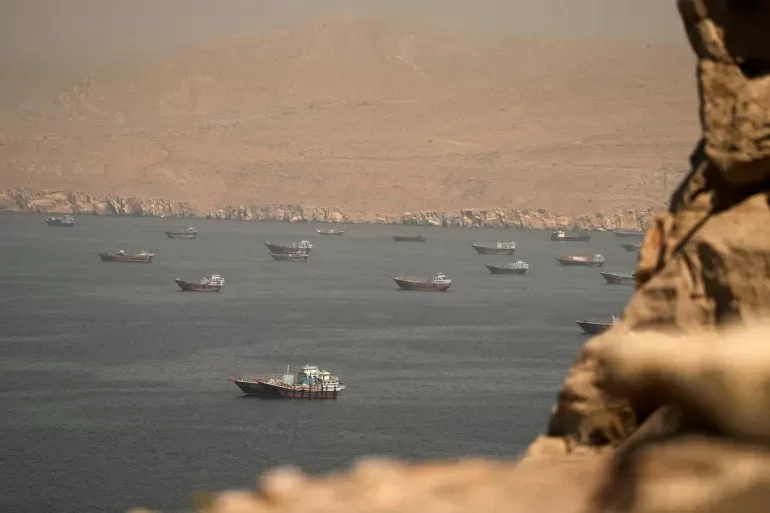
    One key indicator of normalization remains traffic through the Strait of Hormuz, the strategic chokepoint through which roughly one-fifth of global oil and liquefied natural gas trade passes. After a sharp drop in daily transits following a wave of attacks on commercial vessels in recent weeks, shipping data shows tentative signs of recovery. Ship tracking firm MarineTraffic recorded at least 40 vessels passing through the strait on Tuesday, up from 27 on Monday and just 22 on Sunday. Even with this rebound, daily transit volumes remain far below the pre-conflict average of roughly 130 vessels per day.

    Under the terms of the draft MoU, Iran has committed to taking steps to ensure safe passage for commercial shipping through the strait, but continues to assert exclusive control over the waterway. Since the outbreak of conflict, at least 49 attacks on commercial vessels have been documented, with the majority attributed to Iranian forces or claimed by Iran.

    Neil Crosby, oil analyst at Singapore-based Sparta Commodities, explained that the drop in Brent prices reflects the market’s growing belief that major hostilities are largely over, and that increased supply has begun to flow back to global markets. Even so, he warned it is too early to assume prices will remain anchored at pre-conflict levels. “The situation is far from stable, both politically and in the oil market itself,” Crosby noted. He added that many major market drivers remain in flux, and low prices will likely encourage importers around the world to return to the market to build inventories, gradually eroding current supply surpluses. Ultimately, Crosby concluded that the global oil market has not fully emerged from the recent crisis, and continued vigilance remains necessary.

  • Minister Joseph Visits Medicinal Cannabis Authority

    Minister Joseph Visits Medicinal Cannabis Authority

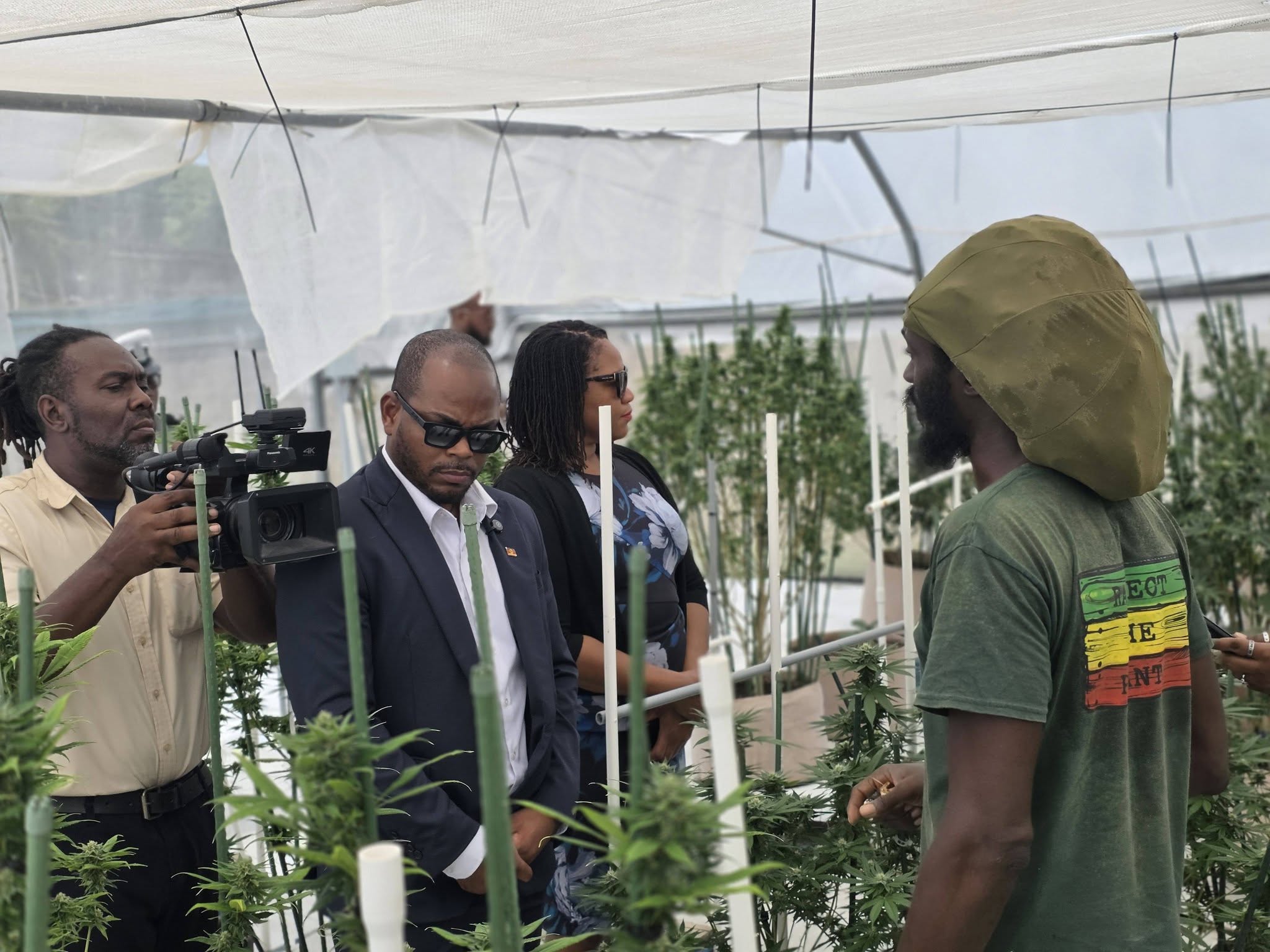
    In a significant move to oversee the emerging domestic medicinal cannabis sector, Antigua and Barbuda’s Minister of Health, Wellness, Environment and Civil Service Affairs, the Hon. Michael Joseph, has re-stated the national government’s pledge to build a safe, ethically responsible and fully transparent medicinal cannabis industry. This commitment came after a complete, on-site inspection of the Antigua and Barbuda Medicinal Cannabis Authority and multiple licensed industry facilities across the island nation.

    Accompanying Minister Joseph on the inspection tour was Chief Medical Officer Dr. Kamaria DeCastro. The core goal of the visit was to give the minister a first-hand, holistic understanding of how the regulatory authority operates, the rules and frameworks that govern the sector, and the full spectrum of medicinal cannabis products currently in development across Antigua and Barbuda.

    During the tour, Minister Joseph got a close look at the authority’s strict inventory management and regulatory protocols. These systems are designed to guarantee full traceability for every single cannabis plant and finished product, relying on unique coded identification tags, digital scanning technology and standardized weight verification checks to eliminate diversion and maintain accountability.

    Minister Joseph praised the regulatory body’s performance following the inspection, noting that “The level of accountability and oversight demonstrated by the Authority is commendable. It is reassuring to see such robust systems in place to ensure transparency, quality control and compliance throughout the production process.”

    Beyond the authority’s core administrative and cultivation facilities, the minister also toured commercial processing plants. At these sites, industry leaders briefed him on the technical processes used to extract medicinal cannabis oils and other active therapeutic compounds, as well as ongoing research into diverse cannabis genetic strains. This research is focused on cultivating strains tailored to address specific patient therapeutic needs, paving the way for more targeted treatment options.

    In addition to production and processing infrastructure, Minister Joseph visited multiple licensed medicinal cannabis dispensaries across Antigua and Barbuda. During these stops, he held in-depth discussions with dispensary operators to better understand how the facilities serve patients and what challenges the industry faces as it continues to mature.

    While Minister Joseph acknowledged that the sector has already made meaningful progress in its early development, he emphasized that expanding public understanding of evidence-supported medicinal cannabis applications remains a critical unmet need.

    “There is a need for greater public education to help people better understand the therapeutic benefits of medicinal cannabis when prescribed and used appropriately,” he explained. “As this industry continues to evolve, it is essential that the public is equipped with accurate information that distinguishes medicinal use from recreational use.”

    The minister also added a note of public guidance, encouraging any individuals who choose to use cannabis for recreational purposes to do so responsibly and in accordance with national regulations. He made clear, however, that the government’s central priority remains advancing the medicinal cannabis program as a key pillar of national healthcare innovation and improved patient care.

    Moving forward, the Ministry of Health, Wellness, Environment and Civil Service Affairs reaffirmed its long-term commitment to supporting evidence-based policy making, strengthening regulatory oversight, and expanding public education initiatives. These efforts are designed to ensure that Antigua and Barbuda’s medicinal cannabis industry continues to grow in a safe, responsible, and environmentally and economically sustainable manner for the benefit of patients and the nation as a whole.

  • Education Minister Congratulates Tahjé Browne on ABCAS Graduation Following Serious Cycling Accident

    Education Minister Congratulates Tahjé Browne on ABCAS Graduation Following Serious Cycling Accident

    One of Antigua and Barbuda’s most decorated competitive cyclists has crossed a critical new finish line far removed from the race track, graduating from the Antigua and Barbuda College of Advanced Studies (ABCAS) just months after surviving a catastrophic cycling accident that nearly cost him his life. The remarkable achievement has drawn warm public and official congratulations, with Education Minister Daryll S. Matthew leading tributes to Tahjé Browne’s extraordinary strength of character.

    In a personal note marking the graduation milestone, Minister Matthew highlighted how divine intervention and Browne’s unyielding grit combined to pull the elite athlete back from the brink of tragedy to reach this academic achievement. “Despite the near tragedy you experienced, God’s grace has brought you safely to this milestone,” Matthew wrote. “Your perseverance, resilience, and determination have carried you across yet another finish line.”

    The 2023 accident sidelined Browne from competitive cycling for months as he underwent intensive rehabilitation to recover from life-threatening injuries. For the local sporting community and supporters across the country, his successful graduation marks one more major step forward in his long journey back to full health and normal life. Minister Matthew extended his hopes that this academic win will open the door to even more impressive accomplishments in the years ahead, both on and off the cycling circuit. He closed his message by wishing Browne continued good health, abundant blessings, and ongoing success in all of his future endeavors.

  • Derde helft WK 2026: Zwitserland overtuigend langs Algerije naar achtste finales

    Derde helft WK 2026: Zwitserland overtuigend langs Algerije naar achtste finales

    Switzerland has booked its place in the 2026 FIFA World Cup round of 16 in convincing fashion, claiming a solid 2-0 victory over Algeria in a match played at Vancouver’s BC Place on July 3.

    From the opening kickoff, Murat Yakin’s Swiss side dominated possession and set the tempo of the game with focused, disciplined build-up play. Algeria, known for their pace and technical skill, struggled to break through Switzerland’s well-drilled defensive block, creating very few clear-cut chances throughout the 90 minutes. It was Switzerland who earned a deserved lead before halftime, with forward Breel Embolo finding the back of the net to put his side up 1-0 at the break.

    Switzerland maintained full control of the match in the second half, never letting Algeria build any sustained momentum towards a comeback. Winger Dan Ndoye put the result beyond doubt with a second goal, sealing the 2-0 win and eliminating Algeria from the tournament.

    The win follows a strong group stage campaign for Switzerland, who finished top of Group B with seven points from three matches, edging out tournament hosts Canada to claim the direct knockout round spot. The result continues Switzerland’s consistent World Cup record: the European side has now reached the knockout phase in nearly every modern World Cup campaign, and has built a reputation as a tough opponent to beat in single-elimination matches.

    For Algeria, the run to the knockout round was already an impressive achievement. The North African side advanced to the round of 32 as one of the best third-place finishers from Group J, finishing behind Argentina and Austria to edge out Jordan for a spot in the knockout stage. Against a mature, efficient Swiss side, however, Algeria ultimately lacked the clinical quality needed to pull off an upset.

    Switzerland will next face the winner of the upcoming group stage match between Colombia and Ghana in the round of 16. Based on their performance against Algeria, the Swiss side can enter the next fixture with quiet confidence. Their defensive organization held firm, limiting Algeria to almost no dangerous chances, and their attack proved clinical in front of goal. The campaign so far has cemented Switzerland’s status as one of the most dangerous underdogs at this year’s World Cup.

  • NIA Breaks Ground on Transformative Multi-Million-Dollar Airport Expansion Project

    NIA Breaks Ground on Transformative Multi-Million-Dollar Airport Expansion Project

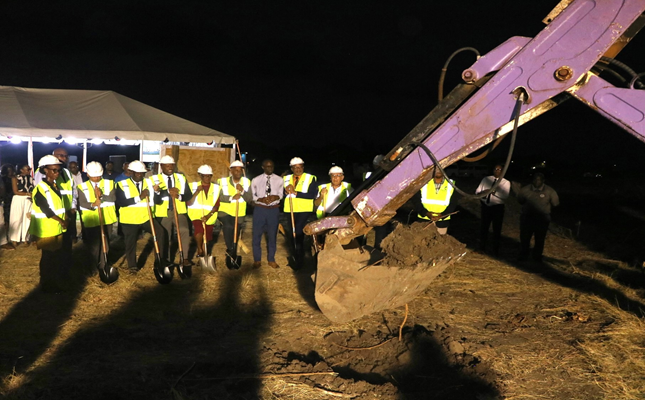
    On July 1, 2026, senior officials from the Nevis Island Administration (NIA) and key project stakeholders gathered in Newcastle, St. James, for a ceremonial sod-turning event, marking the official launch of a transformative multi-million-dollar expansion project for the Vance W. Amory International Airport (VAIA). The long-awaited infrastructure initiative, more than a decade in development, is poised to redefine Nevis’ regional connectivity, catalyze tourism growth, and strengthen the island’s long-term economic trajectory for current and future generations.

    Speaking to attendees at the groundbreaking ceremony, Nevis Premier Mark Brantley—who also holds portfolios for Tourism, Finance, and Economic Planning—framed the milestone as a landmark moment in the island’s developmental history. Brantley, whose administration is led by the Concerned Citizens Movement (CCM), emphasized that the initiative represents a deliberate, forward-thinking investment in Nevis’ next chapter.

    “We are gathered here today to make history, breaking ground for an investment that will propel Nevis forward for the next generation,” Brantley said. “This government is committed to lifting this island to new heights, and we are building this not just for today, but for the generations that will come after us. A modern, expanded Vance W. Amory International Airport is not just good for Nevis—it strengthens the entire Federation of St. Kitts and Nevis.”

    Brantley detailed the 10-plus years of persistent work that brought the project from concept to construction, noting that the path to groundbreaking required navigating complex technical challenges, iterative redesigns, and extensive negotiations to secure the necessary financing. “Major infrastructure projects take time, and this has been a relentless, ongoing effort,” he explained. “We designed and redesigned, went back to the drawing board time and again, and once we had a solid plan, we still had to secure the financing. There were long days and difficult nights navigating financial hurdles, political coordination, and planning for how Nevis would sustain a project of this scale. This was never an easy task, but we stayed the course to deliver a project that benefits all Nevisians.”

    The expansion project is expected to deliver widespread economic benefits at every stage, from construction through long-term operation. During the 18-month construction phase, the initiative will create substantial employment opportunities for local contractors, skilled tradespeople, general laborers, and local service providers, while boosting demand for locally sourced goods and materials. Once completed, the upgraded airport will support dozens of new permanent positions across operations, security, customs and immigration, ground handling, maintenance, and other core airport services. Beyond direct airport employment, increased air access and higher visitor volumes are projected to spur new growth and opportunity for local businesses and entrepreneurs across tourism-adjacent sectors, including hospitality, transportation, tour operations, restaurants, retail, and more.

    Brantley publicly thanked the three key funding partners that made the project possible: the Federal Government of St. Kitts and Nevis, which guaranteed a EC$20 million loan from the St. Kitts-Nevis-Anguilla National Bank (SKNANB); the Government of the Republic of China (Taiwan), which provided a US$20 million concessional loan; and private investor Patrick Drahi, who contributed US$25 million in direct investment capital to the initiative.

    His Excellency Edward Ling-Wen Tao, Ambassador of the Republic of China (Taiwan) to the Federation of St. Kitts and Nevis, reaffirmed Taiwan’s longstanding commitment to partnership with Nevis and shared confidence in the project’s ability to drive shared prosperity. “On behalf of the Embassy of the Republic of China (Taiwan), I extend my sincerest congratulations to the government and people of Nevis on this historic milestone,” Ambassador Tao said. “I am confident that we will continue to collaborate productively on the airport expansion project and other meaningful development initiatives, further strengthening the unbreakable bond between our two sides. I wish this project a smooth construction process, successful completion, and lasting prosperity and opportunity for the wonderful people of Nevis.”

    The ceremony also featured remarks from a broad cross-section of project stakeholders, including Alexis Jeffers, Project Coordinator and Advisor to the Premier on Investments; Michael Perkins, Project Manager; Oral Brandy, General Manager of the Nevis Air and Sea Ports Authority (NASPA); Seamus Kelly, representing lead contractor Kelly Construction; Leonardo Perez, Lead Engineer with Perez Engineering Construction and Consulting Services Ltd.; Anthony Galloway, Chief Executive Officer of SKNANB; John Hanley, Permanent Secretary in the Ministry of Tourism; and Janesha Daniel, local community representative.

    According to the project contractor, the entire expansion is scheduled for completion within 18 months. Key infrastructure upgrades include a 2,000-foot extension of the existing runway, which will bring the total runway length to 6,000 feet. Additional components of the project include construction of a dedicated on-site fuel farm, a new state-of-the-art fire hall, a fully expanded and modernized main terminal building, a purpose-built new Customs Hall, and an enlarged parking apron designed to accommodate up to 50 executive jets simultaneously.

  • Oproep aan president om zich in te zetten voor gezinshereniging oudere Surinamers

    Oproep aan president om zich in te zetten voor gezinshereniging oudere Surinamers

    A Surinamese lobbyist is calling on the country’s president to intervene on behalf of hundreds of elderly Surinamese citizens separated from their family members in the Netherlands, pushing for the revival of a defunct immigration scheme that allowed older parents to settle permanently near their children and grandchildren.

    Ram Rambaratsingh, the lobbyist leading the campaign, says that thousands of single elderly Surinamese have been trapped in hopeless circumstances since the Netherlands scrapped the expanded family reunification arrangement back in 2012. Most of the people affected by the policy change have all of their children and grandchildren already living and working in the Netherlands, Rambaratsingh explained in an open letter addressed to Surinamese President Jennifer Simons.

    Cut off from close family support, these elderly people frequently face crippling loneliness, unaddressed chronic health issues, and a lack of consistent daily care, the letter notes. Under current rules, they are forced to remain in Suriname, as their family members already based in the Netherlands cannot meet the strict requirements for permanent family reunification under standard immigration regulations. Currently, the only path for these seniors to visit their loved ones is through a short-term tourist visa that allows a maximum stay of 90 days. After their visa expires, they must return to Suriname to restart the entire application process, a cycle that generates significant unexpected costs and places enormous physical and emotional strain on aging travelers with underlying health conditions.

    What makes the situation particularly unfair, Rambaratsingh argues, is that many of these elderly residents held Dutch nationality before Suriname gained independence, yet they are now treated as ordinary foreign nationals when they seek to join their family in the country. He points out that this treatment stands in sharp contrast to policies adopted by other former colonial powers, which maintain more flexible migration arrangements for residents of their former overseas territories.

    In his letter, Rambaratsingh formally requests that President Simons raise the urgent issue with the Dutch government, specifically with the country’s Minister of Asylum and Migration. He is calling for either the full reintroduction of the original 2012 scheme, or a formal review of a new targeted program to address the unique needs of this vulnerable group of elderly Surinamese. To address potential concerns about public costs, Rambaratsingh emphasized that all adult children and grandchildren of the affected seniors have agreed to cover 100 percent of any related expenses, including health insurance, housing, and daily living costs, removing any financial burden from Dutch public services.

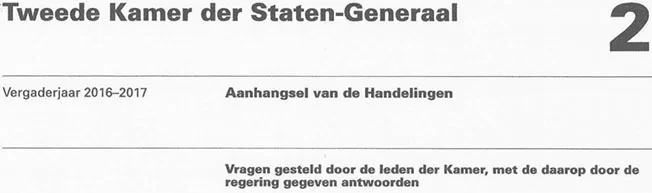
    As evidence of the long-standing push for policy change, Rambaratsingh referenced parliamentary questions raised in the Dutch parliament back in 2017. In response to those questions, the sitting Dutch government at the time confirmed that the expanded family reunification scheme had been terminated in October 2012. While the state secretary noted that elderly foreign nationals could still submit standard residence applications under Article 8 of the European Convention on Human Rights, the government rejected calls to reinstate the original special scheme. Official responses from that time also showed that just 20 applications for permanent residence were submitted by Surinamese residents aged 65 and older seeking to join their family in 2015, a low number that reflects the difficulty of accessing the standard pathway.

  • DHL Nevis Earns Caribbean Hero League Agent Service Point of the Month Award for May 2026

    DHL Nevis Earns Caribbean Hero League Agent Service Point of the Month Award for May 2026

    In a press release published by the TDC Group on July 3, 2026, DHL Nevis has earned one of the Caribbean region’s top honors for logistics service delivery: the Caribbean Hero League Agent Service Point of the Month Award for May 2026.

    Launched to celebrate standout DHL service locations across the Caribbean, the Caribbean Hero League program assesses nominees on four core criteria: operational excellence, sustained customer satisfaction, collaborative teamwork, and strict adherence to DHL’s globally recognized service standards. Claiming the monthly award cements DHL Nevis’s position among the highest-performing DHL outlets in the entire Caribbean region. The award-winning team, led by supervisor Lavern Liburd and including courier Kevin Franklyn, has already been celebrated internally for the milestone achievement.

    Laughton Herbert, Manager of DHL Nevis, emphasized that the regional honor is a direct reflection of the entire team’s consistent commitment to service quality. “This recognition is a testament to the dedication, professionalism, and passion of our entire team,” Herbert noted. “Every day, we strive to provide our customers with reliable, efficient, and friendly service. Receiving this award motivates us to continue raising the bar and reinforces our commitment to excellence.”

    Ernie France, Head of Nevis Operations, extended official congratulations to the local team, noting that the accomplishment brings well-deserved regional attention not only to DHL Nevis but also to its parent organization, the TDC Group. “We are extremely proud of the DHL Nevis team for earning this regional recognition,” France said. “Their dedication to delivering outstanding customer service and representing the DHL brand with professionalism has brought well-deserved recognition to Nevis and by extension the TDC Group.”

    France added that the honor underscores the team’s track record of not just meeting but exceeding the service expectations of domestic customers across Nevis, while upholding the rigorous global standards that define the DHL brand. Beyond recognizing internal performance, the award also highlights the critical economic role DHL Nevis plays in the local economy: connecting small-scale sellers, large businesses and individual customers to global supply chains and international markets through consistent, dependable logistics and courier services. By prioritizing timely, efficient delivery solutions, the team has built and strengthened long-term customer trust in the DHL brand across the island of Nevis.

    This press release was originally distributed via SKNVibes.com, which published the release in the form it was received.

  • Column: De rekening die niemand wil betalen

    Column: De rekening die niemand wil betalen

    As the parliamentary debate on Suriname’s 2026 national budget drew to a close, President Jennifer Simons delivered what may prove to be the most consequential message of the entire legislative session: there will be no expansion of the national budget, as the country simply does not have the funds to spare. This hard announcement comes as Suriname’s budget deficit has swollen to more than 5% of gross domestic product, with an additional 13 billion Surinamese dollars required to cover existing funding gaps. Beyond the raw numbers, Simons’ statement confronts a reality the South American nation has pushed off for years: Suriname has long been living beyond its financial means.

    The president warned that the next three years will bring significant economic hardship for the country, with new fiscal space only opening up once projected oil and gas revenues begin to actually flow into state coffers. Until that turning point, Simons emphasized, national leaders will be forced to make deliberate choices, prioritize core public needs, and accept the hard limits of the government’s implementation capacity. Not every policy initiative can move forward at once, she made clear.

    But the core question that remains unanswered is whether the country as a whole is willing to accept the consequences of this necessary fiscal reset. Across Suriname, austerity has become an almost taboo topic. As soon as cuts to public spending are mentioned, the public immediately assumes outcomes such as higher consumer prices, eroded purchasing power, reduced social services, and increased tax burdens. Most residents assume austerity will only force ordinary citizens to make further sacrifices – but that does not have to be the case, the commentary argues. In fact, the most logical place to begin reducing unnecessary spending is within the government itself.

    Long-running systemic waste in Suriname’s public sector is well-documented, from unproductive subsidies to groups and industries that do not actually need public support, to persistent public funding for state-linked institutions and parastatal enterprises that contribute little to national development while remaining permanently dependent on taxpayer dollars. Questions have for years been raised about bloated public payrolls, including the persistent issue of so-called ghost workers – individuals registered to receive public salaries who contribute little to no productive work, or who do not actually hold positions at all. No structural solution to this problem has ever been advanced.

    Widespread everyday inefficiency adds to the cumulative waste: inflated overtime claims with no corresponding increase in productivity, meetings that start hours behind schedule, and parliamentary sessions that are canceled for lack of a quorum even after full costs for security, driver services, catering, cleaning, technical support and other logistics have already been paid. These hidden costs do not always jump out from line items in the national budget, but ordinary taxpayers are ultimately the ones footing the bill for all unnecessary spending.

    The same logic applies to official overseas travel. While international engagement is undeniably necessary for Suriname – from negotiating with global financial institutions, courting foreign investment, participating in regional blocs, and carrying out core diplomatic work – and not all meetings can be conducted virtually, the public has a right to question whether every scheduled trip is truly essential. Even when airfare and hotel costs are covered by a hosting international organization, multiple related costs fall to the Surinamese state, including per diems, preparation expenses, protocol support, and costs to cover for the traveling employee back home. While these may seem like small individual costs, they add up to a significant sum that the country can ill afford in its current fiscal state. If the government is asking the public to prepare for three years of hardship, it must lead by example, cutting waste in its own operations first.

    This approach applies equally to other areas of unnecessary spending: luxury imports that do not meet basic public needs, which drain the country’s scarce foreign currency reserves; capital projects that can easily be delayed for a year with no negative impact; and public institutions whose actual social value has never been independently audited and verified. Every single Surinamese dollar spent by the government deserves scrutiny to confirm it serves a necessary public purpose.

    But spending cuts alone will not pull Suriname out of its ongoing fiscal crisis, the analysis notes. Leaders must also turn their attention to the revenue side of the national budget. For years, policymakers have discussed the need to increase fair royalty and tax contributions from the country’s gold and timber sectors. Suriname’s natural resources should benefit all of society, not just private actors. Every additional Surinamese dollar the state rightfully collects from these key extractive industries is one less dollar the government needs to borrow, or divert from core priorities like public education, healthcare, and social welfare. Responsible fiscal policy means not just cutting unnecessary spending, but also collecting all revenue that is owed to the public.

    Beyond numbers, the national budget is ultimately a test of national political discipline. Almost every stakeholder in the country agrees that austerity is needed – but almost everyone wants cuts to fall on someone else. Cabinet ministers push for larger budget allocations for their departments; members of parliament push for more local development projects; labor unions demand higher wages; private businesses push for tax breaks; public institutions demand more subsidies; and ordinary voters want lower consumer prices. All of these demands draw from the same nearly empty national treasury.

    This moment may be the critical opportunity for Suriname to learn that austerity does not have to equal greater poverty. When a household faces a temporary drop in income, it does not purchase a new car, even if it may be affordable in three years’ time. Instead, it first cuts out unnecessary spending, sets clear priorities, delays non-essential purchases, and protects core needs that support the family’s well-being. There is no reason a national government should operate by a different standard.

    Future oil and gas revenues will almost certainly open new economic opportunities for Suriname, but they will not solve one deep-rooted problem: the long-standing culture that treats unrestricted public spending as an unspoken right. That may be the biggest challenge facing the current administration: not just balancing the national budget, but modeling and instilling a new culture of responsible stewardship of scarce public resources – a habit that may prove more valuable long-term than the natural resource wealth the country hopes to extract in the coming years.