Thousands of members and allies of the Dominican Republic’s LGBTIQ+ community took to the streets of the capital Santo Domingo on Sunday for the 19th iteration of the city’s iconic Pride Caravan, a yearly mass demonstration centered on boosting community visibility, celebrating diverse gender and sexual identities, advancing inclusive policy, and fighting for full equal rights for queer Dominicans.
The annual event, organized by local queer advocacy group Friends Always Friends Volunteer Network (REVASA), kicked off at 2 p.m. local time at the Don Diego Terminal located in Santo Domingo’s historic Colonial City district. From the starting point, the multi-block caravan processed through eight densely populated neighborhoods across the capital, including Ciudad Nueva, Gazcue, San Carlos, Villa Consuelo, Villa María, Mejoramiento Social, 24 de Abril, and Ensanche Espaillat, before reaching its final destination at the city’s popular Malecón waterfront, where a closing rally extended the demonstration into the evening.
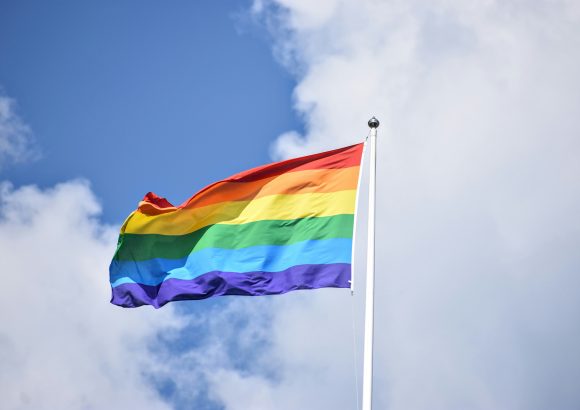
Along the entire route, participants waved rainbow pride flags and colorful banners bearing demands for equal protection under Dominican law, danced to upbeat music blaring from mobile parade floats, and chanted collective calls for greater societal acceptance and legal equity for LGBTIQ+ people across the country. In a show of official cooperation, uniformed officers from the Dominican National Police were deployed along the entire parade route to manage crowd control and provide security for participants, preventing potential disruptions to the event.
In statements ahead of the demonstration, event organizers with REVASA emphasized that the Pride Caravan is far more than a celebratory gathering: it is a intentional political action designed to push for broader systemic change. Organizers noted that the core goals of the 2024 event remain focused on building widespread public respect for LGBTIQ+ people, dismantling systemic and societal exclusion, and securing full, equal legal rights for all queer Dominicans, many of whom still face widespread discrimination in employment, housing, healthcare, and public life across the country.