博客

  • CARPHA Inaugurates Regional Emergency Operations Centre to Strengthen Caribbean Health Security

    CARPHA Inaugurates Regional Emergency Operations Centre to Strengthen Caribbean Health Security

    On July 3, 2026, leaders from the Caribbean region and the European Union gathered at the Caribbean Public Health Agency (CARPHA) headquarters in Port of Spain, Trinidad and Tobago, to mark a historic step forward for regional public health resilience: the official inauguration of the CARPHA Regional Emergency Operations Centre (CREOC). Built to address longstanding gaps in cross-border emergency response for the Caribbean’s network of small island developing states, the new hub is set to transform how the region prepares for, coordinates, and recovers from public health crises of all kinds.

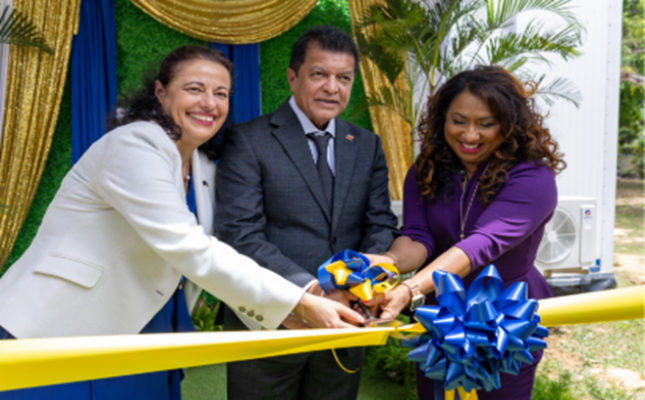
    Funded entirely by the European Union through the 11th European Development Fund Programme for Health Security Strengthening, the CREOC will serve as the central coordination nerve center for public health emergency action across CARPHA’s 26 member states. The inauguration ceremony was led by three key stakeholders: Trinidad and Tobago’s Minister of Health, the Honourable Dr. Lackram Bodoe; EU Ambassador to Trinidad and Tobago, Her Excellency Cécile Tassin; and CARPHA Executive Director Dr. Lisa Indar.

    Speaking at the event, Dr. Bodoe emphasized that 21st century public health threats cannot be tackled by any single nation acting alone, regardless of economic capacity. “Health security is a shared responsibility,” he noted. “Our strength lies in partnership.” This framing echoes the core philosophy that guided the creation of the regional hub, which was designed to leverage collective capacity across the Caribbean’s interconnected nations.

    Dr. Indar expanded on the unique vulnerability that makes the CREOC a critical investment for the region. As a collection of small, closely linked island developing states, the Caribbean faces an elevated risk of rapid cross-border spread of public health threats, from infectious disease outbreaks to climate-driven disasters. “This Emergency Operations Centre will strengthen our ability to detect threats early, coordinate regional action and protect the health security of our people,” Dr. Indar explained.

    Ambassador Tassin reaffirmed the EU’s long-term commitment to Caribbean health resilience, framing the new centre as more than just a physical infrastructure project. “This Centre represents something much larger: the Caribbean’s determination to work together, to strengthen regional health security, and to protect its people through solidarity, preparedness and shared expertise,” she said.

    Designed to meet the strict standards of the World Health Organization’s Public Health Emergency Operations Centre Framework, the CREOC has been classified as a Type C facility — the highest tier of operational capability in the WHO classification system. This top-tier designation means the hub is equipped to coordinate large-scale, multi-country public health emergencies, while also providing targeted support to national emergency operations centres across every Caribbean nation.

    A range of cutting-edge tools built specifically for the Caribbean context power the CREOC’s operations. At its core is CARPHA’s Regional Integrated Early Warning Surveillance and Response System (RIEWSS), a customized surveillance platform that enables earlier detection of emerging threats, clearer shared situational awareness, and faster, evidence-based response coordination across the region. When paired with standardized timeliness metrics and cross-sector response mechanisms, the infrastructure allows for accelerated action at exactly the moment when rapid response saves lives.

    Beyond surveillance and coordination, the CREOC will fill a long-standing gap in regional emergency management by serving as a unified hub for collaboration across multiple stakeholders: national ministries of health, national disaster management agencies, regional intergovernmental bodies, and global international partners. The hub will also coordinate deployment of specialized technical response teams, manage cross-border emergency logistics, streamline consistent risk communication to the public, and maintain a shared real-time operational picture of evolving crises for all involved parties.

    The design and development of the CREOC draws directly on hard-won lessons from recent crises that have tested the Caribbean’s response capacity over the past decade. These include the global COVID-19 pandemic, recurring widespread dengue outbreaks, and extreme climate events including Hurricanes Melissa and Beryl — all of which highlighted just how critical coordinated regional action is to reducing harm and saving lives.

    To adapt to crises of any scale, the CREOC operates on a scalable activation model. It can run routine surveillance and monitoring during low-risk periods, and rapidly scale up to full regional emergency activation as a situation evolves. The hub is built to respond to a wide range of public health events, including infectious disease outbreaks, extreme weather events that create secondary public health risks, environmental and chemical incidents, mass gatherings, and any other event that carries cross-regional or global public health implications.

    The establishment of the CREOC also advances Caribbean nations’ compliance and implementation of the International Health Regulations (2005), by boosting regional surveillance capacity, improving information management systems, strengthening cross-border coordination, and raising overall operational readiness for emerging threats.

    For CARPHA, the inauguration of the CREOC reinforces the agency’s ongoing commitment to advancing collective regional health security, ensuring that all Caribbean member states are better prepared to face the current and future public health challenges that lie ahead.
  • Duggins Hails Cooperatives as Key to Food Security, Economic Growth and Peace

    Duggins Hails Cooperatives as Key to Food Security, Economic Growth and Peace

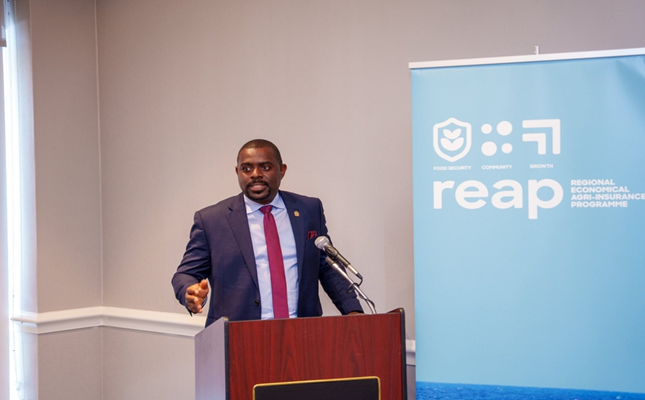
    BASSETERRE, St. Kitts – On July 3, 2026, Samal Duggins, Minister of Cooperatives and Agriculture of St. Kitts and Nevis, aligned with the nation to mark the 104th International Day of Cooperatives, centering the global observance’s 2026 theme “Cooperatives for a Peaceful World” to spotlight the outsize role cooperative movements play in the federation’s development. In his official address marking the occasion, Duggins pushed back against the narrow framing of peace as merely the absence of conflict, arguing that durable, meaningful peace is rooted in equitable opportunity for all people to advance their well-being. He explained that peace takes root when community members can secure steady incomes, care for their households, have a voice in local decision-making, and collaborate to lift up shared spaces – all core values that form the founding mission of cooperative organizations. “Here in St. Kitts and Nevis, cooperatives continue to demonstrate the transformative power of collective action,” Duggins noted in his remarks. The minister detailed the far-reaching impact of cooperatives across multiple critical sectors of the federation’s economy, from agriculture and agro-processing to fisheries, community savings initiatives, and youth development. Duggins emphasized that these member-led organizations do more than drive individual economic gains: they strengthen household livelihoods, boost national food security, and build more resilient communities that can withstand local and global economic shocks. Duggins pointed specifically to three standout cooperative segments that have delivered exceptional value to the federation: agricultural cooperatives, fisheries cooperatives, and the country’s school-based junior saving cooperative program. The youth-focused initiative, he explained, is cultivating a new generation of leaders who embody responsible financial habits, entrepreneurial spirit, and a commitment to collective community good. As St. Kitts and Nevis works toward its national vision of becoming a leading Sustainable Island State, Duggins reaffirmed that cooperatives will remain an indispensable strategic partner. The movement advances core national goals including shared widespread prosperity, broader economic resilience, inclusive democratic participation, and grassroots community empowerment, he said. To support the continued growth of the cooperative sector, Duggins confirmed the St. Kitts and Nevis government remains fully committed to strengthening the movement through targeted investments in modernization, cooperative education, and workforce capacity building. He revealed that the Ministry of Cooperatives and Agriculture is currently advancing work on a landmark new Cooperative Act, a legislative update designed to create a flexible, supportive regulatory framework that positions the sector for long-term, sustainable growth. Closing his address, Duggins extended sincere gratitude to the thousands of cooperative members, volunteer leaders, and community supporters who dedicate time and energy to advancing the movement and advancing national development. “Together, let us continue to embrace the values of cooperation, solidarity, and shared responsibility as we build a stronger, more inclusive, and more peaceful St. Kitts and Nevis,” he said.

  • Antigua & Barbuda Names National Teams For 2026 Ecva U20 Beach Volleyball Championship

    Antigua & Barbuda Names National Teams For 2026 Ecva U20 Beach Volleyball Championship

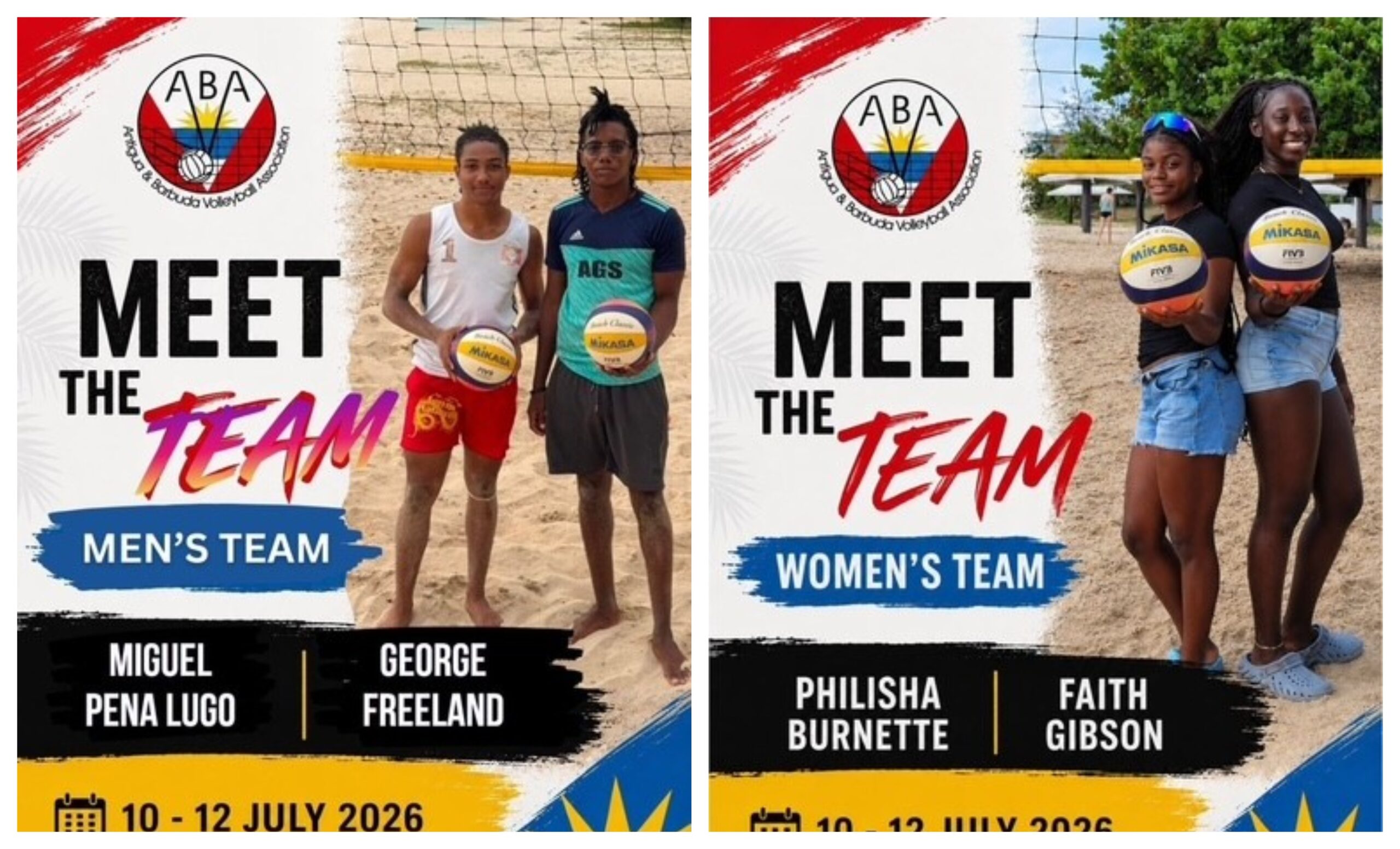
    The Antigua & Barbuda Volleyball Association (ABAVA) has made an official announcement confirming the rosters of male and female under-20 national beach volleyball teams that will carry the nation’s flag at the 2026 Eastern Caribbean Volleyball Association (ECVA) Under-20 Beach Volleyball Championship. The regional tournament is scheduled to take place from July 10 to 12, 2026, hosted by Saint Kitts & Nevis.

    All selected athletes are widely regarded as the most promising rising talent in Antigua & Barbuda’s beach volleyball pipeline, having secured their spots on the national team through unwavering commitment to the sport, rigorous consistent training, strong on-court performance and proven technical proficiency.

    On the men’s side, the partnership features George Freeland and Miguel Peña-Lugo, led by head coach Jamarie James. Freeland brings valuable high-level senior international experience to the squad, having already competed for Antigua & Barbuda at the 2026 ECVA Senior Beach Volleyball Championship earlier this year. Across all his international outings, he has consistently displayed the technical skill, mental maturity and on-court composure required to deliver strong results against top regional competition. Teammate Peña-Lugo boasts an impressive track record of regional competition, having represented Antigua & Barbuda at three straight editions of the ECVA Under-21 Beach Volleyball Championship. His repeated selection to national teams underscores both his relentless dedication to the sport and the competitive edge he has built through years of cross-regional match play. Combined, Freeland and Peña-Lugo form the most experienced, competition-ready men’s duo available for selection to the tournament, bringing pre-existing on-court chemistry, sharp tactical awareness and extensive regional exposure to the Championship.

    For the women’s team, rising players Philisha Burnette and Faith Gibson will represent the nation, under the guidance of head coach Rosemarie Simon. Burnette previously earned valuable international experience competing for Antigua & Barbuda at the 2025 U18 NORCECA Beach Volleyball Tour, where she tested her skills against some of the strongest junior talent across the Caribbean region. Though Gibson is relatively new to the elite beach volleyball circuit, she has quickly stood out through her exceptional natural athleticism, solid foundational technique, willingness to learn from coaching, and relentless drive to improve as a player. Throughout the national pre-tournament preparation camp, she has showcased all the core attributes needed to compete at the regional level, while continuing to build critical international competitive experience. ABAVA officials note both young women have demonstrated clear potential to represent Antigua & Barbuda with confidence and professionalism as they advance through the national development program.

    In the lead-up to the July championship, all selected athletes have completed a structured national training program crafted to refine technical execution, boost tactical decision-making, strengthen on-court communication between partners, improve overall physical conditioning, and build cohesive team dynamics ahead of the regional contest.

    ABAVA has publicly extended its sincere gratitude to the Association of National Olympic Committees of the Eastern Caribbean (ANOCES) for its critical financial and logistical support, which has made Antigua & Barbuda’s participation in the 2026 championship possible. As the national squads make their final preparations to travel to Saint Kitts & Nevis, the association has reaffirmed its full pride and support for the young athletes and their coaching staff, who are set to face off against the top junior beach volleyball talent across the Eastern Caribbean. The selection of each athlete, ABAVA notes, is a testament to their hard work, raw competitive potential, and willingness to carry Antigua & Barbuda’s flag with pride on the regional sporting stage.

    The association closed its announcement with its unifying mantra: One Team. One Nation. One Passion.

  • Strong Crowds and Economic Boost Mark Successful 2026 St. Kitts Music Festival

    Strong Crowds and Economic Boost Mark Successful 2026 St. Kitts Music Festival

    BASSETERRE, St. Kitts — The dust has settled on the 2026 edition of the St. Kitts Music Festival, and the Caribbean island nation’s tourism leadership is already hailing the three-day celebration of sound and culture as a resounding win, driven by surging turnout, a jump in international visitor numbers and widespread economic benefits across the country.

    Drawing a lineup of globally recognized talent, including soca superstar Machel Montano, R&B icon Boyz II Men, Grammy-winning singer Fantasia and more, the festival drew massive crowds to the island. Speaking to SKNVibes News on the sidelines of a groundbreaking ceremony for a new cruise terminal at Port Zante, Minister of Tourism Marsha Henderson confirmed the event exceeded early expectations.

    Collaboration between the Ministry of Tourism and a cohort of private sector promoters allowed teams to elevate the overall guest experience for both local attendees and international travelers. In comments on this year’s growth, Henderson noted, “We saw the crowds being very large as the festival continues to grow by leaps and bounds in terms of attendance.”

    While full, verified attendance data will not be released until a comprehensive post-event review is finalized in the coming weeks, early indicators show turnout was far higher than the 2025 edition. Attendees and organizers alike also noted marked upgrades to stage design, sound engineering and visual production that elevated the on-site experience.

    Even as organizers celebrate the event’s success, Henderson has been transparent about lingering operational challenges that detracted from the experience for some guests. The most commonly cited issues were extended delays between performances, caused by slow stage changeovers, that in one case left fans waiting between 60 and 120 minutes for the next act to take the stage. A second major complaint came from general admission ticketholders, who faced long wait times and congestion when entering the festival grounds.

    Henderson framed these growing pains as a positive problem born of the festival’s rising popularity: “So far, the main issues I have heard about are access to the venue and production. With access to the venue, we will have to go back to the drawing board because it means more people are attending the festival. We have to look at our entry and exit systems. It is a good problem to have, but it affects the overall attendee experience. We will definitely be working on that, along with the production.”

    The full official report, due to be delivered to the Ministry of Tourism in the coming weeks, will include finalized attendance counts, data on new visitor arrivals, a breakdown of the festival’s economic contribution, and a full review of operational pain points to guide next year’s planning.

    Despite the challenges, Henderson reaffirmed that the festival met every core government goal for 2026: hotels across the island reached near full occupancy for the event, airline arrivals jumped from the previous summer, and local businesses from restaurants to transportation providers saw a major boost in revenue.

    For years, the St. Kitts Music Festival has served as a cornerstone of the island’s summer tourism strategy, filling the gap during the region’s traditionally slower travel season. Major events like the festival are one of the most reliable drivers of off-peak visitor arrivals, supporting year-round employment for local tourism workers.

    Looking ahead, early planning is already underway for the festival’s 29th edition in 2027. Organizers say they will build on the momentum of 2026’s success, addressing the operational gaps from this year to deliver an even larger, more accessible, and more memorable experience for attendees in 2027.

  • White Paper: Government Wants U.S. Visa Restrictions Lifted Before Accepting Deportees

    White Paper: Government Wants U.S. Visa Restrictions Lifted Before Accepting Deportees

    Against a backdrop of ongoing bilateral migration talks with Washington, the Government of Antigua and Barbuda has laid out its non-negotiable terms for any cooperation on accepting third-country deportees expelled from the United States, demanding the removal of broad, blanket visa restrictions imposed on its citizens as a core reciprocal benefit for its participation.

    The formal stance of the Caribbean nation is detailed in a newly published government White Paper, which frames talks around the country’s longstanding friendly ties to the U.S. while making clear that goodwill alone is not enough to justify Antigua and Barbuda taking on responsibility for people who hold no citizenship or connection to the country. The document articulates a clear principle: if Antigua and Barbuda is asked to adjust its policies to accommodate U.S. migration enforcement goals, any resulting arrangement must deliver measurable, proportional benefits aligned with the Caribbean nation’s domestic priorities and national interests.

    At the top of the list of required concessions is the elimination of the blanket visa restrictions that currently apply to all Antiguan and Barbudan travelers. The White Paper explicitly acknowledges the U.S.’s sovereign right to reject individual visa applications from applicants it deems ineligible, but emphasizes that sweeping, nationwide restrictions cannot remain in place if Antigua and Barbuda is expected to take on the burdens of U.S. immigration policy.

    Officials further stress that all reciprocal benefits must be codified in formal written agreements, with clear parameters that allow for objective assessment of their value. The government rejects the idea that informal promises of future favorable treatment or vague gestures of goodwill can serve as a viable foundation for such an arrangement, noting that even full financial guarantees from the U.S. do not qualify as reciprocal benefits on their own.

    The White Paper outlines strict minimum safeguards that must be put in place before any deportee transfers can move forward: the U.S. or a designated authorized agency must provide a written, binding guarantee that it will cover 100% of all costs associated with each transferred individual, including housing, healthcare, social welfare, security, administrative processing, and any future deportation or onward travel. The government categorizes these funding guarantees as non-negotiable baseline protections, not as incentives for its participation.

    In addition to its demands for reciprocal benefits, Antigua and Barbuda has rejected Washington’s potential push for a permanent standing program that would allow routine transfers of deportees to the country. Instead, the government proposes a strictly limited, case-by-case approval process, in which it retains full sovereign discretion to accept or reject any individual nominated by U.S. authorities. Under the Caribbean nation’s counter-proposal, no more than 10 individuals would be considered for transfer in 2026. After that one-year trial period, the arrangement will be re-evaluated based on the country’s on-the-ground experience, institutional capacity to absorb new arrivals, and evolving national interests.

    Officials explain that this cautious, limited approach is necessitated by Antigua and Barbuda’s unique context: it is a small island nation with a small population, severely limited public resources, and binding international legal obligations. The White Paper warns that accepting undocumented migrants who may later file asylum claims or cannot be further repatriated would expose the country to massive long-term legal and financial liabilities under international human rights and refugee conventions.

    The document notes that Antigua and Barbuda entered into these discussions out of respect for its decades-long bilateral relationship with the U.S., and in recognition of the fact that several other Caribbean nations have already struck similar agreements with Washington. Even so, the government reiterates that cooperation will not come at the cost of Antigua and Barbuda’s sovereignty or core national interests.

    In its concluding remarks, the White Paper frames the path forward: any future agreement must be lawful, strictly limited in scope, fully funded, tightly controlled, and fully aligned with Antigua and Barbuda’s sovereignty, institutional capacity, and international legal commitments. Above all, any assistance the country extends to the United States must deliver tangible, measurable benefits that improve outcomes for the people of Antigua and Barbuda.

  • Antigua and Barbuda Coach Selected for ECVA Beach Volleyball Coaches Course in St. Kitts

    Antigua and Barbuda Coach Selected for ECVA Beach Volleyball Coaches Course in St. Kitts

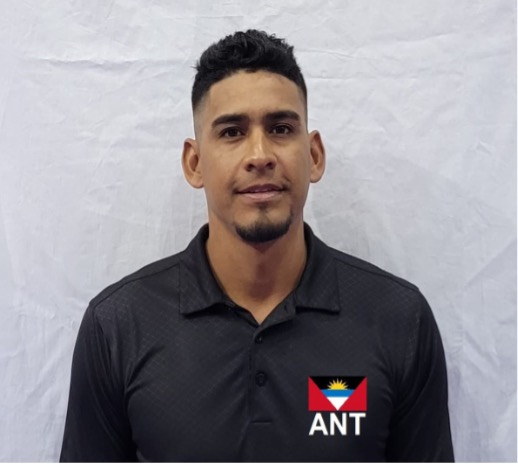
    The Eastern Caribbean Volleyball Association (ECVA) has announced the selection of a beach volleyball coach from Antigua and Barbuda to participate in its upcoming specialized training course, scheduled to take place in St. Kitts. This professional development opportunity marks a key milestone in the ECVA’s ongoing efforts to strengthen regional volleyball infrastructure and elevate the standard of coaching across the Eastern Caribbean.

    The intensive course is designed to equip participating coaches with the latest tactical knowledge, athlete management strategies, and performance analysis techniques specific to beach volleyball. It will bring together emerging coaching talent from multiple member territories across the region, creating a collaborative environment for shared learning and cross-border networking. For Antigua and Barbuda’s volleyball community, the selection represents recognition of the growing profile of beach volleyball within the nation, and a chance to bring new expertise back home to develop local talent.

    Officials from the Antigua and Barbuda Volleyball Association have welcomed the selection, noting that the training will contribute to long-term development goals for the sport at both the grassroots and elite levels. St. Kitts, as the host venue, has already completed preparations to welcome the cohort of coaches, with facilities arranged to support both theoretical instruction and on-court practical sessions throughout the duration of the program.

  • Titans Keep Three-Peat Dream Alive, Set Up Championship Clash with Unbeaten Money Team by Brent Simon

    Titans Keep Three-Peat Dream Alive, Set Up Championship Clash with Unbeaten Money Team by Brent Simon

    The National Pool Players Association (NPPA) is gearing up for what many analysts are hailing as the most anticipated team championship final in its modern history, after back-to-back defending champions Titans outlasted a gritty Billiard Kings side 5-3 in Monday’s semifinal clash to book their third consecutive appearance in the title decider.

    What stands between the Titans and an unprecedented three-peat of NPPA crowns is arguably the most formidable outfit of the 2024 campaign: Money Team, who enter the final riding a scintillating 19-match unbeaten run and carrying all the momentum of an undefeated season that has cemented their status as the league’s breakout powerhouse. The upcoming showdown shapes up as a classic battle of eras: a established dynasty hungry to etch its name permanently into the record books against a hungry rising force desperate to dethrone the champions and claim its own first title.

    Monday’s semifinal was a back-and-forth thriller that lived up to its playoff billing from the opening rack. The Billiard Kings got off to a flying start, with their star player nicknamed Demolition Man delivering a straight-rack sweep over Chapo to put the underdogs up 1-0 early. The two-time champions wasted no time responding, however: B.A.D, who fell to Henry in an earlier head-to-head matchup this season, turned the tables with a dominant straight-rack win of his own to level the score at 1-1. Next up, SES, who has built a reputation as the Titans’ most clutch playoff performer, lived up to his billing by dismantling Killer in two straight racks to push the defending champions ahead 2-1.

    Never willing to fold under pressure, the Billiard Kings fought back to retake the lead. Mac-10 secured a blank win over Marzack to draw the match level again, before Sniper notched a victory over Peck to put the Kings up 3-2 — marking the second time in the night that Billiard Kings held the advantage and looked poised to close out the upset.

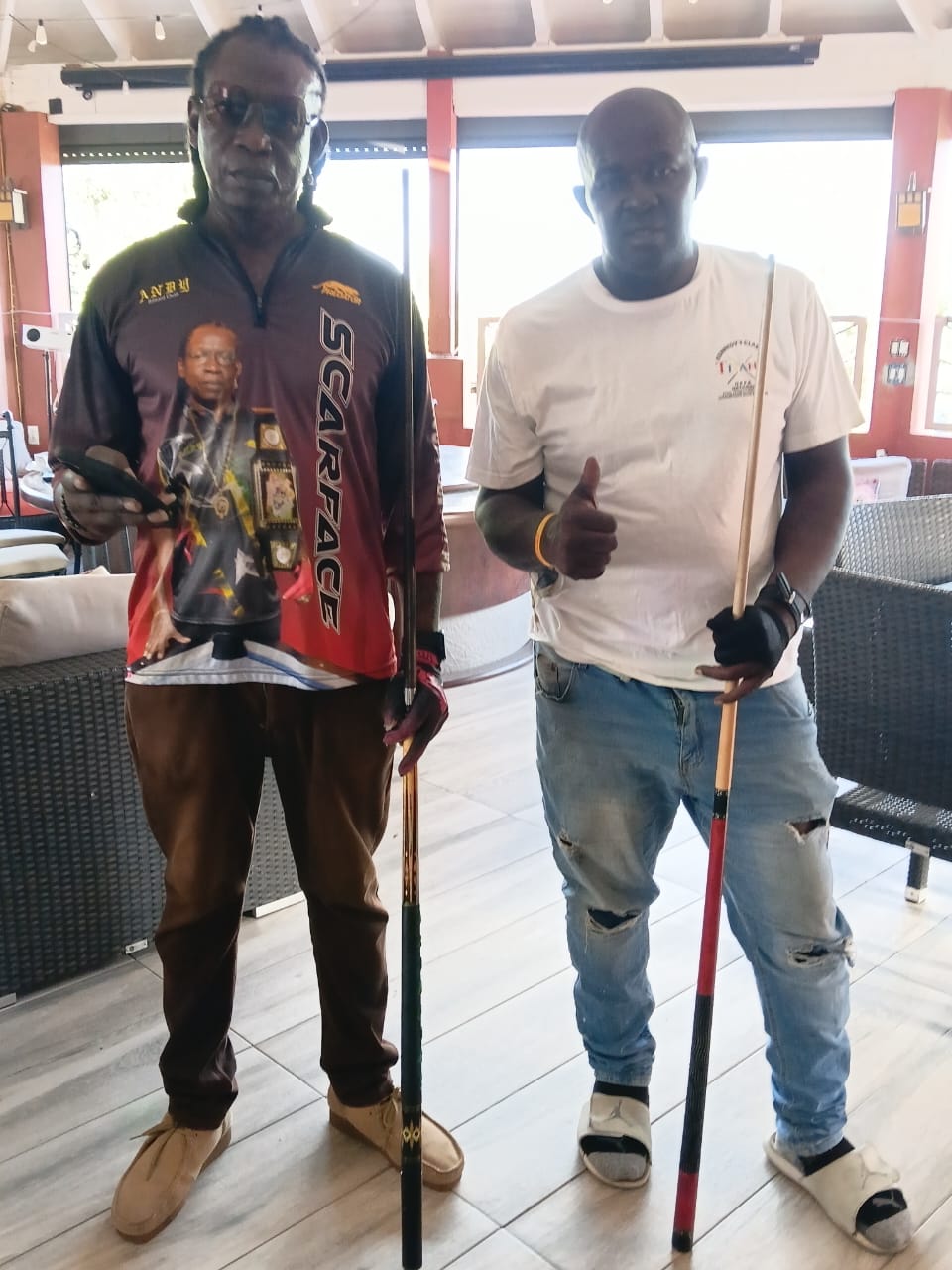
    That is when championship pedigree showed through. With the entire season hanging in the balance, Scarface delivered one of the most impressive performances of the night, dispatching Grim in straight racks to tie the match once more. The win carried extra weight: it stopped Grim from repeating the match-winning heroics that had carried the Billiard Kings to two earlier playoff victories this postseason.

    With momentum shifting firmly back in the Titans’ favor, Charbel delivered the turning point that would ultimately decide the fixture. After dropping the opening rack to Jahson, Charbel showcased ice-cold composure to rally back and take the next two consecutive racks, putting the Titans one win away from the final. That set the stage for Cue Ball Rickie, who was looking to rebound from a disappointing performance in his previous outing, to seal the deal. Rickie delivered in emphatic fashion, sweeping Metro in straight racks to lock in the decisive fifth point, securing the Titans’ spot in the final and cutting the match short before the scheduled final bout between Nalda and Tonic Man.

    Monday’s win keeps the Titans’ historic quest for a third straight NPPA title alive, a goal the team publicly declared it would achieve before the season even kicked off. But standing across the table from them is a Money Team side with its own lofty ambitions. Unbeaten through 19 straight matches, Money Team has emerged as the undisputed team to beat this season, and has made clear it has no plans to let the Titans’ dynastic run continue. Its flawless campaign has been built on unwavering consistency, deep roster talent, and relentless shot-making, setting up what fans and analysts alike are already calling a dream final.

    The question on every pool fan’s mind heading into the decider is simple: Will the Titans’ years of big-match experience and championship pedigree be enough to deliver the historic three-peat? Or will Money Team cap a perfect season by ending the defending champions’ reign and write its own first chapter of NPPA glory? One side will leave the final with its legacy strengthened; the other will see its title dreams dashed.

    Before the main event kicks off, the Billiard Kings will face off against Cue Action in the third-place playoff starting next Monday, as both sides compete for the final spot on the season’s podium. Fans can catch every shot of the NPPA Team Championship Final live on TikTok via the account @The Cueshop_268, to watch the league’s biggest rivalry of the season unfold in real time.

  • Temporary traffic delays expected at Moliniere on Friday, 3 July

    Temporary traffic delays expected at Moliniere on Friday, 3 July

    Grenada’s National Water and Sewerage Authority (Nawasa) has issued a public advisory alerting residents and commuters to upcoming large-scale concrete pouring operations at the Moliniere Reservoir construction site, scheduled for Friday, 3 July 2026. This work is a core milestone for Lot 1 of the transformative Southern St George Water Supply Expansion Project (SSGWEP), a national infrastructure initiative aimed at upgrading the island’s water access network.

    As a critical step in building the new, expanded reservoir, the operation will require a constant stream of heavy ready-mix concrete trucks traveling to and from the work zone throughout the workday. This increased heavy vehicle traffic will lead to temporary slowdowns and delays for motorists and other road users traveling through the Moliniere area, expected to last from approximately 8:30 a.m. to 3:30 p.m. on the day of the pour.

    To mitigate safety risks and keep traffic moving as smoothly as possible, the Royal Grenada Police Force (RGPF) will deploy on-site personnel to manage traffic flow throughout the entire construction operation. Nawasa has issued a set of clear guidance for road users planning to travel through the area: all commuters are asked to exercise extra caution when passing the work zone, follow all directions issued by police and on-site traffic management staff, build extra time into their travel itineraries to account for delays, and consider using pre-planned alternative routes if those options are convenient for their trip.

    The Moliniere Reservoir expansion is not an isolated project: it forms a key part of the broader SSGWEP, which receives full funding from the UK Caribbean Infrastructure Fund (UKCIF). Once completed, the initiative will deliver long-term upgrades to Grenada’s core water infrastructure, drastically boosting the reliability and climate resilience of the island’s water supply network for thousands of residential and commercial customers across the Southern St George region.

    In closing the advisory, Nawasa extended a sincere apology for the temporary inconvenience that the traffic disruptions will cause for local residents and passing commuters. The authority also thanked the public for their ongoing patience, understanding and cooperation as it works to deliver this high-priority national infrastructure project that will benefit communities for generations to come.

  • Gov’t racked up $11.8m fuel tab to shield consumers, PM tells Parliament

    Gov’t racked up $11.8m fuel tab to shield consumers, PM tells Parliament

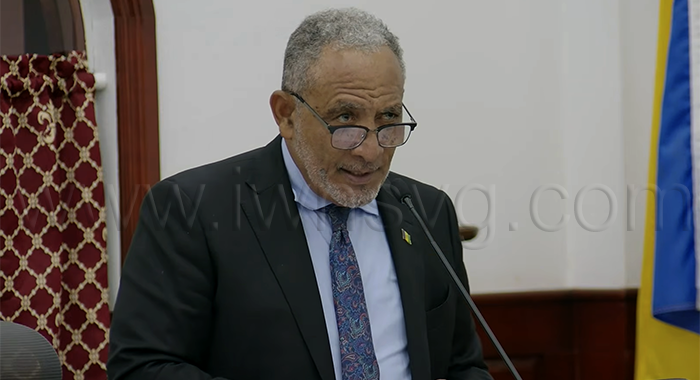
    In a tense parliamentary session this week, St. Vincent and the Grenadines Prime Minister Godwin Friday has clarified that the government’s EC$11.8 million net outstanding debt to two major domestic fuel suppliers is the direct fiscal cost of a deliberate policy to protect ordinary citizens from the full impact of skyrocketing global oil prices driven by ongoing geopolitical instability.

    Responding to questions from Opposition Leader Ralph Gonsalves, Friday explained that the accumulated liability to suppliers Sol EC Ltd. and Rubis West Indies Ltd. has formed under the country’s long-standing bonus-malus fuel price stabilization mechanism, a regulatory framework designed to smooth out sharp swings in domestic pump prices for consumers.

    Breaking down how the system operates, Friday told the House of Assembly that the arrangement applies exclusively to dutiable sales of gasoline and diesel, excluding aviation fuel and liquefied petroleum gas. Under the framework, fuel importers first submit a detailed price build-up (PBU) — a full breakdown of all costs including freight, insurance, import duties, taxes and the company’s operating margin that sets the supplier’s actual wholesale price — to the Ministry of Finance, which then forwards the documentation to the Customs and Excise Department for review.

    Each month, importers prepare bonus-malus statements comparing their actual wholesale price to the government’s regulated wholesale price, set under the Price Distribution of Goods Act. If a supplier’s actual price comes in below the government’s set price, the difference is paid to the government as a “bonus”. When the supplier’s actual cost exceeds the regulated price, the government must reimburse the difference to the company — a “malus” that counts as a liability for the state. Over time, these monthly credits and debits are netted to determine whether the government or the supplier owes an outstanding balance.

    Friday presented detailed account figures updated through April 30, 2026, revealing a stark divergence between the two licensed importers. For Rubis West Indies Ltd., a surplus of EC$6,681,793 carried over from the end of 2025, combined with a January 2026 bonus of EC$125,103.04, offset malus charges recorded between February and April 2026 totaling EC$3,638,345.56. This leaves Rubis with a net credit of EC$3,168,551.22 payable to the government as of the end of April.

    The situation is drastically different for Sol EC Ltd., where the government’s outstanding liability has grown rapidly in the first four months of 2026. Starting with a debt of EC$6,398,540.94 at the end of 2025, every month from January to April 2026 brought new malus charges, as regulated prices remained far below Sol’s rising wholesale costs. As of April 30, 2026, the government owes Sol a total of EC$15,022,621.67.

    When the balances of both companies are combined, the government holds a net liability of EC$11,854,070.45 — approximately EC$11.8 million — to the two fuel suppliers.

    Friday tied the rapid growth of this malus liability to ongoing global market volatility, specifically citing the Gulf war as the primary external driver of spiking landed fuel costs. He explained that rather than passing the full burden of international price increases directly to consumers through immediate pump price hikes, the government chose to absorb a portion of the higher costs through the bonus-malus framework, only passing a partial increase to domestic consumers to avoid excessive financial hardship for households.

    “That $11.8 million effectively is what the government has been holding the price down, in a sense, and subsidising the public,” Friday told lawmakers. He added that while the policy has shielded Vincentian consumers from the worst of global oil shocks, neither the government nor the private fuel importers can absorb these elevated costs indefinitely if global oil prices remain volatile.

    “The longer the war goes on, the more volatile the oil price situation becomes. The greater hardship it imposes on all of us, not just in St. Vincent and the Grenadines, but all over the world,” he said.

    The parliamentary exchange grew tense when Gonsalves pressed Friday for projections of malus costs for May and June 2026, which he suggested could match or exceed April’s high figures, and asked for clarification on the pricing benchmark the government uses to set its regulated wholesale price. Friday rejected the request for future projections, noting that Parliament does not address hypothetical scenarios, and that no final figures for the two months are yet available.

    “When we have those facts at our disposal, we’ll make a facts-based decision,” he said. Gonsalves pushed back, arguing his question focused on the pricing benchmark rather than speculative future figures, but House Speaker Ronnia Durham-Balcombe ruled that the Prime Minister had already responded and ordered parliamentary business to move forward.

  • Overseas-based basketball personalities attend Bequia youth camp

    Overseas-based basketball personalities attend Bequia youth camp

    On the Clive Tannis Hard Court in Port Elizabeth, a grassroots basketball development initiative is quietly but steadily growing: the Bequia Basketball Association (BBA)’s weekly youth basketball camps, which have drawn young athletes from across the island to build fundamental skills, strengthen collaborative teamwork, and foster a lasting passion for the sport. Organization leaders have expressed clear satisfaction with the consistent progress the program has made in nurturing local talent.

    The most recent Sunday session stood out as a particularly memorable gathering, thanks to the attendance of three high-profile Vincentian basketball personalities. The guest group included Craiglee Sam, a Vincentian coach based in Taiwan who founded the Breakthrough Basketball Academy; Austin Derrick, a player who has built a professional career competing in leagues across Taiwan and Hong Kong; and Shem Ollivierre, a referee officially certified by the International Basketball Federation (FIBA).

    In an official press statement, the BBA shared deep gratitude for the three guests, noting that their willingness to share hard-earned expertise and mentor young participants has been a powerful inspiration for the next generation of Bequia’s basketball hopefuls. The session also received a notable visit from Prime Minister Godwin Friday, who toured the camp to observe young players’ progress firsthand and publicly voiced his support for the program’s ongoing expansion.

    Beyond the visiting guests, the BBA also extended sincere recognition to its core team of dedicated local volunteer coaches, who commit their personal time each week to run the camps. The group includes Kelan Edwards, Denroy Hutchins, Keithroy Lavia, and Jermaine John. The association highlighted John in particular: this July, he will step onto the regional stage as a member of St. Vincent and the Grenadines’ Men’s Senior National Basketball Team, competing in the FIBA AmeriCup 2029 Caribbean Pre-Qualifiers hosted in Guyana.

    The BBA also expressed thanks to key program volunteers Diane King and Alana Phillips, as well as former player Adonal Foyle, who generously donated new basketball jerseys for the young camp participants.

    As the association makes final preparations for the 24th Annual Bequia Basketball Tournament, organizers are preparing to split current camp participants into competing teams, giving the young athletes the chance to gain valuable real-game experience by taking part in the iconic local event. Beyond the tournament, the BBA has also planned an upcoming referee training workshop, designed to cultivate a new cohort of local officials and reinforce the long-term sustainability of basketball development across Bequia.

    From its grassroots youth camps to professional development for officials and elite regional competition, the Bequia Basketball Association reaffirmed its ongoing commitment to creating accessible, life-changing opportunities for young people through sports. Organization leaders say they are eager to watch the youth program continue to expand, empower more young athletes, and deliver lasting success for the Bequia community.