博客

  • ABWU President Raises Concern Over Carnival Sick Leave Abuse

    ABWU President Raises Concern Over Carnival Sick Leave Abuse

    As Antigua and Barbuda prepares for its annual Carnival festivities, the head of the nation’s largest labor organization has sounded the alarm over a persistent pattern of misuse of employee sick leave benefits, urging workers to uphold integrity when accessing this critical workplace protection.

    Kem Riley, president of the Antigua and Barbuda Workers’ Union (ABWU), delivered the warning during his address at the union’s 59th Annual Delegates Conference, where leadership gathered to review labor priorities and workplace challenges across the country. Riley noted that union representatives have documented a clear upward trend in unscheduled absenteeism and fraudulent sick leave claims that coincide directly with the popular Carnival celebration, a peak cultural event that draws widespread participation from workers across all sectors.

    In his remarks, Riley emphasized that the union’s position does not undermine support for workers with genuine health needs. He reiterated that employees facing illness deserve full protection from employer retaliation, and should never face victimization or disciplinary action for taking necessary leave to recover from medical conditions. “Genuine illness must never become grounds for victimization,” Riley stressed to conference delegates. “However, at the same time, workers must understand that sick leave is a benefit intended only for legitimate illness.”

    Riley framed the sick leave debate as part of a broader principle of balanced workplace accountability, a core theme of the union’s 2024 policy agenda. He made clear that the ABWU remains unwavering in its commitment to defending workers against unfair labor practices, including unlawful dismissal, targeted victimization, systemic discrimination, unjustified administrative suspension, and unfair redundancy processes. At the same time, he acknowledged that employers hold legitimate operational interests that require cooperation from the workforce, and workers must be held accountable when they fail to uphold their contractual and professional responsibilities.

    “We are not asking for workers to be above accountability,” Riley said. “We are asking for accountability to be fair, consistent and just.”

    Outlining the union’s standards for equitable workplace discipline, Riley said any internal investigation into employee misconduct must be conducted in good faith, workers must be granted full opportunity to respond to formal allegations against them, and any resulting disciplinary action must be proportionate to the infraction in question. Ultimately, he argued, a functional, fair workplace relies on shared obligations from both parties: employers must uphold the legal and human rights of their staff, while workers have a responsibility to use workplace benefits — including sick leave — only for their intended purpose.

    Riley added that mutual trust and reciprocal respect between employees and employers form the foundation of productive work environments, and responsible use of benefits like sick leave is a key part of maintaining that balance, even during the country’s most popular cultural celebrations.

  • Pacific Hurricane Activity Ramps Up

    Pacific Hurricane Activity Ramps Up

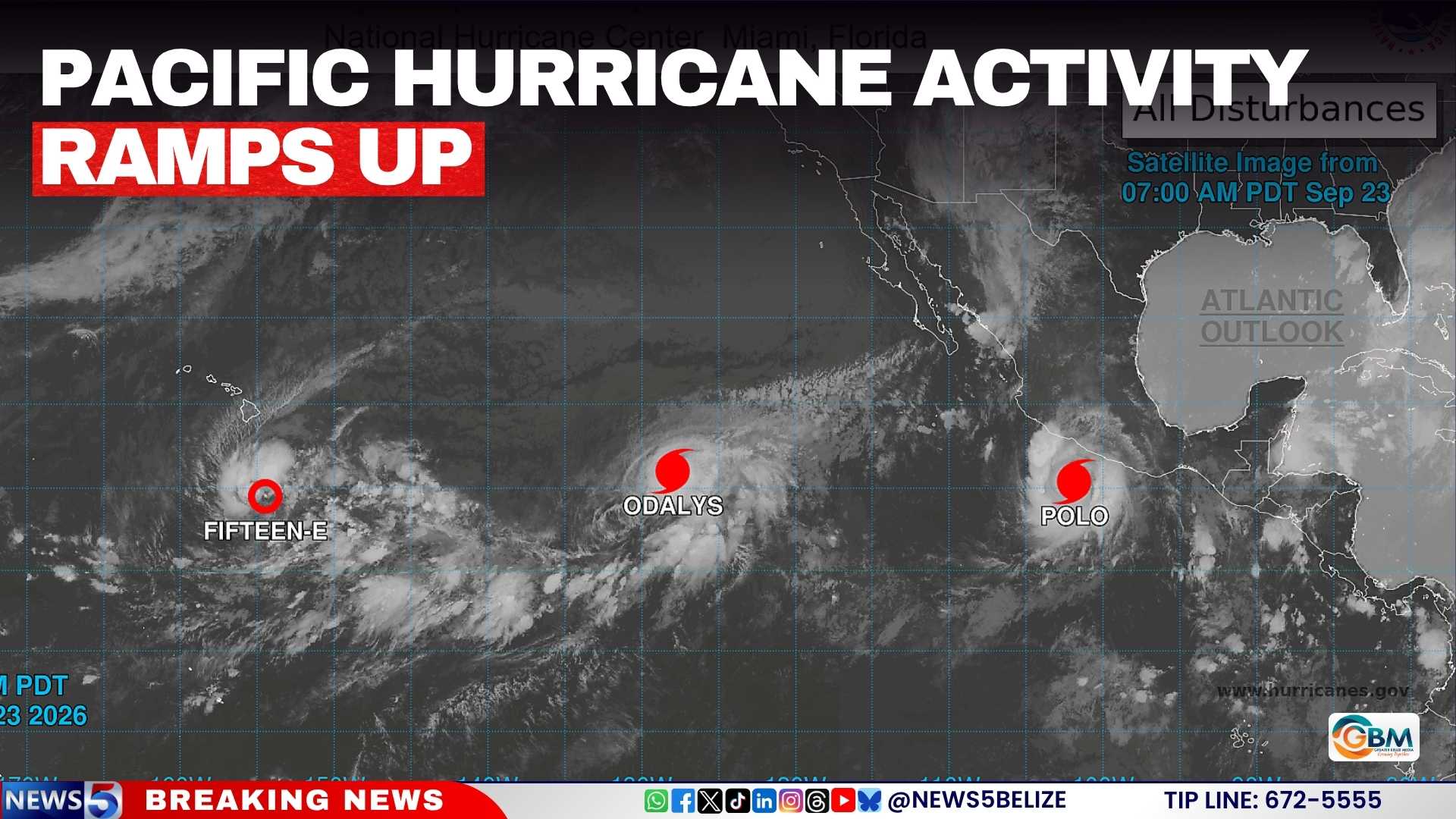
    As the 2026 Pacific hurricane season enters a period of heightened activity, Hurricane Polo has emerged as the most significant weather threat off Mexico’s southwestern coast, even after a slight reduction in intensity. The US National Hurricane Center (NHC) confirmed in its Wednesday update that the storm was downgraded from an extremely dangerous Category 5 to Category 4, but it still retains enough power to pose severe risks to coastal communities in southern Mexico.

    As of the latest advisory, Polo is currently situated hundreds of miles offshore from southern Mexico, making it one of four active weather systems that forecasters are actively monitoring across the eastern and central regions of the North Pacific. The storm is projected to track slowly along a west-northwest path over the coming days. While Mexican President Claudia Sheinbaum confirmed Tuesday that current models do not show Polo making a direct landfall along the Mexican coast, she has urged all residents across Pacific coastal zones to maintain high alert and follow official guidance closely.

    Forecasters have issued urgent warnings about the extreme precipitation risks the storm will bring to parts of western Mexico, particularly the states of Jalisco, Colima and Michoacán. Torrential downpours are expected to trigger life-threatening flash flooding and mudslides, with the greatest danger concentrated in steep, mountainous areas of these states. Total rainfall across affected regions is forecast to reach 15 centimeters, with isolated pockets seeing as much as 20 centimeters of accumulation, which is well above threshold for dangerous flood events.

    Just one day before its downgrade, Polo underwent explosive intensification to reach Category 5 strength, when a NOAA Hurricane Hunter research aircraft flew through the storm’s core on Tuesday and measured sustained wind speeds of nearly 285 kilometers per hour (180 miles per hour), with even more powerful gusts recorded near the storm’s eye.

    Meteorologists and climate scientists point to a record-breaking El Niño event as the primary driver of Polo’s rapid intensification and the heightened overall Pacific hurricane activity this season. Unusually warm sea surface temperatures, a hallmark of strong El Niño, are providing abundant energy to power storm development. On September 19, NOAA recorded average sea surface temperatures in the central-eastern Pacific hitting 3.05°C above the long-term average, surpassing the previous record set during the intense 2015 El Niño event. NOAA notes that current atmospheric and oceanic conditions remain “very conducive” for Polo to regain strength in the coming days as it moves across warm Pacific waters.

    Polo is not the only active storm system being tracked in the region. The NHC is also monitoring Hurricane Odalys, a recently upgraded storm located far to the west-southwest of Baja California, and Tropical Depression Fifteen-E, which has re-formed hundreds of miles southeast of Hawaii’s Big Island. Forecasters also added that a new tropical system is expected to develop south of the Gulf of Tehuantepec later this week, with an 80 percent probability of it strengthening into a named storm within the next seven days.

  • Senator Kendra Beazer Represents Antigua and Barbuda at Ocean Planning Workshop in China

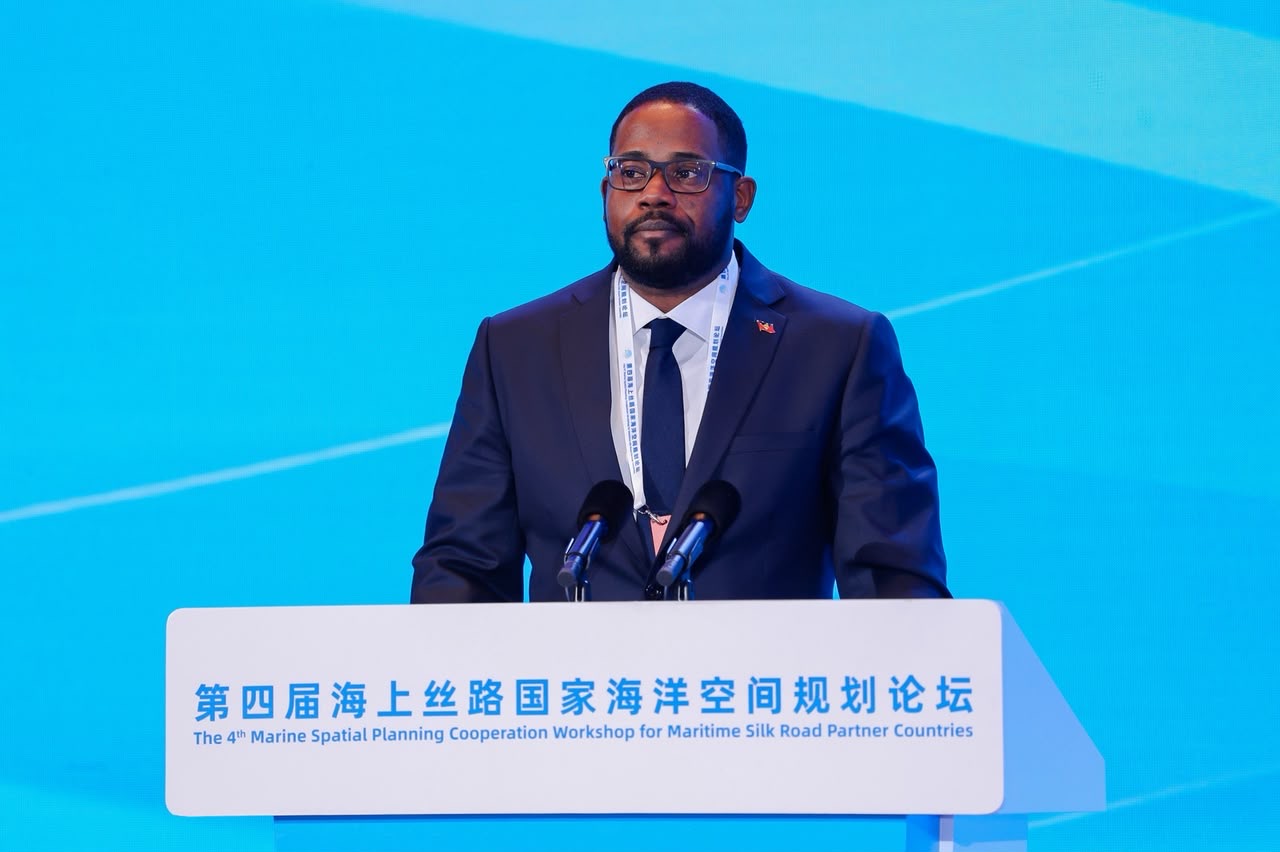
    Senator Kendra Beazer Represents Antigua and Barbuda at Ocean Planning Workshop in China

    Against the backdrop of growing global attention to sustainable ocean management, small island developing states are stepping onto the international stage to advance collaborative solutions for marine conservation and economic growth. This week, Senator Kendra Chimberlain Beazer officially represented the Caribbean nation of Antigua and Barbuda at the fourth Marine Spatial Planning Cooperation Workshop for Maritime Silk Road Partner Countries, hosted by the China Oceanic Development Foundation (CODF). The event marked a key milestone in the country’s ongoing push to cement its role as a regional pioneer in responsible ocean governance and blue economy expansion.

    The workshop brought together a diverse cohort of stakeholders, including leading ocean-focused research institutions, national government delegations, and specialized technical experts from across the Maritime Silk Road region. The core mission of the gathering was to accelerate collective progress on Marine Spatial Planning (MSP), a data-driven, science-backed framework designed to organize human activity in marine areas, cut down on conflicting uses of ocean space, and lay the groundwork for long-term ecological and economic ocean sustainability.

    During her address to workshop participants, Senator Beazer outlined the substantial gains Antigua and Barbuda has made in rolling out MSP over recent years. This progress has been underpinned by a landmark technical cooperation agreement focused on blue economy development and marine spatial planning between the Caribbean nation and the People’s Republic of China. Backed by a $14 million USD development grant, the agreement has facilitated direct on-the-ground collaboration between Antigua and Barbuda’s national agencies and China’s National Ocean Technology Centre (NOTC). This partnership has significantly boosted the country’s institutional and technical capacity to map its extensive marine resource base, protect critical underwater cultural and ecological assets, and advance strategic planning for fast-emerging blue economy sectors ranging from deep-sea aquaculture and marine wave energy to blue carbon sequestration development.

    Senator Beazer emphasized that for small island developing states like Antigua and Barbuda, which are disproportionately vulnerable to the impacts of climate change and ocean degradation, cross-border partnerships of this kind are indispensable. These collaborations not only support targeted action to protect fragile marine ecosystems but also strengthen the livelihoods of coastal communities that depend on healthy oceans for income and food security, while building overall national resilience against climate-related shocks.

    Looking ahead, Antigua and Barbuda continues to strengthen its position as a regional leader in sustainable ocean management. By strategically leveraging inclusive global partnerships, the country is advancing its core national development priorities while working to preserve its irreplaceable marine natural heritage for generations to come.

  • Free Vision Screenings Underway in Glanvilles

    Free Vision Screenings Underway in Glanvilles

    A new public health initiative focused on improving vision care access is rolling out across Glanvilles, offering no-cost eye examinations and reading glasses to all local residents aged 40 and older. The program is a collaborative effort between the island nation’s Ministry of Health, Wellness, Environment and Civil Service Affairs and the global non-profit organization RestoringVision, which works to eliminate uncorrected vision impairment in underserved communities around the world.

    Two local government ministers, Randy Baltimore, Minister of State for St Philip’s North, and Kiz Johnson, Minister of State for St Philip’s South, recently visited one of the program’s mobile screening sites to tour the facility and speak with participating residents. During their visit, both policymakers urged eligible locals to make use of this new free service, emphasizing the far-reaching benefits of clear vision for everything from daily household tasks to maintaining personal independence as people age.

    Under the terms of the program, any resident who meets the 40-year age minimum can receive a comprehensive on-site vision assessment at no charge. If the examination finds that an individual needs reading glasses to correct common age-related vision issues like presbyopia, they receive the prescription eyewear completely free of charge as well, removing financial barriers that often prevent older adults from seeking necessary eye care.

  • Magnitude 3.6 Earthquake Recorded Northeast of Antigua and Barbuda

    Magnitude 3.6 Earthquake Recorded Northeast of Antigua and Barbuda

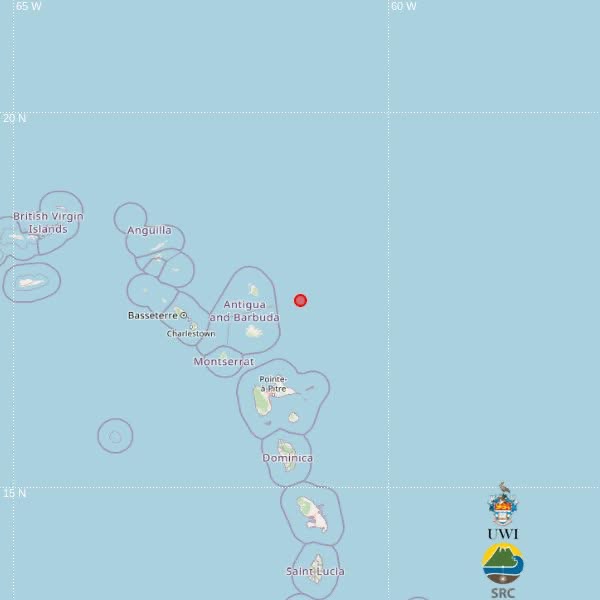
    A preliminary automatic detection from the University of the West Indies Seismic Research Centre (UWI-SRC) has confirmed a magnitude 3.6 earthquake struck the waters northeast of Antigua and Barbuda in the early afternoon of Wednesday, September 23. According to the initial readout, the seismic event began at 12:09 p.m. local time, with an estimated depth of 10 kilometers below the ocean surface. Preliminary geolocation data pins the quake’s epicenter at 17.50 degrees north latitude and 61.18 degrees west longitude. This puts the seismic center roughly 86 kilometers northeast of St. John’s, the capital city of Antigua and Barbuda. Beyond the distance from Antigua and Barbuda’s capital, the epicenter also sits approximately 138 kilometers northeast of Brades, the administrative center of Montserrat, and 144 kilometers north-northeast of Point-à-Pitre, the largest city on the French Caribbean island of Guadeloupe. As of the latest update from monitoring officials, there have been no immediate reports of structural damage, injuries, or tsunamis triggered by the seismic activity. UWI-SRC has emphasized that the current epicenter location and magnitude readings were generated automatically by computer algorithms. Finalized, verified data will be released after specialist analysts at the center complete a full manual review of the seismic readings, meaning some adjustments to the initial data are possible in the coming hours.

  • “We Will Never Bow Our Head”: Iran’s President Tells Trump at UN

    “We Will Never Bow Our Head”: Iran’s President Tells Trump at UN

    At the 2026 United Nations General Assembly held in New York on September 23, Iranian President Masoud Pezeshkian delivered a defiant address to global leaders, pushing back against escalating pressure from the United States and reaffirming Iran’s refusal to concede to external coercion.

    A central focus of Pezeshkian’s speech centered on the strategic Strait of Hormuz, a critical global waterway that carries a significant share of the world’s oil and maritime trade. He emphasized that Iran would not permit the United States or any foreign power to exploit the strait as a tool of aggression against Tehran. “We cannot let some have free access and gain their interest from a waterway while at the same time using that waterway to impose their aggressions upon us, to impose insecurity upon us, to forbid us access to our own waterways,” Pezeshkian told the assembled body.

    The Iranian leader directly rejected demands from US President Donald Trump, stating clearly that Iran would “never bow our head or bend at the knee” to external pressure. He clarified that Iran’s overture to international cooperation is not a sign of weakness, but a reflection of the nation’s confidence in its own resilience. “Iran extends her hand towards the world, we invite the world. We call the world, not out of weakness, but out of a deep belief in our own power and steadfastness to cooperate and collaborate,” he added.

    Pezeshkian’s remarks came in direct response to Trump’s address to the General Assembly one day earlier, where the US president claimed he faced a binary choice between annihilating Iran or negotiating a new deal to end ongoing hostilities between the two nations. On the sidelines of the UN gathering, US officials confirmed that American and Iranian delegations have held indirect talks through third-party mediators, though no details of the discussions have been released to the public.

    During his speech, Pezeshkian also accused the United States of ongoing aggression against Iran, noting that the Iranian people have long “been the victims of terrorism”. This portion of the address prompted the sole US delegate in attendance to walk out of the chamber in protest.

    The ongoing confrontation between the two nations has already had measurable global consequences. Maritime traffic through the Strait of Hormuz has dropped sharply since the outbreak of hostilities, exacerbating economic instability in already tense global markets and extending the impact of the bilateral conflict far beyond the Middle East. Despite this pressure, Pezeshkian insisted that Iran would not surrender to economic sanctions, military posturing, or what he framed as international bullying, repeating that Tehran remains committed to working with the global community to achieve what he called “true peace and stability.”

  • ECAB Says ATM Services Restored Following Network Outage

    ECAB Says ATM Services Restored Following Network Outage

    Customers of the Eastern Caribbean Amalgamated Bank (ECAB) can now resume normal ATM transactions after an unexpected network outage disrupted cash withdrawals, transfers and other digital banking services across the institution’s entire ATM fleet. The regional financial institution confirmed Wednesday that the technical disruption, which had locked customers out of core automated banking services for an undisclosed period, has been fully resolved.

    Before the full restoration, ECAB had issued an initial alert informing account holders of the widespread outage affecting all its ATMs. The bank noted immediately that specialized technical teams were deployed to diagnose the root cause and bring services back online as quickly as possible. During the outage, customers were directed to access routine banking services through in-branch teller operations to meet their financial needs.

    In a public statement released following the fix, ECAB extended a formal apology to its customer base for the disruption to daily financial activities. The institution also expressed gratitude to clients for their patience and understanding while technical crews worked to resolve the issue. As of the latest update, ECAB has not released any details regarding the source of the outage, leaving questions about whether the disruption stemmed from a technical failure, maintenance issue, or other unforeseen event.

    The restoration of ATM service marks the conclusion of the incident, with regular automated banking operations now fully available across all ECAB locations.

  • Caribbean leadership’s crisis of thought on school discipline

    Caribbean leadership’s crisis of thought on school discipline

    Across global political spaces, a growing, underrecognized leadership crisis has emerged: policymakers repeatedly voice concern over systemic challenges impacting marginalized groups like youth, yet almost never prioritize evidence-based, long-term solutions that address root causes. Too often, leaders default to blame-shifting, inflammatory rhetoric, and quick, punitive fixes instead of confronting deep structural, behavioral, and environmental issues that drive social problems. This pattern, critics argue, wastes public resources and undermines long-term national progress, creating cycles of harm that are far harder to reverse.

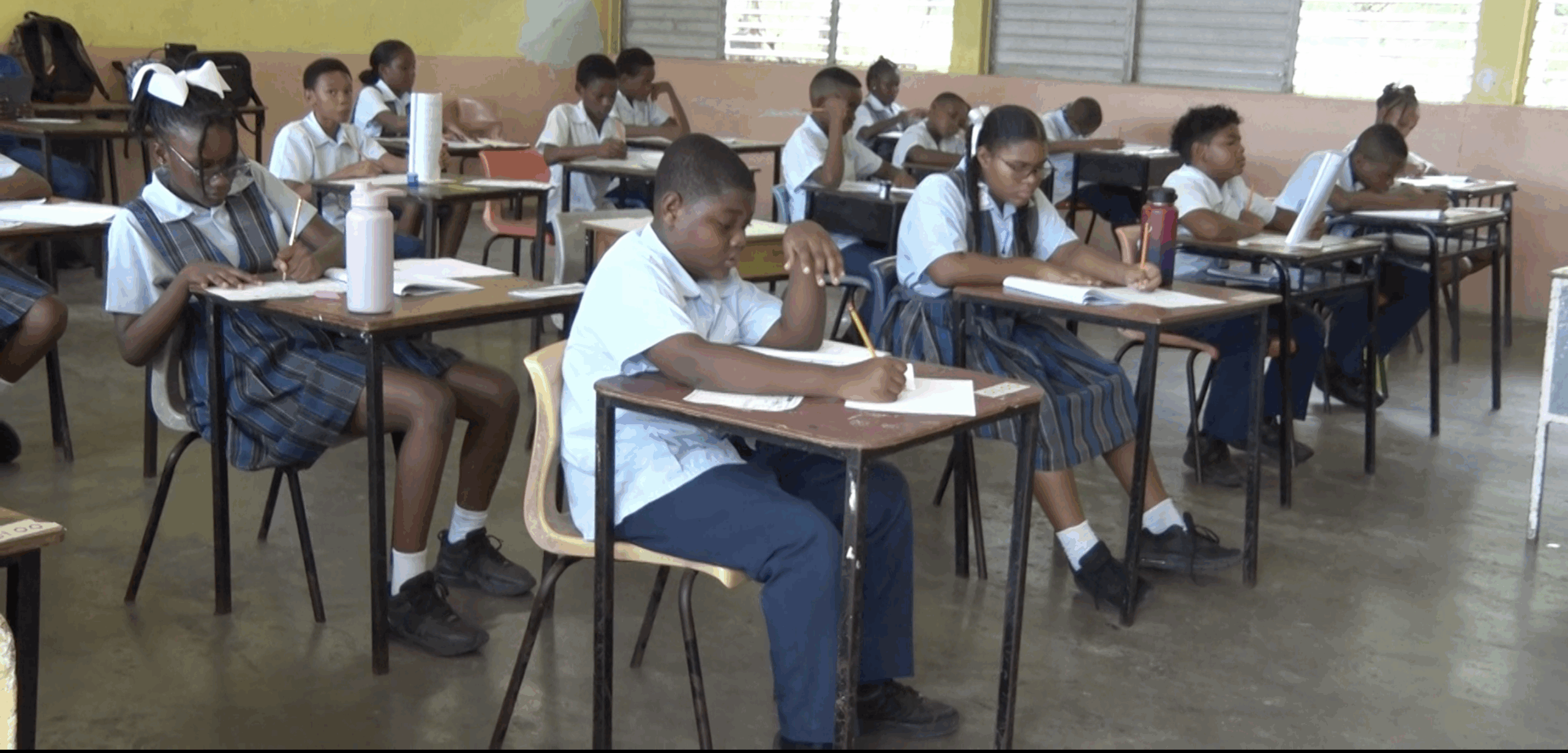
    This crisis of leadership is on stark display in recent discussions of school violence among Caribbean Community (CARICOM) prime ministers. Rather than investigating the underlying drivers of youth misbehavior and designing targeted, sustainable policy interventions, several regional leaders have pushed a simplistic, lazy solution: suspend disruptive students and send them home to be managed exclusively by their parents. One sitting prime minister went so far as to argue that educators should not waste effort supporting uncooperative students, telling schools to directly remove problematic youth and leave families to resolve the issue on their own.

    When members of the public pushed back against this approach, framing it as intellectually vacant and harmful to vulnerable youth, the prime minister doubled down on her stance. She challenged critics to take disruptive students into their own homes, framing troubled children as unwanted burdens to be shifted between institutions rather than young people in need of targeted support. While this rhetoric has resonated with overworked, frustrated teachers struggling to manage persistent misbehavior in underresourced schools, education and youth development experts emphasize it does nothing to resolve the core problem of school violence.

    Critics point out that pushing students out of school through suspension only passes the buck to families that often lack the resources, time, or support to address behavioral challenges on their own. Many Caribbean communities have weakened social support structures, and large numbers of working parents cannot take unpaid time off work to supervise suspended children. This leaves young people unsupervised in environments rife with risk: idle, out of school, and vulnerable to recruitment by gangs and other criminal networks. Far from correcting bad behavior, suspension pushes youth further away from educational opportunities and toward the cycles of violence and crime that leaders claim to be addressing.

    This failure of policy raises critical questions: what do regional leaders actually hope to achieve by expanding mass student suspension? Do they expect unsupervised children to spontaneously reflect on their actions and reform? Do they expect low-income working parents to sacrifice much-needed income to manage children at home? Or is this push simply a dog whistle for a return to outdated, discredited corporal punishment, rooted in the false belief that physical discipline solves behavioral issues? The lack of clarity around these goals underscores the fact that the policy is a knee-jerk reaction, not a well-researched solution.

    The predictable outcome of mass suspension is that large numbers of unsupervised youth will fall prey to bad actors, commit more serious offenses, and ultimately end up in the criminal justice system. What few leaders acknowledge is that this path is far more expensive to taxpayers than investing in early intervention: the CARICOM Report on Youth Development confirms that retributive, punitive policies cost regional governments far more than proactive investment in youth potential. As Dr. Ralph Gonsalves, former Prime Minister of St. Vincent and the Grenadines, has long argued, genuine leadership is not just about inspiring public support—it is about helping communities unlock their own strengths to drive inclusive national growth.

    A thoughtful, effective approach to school violence would recognize three core truths that current policy ignores. First, while the family is the primary agent of socialization for children, many parents lack access to the tools they need to navigate the complex challenges of raising adolescents in the 21st century. Rather than shaming parents for failing to manage youth behavior on their own, governments should invest in free, accessible parenting support: evidence-based parenting programs, community outreach, mental health counseling, and practical guidance on adolescent development, conflict resolution, digital literacy, and family communication. These resources should be framed as an investment in family and community well-being, not an indictment of parental failure.

    Second, youth behavior is shaped by far more than just family: digital media, peer groups, school culture, and community context all play major roles in driving misbehavior. Addressing school violence requires assessing all of these overlapping influences and developing coordinated cross-institutional solutions, not just placing all responsibility on parents. This means governments must step into its role as a facilitator of public good, creating policy that shapes the environments young people grow up in and provides support across every part of a child’s ecosystem.

    To deliver on this, schools need access to multidisciplinary teams of trained specialists: counselors, child psychologists, social workers, special education experts, and youth development professionals. These teams can identify the root causes of a child’s misbehavior—whether it stems from trauma, neglect, poverty, learning disabilities, peer pressure, gang recruitment, or substance use—and deliver targeted support rather than just removing the child from class. For the small share of students whose repeated behavior puts peers at risk, governments should develop well-resourced alternative education centers that continue academic instruction alongside counseling, anger management, restorative justice, and vocational training. The goal should be rehabilitation and eventual reintegration into mainstream education, not permanently discarding young people from the educational system.

    Leaders who frame school discipline as a binary battle between parents and schools are avoiding their own responsibility to solve the problem. A government committed to reducing youth violence must build a holistic intervention system that recognizes children exist within a web of overlapping influences, and that the state has both the authority and the duty to shape that ecosystem for the better. This means moving past suspension as the default response and implementing a graduated system of intervention: counseling, restorative justice practices, targeted parental engagement, and behavioral assessments come before any serious disciplinary action. Even when a child must be removed from the classroom for safety reasons, they should never be removed from education, supervision, and support. No suspension should be approved without a concrete intervention plan in place to address the root of the behavior.

    Governments must also recognize that schools cannot solve this problem alone. If children spend their after-school hours in communities where gangs and other harmful influences compete for their attention, policymakers must provide positive alternatives through structured, free after-school programs focused on sports, arts, music, homework support, vocational training, mentorship, and community engagement. Young people should have access to safe, enriching institutions that compete for their time, build a positive sense of identity, and nurture their aspirations, rather than leaving them vulnerable to criminal recruitment.

    Regional universities, including the University of the West Indies, should also receive sustained public funding to conduct long-term, rigorous research into the drivers of youth deviance, school violence, absenteeism, gang involvement, and other related challenges. Too often, academic research on these critical issues sits unread on library shelves, ignored by the very governments that fund the universities. Incorporating this independent, evidence-based expertise into the policy process ensures solutions are built on data, not anecdote and political posturing.

    Another often overlooked solution is supporting schools to redesign teaching and learning practices to better support at-risk students. Many young people act out in response to disengagement from outdated, unengaging curricula that do not meet their needs. Simply sending students home does not change behavior; creating inclusive, supportive school environments that keep youth engaged and connected to learning is the only sustainable path to reducing misbehavior.

    Decades of experience have shown that relying on retribution as a default response to public policy challenges does not deliver the promised results, even as politicians continue to mask its failures with misleading statistics. Instead of mandating one-size-fits-all suspension, policymakers should give school communities the flexibility and resources to develop their own context-specific solutions to misbehavior, since the most effective approaches often grow from local knowledge.

    Finally, governments must commit to ongoing accountability by measuring whether their interventions actually produce positive outcomes. Success should not be measured by how many students are suspended or expelled; it should be measured by whether school violence declines, student behavior improves, suspended youth successfully return to education, absenteeism drops, and fewer young people enter the criminal justice system.

    Ultimately, addressing school violence requires a fundamental shift from reactive punishment to proactive prevention, rehabilitation, and accountability. Early intervention when a child first starts struggling prevents far more harm than waiting until the only remaining option is imprisonment. The choice for regional governments is clear: invest now in supporting vulnerable, struggling youth, or pay far more later to lock up adults whose potential was abandoned by failed leadership.

  • Abel Martínez says there is a “mafia” behind deportations of Haitians in the Dominican Republic

    Abel Martínez says there is a “mafia” behind deportations of Haitians in the Dominican Republic

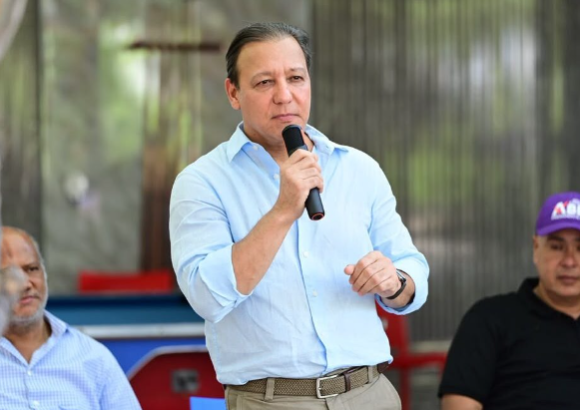
    In campaign gatherings held in Santiago de los Caballeros, Dominican Republic, leading presidential aspirant Abel Martínez has raised explosive allegations of systemic corruption surrounding the country’s ongoing deportation operations targeting undocumented foreign residents, claiming a criminal “mafia” network has infiltrated official immigration procedures to extort bribes from migrants seeking to avoid expulsion.

    Speaking during his recurring grassroots “A Coffee with Abel” outreach sessions in the Bella Vista and Yagüita del Pastor neighborhoods, Martínez addressed the issue alongside local Dominican Liberation Party (PLD) members, community leaders, and assembled supporters, outlining his stark criticisms of the current government’s handling of immigration enforcement.

    The presidential candidate emphasized that all individuals residing in the Dominican Republic without valid legal documentation should be held accountable under existing immigration law, with no exceptions made based on nationality. He pushed back against the current administration’s approach, calling for federal authorities to implement more robust, transparent, and accountable action to uphold the country’s immigration statutes, and to follow through on the public enforcement commitments officials have already made to curb irregular migration.

    Martínez also reminded attendees that he has previously backed legitimate government efforts to regulate immigration flows into the country, but stressed that lax oversight and weak controls have created openings for corruption. He warned that the Dominican Republic cannot sustain its current approach to undocumented migration, arguing that more rigorous, transparent governance of the system is long overdue.

    Martínez’s comments come amid a sweeping year of immigration enforcement by the Dominican government in 2026. Official data from the General Directorate of Migration shows that as of August 21 this year, authorities have processed more than 250,000 undocumented migrants through detention and border control facilities. Of that total, nearly 186,140 people have been deported, while an additional 64,290 have undergone formal voluntary repatriation processes.

  • MICE tourism drives higher spending and diversification in Dominican Republic

    MICE tourism drives higher spending and diversification in Dominican Republic

    SANTO DOMINGO – Business events travelers visiting the Dominican Republic for conferences, conventions, corporate meetings and other professional gatherings spend nearly three times as much during their stay as traditional leisure tourists, according to a senior industry leader.

    Aguie Lendor, executive vice president of the Dominican Association of Hotels and Tourism (Asonahores), told attendees at the opening of SDQ MICE 2026 that this segment of the tourism industry delivers outsized economic benefits to local communities and the national economy.

    Lendor explained that visitors traveling for professional events inject far greater revenue into local markets through elevated spending on accommodation, local cuisine, ground transportation, leisure activities and other hospitality services. This dynamic makes the Meetings, Incentives, Conferences and Exhibitions (MICE) sector a particularly critical growth pillar for the capital city of Santo Domingo, he added.

    Data from the Dominican Central Bank shows that for the first half of 2026, the average daily spending of all non-resident foreign visitors stood at US$179.48. Applying Lendor’s three-time spending premium for MICE travelers, that puts the average daily spending of business event visitors at roughly US$538 per day.

    While exact headcount data for MICE-specific travelers is not yet available, Lendor estimates that this segment makes up approximately 4 percent of total annual tourist arrivals to the country. Between January and August of this year alone, the Dominican Republic recorded 6,610,258 air arrivals, meaning more than 264,000 of those visitors traveled for business events based on Lendor’s estimate.

    Lendor emphasized that the expansion of MICE tourism is a core component of the national tourism industry’s strategy to diversify beyond the country’s long-standing sun-and-beach leisure model, opening new revenue streams for businesses across the island.

    He added that the MICE sector is already gaining solid traction across multiple key destinations, including the capital Santo Domingo, the second-largest city Santiago, and multiple popular spots in the country’s eastern region. Beyond direct visitor spending, the growth of MICE tourism is creating new small business opportunities across the country and strengthening local supply chains for hospitality and event services.