Across global political spaces, a growing, underrecognized leadership crisis has emerged: policymakers repeatedly voice concern over systemic challenges impacting marginalized groups like youth, yet almost never prioritize evidence-based, long-term solutions that address root causes. Too often, leaders default to blame-shifting, inflammatory rhetoric, and quick, punitive fixes instead of confronting deep structural, behavioral, and environmental issues that drive social problems. This pattern, critics argue, wastes public resources and undermines long-term national progress, creating cycles of harm that are far harder to reverse.
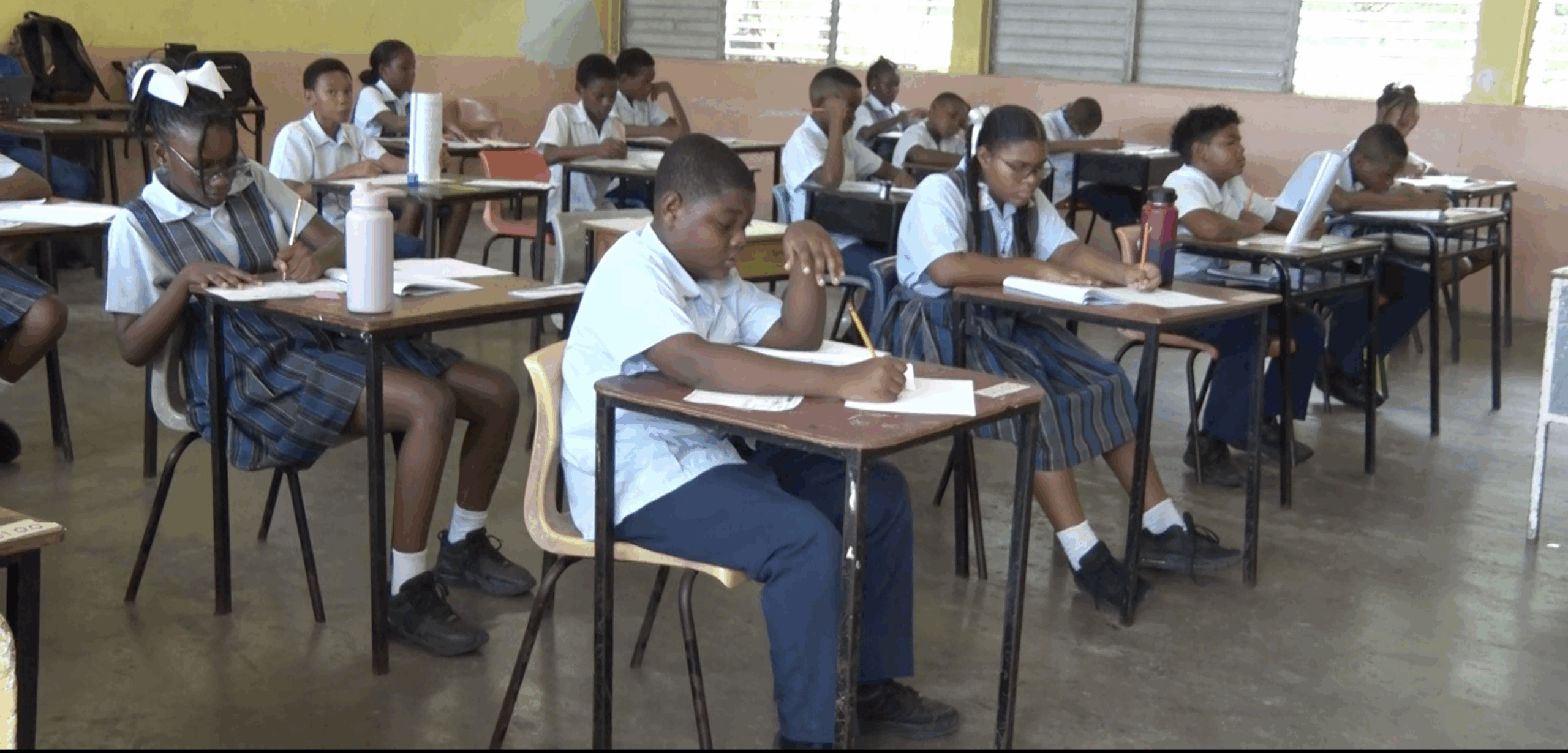
This crisis of leadership is on stark display in recent discussions of school violence among Caribbean Community (CARICOM) prime ministers. Rather than investigating the underlying drivers of youth misbehavior and designing targeted, sustainable policy interventions, several regional leaders have pushed a simplistic, lazy solution: suspend disruptive students and send them home to be managed exclusively by their parents. One sitting prime minister went so far as to argue that educators should not waste effort supporting uncooperative students, telling schools to directly remove problematic youth and leave families to resolve the issue on their own.
When members of the public pushed back against this approach, framing it as intellectually vacant and harmful to vulnerable youth, the prime minister doubled down on her stance. She challenged critics to take disruptive students into their own homes, framing troubled children as unwanted burdens to be shifted between institutions rather than young people in need of targeted support. While this rhetoric has resonated with overworked, frustrated teachers struggling to manage persistent misbehavior in underresourced schools, education and youth development experts emphasize it does nothing to resolve the core problem of school violence.
Critics point out that pushing students out of school through suspension only passes the buck to families that often lack the resources, time, or support to address behavioral challenges on their own. Many Caribbean communities have weakened social support structures, and large numbers of working parents cannot take unpaid time off work to supervise suspended children. This leaves young people unsupervised in environments rife with risk: idle, out of school, and vulnerable to recruitment by gangs and other criminal networks. Far from correcting bad behavior, suspension pushes youth further away from educational opportunities and toward the cycles of violence and crime that leaders claim to be addressing.
This failure of policy raises critical questions: what do regional leaders actually hope to achieve by expanding mass student suspension? Do they expect unsupervised children to spontaneously reflect on their actions and reform? Do they expect low-income working parents to sacrifice much-needed income to manage children at home? Or is this push simply a dog whistle for a return to outdated, discredited corporal punishment, rooted in the false belief that physical discipline solves behavioral issues? The lack of clarity around these goals underscores the fact that the policy is a knee-jerk reaction, not a well-researched solution.
The predictable outcome of mass suspension is that large numbers of unsupervised youth will fall prey to bad actors, commit more serious offenses, and ultimately end up in the criminal justice system. What few leaders acknowledge is that this path is far more expensive to taxpayers than investing in early intervention: the CARICOM Report on Youth Development confirms that retributive, punitive policies cost regional governments far more than proactive investment in youth potential. As Dr. Ralph Gonsalves, former Prime Minister of St. Vincent and the Grenadines, has long argued, genuine leadership is not just about inspiring public support—it is about helping communities unlock their own strengths to drive inclusive national growth.
A thoughtful, effective approach to school violence would recognize three core truths that current policy ignores. First, while the family is the primary agent of socialization for children, many parents lack access to the tools they need to navigate the complex challenges of raising adolescents in the 21st century. Rather than shaming parents for failing to manage youth behavior on their own, governments should invest in free, accessible parenting support: evidence-based parenting programs, community outreach, mental health counseling, and practical guidance on adolescent development, conflict resolution, digital literacy, and family communication. These resources should be framed as an investment in family and community well-being, not an indictment of parental failure.
Second, youth behavior is shaped by far more than just family: digital media, peer groups, school culture, and community context all play major roles in driving misbehavior. Addressing school violence requires assessing all of these overlapping influences and developing coordinated cross-institutional solutions, not just placing all responsibility on parents. This means governments must step into its role as a facilitator of public good, creating policy that shapes the environments young people grow up in and provides support across every part of a child’s ecosystem.
To deliver on this, schools need access to multidisciplinary teams of trained specialists: counselors, child psychologists, social workers, special education experts, and youth development professionals. These teams can identify the root causes of a child’s misbehavior—whether it stems from trauma, neglect, poverty, learning disabilities, peer pressure, gang recruitment, or substance use—and deliver targeted support rather than just removing the child from class. For the small share of students whose repeated behavior puts peers at risk, governments should develop well-resourced alternative education centers that continue academic instruction alongside counseling, anger management, restorative justice, and vocational training. The goal should be rehabilitation and eventual reintegration into mainstream education, not permanently discarding young people from the educational system.
Leaders who frame school discipline as a binary battle between parents and schools are avoiding their own responsibility to solve the problem. A government committed to reducing youth violence must build a holistic intervention system that recognizes children exist within a web of overlapping influences, and that the state has both the authority and the duty to shape that ecosystem for the better. This means moving past suspension as the default response and implementing a graduated system of intervention: counseling, restorative justice practices, targeted parental engagement, and behavioral assessments come before any serious disciplinary action. Even when a child must be removed from the classroom for safety reasons, they should never be removed from education, supervision, and support. No suspension should be approved without a concrete intervention plan in place to address the root of the behavior.
Governments must also recognize that schools cannot solve this problem alone. If children spend their after-school hours in communities where gangs and other harmful influences compete for their attention, policymakers must provide positive alternatives through structured, free after-school programs focused on sports, arts, music, homework support, vocational training, mentorship, and community engagement. Young people should have access to safe, enriching institutions that compete for their time, build a positive sense of identity, and nurture their aspirations, rather than leaving them vulnerable to criminal recruitment.
Regional universities, including the University of the West Indies, should also receive sustained public funding to conduct long-term, rigorous research into the drivers of youth deviance, school violence, absenteeism, gang involvement, and other related challenges. Too often, academic research on these critical issues sits unread on library shelves, ignored by the very governments that fund the universities. Incorporating this independent, evidence-based expertise into the policy process ensures solutions are built on data, not anecdote and political posturing.
Another often overlooked solution is supporting schools to redesign teaching and learning practices to better support at-risk students. Many young people act out in response to disengagement from outdated, unengaging curricula that do not meet their needs. Simply sending students home does not change behavior; creating inclusive, supportive school environments that keep youth engaged and connected to learning is the only sustainable path to reducing misbehavior.
Decades of experience have shown that relying on retribution as a default response to public policy challenges does not deliver the promised results, even as politicians continue to mask its failures with misleading statistics. Instead of mandating one-size-fits-all suspension, policymakers should give school communities the flexibility and resources to develop their own context-specific solutions to misbehavior, since the most effective approaches often grow from local knowledge.
Finally, governments must commit to ongoing accountability by measuring whether their interventions actually produce positive outcomes. Success should not be measured by how many students are suspended or expelled; it should be measured by whether school violence declines, student behavior improves, suspended youth successfully return to education, absenteeism drops, and fewer young people enter the criminal justice system.
Ultimately, addressing school violence requires a fundamental shift from reactive punishment to proactive prevention, rehabilitation, and accountability. Early intervention when a child first starts struggling prevents far more harm than waiting until the only remaining option is imprisonment. The choice for regional governments is clear: invest now in supporting vulnerable, struggling youth, or pay far more later to lock up adults whose potential was abandoned by failed leadership.