博客

  • PM Browne Weighs In on Jamaican Lawyers’ Protest Ahead of Antigua Parliament Debate on Higher Minimum Sentences

    PM Browne Weighs In on Jamaican Lawyers’ Protest Ahead of Antigua Parliament Debate on Higher Minimum Sentences

    A fierce regional debate over mandatory minimum sentencing has escalated this week, as Antigua and Barbuda prepares to table new legislation introducing harsher fixed prison terms for serious crimes, just days after Jamaican defence attorneys staged a high-profile protest against existing strict sentencing rules on the island.

    At the center of the push for tougher penalties is Antigua and Barbuda Prime Minister Gaston Browne, who has defended the policy push amid growing pushback from legal professionals across the Caribbean. In a recent public statement, Browne emphasized that his government remains committed to upholding fundamental human rights, constitutional protections, and judicial independence. But he drew a clear line: the rights of convicted offenders, he argued, can never override the collective right of ordinary citizens to live free from violence and harm.

    Browne leveled sharp criticism at what he describes as a long-standing “lenient sentencing orthodoxy” that has taken root across Caribbean judiciaries, a trend he says has systematically eroded public safety. Short, lenient sentences, he explained, allow repeat offenders to return to communities quickly and resume their criminal activity, placing unnecessary additional strain on already overstretched law enforcement agencies.

    To illustrate his point, Browne cited several troubling, unspecified examples of what he calls unjustifiably soft sentences. He claimed that in multiple cases, offenders caught in illegal possession of firearms and ammunition have received prison terms of just one to two years, only to be released back into society to go on to commit far more brutal, heinous crimes. He also alleged that some offenders convicted of sexually abusing children as young as two years old have been sentenced to just two or three years behind bars. Browne did not name specific cases or provide court documentation to back up these claims in his public statement.

    Against this backdrop, Browne argued that regional parliaments have no choice but to step in to counter the trend of leniency. By codifying mandatory minimum sentencing into law, he said, lawmakers can curb the judicial practice that some officials have sought to normalize. Browne acknowledged that the Caribbean’s current crisis of violent crime requires extreme, unprecedented intervention. While he recognized the critical roles that lawyers and judges play in the justice system, he stressed that elected parliamentary bodies and executive branches hold ultimate constitutional responsibility for protecting public safety.

    Browne’s comments came in direct response to a silent demonstration organized by Jamaican defence lawyers outside the Supreme Court in Kingston earlier this week. The attorneys, all dressed in black, carried handwritten placards calling for a full legislative review of the mandatory sentencing provisions included in Jamaica’s 2022 Firearms (Prohibition, Restriction and Regulation) Act. One prominent sign at the protest read: “Tough on guns: yes. Tough on children: no.”

    Under the existing Jamaican law, certain firearms offences carry a mandatory minimum prison sentence of 15 years, with no opportunity for judicial leniency. Protesting attorneys argue that these rigid provisions strip judges of the flexibility needed to account for the unique circumstances of each case and distinguish between minor, non-violent offenders and career violent criminals.

    King’s Counsel Peter Champagnie, a prominent legal figure who participated in the demonstration, emphasized that the legal profession is not opposed to cracking down on dangerous gun crime. He told reporters that the legal community simply wants a full, transparent review of the controversial legislation, adding that the Office of the Director of Public Prosecutions shares many of the same concerns about the law’s inflexibility.

    Tenneshia Watkins, President of the Jamaican Bar Association, echoed these calls, noting that judges must retain the discretionary power to hand down sentences that fit the unique facts of each individual case. Jamaica’s main opposition party, the People’s National Party, has also publicly raised concerns about key provisions of the 2022 law.

    Despite the growing opposition, Jamaican Justice Minister Delroy Chuck has ruled out any full repeal of the mandatory minimum sentencing provisions. Chuck cited data and input from Jamaica’s national security forces, who argue the law has already contributed to measurable reductions in murder and shooting rates across the island.

    As the debate over judicial discretion versus public safety continues to simmer across Jamaica, the conversation is now shifting east: Antigua and Barbuda is set to hold its own parliamentary debate on introducing tougher mandatory minimum penalties of its own, with the outcome likely to set a precedent for other Caribbean nations grappling with rising violent crime.

  • James Paul retires as BAS chief executive

    James Paul retires as BAS chief executive

    The leadership of the Barbados Agricultural Society (BAS) has made public the upcoming retirement of its long-serving Chief Executive Officer James Paul, with his final day in office set for September 1. The official confirmation of Paul’s departure was delivered publicly this past Wednesday by Henderson Williams, the current president of the organization.

    Over his tenure leading the society, Paul built a well-earned reputation as a dedicated and influential figure in Barbados’ agricultural landscape, with prior experience as a sitting member of the country’s parliament giving him a unique platform to advance sector priorities. Throughout his career, he has been a consistent and vocal champion for three cornerstone issues that are critical to Barbados’ food sovereignty and rural development: scaling up local domestic food production, strengthening national food security frameworks, and safeguarding valuable agricultural lands from overdevelopment and misuse.

    Beyond his policy advocacy, one of Paul’s most enduring legacies highlighted by the BAS is his instrumental role in founding and launching Agrofest, the annual agricultural showcase that has become a staple event for connecting local producers with consumers, promoting Barbadian agribusiness, and raising public awareness of the sector’s economic and cultural importance. As Paul prepares to step away from his executive role, the society has publicly acknowledged the profound impact of his decades of work shaping Barbados’ agricultural policy and community.

  • Venezuela’s Rodríguez Meets Trump for First Time Since Maduro’s Abduction

    Venezuela’s Rodríguez Meets Trump for First Time Since Maduro’s Abduction

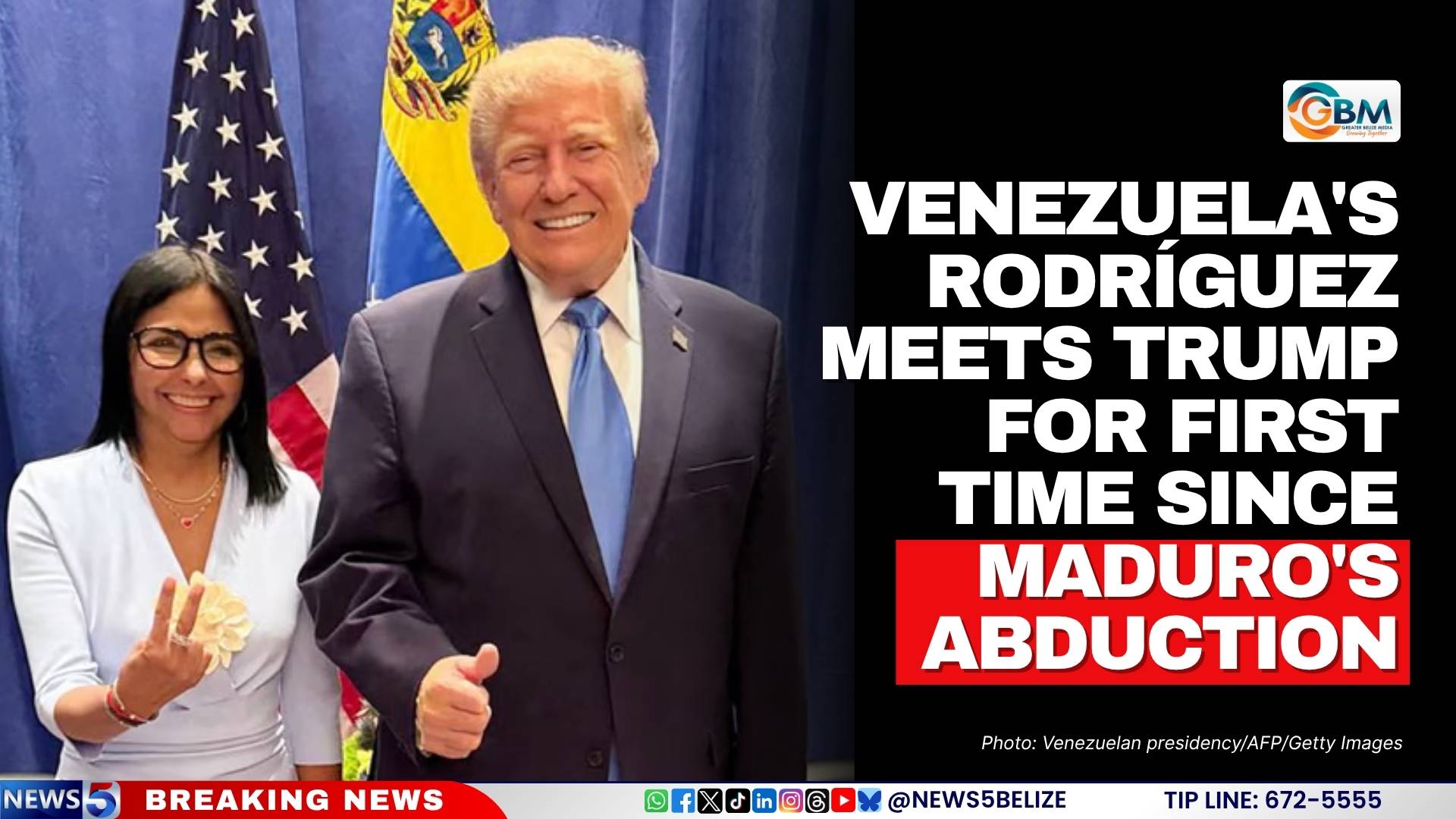
    On the sidelines of the 2026 United Nations General Assembly in New York, a landmark high-stakes encounter unfolded late Tuesday, when U.S. President Donald Trump sat down with Venezuela’s interim president Delcy Rodríguez for their first face-to-face talks since American special forces carried out a January raid that captured sitting Venezuelan leader Nicolás Maduro.

    The location of the closed-door meeting carried heavy symbolic weight: it was held just a few kilometers from the maximum-security New York jail where Maduro remains in custody as he awaits trial on U.S. drug trafficking charges, with U.S. Secretary of State Marco Rubio also in attendance for the negotiations.

    Speaking via her official Telegram channel after the talks wrapped up, Rodríguez framed the discussion as a critical opening step toward building expanded, constructive cooperation between Caracas and Washington. “Venezuela and the United States share a centuries-long relationship, and in this new chapter, it is our responsibility to guide that connection forward through open dialogue,” Rodríguez stated. She added that her interim administration is laser-focused on delivering “tangible outcomes and shared prosperity” for the Venezuelan people.

    This high-profile meeting comes just weeks after Rodríguez’s government signed a sweeping energy agreement that grants a U.S.-led corporation 100-year concession rights to 17 mature and untapped Venezuelan oilfields, putting more than 65 billion barrels of crude reserves under foreign control – equal to more than one-fifth of Venezuela’s total proven reserves. Trump has already hailed the deal as “perhaps the biggest energy deal ever struck” and has made clear his goal of attracting at least $100 billion in new investment to rebuild and expand Venezuela’s struggling oil sector.

    In his keynote address to the UN General Assembly one day before the meeting, Trump doubled down on his administration’s approach to the new Venezuela relationship, stating that the U.S. and its new Venezuelan partner now jointly control “more than 60 percent” of the world’s total proven crude oil reserves. In unvarnished remarks, he added, “To the victor belong the spoils.”

    Not all reactions to the meeting and the shifting U.S.-Venezuela dynamic have been positive. Outside the UN headquarters, more than 50 demonstrators gathered to protest the talks, waving Venezuelan national flags and holding placards reading “No Vote, No Oil” and “New Face, Same Regime.” Political critics of the arrangement argue that the U.S. has intentionally sidelined prominent Venezuelan opposition leader Maria Corina Machado, choosing instead to prioritize lucrative oil and investment deals with Rodríguez’s interim government, undermining broader democratic transition efforts in the country.

    Looking ahead, Rodríguez is scheduled to deliver her own address to the full UN General Assembly on Wednesday, where she is widely expected to lay out her administration’s vision for Venezuela’s future and its new ties with the United States.

  • SLM mikt op uitbreiding vloot en nieuwe bestemmingen

    SLM mikt op uitbreiding vloot en nieuwe bestemmingen

    Suriname’s national flag carrier, Surinaamse Luchtvaart Maatschappij (SLM), has announced a sweeping multi-year strategic plan focused on fleet modernization, route network expansion, operational reliability improvements, and the long-term goal of establishing Suriname as a prominent regional aviation hub. SLM Director Johan Sandie outlined the ambitious roadmap in an official briefing through Suriname’s Communication Service, framing the carrier as being in a critical transitional phase centered on core priorities of stability, operational dependability, customer-centric services, digital transformation, and stronger industry partnerships.

  • Massiah: AI Is Already Affecting Antigua and Barbuda’s Workforce

    Massiah: AI Is Already Affecting Antigua and Barbuda’s Workforce

    As artificial intelligence continues to integrate into workplaces across the globe, small island nations are not immune to its disruptive impacts. David Massiah, General Secretary of the Antigua and Barbuda Workers’ Union (ABWU), has issued a stark call to action for local workers, stressing that AI is already reshaping the national workforce and that employees must proactively adapt to keep pace with rapid technological change.

    Speaking at the ABWU’s 59th Annual Delegates Conference, Massiah pushed back against the common misconception that AI remains a distant, hypothetical innovation limited to science fiction lore and elite industry gatherings. “AI is here, and it is real,” he emphasized to assembled delegates, underlining that the technology has already moved beyond theoretical discussion to become a tangible presence in local work environments.

    The transformative effects of AI are already visible across the country’s labor landscape, Massiah explained. It is restructuring core workplace processes: altering how organizations handle data processing, reshaping the delivery of public and private services, and rewiring the day-to-day responsibilities of employees across nearly every sector. In the long term, he warned, this shift could even redefine the fundamental concept of what constitutes work itself.

    Massiah outlined that the most immediate change will come in the form of evolving job roles: many existing positions will be restructured to incorporate AI tools, while workers in heavily impacted sectors will need to pursue upskilling or complete retraining to transition into entirely new roles. While he acknowledged that the full scope of AI’s impact on Antigua and Barbuda’s local economy and labor market remains unclear, he stressed that workers can no longer afford to assume their livelihoods will remain untouched by the shift. “It has already started to affect the workforce,” he reiterated.

    Instead of approaching AI with two common unproductive mindsets—unfounded fear or unexamined blind optimism—Massiah urged trade unions and their members to take a balanced, proactive approach. The key to navigating the transition, he argued, is building foundational AI literacy, leaning into uniquely human durable skills that cannot be automated, and committing to lifelong learning as job requirements continue to evolve.

    Among the critical skills that will grow in importance for workers, Massiah named analytical reasoning, complex problem-solving, and active listening—all interpersonal and critical thinking abilities that AI cannot replicate at scale. He also called for a widespread cultural shift away from the long-held assumption that a single set of professional qualifications can support a worker through an entire 40-plus-year career.

    Massiah also emphasized that workers and their union representatives must have a seat at the table when organizations make decisions about AI adoption in the workplace. Their input should shape what upskilling and retraining programs are offered to employees, as well as what safeguards are put in place to ensure that the transition to AI-powered workplaces is implemented fairly, without leaving vulnerable workers behind. As workplaces continue to evolve, he added, shop stewards will take on an increasingly critical role in educating members about changes and advocating for their interests. He also encouraged unions to leverage the existing technical familiarity of younger workers, who often have more hands-on experience with emerging technologies like AI.

    Looking internally, Massiah said the ABWU itself must evaluate its own readiness for the AI shift: assessing whether it is communicating effectively with members, delivering timely information and training, leveraging technology to improve member services, and cultivating a new generation of union leaders prepared for the changing labor landscape.

    While Massiah acknowledged that new technologies can offer tangible benefits to both unions and workers, he made clear that no digital tool can replace the core collective strength that has always been the foundation of trade unionism. To ensure workers have a meaningful voice in shaping the future of work, he called for stronger collective bargaining, expanded union-led education programs, and greater cooperation among workers across sectors. “We need to be involved in the discussions, the decision-making, the training, the fairness and the changes that will affect the workplace,” Massiah said.

  • Saint Lucia tops Expedia’s 2026 Hot List

    Saint Lucia tops Expedia’s 2026 Hot List

    Caribbean destination Saint Lucia has earned a top industry honor just as its major international tourism showcase wrapped up, cementing its growing reputation as a must-visit global travel spot. The Saint Lucia Showcase International, a major industry event gathering international trade partners, media representatives and travel sector stakeholders from across the globe, concluded in recent days with widespread acclaim as a successful gathering for the island’s tourism sector. It was at the event’s closing gala dinner that attendees got an unexpected, exciting announcement: Saint Lucia had secured the number one spot on Expedia Group’s highly anticipated 2026 Hot List of top travel destinations.

    The award was presented officially to Saint Lucia’s tourism leadership by two senior Expedia Group representatives: Nuno Sales da Ponte, the company’s Director of Market Management covering the Caribbean and Central America, and Miguelina Cespedes, Senior Business Development Manager focused on the Caribbean region. Dr. Ernest Hilaire, Saint Lucia’s Minister of Tourism, accepted the prestigious honor on behalf of the island nation.

    Tourism officials in Saint Lucia note that this top ranking from one of the world’s leading online travel platforms underscores the destination’s rapidly rising appeal among international travelers. The recognition, they say, celebrates the island’s one-of-a-kind combination of dramatic natural beauty, ranging from its iconic twin Piton peaks to its pristine palm-fringed beaches, authentic immersive travel experiences, vibrant local culture, and the warm, welcoming hospitality that defines the island’s community.

    Speaking after accepting the award, Hilaire shared that receiving the honor during the Saint Lucia Showcase International made the moment even more meaningful. “I was genuinely surprised by the presentation, but I could not think of a more fitting moment to receive it,” he said. “To stand before our international trade partners and media colleagues who had travelled to Saint Lucia to experience our destination, our people and our hospitality first-hand, and to accept this recognition on behalf of the entire island, is something I am extremely proud of.”

    Industry analysts note that a top ranking on Expedia’s annual Hot List typically drives a significant uptick in visitor inquiries and bookings, as leisure travelers rely on the curated list to plan upcoming trips. For Saint Lucia’s tourism sector, which has worked steadily to rebuild and grow international visitor volumes following global travel disruptions in recent years, the honor comes as a major boost that is expected to draw even more travelers to the island in the coming years.

  • What’s on the Agenda for Trump and China?

    What’s on the Agenda for Trump and China?

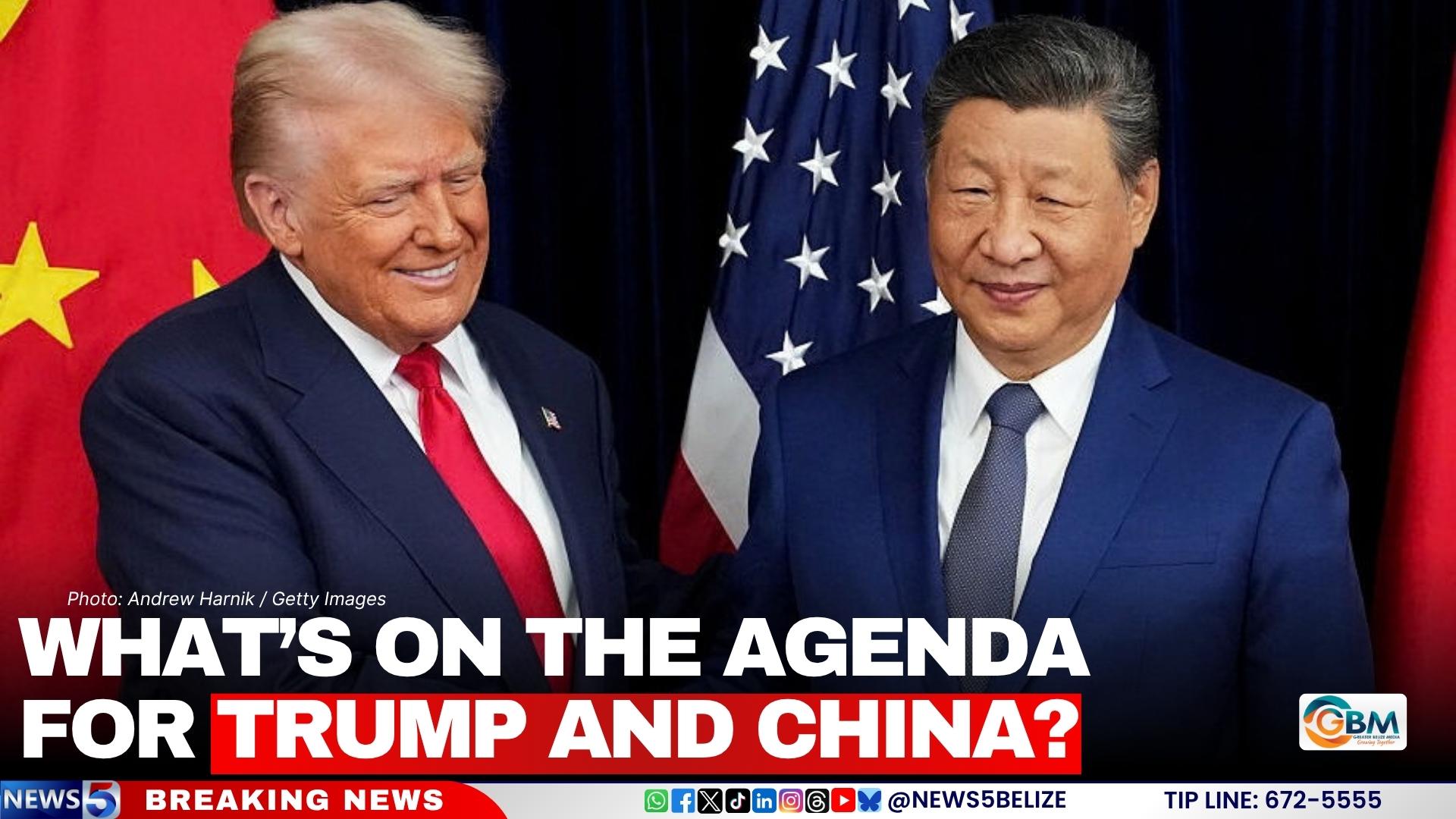
    In a pivotal diplomatic moment set to reshape the trajectory of U.S.-China relations, Chinese President Xi Jinping will kick off a three-day state visit to Washington this week, marking his first trip to the United States in that official capacity since 2015 and his third face-to-face meeting with U.S. President Donald Trump in just 12 months. Top policymakers and analysts from both nations have identified three core issues—trade, artificial intelligence governance, and the sensitive question of Taiwan—that will take center stage across the scheduled negotiations.

    The most time-sensitive topic on the agenda is the future of U.S.-China trade ties, anchored to a temporary truce that is set to expire in November 2026. The agreement, reached in October 2025, saw Washington pause a planned round of steep tariff increases on Chinese goods, while Beijing agreed to roll back strict export restrictions on rare earth minerals, critical components for everything from advanced electronics to defense systems. However, preliminary talks held on the margins of this week’s United Nations General Assembly failed to yield any meaningful breakthrough ahead of Xi’s arrival in Washington, multiple sources familiar with the discussions have confirmed.

    Persistent economic frictions continue to strain progress on a longer-term trade deal. Official data places the U.S. trade deficit with China at more than $91 billion, and exports of rare earths from China to the U.S. have remained below pre-agreement levels, despite the relaxed restrictions outlined in the 2025 truce. These lingering discrepancies have left both sides looking for concrete concessions from the upcoming summit.

    Artificial intelligence safety governance has also emerged as a top priority for both global powers, as rapid advances in generative AI and military AI applications have raised urgent cross-border national security concerns. U.S. Treasury Secretary Scott Bessent has confirmed that Washington has tabled a formal proposal for a bilateral AI safety notification mechanism. Under the framework, the two countries would commit to alerting one another immediately of any AI-related incidents that rise to the level of a national security threat, creating a formal communication channel to reduce the risk of miscalculation amid escalating technological competition.

    The third and most politically sensitive topic for the summit is the status of Taiwan. In a stark pre-summit warning, China’s ambassador to the United States reiterated this week that Taiwan and human rights remain non-negotiable “red lines” for Beijing that “must not be challenged.” Any U.S. move toward deeper official or military engagement with Taipei is expected to draw sharp pushback from Chinese negotiators during the talks.

    Beyond the formal agenda, the visit arrives at a moment of profound shift in China’s global economic and technological standing, compared to Xi’s last state visit to the U.S. more than a decade earlier. Today, China holds substantial, often dominant, global influence across key high-growth sectors including advanced manufacturing, electric vehicles, renewable energy infrastructure, artificial intelligence research and development, and global rare earth supply chains—altering the bargaining dynamic for both sides in this round of negotiations.

  • REOI: Business Development & Mentorship Consultant (Part-Time)

    REOI: Business Development & Mentorship Consultant (Part-Time)

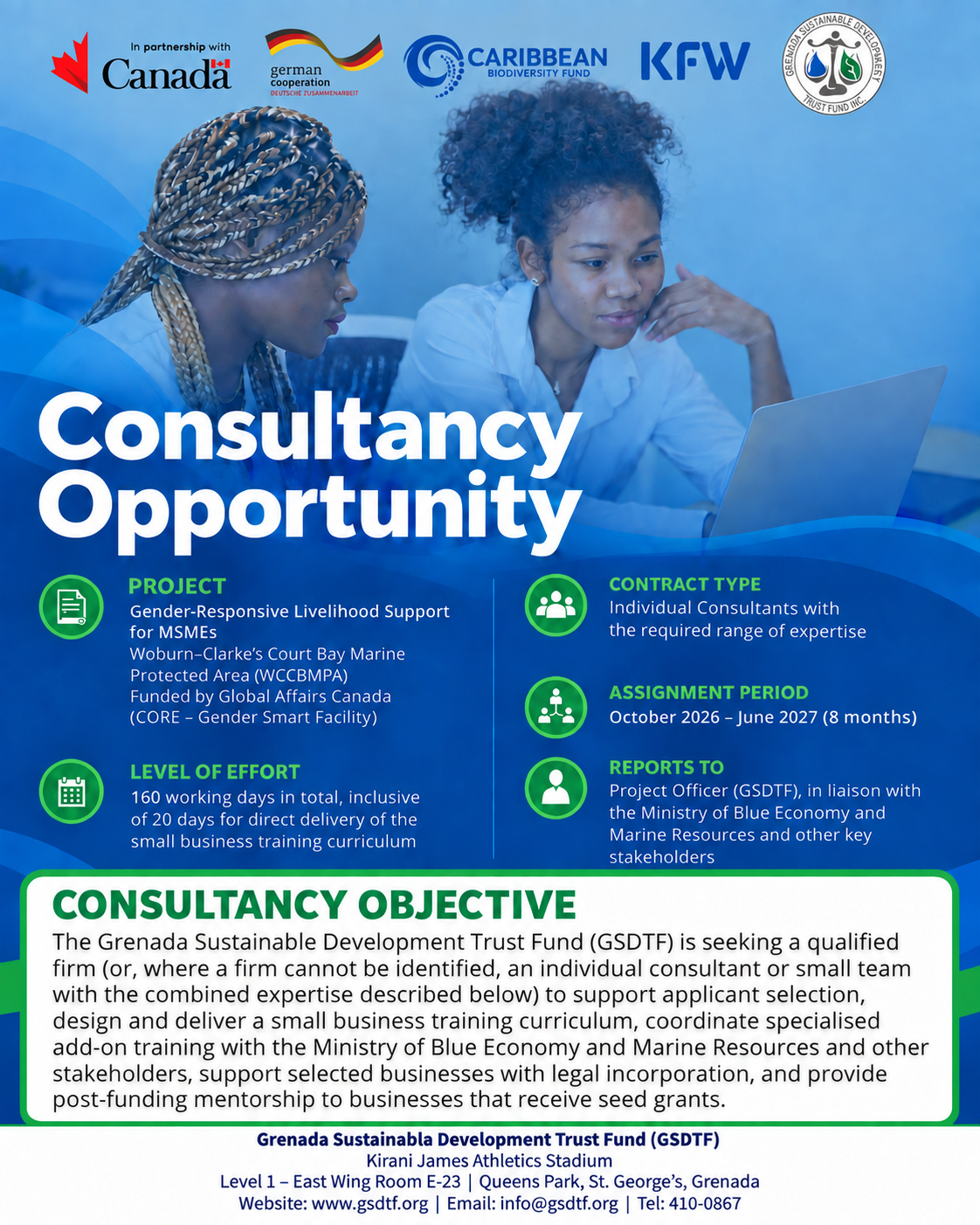
    The Grenada Sustainable Development Trust Fund (GSDTF) has issued a public call for Expressions of Interest (EOI) from qualified independent consultants to fill a part-time position focused on supporting small and medium enterprises (SMEs) under a major marine conservation-linked livelihood initiative.

    The selected consultant will support the Gender-Responsive Livelihood Support Initiative, which operates within the Woburn–Clarke’s Court Bay Marine Protected Area. This initiative centers on expanding sustainable, conservation-compatible livelihood opportunities for three key marginalized groups in Grenada: women, young people, and local fishing communities. The core of the role is to deliver end-to-end business development, skills training, and ongoing mentorship across every stage of SME development for participating ventures.

    The overarching objective of this consultancy is to provide integrated, targeted support that guides participating SMEs from initial application screening and business plan development through to formal business registration, preparedness to access seed grant funding, and post-funding growth mentorship. This holistic approach is designed to build long-term, resilient businesses that align with the marine protected area’s conservation goals, creating a mutually beneficial balance between local economic development and environmental protection.

    The scope of work for the consultant outlines five key responsibility areas. First, the consultant will lead the assessment of SME applications and conduct professional appraisals of submitted business plans to select viable ventures for the initiative. Second, they will design and facilitate a practical, hands-on training program tailored to the needs of small local businesses. Third, they will coordinate specialized training modules focused on marine conservation practices and at-sea safety for ventures operating in the coastal and marine sector. Fourth, the consultant will guide participating SMEs through the process of business formalization and official government registration. Finally, they will deliver structured ongoing mentorship to funded micro, small and medium enterprises (MSMEs) and prepare regular progress reports for GSDTF.

    The consultancy assignment is scheduled to run over 7 months, from November 2026 through to June 2027, with a total time commitment of up to 160 working days. The deadline for interested consultants to submit their expressions of interest is 2 October 2026. The GSDTF asks that all direct enquiries about the terms of reference for the role are submitted to the GSDTF Project Officer no later than 28 September 2026.

    GSDTF has outlined clear criteria for the ideal candidate. The successful applicant will be an experienced business development professional with a minimum of three years of hands-on experience in SME development, business plan drafting and appraisal, entrepreneurship training, and post-grant or post-investment mentorship. Strong skills in stakeholder coordination, training facilitation, and professional report writing are required, along with working knowledge of Grenada’s business registration process managed by the Companies and Intellectual Property Office (CAIPO). Prior experience working with women-led and youth-led enterprises is also a mandatory requirement. Additional assets that will strengthen an application include prior experience working in the fisheries sector, with marine protected areas, or on community-led conservation projects.

    All applications must be submitted electronically to GSDTF with the subject line “Business Development and Mentorship Consultancy”, addressed to Jenifer James, Chief Executive Officer of GSDTF. Applications should be sent to [email protected], with a copy marked to [email protected]. Full details of the role’s terms of reference are available via the dedicated page “Gender-Responsive MSME Business Mentor – Grenada MPA” or on the GSDTF official website at www.gsdtf.org/opportunities.

  • Project Polaris investment vision presented to global partners at UNGA 81

    Project Polaris investment vision presented to global partners at UNGA 81

    Against the backdrop of the 81st United Nations General Assembly in New York, the government of Grenada has taken a major step to advance its national development vision, officially pitching its transformative Project Polaris to a global audience of potential investors, development collaborators and key industry stakeholders. The initiative, centered on constructing a new state-of-the-art general hospital and an integrated Medical City, is framed not just as an upgrade to local healthcare infrastructure, but as a catalyst for inclusive economic growth, skills development and regional healthcare leadership across the Eastern Caribbean.

    The pitch was delivered during an exclusive executive breakfast, held on the sidelines of UNGA 81, that brought together cross-sector stakeholders from global investment firms, international development agencies, leading healthcare operators and partner institutions. Project sponsor Ambassador Andrea St Bernard led the presentation, titled *Project Polaris: A Vision for Investment and Growth*, which mapped out partnership openings across multiple high-growth sectors: clinical healthcare, medical research, health technology, wellness tourism and complementary support services.

    St Bernard emphasized that Project Polaris extends far beyond the construction of new medical facilities. When fully realized, the initiative is projected to stimulate widespread foreign and domestic investment, foster innovation in the regional healthcare sector, generate thousands of new local jobs, strengthen Grenada’s domestic human capital base, and expand the country’s capacity to deliver advanced care to patients across the entire Eastern Caribbean region.

    Joining the presentation, Ambassador Richard Nixon, chairman of the Grenada Investment Development Corporation (GIDC), outlined the broader value proposition of investing in Grenada as the country advances its whole-of-nation transformation agenda. Together, the two presentations laid out the government’s core strategy: aligning high-priority national development projects with responsible private sector investment to build mutually beneficial partnerships that deliver shared value for both investors and Grenadian citizens.

    Honourable Dennis Cornwall, Grenada’s Minister for Finance, noted that the progress already made on financing for Project Polaris and the country’s rising global profile both reflect growing international confidence in Grenada’s long-term development trajectory. “Grenada has raised its profile as a competitive investment destination, and the $185 million already secured for Project Polaris is a strong demonstration of investor confidence in our country,” Cornwall said. “We remain focused on attracting investments that create jobs, strengthen our economy and deliver tangible benefits for Grenadians.”

    A core pillar of Project Polaris that sets it apart from traditional infrastructure projects is its integrated focus on human capital development, aligned with the government’s overarching Vision 75 national development agenda. Officials stress that investments in cutting-edge medical facilities must be matched by investments in the skilled workforce required to operate them, a principle already being put into action. Earlier this year, the government awarded 36 medical scholarships and 11 nursing scholarships to Grenadian students studying at St George’s University, laying the groundwork for the local workforce that will power the expanded healthcare system.

    Development of the Project Polaris Medical City will proceed in sequential phases, with a large role reserved for public-private partnerships to bring in technical expertise and capital. The government is actively inviting expressions of interest from a broad range of potential participants, including institutional investors, multinational healthcare operators, real estate developers, health technology and sustainable energy providers, academic and research institutions, philanthropic organizations, and members of the Grenadian diaspora based overseas.

    The Project Polaris leadership team has made clear that all investment partnerships must prioritize tangible benefits for local Grenadians, including expanded access to high-quality affordable care, local job creation, contracting opportunities for domestic small and medium enterprises, vocational skills training, and long-term knowledge transfer between international partners and local professionals.

    Fully aligned with Grenada’s National Sustainable Development Plan 2020–2035, the initiative redefines healthcare as a key driver of economic growth rather than just a public service. Expanding access to specialist care within Grenada will reduce the heavy financial and logistical burden on patients who currently must travel overseas for advanced treatment, while embedded teaching and research programs will strengthen the country’s ability to train and retain top-skilled healthcare professionals, reducing brain drain in the sector.

    In closing, the government of Grenada reaffirmed its commitment to collaborating with responsible local, regional and international partners to build a regional center of healthcare excellence that serves Grenadian citizens and lifts healthcare standards across the entire Eastern Caribbean. Prospective partners have been invited to conduct due diligence on the available investment opportunities and explore frameworks for long-term collaborative development.

    This report is based on an official statement released by the Office of the Prime Minister of Grenada.

  • “I Can’t Do Nothing to Bring Back My Daughter”

    “I Can’t Do Nothing to Bring Back My Daughter”

    A Belizean mother’s quest for answers in her daughter’s violent death has moved one step forward, but the new confirmation of foul play has done little to heal her grief or bring closure to the case. On September 23, 2026, official autopsy results confirmed that 28-year-old Delisha Estrada’s death was a homicide, marking a critical development in the ongoing investigation into the double death that shook the Cayo District community.

    The post-mortem examination concluded that Estrada died from blunt craniofacial trauma, an injury police say was inflicted by another person. Her body was discovered alongside that of her partner, Michael Williams, at a residence in Santa Elena. While Estrada’s cause of death has been confirmed, Williams’ death remains under further investigation. Initial autopsy findings show Williams died from severe pulmonary edema, but authorities are still waiting on toxicology results to pinpoint the exact cause of the fatal condition.

    Delisha’s mother, Locett Vanega, has long maintained that her daughter did not die by suicide, a position she has held from the earliest days of the investigation. Speaking with local reporters after receiving the autopsy results, Vanega expressed that while the official ruling matches what she has believed all along, it has not eased the pain of losing her child. “I still not satisfied. Still can’t get closure. ‘Cause I know from the beginning they murder my daughter,” Vanega said.

    In the wake of the tragedy, new details have emerged about the relationship between Estrada and Williams. Multiple relatives and neighbors told authorities that the couple had a long history of domestic abuse, a claim that has been confirmed by local police. Records show that Estrada had previously filed official reports against Williams with law enforcement, documenting the ongoing pattern of violence.

    For Vanega, the grief of losing her daughter is compounded by the new responsibility of raising Delisha’s young son, who repeatedly asks where his mother is and what happened to her. Vanega described the daily struggle of answering the boy’s questions, saying “It’s so hard for us that we have to tell him every day when he asks for her, his mom. How can we tell him what happened to his mom?”

    Despite her pain, Vanega says her only priority right now is ensuring her grandson grows up surrounded by love and support. There is nothing that can bring her daughter back, she acknowledges, but she remains committed to seeing the full investigation through to ensure justice for Delisha. “I just want the baby to have, like… I just want the baby surrounded with love. That’s all I need and I want right now. ‘Cause I can’t do nothing to bring back my daughter,” she added. As of press time, police have not announced any new arrests or charges in connection with Estrada’s homicide, and the investigation remains active.