博客

  • Hassan Hadeed is IGA International Retailer of the Year for the Caribbean

    Hassan Hadeed is IGA International Retailer of the Year for the Caribbean

    A homegrown Grenadian retail brand has cemented its status as a global standout in independent grocery, after Real Value Supermarket IGA’s top leader earned one of the industry’s most prestigious international distinctions. Managing Director Hassan Hadeed was officially named IGA International Retailer of the Year for the Caribbean, an honor presented during the Independent Grocers Alliance’s landmark Centennial Global Rally and Awards of Excellence held in Atlanta, Georgia.

    The 2026 award ceremony marked a dual celebration for the 100-year-old global IGA network, which gathered industry leaders and top-performing retailers from across the world to recognize excellence in independent grocery. For Hadeed and the entire Real Value team, this latest accolade is far more than a personal honor: it marks a major milestone for both the company and the Caribbean island nation it calls home.

    What makes this recognition particularly meaningful is that it is not the first time Real Value Supermarket IGA has earned global acclaim from the IGA network. The company claimed its first international IGA award back in 2009, during a ceremony held in Sydney, Australia. Seventeen years later, this second win underscores the brand’s unwavering commitment to upholding the highest standards across every area of its operations, from customer service and retail innovation to community engagement.

    This international achievement also aligns with another major milestone for the Grenadian retailer: 26 years of continuous service to local communities. Since launching, Real Value Supermarket IGA has experienced steady, intentional growth, consistently reinvesting in its workforce, upgrading customer experience, integrating new retail technology, expanding convenient shopping options, and supporting the local neighborhoods it serves.

    In his acceptance speech, Hadeed emphasized that the award is a collective win, not an individual achievement. Accepting the honor with humility and gratitude, he dedicated the recognition to the entire Real Value team, the company’s loyal customers, and the people of Grenada as a whole. Hadeed went on to credit the shared effort of every stakeholder that has contributed to the company’s success over the decades, from frontline employees and senior leadership to local suppliers, business partners, and generations of Grenadian shoppers who have supported the brand since its launch.

    Leadership at Real Value Supermarket IGA echoed that sentiment, extending congratulations to both Hadeed and the entire team for the hard work that earned this international distinction. For the Grenadian retailer, the honor sums up its identity perfectly: it is a brand rooted in Grenada, now recognized across the globe for its excellence.
  • 127 Immigration Officers Trained to Improve Belize’s Borders

    127 Immigration Officers Trained to Improve Belize’s Borders

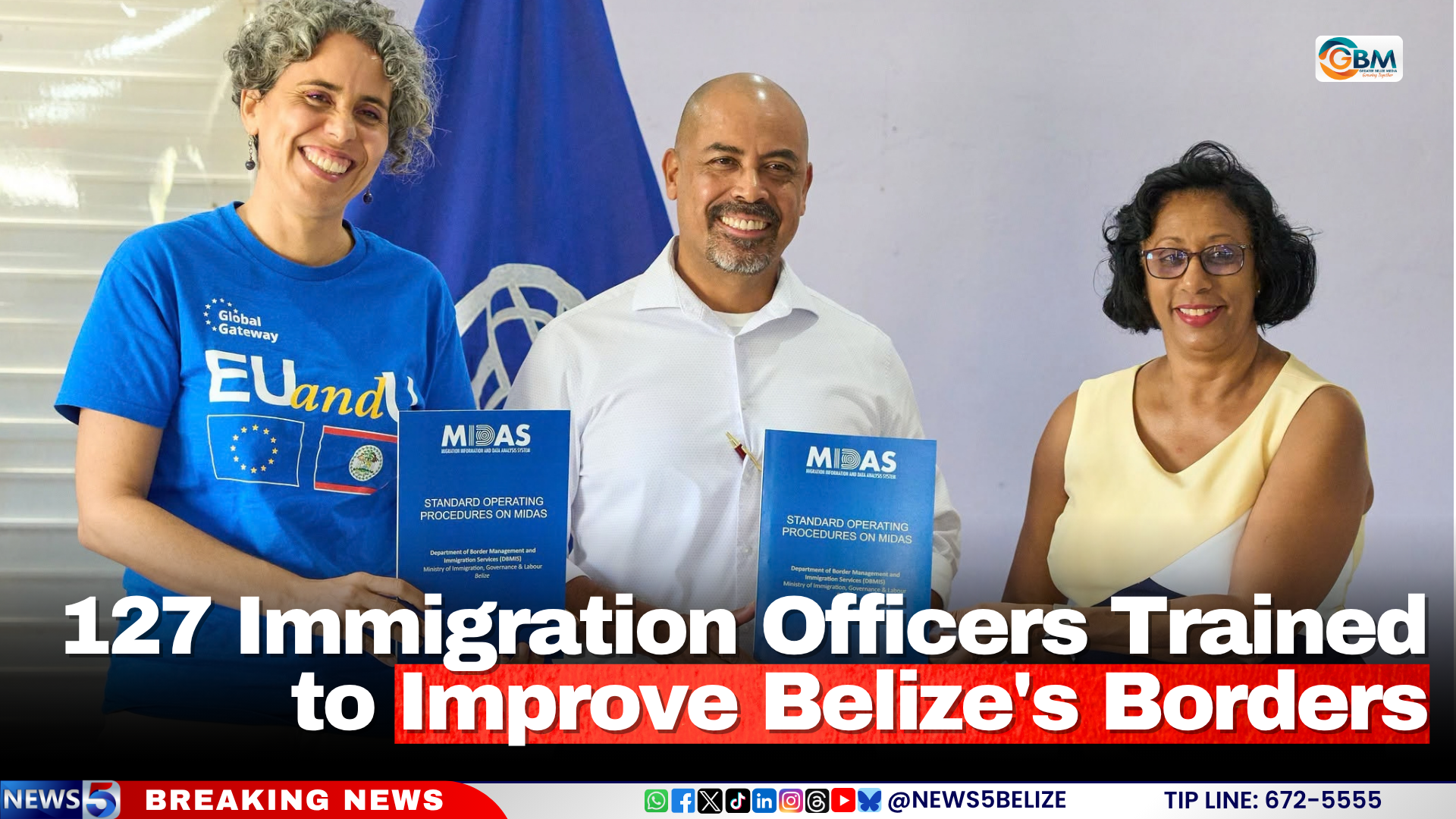
    As part of a joint international initiative to reinforce border security and operational efficiency, 127 immigration officers across Belize have graduated from specialized training focused on modern border management systems, backed by funding and implementation support from the European Union (EU) and the International Organization for Migration (IOM).

    The core focus of the capacity-building program is the Migration Information and Data Analysis System, widely known by its acronym MIDAS, a digital platform designed to standardize the collection and administration of traveler data for people entering and exiting Belize. This latest training round builds on earlier system upgrades rolled out as part of the long-term partnership, introducing updated standardized guidelines to ensure border agencies across the country collect and utilize traveler information in a consistent, reliable manner.

    Idelki Familia, a programme officer based at IOM Belize, explained that the training was designed to address practical gaps in on-the-ground operations, equipping frontline officers with the skills to operate MIDAS correctly and capture accurate border data. “We are conducting a series of trainings where we are expecting that immigration officers are going to be trained on how to properly use the system and how to properly collect information that is going to actually benefit all,” Familia said in a statement on the initiative.

    MIDAS already serves as a critical tool across all of Belize’s official entry and exit points. Officers use the system to cross-reference traveler documentation and personal details against the country’s official entry requirements, and it also supports administrative processes for people seeking to extend their stay in Belize, or apply for permanent residency and citizenship. Beyond streamlining routine checks, the system helps authorities identify potential security risks and maintain accurate records of cross-border movement.

    In addition to the specialized training program, this latest phase of the IOM-EU partnership has delivered more than $208,000 in new operational equipment to Belize’s border management and emergency response agencies. The donation includes rugged off-road vehicles to support patrols and operations in remote, hard-to-reach border regions, along with handheld radios and a new signal repeater that will dramatically improve communications connectivity across southern Belize. To support personnel working extended shifts in remote areas, the initiative also provided portable stoves for on-site use.

    The entire cross-border capacity building project is funded by the European Union and implemented locally by IOM, with a core goal of supporting the Government of Belize to strengthen three key pillars of national border management: inter-agency coordination, digital technological infrastructure, and on-the-ground operational capacity. Officials from both IOM and the EU noted that improved border management not only strengthens national security but also facilitates legal cross-border trade and travel, supporting broader economic development in Belize.

  • Livelihood Support Initiative for SMEs and Skills Training

    Livelihood Support Initiative for SMEs and Skills Training

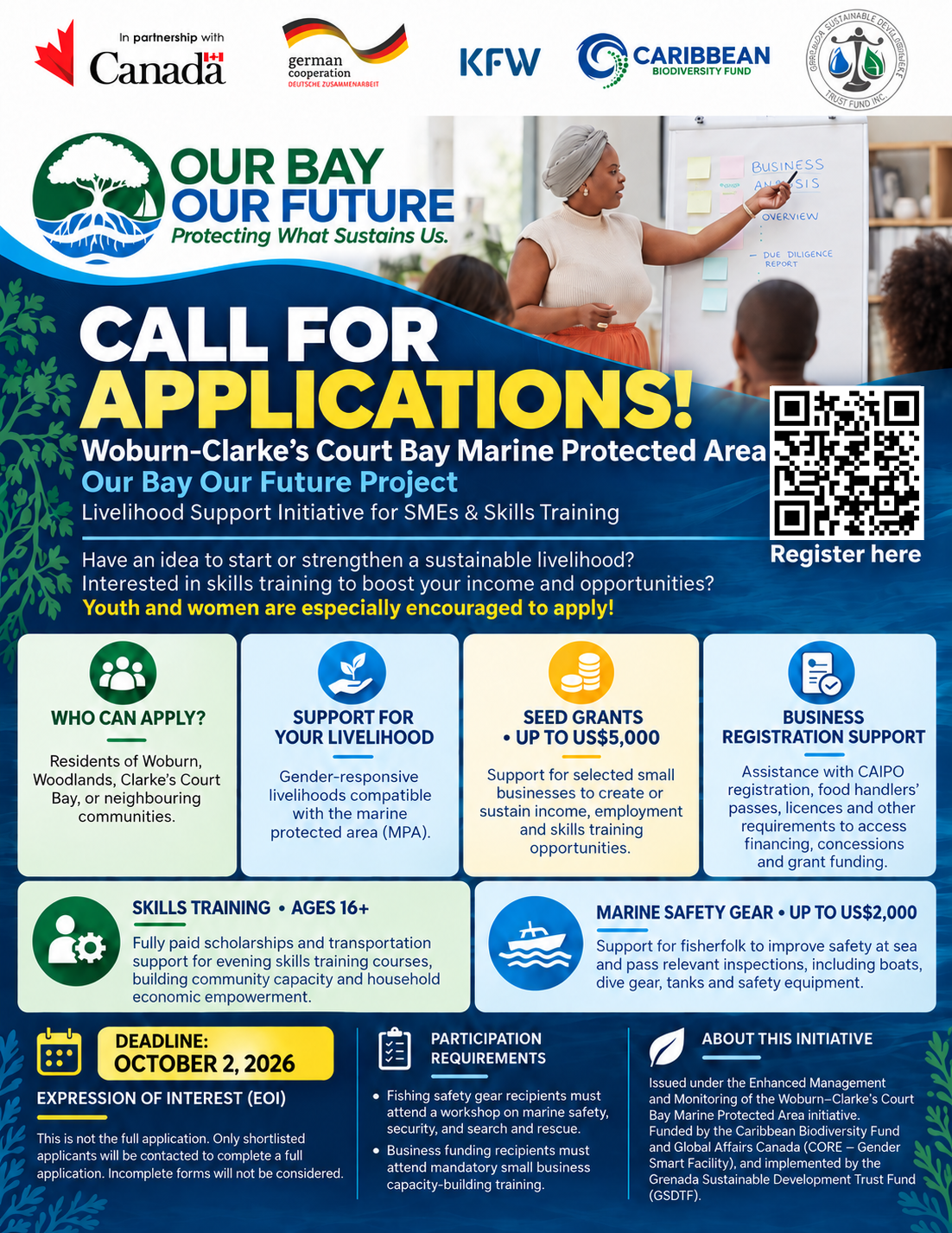
    A groundbreaking initiative that links coastal marine conservation with local community economic empowerment has launched in Grenada, opening applications for eligible residents to access small business grants, skills training, and targeted livelihood support.

    The program, called the Livelihood Support Initiative for SMEs & Skills Training, is a core component of the broader Our Bay Our Future Project—officially the Enhanced Management and Monitoring of the Woburn–Clarke’s Court Bay Marine Protected Area initiative. The overarching conservation and development project draws funding from two major backers: the Caribbean Biodiversity Fund and Global Affairs Canada’s CORE Gender Smart Facility, and is being executed locally by the Grenada Sustainable Development Trust Fund (GSDTF).

    GSDTF has announced that it is now accepting Expressions of Interest exclusively from residents of four key geographic areas: Woburn, Woodlands, Clarke’s Court Bay, and their immediate neighboring communities. The central mission of the livelihood initiative aligns economic opportunity with long-term environmental protection: it aims to build sustainable, nature-compatible livelihoods for local people that do not threaten the fragile marine ecosystem of the protected bay, while creating new income streams, strengthening existing small enterprises, boosting workforce skills, and advancing the permanent conservation of Grenada’s coastal and marine natural resources.

    To qualify for the program, applicants must be at least 16 years of age, and the initiative prioritizes a broad range of potential participants. This includes current small business owners looking to expand, aspiring entrepreneurs planning new ventures, commercial fisherfolk, local sea moss farmers, young people, women, and any other community members seeking to develop new professional skills aligned with the MPA’s conservation goals.

    Selected participants will gain access to a robust suite of support services and financial incentives. Eligible small businesses can apply for seed grants of up to $5,000 USD to launch or scale their operations. All approved skills training participants will have access to fully funded evening courses, with additional transportation stipends provided to remove barriers to attendance for working residents. For local fisherfolk, the program also offers dedicated support for marine safety, covering up to $2,000 USD in safety gear purchases. Additional wrap-around support includes assistance with business registration and licensing, including help completing CAIPO registration and meeting all other local regulatory requirements.

    The deadline for submitting an Expression of Interest via the online application portal is 2 October 2026, giving interested residents more than two years to complete and submit their applications. Eligible residents can access the application form at the following link: forms.gle/TRa9WDTaKTXJvq6MA.

    For additional questions or more detailed information about the initiative, applicants can contact the GSDTF team directly. The organization’s office is located at the Kirani James Athletic Stadium on River Road in St. George’s, Grenada. Inquiries can also be sent via email to [email protected], or by phone at 1 (473) 410 0867 or WhatsApp at 407 0867. More information about the fund and its other community and conservation projects is available on GSDTF’s official website (www.gsdtf.org) and social media channels, including Facebook (Grenada Sustainable Development Trust Fund Inc.), Instagram (@gsdtf473), and LinkedIn (Grenada Sustainable Development Trust Fund (GSDTF)).

    This announcement was shared by NOW Grenada, which notes that it does not take responsibility for contributor opinions, statements, or shared content. Readers can report any alleged abuse of platform policies via the channel specified on NOW Grenada’s website.

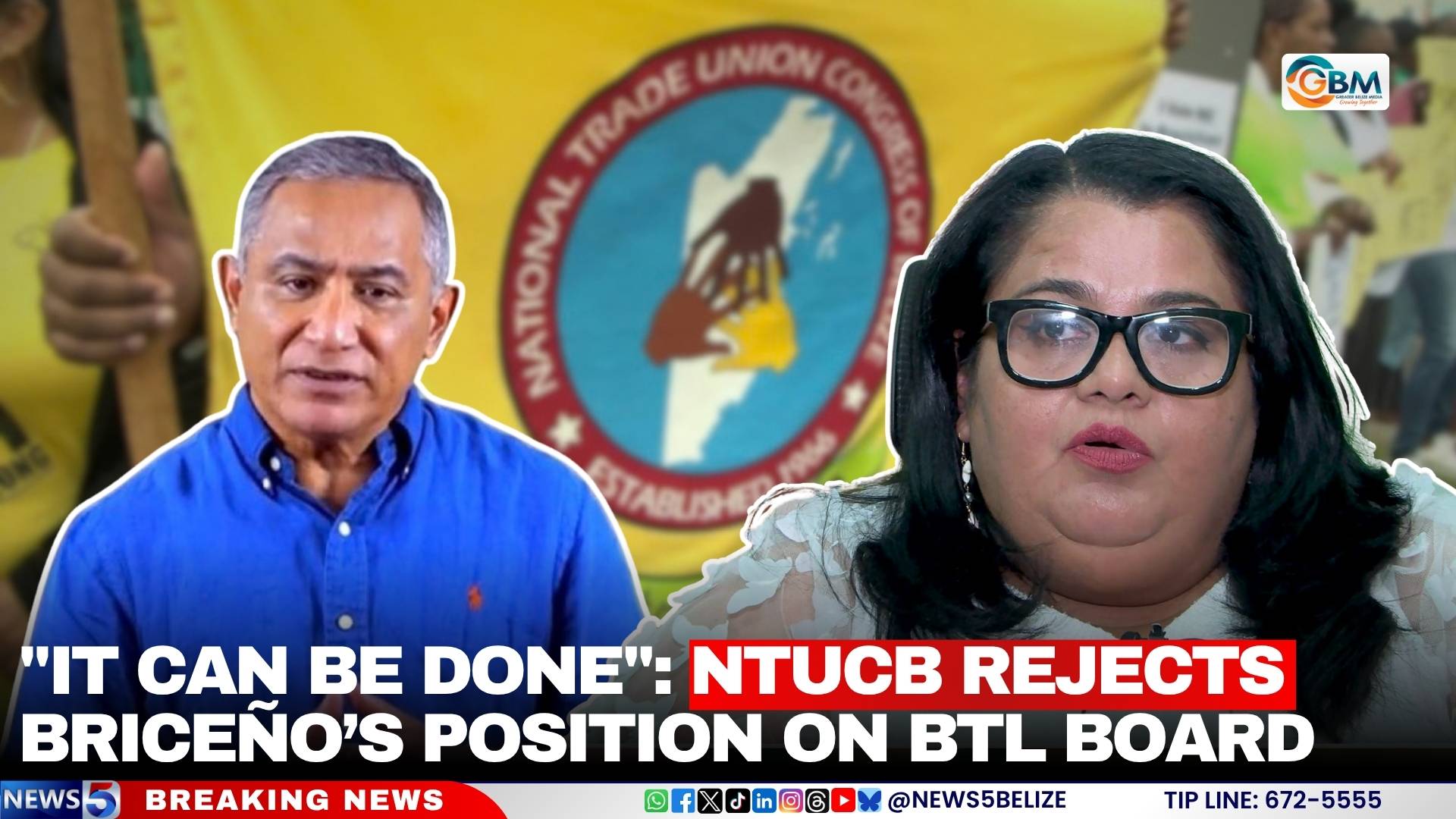
  • “It Can Be Done”: NTUCB Rejects Briceño’s Position on BTL Board

    “It Can Be Done”: NTUCB Rejects Briceño’s Position on BTL Board

    Nearly three months after the National Trade Union Congress of Belize (NTUCB) tabled 11 policy and representation demands before the government of Prime Minister John Briceño, long-running negotiations have hit a major impasse, with two core proposals emerging as the central points of conflict.

    Briceño’s Cabinet issued its official response to the union’s demands last week, blending partial concessions, non-binding future commitments, and outright rejections of key asks. During the NTUCB’s regular weekly broadcast on Open Learning TV Tuesday evening, union president Ella Waight publicly pushed back against the government’s position, calling out its rejection of two high-priority demands: the placement of a permanent NTUCB liaison officer within the Office of the Prime Minister, and the adoption of a tripartite governance structure for Belize Telemedia Limited (BTL), the country’s leading telecommunications provider.

    Waight first pushed back against the Cabinet’s core argument for rejecting the liaison officer role, which claimed existing representation through the Joint Union Negotiating Team (JUNT) already provides an adequate channel for union outreach to the prime minister’s office. Rejecting this framing as misleading, Waight emphasized that while JUNT member unions are affiliated with the NTUCB, the two bodies are not interchangeable, making the government’s claim of existing access disingenuous.

    On the question of BTL governance, the NTUCB is demanding that the utility’s board of directors follow a tripartite model, with equal or proportional representation for three groups: government, private sector employers, and organized labor. Waight pointed to Belize’s own Social Security Board as a successful example of this structure in action, noting that tripartite representation inherently boosts transparency and accountability. Each stakeholder representative is required to report back to their constituency, ensuring no single group can control decision-making behind closed doors.

    Waight added that this structure would have already provided a formal, direct channel for organized labor to raise questions and concerns about high-profile ongoing proposals, such as the recent acquisition plan involving BTL and local communications provider SMART.

    Addressing Prime Minister Briceño’s direct assertion that the tripartite BTL board structure “cannot be done,” Waight delivered a blunt rebuke: “It can be done.”

    As of September 23, 2026, the NTUCB is scheduled to submit its formal, written response to Cabinet’s position, and will return both disputed issues to the negotiating table for further discussion, setting the stage for continued talks between the nation’s largest union federation and the sitting government.

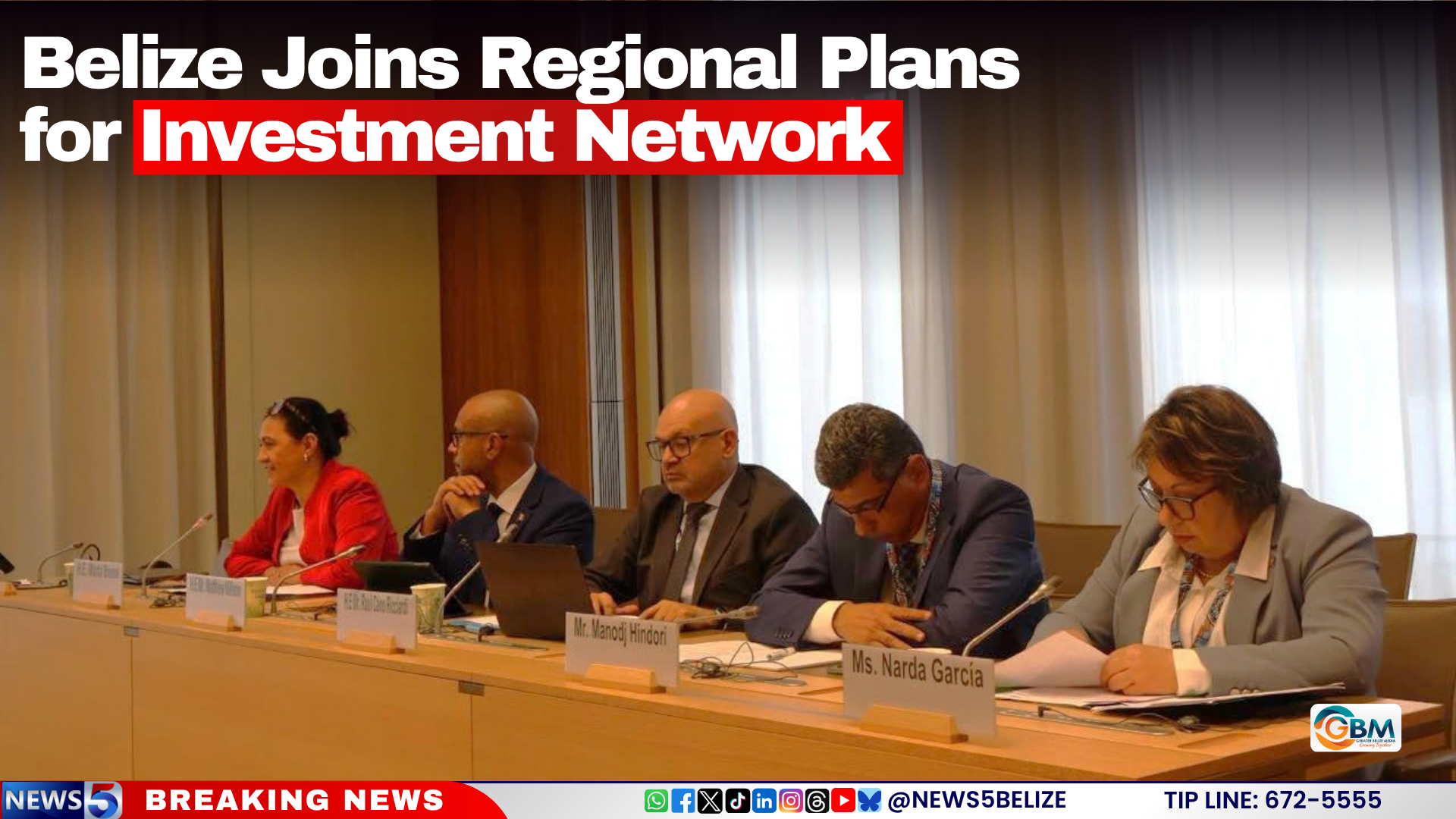
  • Belize Joins Regional Plans for Investment Network

    Belize Joins Regional Plans for Investment Network

    At the 2026 World Trade Organization Public Forum held in Geneva, Switzerland, Belize has formally joined a coordinated regional push to boost cross-border investment and streamline business operations across Latin America and the Caribbean. The September 16 forum discussions, which brought together high-level government representatives and global development leaders, centered on advancing implementation of the WTO’s Investment Facilitation for Development Agreement and identifying actionable strategies to upgrade regional investment and regulatory environments. Representing Belize at the invitation of World Bank Vice President for Countries and Regional Integration Anabel González was Narda Garcia, Chief Executive Officer of the Prime Minister’s Office. A core focus of the talks was the proposed Regional Network for Investment Facilitation and Promotion, a collaborative framework designed to connect participating nations across the region. Under the network’s structure, member states will gain access to structured platforms to exchange successful policy experiences, upskill institutional teams, and secure targeted technical and financial resourcing to refine their domestic investment frameworks. The Inter-American Development Bank has already thrown its institutional and financial support behind the project, with formal launch ceremonies scheduled for October 20 in Panama. Once operational, the network will prioritize deepening regional coordination on investment policy, supporting member states in rolling out practical regulatory reforms, and closing capacity gaps for public institutions tasked with attracting and retaining foreign and domestic investment. Belize’s participation marks a key step toward expanding the initiative’s reach across Central America, aligning the small Caribbean nation with broader regional goals of inclusive economic growth through improved investment accessibility. Development leaders note that the agreement and accompanying regional network address longstanding barriers to investment in the region, including fragmented regulatory processes and limited institutional capacity to support new business ventures. For Belize, joining the network opens new opportunities to attract sustainable investment, share its own development experiences with peer nations, and access global expertise to refine its business climate.

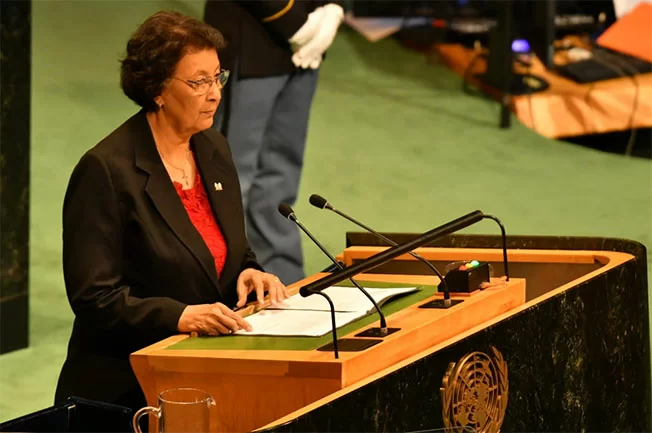
  • Simons: Olie en gas mogen niet enige fundament Surinaamse economie worden

    Simons: Olie en gas mogen niet enige fundament Surinaamse economie worden

    Addressing the 81st United Nations General Assembly general debate in New York on Tuesday, Suriname President Jennifer Simons laid out a clear, long-term vision for how the South American nation will manage its upcoming offshore oil and gas revenues to build long-term national prosperity.

    Simons emphasized that while the newly tapped offshore natural resources create a historic opportunity to accelerate national development and lift living standards for Suriname’s population, the country must not allow the sector to become the sole foundation of its economy. Instead, she argued, temporary revenue from fossil fuel extraction must be strategically deployed to transform Suriname’s economic structure, making it stronger, more diversified, and far less vulnerable to global commodity market shocks.

    Under Simons’ framework, the immediate priority is converting short-term resource income into sustained, long-term national wealth by expanding and strengthening other economic sectors. The incoming revenues are expected not just to deliver temporary GDP growth, but to build a broader, more resilient economic base that will remain stable for future generations even after fossil fuel reserves are depleted.

    The development of Suriname’s oil and gas sector is also tied directly to the government’s goal of boosting national energy security. Simons confirmed that the country is actively advancing preparations for a gas-to-shore project to bring offshore natural gas to domestic markets. Crucially, she noted that the expansion of fossil fuel production will proceed alongside continued investment in renewable energy, which will remain a core component of Suriname’s long-term national energy mix.

    Simons also highlighted Suriname’s unique position in global climate action: the nation is already carbon-negative, with more than 90 percent of its territory covered by intact old-growth forests. She called on the global community to reform access to climate finance, arguing that countries that preserve large, globally beneficial forest ecosystems should not be forced to bear the full cost of conservation alone. These ecosystems provide global public goods in the form of carbon sequestration and biodiversity protection, she said, so international climate funding should be allocated more fairly to reward and support conservation efforts.

    Beyond energy and economic policy, Simons reminded delegates that Suriname is also preparing for another major global transformation: the rise of artificial intelligence. She noted that the country can only unlock the full benefits of AI innovation if the technology is deployed responsibly, with proactive measures to mitigate potential social and economic risks.

    Taken together, Simons’ remarks framed Suriname’s oil and gas development as a single piece of a broader, forward-looking national development strategy. Diversification of the economy, enhanced energy security, balanced growth of fossil fuels and renewables, and responsible adoption of new technologies are all core components of the plan to turn resource revenue into inclusive, sustainable long-term development for the country.

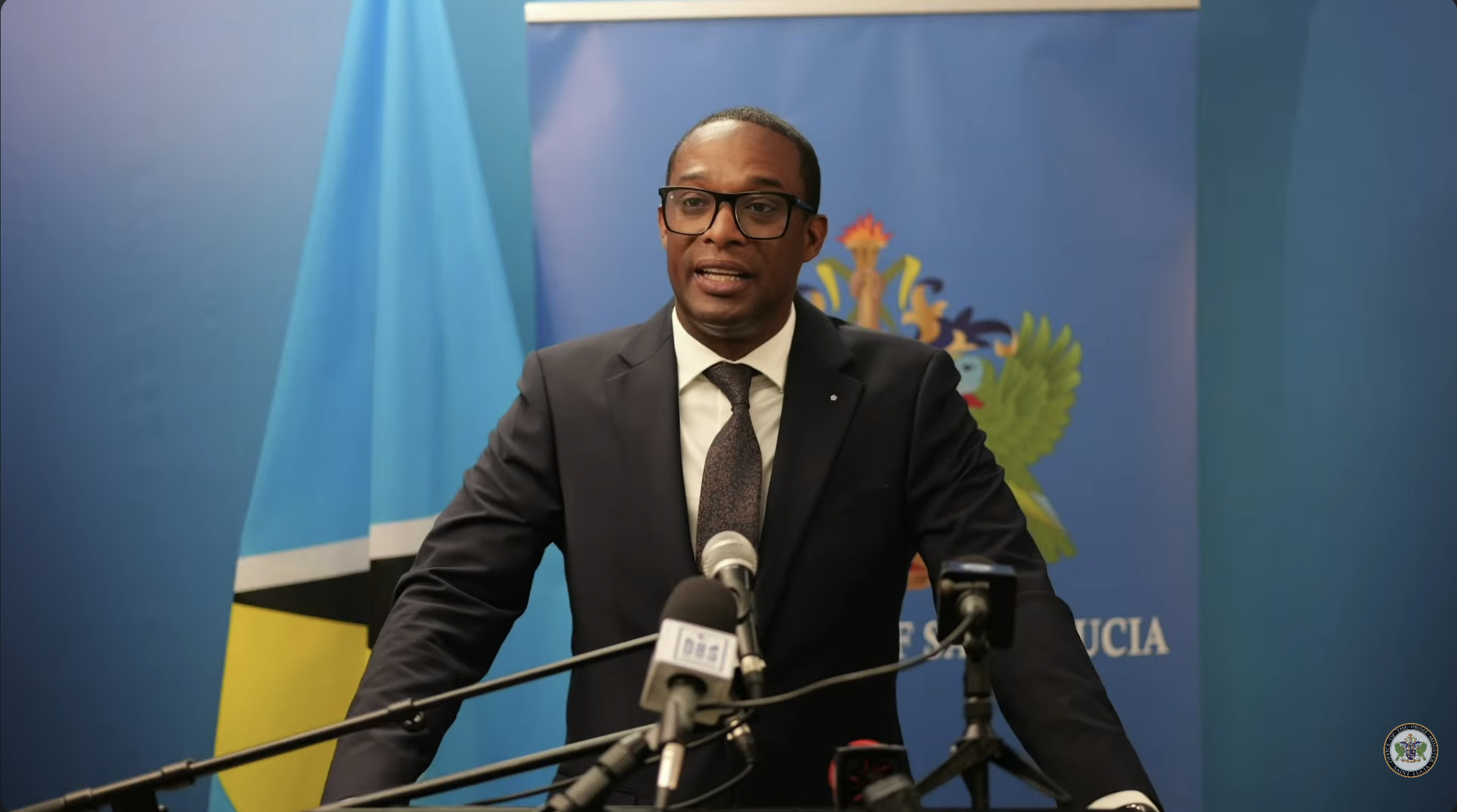
  • Girard faces press, insists Youth Economy still delivering

    Girard faces press, insists Youth Economy still delivering

    In a rare public appearance with reporters ahead of this week’s Cabinet meeting, Saint Lucia’s Economic Development and Youth Economy Minister Wayne Girard pushed back against speculation that he has been avoiding media scrutiny, while offering clarity on recent internal shakeups at the country’s Youth Economy Agency (YEA) and reaffirming the organization’s core mission to empower young Saint Lucians.

    Girard, who had previously pledged to increase his public engagements with the press, addressed lingering questions about his limited visibility to date. He emphasized that his reduced public profile stemmed from a deliberate focus on advancing the priorities of his dual ministries, not a reluctance to engage with media. “It is not that I do not want to speak to reporters — I have plenty to share with the public,” he told journalists at Monday’s briefing. “I have no issues at all with being accessible to the press.”

    Much of the briefing centered on the YEA, a government body designed to support youth entrepreneurship across the island. Girard confirmed that the agency remains fully operational despite a wave of high-profile staff departures over the past 12 months, including former chief executive officer Bryan Vidal and multiple other original members of the leadership team. When asked if the exits signaled a fundamental shift in the agency’s direction or core philosophy, Girard framed the changes as unplanned, circumstantial transitions rather than a deliberate restructuring. He clarified that no staff were forced out of their roles, noting that Vidal made a personal choice to leave the organization. A new permanent CEO was already appointed to take over the role earlier this month, and the agency is currently moving forward with hiring for two additional open positions: a communications specialist and a procurement officer, according to the minister.

    Beyond addressing leadership changes, Girard made a forceful case for the YEA’s long-term importance to Saint Lucia’s economic and demographic future. Since its launch, the agency has disbursed more than 3,000 grants to young aspiring entrepreneurs across the country, with a new batch of applications currently under review, he said. Girard argued that the initiative is far more than a political gesture to court young voters: it is a critical policy intervention to address two of the island’s most pressing long-term challenges: an aging population and persistently low birth rates. If Saint Lucia fails to actively engage its young population in productive economic activity now, the country will face severe headwinds in the coming years, he warned. “If we do not get the situation of our young people right, we are going to be in significant trouble down the line,” he said. “This is not just politics carving out space for young people to turn their hobbies into business skills — it is a line of defense for the future of our country.”

    Girard also sought to dispel rumors that grant access is tied to political affiliation, stressing that all young Saint Lucians with viable business ideas are eligible for support regardless of their political leanings. He encouraged any young person with a entrepreneurial concept to reach out to the agency directly to access available resources. “If you come to the Youth Economy Agency with a solid idea and a clear initiative, you will get the assistance you need,” he said. “This has nothing to do with politics. It is simply about recognizing how important it is to ensure every young person in our country can contribute productively to our economy.”

  • Walker Calls for Repair of Barbuda Wave-Monitoring Station

    Walker Calls for Repair of Barbuda Wave-Monitoring Station

    Barbuda’s Member of Parliament Trevor Walker is pushing for urgent repairs to a non-operational wave-monitoring station, a critical piece of infrastructure that would boost the island’s tsunami preparedness, days after the Caribbean community earned its official Tsunami Ready certification. Speaking at Wednesday’s official designation ceremony, Walker shared new details about the out-of-service facility, which was originally installed near Barbuda’s River region back in 2010. The lawmaker has formally called on relevant government officials to assess the station to determine if restoration is possible, a move that would allow the Antigua and Barbuda Meteorological Service to track real-time wave heights from a remote location.

    Addressing Junior Minister Kiz Johnson directly during the ceremony, Walker stressed: “If it’s possible for you to see whether or not we can get that up and going and repaired.” He noted that a functional monitoring station would strengthen the island’s existing emergency preparedness frameworks, giving forecasters and emergency responders more actionable data to warn residents of incoming tsunami risks.

    Walker also expressed strong support for Barbuda’s new Tsunami Ready status, highlighting the far-reaching benefits the years-long designation process has already delivered for local communities. He explained that the public outreach and planning work tied to the certification has dramatically improved resident understanding of tsunami hazards and clearly marked safe evacuation routes. Walker recalled that growing up on the island, residents were only told to evacuate to the Highlands area during a tsunami event, but the new planning initiative has identified multiple additional safe zones across Barbuda.

    The official Tsunami Ready designation followed months of coordinated work across government and community stakeholders, including the development of detailed evacuation maps, installation of clear emergency signage, widespread public education campaigns, and a full-scale community tsunami response exercise. Christa von Hillebrandt, a representative for the Tsunami Ready program, shared that advanced tsunami modeling conducted as part of the process confirmed Sir McChesney George Secondary School falls outside of mapped hazard zones, making it a secure evacuation site for local residents.

    In closing remarks at the ceremony, Walker urged both government authorities and local residents to continue prioritizing tsunami awareness and preparedness moving forward, rather than treating the designation as a final milestone. Notably, Walker’s comments did not include details on when the wave-monitoring station stopped operating, or the specific scope of repairs that would be required to bring it back online.

  • Barbuda Recognized as Tsunami Ready Community

    Barbuda Recognized as Tsunami Ready Community

    The small Caribbean island of Barbuda has officially secured international recognition for its comprehensive tsunami preparedness through UNESCO’s globally recognized Tsunami Ready program, capping off months of coordinated work across community outreach, infrastructure development, and emergency planning. This designation names Barbuda as the 25th Tsunami Ready certified community across the Caribbean region and the 125th globally, according to Christa von Hillebrandt, a senior representative for the initiative. During a formal certification ceremony held Wednesday, local government leaders accepted an official certificate and commemorative plaque on behalf of the Barbuda Council, validating the island’s preparedness status for the 2026 to 2030 certification cycle.

    Von Hillebrandt explained that the Tsunami Ready program requires communities to meet 12 strict core criteria grouped into three overarching categories: mapping high-risk zones and vulnerable populations, establishing clear protocols for resident evacuation, and ensuring effective distribution of official tsunami warnings to the entire community. As part of the certification process, detailed tsunami modeling was conducted to identify elevated, safe evacuation zones across the island, with the grounds of Sir McChesney George Secondary School formally designated as one of the key safe gathering points.

    Community engagement was a core pillar of Barbuda’s preparedness effort, with local residents and secondary school students playing active roles in refining evacuation route maps, participating in full-scale community evacuation drills, and even producing an educational music video focused on tsunami safety that was screened during Wednesday’s certification ceremony. Von Hillebrandt noted that an initial planned evacuation route targeting Louis Hill was revised after drills revealed that evacuees from that area could reach safety more quickly and easily at the designated secondary school location, cutting down on travel time and reducing risk during an actual emergency.

    Junior Minister Kiz Johnson used the ceremony as an opportunity to formally launch Barbuda’s upgraded tsunami early warning system, confirming that all required infrastructure – from clearly marked evacuation routes to functional warning equipment to standardized community response procedures – is now fully in place. Despite this milestone, Johnson emphasized that ongoing public awareness remains critical, urging all residents to memorize response protocols and know what actions to take immediately if an official tsunami alert is issued for the island. “True resilience lives in our readiness,” Johnson stated, underscoring that preparedness is a continuous commitment rather than a one-time achievement.

    Local Member of Parliament Trevor Walker welcomed the certification but also used the occasion to call for urgent repairs to a wave-monitoring station installed on the island around 2010, which he confirmed has been non-functional for an extended period. Walker noted that a fully operational monitoring station is a critical complement to the island’s new evacuation and warning protocols, filling a key gap in overall preparedness.

    Barbuda Council Chairman John Mussington framed the Tsunami Ready designation not as a final accomplishment, but as the starting point for ongoing work to strengthen the island’s coastal disaster resilience. He confirmed that Barbuda has already committed to full participation in the regional Carib Wave tsunami exercise scheduled for next March, an annual event that tests preparedness protocols across Caribbean communities.

    “Being declared tsunami ready is just the beginning of a long process,” Mussington said, echoing Johnson’s emphasis on continuous improvement. UNESCO officials confirmed that the Tsunami Ready certification must be renewed every four years, requiring communities to maintain regular drills, update public education campaigns, and conduct routine maintenance on all warning and monitoring infrastructure to retain their designation.

  • SLBMC Reaffirms Breastfeeding Support During Breastfeeding Week

    SLBMC Reaffirms Breastfeeding Support During Breastfeeding Week

    As Antigua and Barbuda prepares to mark its 2026 Breastfeeding Awareness Week from September 21 to 25, the nation’s leading Sir Lester Bird Medical Centre (SLBMC) has publicly reaffirmed its long-standing dedication to protecting, promoting, and supporting breastfeeding to give every newborn a healthy foundation for life.

    Ann-Marie Browne-Isaac, who chairs the medical centre’s dedicated Breastfeeding Committee, outlined the facility’s ongoing core initiatives tied to its Baby Friendly Hospital designation. She highlighted that SLBMC has consistently prioritized two evidence-based practices: facilitating breastfeeding within the first critical hour after birth, and fully implementing the World Health Organization and UNICEF-endorsed Ten Steps to Successful Breastfeeding across all maternity wards.

    Beyond hospital walls, Browne-Isaac emphasized that meaningful support for breastfeeding mothers cannot end at discharge. A collective, cross-sector effort is required to build a supportive ecosystem, with key roles for national government agencies, local employers, educational institutions, family units, and community organizations. Each stakeholder has a unique part to play in removing barriers that often force mothers to stop breastfeeding earlier than recommended, she explained.

    Browne-Isaac also outlined the far-reaching collective benefits of expanding robust breastfeeding support. Beyond individual health outcomes, stronger systems reduce long-term health and financial pressures for families, cut rates of workplace absenteeism as children experience fewer acute illnesses, and ease strain on local public health systems. From a clinical perspective, she added that long-term breastfeeding is linked to proven reduced risk of breast and ovarian cancers in birthing parents, as well as lower rates of childhood obesity and type 1 and 2 diabetes in children.

    In a formal statement, SLBMC confirmed that its ongoing work centers on three core pillars: expanding public and clinical education around breastfeeding, fostering cross-sector collaboration to strengthen support systems, and reframing public conversations around breastfeeding to normalize the practice and reduce stigma for nursing mothers. The institution closed by calling on all public and private institutions, workplaces, families, and community partners to join in the effort, to help all mothers in Antigua and Barbuda continue breastfeeding with confidence, regardless of their personal circumstances.