博客

  • Man fatally shot after answering knock at door

    Man fatally shot after answering knock at door

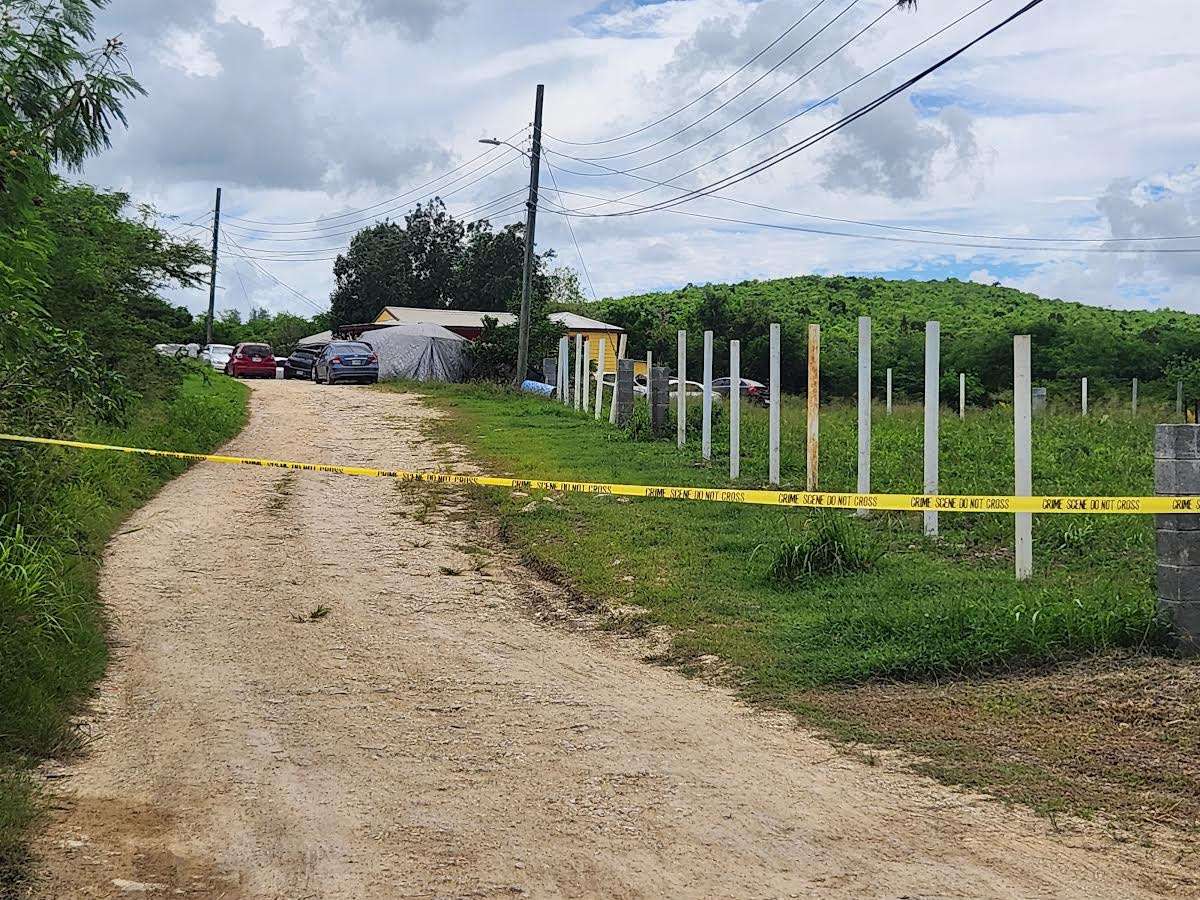
    A fatal shooting has shaken a residential community in the Bahamas, after a man in his early 30s was gunned down Wednesday afternoon moments after answering a knock at the front door of his Cowpen Road home, law enforcement officials confirmed this week.

    Chief Superintendent Sheria King, head of the Royal Bahamas Police Force’s press liaison division, told reporters the agency received an emergency call alerting officers to the shooting on Cowpen Road West shortly after 1:30 p.m. First responders who rushed to the scene immediately found the victim with multiple visible gunshot wounds to his upper body. Despite urgent efforts to provide medical assistance, the man was pronounced dead at the scene.

    As of the initial investigation, details about the case remain sparse, King said. Law enforcement’s preliminary findings paint a clear picture of the attack: the victim was inside his private residence when an unknown party knocked on the front entrance. When the man opened the door to greet the visitor, the person or people standing outside immediately opened fire, killing him instantly. No additional information about potential suspects, a motive for the attack, or any witnesses has been released to the public as detectives continue processing evidence and interviewing persons of interest.

    This latest fatal shooting marks the second deadly gun-related incident to hit the country earlier this month. Just weeks prior, a second man in his early 40s was shot and killed on Richard Drive in the Adelaide district. The victim, a landscaper, was murdered just moments after he finished his work shift at Adelaide Primary School and left the campus.

    The proximity of that first shooting to the local primary school triggered immediate safety protocols, with school administrators placing the entire campus under an emergency lockdown to protect students and staff. Law enforcement quickly confirmed that all five students and 10 staff members who were on campus at the time of the shooting were never in any danger, and the lockdown was lifted once police secured the area.

  • Dominican Republic establishes diplomatic ties with Somalia and expands international relations

    Dominican Republic establishes diplomatic ties with Somalia and expands international relations

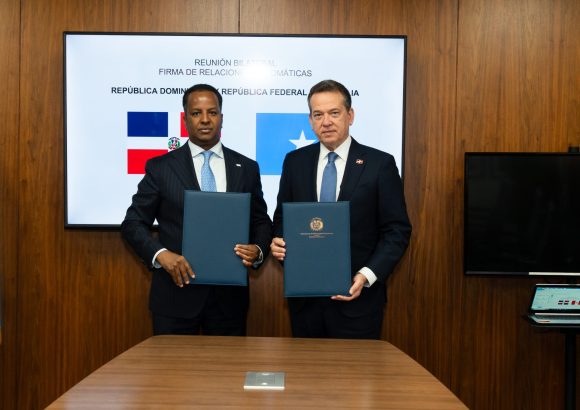
    On the sidelines of the 81st United Nations General Assembly in New York, the Dominican Republic has advanced its global diplomatic outreach with a series of key agreements and engagements, highlighted by the formal establishment of full diplomatic relations with Somalia. This landmark accord brings the total number of nations that share formal diplomatic ties with the Caribbean country to 188, marking a significant milestone in the Dominican Republic’s efforts to broaden its international presence.

    The mutual diplomatic recognition agreement was signed Wednesday by top diplomatic leaders of both nations: Víctor “Ito” Bisonó, Dominican Republic’s Minister of Foreign Affairs, and Abdisalam Abdi Ali, Somalia’s Minister of Foreign Affairs and International Cooperation. The signing was formalized via a joint statement aligned with the protocols and frameworks set out in the Vienna Convention on Diplomatic Relations.
    Beyond the new partnership with Somalia, Bisonó secured a second key agreement on the sidelines of the UN General Assembly session with Indonesia. The two nations signed a visa exemption arrangement covering holders of diplomatic, official, and service passports. Under the terms of the deal, qualifying passport holders from both countries can enter, exit, transit through, and remain in the other nation for up to 30 days without requiring a pre-arrival visa, a change expected to streamline official travel and deepen people-to-people and institutional connections between the two states.
    To wrap up his multilateral engagements during the UNGA, Bisonó also held structured bilateral meetings with two other top foreign policy leaders: Sheikh Abdullah bin Zayed Al Nahyan, Foreign Minister of the United Arab Emirates, and Margus Tsahkna, Foreign Minister of Estonia. During these closed-door discussions, the parties reviewed the current state of their existing bilateral relations and explored a wide range of untapped opportunities to expand mutually beneficial cooperation across multiple sectors.
    These diplomatic moves underscore the Dominican Republic’s ongoing push to strengthen its global engagement, diversify its international partnerships, and create new pathways for collaboration across political, economic, and cultural spheres as it participates in the annual UN General Assembly gathering of world leaders.

  • Abinader receives Americas Society’s highest honor for leadership and regional impact

    Abinader receives Americas Society’s highest honor for leadership and regional impact

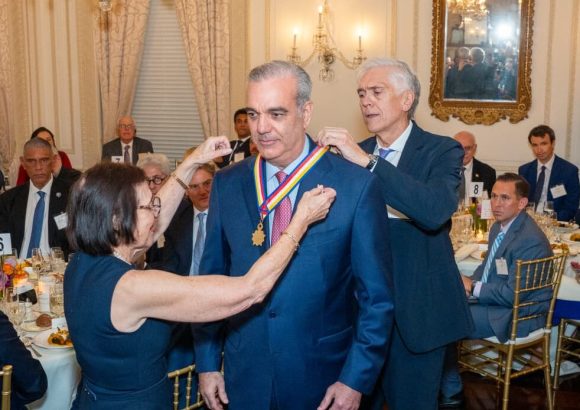
    In a formal ceremony held in New York City this week, Dominican Republic President Luis Abinader has been honored with the Gold Badge, the highest distinction bestowed by the Americas Society, in recognition of his transformative leadership at home, successful post-pandemic economic recovery, and unwavering commitment to democratic governance and cross-regional collaboration. The award was officially presented to Abinader by Susan Segal, President and CEO of Americas Society/Council of the Americas, and Andrés Gluski, the organization’s board chairman. The president was joined at the event by First Lady Raquel Arbaje, their daughters, and Dominican Republic Foreign Minister Víctor “Ito” Bisonó.

    In his acceptance address, President Abinader outlined the striking socioeconomic advances his administration has delivered over recent years, citing official domestic data to underscore progress. He noted that the Dominican Republic has maintained a steady 4.5% annual economic growth rate, while cutting the national monetary poverty rate nearly in half from 26% in 2019 to just 14.5% in the first half of 2026. Prevalence of undernourishment across the country has also plummeted over his tenure, dropping from 8.7% to less than 2.5%, he added.

    Looking ahead to the full year, Abinader projected that the Dominican Republic will welcome close to 12.4 million international tourists by the end of 2026, a new milestone for the country’s key tourism sector. He also forecast that total foreign direct investment inflows will surpass $5.2 billion this year. Abinader highlighted the rapid expansion of the country’s free trade zones, growing exports of medical devices and electronic equipment, and his administration’s forward-looking policy focus on emerging high-growth sectors including artificial intelligence and semiconductor assembly.

    Beyond economic progress, the president emphasized his administration’s longstanding commitment to strengthening democratic institutions across the Dominican Republic. He pointed to the 2024 constitutional reform that codified a two-term limit for sitting presidents, framing the measure as a core part of his administration’s lasting legacy. He used the occasion to reaffirm the Dominican Republic’s dedication to upholding democratic norms and deepening collaborative ties across the Americas.

    The Gold Badge, the Americas Society’s most prestigious award, is reserved exclusively for democratically elected leaders whose work has delivered significant, long-lasting positive impact to their nations and the broader Western Hemisphere. In his opening remarks ahead of the award presentation, Gluski praised Abinader for his effective leadership steering the Dominican Republic through post-crisis economic recovery, strengthening national public institutions, advancing regional cooperation on public security, and building more resilient global supply chains with partners across the hemisphere.

  • Family claims PMH surgeon admits to surgical error

    Family claims PMH surgeon admits to surgical error

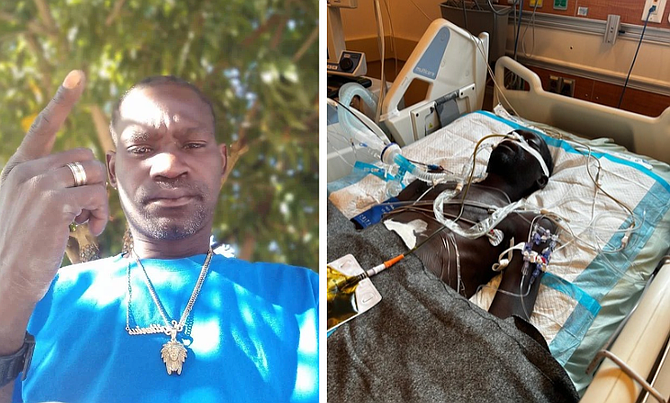
    A Bahamian family is calling for full transparency and legal accountability after a devastating surgical complication left 42-year-old Lamond Brice with necrotic intestines at Nassau’s Princess Margaret Hospital (PMH), alleging hospital leadership concealed the error that caused his life-threatening condition for days. Brice, a loving father and beloved family member described by relatives as the constant “life of the party” before his procedure, was admitted to PMH on September 3 to remove a confirmed non-cancerous growth from his stomach, according to his family’s account.

    The first procedure was carried out on September 4, and clinicians initially told the family the surgery had gone according to plan. Within days, however, Brice’s condition declined sharply: he began experiencing persistent vomiting and crippling abdominal pain, prompting clinicians to order a CT scan that revealed severe internal damage. He was rushed into emergency second surgery on September 7, where family members say they were informed his intestines had already begun to die.

    For days after the second procedure, Brice’s relatives told reporters they were given no clear explanation for what triggered the tissue damage, despite multiple scheduled meetings with the care team. It was only after Malaya Curry, Brice’s aunt, pressed the lead surgeon for a full explanation that the clinician admitted his team had accidentally nicked a key vein during the initial September 4 operation. “He said, ‘I am sorry. I made a mistake,’” Curry recalled in an interview, adding that the hidden error robbed the family of the chance to seek alternative care outside of PMH. “If they had told me the truth and been honest with me, I could’ve probably saved his life or do more to get more help.”

    According to Curry’s account, following the discovery of the damaged vein, clinicians left Brice’s abdomen open for roughly three days while they attempted to repair the injury by grafting a healthy vein harvested from his thigh to the abdominal region. A third procedure was later performed to restore blood flow and function to the dying intestines, but the intervention was ultimately unsuccessful. Clinicians eventually informed the family that no further curative treatment could be provided, and care shifted entirely to palliative measures to keep Brice comfortable as his condition worsens.

    Today, Brice remains alert but unable to speak, as intubation tubes inserted through his mouth are required to manage bowel waste that can no longer pass through his digestive system normally. His family says watching his rapid physical decline has been an agonizing experience, with daily visits to the intensive care unit leaving them heartbroken. “It hurt to my core in my heart to see my nephew in the hospital,” Curry said. “I got to go every day to see him suffering, dying a slow death because of the hands at PMH.”

    Brice’s niece, Marissa Rolle, says the family is now pushing for PMH to cover the cost of emergency overseas care, including a portable total parenteral nutrition (TPN) pump to deliver nutrients intravenously and a life-saving intestinal transplant that is not available at the Bahamian public hospital. The family submitted an official formal complaint to the Public Hospitals Authority (PHA), which oversees PMH, this week and has retained legal counsel to pursue a negligence claim against the facility. Rolle noted that the family is far from the first to experience harm from preventable errors at PMH, saying “It’s too many families going into PMH and having to go through the same thing, negligence after negligence. So, we just want justice. We just want him to get the right treatment needed.”

    In an official statement provided to the Tribune, PHA acknowledged it has received the family’s concerns and confirmed the complaints are currently under active internal review. The authority noted that PMH’s clinical leadership has maintained consistent communication with Brice’s family throughout the review process, and that PHA “takes concerns regarding patient care seriously and remains committed to ensuring that all matters raised are appropriately reviewed in accordance with established clinical and administrative procedures.” PHA declined to share further details about Brice’s care, citing mandatory patient confidentiality rules and the ongoing status of the internal review.

  • OPBAT framework allows US counter-drug operations

    OPBAT framework allows US counter-drug operations

    For over 40 years, Operation Bahamas, Turks and Caicos — widely known by its acronym OPBAT — has served as the formal legal foundation that allows United States counter-narcotics personnel and aircraft to conduct operations across Bahamian territory. This longstanding partnership has moved into the spotlight this week, as new questions emerge about the activities of Drug Enforcement Administration (DEA) agents operating in the island nation, putting OPBAT’s rules and authority under fresh scrutiny.

    The trilateral initiative was first launched in 1982 as a joint effort between the United States, the Bahamas, and the United Kingdom (which acts on behalf of the Turks and Caicos Islands, a British Overseas Territory). It was created to address a rapidly growing crisis: the explosion of cocaine and marijuana trafficking through the northern Caribbean that had begun in the late 1970s. At that time, the chain of Bahamian islands and their surrounding waters had become critical transit points and refueling hubs for criminal organizations smuggling narcotics from South America to consumer markets in the United States.

    A 2011 U.S. congressional testimony laid out the core structure of the agreement: it explicitly authorizes OPBAT-affiliated helicopters and personnel to carry out counter-drug missions across both the Bahamas and the Turks and Caicos Islands. Operational leadership has fallen primarily to the DEA since the program’s founding, with close collaboration from multiple U.S. agencies including the U.S. Coast Guard, U.S. Customs and Border Protection, and the U.S. Department of State, alongside law enforcement units from the Bahamas and Turks and Caicos Islands.

    From its earliest days, the partnership has divided responsibilities clearly between participating forces, per historical documentation. A 2001 State Department report on OPBAT activities notes that local officers from the Royal Bahamas Police Force (RBPF) Drug Enforcement Unit and the Turks and Caicos Police led all enforcement actions, including arrests and drug seizures. DEA special agents joined missions only to provide strategic guidance, cross-border coordination, and intelligence support. The program has relied heavily on U.S. assets to cover the Bahamas’ vast, spread-out archipelago, including advanced surveillance technology, aircraft, and maritime enforcement resources.

    The long-running partnership remains active decades later, with high-profile seizures continuing into 2024. In March of this year, the U.S. Coast Guard announced that OPBAT partners carried out a major seizure in Mayaguana, where Bahamian police and DEA agents intercepted a suspected smuggling aircraft and seized approximately 391 kilograms of cocaine. The RBPF took custody of the arrested suspect and lead the ongoing investigation, in line with the program’s longstanding role division.

    Beyond counter-narcotics work, OPBAT’s resources and infrastructure have been repurposed for other regional security priorities. U.S. authorities confirm that OPBAT assets have been deployed to disrupt human smuggling networks and support search-and-rescue operations across the northern Caribbean. The broader security partnership has also allowed the U.S. to deliver critical equipment and specialized training to Bahamian law enforcement agencies. Between 2013 and 2019, four high-speed marine interception vessels donated through U.S. assistance programs participated in OPBAT missions, contributing to the seizure of nearly eight metric tons of cocaine. Official data shows that OPBAT seized 219 metric tons of illegal drugs across the region in 2019 alone.

    Historical records highlight the program’s cumulative impact over four decades. By 2003, just 21 years after its launch, U.S. officials cited U.K. government data reporting that OPBAT had seized more than 75,000 kilograms of cocaine and 375,000 kilograms of marijuana since operations began. The U.S. Coast Guard has repeatedly described OPBAT as the cornerstone of regional security cooperation in the northern Caribbean, and officials from all participating nations have held ongoing discussions about updating and expanding the framework to address evolving transnational crime threats.

    Despite this long history of cooperation, the existence of the OPBAT framework does not resolve the questions at the heart of the current controversy. It remains unconfirmed whether the DEA agents at the center of this week’s dispute were conducting activities as part of an official OPBAT mission, or whether their actions fell within the scope of authority granted under the program’s founding agreements.

  • School heads adjust to persistent heat

    School heads adjust to persistent heat

    Longer-than-expected periods of above-average temperatures are forcing education institutions across Barbados to implement sweeping changes to classroom operations, facility infrastructure, and student policies to protect young people from heat-related health risks. With meteorological forecasts projecting hotter-than-normal conditions to remain in place through the start of 2027, marked by repeated waves of severe heat stress, schools from primary to secondary level are rolling out targeted adaptations, from expanding access to clean drinking water to revising long-standing uniform rules. Multiple school administrators shared details of their heat mitigation strategies with local outlet Barbados TODAY, outlining both progress and ongoing challenges in keeping learning environments safe and functional amid rising temperatures.

    At Darryl Jordan Secondary School, located in the northern parish of St Lucy, Principal Ken Layne said the campus’s elevated natural position gives it a built-in advantage against sweltering conditions. “In terms of the physical plant and where we’re located, we’re slightly elevated, so for the most part we are breezy,” Layne explained. To support consistent hydration, a top priority for preventing heat illness, the school has installed dedicated water stations, distributed free reusable water bottles to all first-year students, and maintains a consistent supply of clean water via regular refills from the Barbados Water Authority. Unlike many traditional school policies that restrict drinking during class, Darryl Jordan Secondary allows students to access water freely throughout lessons, and the canteen stocks additional cool beverages for purchase. For physical education classes, which are often held outdoors, the school has adjusted schedules and shortened sessions to limit sun exposure. “In terms of PE… we started physical sessions late last week, but we try to keep them short; we don’t keep them outside in the sun too long,” Layne said, adding that the school’s standard PE uniform is already designed to be lightweight and breathable.

    Across the island at Grantley Adams Memorial Secondary School in St Joseph, Principal Major Andrew Skeete has implemented similar operational and infrastructure adjustments. Like Darryl Jordan, the rural campus benefits from natural ventilation that helps moderate indoor temperatures, but Skeete’s team is moving forward with planned upgrades to add more electric fans and improve existing cooling systems. Outdoor gatherings such as school assemblies have been cut to just 10 to 15 minutes to reduce prolonged exposure to heat, and specialized learning spaces including information technology labs are already fitted with full air conditioning. Skeete noted that the national Ministry of Education first issued formal guidance for heat management last year, directing schools to make provisions for additional cooling and promote regular student hydration.

    Primary schools across Barbados are also adapting their setups to cope with rising temperatures. At Bridgetown S.D.A. Primary School, Principal Dr. Cheryl Weekes said the institution is currently rolling out the installation of additional fans in every classroom, with some larger rooms now fitted with up four units combining ceiling, wall-mounted, and standing fans. “It is not affecting them really… because the classrooms are fairly airy also, with windows on both sides of the room,” Dr. Weekes said. All school assemblies are now held indoors in air-cooled spaces, and outdoor physical activities continue only with close adult supervision for signs of heat distress. Dr. Weekes credited the school’s parent-teacher association and local families for providing critical support to fund the new fan installations, saying the community response has been overwhelmingly positive.

    Not all primary schools have the resources to fully address heat risks, however. At A. DaCosta Edwards Primary School in Belleplaine, St Andrew, Principal Janelle Jones said while staff and students are following national heat safety protocols, teaching remains a major challenge across the entire campus. “It has been difficult, but we’re managing. We would appreciate the kind donation of corporate bodies with some fans,” Jones said, noting that the school currently relies on shaded outdoor sessions under trees to escape the heat during peak temperature hours. Jones added that while staff encourage students to drink extra water and limit strenuous outdoor play, enforcing strict limits across the entire campus remains an uphill battle: “We have been going along with the protocols, but it’s a challenge. It’s hot everywhere.”

    Many schools are also revisiting their uniform policies to adapt to the prolonged heat, building on recent trials of climate-friendly uniform designs at Princess Margaret Secondary School. At private St Winifred’s School, Principal Valerie Routley said the institution has already relaxed uniform requirements to help students stay cool. “For the last couple of years, particularly during this term, we have allowed our students to wear their PE kits to school rather than their full school uniform because of the heat, because of course the PE kits are much cooler,” Routley explained. The school is currently considering making this flexible policy permanent, with a series of working meetings planned to design a permanent, more breathable climate-friendly school uniform. Beyond uniform changes, St Winifred’s has added new water hydration stations, requires students to wear hats for outdoor activities, and schedules most PE sessions on the school’s covered tennis court to stay out of direct sun. The school nurse also conducts regular checks to identify early signs of heat exhaustion among students.

  • Bathlodge Shooting Stemmed from Argument Involving Absent Individual, Benjamin Says

    Bathlodge Shooting Stemmed from Argument Involving Absent Individual, Benjamin Says

    A deadly Monday night shooting in the Bathlodge area has left one young person dead and two others injured, triggering an active manhunt for a third suspect connected to the attack. Local law enforcement has already taken two men into custody as detectives work to piece together the full sequence of events that led to the gun violence.

    The casualty list from the incident identifies 20-year-old Saquania Anthony as the person killed in the shooting. Two other people — a 13-year-old boy and a 24-year-old man — suffered wounds in the attack, and they are receiving care as the investigation proceeds.

    Initial investigative lines of inquiry are exploring early witness accounts that the shooting broke out following a verbal or physical confrontation that occurred earlier in the evening. As of the latest update from authorities, no additional details have been released to the public about the nature of the underlying dispute, nor have any specifics been shared about the third person who investigators are currently seeking. Law enforcement officials confirm that the case remains open and active, with ongoing work to uncover all facts related to the attack.

  • Guyana to impose sanctions on Haitian, Venezuelan, other narco-terrorist groups

    Guyana to impose sanctions on Haitian, Venezuelan, other narco-terrorist groups

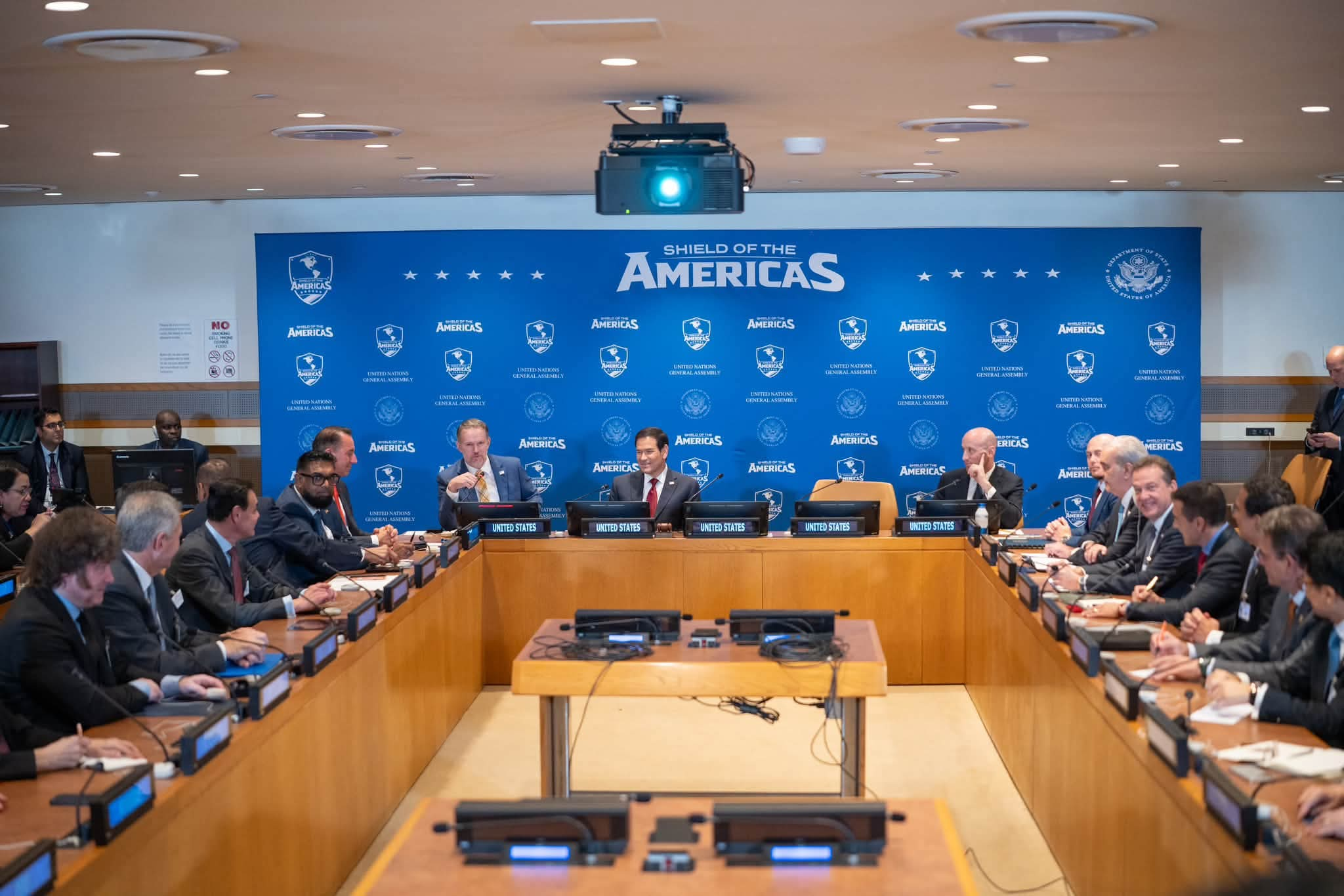
    On September 23, 2026, member states of the U.S.-led Shield of the Americas initiative concluded a high-stakes meeting on the sidelines of the United Nations General Assembly in New York, unveiling a coordinated, historic crackdown on 24 transnational narco-terrorist organizations operating across the Americas, including Haiti’s most powerful violent gang coalition Viv Ansamn.

    The collective punitive measures, laid out in a formal Joint Statement on Defending Hemispheric Sovereignty released after talks with U.S. President Donald Trump, cover a range of targeted actions aligned with each participating nation’s domestic legislation and international legal commitments. These steps include freezing assets held by the listed groups and their affiliates, imposing strict immigration and visa bans on group members, associates, and financial backers, and establishing criminal accountability for any individual that knowingly provides material or logistical support to the blacklisted organizations.

    At the top of the sanctions list is Viv Ansamn, a large alliance of Haitian gangs headed by Jimmy “Barbecue” Chérizier, a notorious former police officer. The bloc holds the group directly responsible for fueling widespread political instability across Haiti and blocking democratic national elections unless it is granted a direct role in the political process.

    Two major Venezuelan criminal groups—Tren de Aragua and Cartel de Los Soles—were also included in the first joint punitive action under the initiative’s new framework, which centers on coordinated individual and collective action to counter the spread of narco-terrorism. The Guyana government has previously raised repeated security alarms over incursions by Tren de Aragua members crossing the border from Venezuela into Guyana’s contested Essequibo Region. Notably, former Venezuelan President Nicolás Maduro, who was ousted from power by U.S. military forces on January 3 this year, had already been sanctioned by the U.S. Treasury’s Office of Foreign Assets Control for his documented ties to Cartel de Los Soles.

    Brazil’s two most formidable criminal networks also feature on the 24-group blacklist: Primeiro Comando da Capital (PCC), the country’s largest criminal organization, and Comando Vermelho (CV), a decades-old major drug trafficking syndicate.

    In justifying the unified sanctions regime, participating nations emphasized that transnational narco-terrorist groups represent an immediate, shared existential threat to the entire Western Hemisphere. These criminal networks undermine regional peace and security, and directly threaten the safety, stability, and long-term economic prosperity of all citizens across participating states.

    To formalize and institutionalize the punitive measures, Shield of the Americas members announced plans to submit a joint formal request to the Chair of the Organization of American States Permanent Council. The request will call for a consultation meeting to vote on establishing a formal Organ of Consultation under Articles 6 and 13 of the Inter-American Treaty on Reciprocal Assistance, widely known as the Rio Treaty.

    Beyond the sanctions framework, the 15 member bloc—made up of the United States, Argentina, Bolivia, Chile, Colombia, Costa Rica, the Dominican Republic, Ecuador, El Salvador, Guyana, Honduras, Panama, Paraguay, Peru, and Trinidad and Tobago—also agreed to a broader set of shared commitments. These include coordinated action to defend democratic governance against armed narco-terrorist networks, aligned sanctions designations, joint financial countermeasures against terrorists and criminal actors, expanded cross-border civilian law enforcement cooperation, and the delivery of humanitarian and public communications assistance to protect the popular democratic will across the hemisphere.

    Member states also pledged to uphold and advance mutual respect for national sovereignty and each nation’s right to self-determination through multilateral channels. They committed to coordinating on shared priorities, from catalyzing coordinated international enforcement action against transnational organized crime to advancing targeted reforms of key hemispheric multilateral institutions.
  • Bathlodge Residents Fear for Their Families After Deadly Shooting Shakes Quiet Community

    Bathlodge Residents Fear for Their Families After Deadly Shooting Shakes Quiet Community

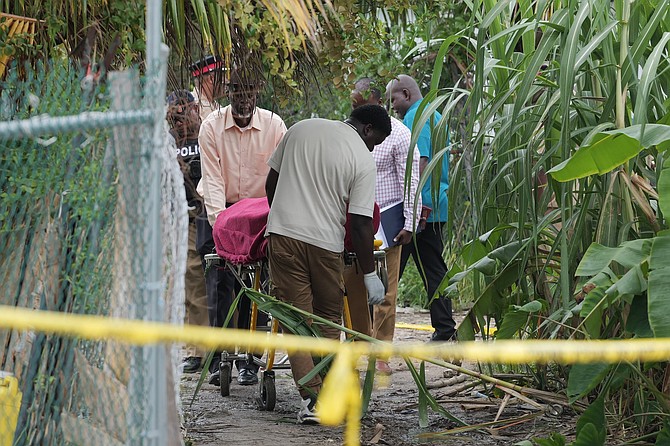
    Residents of the typically quiet Bathlodge neighborhood are now grappling with growing fear and uncertainty after a brutal shooting left one young woman dead and two other people wounded, prompting a major manhunt by local law enforcement.

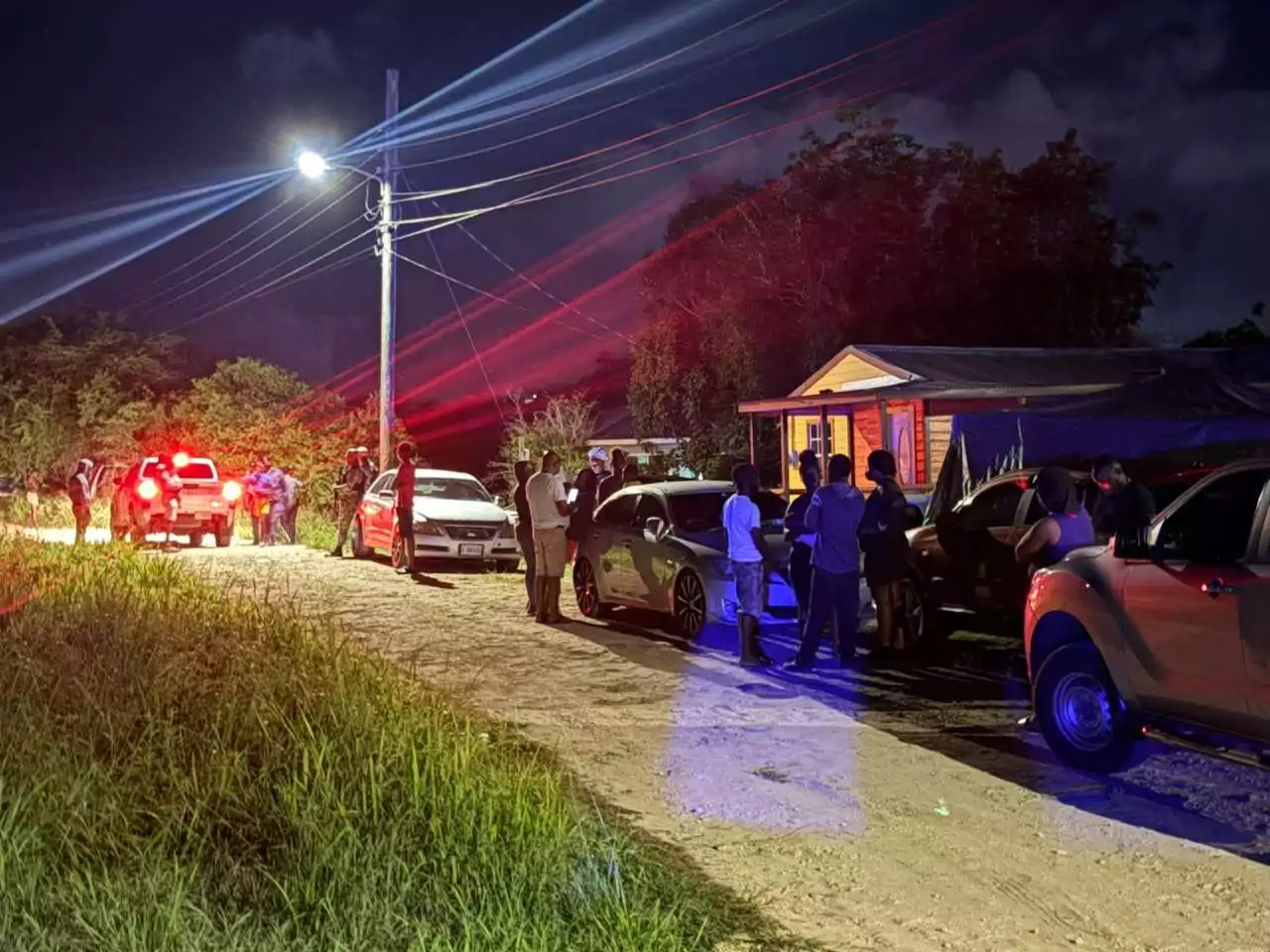
    Emergency services were dispatched to the residential community just before midnight on September 21, following reports of gunfire. When officers arrived at the scene, they found 20-year-old Saquania Anthony with multiple gunshot wounds. Despite first responders’ best efforts, Anthony was pronounced dead just shy of 2 a.m. Tuesday.

    Two other victims were also hit by gunfire. A 24-year-old man remains hospitalized in stable condition, while a 13-year-old boy is being treated for injuries that, while serious, are not considered life-threatening, according to police updates.

    Investigators have released preliminary details indicating that three masked suspects forcibly entered a private residence where a group of people had gathered, before opening fire on those inside. Two of the three suspects were taken into custody by police shortly after the incident, but a third suspect remains at large. Law enforcement teams have continued their search operations for the remaining individual as they work to piece together a motive for the attack.

    The violent event has upended the normally peaceful atmosphere of Bathlodge, leaving long-time residents deeply shaken. Many who once felt secure in their neighborhood now say they are questioning the safety of their community, with neighbors supporting each other through the collective shock and grief over the tragedy. Local leaders have noted that this shooting marks a disturbing break from the area’s history of low crime, amplifying residents’ concerns about public safety moving forward.

  • Leisure : Did you know ? #61

    Leisure : Did you know ? #61

    As part of its popular twice-weekly trivia series *Did You Know?*, HaitiLibre has shared a fascinating new entry focused on the small but historically significant Haitian commune of Mole Saint-Nicolas, answering a commonly asked trivia question: what do we call the people who call this coastal town home?

    The correct term for the town’s inhabitants, the quiz confirms, is Môlois. Nestled at the far northwestern tip of Haiti, Mole Saint-Nicolas holds a one-of-a-kind place in the history of the island: it was the first spot where Christopher Columbus came ashore when he arrived in Hispaniola on December 6, 1492.

    Perched along the strategic Windward Passage with sweeping views of the water, the commune boasts a dramatic, undeveloped semi-arid landscape. For centuries, the Môlois have cultivated a distinct cultural identity rooted in their connection to the sea. They are known for their resilience and deep pride in their layered historical heritage, which includes well-preserved ruins of 17th and 18th century coastal fortifications, most notably the striking Fort Vallière.

    Cut off from major population centers by its remote location, the community has developed a strong culture of self-reliance and tight-knit communal bonds. Fishing remains the primary economic activity for most Môlois, and the town’s sheltered Mole Bay is widely recognized as one of the most secure natural harbors across the entire Caribbean region. Today, the Môlois stand as living guardians of Haiti’s historic first gateway to the wider world, stewarding a stretch of wild, unspoiled natural beauty that draws increasing interest from cultural and ecological travelers.

    This trivia fact is pulled from the answer key for the *City Dwellers 2.1* quiz on HaitiLibre’s dedicated trivia platform, Quiz.HaitiLibre. The platform is designed to help users expand their general knowledge, covering topics from local Haitian history and culture to global current events and general interest themes, with specialized expert-level quizzes for more experienced trivia lovers.

    As of the platform’s September 1, 2026 monthly update, 30 brand new quizzes have been added to the site, bringing the total number of active trivia games to 240, with new content added every single month. All quizzes are 100% free to access, require no user registration, and are available in both French and English to accommodate all audiences. Each quiz is offered in three difficulty tiers—beginner, intermediate, and expert—making the platform accessible for casual learners and trivia enthusiasts alike.

    HaitiLibre invites users of all backgrounds to visit the quiz platform at https://quiz.haitilibre.com/en to explore its growing library of content, share the platform with friends and family, and submit feedback via the comment form at the end of each quiz to help improve future offerings. For those new to trivia, the outlet encourages consistent participation: even if you don’t know an answer right away, it’s an opportunity to learn new facts that you can share to impress your own network.