分类: politics

  • Cuba condemns and denounces new escalation of U.S. economic blockade

    Cuba condemns and denounces new escalation of U.S. economic blockade

    The Cuban Revolutionary Government has issued a forceful condemnation of what it characterizes as a dangerous escalation in United States policy aimed at imposing a total fuel blockade against the island nation. This response comes following an executive order signed by the U.S. President on January 29, 2026, which declares a national emergency and authorizes trade tariffs against countries supplying petroleum products to Cuba.

    The Cuban statement describes the executive order as containing “an extensive list of lies and defamatory accusations,” particularly rejecting the assertion that Cuba represents an “unusual and extraordinary threat” to U.S. national security. The government maintains this justification demonstrates “contempt for the truth, public opinion, and government ethics” in pursuing aggression against Cuba.

    According to the Cuban analysis, this policy represents a consolidation of economic pressure measures initiated during the Trump administration, now extending to include “blackmail, threats, and direct coercion of third countries” to prevent fuel from reaching Cuban shores. The government characterizes this approach as embodying “a dangerous way of conducting U.S. foreign policy by force” that seeks to guarantee American “imperialist hegemony.”

    The statement frames the executive order as a violation of international law and the Proclamation of Latin America and the Caribbean as a Zone of Peace. It further asserts that after 67 years of failed attempts to undermine Cuba’s revolutionary process, the U.S. government now threatens regional security and stability.

    Cuba reaffirms its historical willingness to engage in diplomatic dialogue based on principles of international law, sovereign equality, and mutual respect. The government emphasizes that Cuba poses no threat to U.S. national interests or citizen welfare, noting that American visitors have consistently been treated with “respect and hospitality.”

    The declaration concludes with a commitment to confront this “new attack with firmness, equanimity, and the certainty that reason is absolutely on our side,” invoking the revolutionary slogan “Homeland or Death, We Shall Overcome!”

    The statement positions this development as a critical test for the international community, challenging nations to determine whether they will accept such coercive economic measures or stand in solidarity against aggression and impunity.

  • VS-Iran spanningen: diplomatiek offensief om oorlog te voorkomen

    VS-Iran spanningen: diplomatiek offensief om oorlog te voorkomen

    As tensions between the United States and Iran approach critical levels, nations across the Middle East and beyond are engaging in urgent diplomatic maneuvers to prevent catastrophic military escalation. The situation has intensified following President Donald Trump’s renewed threats of military intervention unless Iran accepts stringent limitations on its nuclear program and ballistic missile development.

    The current crisis stems from massive protests that erupted across Iran in late 2025, initially sparked by deteriorating economic conditions but gradually evolving into broader challenges to the Islamic Republic’s governing structure. In response to the unrest, Tehran has demonstrated military preparedness, with officials declaring their forces “200 percent ready” to defend the nation despite international mediation attempts.

    Iran’s military capabilities have expanded significantly with the recent announcement of 1,000 new strategic drones, including attack drones and systems designed for reconnaissance and cyber operations targeting land, air, and maritime objectives. This development follows last year’s American strikes on Iranian nuclear facilities, which occurred just before planned peace negotiations with Israel.

    Diplomatic channels have activated across multiple fronts. Iranian officials have engaged in high-level talks with Turkey, including discussions between Foreign Minister Abbas Araghchi and President Recep Tayyip Erdogan. Pakistan, Egypt, Saudi Arabia, and the United Arab Emirates have all participated in telephone diplomacy aimed at preserving regional stability. India dispatched a special delegation to Tehran, while China used United Nations platforms to advocate for national sovereignty and condemn military adventurism.

    Russia has emphasized the critical importance of negotiated solutions, warning that military action would further destabilize the already volatile region. European powers have taken a different approach, focusing primarily on condemning Iran’s harsh treatment of protestors while remaining cautious about addressing war risks. France explicitly rejected military intervention and called for supporting the Iranian people through peaceful means.

    The European Union implemented new sanctions targeting 15 Iranian individuals and six entities for serious human rights violations, following similar designations by the United States, Canada, and Australia that labeled Iran’s Revolutionary Guard Corps as a terrorist organization. Tehran condemned these measures as hypocritical, particularly citing Western inaction regarding Israeli operations in Gaza.

    Despite these extensive diplomatic efforts, regional experts remain skeptical about their effectiveness in reducing US-Iran tensions. Professor Adnan Hayajneh of Qatar University noted that American policymakers predominantly listen to domestic considerations rather than regional voices, increasing the likelihood of military confrontation.

  • Krijgsraad: onvoldoende bewijs dat Veira opdrachtgever was

    Krijgsraad: onvoldoende bewijs dat Veira opdrachtgever was

    In a landmark judicial ruling on Friday, the Court of Martial Justice has fully exonerated Danielle Veira, former head of the Directorate of National Security (DNV), of all criminal charges related to the 2020 kidnapping incident involving Rodney Cairo. The court determined that evidence presented during proceedings failed to establish Veira’s role as either the mastermind or accomplice in the controversial operation.

    The comprehensive acquittal covers multiple serious allegations including kidnapping and attempted kidnapping, unlawful confinement, trespassing, and the unauthorized issuance of firearm permits. The court’s decision represents a significant judicial outcome in a case that has drawn considerable public attention.

    Presiding Judge Cynthia Valstein-Montnor emphasized that the central question throughout deliberations was whether the operation genuinely constituted an official DNV action. “The crucial question was whether this was indeed a DNV operation,” Valstein-Montnor stated during the proceedings. The court noted that only one convicted co-suspect, Imro Miedema, had testified that Veira could be contacted when police requested explanations, while other objective evidence confirming her role as orchestrator remained absent.

    Regarding allegations of improper weapons distribution, the judicial panel acknowledged that providing informants and civilians with weapons and permits had occurred previously within DNV operations. The court further noted that such practices had historically taken place even under presidential instruction, making it unreasonable to hold Veira solely criminally responsible for what appeared to be an established organizational practice.

    Based on these determinations, the court concluded that Veira committed no criminal offenses and discharged her from all further legal prosecution, effectively ending one of the most closely watched security corruption cases in recent years.

  • Social : US bishops urge the Trump administration to extend TPS

    Social : US bishops urge the Trump administration to extend TPS

    In a significant humanitarian appeal, the United States Conference of Catholic Bishops has called upon the Trump administration to reverse its decision to terminate Temporary Protected Status (TPS) for approximately 300,000 Haitian immigrants facing imminent legal limbo. With the February 3rd, 2026 deadline approaching, Bishop A. Elias Zaidan, Chairman of the Conference’s Committee on International Justice and Peace, emphasized the critical nature of the situation in a January 29th statement.

    The religious leaders highlighted the severe security conditions in Haiti that make repatriation impossible, citing the U.S. State Department’s Level 4 travel advisory warning of ‘life-threatening risks’ including widespread kidnapping, civil unrest, and terrorist activities. Adding to these concerns, the Federal Aviation Administration has implemented a complete flight ban from all U.S. cities to Port-au-Prince, effectively eliminating safe return corridors.

    While acknowledging that TPS was designed as temporary relief, the bishops emphasized that current circumstances demand executive action. They noted that despite previous calls for congressional legislation to create pathways to permanent status for long-term TPS holders, no such legislative solution has materialized, leaving the administration with both the authority and moral responsibility to act.

    The statement concluded with a powerful invocation of solidarity with the Haitian community worldwide and a prayer to Our Lady of Perpetual Help, patroness of Haiti, seeking divine intervention for a population facing unprecedented uncertainty and danger.

  • BDF Soldiers Question Transparency in Equipment Procurement

    BDF Soldiers Question Transparency in Equipment Procurement

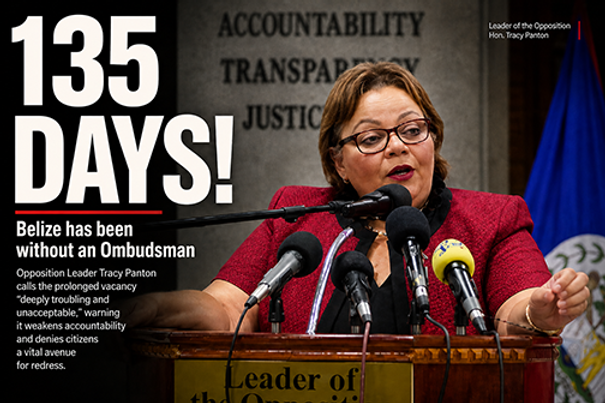
    Growing unease has emerged within the ranks of the Belize Defense Force regarding the transparency of military equipment procurement procedures. Service members have expressed concerns about recent structural changes that transferred authority for sourcing essential gear—including weapons and footwear—from military personnel to the Ministry of Defense.

    The shift in procurement responsibility has sparked questions about contract allocation processes and overall transparency in governmental decision-making. The concerns circulating among soldiers highlight potential issues in how critical defense resources are acquired under the new system.

    Former Defense Minister Oscar Mira addressed the matter cautiously, noting, “It would not be appropriate for me to comment on a ministry I no longer lead.” Mira detailed the established tender process during his administration, emphasizing strict adherence to procedural protocols. “When I was at the Ministry of National Defense, that tender process was followed to the letter,” he stated, describing a system designed to prevent issues through comprehensive oversight, including final approval from the contractor general.

    When questioned about potential familial connections to defense contracts, Mira acknowledged that relatives had previously participated in tender processes and received contracts under prior administrations. His comments come amid ongoing discussions within military circles about whether current procedures maintain the same level of transparency as previous systems.

    The emerging internal dissent highlights broader questions about governance and accountability within Belize’s defense infrastructure, with soldiers seeking reassurance that equipment procurement remains free from preferential treatment or procedural irregularities.

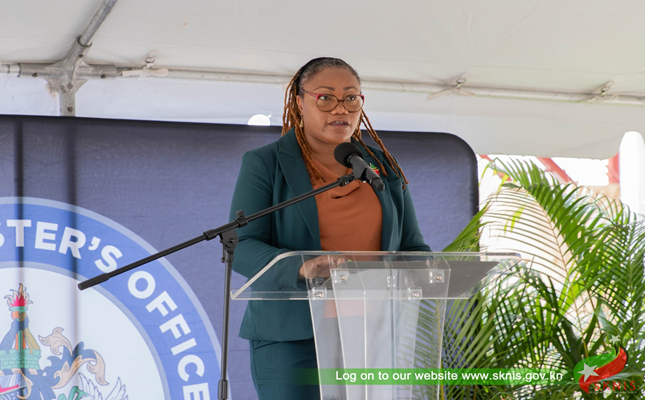
  • 50th CARICOM Heads of Gov’t Meeting Convenes in St. Kitts and Nevis in February

    50th CARICOM Heads of Gov’t Meeting Convenes in St. Kitts and Nevis in February

    The Caribbean Community (CARICOM) is poised to convene its historic 50th Regular Meeting of Heads of Government from February 24-27, 2026, in Basseterre, St. Kitts and Nevis. This landmark summit represents a significant milestone in regional cooperation, bringing together leaders from across the Caribbean basin to address pressing regional challenges and opportunities.

    Under the leadership of current CARICOM Chairman Dr. Terrance Drew, Prime Minister of St. Kitts and Nevis, the assembly will operate under the transformative theme “Beyond Words: Action Today for a Thriving, Sustainable CARICOM.” This thematic focus emphasizes the critical need for concrete implementation of regional initiatives rather than mere dialogue.

    The comprehensive agenda features multifaceted discussions on climate financing mechanisms, regional food security strategies, enhanced security cooperation, transportation infrastructure development, and the ongoing pursuit of reparations for historical injustices. These priority areas reflect the most urgent concerns facing Caribbean nations in the contemporary geopolitical landscape.

    The summit will welcome distinguished international participants, including Saudi Arabia’s Minister of State for Foreign Affairs Adel Al-Jubeir and Afreximbank President George Elombi, signaling CARICOM’s expanding global partnerships and diplomatic reach. Their participation underscores the growing international recognition of CARICOM’s strategic importance in global affairs.

    This golden anniversary gathering provides a pivotal platform for Caribbean leaders to consolidate regional integration efforts, strengthen collective bargaining power on the international stage, and chart a coordinated course toward sustainable development and economic resilience. The outcomes of this quadrennial meeting are expected to shape regional policy directions for the foreseeable future, potentially establishing new frameworks for multilateral cooperation and resource mobilization across the Caribbean community.

  • APNU scolds WIN leader over call for removal of GECOM commissioners; silence on GECOM Chairman

    APNU scolds WIN leader over call for removal of GECOM commissioners; silence on GECOM Chairman

    A significant political rift has emerged within Guyana’s opposition bloc following contentious remarks by PNCR-APNU Leader Aubrey Norton regarding WIN leader Azruddin Mohamed’s approach to electoral commission reforms. Norton publicly criticized Mohamed’s singular focus on removing three opposition-nominated Guyana Elections Commission (GECOM) commissioners while allegedly ignoring deeper systemic issues.

    During his party’s weekly news conference, Norton characterized Mohamed’s actions as politically naive, stating that the WIN leader should have conducted proper preliminary consultations rather than publicly demanding the removal of commissioners Vincent Alexander, Charles Corbin, and Desmond Trotman. “It shows you’re not doing your homework. You might be obsessed with getting rid of those who were appointed before but you need to do your homework so that you can deal with the issue properly,” Norton asserted.

    The controversy stems from WIN’s position that as the new main opposition party, it deserves representation on the seven-member GECOM. However, Norton emphasized that appointed commissioners maintain permanent positions unless legal changes occur, citing constitutional provisions that make removal procedures complex and tribunal-dependent.

    In a revealing development, Mohamed countered that he had attempted to contact Norton days prior without receiving a response. He has subsequently invited the three commissioners to a meeting scheduled for Sunday, while maintaining that “the law is clear” regarding their right to remain in position.

    The PNCR-APNU leadership redirected criticism toward GECOM Chairman Retired Justice Claudette Singh, whom they accuse of consistently favoring the ruling People’s Progressive Party Civic (PPPC). Dr. Terrence Campbell, APNU parliamentary leader, identified the Chairperson as “the source of most of the problems rather than the opposition commissioners.” Norton concluded that WIN’s exclusive targeting of opposition-aligned commissioners while ignoring the Chairman’s alleged partisan behavior suggests concerning political alignment with the ruling party’s interests.

  • This Weekend, Guyana Comes to Belize

    This Weekend, Guyana Comes to Belize

    Belize prepares to welcome Guyanese President Dr. Mohamed Irfaan Ali this Sunday afternoon, marking an unprecedented diplomatic moment as the first-ever official visit by a Guyanese head of state to the Central American nation. The three-day state visit signifies a notable shift in regional dynamics, largely driven by Guyana’s extraordinary economic transformation through its burgeoning oil sector.

    Prime Minister John Briceño articulated Belize’s strategic approach to this new regional partnership, emphasizing practical cooperation beyond energy resources. “Our primary focus involves establishing concrete agreements across agriculture, tourism, and educational exchange,” Briceño stated during a Thursday briefing. “While petroleum represents a broader regional discussion, we envision multifaceted collaboration that extends far beyond hydrocarbon resources.”

    The Belizean leader highlighted the ironic reversal in Guyana’s regional standing, noting, “Previously perceived as an overlooked destination, Guyana now commands international attention due to its substantial petroleum discoveries and consequent economic metamorphosis.”

    President Ali’s itinerary includes addressing the ceremonial opening of Belize’s National Assembly session and conducting high-level meetings with Governor General Froyla Tzalam. The visit symbolizes how energy-driven prosperity is recalibrating diplomatic relationships within the Caribbean Community and Central American regions.

    News organization Channel 5 Belize will provide comprehensive live coverage of the presidential arrival through its News 5 Live broadcast platform, with additional updates available via social media channels including Facebook and TikTok.

  • Starmer benadrukt noodzaak open blik op China ondanks waarschuwing van Trump

    Starmer benadrukt noodzaak open blik op China ondanks waarschuwing van Trump

    British Prime Minister Keir Starmer concluded a landmark visit to China on Friday, marking the first official trip by a UK leader to Shanghai and Beijing in eight years. Accompanied by over fifty business executives seeking economic opportunities, Starmer’s mission focused on revitalizing trade relations with the world’s second-largest economy.

    The diplomatic engagement drew immediate criticism from US President Donald Trump, who characterized UK-China trade negotiations as ‘dangerous.’ Starmer countered that Trump’s remarks were primarily directed at Canada, not Britain, and revealed that Washington had been notified in advance about his visit. He further noted the irony of Trump’s criticism given the US president’s own planned spring visit to China.

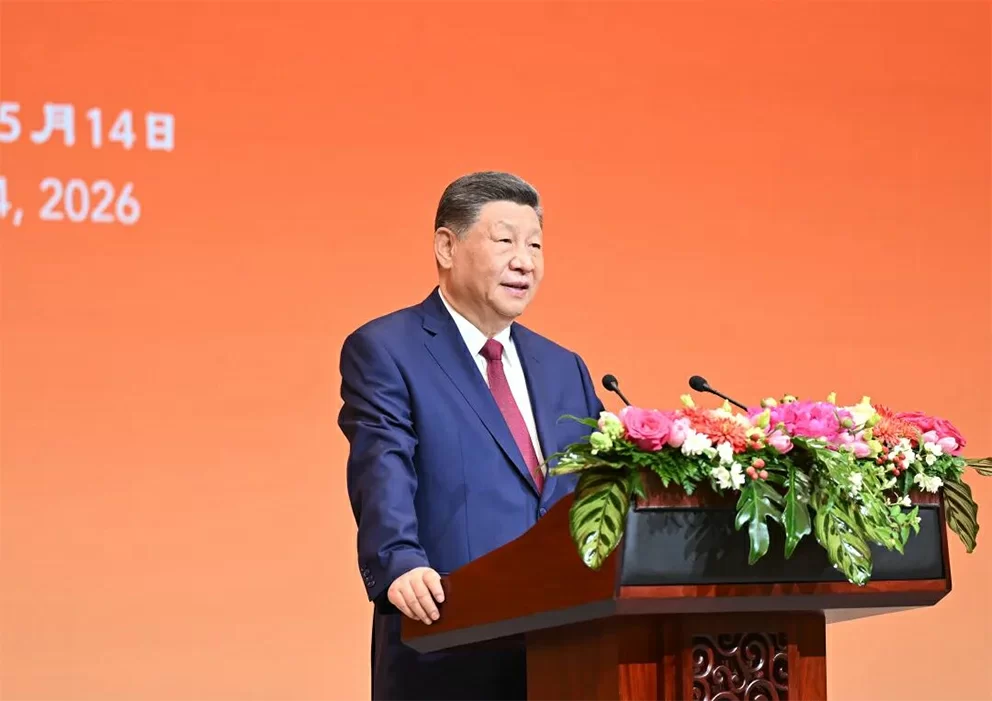
    During high-level talks in Beijing, Starmer met with President Xi Jinping, with both leaders committing to establish a ‘long-term, stable strategic relationship.’ This development signals a potential thaw in Sino-British relations following years of diplomatic tensions over human rights issues and trade disputes.

    A significant breakthrough emerged regarding travel restrictions on British parliamentarians. China agreed to lift bans imposed after the UK, alongside EU, Canadian, and US allies, sanctioned four Chinese officials over human rights violations against Uyghurs in Xinjiang. Starmer characterized this as addressing ‘a point of concern in Parliament,’ while Chinese officials framed it as part of normalizing parliamentary exchanges.

    However, controversy emerged as affected British lawmakers, including former Conservative leader Iain Duncan Smith, denied any quid pro quo arrangement involving sanction relief. In a joint statement, they emphasized they would ‘rather remain under sanctions than make concessions to those responsible for genocide in Xinjiang.’

    Starmer defended his engagement strategy, telling Sky News: ‘It is not wise for the United Kingdom to bury its head in the sand. China is the world’s second-largest economy and, together with Hong Kong, our third-largest trading partner. This visit opens numerous possibilities for jobs and prosperity.’

  • In the face of vandalism

    In the face of vandalism

    In the aftermath of Saint Lucia’s December 1 General Election, a disturbing pattern of political vandalism has persisted despite the conclusion of electoral campaigns. During the heated pre-election period, multiple incidents were reported by competing parties regarding the defacement and removal of campaign materials, including posters, billboards, and flags, allegedly perpetrated by opposing supporters.

    While most large-scale campaign installations were dismantled following the election, one prominent billboard featuring UWP candidate Marcella Johnson remained standing on private property in Gros Islet. Last week, this billboard became the target of vandalism when it was deliberately splattered with red paint in an act of post-electoral sabotage.

    Johnson’s official social media channels issued a strong condemnation of the incident, stating: ‘This is completely unacceptable and must be condemned without hesitation.’ The statement further elaborated: ‘Political competition ends at the ballot box. Once elections are over, democracy demands maturity, respect, and restraint. Vandalism, intimidation, and spiteful acts do not strengthen political movements, they weaken them and erode the civic culture we all depend on.’

    The communication emphasized that such destructive behavior ultimately reflects more negatively on its perpetrators than on its targets. The message concluded with a call for elevated political discourse: ‘Saint Lucia deserves better than this kind of petty political hostility. We can disagree without destroying, campaign without bullying, and express opinions without resorting to vandalism.’