分类: environment

  • WASCO partners with Japanese specialist to cut water losses

    WASCO partners with Japanese specialist to cut water losses

    Water security is growing as a pressing priority for small island nations, where limited freshwater resources are already strained by seasonal dry periods and aging infrastructure. On the Caribbean island of Saint Lucia, the local Water and Sewerage Company (WASCO) has launched an ambitious new initiative to cut systemic water losses by 5% within the next three to five years, backed by technical support from the Japan International Cooperation Agency (JICA).

    The collaboration between the two organizations targets the most common causes of preventable water loss across WASCO’s distribution network: persistent pipe leaks, incorrectly functioning water meters, and unregulated unauthorized water access. To lead the on-the-ground implementation of the program, JICA has dispatched veteran water supply engineer Tomohiro Minami to Saint Lucia, who began his two-year assignment with WASCO’s specialized non-revenue water team in June 2026.

    Minami brings decades of global experience to the role, having previously worked on community-focused water management projects in Nepal and Tanzania, where he helped build local capacity to address chronic water loss. In an official press statement shared by the partnership, Minami outlined his core priorities for the tenure: supporting WASCO to develop a sustainable, long-term framework for water loss management, and building the skills of local staff through hands-on training. “To achieve this, I will work together with WASCO’s staff to collect and analyse the data, assess the current situation, and implement pilot activities in selected areas,” he explained.

    Early results from the collaboration have already shown promise, according to WASCO’s Senior Planning and System Supervisor Hamish Joseph. Joseph noted that the partnership has already helped the company gain deeper, more actionable insights into the performance of its entire water network, describing the ongoing collaboration as “very productive.”

    Beyond the direct operational gains for WASCO, the 5% water loss reduction target is expected to deliver tangible benefits to consumers across Saint Lucia. Retaining treated water that currently escapes through leaks and burst pipes will expand the volume of water available for customer delivery, creating a far more consistent and reliable water supply that reduces the risk of acute shortages during the island’s annual dry season, when freshwater resources are already stretched thin.

    The initiative also brings significant financial advantages for the utility. By cutting the volume of treated water lost before it reaches paying customers, WASCO will generate cost savings that can be reinvested back into critical infrastructure upgrades, further improving the long-term resilience of Saint Lucia’s water distribution system.
  • Hurricane Watch Issued for Hawaii as TS Lala Forms

    Hurricane Watch Issued for Hawaii as TS Lala Forms

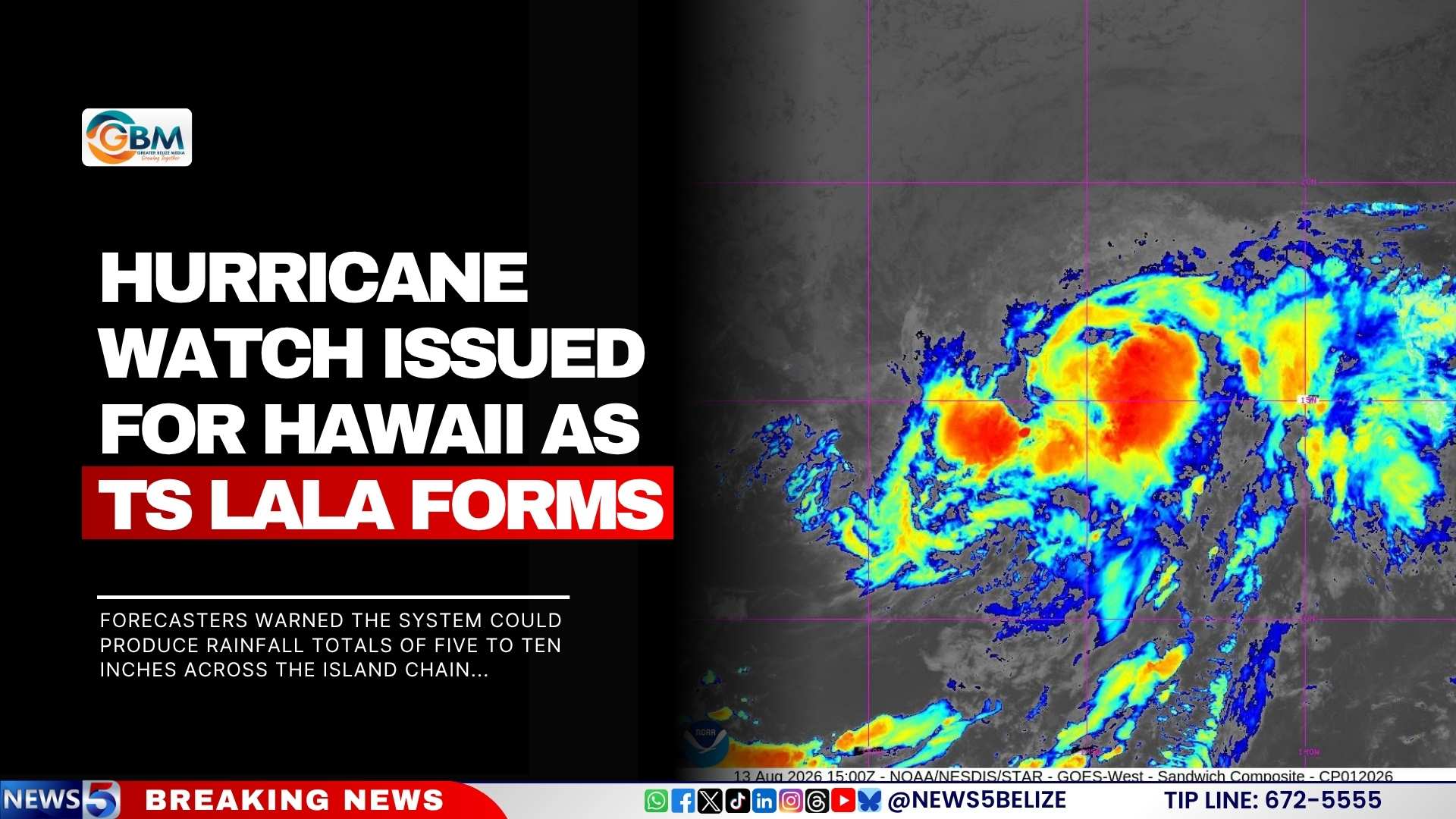
    On August 13, 2026, U.S. weather officials confirmed that Tropical Storm Lala has organized into a named tropical system over the central Pacific Ocean, triggering an official hurricane watch for Hawaii’s largest island, the Big Island, ahead of the storm’s expected arrival this coming weekend. Forecasters from the U.S. National Hurricane Center (NHC) outlined that Lala will begin bringing inclement weather to the entire Hawaiian island chain starting late Friday, with hazards including intense rainfall, gusty high winds, and life-threatening surf conditions along coastal areas.

    As of the latest NHC advisory, the newly formed storm was positioned approximately 700 miles east-southeast of the Hawaiian Islands, with maximum sustained winds holding at 40 miles per hour – the minimum threshold for a tropical storm – and tracking steadily westward toward the island chain. Current long-range forecast models indicate Lala will continue to gain strength as it traverses warm Pacific waters, and could reach Category 1 hurricane intensity just as it approaches the Big Island. NHC officials note that a hurricane watch is issued 48 hours in advance of expected hazardous conditions, signaling that hurricane-force winds are a distinct possibility in the watch area.

    The primary hazard posed by Lala, forecasters emphasize, is extreme rainfall that could trigger widespread flooding and dangerous mudslides across hilly and mountainous areas of the islands. Precipitation projections call for total accumulations of 5 to 10 inches across most of the island chain, with isolated parts of the Big Island potentially seeing as much as 20 inches of rain over the multi-day event.

    In a separate development in the Pacific on Thursday, a second tropical system, Tropical Storm Hernan, also formed far from any populated landmasses. As of the latest update, Hernan was located roughly 1,460 miles west of the southern tip of Mexico’s Baja California Peninsula, with maximum sustained winds of 45 miles per hour. The storm is tracking west-southwest across open ocean, and forecasters confirm it currently poses no threat to any coastal or island land areas.

  • Four Fishermen Charged After Overnight Patrol Catches Lobster Violations

    Four Fishermen Charged After Overnight Patrol Catches Lobster Violations

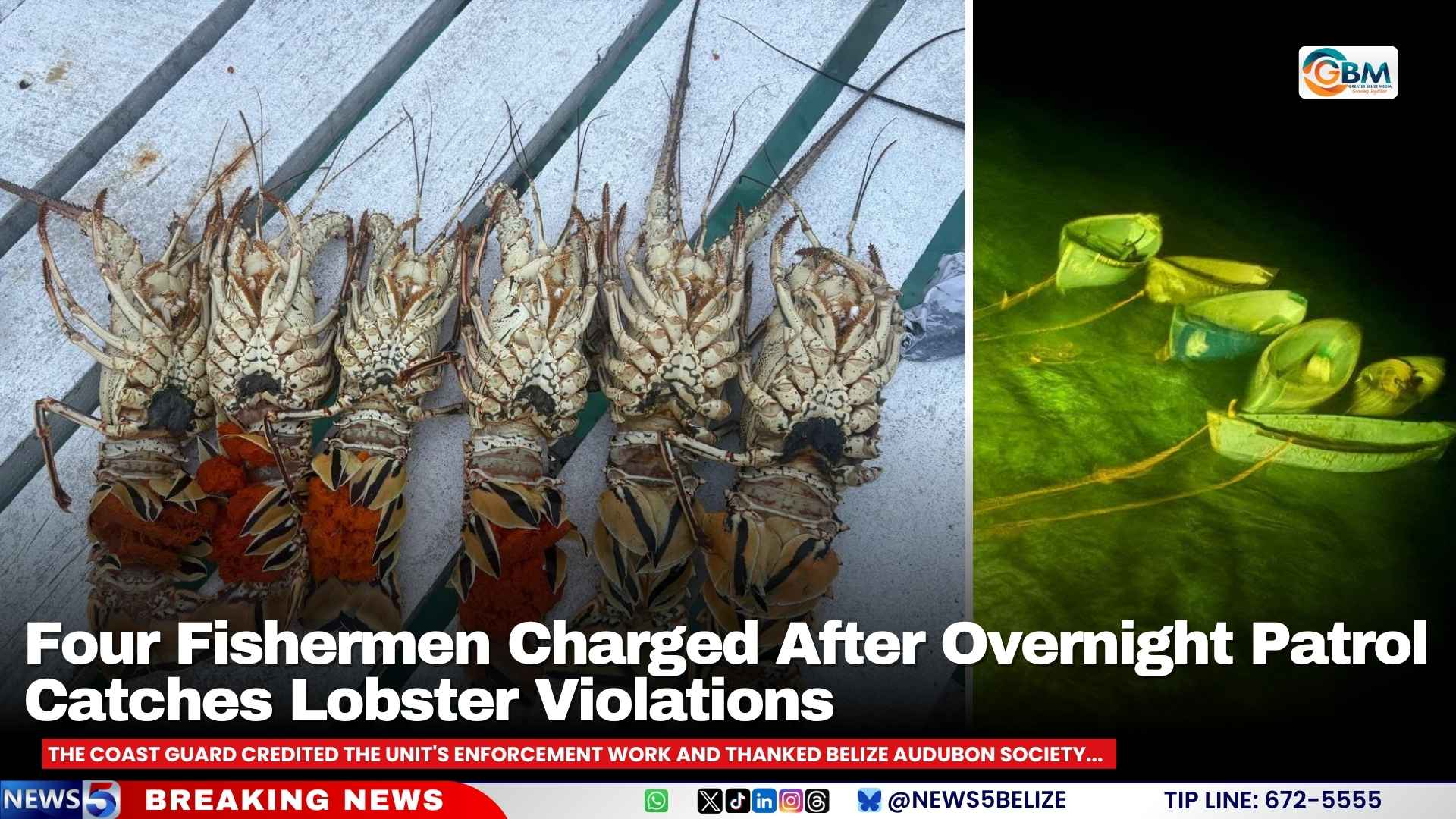
    In an early-morning interdiction carried out August 13, 2026, a collaborative enforcement patrol intercepted a fishing vessel operating illegally within the boundaries of Belize’s Half Moon Caye Marine Protected Area, leading to fisheries violation charges against four crew members. The operation brought together two key conservation and security entities: the 2nd Fleet Marine Enforcement Unit of the Belize Coast Guard, and rangers from the Belize Audubon Society. When officers boarded the detained vessel, they discovered a catch that included multiple types of lobster explicitly protected under Belize’s national fisheries laws: undersized juvenile lobsters, soft-shell lobsters in the process of molting, and female lobsters carrying egg masses, all of which are restricted from harvest to support sustainable population recovery. The Belize Coast Guard issued a formal statement following the seizure highlighting the professionalism and effectiveness of its enforcement team, and extended public recognition to the Belize Audubon Society for its long-standing collaborative partnership in monitoring and guarding the ecologically sensitive protected zone. Officials also noted the critical support provided by Belize’s national Fisheries Department throughout the investigation and processing of the violation case. This enforcement action underscores Belize’s ongoing commitment to preserving its fragile marine ecosystems, which rely on protected area regulations to prevent overfishing and support the long-term health of commercially and ecologically important species like Caribbean spiny lobster.

  • Atkinson Primary school strengthened through OECS Climate Resilience Project

    Atkinson Primary school strengthened through OECS Climate Resilience Project

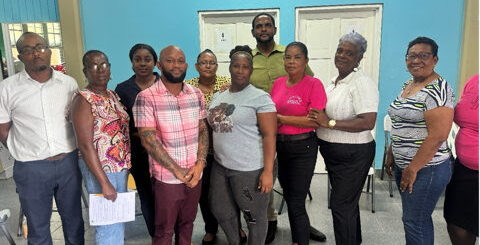
    Against a backdrop of rising climate uncertainty and more frequent extreme weather events, two Eastern Caribbean countries have wrapped up a landmark initiative designed to boost disaster preparedness at schools serving climate-vulnerable indigenous communities. Led by the Organization of Eastern Caribbean States (OECS) Commission and funded by the New Zealand High Commission Fund for the Caribbean, the 12-month project has delivered tangible infrastructure upgrades, life-saving emergency equipment, and targeted hands-on training to two participating institutions: Atkinson Primary School in Dominica’s Kalinago Territory and Sandy Bay Government School in St. Vincent and the Grenadines.

    Implemented through the OECS Commission’s Education Development Management Unit (EDMU), the initiative ran from July 1, 2025, through July 20, 2026. Beyond serving core educational functions, both schools act as critical community gathering spaces and official emergency shelters during hurricanes and floods, making their resilience a top priority for regional safety planning.

    At Dominica’s Atkinson Primary School, the project addressed long-standing climate-related hazards that disrupted learning and threatened safety. A custom 100-foot drainage system was installed to eliminate chronic flooding that regularly submerged the schoolyard during heavy rain events. Additionally, reinforced custom wooden doors were constructed and fitted to withstand the powerful hurricane-force winds that regularly impact the Eastern Caribbean. Both participating schools received standardized emergency response packages, including portable gasoline generators, solar-powered lighting systems, and public address equipment. These tools are designed to keep the schools operational during widespread power and communication outages, allowing them to continue hosting displaced community members even when critical infrastructure fails across surrounding areas.

    Organizers prioritized capacity building as much as physical upgrades, recognizing that lasting resilience depends on trained local stakeholders. Two-day interactive workshops, led by local disaster management experts Joian Coipel in Dominica and Dr. Idelia Ferdinand in St. Vincent and the Grenadines, adapted regional disaster risk reduction guidelines into actionable, site-specific emergency procedures. Participants also ran full simulation exercises to test existing school disaster response plans, identifying gaps and refining protocols for real-world events.

    In total, 36 key stakeholders including school administrators, teachers, support staff, and local indigenous community leaders completed the training. Post-project assessments measured a 15.5% average increase in disaster risk management knowledge among participants, with 90% of trainees reporting significantly higher confidence in their ability to coordinate a safe emergency response at their school.

    Muriel John, Principal of Atkinson Primary School, welcomed the transformative impact of the project, noting that it addressed decades of unmet safety needs while uniting staff and community members around a shared goal of preparedness. “The training reminded us that resilience is something we build together as a community long before disaster strikes,” John said. “Where we once felt vulnerable, we are now better equipped; where once we could only react, we now know how to prepare.” She extended formal gratitude to all participating partners, adding: “You have not only built a more resilient school, but also strengthened the spirit of a people who have always known how to endure and now feel supported in that endurance. We are grateful, stronger and ready.”

    Dr. Didacus Jules, Director General of the OECS Commission, framed the initiative as a core part of the regional body’s ongoing commitment to building climate resilience across vulnerable small island developing states. “By empowering our indigenous school communities in Dominica and Saint Vincent and the Grenadines with both fortified infrastructure and critical local expertise, we are not just protecting our students; we are establishing a vital blueprint for regional safety,” Jules explained.

    Linda Te Puni, New Zealand High Commissioner to the Caribbean, emphasized that the project’s centering of indigenous knowledge and community leadership aligned closely with New Zealand’s core development values. “It is especially important that this initiative places indigenous knowledge, community ownership, and inclusive development at its centre. These values are important to New Zealand,” she said.

    Building on the successful outcomes of this pilot project, the OECS Commission plans to expand the model to similar resilience-building initiatives in Grenada and Saint Lucia in coming years. Project outcomes are also integrated into the regional Climate Smart Education Systems Initiative, which aims to embed climate resilience into education policy and infrastructure planning across the Eastern Caribbean to deliver long-term, widespread benefits for vulnerable communities.

  • Environment : The climate injustice facing Haiti

    Environment : The climate injustice facing Haiti

    The stark contradiction at the heart of global climate inequality has been laid bare in Haiti, where a nation contributing almost nothing to global greenhouse gas emissions faces some of the deadliest consequences of the climate crisis. Speaking at an August 11 closing workshop in Port-au-Prince focused on advancing Haiti’s national climate commitments, Xavier Michon, Resident Representative of the United Nations Development Programme (UNDP) in Haiti, spelled out the full scale of the climate injustice the Caribbean nation confronts. With Haiti responsible for just 0.02% of the world’s total historical greenhouse gas emissions, its outsized exposure to climate breakdown stands as one of the most glaring examples of global climate inequity today.

    While Haiti’s contribution to global warming remains negligible by any global measure, the impacts of the climate crisis are already accelerating and devastating across the country. The nation now faces increasingly powerful and destructive hurricanes, more frequent extreme flooding, prolonged crippling droughts, widespread agricultural losses that threaten food security, and billions in cumulative economic damage that has derailed long-term development efforts.

    Against this backdrop, investing in proactive climate disaster prevention is not an optional luxury for Haiti, but an urgent strategic priority, Michon argued. He reminded attendees of the proven cost-benefit of early action: every one dollar invested in risk reduction and prevention can avoid up to seven dollars in post-disaster recovery and economic losses, a ratio that makes proactive climate action one of the most impactful investments for vulnerable nations.

    For the past 18 months, Haiti’s Ministry of the Environment, UNDP, and the Spanish Agency for International Development Cooperation (AECID) have collaborated on a targeted initiative to support Haiti in delivering on its existing Nationally Determined Contribution (NDC) — the national climate action plan countries submit under the Paris Agreement. Beyond on-the-ground climate activities, the partnership focused on strengthening national institutional capacity, improving climate governance frameworks, and building an inclusive dialogue platform that brings together central government ministries, local government authorities, civil society organizations, private sector stakeholders, and international technical and financial partners.

    Through a series of national stakeholder consultations, targeted technical working workshops, and the completion of eight key strategic policy deliverables, the project has laid a more solid foundation for climate action that is more coherent, better coordinated across government and non-government actors, and far more effective in delivering tangible results on the ground.

    Marco Antonio Peñín Toledano, Spanish Ambassador to Haiti, emphasized that the lasting legacy of international climate support projects extends far beyond the initial funding mobilized. “The true legacy of a project lies not only in the funding mobilized, but also in the skills transferred, the institutions strengthened, and the partnerships that endure,” he noted during the workshop.

    Valéry Fils-Aimé, Haiti’s Minister of the Environment, called for global and national actors to turn formal climate commitments into tangible, on-the-ground results for Haitian communities. As Haiti begins work on developing its third iteration of national climate commitments, NDC 3.0, he stressed that stronger national ownership of climate action is critical to turning climate policy into a core driver of inclusive, long-term sustainable development for the country.

    Beyond the formal assessment of the 18-month project, the Port-au-Prince workshop brought a pressing global reality into sharp focus: for the world’s most climate-vulnerable nations, climate justice requires more than just global recognition of their disproportionate vulnerability. It demands sustained investment in capacity building, institutional strengthening, and proactive risk reduction that empowers these nations to anticipate climate impacts, adapt to irreversible changes, and act before disasters strike — rather than scrambling to respond after catastrophe unfolds.

  • Punta Gorda Hosts High-Level Climate Finance Forum

    Punta Gorda Hosts High-Level Climate Finance Forum

    As a small Caribbean nation ranked among the world’s most climate-disaster vulnerable countries, Belize is stepping up its push to secure critical funding for its climate adaptation and mitigation goals, with Punta Gorda set to host a landmark high-level Blue and Green Climate Finance Forum next month.

    The country’s official climate action framework identifies a $1.3 billion financing gap that Belize cannot cover through domestic public finances alone, a major barrier to advancing its climate resilience and sustainable development targets. To address this challenge, Belize’s Ministry of Economic Transformation and Ministry of Sustainable Development have partnered to organize the forum, which will open the country’s Climate Week on Thursday, August 20, 2026. The gathering is designed to bridge the gap between Belize’s climate priorities and global climate finance providers and development partners.

    In an interview ahead of the event, Carlos Pol, CEO of the Ministry of Economic Transformation, outlined the government’s years-long preparation to streamline access to global climate funding. Back in 2022, the administration established a dedicated Climate Finance Unit with a clear mandate to source and secure international climate investments, a move that followed repeated climate shocks that have damaged Belize’s natural and economic infrastructure. The World Bank currently ranks Belize as the sixth to seventh most at-risk country globally for severe climate-related disasters, underscoring the urgency of securing funding.

    Pol noted that the government’s work is supported by recent legislative progress: the Ministry of Sustainable Development recently secured passage of a national Climate Change Bill, putting Belize’s climate agenda on a firm legal footing. Following the model of a successful 2025 forum, this year’s event will bring together climate finance stakeholders from across the globe, featuring a lineup of high-profile keynote speakers. Headlining the forum will be Gallina Vincelette, Vice President for Policy at the World Bank Group, and Gregory Watson, Division Chief for Biodiversity and Natural Capital at the Inter-American Development Bank. Belize’s Prime Minister will also deliver opening key remarks to set the agenda for discussions.

    This year’s forum centers on the theme “Leveraging Sustainable Finance to Strengthen Belize’s Orange Economy, Indigenous Heritage and Community Resilience”. Unlike previous gatherings, the 2026 event is structured to integrate discussions of climate finance with strategies to grow Belize’s blue, green and orange economies, allowing the country to showcase its existing climate action work to the global community and lay out clear pathways for future investment. Pol emphasized that the forum will create a collaborative space to match Belize’s on-the-ground climate priorities with the capital and technical support needed to deliver tangible resilience gains for local communities and protect the country’s unique natural and cultural heritage.

    This report is based on a transcribed broadcast from Belize’s local news, originally published on August 12, 2026.

  • AL92 Likely to Become Tropical Depression Before Approaching Lesser Antilles This Weekend

    AL92 Likely to Become Tropical Depression Before Approaching Lesser Antilles This Weekend

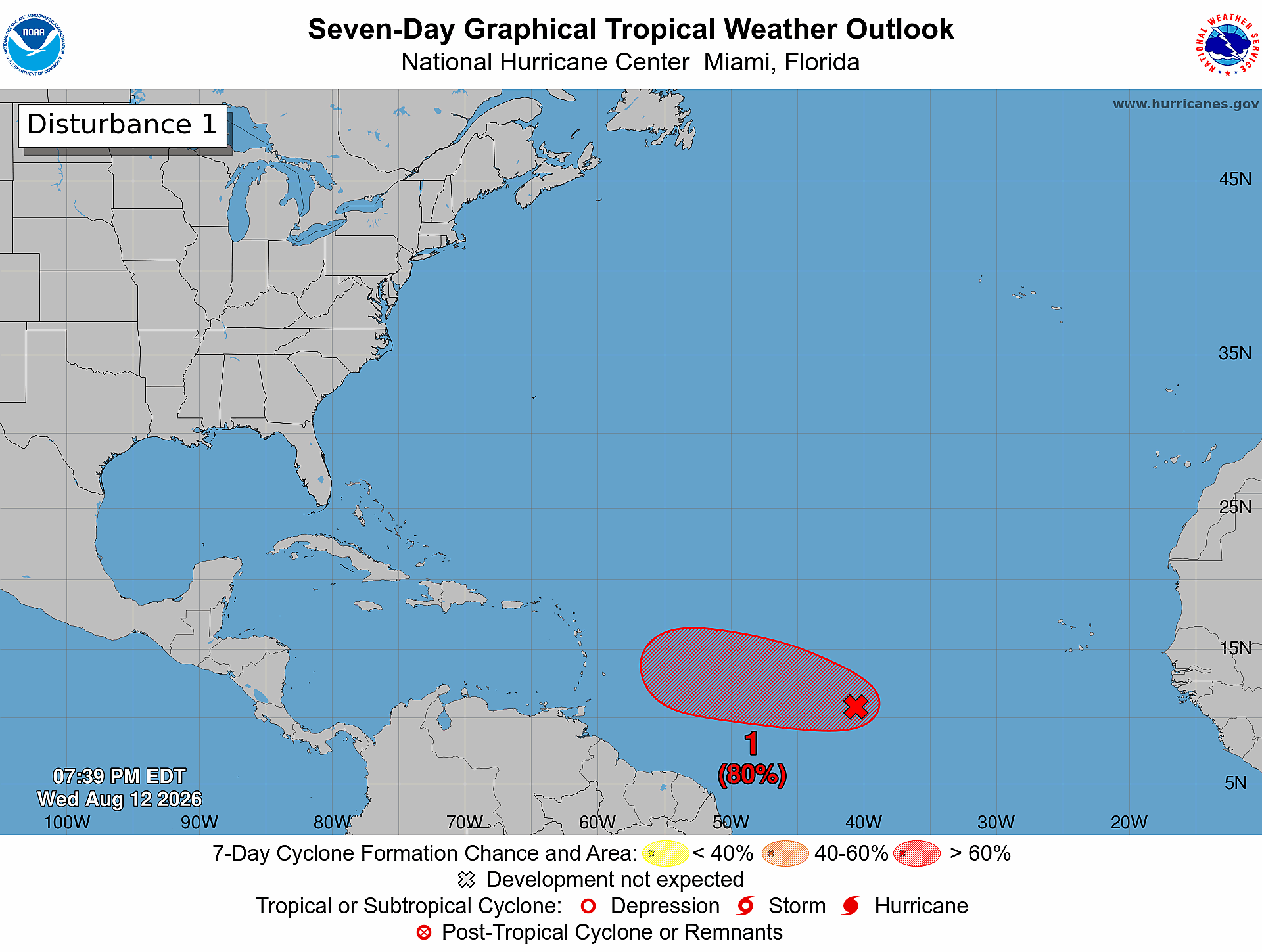
    Meteorologists are tracking a budding tropical system in the central Atlantic Ocean that carries an 80% probability of developing into a tropical depression over the coming 48 hours. The disturbance, labeled AL92, is currently positioned halfway between the Lesser Antilles island chain and Africa’s western coastline.

    In recent observations, the system has begun generating organized bands of showers and thunderstorms, a key early indicator of tropical cyclone development. Forecasters note that atmospheric and oceanic environmental conditions across the central tropical Atlantic are currently favorable to support continued strengthening of the disturbance. As AL92 tracks generally west to west-northwest across this region over the next 24 to 48 hours, the formation of a formal tropical depression is considered highly likely.

    The outlook shifts significantly, however, as the system approaches the Lesser Antilles this coming weekend. Projections indicate that upper-atmosphere wind speeds will increase to levels that inhibit further intensification once AL92 nears the island chain, putting an upper limit on how strong the system can grow. Current National Hurricane Center forecasts maintain the 80% formation probability across both the 48-hour and seven-day forecast windows, keeping the disturbance at the top of the watch list for Atlantic tropical activity this week.

  • OKGS treedt op tegen illegale goudwinning in Brownsberg Natuurpark

    OKGS treedt op tegen illegale goudwinning in Brownsberg Natuurpark

    Suriname’s regulatory body for the small-scale gold sector has taken decisive action against unauthorized mining operations inside a protected national nature reserve, seizing mining equipment and ordering illegal prospectors to leave the ecologically sensitive area.

    The Commission for the Ordering of the Small-Scale Gold Sector (OKGS) launched an inspection of Brownsberg Nature Park on Tuesday this week, following confirmed reports of unpermitted gold extraction activity at multiple sites across the protected territory. Managed by the Suriname Nature Conservation Foundation (STINASU), Brownsberg Nature Park is one of the country’s key protected ecological areas, home to unique biodiversity and fragile ecosystems that are highly vulnerable to the destructive impact of unregulated mining.

    During the inspection, OKGS teams discovered stockpiles of gold mining equipment near the Irenevallen waterfall, which were immediately seized as evidence. All illegal miners found on site were formally ordered to evacuate the protected zone immediately. The inspection also included working discussions with STINASU to clarify the formal boundary line of the protected area, a step designed to eliminate ambiguity around zones where all gold extraction activities are permanently prohibited.

    OKGS was established specifically to improve governance of Suriname’s growing small-scale gold mining sector, with a multi-pronged mandate that includes addressing widespread environmental degradation, cracking down on unlicensed activity and associated criminal networks, regulating financial flows within the sector, and ensuring the Surinamese state captures a fair share of revenue from gold production and export. The commission operates in close coordination with a range of national and local stakeholders, including the Ministries of Justice and Security, Defense, and Natural Resources, STINASU, traditional community leaders, and district commissioners, with participating partners adjusted based on the specific region of operations.

    As part of its broader sector reform push, OKGS launched a six-month pilot registration program for all individuals working in or connected to the small-scale gold sector in early July. The soft launch of the registration scheme is rolling out across multiple mining regions over the half-year pilot period. Miners seeking formal registration can also submit applications directly at the OKGS headquarters located at 181 Mr. Jagernath Lachmonstraat. Officials confirmed that follow-up inspections of the Brownsberg area will be conducted in the near future to ensure no illegal mining activity resumes, as part of ongoing efforts to bring structured regulation to the small-scale gold sector and protect Suriname’s critical natural protected areas.

  • BMS monitors tropical wave east of Barbados

    BMS monitors tropical wave east of Barbados

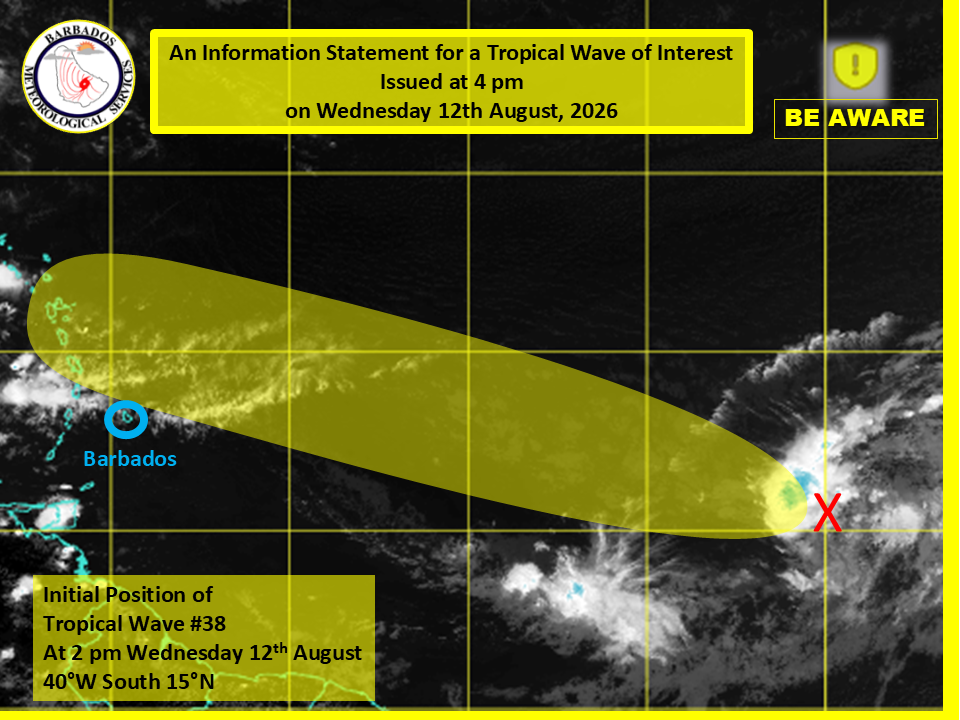
    Residents of Barbados have been put on alert to watch a budding tropical disturbance moving across the Atlantic Ocean, which is forecast to bring elevated temperatures and scattered storm activity to the island by the end of the week. In an official advisory released Wednesday afternoon, the Barbados Meteorological Services (BMS) confirmed that no tropical storm watches or warnings have been activated for the territory yet. Still, local forecasters note that the approaching system will interact with slowing wind speeds across the region Friday and Saturday, creating conditions for hotter-than-average temperatures and pockets of heavy afternoon showers and thunderstorms across parts of the island.

    As of 2 p.m. Wednesday, the tropical wave was mapped approximately 1,338 miles, or 2,156 kilometers, east of Barbados. The disturbance is linked to a broad low-pressure system that is currently generating scattered, disorganized thunderstorm activity across the central Atlantic. According to the BMS analysis, broader environmental conditions are only marginally supportive of gradual strengthening of the system over the coming days, as it tracks generally west to west-northwest across the ocean.

    Forecasters add that the vast majority of the system’s active weather is projected to stay north of Barbados, reducing the risk of severe direct impacts for the island. The BMS has announced plans to release its next official update on the system’s progress at 11 a.m. local time Thursday, to keep the public informed of any changing conditions.

  • WEATHER (12:00 PM, 12 August): Tropical wave affecting region, two more being monitored in Eastern Atlantic

    WEATHER (12:00 PM, 12 August): Tropical wave affecting region, two more being monitored in Eastern Atlantic

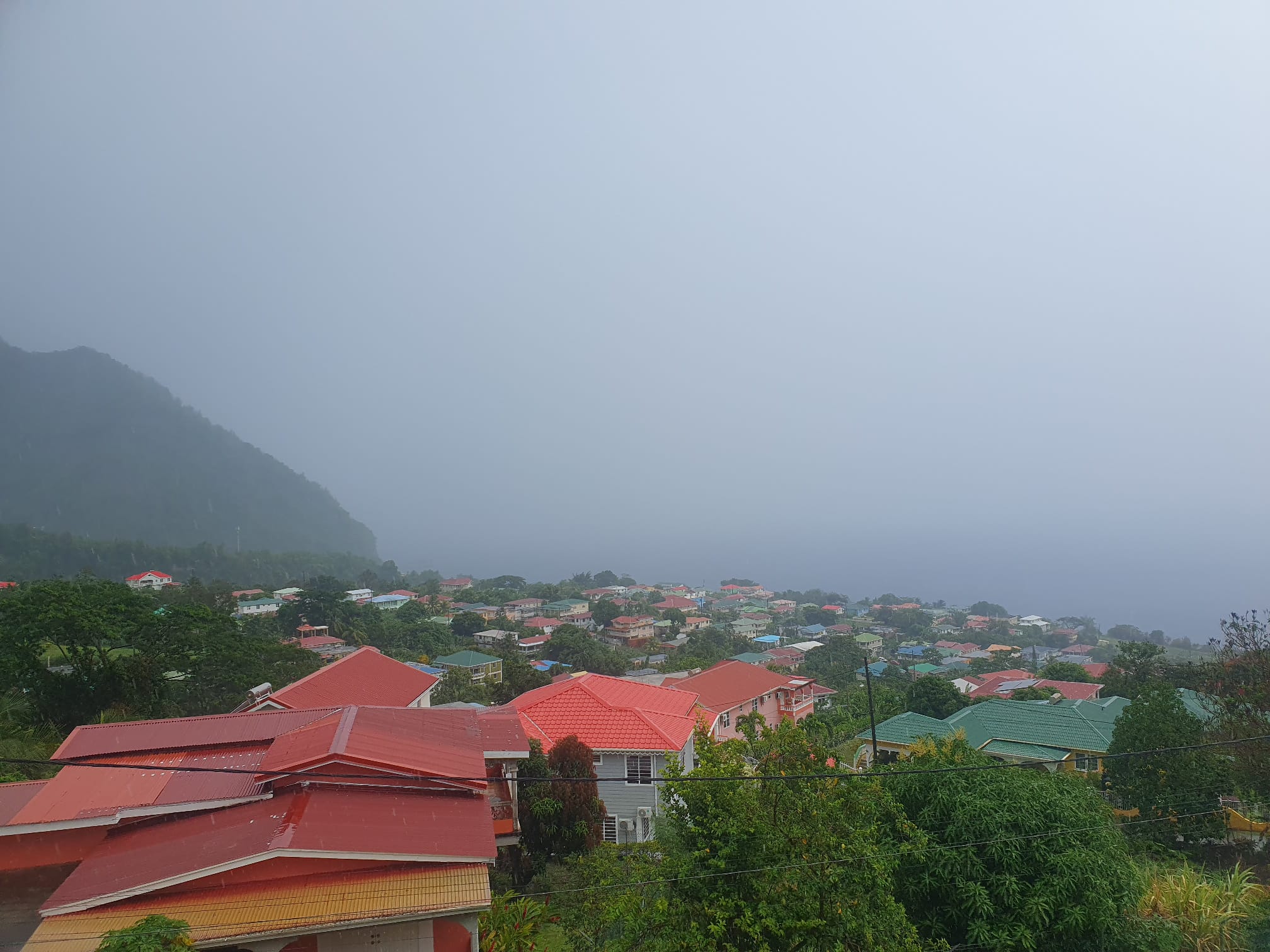
    Meteorological agencies have issued a multi-hazard weather warning for the Caribbean region, as a combination of a passing tropical wave, a surge of Saharan dust, and building seas are set to bring disruptive and potentially dangerous conditions through the weekend. The ongoing tropical wave, which is expected to maintain its influence over the area through tonight, will bring widespread overcast skies, scattered rain showers, and a chance of isolated intense thunderstorm activity. Local authorities are urging residents in low-lying flood-prone zones and steep terrain areas at risk of landslides and rockfalls to stay vigilant and prepare for potential emergency events. Wind speeds are also projected to climb through tonight and remain elevated through the weekend, with higher elevation mountainous regions facing the greatest risk of stronger gusts.

    Beginning this evening, atmospheric concentrations of Saharan dust will begin to rise, with the hazy conditions expected to persist through Saturday morning. This dust surge will degrade air quality to moderate or poor levels and cut down horizontal visibility across the affected area. Health officials are reminding vulnerable groups — including people living with asthma, seasonal allergy sufferers, and anyone with pre-existing sensitivity to fine particulate dust — to continue taking all recommended protective measures, such as limiting prolonged outdoor exposure. For maritime operations, reduced visibility from dust requires all vessels to carry fully functional navigational equipment to avoid accidents at sea.

    Sea conditions are also worsening across the region over the coming 24 hours. Forecasters predict slight to moderate swells initially, with west coast waves topping out at 3 feet and east coast waves reaching up to 7 feet. By tonight, those swells are set to build to 5 feet along the west coast and 8 feet along the east coast. Operators of small vessels and recreational sea bathers have been warned to avoid unnecessary travel and water activities due to the unsafe conditions.

    Beyond the immediate weather event, the U.S. National Hurricane Center is actively tracking two additional tropical waves moving across the eastern Atlantic. The first of these waves has a high probability of organizing into a stronger tropical system over the next seven days as it tracks west to west-northwest, and it is projected to reach the broader Caribbean region by the weekend. Authorities across the Lesser Antilles have advised local populations and interest groups to closely track updates on the wave’s trajectory. For mariners operating near Dominica, officials stress the importance of checking regular weather updates throughout the week, as sea conditions are expected to begin deteriorating by Thursday and could decline further through the weekend.

    In a separate update on Atlantic tropical activity, Tropical Storm Christobal has formed in the north-central Atlantic, but forecasters confirm it currently poses no threat to the Caribbean region covered by the current warning.