分类: environment

  • Onderzoek wijst op chemische lozing als mogelijke oorzaak vissterfte Saramaccarivier

    Onderzoek wijst op chemische lozing als mogelijke oorzaak vissterfte Saramaccarivier

    Suriname’s National Environmental Authority (NMA) has identified a one-time, unauthorized discharge of toxic chemicals as the leading hypothesis for the unexplained mass fish die-off first reported in the Saramacca River last week, according to preliminary investigation results shared with the country’s National Assembly on 30 June.

    Oil, Gas and Environment Minister Patrick Brunings updated lawmakers on the ongoing investigation, confirming the NMA would issue an official press statement on the initial findings — which were first published early to the NMA’s Facebook page, which counts just 3,500 followers, before being distributed to general media outlets.

    Water samples collected on 25 June and analyzed by Suriname’s FILAB laboratory detected trace amounts of cyanide and mercury, but both toxic substances were measured at concentrations below the country’s official regulatory safety limits. NMA officials note that these results do not rule out an earlier cyanide exposure event, because the compound breaks down and dilutes rapidly in natural freshwater environments, meaning concentrations could have dropped to safe levels by the time samples were collected.

    Testing did find significantly elevated levels of iron, aluminum, manganese, total suspended solids (TSS), and chemical oxygen demand (COD) — a key metric that measures the overall level of organic and chemical pollution in a water source. These anomalies support the NMA’s working theory that a single uncontrolled chemical spill triggered the mass fish mortality. All preliminary findings have already been shared with the National Coordination Center for Disaster Management (NCCR) to coordinate response efforts.

    Investigators are still awaiting results from analysis of fish tissue samples being processed by the national Fish Inspection Institute (VKI), which will confirm whether dead fish were exposed to harmful concentrations of contaminants. To pinpoint the exact cause, the NMA has launched an expanded, intensified round of testing: a second set of water samples was collected on 29 June, and results from that round are still pending. A more comprehensive sampling effort is scheduled for 2 July, which will include capture and testing of living native fish species from the river to either confirm or rule out ongoing contamination. A definitive final conclusion will only be published once all test results are compiled, the authority says.

    Despite the partial results, NMA has stressed that the urgent precautionary advisory issued earlier for communities along the Saramacca River remains fully in effect. Local residents are still strongly urged to avoid consuming any fish caught in the affected stretch of the river, refrain from using river water for drinking, cooking, bathing or washing clothes, and avoid swimming in the water.

    The NMA says it will continue to closely monitor water quality and the overall situation alongside the NCCR, national regulatory authorities and local traditional governance bodies. The public will receive immediate updates as new test results become available.
  • GARD Wraps Up Biodiversity Consultation in Antigua and Barbuda

    GARD Wraps Up Biodiversity Consultation in Antigua and Barbuda

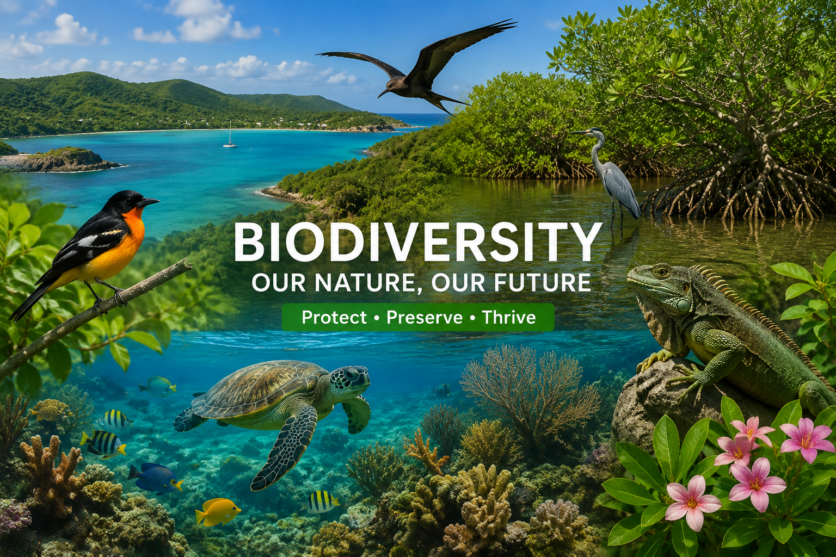
    On June 23, 2026, the Gilbert Agricultural and Rural Development Center (GARD Center) brought stakeholder consultations focused on embedding gender perspectives into Antigua and Barbuda’s National Biodiversity Strategy and Action Plan (NBSAP) to a formal close, hosting a national validation workshop at Sherlock Hall within the Methodist Church Conference Centre in St. John’s, Antigua.

    This culminating workshop served as a platform to share key findings from the multi-stage initiative, which was backed by the United Nations Development Programme (UNDP) and carried out entirely by the GARD Center team. In a show of cross-island collaboration, three representatives from Barbuda made the trip to Antigua to add their local insights to the session, ensuring the needs of both island nations were centered in the process.

    The workshop received targeted technical support from two seasoned specialists: Peter Mokwe, a UNDP gender expert, and Ato Lewis, a specialist based in Antigua and Barbuda’s Department of Environment. Both experts opened the event with keynote remarks that emphasized the critical role of this validation step. They explained that the verified findings will act as the foundational framework for the country’s upcoming stand-alone Gender and Biodiversity Action Plan, a document designed to make biodiversity conservation more inclusive and equitable.

    Refica Attwood, assistant to the national lead consultant on the project, led the day’s collaborative activities. After walking attendees through the full set of findings compiled over the consultation period, Attwood guided the group through a collaborative exercise to map any unaddressed gaps identified in the initial gender and biodiversity diagnosis. Participants then worked together to rank the most pressing gender and biodiversity issues by priority, and co-developed targeted strategies and actionable approaches to embed gender mainstreaming across all levels of the national biodiversity strategy.

    All feedback collected throughout the consultation process, including input gathered during the validation workshop, will be integrated directly into the drafting of the new Gender and Biodiversity Action Plan. Organizers of the initiative extended sincere gratitude to every participant for their time, local expertise, and commitment to building a more inclusive, sustainable biodiversity planning framework for Antigua and Barbuda. They also issued an open invitation to stakeholders who were unable to attend the in-person workshop, urging them to contribute their perspectives to the national project by reaching out directly to the GARD Center team.

  • Nearly Forty Groups Call for End to Single-Use Water Pouches

    Nearly Forty Groups Call for End to Single-Use Water Pouches

    Located along Central America’s Caribbean coastline, Belize has long grappled with a growing plastic pollution crisis that is cluttering its urban spaces, clogging its waterways and damaging the fragile marine ecosystems that anchor its key tourism industry. Today, the small nation is facing renewed calls to address one of the most ubiquitous, yet previously overlooked, sources of this waste: single-use plastic water pouches. A coalition of 40 diverse organizations, ranging from conservation nonprofits and local universities to tourism industry groups and sustainable businesses, is formally urging Belize’s government to implement a structured three-year phase-out ban that would fully remove these cheap, disposable pouches from the national market. The coalition’s proposal comes on the heels of on-the-ground data and first-hand observations confirming that plastic items, single-use pouches in particular, make up the majority of Belize’s unmanaged waste.

  • DOE: Shilling Wata Ban Not Off the Table, But Consultation Comes First

    DOE: Shilling Wata Ban Not Off the Table, But Consultation Comes First

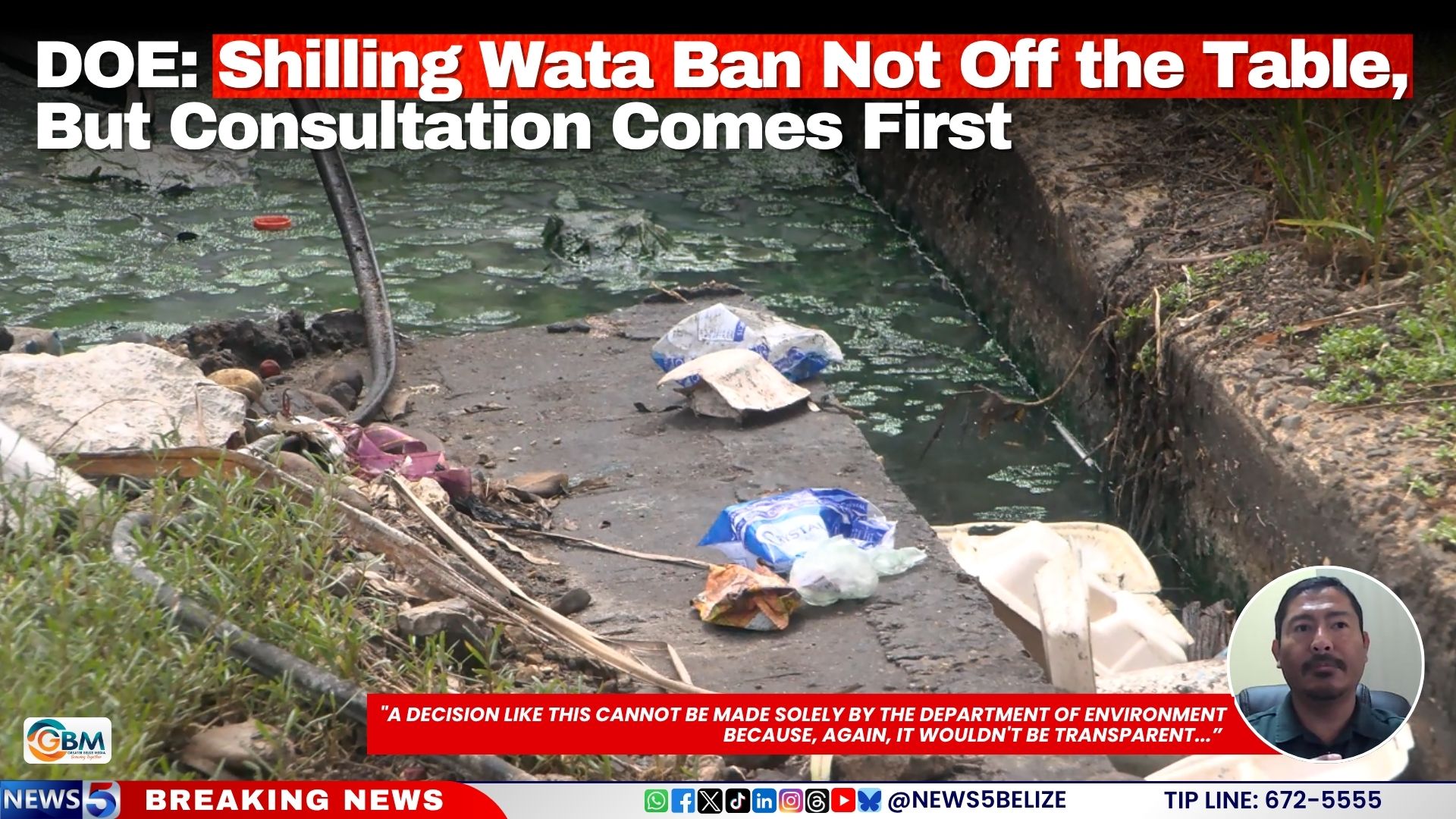
    As public pressure mounts to address Belize’s persistent plastic pollution crisis, the nation’s Department of the Environment (DOE) has offered a measured response to widespread calls for a ban on single-use plastic water pouches, emphasizing that stakeholder consultation will precede any final policy decision rather than an immediate outright ban. The proposal for a national ban has been pushed forward by a coalition of more than 40 environmental and community organizations, which identify the small, lightweight water pouches as one of the most pervasive and intractable forms of plastic waste plaguing the country. Single-use water pouches were notably omitted from Belize’s 2022 national plastic ban, which targeted other common single-use plastic items including drinking cups, straws, disposable plates, and multiple categories of plastic shopping bags, leaving the pouch industry unregulated for years. Chief Environmental Officer Anthony Mai, in an interview with local outlet News 5, outlined that the DOE cannot unilaterally implement such a far-reaching policy change, as top-down decision-making would lack the transparency required for fair and effective regulation. Under the department’s planned process, officials will hold one-on-one consultations with all 36 companies that currently import single-use water pouches into Belize, along with any domestic manufacturers operating in the sector. During these meetings, the DOE will lay out its proposal for policy change, solicit direct feedback from business leaders, and assess how a potential ban or phase-out would impact each company’s operations, supply chains, and financial standing. Once all input has been collected and analyzed, the department will move forward with a final determination on whether to implement a ban. Mai also confirmed that the DOE is already enforcing existing plastic product regulations, which require all plastic goods sold in Belize to contain a minimum of 50% biodegradable material. To give manufacturers and importers time to make the necessary capital investments to meet this standard, the DOE has set a final compliance deadline of December 2026, a timeline that agency officials view as reasonable and manageable for industry stakeholders. For environmental advocates pushing for immediate action to cut plastic pollution, the DOE’s response represents a incremental but potentially meaningful step toward addressing a major waste management challenge that has impacted Belize’s ecosystems, coastlines, and communities.

  • Nog geen oorzaak gevonden voor massale vissterfte in Saramaccarivier

    Nog geen oorzaak gevonden voor massale vissterfte in Saramaccarivier

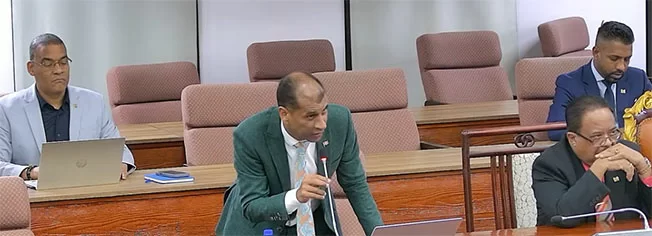
    A mysterious mass fish die-off in Suriname’s Saramacca River has left environmental authorities without immediate answers, as an initial inspection has failed to uncover any obvious triggers for the ecological event, according to Minister of Oil, Gas and Environment Patrick Brunings. The incident, first reported last Friday, is concentrated along the river’s middle reach near the Kamp area, around 100 kilometers from the river’s mouth and an equal distance north of Brokopondo.

    During a briefing to the National Assembly following calls from multiple assembly members for government attention to the crisis, Brunings outlined that the affected region has almost no major ongoing economic activity, with the only exception being small-scale gold mining operations in the broader Brokopondo area. This lack of industrial activity makes the large-scale fish mortality particularly unusual, requiring urgent in-depth investigation to identify its source.

    Within hours of receiving the first public report of dead fish, two national bodies—the National Environmental Authority (NMA) and the National Disaster Management Coordination Center (NCCR)—deployed teams to the area to conduct on-site assessments. Brunings confirmed that the first inspection found no visible pollution sources or obvious irregularities that could explain the die-off. Interviews with local residents also failed to generate any concrete leads about what may have caused the event.

    Environmental teams did collect samples of both river water and affected fish, which were immediately transported to a certified laboratory for comprehensive testing. Analysts will examine the samples for the presence of chemical contaminants, toxic substances, and other forms of pollution that could be responsible for the mass mortality.

    First test results are projected to be released no earlier than Monday, with a potential delay to Tuesday as laboratories process the samples. While authorities await these results, a public health warning remains in effect for all communities along the Saramacca River. Local residents are strongly advised against catching, consuming, or selling any dead or visibly diseased fish from the waterway. They are also urged to avoid using river water for drinking, cooking, or other household uses, and to minimize direct skin contact with the water until further notice.

    Brunings confirmed that the government has already mobilized emergency resources to provide clean, safe drinking water to all affected communities in the region. The NMA, NCCR, district commissioners, and traditional local leaders are maintaining continuous, close monitoring of the situation to track any spread of the event.

    Officials are also currently conducting additional surveys to determine whether the fish mortality is limited to the affected middle stretch of the river or has spread further upstream. Speaking to lawmakers, Brunings emphasized that while it is too early to draw firm conclusions about the cause or scale of the incident, authorities are prioritizing a rapid, thorough response. “It is still too early to draw conclusions, but we are on top of the situation,” the minister stated.

  • 40+ Groups Want ‘Shilling Wata’ Banned in Belize

    40+ Groups Want ‘Shilling Wata’ Banned in Belize

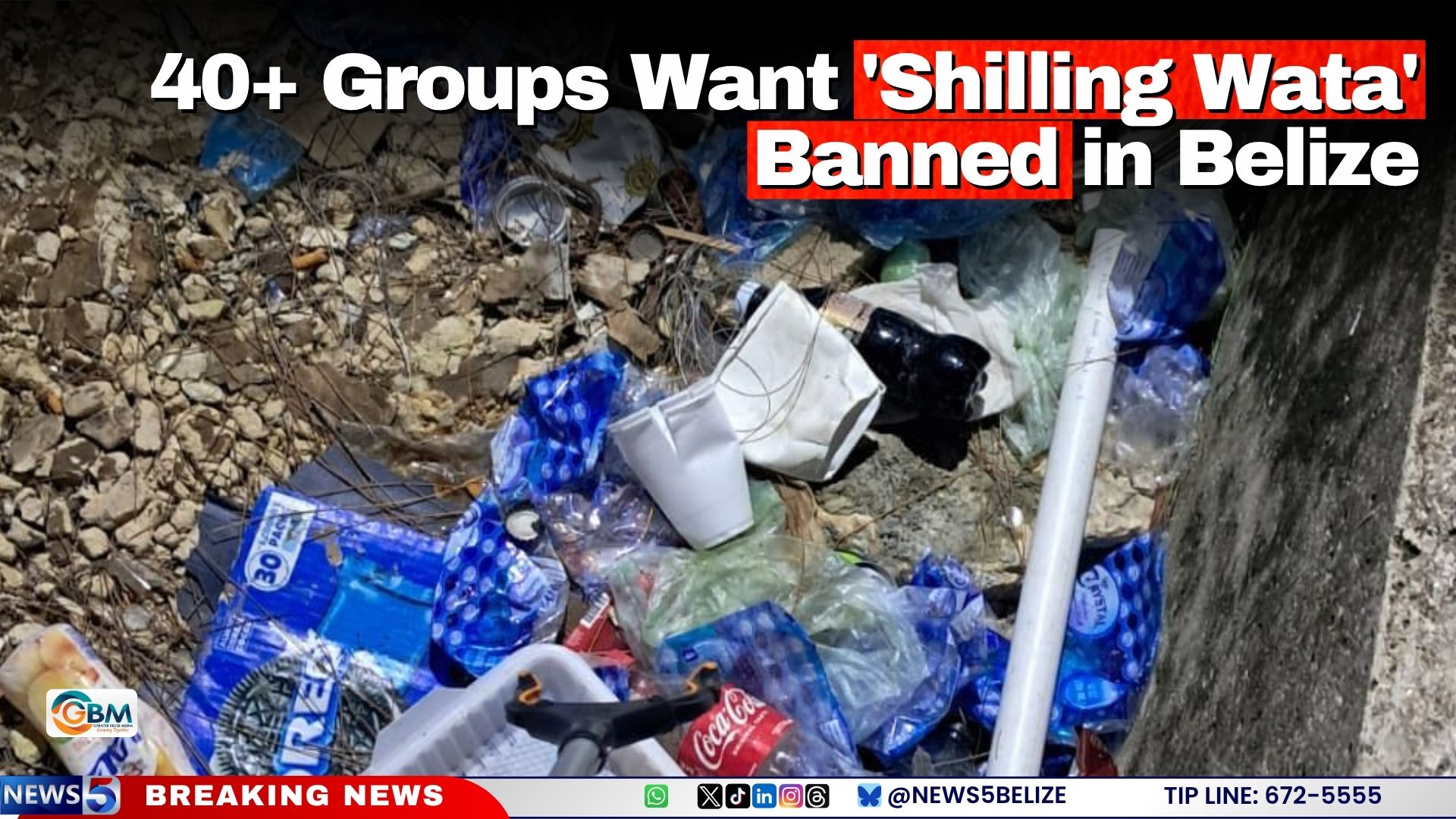
    In a growing push to curb plastic pollution across Belize, a broad coalition of more than 40 civil society organizations, academic institutions, and private businesses is demanding a three-year phased national ban on the ubiquitous single-use plastic water pouches locally known as “shilling wata”.

    The campaign, which first launched with an initial proposal submitted to national regulators in April, gained significant traction this week when coalition members submitted an updated letter to Minister of Sustainable Development Orlando Habet and Chief Environmental Officer Anthony Mai, adding dozens of new supporting organizations to the effort. The revised list of signatories, delivered to officials on Thursday, now includes major national stakeholders such as the University of Belize, Galen University, the Belize Audubon Society, Oceana Belize, the Belize Zoo, the Belize Territorial Volunteers, and a wide range of leading tourism and conservation groups across the country.

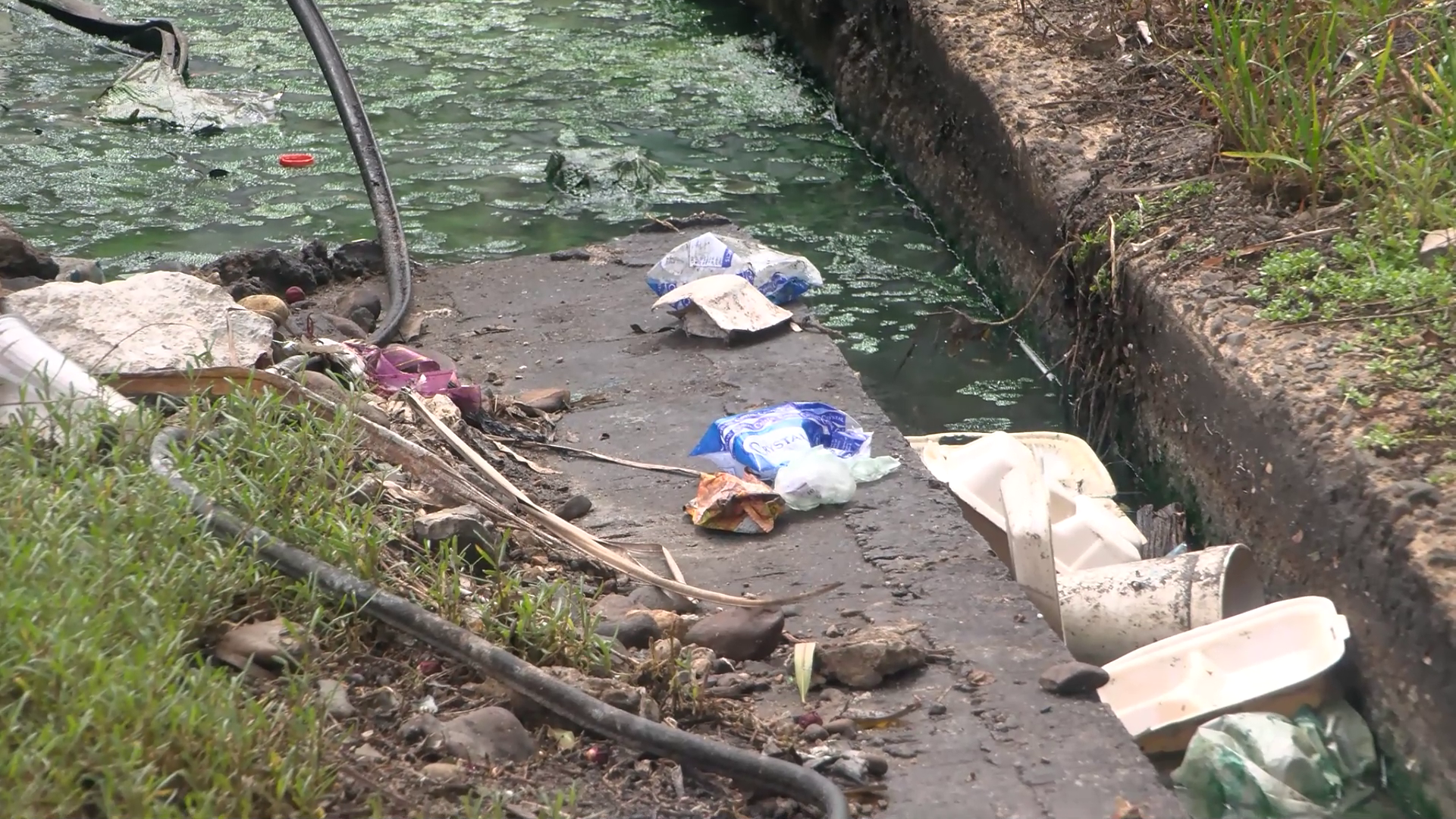
    Coalition members emphasize that these low-cost single-use water pouches have emerged as one of the most pervasive and damaging plastic waste products currently circulating in Belize. Discarded pouches are found littered across public spaces nationwide: blown across neighborhood streets, clogging urban canals and rural rivers, scattered across school playgrounds and campuses, and even dumped and discarded across the seafloor of Belize’s ecologically critical coastal ecosystems.

    The coalition’s statement outlines the unique environmental hazards posed by these pouches, noting that they are manufactured from non-recyclable low-density plastic that cannot be processed or recovered through Belize’s existing waste management infrastructure. As the pouches break down over time, they release complex microplastic particles that contaminate marine ecosystems, the country’s freshwater supplies, and agricultural and natural soils, creating long-term risks for both biodiversity and public health.

    To balance environmental action with practical adjustment for industry and consumers, the coalition has laid out a gradual, three-phase timeline for the ban. In the first year following implementation, the restriction would apply only to single-use water pouches sold or distributed in all government-owned buildings and at events officially sanctioned by the Belizean government. In the second year, the ban would expand to all primary, secondary, and post-secondary educational institutions across the country. By the third year, the coalition is calling for a full national ban that covers all production, importation, distribution, and retail sale of the plastic water pouches nationwide. Supporters argue that this gradual rollout will give producers, distributors, and consumers adequate time to transition to more sustainable alternative packaging options, reducing economic disruption while delivering long-term environmental benefits.

  • Climate Change Act Drives Belize’s Sustainable Development Vision

    Climate Change Act Drives Belize’s Sustainable Development Vision

    Against a backdrop of growing global climate vulnerability, small Central American nation Belize has taken a historic step to embed climate action into its national legal framework, advancing its long-term vision for equitable, low-carbon sustainable development.

    On June 18, 2026, Governor-General Dame Froyla Tzalam signed the Climate Change and Carbon Market Initiatives Act 2026 – the country’s first ever comprehensive piece of climate legislation – with the law officially gazetted two days later, bringing it into formal effect. This landmark legislation establishes a clear, structured governance system for Belize’s national climate policy and its participation in the fast-growing global carbon market.

    Key provisions of the new law include bolstering the institutional capacity of Belize’s Climate Change Department, strengthening national inter-agency coordination on climate initiatives, and mandating standardized, transparent climate impact reporting. Critically, the act also sets out unambiguous regulatory guidelines for carbon offset projects, including strict protocols for benefit sharing, progress tracking, and accountability to ensure local communities see tangible gains from carbon market activity.

    Speaking on the new legislation, Minister of Sustainable Development Orlando Habet emphasized that the framework equips Belize to take full ownership of its domestic climate agenda, rather than relying on external direction. It paves the way for the country to pursue intentional low-emission economic growth across all sectors, from tourism to agriculture, while guaranteeing that revenue and opportunities generated through carbon market participation directly benefit Belizean citizens.

    With the core legal structure now in place, the government’s focus has shifted to implementation. In the coming months, officials will develop supporting secondary regulations, build out digital monitoring and reporting systems, and foster collaborative partnerships with local communities, the private sector, civil society organizations, and international development stakeholders to roll out the law’s provisions across the country.

  • Belize Passes First Climate Change Law on Carbon Credits

    Belize Passes First Climate Change Law on Carbon Credits

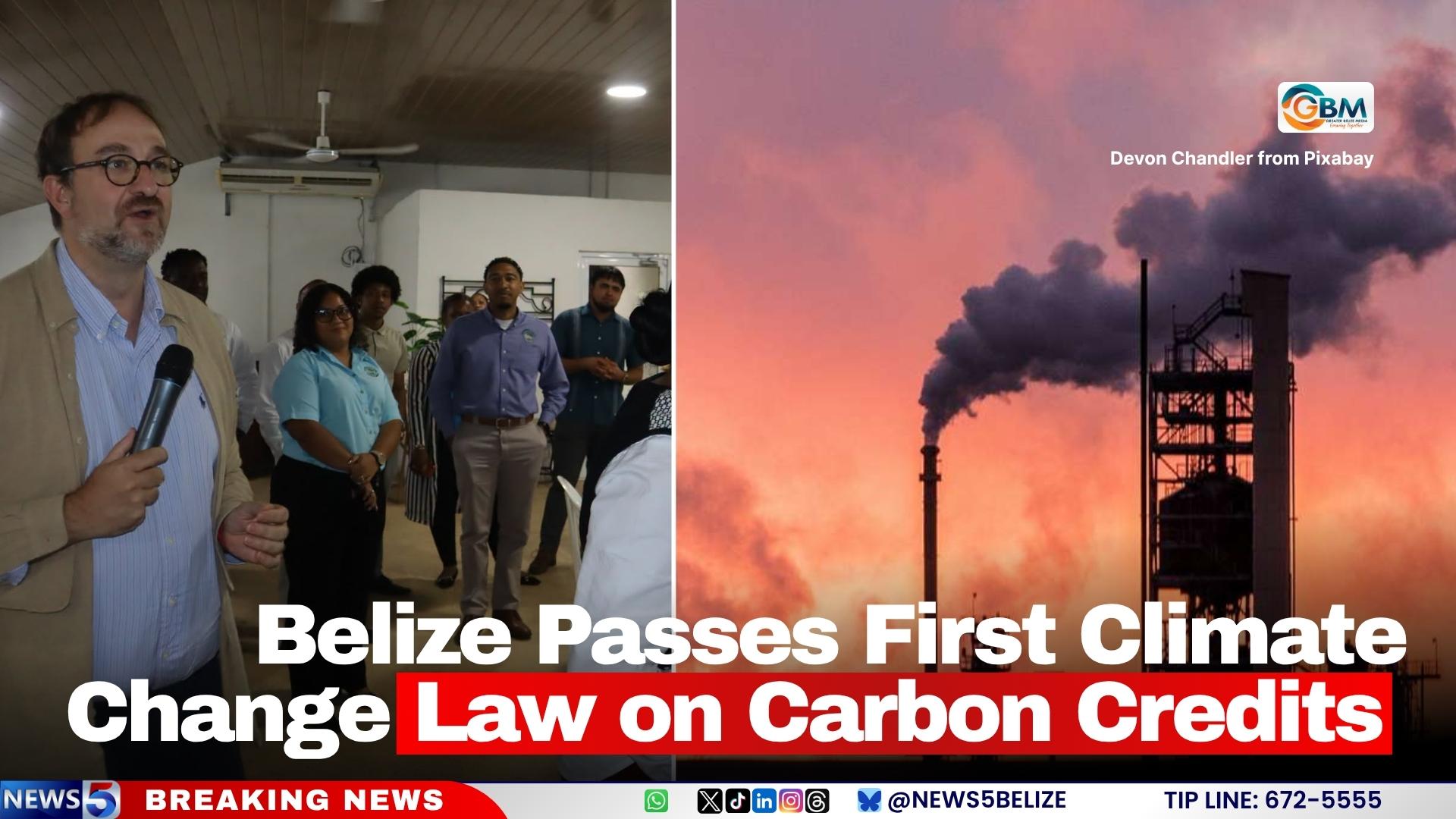
    On June 18, 2026, Belize made history in its climate action journey when Governor-General Dame Froyla Tzalam formally signed the nation’s first-ever legislation focused on climate change and carbon market governance into force. Just two days after the signing, the law was officially published in the country’s official Gazette, marking the completion of its legislative adoption and opening a new chapter for Belize’s climate resilience and sustainable development efforts.

    This landmark legislation carries two core mandates that reshape the country’s climate governance framework. First, it formalizes the status of the national Climate Change Department as an official government body, while expanding its institutional authority to coordinate cross-sector climate action and systematically track the country’s progress toward meeting its climate targets. Second, it establishes the first formal regulatory framework for Belize’s emerging carbon market, creating clear rules that allow both public and private actors to generate revenue through verified emission reduction activities by selling those climate benefits as tradeable carbon credits.

    Orlando Habet, Belize’s Minister of Sustainable Development and Climate Change, emphasized that the new legislation empowers the nation to advance its climate priorities on its own terms, strengthening Belize’s position in global climate action. “This law puts Belize in a stronger position to advance our climate agenda on our own terms,” Habet noted, highlighting the country’s commitment to centered its own development and environmental needs in climate policymaking.

    With the foundational legislation now in effect, the government has shifted focus to the critical next step: implementing the law through the development of detailed regulatory frameworks, operational standards, and administrative systems that will govern how carbon market projects are structured and operate across Belize. To kick off this implementation phase, the Ministry of Sustainable Development and Climate Change, backed by technical and financial support from the European Union, the Euroclima regional climate programme, and the United Nations Development Programme, hosted a two-day inclusive policy drafting workshop in the capital city of Belmopan on June 24 and 25.

    In a break from one-size-fits-all policy models imported from other regions, the workshop intentionally brought together a diverse cross-section of stakeholders: senior government officials, private sector representatives, environmental advocacy organizations, academic climate researchers, and local community leaders. The goal of this broad participation is to ensure that the resulting Climate Change and Carbon Market Policy is tailored to Belize’s unique ecological, economic, and social context, rather than adopting an off-the-shelf framework that does not align with local needs.

    Habet outlined the core principles guiding the policy development process, emphasizing that it will remain open, inclusive, and rooted in national ownership. “The goal is to keep the process open and built on broad consultation and national ownership, one that reflects our priorities, protects our people and ecosystems, and positions Belize to benefit from climate finance,” Habet explained.

    Edalmi Pinelo, Belize’s Chief Climate Change Officer, echoed this commitment to collective input, noting that the entire process is designed to center stakeholder feedback. “This is a collective process,” Pinelo said. “We are here to listen, and the feedback gathered will inform every stage of policy development.”

    Looking ahead, the Belizean government has announced plans for additional rounds of public consultation and working group sessions over the coming months as it continues to refine and finalize the national climate and carbon market policy. The inclusive approach is designed to build broad national buy-in while ensuring that the emerging carbon market delivers tangible benefits for Belize’s people and natural environments, rather than external actors.

  • Forest Department Sets Deadline for Logging Season

    Forest Department Sets Deadline for Logging Season

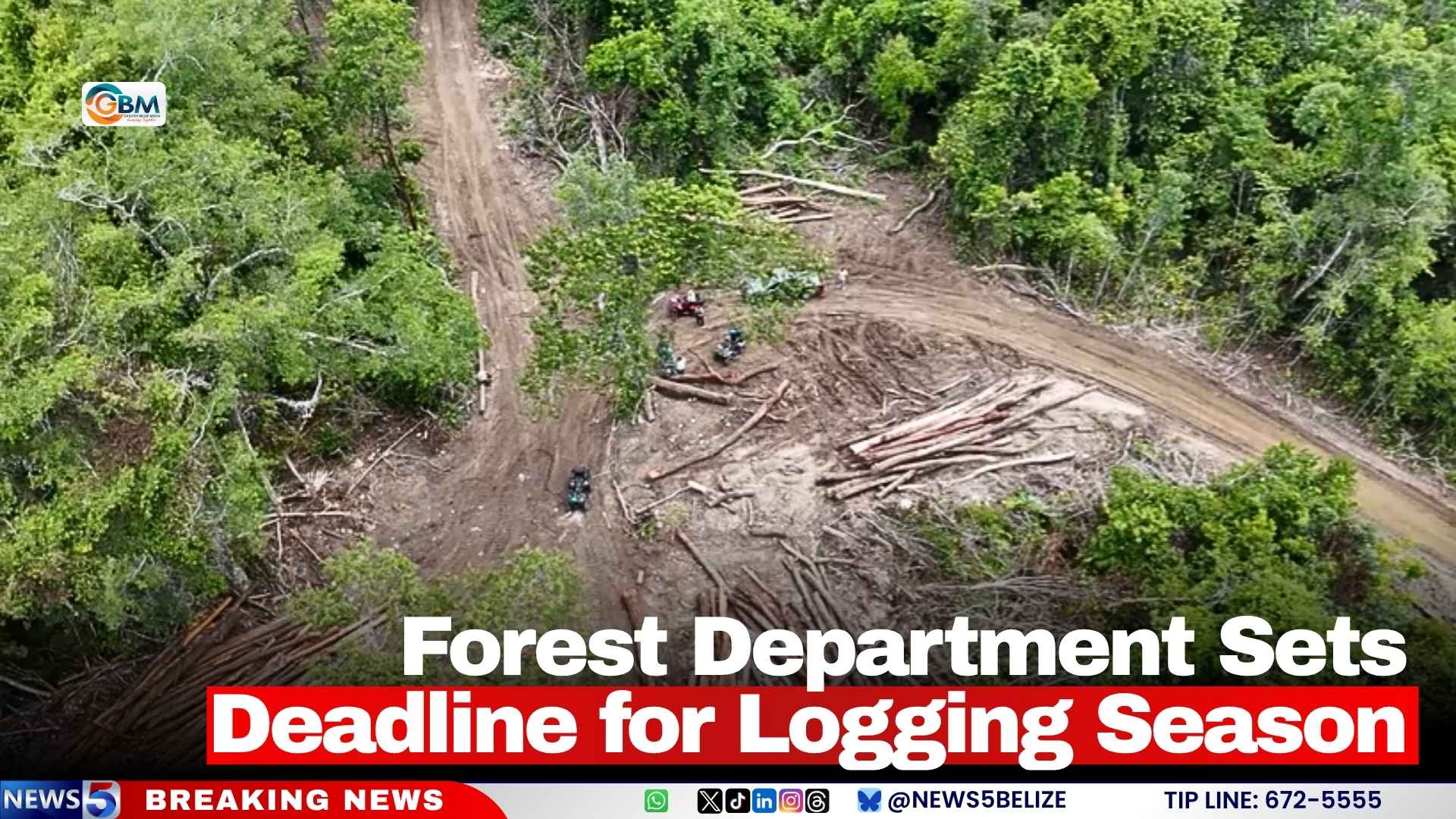
    A key regulatory update has emerged from Belize’s forest management sector, with the Belize Forest Department officially locking in July 15, 2026 as the final closing date for the 2025–2026 commercial logging season. Once this deadline passes, all logging-related activities—including tree felling, timber harvesting, log hauling and the transportation of all processed timber products that fall under currently issued permits and licenses—must come to a complete halt.

    To help logging operators prepare for the seasonal closure and avoid penalties for non-compliance, the Forest Department has issued a series of clear reminders outlining mandatory requirements for any approved log transportation that takes place before the July 15 cutoff. Every load of timber moved before the deadline must meet three core conditions: it must be accompanied by a valid official waybill, every log must be clearly marked on both ends with the operator’s registered property brand and the official hammer stamp issued by the Forest Department, and each individual load must possess a separate, valid “Permission to Haul” authorization.

    The department has also clarified the process for submitting hauling permission requests: all applications must be filed through the corresponding local Forest Department range offices. Each request will undergo individual case-by-case review, and approval is not guaranteed as a default. To ensure full adherence to regulatory standards, authorized inspectors reserve the right to conduct on-site field inspections at any time to verify that operations comply with all licensing terms, confirm that all required royalty payments have been completed in full, and confirm that all other regulatory requirements are met.

    In addition to the seasonal closure mandate, the Forest Department has issued a new policy update regarding small-scale logging permits: no new petty permits for logging activities on private or leased lands will be issued after the July 15 deadline. The agency also emphasized that any transportation of forest products harvested under existing petty permits will be strictly prohibited after the closing date, with enforcement measures in place to crack down on unauthorized activity.

  • Project targets abandoned seamoss farms, pilots alternative cultivation system

    Project targets abandoned seamoss farms, pilots alternative cultivation system

    The Caribbean island nation of Saint Lucia is rolling out a targeted new initiative to address the lingering challenges of its boom-and-bust edible seamoss industry, combining marine conservation with long-term sector sustainability. Back in 2021, the sector saw an unexpected surge: amid widespread Covid-19 lockdowns that left thousands out of work, hundreds of newly unemployed workers turned to small-scale seamoss farming, pushing export revenues from 4.3 million Eastern Caribbean dollars to 6.4 million EC dollars in just one year. That rapid growth, however, was never built to last. As pandemic restrictions lifted and traditional jobs returned, many new temporary farmers exited the sector, leaving behind scattered, abandoned farm sites across key growing regions, most notably Savannes Bay—one of the country’s most important seamoss cultivation hubs. Today, dozens of disused operations dot the inlet’s coastline, leaving discarded farming infrastructure that poses risks to boat traffic, marine ecosystems, and recreational users of the bay.

    To tackle this problem, the Saint Lucia National Conservation Fund (SLUNCF) and the country’s Department of Fisheries have partnered to launch the Marine Debris Removal and Deployment of Sustainable Raft Systems Project, a 215,000-dollar initiative funded by the Agence Française de Développement through the Caribbean Biodiversity Fund’s Caribbean Regional Architecture for Bioversity Project. The multi-faceted program has three core goals: clear abandoned fishing and farming gear from affected coastal waters, map and zone designated priority growing areas to streamline industry regulation, and pilot a more eco-friendly cultivation method that reduces environmental harm while boosting output.

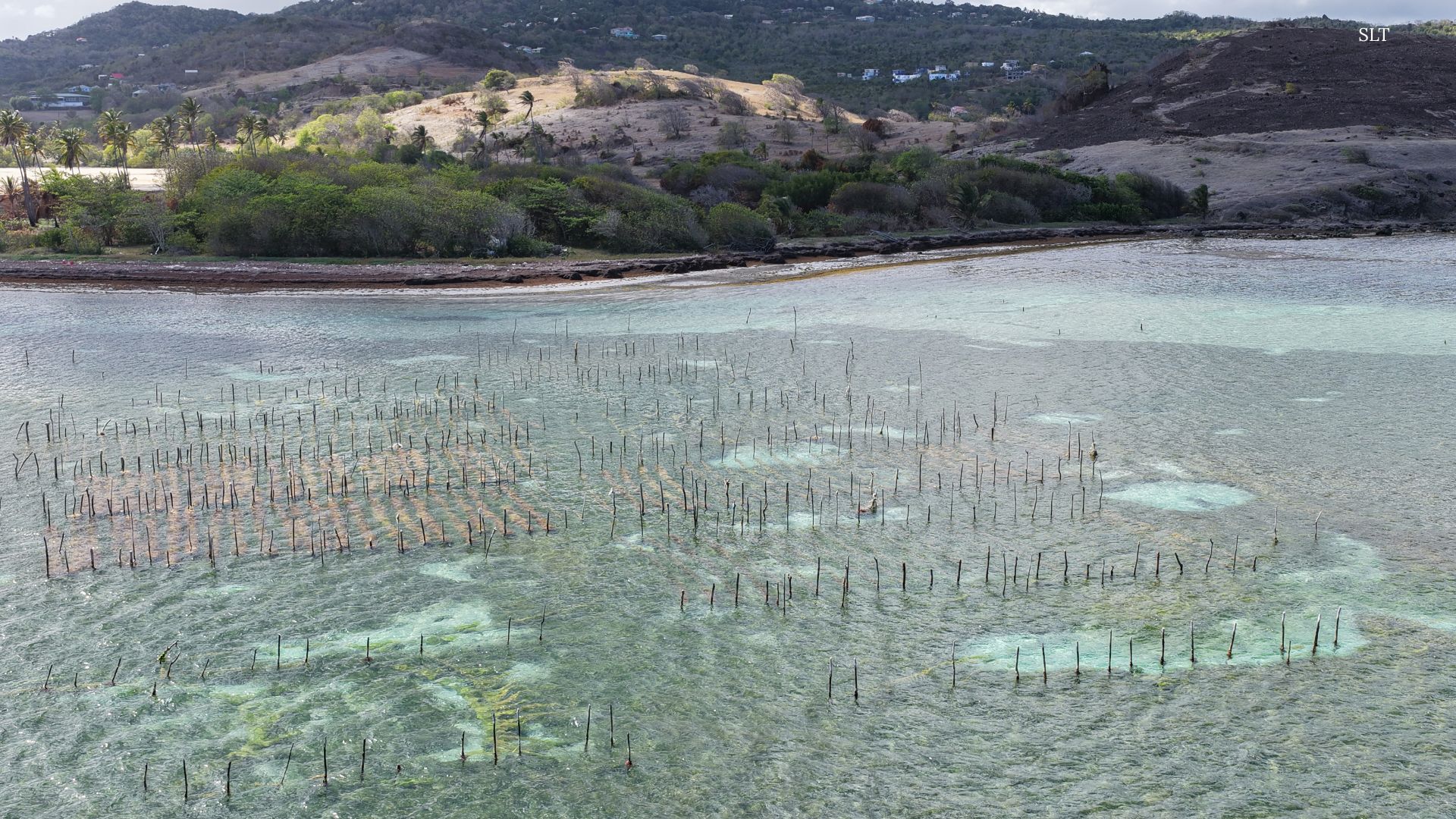
    For long-time seamoss producers, the project has already earned widespread support. Vincent “Jeg” Clarke, a third-generation farmer who has cultivated seamoss since 1986 and now leads the Eau Piquant Agriculture and Seamoss Producers association, explained that traditional growing methods have long created hidden environmental costs. Under the dominant local approach, farmers drive dozens of wooden stakes into the seabed to support growing lines, then attach floating plastic bottles to keep lines buoyant. The wood for these stakes is often harvested from nearby coastal forests, contributing to local deforestation, while abandoned plastic waste leaches microplastics into nearshore ecosystems. “What you all have just seen is a forest in the sea, we’re trying to take this method out,” Clarke noted during a June 23 media field visit to Savannes Bay, adding that the project aims to “curb deforestation and go to more environmentally friendly practices.”

    Drawing on insights from a regional industry exchange program in Belize, the project will pilot a new PVC floating raft system across Savannes Bay and nearby coastal areas in Vieux Fort, including Boreil Beach and Bois Chadon. Unlike traditional setups, this alternative method uses parallel floating PVC rods secured by just a handful of wooden stakes, with seamoss growing lines stretched between the rods. SLUNCF Chief Executive Officer Craig Henry explained that the system delivers multiple benefits beyond lower environmental impact: the floating design adjusts naturally to tidal movements, simplifies harvesting and cultivation processes, and allows farmers to grow more seamoss per square meter of coastal area than traditional methods. “What we are trying to do is support the department of fisheries and other agencies in continuing the effort to bring some manner of regulation and order to how seamoss is cultivated, but also reducing the environmental pressures related to traditional methods of cultivation,” Henry said.

    Vaughn Serieux, head of the Agriculture Unit at the Department of Fisheries, added that sustainability is at the core of the entire project, which is designed not just to clean up current damage but to lay the groundwork for a stable, long-term seamoss sector that can coexist with healthy marine ecosystems. The initiative also directly engages 45 local farmers and fishers, 37% of whom are women, and incorporates regular feedback channels for nearby coastal communities to raise concerns and shape project implementation.

    For veteran farmers like Petuna Joseph, who has grown seamoss for more than 14 years, the project offers a much-needed path forward for a sector that has struggled with labor demands and shifting weather patterns in recent years. While Joseph cited physical challenges of cultivation and climate impacts as ongoing hurdles, she expressed cautious optimism about the initiative, saying: “I like what I’m seeing happening, I like it, I just hope it goes in a positive way.” Project organizers have emphasized that they are working closely with both current and former farmers to ensure the program delivers long-term benefits beyond its initial pilot phase, laying the groundwork for a more resilient and sustainable seamoss industry for Saint Lucia.