分类: environment

  • High Wind Advisory Issued for Antigua, Barbuda, Montserrat, St. Kitts, Nevis, Anguilla and the British Virgin Islands

    High Wind Advisory Issued for Antigua, Barbuda, Montserrat, St. Kitts, Nevis, Anguilla and the British Virgin Islands

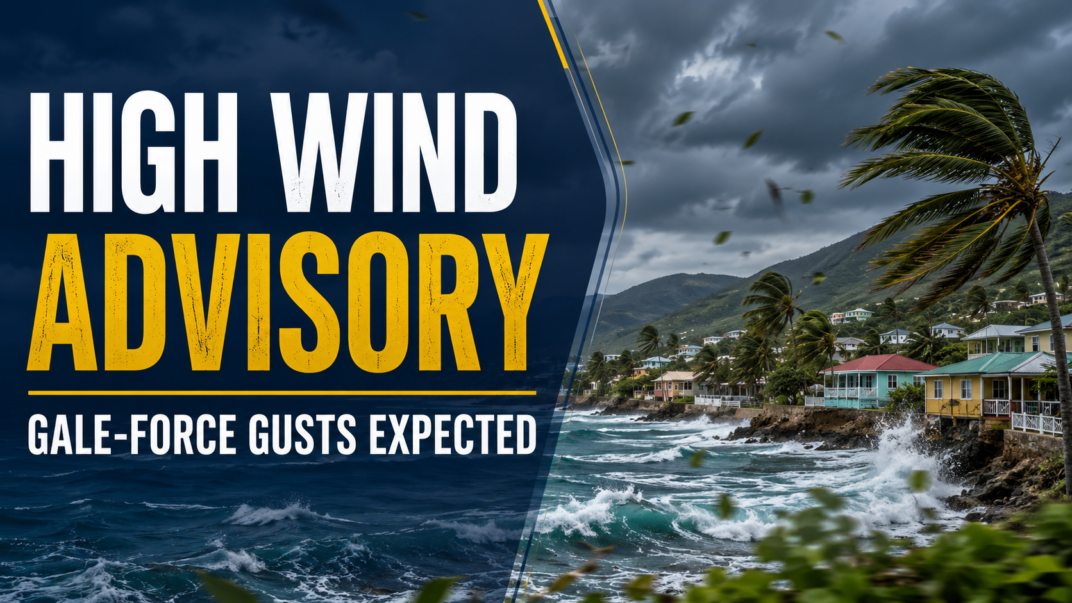
    Residents across six Eastern Caribbean island territories are bracing for strong gusty winds this weekend, after local meteorological officials rolled out a high wind advisory triggered by the westward movement of Tropical Disturbance AL92 through the region.

    The affected areas include Antigua, Barbuda, Montserrat, St. Kitts and Nevis, Anguilla, and the British Virgin Islands. The warning will enter into force at 8 p.m. local time Friday and stay active until roughly 2 p.m. Saturday, according to official confirmation from the Antigua and Barbuda Meteorological Services.

    Speaking on the developing conditions, senior forecaster Dale Destin explained that AL92’s passage through the Eastern Caribbean has tightened the regional pressure gradient, the key force that drives wind speed across the area. The most severe conditions are predicted to hit exposed coastal waters, along with elevated and open terrain on the windward sides of the islands.

    Forecasters project sustained easterly winds will range between 28 and 44 kilometers per hour (17 to 28 miles per hour), while sudden gusts can reach gale to storm force, hitting peaks near 69 km/h (43 mph). The peak wind event is expected between midnight Friday and mid-morning Saturday, the window when risks will be highest.

    While the overall threat to human life and private property remains classified as low, the Meteorological Services has stressed that the gusty conditions could create dangerous or uncomfortable scenarios for outdoor activity. Strong sudden gusts can disrupt balance, particularly for people on exposed high ground or near cliff edges, raising fall risks.

    Beyond personal danger, the high winds carry a range of secondary hazards. Loose outdoor items can be hurled across areas or fall from height, creating impact risks. Conditions will also generate hazardous rough seas, increase coastal soil erosion, raise the likelihood of motor vehicle accidents on windy roads, and cause disruptions to local commercial operations, scheduled sporting events, and public and private transportation networks. While commercial air travel may face minor delays or scheduling adjustments, marine transportation is expected to see the most significant and widespread disruptions to service.

    To mitigate avoidable risks, meteorological officials have issued clear guidance for local residents and visitors. All loose, lightweight outdoor objects that could become airborne should be secured or moved indoors before the advisory takes effect. Drivers are urged to reduce speed and exercise extra caution, especially on open highways and exposed coastal routes, while all members of the public are advised to stay away from elevated open locations and coastal cliff edges for the entire duration of the advisory.

    For context, the Antigua and Barbuda Meteorological Services defines a high wind advisory as an official warning that sustained winds between 40 and 48 km/h (25 to 31 mph), paired with stronger gusts, are either already occurring or will arrive imminently. Officials are urging all people in the affected region to regularly monitor updated official forecasts from the Antigua and Barbuda Meteorological Services and updates from local media outlets to stay informed of any changing conditions.

  • Kayleen Walter Selected for 2026 Commonwealth Young Leaders Fellowship

    Kayleen Walter Selected for 2026 Commonwealth Young Leaders Fellowship

    A rising young professional from Antigua and Barbuda, Kayleen Walter, has earned a coveted spot in the 2026 cohort of the Commonwealth Young Leaders Fellowship, joining a selective group of emerging change-makers from all corners of the 56-nation bloc.

    Run by the Commonwealth Leaders Academy, the Young Leaders Fellowship stands as the organization’s flagship initiative for nurturing the next generation of leadership. The program is intentionally crafted to equip early-career leaders with advanced leadership competencies, cross-border professional exposure, and global collaborative networks, empowering participants to tackle pressing systemic challenges and drive inclusive sustainable development across the Commonwealth.

    Walter brings a uniquely interdisciplinary background to the fellowship: she holds degrees in environmental studies and biological sciences, and is currently advancing her education through legal studies. Her professional and academic work has long centered on environmental protection, marine ecosystem conservation, and building climate resilience, with a specific focus on bridging the gap between scientific research, environmental policy design, and public sector decision-making.

    One of her most impactful recent projects is an independent research inquiry into microplastic contamination across targeted beaches in Antigua, paired with a targeted community outreach campaign. The outreach component aims to boost public awareness of marine pollution and inspire greater grassroots engagement with local environmental action. Walter’s work embodies her broader commitment to translating rigorous scientific findings into actionable solutions for the environmental challenges Antigua and Barbuda faces as a small island developing state.

    In comments following her selection, Walter expressed her gratitude for the opportunity, saying, “I am deeply honoured to have been selected as a Commonwealth Young Leaders Fellow for 2026. This opportunity represents not only a personal achievement, but also a chance to bring Antigua and Barbuda’s experiences, challenges and perspectives into a wider Commonwealth conversation.”

    “As a Small Island Developing State (SIDS), Antigua and Barbuda faces disproportionate environmental and climate challenges that demand innovative, evidence-based approaches. I hope to use the knowledge, relationships and experience gained through the fellowship to contribute meaningfully to work on the island, particularly in environmental policy, marine conservation, and climate resilience,” she added.

    Walter’s selection comes at a landmark moment for Antigua and Barbuda’s leadership within the Commonwealth. In 2026, the country will host the Commonwealth Youth Forum on the sidelines of the Commonwealth Heads of Government Meeting (CHOGM), a global gathering that will give young leaders from across the bloc a platform to discuss pressing issues shaping their communities and futures. The forum will convene under the theme “Investing in Youth Agency–Co-Creating Pathways towards Shared Prosperity.”

    For Walter, the fellowship represents a unique chance to integrate her deep scientific expertise with her growing focus on public policy and civic leadership, while learning from a diverse cohort of young leaders working across sectors and national contexts. She plans to bring the insights, global perspectives, and professional connections she gains through the program back to her local work in Antigua and Barbuda, continuing to build impact at the intersection of science, environmental governance, and public service, and amplifying the priorities of small island developing states in global climate and environmental conversations.

  • AL92 Weakens; Tropical Cyclone Alert Discontinued for Leeward Islands, BVI

    AL92 Weakens; Tropical Cyclone Alert Discontinued for Leeward Islands, BVI

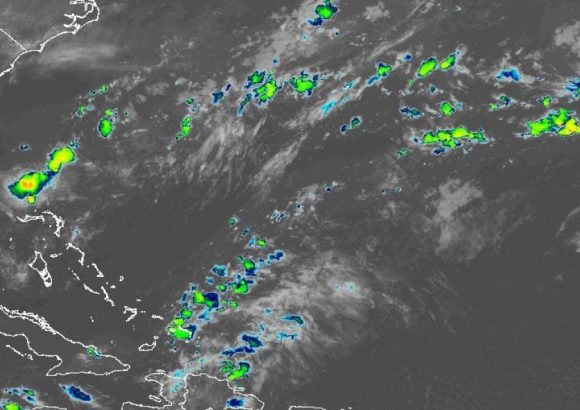
    After days of monitoring a weather disturbance labeled AL92, regional meteorological authorities have officially canceled all tropical cyclone alerts across the Leeward Islands and British Virgin Islands. Officials confirmed Friday that unfavorable atmospheric patterns have drastically reduced the system’s chance of strengthening into a named tropical cyclone, eliminating the immediate threat of a major storm hitting the island chain.

    The Antigua and Barbuda Meteorological Service confirmed in its Friday update that no tropical cyclone watches or warnings remain active across the affected region. While the risk of cyclone development has passed, the agency warned that the lingering system will still bring periods of turbulent, unsettled weather to the area over the coming one to one and a half days.

    Lead forecaster Lenard Josiah detailed the expected weather impacts, noting that accumulated rainfall across most affected areas will range between half an inch and two inches. This amount of precipitation, while moderate, carries a risk of flash flooding in low-lying zones and communities that have historically been vulnerable to flood events. Josiah added that the region will also see gusty winds, with sudden wind speeds reaching as high as 65 kilometers per hour, or 40 miles per hour. Beyond land-based impacts, ocean conditions will deteriorate rapidly, with wave heights forecast to climb to between 8 and 12 feet across coastal waters.

    In response to these lingering hazards, two official weather advisories are set to go into effect by 5 p.m. local time Friday: a high wind advisory for land areas and a small craft warning for all regional marine waters. Local officials have issued public guidance to help residents prepare for the unsettled conditions: anyone living in the affected areas is reminded to fasten or bring inside any loose, lightweight items kept outdoors, such as patio furniture, trash bins, or garden decor, to prevent them from becoming dangerous projectiles in gusty winds. For boaters and small vessel operators, officials are strongly urging all mariners to stay anchored in safe harbor until hazardous sea conditions subside, as rough seas and high winds create major navigation risks.

    The Antigua and Barbuda Meteorological Service has emphasized that it will maintain continuous surveillance of the AL92 system over the coming days, and will issue timely public updates if any changes in the system’s track or strength require new safety advisories.

  • Update: High-Wind Advisory as Tropical Wave nears Barbados

    Update: High-Wind Advisory as Tropical Wave nears Barbados

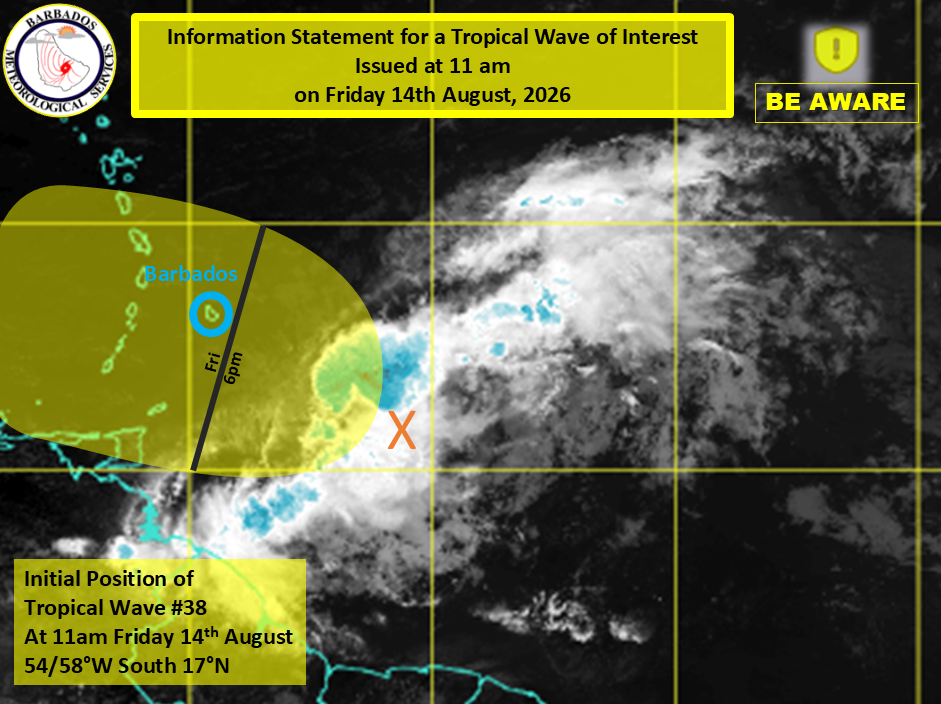
    Barbados has been placed under a high-wind advisory as a tropical wave already battering the island is forecast to gain strength through the rest of the day and into overnight hours. Meteorological officials report the unstable weather system is currently positioned roughly 290 miles, or 500 kilometers, east-southeast of the Caribbean island.

    Alongside the high-wind advisory, two additional warnings remain in force: a Small Craft Warning and a High Surf Warning. The already gusty winds have churned up dangerous conditions for mariners and coastal areas across Barbados, putting small vessels and beachgoers at significant risk.

    According to the Barbados Meteorological Services (BMS), cloudy conditions and shower activity will begin building steadily by late afternoon. The heaviest precipitation is projected to peak overnight, continuing into Saturday. Forecasters also warn that excess accumulated rainfall and severe thunderstorms are likely scenarios, which could prompt the issuance of flash flood watches or warnings and severe thunderstorm alerts as the system moves across the island.

    In a key note of reassurance, the BMS added that the tropical wave has stayed structurally disorganized throughout its approach. At this stage, there is no chance the system will strengthen into a named tropical cyclone during its time impacting Barbados.

  • Indomet Report Two tropical waves under surveillance: one reaches 50% chance of cyclonic development

    Indomet Report Two tropical waves under surveillance: one reaches 50% chance of cyclonic development

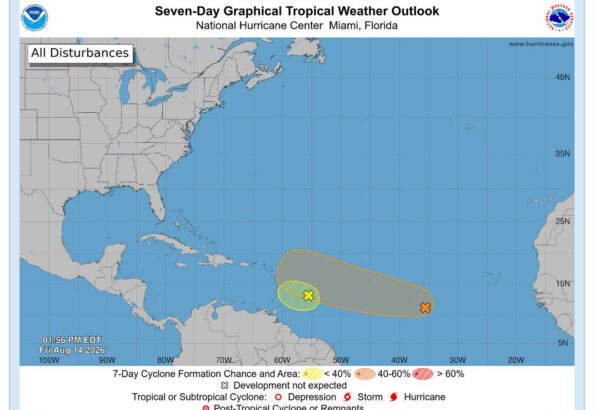
    The Dominican Institute of Meteorology (Indomet) announced Friday that it has activated continuous surveillance protocols for two separate clusters of scattered thunderstorms and heavy downpours, both linked to tropical waves moving across the Atlantic Ocean. The agency is prioritizing monitoring of the systems due to their potential to organize and strengthen into cyclonic formations over the coming days.

    The first of the two disturbance systems is currently positioned less than 1,000 kilometers east of the Lesser Antilles. Forecasters have revised its odds of cyclonic development downward, now placing a 30% probability of organization within the next two to seven days, down from earlier higher projections.

    The second weather system is located hundreds of kilometers southwest of the Cape Verde Islands off the western coast of Africa. For this system, meteorologists assign a 30% chance of cyclonic formation within the next 48 hours, with that probability rising to 50% when looking at the full seven-day forecast window.

    Indomet officials confirmed that the agency will maintain constant updates on the trajectory and organization of both systems as they move across the Atlantic, adjusting forecasts as new data becomes available to keep Dominican residents and regional stakeholders informed.

    Looking ahead to Saturday’s weather across the Dominican Republic, conditions will be shaped by a different atmospheric feature: an air mass carrying light to moderate levels of Saharan dust. This air mass is interacting with lower humidity levels across the region, as a slow-moving trough continues its gradual westward shift.

    These combined atmospheric conditions are expected to produce mostly clear to partly overcast skies across most of the Dominican Republic, with high hot temperatures forecast for most communities. Widespread rainfall is not anticipated for the bulk of the country, with only isolated, scattered showers expected to develop during the warm afternoon hours. The limited afternoon rain is forecast to be concentrated mostly in the Central Mountain Range and along the nation’s border region.

  • Global action against weedkiller sharpens focus on future here

    Global action against weedkiller sharpens focus on future here

    Barbados TODAY has exclusively obtained information that the island nation’s agricultural regulators are currently reviewing the highly toxic herbicide paraquat, sold under the brand name Gramoxone, with a possible full ban or tighter import and use restrictions on the table. This review comes more than four decades after researchers first flagged the chemical’s potential to cause severe harm to human health, and follows a growing global trend of nations phasing out the product, most recently California in the United States.

    Decades of scientific research have increasingly linked paraquat exposure to Parkinson’s disease and a range of other chronic health conditions, earning the herbicide a long-held reputation as one of the most dangerous pesticides in global circulation. As early as 1985, the Pesticide Action Network International included paraquat in its high-profile “Dirty Dozen” campaign, which called for strict regulation, full bans, and eventual elimination of the 12 most hazardous pesticides on the market. By the start of the 1990s, dozens of countries had already implemented full bans or severe restrictions on paraquat due to its extreme acute toxicity and long record of fatal poisoning incidents.

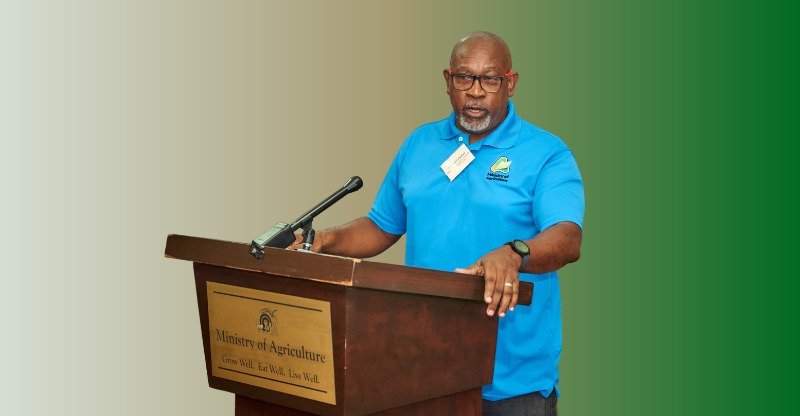
    Deputy Chief Agricultural Officer Michael James confirmed the ongoing review in an interview with Barbados TODAY Thursday. “That is but one of the products under our radar that we are currently discussing,” James said. “I can’t give you our final policy on that just yet, because we haven’t come to a conclusion on that; but I can tell you that it is one of the chemicals we are actively evaluating.” He added that international health and agricultural agencies regularly submit chemicals for local review to determine whether continued use is appropriate, and paraquat is currently at the top of that list. James also emphasized that regulators cannot move forward with a ban until a suitable replacement is identified. “You can’t just ban certain products overnight,” he explained. “You have to look at what alternatives exist for these products. All of this is currently being taken under consideration. We are aware of the studies linking it to Parkinson’s disease, as well as the risks associated with accidental or intentional ingestion.”

    Barbados TODAY has learned that the Pesticide Control Board, an independent watchdog under the Ministry of Agriculture, will hold an upcoming meeting to decide the future of the fast-acting, widely used herbicide on the island. Options on the table include restricting sales exclusively to registered professional farmers, or only to certified personnel trained in safe paraquat handling. “There may be different options, but I can’t speak to the final outcome, because it is currently still under discussion,” James noted.

    Paraquat has been available on Barbados’s domestic market for decades, sold under a range of brand names beyond Gramoxone. James Paul, chief executive officer of the Barbados Agricultural Society (BAS), said any final regulatory decision should be left to scientific and agricultural experts, noting that local farmers already adhere to strict national safety guidelines for chemical use. “We have to follow the science in terms of it,” Paul told Barbados TODAY. “We have very strict safety guidelines in terms of chemicals in this country; and one of the things that we try to do is encourage farmers to abide by those safety guidelines, and by and large, I believe that they do. As to whether or not it should be banned, I do not know. It is widely used in local food production, and there are still many countries around the world, including Caribbean nations that we import food from, that still permit its use. If it is ultimately banned, we will of course need to transition to a suitable alternative. The key issue for us is whether users are following all established safety protocols, that is where the public can find reassurance.”

    The recent decision by California, the largest agricultural producing state in the United States, to phase out paraquat has amplified global concerns about the chemical’s long-term health impacts. This move comes even as many American farmers argue paraquat is an irreplaceable tool for their operations, and the U.S. still sees millions of pounds of the herbicide sprayed on crops annually. Earlier this year in March, following thousands of lawsuits from plaintiffs who blame paraquat exposure for their chronic illnesses, global agrochemical giant Syngenta announced it would end all production of the chemical, leaving only generic manufacturers to supply the market. A company spokesperson has repeatedly stated that all claims linking paraquat to illness in lawsuits are completely meritless. In May, Vermont became the first U.S. state to implement a full paraquat ban. Just one month later, two U.S. congresswomen from opposing political parties—Democrat Chellie Pingree of Maine and Republican Anna Paulina Luna of Florida—introduced federal legislation to ban paraquat across the entire country. To date, federal regulators have declined to take action, a situation environmental advocates say highlights the gridlock and weaknesses of U.S. pesticide regulation, which makes it extremely difficult to remove chemicals that many farmers have come to rely on from the market.

    Paraquat has a long commercial history dating back to the 19th century. It was first synthesized in 1882 under the name methyl viologen, and was originally used as an industrial chemical dye. Its powerful weed-killing properties were not discovered until 1955, in laboratories operated by British firm Imperial Chemical Industries (ICI). ICI launched full industrial production in 1961, and began international marketing under the brand name Gramoxone in 1962, quickly positioning it as a solution for controlling grass and broadleaf weeds. After media coverage highlighted paraquat’s widespread availability in Barbados back in 1992, ICI, the original developer, defended the product as “the poor man’s hoe”—a low-cost, fast-acting, non-selective herbicide that boosted smallholder productivity.

    Paraquat’s popularity grew rapidly across the globe, thanks to its unique mechanism of action: it disrupts plant photosynthesis and releases free radicals that kill targeted weed cells, causing visible wilting and browning within hours of application, and immediately becomes inactive once it contacts soil, preventing runoff or long-term soil contamination. But across the Caribbean region, paraquat has carried a far deadlier reputation beyond agricultural use. After its widespread introduction to the region in the 1970s, paraquat became one of the most common methods of intentional self-poisoning, due to its easy over-the-counter access and extremely high lethality even in small ingested doses.

    Historical public health data confirms the scale of this crisis across the Caribbean. Paraquat-linked suicides have been recorded in Suriname, Dominica, and Jamaica, with the worst impact seen in Trinidad and Tobago. In southern Trinidad in 1996, 39 out of 48 recorded suicides—81.3 percent of the total—involved paraquat. A 1996–1997 forensic review found paraquat was responsible for 80 out of 105 fatal acute poisoning cases across the country. In response to this crisis, as well as a rising number of accidental poisoning deaths, ICI modified the formulation of Gramoxone: it changed the product’s original cola-like color to a distinct bright green to reduce accidental ingestion, and added an emetic to trigger vomiting if the chemical is consumed.

    Today, paraquat is already fully banned or severely restricted in more than 70 countries, including the United Kingdom and all 27 member states of the European Union. Corporate restructuring over the decades shifted production rights from original developer ICI to Zeneca in 1993, and then to Syngenta in 2000, when the company was formed through a merger of Novartis Agribusiness and Zeneca Agrochemicals.

  • Fish Kill Probe Focuses on Canals and Flooding

    Fish Kill Probe Focuses on Canals and Flooding

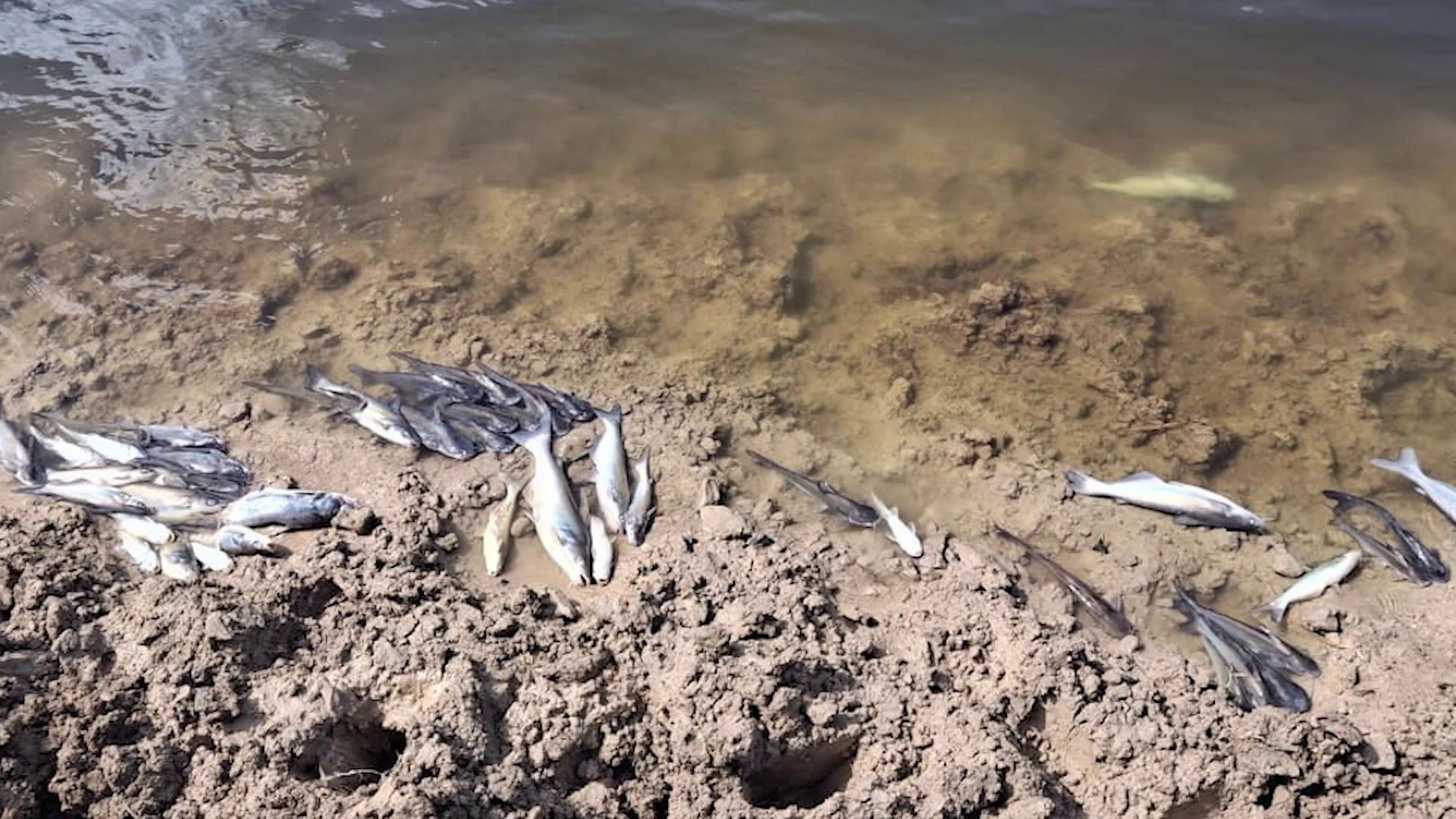
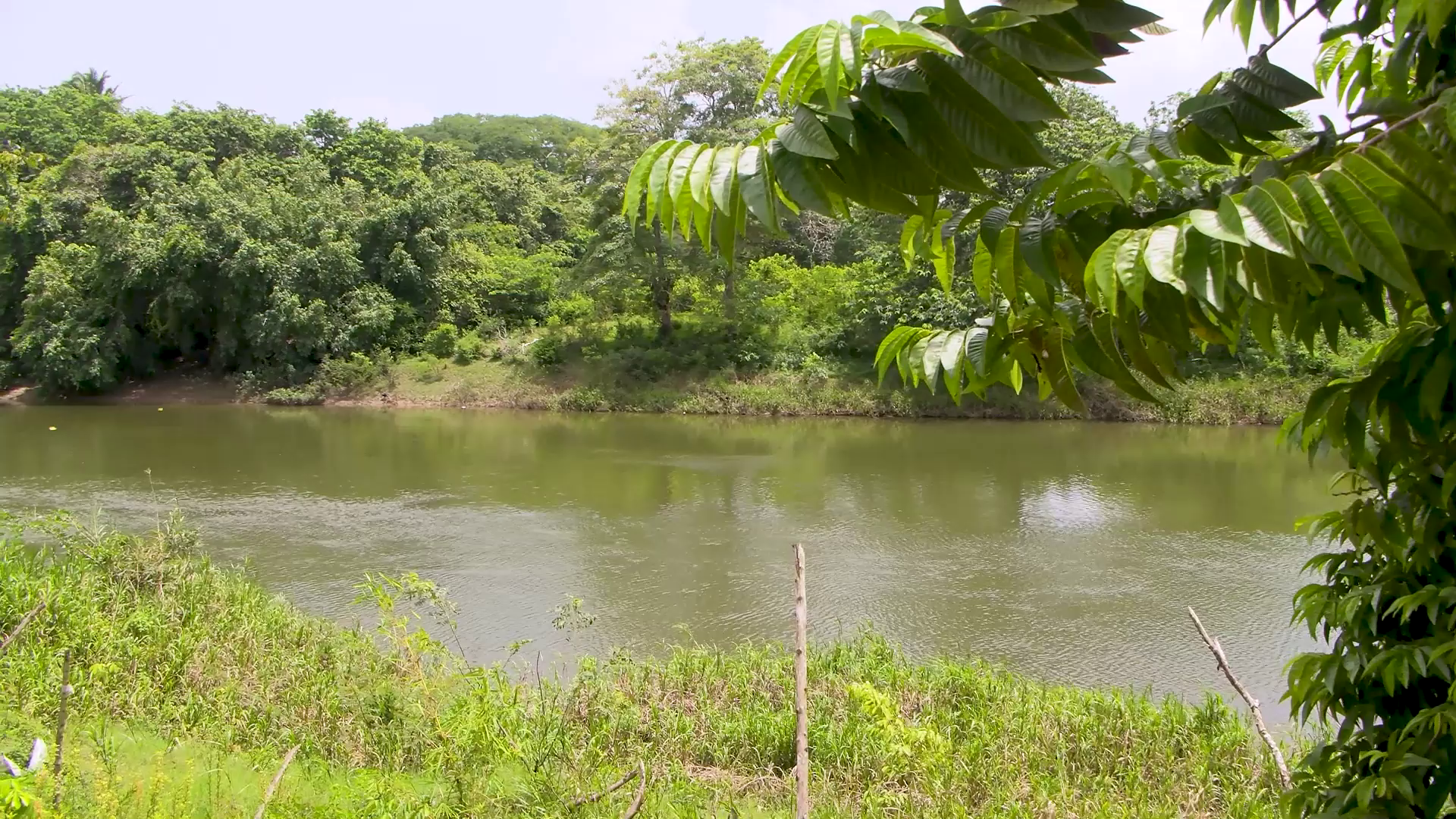
    On August 13, 2026, a massive fish death event in the Belize River Valley has sparked a tense ongoing investigation, with public debate centering on the role of agricultural operations and recent severe flooding. Thousands of aquatic life were found dead across the waterway, prompting both public outcry and official inquiry, as community members and environmental activists point to nutrient-rich runoff from canals associated with the major agricultural producer Santander Sugar as the likely culprit.

    However, government environmental authorities have pushed back against early conclusions, noting that no conclusive evidence has yet emerged to directly tie Santander Sugar’s operations to the mass mortality event. Anthony Mai, the nation’s Chief Environmental Officer, explained that newly analyzed satellite imagery paints a clear picture of extreme pre-event flooding across large swathes of agricultural land in the region, including rice fields, the southern section of Santander’s farm, and dozens of other neighboring properties. The massive volume of floodwater that washed accumulated sediment, nutrients and organic material from these inundated fields into the Belize River almost certainly altered the river’s aquatic ecosystem dramatically, creating conditions that could trigger large-scale fish death, Mai said.

    Santander Sugar has also pushed back against public allegations, stating that none of its internal canal networks connect to Laboring Creek, the tributary that feeds directly into the affected section of the Belize River. The company notes that it manages only 12 percent of the larger shared watershed that drains into the river, meaning the area is home to dozens of other land users, from small family farms to residential neighborhoods, all of which contribute to runoff into the waterway.

    Orlando Habet, Belize’s Minister of Sustainable Development, echoed the government’s cautious stance, explaining that investigators cannot pin blame on any single entity without concrete evidence. He noted that while runoff from Santander’s property can flow into canals that eventually reach the Belize River when retention ponds overflow, multiple other nearby farms also drain into the same canal system. This shared drainage network makes it impossible to single out Santander as the sole cause at this stage of the investigation, Habet said.

    The minister also acknowledged that consistent regulatory enforcement remains a persistent challenge for his ministry, even with existing environmental laws on the books. Different pieces of legislation fall under the oversight of separate government bodies, Habet explained, requiring inter-agency alignment to ensure compliance across all land users in the watershed.

    Independent environmental researchers say the incident highlights longstanding gaps in Belize’s environmental regulation and enforcement that need urgent addressing. Dr. Donald McKnight, research director at the Savanna Field Station, emphasized that the nation must strengthen its enforcement capacity to prevent similar mass mortality events in the future. During a recent site visit to the Belize River, McKnight noted he observed multiple unregulated drainage canals running directly from agricultural fields into the main river. While these unregulated discharges may not have caused the 2026 fish kill, they create a persistent risk of future ecological collapse in the waterway, he warned.

    As of mid-August 2026, the investigation remains ongoing. The Department of the Environment confirmed that Santander Sugar has fully cooperated with all investigative requests, but definitive lab results to confirm the exact cause of the fish kill are still pending. Researchers are currently monitoring water quality as contaminated water moves downstream, warning that the event could impact additional riverside communities before the water reaches the Caribbean Sea.

  • Shrimp Industry Now Worth Twenty-Five Million Dollars

    Shrimp Industry Now Worth Twenty-Five Million Dollars

    More than a decade after a devastating disease outbreak nearly wiped out shrimp farming operations across Belize, the nation’s once-struggling shrimp industry has staged a remarkable comeback, with its market valuation climbing to nearly $25 million and production tripling since 2020. The sharp turnaround has been powered by targeted private investment, advanced genetic improvements in shrimp stock, and the adoption of cutting-edge agricultural technology that is reshaping how small and large-scale producers operate.

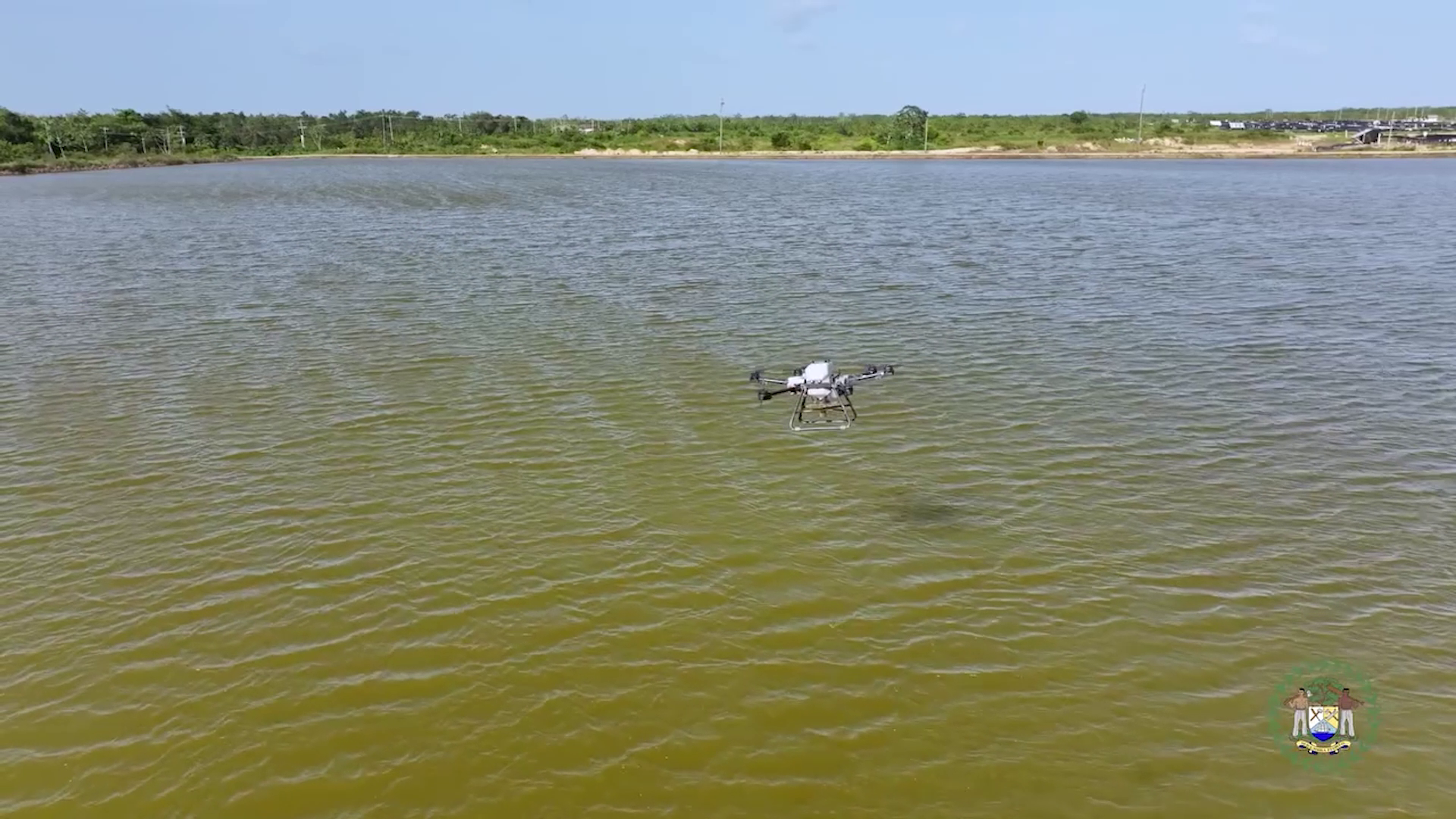
    On August 11, 2026, Belize’s Minister of Agriculture Rodwell Ferguson conducted an on-site tour of two leading industry operations: Aqua Vista Shrimp Hatchery and Aqua Mar Belize, to see first-hand the innovations driving the sector’s recovery. During the tour, industry leaders highlighted one particularly transformative change: the integration of drone technology into daily feeding operations for large aquaculture ponds. Where traditional manual feeding once required 90 minutes of labor for a single 20-acre pond, drones now complete the same task in just three and a half minutes, drastically cutting labor costs and reducing operational downtime for producers.

    In an interview following the tour, Ferguson emphasized that this combination of technological modernization and improved shrimp survival rates is removing key barriers that kept former producers out of the sector for years. “When we visited Aqua Mar, the producer showed me exactly how drone feeding has revolutionized their operations,” Ferguson explained. “Technology is solving persistent labor shortages in the shrimp industry, and as we continue to bring down shrimp mortality rates, more and more former farmers are reconsidering getting back into shrimp farming. This is the sustainable path forward for our aquaculture sector.”

    The adoption of drone technology for agricultural production is not limited to Belize’s shrimp industry, either. The Belize Marketing and Development Corporation has recently rolled out drone support programs for rice farmers working in the southern Toledo and Stann Creek Districts, marking a broader push to modernize the nation’s agricultural sector through digital innovation. Industry observers note that the shrimp industry’s successful rebound serves as a model for other agricultural subsectors across the country, demonstrating how targeted technological adoption can help sectors recover from existential shocks and build long-term resilience.

  • No Country Can Face Climate Threats Alone

    No Country Can Face Climate Threats Alone

    In a landmark gathering aimed at addressing interconnected climate challenges spanning national borders, Belize is bringing regional environment ministers and technical specialists together this week to coordinate collective action, just as it assumes the rotating presidency of the Central American Commission on Environment and Development.

    Against a backdrop of accelerating climate impacts across the Central American isthmus, from invasive sargassum blooms choking coastal ecosystems to crippling water scarcity, Belize’s top environmental official emphasized that no single nation can solve these transboundary threats in isolation.

    Speaking ahead of key votes on regional policy frameworks, Orlando Habet, Belize’s Minister of Sustainable Development, outlined the summit’s core priorities, starting with water security — a growing crisis amplified by the extreme weather swings driven by El Niño. “Water is a non-negotiable basic necessity, yet we are facing accelerating depletion, worsened by El Niño and other shifting climatic patterns,” Habet explained. “We face either extreme drought or catastrophic flooding, and this volatility hits the entire region unevenly. Right now, El Niño is driving prolonged drought across Central America’s dry corridor and the Dominican Republic, impacting millions of people.”

    One of the first major policy breakthroughs from the summit came with a unified agreement to advance a regional action framework for managing and mitigating sargassum blooms, an issue that has devastated coastal communities and tourism economies across the Caribbean and Central America for years. The initiative, first co-developed by Belize and the Dominican Republic, was formally backed by all attending ministers, who agreed to adopt a formal resolution and joint declaration on Wednesday, laying the groundwork to secure large-scale international funding for cross-border sargassum response projects.

    Beyond water and sargassum management, the summit is also advancing cooperation on two other critical regional priorities: transboundary wildlife conservation and improved solid waste management. “Wildlife does not recognize national borders — they don’t need passports to move between connected ecosystems across our countries,” Habet noted. “That is why we are working to establish coordinated regional wildlife corridors to protect vulnerable species and preserve biodiversity across the isthmus.”

    For solid waste management, the summit is facilitating knowledge sharing between nations with advanced programs and those looking to upgrade their infrastructure. The Dominican Republic, for example, has piloted a highly successful urban solid waste management project in one of its major cities, and technical experts from the country will share their insights with neighboring nations looking to replicate that success. “We’ve already conducted site visits to learn from their model, and we’re working to bring their technical expertise to Belize and other countries to help us improve our own systems,” Habet added.

    The summit will also prioritize advancing ongoing work to protect one of the world’s most biodiverse marine ecosystems: the Mesoamerican Reef. Habet confirmed that delegates are reviewing a proposed $15 million resourcing push to keep the Mesoamerican Reef conservation initiative on track, supporting ongoing work to preserve coral reefs, prevent overfishing, and protect coastal habitats that support millions of livelihoods across the region.

    This report is adapted from a transcript of an evening television news broadcast, with original quoted text preserved for accuracy.

  • Belize River Valley Fish Kill: ‘No Single Source Yet’

    Belize River Valley Fish Kill: ‘No Single Source Yet’

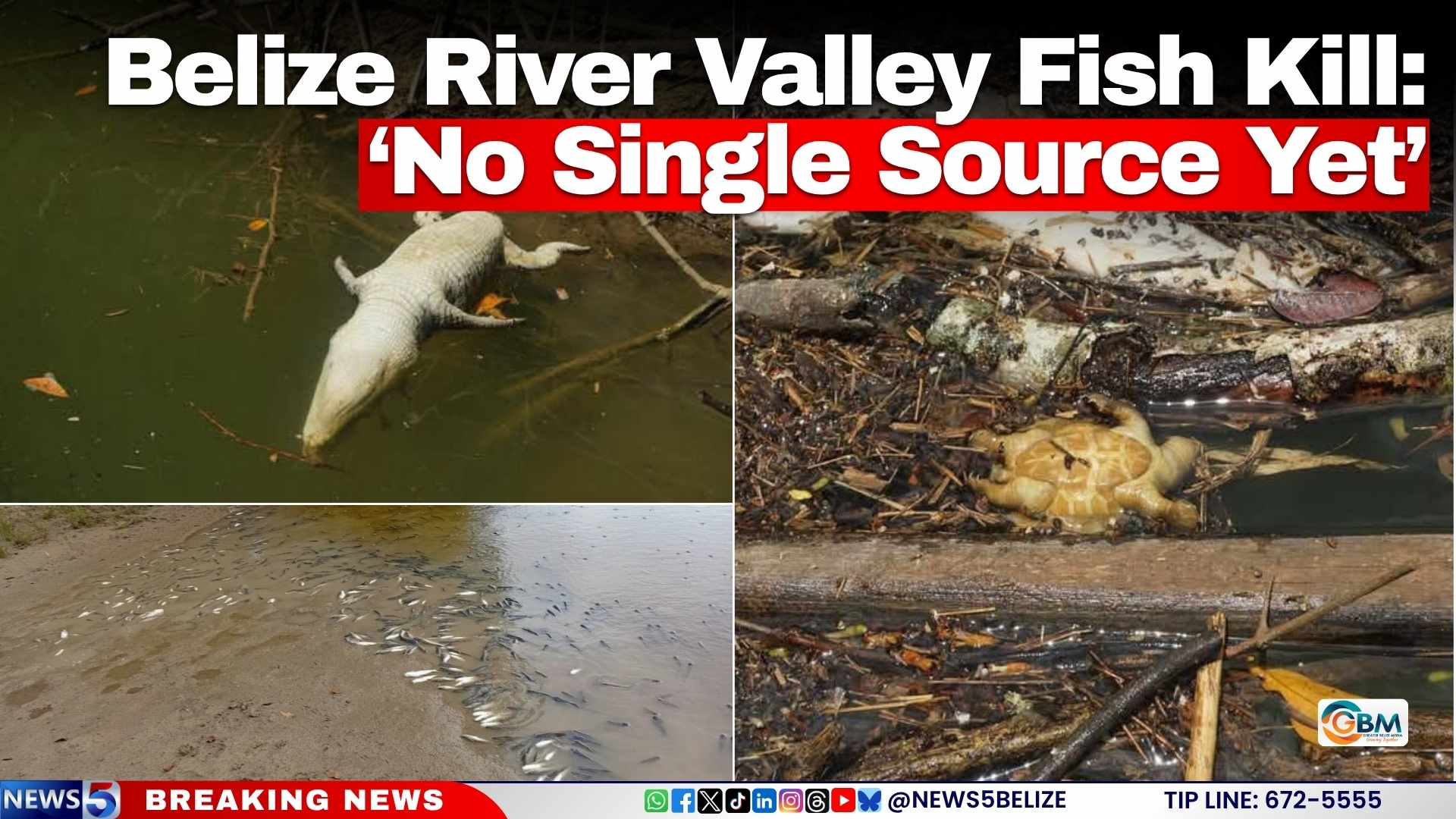
    A weeks-long environmental crisis unfolding along the Belize River Valley has moved into its investigative phase, with Belize’s Department of the Environment (DOE) releasing key preliminary findings on Tuesday that shed light on what caused the widespread death of fish, turtles and crocodiles last week. According to top DOE officials, the confirmed root cause of the mass mortality event is hypoxia—dangerously low levels of dissolved oxygen in the water—driven by a combination of recent flooding and nutrient-heavy agricultural runoff into the river system.

    Chief Environmental Officer Anthony Mai told reporters that post-mortem examinations led by marine biologist Dr. Abel Carias have already ruled out infectious disease as a cause. Key to that elimination is the fact that the die-off impacted multiple distinct species rather than being isolated to a single population, a pattern that would be expected if disease were the trigger. The low oxygen conditions, Mai explained, also account for the deaths of semi-aquatic species like turtles and crocodiles: when water becomes completely anoxic, it releases toxic hydrogen sulfide gas that accumulates at the water surface, where these animals surface to breathe.

    Water quality sampling conducted across the affected stretch of the river pinpointed the most severely impacted zone: a segment running between St Paul’s Bank and Grace Bank, where dissolved oxygen levels dropped to the lowest recorded readings and fish mortality hit its peak. Elevated chlorophyll-A concentrations in these samples confirmed that nutrient runoff from surrounding agricultural lands sparked a harmful algal bloom, which in turn depletes oxygen as the algae grows and decomposes.

    In the wake of the fish kill, public and regulatory attention quickly turned to Santander Sugar, a major local agricultural operation, after community members raised questions about whether drainage canals on the company’s property connect to tributaries that feed into the Belize River. However, the DOE emphasized Tuesday that no conclusive evidence has emerged to link the mass mortality event to Santander Sugar or any other single source of pollution.

    Satellite imagery of the area does confirm that severe flooding inundated Santander Sugar’s farmlands and neighboring agricultural properties in the days immediately before the fish kill was reported. This widespread flooding pushed massive volumes of runoff water directly into the Belize River, carrying accumulated agricultural nutrients with it. “That large amount of water from this field went into the river and may have definitely contributed to the change in the aquatic ecosystem, the increased algae, the low dissolved oxygen, et cetera,” Mai noted.

    So far, the investigation has found that Santander Sugar has cooperated completely with regulatory teams conducting the probe. Officials also confirmed that Santander Sugar is far from the only agricultural operation in the region with drainage canals connected to the affected river system, meaning multiple landowners could have contributed to the nutrient buildup that sparked the bloom.

    To rule out additional contributing factors, Belize’s Pesticide Control Board has already completed an inspection of the agrochemicals used by Santander Sugar. Data from that inspection will be cross-referenced with results of chemical analysis and sediment sampling currently being carried out by Belizean environmental experts across the impacted river stretch.

    Most full test results from the multi-agency probe are expected to be released by the end of this week. Mai highlighted that the investigation has already stood out as a major example of cross-institutional collaboration, bringing 15 separate local, national and academic agencies to the table. Partner organizations include the University of Belize, the Belize Agricultural Health Authority, and the national Fisheries Department, among others.

    In the interim, research teams are continuing continuous water quality monitoring along the entire length of the river. Officials warn that contaminated water with low oxygen and residual toxins could impact residential communities located further downstream before it ultimately flows into the Caribbean Sea, making ongoing monitoring critical for protecting public and ecosystem health.