分类: environment

  • Antigua and Barbuda to Protect Agricultural Lands Through Farm Trust

    Antigua and Barbuda to Protect Agricultural Lands Through Farm Trust

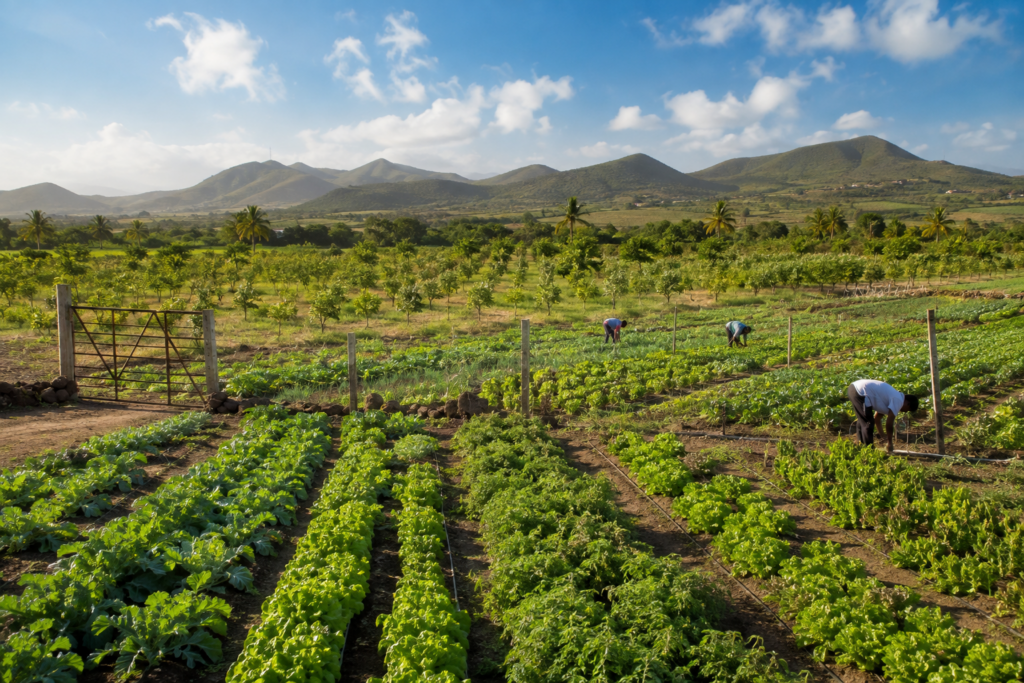
    The twin-island nation of Antigua and Barbuda has announced a landmark initiative to preserve its limited but ecologically and economically critical agricultural territory through the establishment of a dedicated farm trust. Facing growing pressure from coastal development, climate-driven coastal erosion, and unregulated land conversion that has steadily reduced available farmland over the past two decades, government officials have framed the trust as a long-term solution to protect the country’s food security and support small-scale local producers.

    Under the new framework, the trust will acquire at-risk agricultural parcels, hold them in permanent public ownership, and lease them to qualified local farmers at below-market rates. This model is designed to prevent speculative land buying that drives up prices and pushes working farmers off their land, while also ensuring that greenfield agricultural spaces are never converted to non-farming uses such as luxury resort development or residential construction.

    Agriculture ministry representatives note that Antigua and Barbuda currently imports more than 70% of its food supply, a dependency that leaves the nation vulnerable to global supply chain disruptions and volatile international commodity prices. By protecting existing farmland and expanding access for new and emerging farmers, the government aims to boost domestic food production, cut import bills, and create new livelihood opportunities in rural communities.

    The initiative also incorporates environmental protections: the trust will require participating farmers to adopt climate-smart agricultural practices, including soil conservation, rainwater harvesting, and reduced synthetic pesticide use, to help mitigate the impact of droughts and hurricanes that are increasingly frequent in the Caribbean region. Funding for the initial phase of the project is being supported by a regional climate adaptation grant from the Caribbean Development Bank, with plans to expand the trust’s land holdings through public-private partnerships in coming years.
  • St. Martin Delegation Visits Nevis to Explore Geothermal Energy Development

    St. Martin Delegation Visits Nevis to Explore Geothermal Energy Development

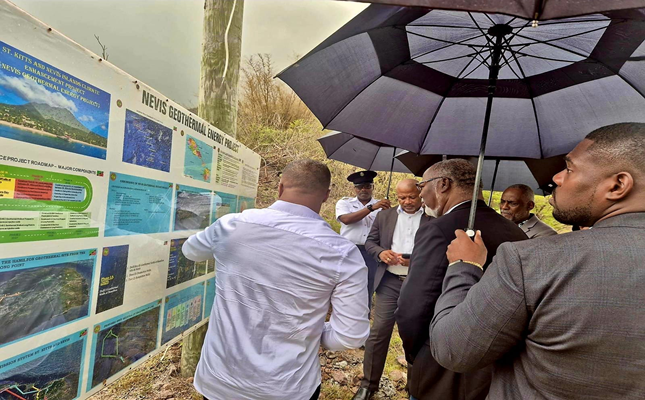
    In a landmark step toward cross-border renewable energy collaboration in the Caribbean, a delegation from St. Martin led by Territorial Council President Louis Mussington visited the Federation of St. Kitts and Nevis on August 30, 2026 to examine Nevis’ fast-advancing geothermal energy development initiative. The visiting group was formally welcomed by Nevis Premier and Energy Minister Mark Brantley, who was joined by Nevis Minister of Works Spencer Brand for the day of site visits and bilateral discussions.

    The delegation’s itinerary centered on a guided tour of the Hamilton Geothermal Site, the primary hub of Nevis’ effort to unlock its massive underground geothermal reserves. Brantley walked the group through the project’s development journey to date, sharing details on completed exploration work and upcoming milestones for the initiative. He explained that initial exploration drilling has already confirmed that Nevis hosts one of the world’s most promising geothermal resources, ranked the seventh most viable globally. The island’s natural advantages—consistent high underground heat, easily accessible project sites, and completed geological mapping of all potential resource areas—position the project for efficient, steady development. Brantley noted that development will launch first at the N1 site, with other mapped areas reserved for future expansion as demand grows.

    Key progress is already accelerating on the ground: Brantley confirmed that a specialized drilling contractor has been secured, and the main drill rig has completed mandatory inspection in Iceland, with logistics already underway to transport the equipment to Nevis. According to the current project timeline, on-site construction activity is expected to commence within the next 60 to 90 days, a milestone that will mark the transition from pre-development planning to full production drilling. Brantley emphasized that this start of active drilling will be a major turning point for the years-long effort to bring geothermal energy online for the island.

    Following the site tour, the delegation reviewed a detailed informational exhibit about the project, where Mussington asked targeted questions about regulatory frameworks, production projections, and infrastructure plans. The St. Martin leader praised the Nevis Island Administration (NIA) for the steady, tangible progress it has made in advancing the clean energy project, and formally stated St. Martin’s interest in importing carbon-free geothermal energy from Nevis to meet its own clean energy targets.

    Beyond the core geothermal site visit, the delegation also toured the Nevis Electricity Company Ltd. (NEVLEC) Power Plant in Prospect, where Acting General Manager Hazel Chiverton and Generation Manager Jevon Eaton led a walkthrough of the facility, explaining the island’s current electricity generation operations and how geothermal energy will integrate into the existing grid. After the official business visits, the delegation was hosted for lunch at Drift Restaurant and enjoyed a tour of Nevis’ historic Bath Springs before traveling onward to St. Kitts.

    In a post-visit reflection, Brantley highlighted that the high-level visit from St. Martin reflects a growing wave of regional interest in Nevis’ untapped geothermal potential, opening new doors for integrated Caribbean energy cooperation. “It is heartening to see that our neighbouring islands are looking to us ultimately to provide them with clean power, and we are resolute in our commitment to harnessing this geothermal energy for the benefit of the people of Nevis, the people of St. Kitts, and the wider region,” Brantley said. The visit lays the groundwork for future collaborative agreements that could see Nevis become a regional clean energy hub, supporting surrounding islands in their transitions away from fossil fuels.

  • Column: De onzichtbare slachtoffers van klimaatverandering

    Column: De onzichtbare slachtoffers van klimaatverandering

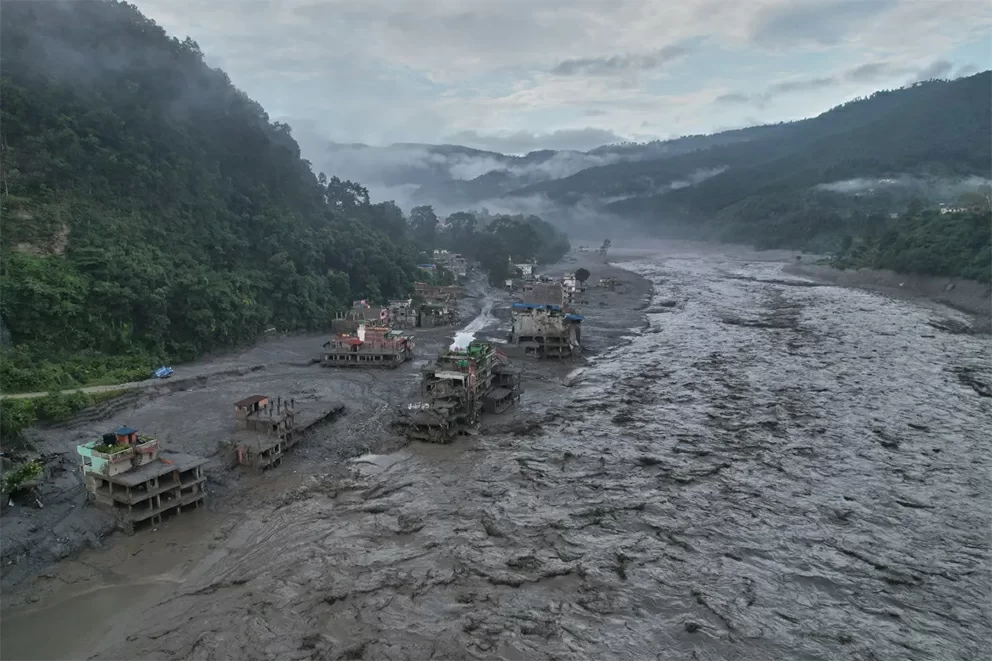
    The devastating aftermath of a recent natural disaster in Nepal has left hundreds dead, countless more missing, and thousands of survivors stripped of every possession they owned. This catastrophe is not merely a tragedy of unprecedented scale for the small Himalayan nation; it is also a searing illustration of how climate change is unraveling lives in the world’s most climate-vulnerable regions. What makes this disaster even more agonizing is the stark climate injustice at its core: Nepal contributes barely a fraction of global greenhouse gas emissions, yet it is now forced to endure the catastrophic, immediate consequences of global warming first-hand. Across the Himalayas, Nepal’s iconic glaciers – the life-giving water sources that sustain entire communities across the region – are melting at an alarming rate. Rising global temperatures are shrinking these critical natural reserves, triggering cascading disasters that upend daily life for local populations. Catastrophic flash floods, destructive landslides, and widespread loss of access to safe drinking water are just a few of the cascading impacts the climate crisis has already unleashed on Nepal. This latest disaster lays bare the fundamental unfairness of climate change: nations that have contributed the least to planetary warming are too often the ones that suffer the worst consequences. Half a world away, Indonesia is grappling with its own climate-fueled emergency: raging, out-of-control wildfires that have destroyed millions of hectares of critical natural ecosystems, disrupted the lives of thousands of local residents, and released massive volumes of carbon dioxide into the atmosphere, further accelerating the climate crisis. Like Nepal, Indonesia is a nation with a relatively low per-capita greenhouse gas footprint, yet it is already bearing the brunt of accelerating climate change and its cascading impacts. The wildfires not longer worsen the global climate emergency, they also threaten the immediate health and safety of local communities, and push countless endangered native species to the brink of extinction. The climate catastrophes unfolding in Nepal and Indonesia are far from isolated incidents. They are two of thousands of similar stories playing out in vulnerable nations across every continent, as the impacts of a warming planet grow more severe by the year. Behind every official casualty count and damage statistic are millions of individual lives, fractured families, and displaced communities grappling with devastating loss, constant insecurity, and an uncertain future. No matter if the disaster strikes Nepal, Indonesia, or any other vulnerable corner of the globe, these events make clear that climate change does not impact abstract global temperature statistics alone – it alters and destroys human lives in deeply personal, irreversible ways. These repeated catastrophes are not random accidents. They are proof of a long-simmering global crisis, where low-income, low-emission nations are forced to pay the price for the overconsumption and excessive emissions of wealthy, high-emitting countries. Survivors of these climate disasters have lost not only their homes and livelihoods – they have lost their sense of security and their vision for a stable future. Their stories are not just accounts of suffering; they are an urgent call to action for global solidarity and climate justice. It is past time for the international community to recognize that climate change is not an abstract, distant problem for future generations to solve. It is a life-threatening reality that already endangers the lives of millions of people across the globe. The tragedies in Nepal and Indonesia serve as a clear warning: the global community bears a collective responsibility to act now to prevent further catastrophic harm, and to build a fairer future where no nation is forced to suffer unnecessarily for climate damage caused by others. As this moment makes clear: to ignore the melting glaciers of the Himalayas and the smoke-choked forests of Southeast Asia is to ignore the millions of people already paying the price for inaction.

  • Local organisation to host coastal cleanup across five locations

    Local organisation to host coastal cleanup across five locations

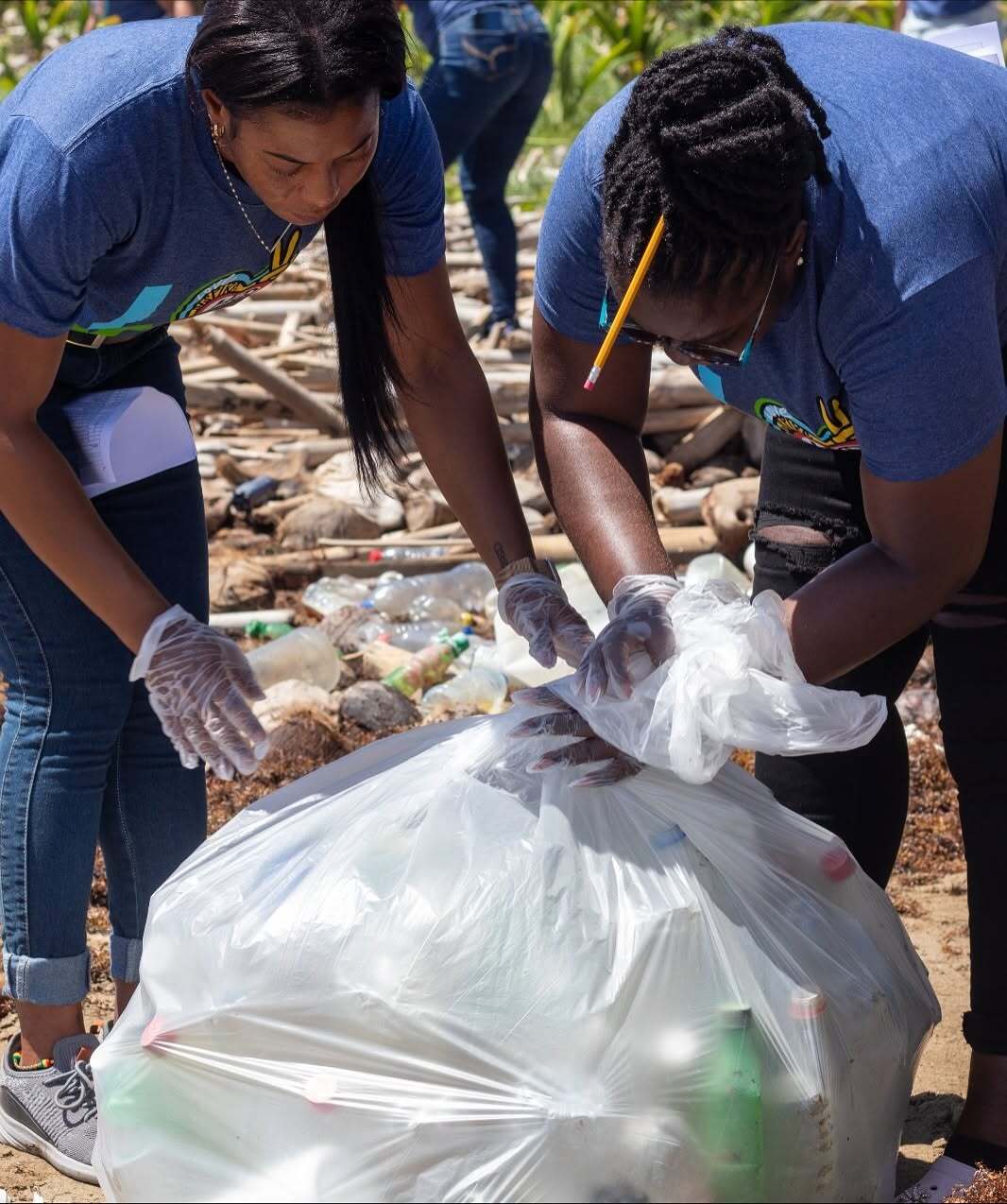
    Marine pollution protection efforts are set to ramp up across Saint Lucia this fall, as the local chapter of the Caribbean Youth Environment Network (CYEN) prepares to roll out the annual International Coastal Cleanup (ICC), a global campaign dedicated to safeguarding coastal and marine ecosystems.

    Unlike small-scale, one-off cleanup events, this year’s initiative will bring together a broad coalition of stakeholders, from individual volunteers, local families and student groups to community organizations, private businesses and seasoned environmental advocates. All participants will join hands to remove harmful debris from Saint Lucia’s coastlines while contributing critical data to the global effort to understand and curb marine waste.

    CYEN Saint Lucia, the national coordinator for the ICC on the island, is a youth-centered environmental non-profit with a core mission of empowering young generations to lead in climate action, environmental education, advocacy and sustainable development. Across the country, the organization cultivates meaningful youth involvement in environmental stewardship through community-focused projects and cross-sector partnerships. As the national lead for the annual ICC, it collaborates with community groups, government agencies, private sector partners and volunteers to not only execute on-the-ground cleanup work but also raise public awareness of the growing threat of marine pollution and the importance of protecting coastal natural resources.

    The International Coastal Cleanup itself is far more than a trash collection event. Beyond removing existing debris from coastlines, the global initiative prioritizes collecting standardized data on the types and volumes of waste recovered during events. This dataset is a vital resource for researchers and policymakers working to identify the main sources of marine pollution and design evidence-based solutions to stop waste from entering coastal and marine ecosystems in the first place.

    This year, Saint Lucia’s ICC campaign will span five different coastal locations across two months, running from September through October, giving communities across the island multiple entry points to join the global conservation effort. The first cleanup is scheduled for September 12 at Soufriere Beach, followed by events at Marigot Beach on September 19 and Anse La Voute in Gros Islet on September 26. The campaign will continue into October with a cleanup at Fond’Or Beach in Dennery on October 3, wrapping up at Blackbay Beach in Vieux Fort on October 10.

    All on-site cleanup activities are set to kick off at 9:00 a.m. local time, with pre-arranged transportation for registered participants departing from Derek Walcott Square at 8:00 a.m. The organizing committee will provide all necessary supplies for participants, including work gloves, face masks, trash collection bags, and refreshments for volunteers throughout the event.

    CYEN Saint Lucia has issued an open invitation to all segments of Saint Lucian society, including members of the public, local schools, community associations, private businesses, non-profit groups, families and individual people of all ages, to register for the event at any of the five locations that fit their schedule.

    In a formal statement released by the organization, CYEN Saint Lucia noted that this year’s ICC initiative reaffirms its long-standing commitment to centering youth leadership and community action in addressing pressing environmental challenges. “By creating accessible opportunities for young people and entire communities to take tangible, practical action, our organization aims to embed a culture of environmental responsibility and drive more robust protection of Saint Lucia’s precious natural resources,” the release read.

  • Onpeco urges stronger measures to guarantee drinking water amid drought

    Onpeco urges stronger measures to guarantee drinking water amid drought

    Amid escalating drought conditions that have cut water flow across key sources feeding national potable water systems, the National Observatory for Consumer Protection (Onpeco) has issued a urgent call for Dominican authorities to ramp up regulatory and infrastructure measures to secure safe, sufficient, and accessible drinking water for all residents.

    Beyond framing the challenge as a simple supply shortage, the consumer protection watchdog warned that the ongoing water crisis carries cascading risks that stretch far beyond convenience, threatening public health, undermining consumer rights, and putting long-term national water security in jeopardy.

    Onpeco has specifically called on national health regulators to strengthen oversight across the entire human consumption water supply chain, from production and packaging through storage, transportation, and retail sales. The organization emphasized that consumers have an inherent right to confidence that any product marketed as potable meets all established national health safety standards. To enforce this standard, Onpeco has recommended implementing routine, comprehensive inspections of water suppliers, publicly releasing all inspection outcomes, and moving quickly to penalize operators that fail to meet required guidelines.

    The watchdog also directly called on major Dominican water management agencies including CAASD (the Santo Domingo Water and Sewerage Corporation) and INAPA (the National Institute of Potable Water and Sewerage), alongside other regional water service providers, to prioritize preserving access to consistent water service, with a specific focus on low-income and vulnerable communities that have been hardest hit by shrinking groundwater and surface water sources.

    A core proposal put forward by Onpeco is the launch of a nationwide National Campaign for a Sustainable Water Culture, designed to reach all segments of Dominican society: households, primary and secondary schools, small and large businesses, industrial operations, and public government institutions. The campaign outlines actionable, everyday conservation steps that residents and organizations can adopt immediately: repairing leaking pipes and fixtures across properties, cutting down on shower length, turning off taps when water is not actively in use, avoiding the practice of washing streets and sidewalks with potable water, and implementing safe water reuse systems wherever feasible.

    Onpeco further stressed that sustainable water access depends equally on protecting the natural ecosystems that replenish national water supplies. The organization called for stronger legal and physical protection for rivers, streams, forested areas, critical watersheds, established water sources, and groundwater recharge zones, noting that water conservation efforts cannot succeed without concurrent protection of the natural resources that generate fresh water supplies.

    In a closing statement, the organization argued that the current drought should serve as a catalyst to accelerate the development and implementation of long-term, structural water security policies, rather than relying exclusively on short-term emergency interventions during periods of low rainfall. It emphasized that the Dominican state carries a core responsibility to guarantee both water quality and consistent availability for all citizens, while individual residents and private entities share a collective responsibility to use the limited resource efficiently and prevent waste and contamination.

    “The water we waste today may be the water we need tomorrow,” Onpeco concluded.

  • Jean Suriel warns of increased rainfall and flash-flood risk in Dominican Republic

    Jean Suriel warns of increased rainfall and flash-flood risk in Dominican Republic

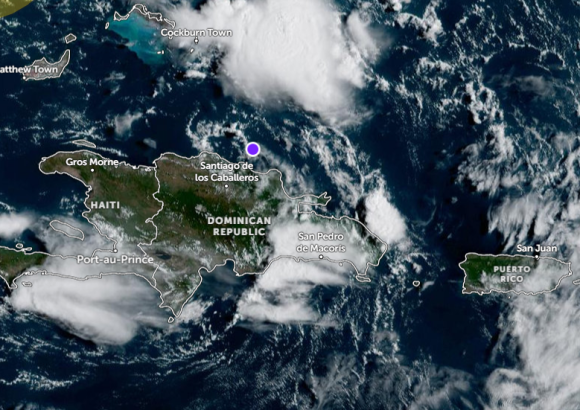
    Residents of the Dominican Republic are bracing for a period of hazardous weather as an active atmospheric disturbance positioned just north of the country tracks toward the west-northwest, top meteorologist Jean Suriel has confirmed. In an official weather advisory, Suriel outlined that over the next 6 to 12 hours, the island nation will see a sharp uptick in storm activity, including intense downpours, sudden wind gusts, and rolling thunderstorms across most of the territory.

    The greatest immediate risk highlighted by Suriel is the growing threat of flash flooding, which is expected to escalate through this afternoon. Communities located in low-lying, vulnerable zones and densely populated urban areas are at particular risk, as heavy rainfall can accumulate rapidly on saturated or impermeable urban terrain, overwhelming drainage systems in a matter of minutes. Moderate to extreme rainfall will extend across the majority of the Dominican Republic through tonight, with forecasters noting that full urban flooding is a distinct possibility across key regions including Cibao, the country’s southern zone, and the southeastern corridor.

    Beyond the immediate storm threat, the National Meteorological Office is tracking four separate atmospheric systems across the entire Atlantic basin, two of which carry a moderate to high chance of strengthening into organized tropical systems over the coming days. The four systems currently under close observation include: a second disturbance forming over the Gulf of Mexico, which forecasters say is likely to develop into a named tropical depression in the near term; the active disturbance north of the Dominican Republic, which is linked to the already documented Tropical Wave 43; Tropical Wave 45, currently positioned across the central Atlantic and projected to enter the Caribbean region near the Dominican Republic by Thursday; and the most recently identified Tropical Wave 46, located in the far eastern Atlantic, which is on track to approach the island’s vicinity by Sunday.

    In closing his advisory, Suriel issued a clear call to action for all Dominican residents, urging communities across the country to stay vigilant and monitor updated official weather forecasts continuously over the coming hours. He emphasized that populations living in areas with a history of flash flooding should prioritize preparedness, as weather models consistently point to increasing storm intensity and rainfall accumulation through the rest of the day.

  • Authorities explain water discoloration near Puerto Plata cruise terminal

    Authorities explain water discoloration near Puerto Plata cruise terminal

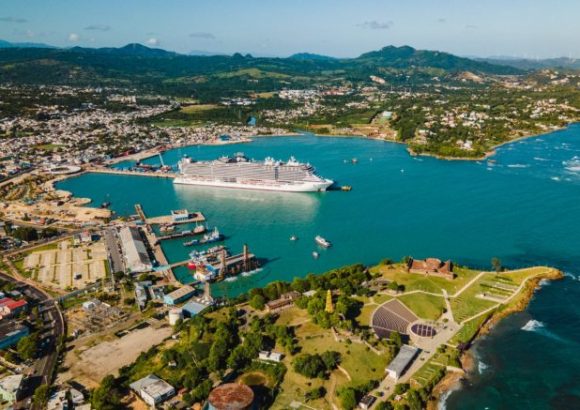
    After viral social media footage of unusual water discoloration in the Dominican Republic’s San Felipe Bay sparked widespread public concern, local Puerto Plata authorities have moved quickly to debunk widespread rumors and clarify the natural cause behind the temporary phenomenon. Many social media users had initially speculated that the odd shift in water color stemmed from a cruise ship oil spill or illegal pollutant discharge, claims that rapidly circulated across regional platforms and triggered alarm among local residents and tourism stakeholders. However, official investigations have ruled out any form of pollution-related contamination. The official account from Puerto Plata’s governing authorities confirms the discoloration is a purely physical side effect of large vessel activity, stirred up by powerful rotational force generated by cruise ship propellers during routine docking and departure maneuvers. When large vessels navigate the shallow waters of the bay, their propellers churn up fine sediment deposits that have accumulated naturally on the seabed, lifting these particles into the upper water column and creating the visible temporary discoloration that was captured in viral photos and videos. Local environmental and port authorities emphasize that this type of temporary water discoloration is a predictable physical event that can occur any time large commercial or passenger vessels carry out standard navigation maneuvers in coastal bays. Officials add that once the vessel completes its maneuvering and leaves the area, water movement in the bay slows significantly, allowing the suspended fine sediments to gradually settle back to the seabed over a short period of time. Within hours, the water typically returns to its original natural appearance with no lasting impact on the local marine ecosystem. In a closing statement, Puerto Plata authorities reaffirmed their ongoing commitment to upholding strict environmental protection standards and advancing sustainable, low-impact operations at the region’s popular port facilities, which serve thousands of cruise tourists every year.

  • COE raises alert to yellow in 4 areas amid increased rainfall

    COE raises alert to yellow in 4 areas amid increased rainfall

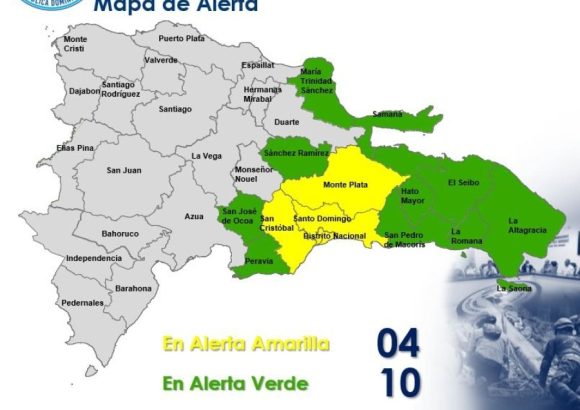
    The Caribbean nation of the Dominican Republic has implemented early warning measures across multiple key regions this week, as an approaching active tropical wave drives increased rainfall and unstable atmospheric conditions across the country. In an official announcement from the capital Santo Domingo, the country’s Emergency Operations Center (known locally by its Spanish acronym COE) issued a yellow alert for four high-population areas, while keeping 10 additional provinces under a lower-level green alert as meteorologists track the system’s progress.

    National weather service the National Meteorological Office (INDOMET) reports that the tropical wave is steadily pushing higher levels of moisture across the Dominican Republic’s territory, paired with persistent northeasterly winds. This combination has created ideal conditions for intense downpours, sudden thunderstorm outbreaks, and possible strong wind gusts across the alerted regions, with forecasts calling for continued unstable weather through the system’s passage.

    The four areas placed under yellow alert, the second-highest warning tier indicating elevated risk, are Santo Domingo Province, the National District (the country’s capital core), San Cristóbal, and Monte Plata. The 10 provinces under green alert, a lower-level advisory calling for preparedness, are Samaná, San Pedro de Macorís, Hato Mayor, La Romana, El Seibo, La Altagracia, Sánchez Ramírez, San José de Ocoa, Peravia and María Trinidad Sánchez.

    Emergency management officials have issued clear public safety guidance for residents in all impacted zones. The COE strongly urged local populations to remain vigilant, and specifically warned against attempting to cross rivers, streams, and ravines, where water levels have already risen sharply due to sustained rainfall. Authorities also added that the public should avoid all recreational use of beaches, rivers, and other open swimming areas across all alerted provinces, with the ban set to remain in place until weather conditions stabilize and are deemed safe.

    All alert measures are set to stay active as emergency and meteorological teams continue round-the-clock monitoring of the tropical wave’s evolution. Officials are closely tracking the system to detect any increase in intensity or shift in trajectory that could lead to heavier rainfall or more severe thunderstorm activity across other parts of the country.

  • WEATHER (6:00 AM, 30 August) A small craft warning and a high surf advisory are in effect

    WEATHER (6:00 AM, 30 August) A small craft warning and a high surf advisory are in effect

    The northern portion of the Lesser Antilles island chain is currently facing disruptive and potentially dangerous weather conditions, driven by a powerful tropical wave that formed from the remains of former Tropical Storm Dolly. Meteorological assessments indicate that the system is highly unlikely to redevelop into an organized tropical cyclone, but its residual moisture and energy are set to trigger a range of hazardous conditions across the region starting from the end of Tuesday and continuing into the overnight hours and early Wednesday morning.

    One of the most significant threats posed by the system is locally intense rainfall, which has the potential to quickly overwhelm drainage systems and trigger flash flooding in low-lying and vulnerable areas. Combined with the heavy rain, the region will see gusty winds and frequent thunderstorms that could further complicate conditions for residents and travelers. Dominica is among the areas that will bear the brunt of this weather event, according to the latest forecasts.

    As of Tuesday morning, forecasters note that a formal flood watch or flood warning could be issued for parts of the region by midday if current rainfall projections hold. Officials are urging all residents who live in zones with a history of flooding, landslides and falling rock events to remain vigilant throughout the event, adjust daily plans to account for the hazards, and prepare for potential evacuation if conditions deteriorate rapidly.

    Beyond inland weather hazards, marine conditions across the affected coastlines are already worsening and will remain dangerous through the day. Forecasters predict moderate to rough seas across the region, with significant wave height expected to climb to as much as 7 feet along western-facing coastlines and up to 10 feet on eastern coastlines. Strong breaking onshore waves will create particularly risky conditions for anyone in or near the water. Currently, a small craft advisory and a high surf warning are active for all northern and eastern coastlines of the affected island chain. Small vessel operators are instructed to take all necessary safety precautions, including avoiding open water until conditions improve, and recreational swimmers are strongly advised to stay out of the ocean to avoid the risk of being swept away by powerful surf.

  • Flash Flood Watch in Effect Until Midday Sunday

    Flash Flood Watch in Effect Until Midday Sunday

    A regional flash flood watch is currently active across six Eastern Caribbean island nations, including Antigua and Barbuda, as post-tropical storm moisture brings the threat of dangerous flash flooding to vulnerable coastal and low-lying zones through midday Sunday.

    The official alert was issued by the Antigua and Barbuda Meteorological Services at 7:34 p.m. local time on Saturday, covering not just the twin-island nation but also neighboring Montserrat, St. Kitts, Nevis and Anguilla. The watch will remain in place until 12 p.m. August 30, with meteorologists continuing to track the weather system’s progression across the region.

    Forecasters confirm that the unsettled weather pattern driving this event is directly linked to the lingering remnants of Tropical Storm Dolly. The system is projected to push consistent heavy rainfall across the affected area through Sunday, with projected total accumulations ranging between 2 and 5 inches across most zones. In localized pockets, short intense downpours could push rainfall totals even higher, significantly amplifying the risk of sudden flash flooding.

    Meteorological officials have highlighted the specific risks facing communities in the warning zone. Low-lying neighborhoods that are already prone to routine flooding face the greatest threat of inundation, while key regional roadways may also become impassable. Additionally, heavy rain is expected to cut visibility for motorists, creating hazardous driving conditions across the watch area through Sunday morning.

    Local authorities have issued clear guidance for residents across all affected islands. The public is urged to stay updated on changing weather conditions, revisit and confirm their personal flash flood emergency response plans, and stand by to evacuate to higher ground immediately if flooding begins or a more urgent flash flood warning is issued. The Antigua and Barbuda Meteorological Services has committed to ongoing monitoring of the system, with regular updates to be released to the public as new weather data becomes available.