分类: environment

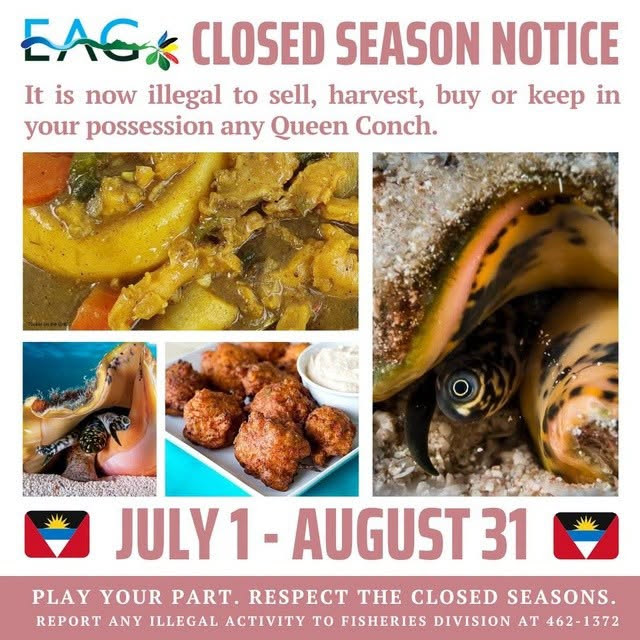
  • Queen Conch Closed Season Now in Effect

    Queen Conch Closed Season Now in Effect

    Authorities in Antigua and Barbuda have officially launched their annual seasonal protection period for Queen Conch, with a full ban on all harvesting and trade of the vulnerable marine species now active through the end of August.

    The Fisheries Division, which oversees marine resource management across the island nation, announced that the closed season is scheduled to run from July 1 to August 31 each year, aligning with a critical biological window for Queen Conch reproduction and population growth. Throughout these two months, any activity involving the species—including catching, selling, buying, or even personal possession of Queen Conch—violates local fisheries laws and can result in penalties.

    This long-standing annual restriction is designed to give Queen Conch populations uninterrupted time to breed and grow, preventing overexploitation that has threatened the species in many Caribbean coastal regions. Conservation officials emphasize that the temporary ban is a core strategy for maintaining the ecological health of Antigua and Barbuda’s marine ecosystems and ensuring the species remains available for future generations of fishermen and coastal communities.

    The division has issued a public call for full compliance from all groups that interact with Queen Conch, including local residents, commercial fishing operators, seafood vendors, and hospitality businesses that serve seafood to both locals and tourists. To help enforce the ban, authorities have also released a dedicated contact line for members of the public to report any suspected illegal activity related to Queen Conch. Anyone who witnesses potential violations can confidentially submit tips to the Fisheries Division by calling 462-1372.

  • Region joins forces to prepare agriculture sector for possible El Niño impacts

    Region joins forces to prepare agriculture sector for possible El Niño impacts

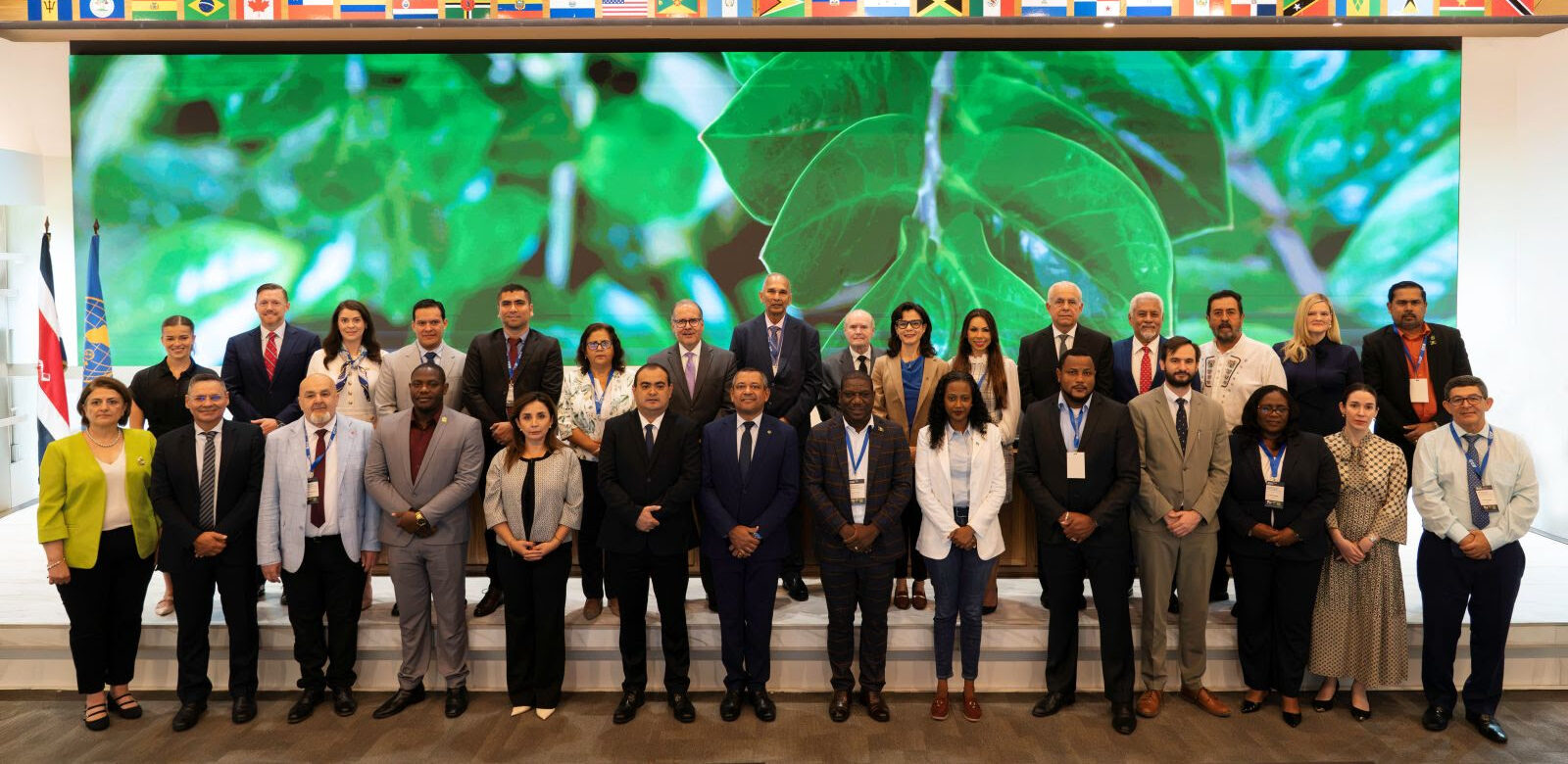
    As the El Niño climate phenomenon looms over the Americas, agricultural leaders from across the hemisphere have gathered in San José to launch a coordinated regional preparedness initiative, aimed at shielding the continent’s agriculture and food systems from potential climate disruptions.

    The gathering, held at the Inter-American Institute for Cooperation on Agriculture (IICA) Executive Committee meeting, brought together cabinet ministers, deputy ministers and senior agricultural officials from across the region. Attendees used the forum to exchange on-the-ground lessons from past climate events, outline each nation’s unique preparedness priorities, and map out collaborative pathways to reinforce the agricultural sector’s ability to withstand climate shocks.

    While individual nations will retain ownership of their domestic preparedness and response frameworks, IICA has committed to delivering tailored support aligned with each country’s specific needs. A formal resolution adopted at the meeting tasks the institute with coordinating cross-national efforts: this includes updating collective action plans, scaling up the spread of proven successful strategies, expanding public access to real-time risk data and available resource inventories, and fostering South-South cooperation between regional partners.

    The resolution also opens the door for broader global collaboration, inviting international development organizations, multilateral financial institutions, development cooperation agencies, private sector actors and academic research institutions to contribute both technical expertise and critical financial backing to the initiative.

    Curt Delice, IICA’s Director of Operations and Regional Integration, emphasized that proactive, early action is the single most critical factor in reducing El Niño’s damage to the agricultural sector. “The response to El Niño must precede the emergency,” Delice explained. “We need to turn climate alerts and scientific data into concrete policy decisions, targeted investments and on-the-ground actions that protect farm output, producer incomes and rural livelihoods. Timely intervention cuts down on both losses and overall response costs. To scale this work effectively, we have to integrate cutting-edge science, innovative technologies, modern risk management frameworks, social protection systems and sustainable financing. No single country can tackle this challenge alone. We need a shared strategic roadmap, expanded cross-sector alliances, and sufficient resourcing to meet this threat head-on.”

    IICA reports that its national field offices have already begun engaging with local agricultural stakeholders to map priority needs and identify gaps that require additional external support. To date, almost 30 percent of member states have formally submitted specific technical cooperation requests tied directly to El Niño preparedness, and institute projections indicate that roughly 80 percent of all member countries will submit additional needs over the coming six months.

    Cross-national collaboration will center on three core priority areas: upgrading regional risk monitoring and early warning systems to provide more timely and accurate alerts, supporting on-farm adaptation measures and post-event recovery planning, and strengthening water management infrastructure and strategy through investments in efficient irrigation systems and comprehensive water security planning.

    IICA has stressed that El Niño’s impacts will not be uniform across the region, with different geographic zones facing distinct climate hazards. For example, countries in the eastern Caribbean are projected to face prolonged higher-than-average temperatures, erratic rainfall patterns and severe water shortages, while other parts of the hemisphere may confront extreme rainfall events, widespread flooding and dangerous landslides.

    Hugo Chavarría, Manager of IICA’s Innovation and Bioeconomy Program, noted that the detailed needs assessment data collected from individual member states will allow the institute to develop far more targeted, context-appropriate solutions to protect agricultural production, rural incomes and vulnerable farming communities across the region.

    Despite the challenge ahead, IICA highlighted that the region already has a strong existing foundation of climate resilience work to build on. A recent regional inventory identified 88 ongoing initiatives focused on climate resilience, climate risk management and agricultural adaptation, 25 of which are already directly aligned with El Niño preparedness and response efforts.
  • New Report Examines How Climate Change Is Affecting Belize’s Children

    New Report Examines How Climate Change Is Affecting Belize’s Children

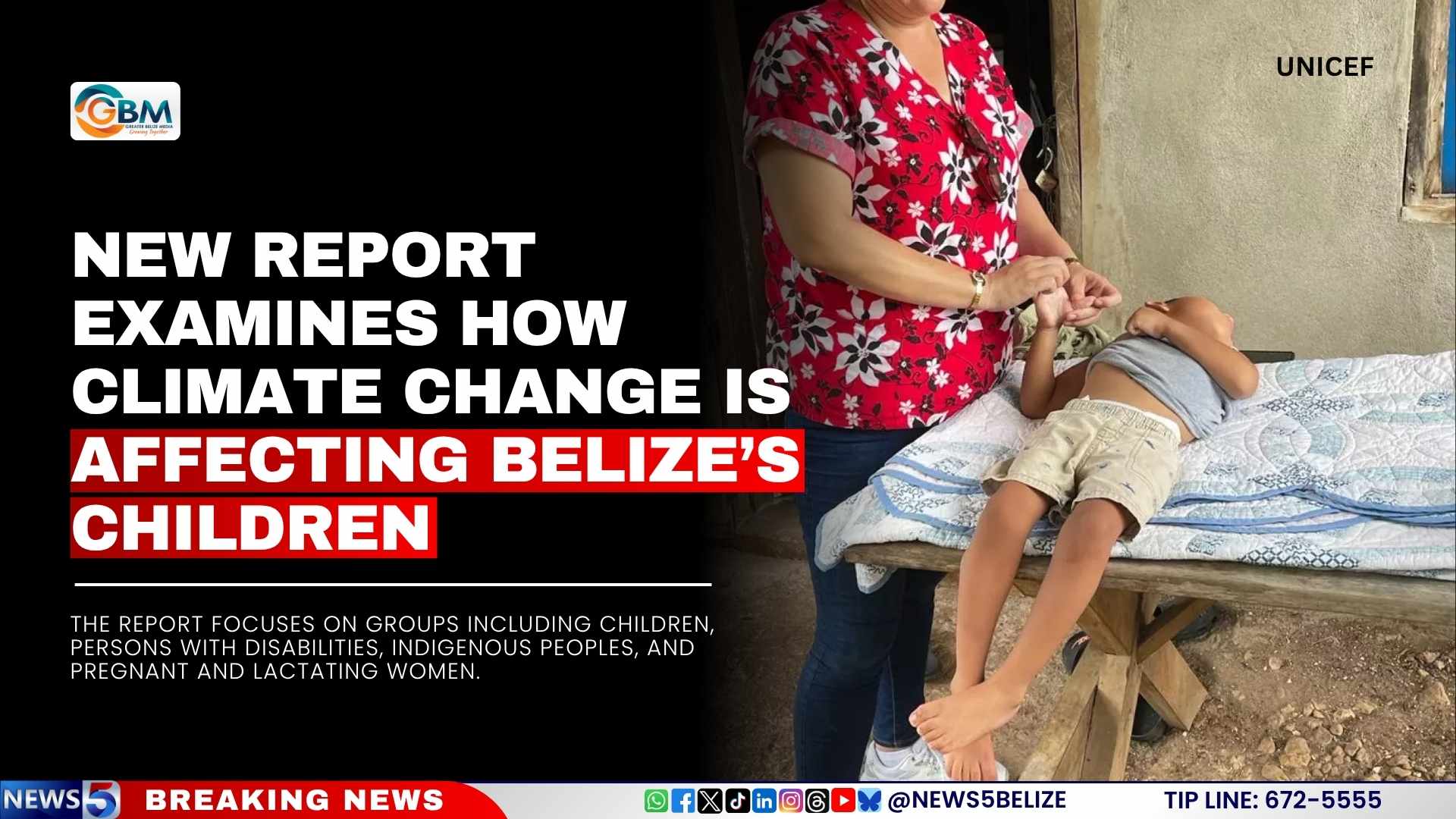
    On July 23, 2026, a landmark collaborative report between the Government of Belize and UNICEF Belize has pulled back the curtain on the unequal impacts of the global climate crisis across the Central American nation, shining a critical spotlight on the heightened dangers facing children and marginalized communities.

    Titled the Climate Landscape Analysis for Children Plus (CLAC+) Report, the assessment marks the first comprehensive national effort in Belize to map how interconnected challenges – from shifting climate patterns and environmental degradation to energy insecurity and extreme weather disasters – shape daily life and long-term outcomes for children and other vulnerable population groups. Unlike broad national climate assessments that often overlook marginalized demographics, the report specifically centers its analysis on four high-risk groups: children, people living with disabilities, Indigenous Peoples, and pregnant and lactating women.

    Researchers behind the report explain that the in-depth study fills a major gap in Belize’s climate data, offering a granular, unfiltered view of the overlapping struggles these communities confront. For these groups, climate change is not a distant future threat: it manifests in more frequent and destructive climate-driven disasters that destroy homes and infrastructure, it cuts off access to life-sustaining essential services including healthcare, primary education, and social protection programs that millions rely on, and it erodes long-term economic and social stability for generations.

    The findings from this pioneering assessment are not intended to only highlight gaps – they are designed to serve as a actionable roadmap for national decision-makers. Officials confirmed that the data and conclusions from the CLAC+ Report will guide the development of future climate adaptation policies and direct public and private investment toward initiatives that build more climate-resilient communities across Belize, prioritizing the groups that need support the most.

    In a key takeaway from the report launch, national and UN officials emphasized that meaningful progress addressing climate inequality cannot be achieved by a single actor. Meaningful change requires coordinated cross-sector cooperation that brings together government agencies, local community organizations, primary and secondary schools, public and private health providers, and dedicated environmental organizations to align efforts and center vulnerable groups in climate action.

  • Scientists satellite-tag Hawksbill Turtle ‘Sandy’ in Nevis to track her Caribbean journey – WIC News

    Scientists satellite-tag Hawksbill Turtle ‘Sandy’ in Nevis to track her Caribbean journey – WIC News

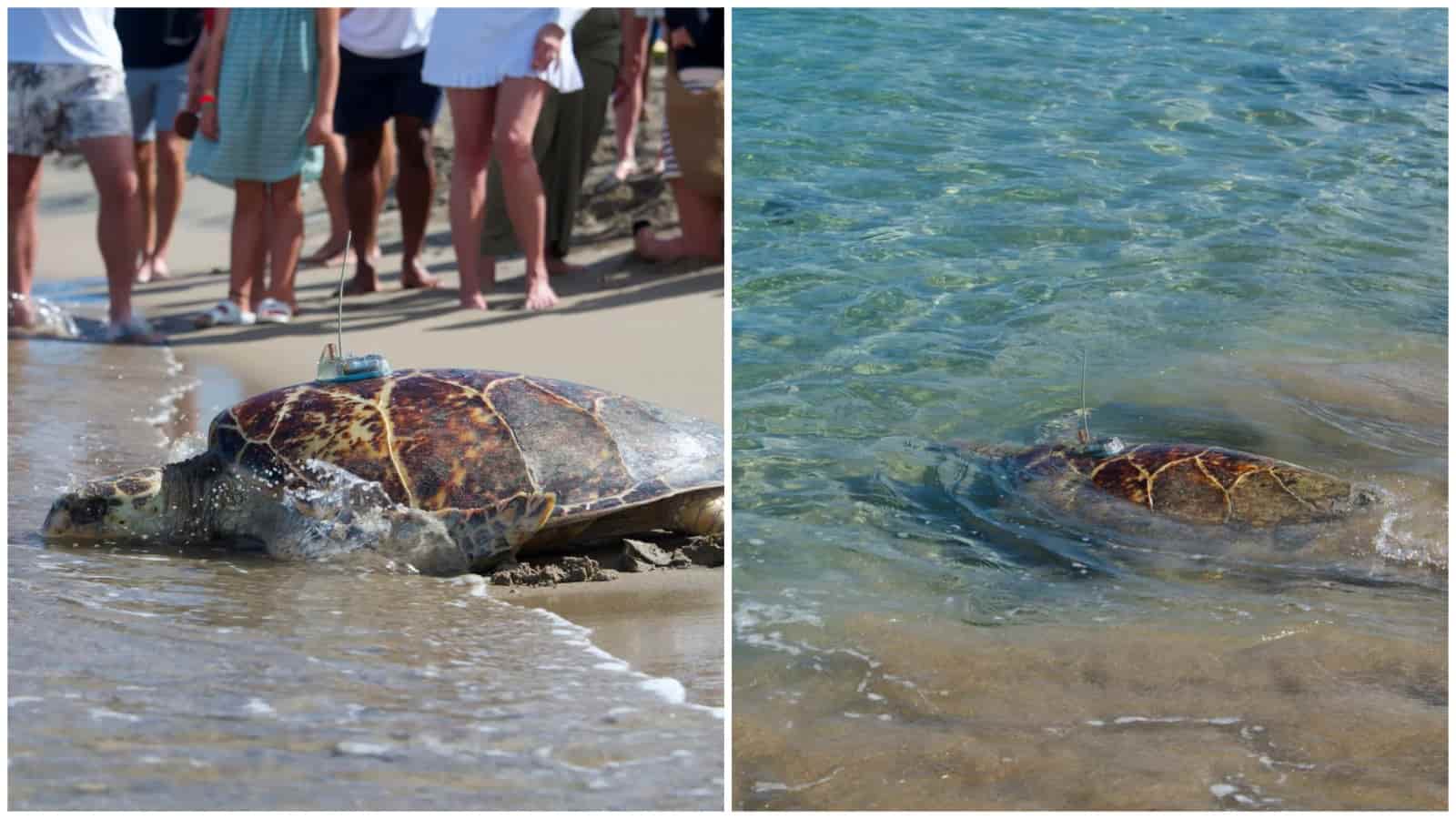
    In a key step to advance marine conservation for one of the world’s most at-risk reptile species, researchers with the Sea Turtle Conservancy (STC) have outfitted an adult female hawksbill turtle with a satellite tracking tag following her nesting on Nevis’ Lovers Beach. Named Sandy by the conservation team, this critically endangered marine animal will have her post-nesting journey across the Caribbean monitored in real time by both scientists and interested members of the public.

    Sandy joins the 2026 iteration of Tour de Turtles, STC’s flagship annual conservation program that leverages cutting-edge satellite telemetry to map the long-distance migratory patterns of sea turtles after they complete nesting cycles. Beyond generating critical scientific data, the initiative also works to build global public awareness of the growing array of threats pushing sea turtle species toward extinction.

    This year, Sandy’s participation is sponsored by Four Seasons Resort Nevis, a partner that has collaborated with STC for 20 consecutive years to support turtle research, on-the-ground conservation action, and public education across the Caribbean region. The resort’s long-term commitment has already yielded meaningful progress, from protecting vulnerable nesting sites to expanding scientific understanding of how hawksbills move through the region’s waters.

    Hawksbill sea turtles are officially classified as Critically Endangered on the International Union for Conservation of Nature (IUCN) Red List, with populations plummeting over the past century due primarily to illegal poaching for their uniquely patterned shells. Historically, these shells were harvested to produce high-demand decorative “tortoiseshell” goods including jewelry, hair combs, and ornamental household items. In modern times, the species faces additional growing threats: widespread coastal habitat destruction, accidental bycatch in commercial fishing gear, pervasive marine plastic pollution, and climate-driven changes to nesting beaches and ocean ecosystems.

    Data transmitted from Sandy’s satellite tag will fill critical gaps in existing research by helping scientists pinpoint key feeding grounds, migratory corridors, and habitats that require urgent long-term protective designation. Researchers emphasize that this tracking work is particularly vital because hawksbill turtles often travel hundreds, even thousands, of kilometers across international waters after nesting, a migratory range that makes coordinated protection challenging without clear data on their routes.

    Sandy was released back into the Caribbean on July 22, 2026, just after completing her nesting on Lovers Beach. Conservation biologists recorded her curved carapace length at 83 centimeters and width at 71 centimeters, confirming that she is a fully mature breeding adult, a valuable demographic for research on reproductive and migratory behavior.

    Early tracking data collected in the hours immediately following her release shows Sandy remained close to the Nevis coastline, a behavior researchers note is typical for newly nested hawksbills before they embark on their long journeys to distant foraging grounds.

    Unlike many research projects that keep data restricted to scientific teams, Tour de Turtles opens Sandy’s journey to public observation via the program’s online tracking platform. STC officials note that public access not only builds awareness of sea turtle conservation but also turns a single research project into a tool that engages global audiences in protecting one of the ocean’s most imperiled species.

  • Rotaract Club of St. Kitts Signals Bold Return with Cockleshell Bay Clean-up

    Rotaract Club of St. Kitts Signals Bold Return with Cockleshell Bay Clean-up

    BASSETERRE, ST. KITTS – July 22, 2026 – After a period of reorganization, the Rotaract Club of St. Kitts has officially kicked off the 2026-27 Rotary service year with a bold new chapter, launching its tenure with a community-focused environmental initiative: a comprehensive clean-up of Cockleshell Bay held on Saturday, July 18.

    Dozens of club members and local volunteers turned out for the event, spending hours traversing the bay’s shoreline and adjacent coastal areas to clear away improperly discarded trash and debris. By the end of the day, the team had collected a total of 17 full bags of waste, dominated by single-use plastics, paper products, and other non-biodegradable materials that pose severe risks to marine ecosystems and coastal biodiversity.

    Beyond the immediate tangible improvement to the bay’s landscape, the clean-up initiative served a larger purpose: it drew public attention to the persistent, growing challenge of coastal pollution across St. Kitts, while underscoring the critical role that ordinary individuals and local community groups play in safeguarding the island nation’s iconic natural environments. For the newly relaunched Rotaract Club of St. Kitts, this opening action aligns directly with both its core mission of grassroots community service and one of Rotary International’s key global priority areas: environmental stewardship.

    Club leaders emphasized that hands-on initiatives like coastal clean-ups are designed to do more than just remove existing waste; they aim to shift public behavior and build broader environmental awareness across the island. “When we see the volume and variety of trash we pulled from just one stretch of beach, it’s clear that environmental protection cannot fall solely to government agencies,” a club spokesperson noted in remarks following the event. “Every single person has a responsibility to dispose of waste properly and commit to caring for our beaches and coastal spaces that draw visitors and sustain local life.”

    The club is calling on both St. Kitts residents and the thousands of tourists who visit the island’s world-famous beaches annually to be more intentional about preserving coastal cleanliness, and to consider the far-reaching damage that littering and improper waste disposal cause to native wildlife, marine habitats, and local community well-being. “Our beaches, coastlines, and marine resources are among the most valuable assets we have as a nation,” the spokesperson added. “Protecting them cannot be achieved with one single clean-up event. It requires a full mindset shift around who owns our natural spaces and who is responsible for protecting them.”

    The organization also highlighted that healthy coastal environments are deeply tied to St. Kitts’ economic health, which relies heavily on nature-driven tourism and sustainable fishing. For that reason, the club has committed to hosting regular quarterly beach clean-ups across the island throughout the 2026-27 service year. To expand the scale and impact of its environmental programming, the Rotaract Club of St. Kitts is actively seeking partnerships with other local community groups, primary and secondary schools, non-governmental environmental organizations, and private sector businesses that share its commitment to protecting St. Kitts’ natural heritage.

  • Belize City’s Electric Bus Revolution Gains Momentum

    Belize City’s Electric Bus Revolution Gains Momentum

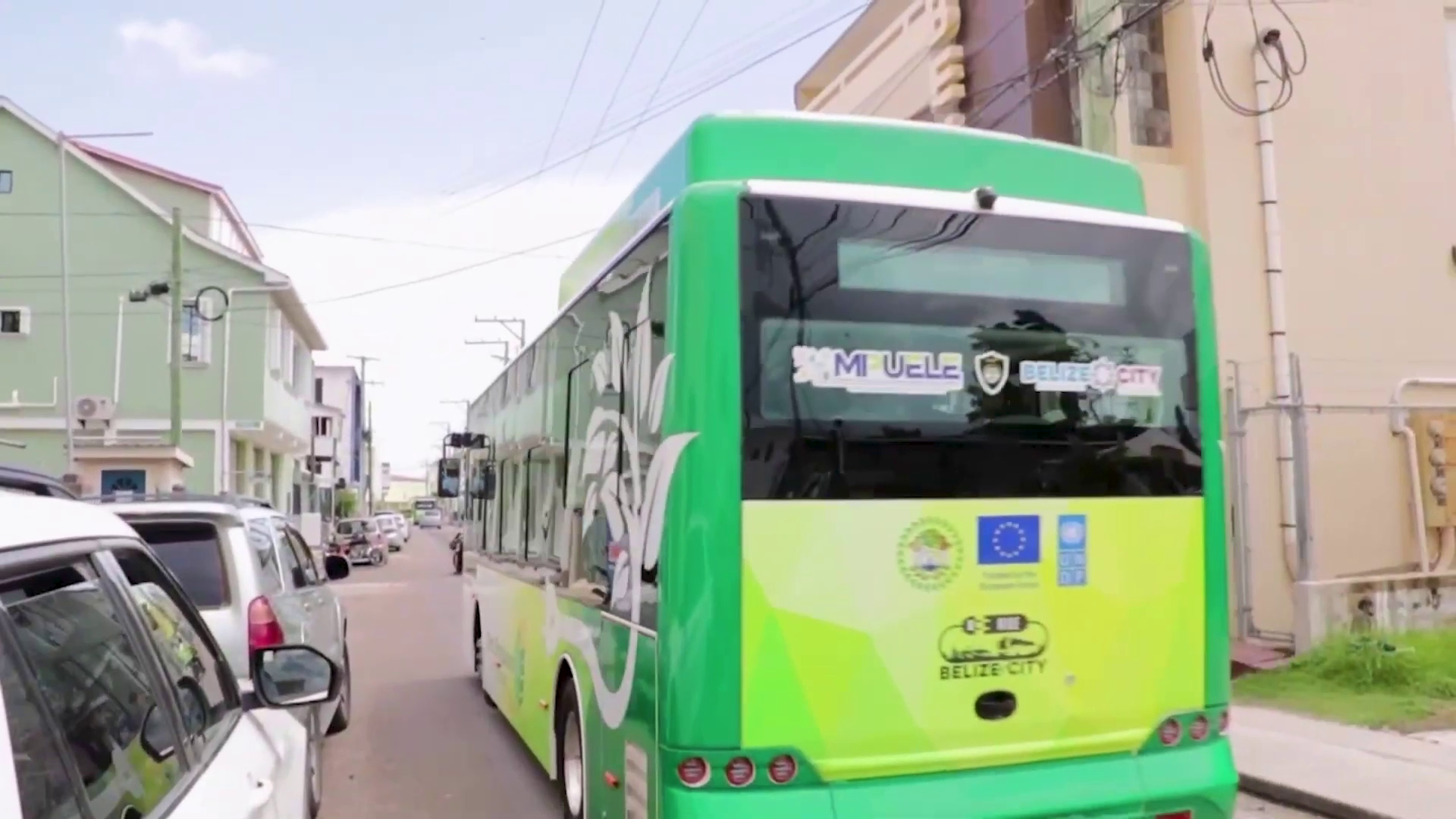
    On July 22, 2026, Belize City celebrates the second anniversary of its pioneering e-Ride electric bus program, a initiative that launched amid widespread public doubt to become one of the municipal government’s most successful public transit projects in modern history.

    When the program debuted on July 22, 2024, it operated with just two pilot electric buses. Two years on, official data from the Belize City Council shows the service has delivered nearly 384,000 passenger trips, with more than 100,000 of those rides taken by senior citizens who access the service through a heavily subsidized $1 fare. Ridership has continued a steady upward climb, hitting record daily volumes as more residents embrace the clean transit option, while the program has already cut hundreds of tons of carbon emissions and slashed long-term operating costs compared to traditional fossil fuel-powered buses.

    Mayor Bernard Wagner shared that the program has outperformed every initial projection, delivering tangible benefits to both daily commuters and the local environment. “When we launched this, many people questioned if it would work for our city. Today, it’s clear this project has been a total game-changer,” Wagner said in an interview, updating earlier published figures that undercounted total ridership through the end of June.

    The program’s tiered fare structure – $3 for general adult riders, $2 for students, and $1 for seniors – is designed to cross-subsidize discounted rates for vulnerable groups, with full-fare payments covering the reduced costs for students and elderly residents. A independent feasibility study conducted by Dr. Curtis Voodoo, an e-mobility expert contracted by the United Nations Development Programme (UNDP), compared the performance of electric buses against traditional internal combustion engine (ICE) vehicles. The analysis confirmed that electric bus operations cut overall costs by 41% compared to running fossil fuel-powered transit. The study also found that the two electric buses currently in service deliver carbon savings equivalent to removing 90 gas-powered passenger vehicles from Belize City’s roads every year.

    Public reception to the e-Ride program has been overwhelmingly positive, with particularly strong support from students, women, and senior residents. The program has even captured the imagination of local young people: 11-year-old student Emory loved the e-buses so much that he wrote a full children’s book about the service, a testament to its widespread cultural impact.

    Buoyed by the program’s early success and consistent profitability, the Belize City Council has already begun moving forward with plans to expand the e-bus network. The municipal government is currently in the process of acquiring three additional electric buses, which will be used to extend service to underserved neighborhoods including Central American Boulevard, Jane Ussher, Yabra, Pen Road, Fabers Road, and Belama Phases 4 and 5.

    Wagner noted that sourcing and delivering electric buses can take extended lead times, but expressed hope that the new vehicles will enter service before the end of his current mayoral term. The original two pilot buses were provided through a grant-funded program supported by the European Union, and the expansion will be fully funded by revenue generated from the e-Ride service itself, demonstrating the program’s long-term financial sustainability.

    This report is adapted from a transcript of a televised evening news broadcast.

  • Health Ministry Congratulates Camacho-Thomas on Acting Environment Director Appointment

    Health Ministry Congratulates Camacho-Thomas on Acting Environment Director Appointment

    In a formal announcement this week, Antigua and Barbuda’s Ministry of Health, Wellness, Environment and Civil Service Affairs has announced a leadership transition at the nation’s Department of Environment, confirming the appointment of Ambassador Ruleta Camacho-Thomas as the agency’s new Acting Director. Alongside celebrating Camacho-Thomas’s new role, the Ministry has also paid public tribute to outgoing Director Diann Black-Layne, who is stepping down after a years-long tenure of landmark service to the country’s environmental agenda.

    Throughout her professional career, Camacho-Thomas has established a well-documented track record of strong leadership, rigorous professionalism, and unshakable dedication to advancing both environmental stewardship and balanced sustainable development across Antigua and Barbuda. Ministry officials emphasized that they hold full confidence in Camacho-Thomas’s ability to build on the Department of Environment’s existing progress, noting that her decades of accumulated expertise, forward-thinking strategic vision, and deep commitment to the agency’s core mission will only strengthen the organization as it works to protect and responsibly manage the nation’s rich natural resources.

    The Ministry extended its warm congratulations to the newly appointed Acting Director, expressing excitement for the work ahead under her guidance. Officials noted that Camacho-Thomas will inherit a robust, well-structured institution shaped by her predecessor’s efforts, and they are optimistic that the Department will continue to deliver tangible, impactful progress for Antigua and Barbuda’s environment during her tenure. The entire ministry extended well wishes for Camacho-Thomas as she settles into her new leadership role.

    Meanwhile, the Ministry shared sincere gratitude for Black-Layne’s years of dedicated service and transformative leadership as Department Director. Over the course of her distinguished career at the helm of the agency, Black-Layne played a foundational role in building the Department of Environment into the respected, effective institution it is today. Her work laid critical groundwork for advancing environmental protection, boosting national climate resilience, and embedding sustainable development practices across Antigua and Barbuda’s policy framework. Ministry officials emphasized that her vision, passion, and lifelong commitment to environmental progress have created an enduring legacy that will continue to benefit the nation for generations to come.

    All levels of Ministry leadership, alongside staff from both the Ministry and the Department of Environment, joined together to extend heartfelt thanks to Black-Layne for her decades of exceptional public service. The entire organization joined in wishing her a long, healthy, and deeply fulfilling retirement, as well as great success and joy in any new pursuits she chooses to take on in this next chapter of her life.

  • IRENA SolarCity Simulator includes 3 areas in Grenada

    IRENA SolarCity Simulator includes 3 areas in Grenada

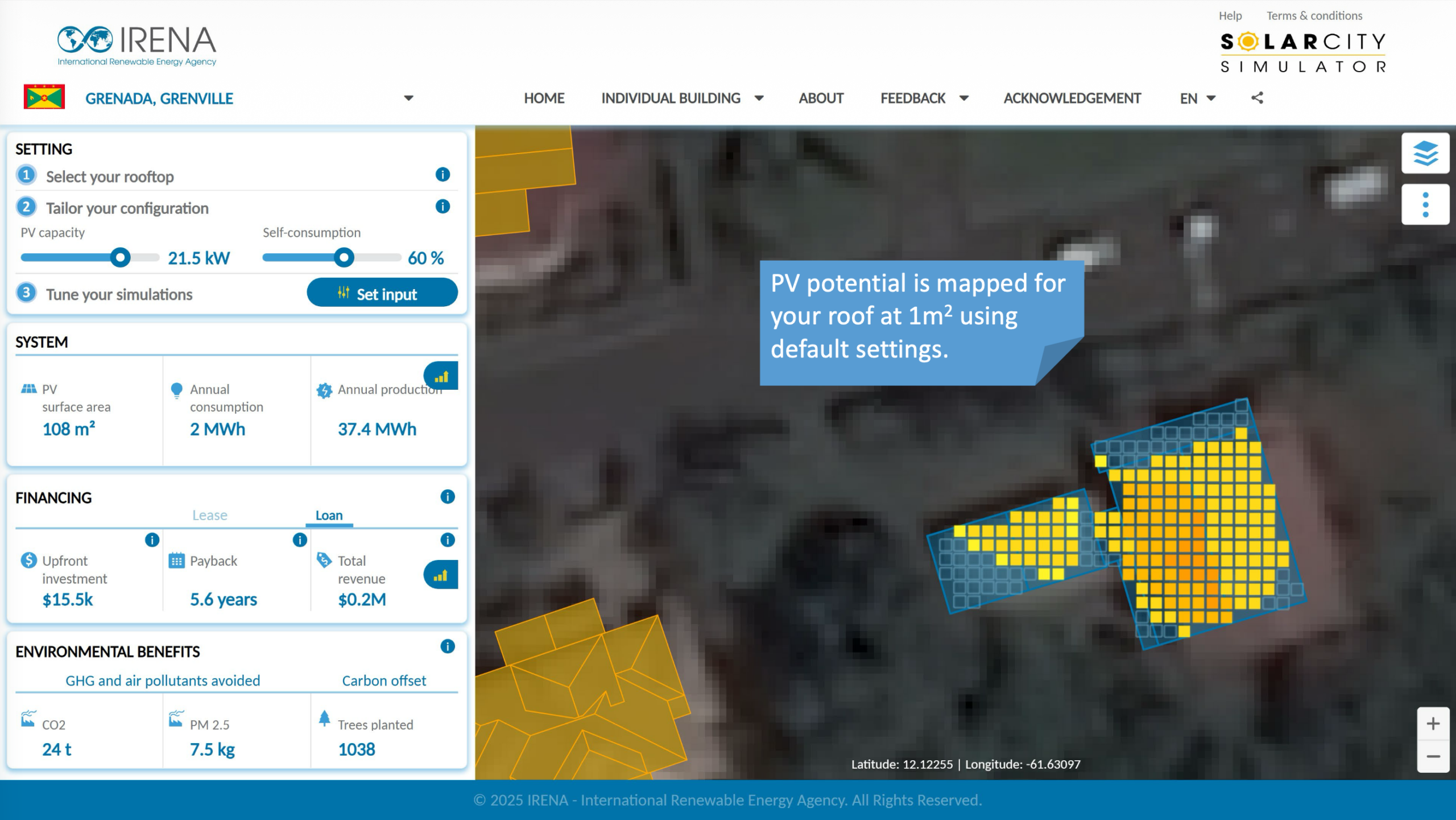
    The International Renewable Energy Agency (IRENA) has announced an expansion of its free, publicly accessible online SolarCity Simulator, adding coverage for three high-priority regions across Grenada as part of a global push to speed up the adoption of residential and commercial rooftop solar photovoltaic (PV) systems. The newly covered areas include St George’s and Grand Anse in the parish of St George, Grenville in St Andrew, and Hillsborough on the island of Carriacou, opening the tool’s planning capabilities to stakeholders across a large portion of Grenada’s populated areas.

    Designed to demystify the process of investing in rooftop solar, the SolarCity Simulator serves a broad range of users, from individual homeowners considering small-scale residential installations to business owners, private energy investors and local government agencies planning larger commercial and public projects. Through the interactive online platform, users can test a wide range of deployment scenarios, pulling location-specific data to generate accurate estimates of two critical outcomes: the technical energy generation potential of a given rooftop space, and the expected long-term financial performance and potential revenue streams from a completed installation.

    Unlike many technical energy planning tools that require specialized expertise to access or operate, IRENA’s simulator is built to be intuitive and accessible for users with no prior background in renewable energy project development. This user-centric design ensures that even first-time potential solar adopters can gather the actionable data they need to make confident, informed investment decisions before committing time and capital to a full installation.

    For local users in Grenada, the tool is also integrated directly into the Climate Resilience Portal hosted by the country’s Ministry of Climate Resilience, The Environment & Renewable Energy, making it easy to access alongside other national climate and renewable energy resources. Users can navigate to the simulator through the portal’s Data & Tools dropdown menu, selecting the Tools subcategory to locate the SolarCity Simulator.

    IRENA has also opened a call for public feedback from users of the expanded platform, specifically requesting input on how the tool can better serve three core use cases: building public awareness of rooftop solar benefits, streamlining preliminary site assessments for potential projects, and supporting data-driven investment decisions. Agency officials note that user comments will be integrated into ongoing updates to the tool, ensuring it continues to evolve to meet the specific needs of adopters in Grenada and other regions where it will be deployed in the future.

    As a small island developing state, Grenada has prioritized expanding renewable energy adoption to reduce dependence on imported fossil fuels, lower energy costs for residents and businesses, and strengthen its national climate resilience. The expansion of the SolarCity Simulator aligns with both IRENA’s global mandate to accelerate renewable energy deployment and Grenada’s national climate and energy policy goals.

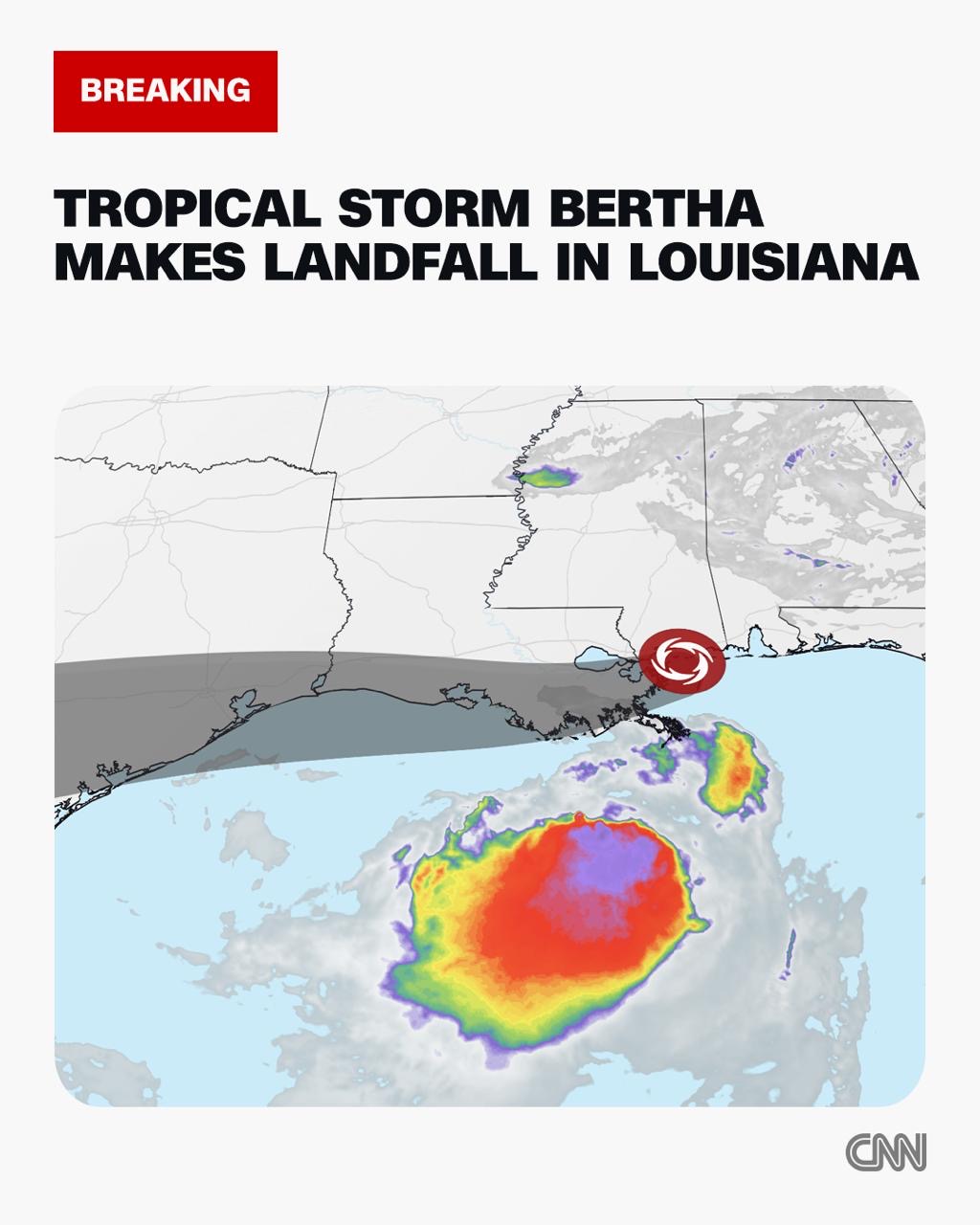
  • Tropical Storm Bertha makes landfall in Louisiana

    Tropical Storm Bertha makes landfall in Louisiana

    As Tropical Storm Bertha tracks westward across southern Louisiana, it is already bringing disruptive tropical storm-force wind gusts and hazardous conditions for coastal beachgoers, but a far more dangerous consequence of the storm is unfolding hundreds of miles to the east, where its abundant tropical moisture is set to drive extreme flood rainfall across parts of the U.S. Southeast and East Coast through the end of the week.

    According to official updates from the U.S. National Hurricane Center, Bertha made its official landfall at 3 p.m. Eastern Time in St. Bernard Parish, located in Louisiana’s southeastern region. Remarkably, the storm’s most intense wind gusts and heaviest downpours have remained offshore, with the system recording maximum sustained winds of 45 miles per hour at the moment its center moved onshore.

    Unlike many tropical systems that pose their greatest threat near their landfall zone, Bertha’s most impactful hazard is developing far from its Louisiana landing point. The storm’s trapped tropical moisture is interacting with a slow-moving cold front stretching across the U.S. East Coast, creating conditions primed for extreme heavy rainfall and widespread flooding through Thursday. The affected areas include southeast Virginia, multiple regions of the Carolinas, and northern Georgia.

    Meteorologists from CNN Weather explain that a stationary cold front is drawing Bertha’s moisture northward and eastward from the Gulf of Mexico coast into the Southeast, creating a continuous feed of water vapor that sustains the heavy rain systems. As for Bertha itself, forecasters predict the storm will gradually lose strength as it pushes westward toward coastal Texas, with its center expected to reach the region by Thursday evening. Even as it weakens, the remnant system will bring scattered rain and occasional gusty winds to coastal Texas, while continuing to feed tropical moisture into the flood-bearing storm systems lingering over the Southeast.

  • Ruleta Camacho-Thomas Appointed Acting Director of Environment

    Ruleta Camacho-Thomas Appointed Acting Director of Environment

    Antigua and Barbuda’s environment ministry has confirmed a key leadership transition within its environmental governance structure, naming long-standing climate action leader Ruleta Camacho-Thomas as Acting Director of the country’s Department of Environment. The change officially takes effect on July 20, and comes as outgoing director Ambassador Diann Black Layne steps into pre-retirement leave ahead of her full departure from the role.

    Beyond her new acting appointment, Camacho-Thomas already holds the position of Antigua and Barbuda’s National Climate Ambassador, bringing decades of frontline experience in environmental advocacy to the top leadership post. Over the course of her professional career, she has been a consistent and vocal representative for the twin-island nation at major regional and global environmental forums, where she has centered the needs and concerns of small island developing states (SIDS) in worldwide climate policy negotiations.

    A leading voice for global climate justice, Camacho-Thomas has worked for years to amplify awareness of the unequal burden of climate change carried by low-lying and vulnerable island nations. She has repeatedly drawn international attention to the existential threats these countries face from accelerating sea-level rise, growing intensity of extreme weather events, and a cascade of other climate-driven hazards that disproportionately impact SIDS despite their minimal contribution to global greenhouse gas emissions.

    In her new capacity as Acting Director, Camacho-Thomas will take on oversight of all existing programs run by the Department of Environment. She will also maintain her ongoing work advancing Antigua and Barbuda’s core environmental and climate action priorities, working to deliver progress both at the domestic policy level and on the international climate advocacy stage.