分类: environment

  • Two Dominican youth represent country at CARYFED 2026 forum in Grenada

    Two Dominican youth represent country at CARYFED 2026 forum in Grenada

    As regional conversations around youth-led sustainable development gain momentum across the Caribbean, two young Dominicans are stepping onto the international stage to represent their island nation at the 2026 Caribbean Youth Forum for Environment and Development (CARYFED), hosted in Grenada from July 14 to 24. The delegation is backed by Project Discovery Dominica, a non-profit organization dedicated to nurturing a new cohort of environmentally conscious and community-focused leaders, marking the latest milestone in the group’s rapid growth since its official launch just two years ago.

    The partnership between Project Discovery Dominica and CARYFED stretches back years, laying the groundwork for the organization’s current work. In 2023, three young Dominican participants attended the CARYFED gathering in Trinidad and Tobago, where they gained hands-on leadership training and deepened their understanding of cross-regional sustainable development challenges and youth engagement strategies. That transformative experience inspired a group of local young leaders to formally establish Project Discovery Dominica in 2024 as a national platform for youth empowerment centered on environmental stewardship. Later that same year, Dominica itself hosted the annual CARYFED forum, welcoming hundreds of youth delegates from across the Caribbean and cementing the country’s reputation as a committed supporter of youth leadership in the climate and environmental space.

    This year, 19-year-old students Geyoudena Desir and Reece Lantan, both attendees of Dominica Grammar School, have been selected to carry the island’s flag at the Grenada forum. For Desir, who currently serves as Project Discovery Dominica’s Communications Officer, the opportunity is a full-circle moment: she attended the 2024 CARYFED forum on her home island, the same event that launched the organization she now helps lead. “My first CARYFED Forum was held in Dominica, and it was an incredible experience. It was also the year Project Discovery Dominica was launched,” Desir shared ahead of the trip. “Although I was unable to attend last year’s forum, I am thrilled to participate in this year’s CARYFED Forum in Grenada. This is my first visit to the island, and I look forward to fully immersing myself in the experience. CARYFED has consistently created meaningful opportunities for young people across the region. As a representative of Project Discovery Dominica, I hope to use the knowledge, experience, and networks I gain to strengthen our chapter and share those opportunities with youth throughout Dominica.”

    For first-time delegate Lantan, the forum represents a chance to grow as a leader and encourage more of his peers to engage with environmental action. “I expect CARYFED to be both an interesting and enjoyable experience, and I am looking forward to learning and growing throughout the forum,” he said. “I would encourage other young people to get involved in opportunities like this. I hope to return with a new perspective that will help create a better future and inspire other young people to enjoy the same life-changing experience.”

    Upon their return to Dominica, the pair are tasked with a key mission: to revitalize Project Discovery Dominica by recruiting new young members, designing accessible local environmental programs, and motivating more youth to step into leadership roles in their schools and hometown communities. Organization chairperson Beverly Leblanc emphasized that investing in these young delegates is equivalent to investing in Dominica’s long-term future. “Our investment in young people is an investment in the future of Dominica. We are incredibly proud of our delegates as they represent our country and Project Discovery Dominica on the regional stage,” Leblanc said in a formal press statement. “Their participation is not only an opportunity for personal growth but also a chance to bring back fresh ideas, strengthen youth leadership, and help shape the next chapter of Project Discovery Dominica. We are excited about the energy, innovation, and vision they will bring as we work together to expand opportunities for young people across the island.”

    To date, Project Discovery Dominica remains focused on its core mission: creating accessible opportunities that build leadership capacity, foster a culture of volunteerism, embed environmental responsibility, and encourage active youth citizenship. The organization works to equip young Dominicans with the technical knowledge, practical skills, and cross-regional professional networks they need to become effective advocates for sustainable development across the island. As Desir and Lantan prepare to engage with hundreds of regional youth leaders in Grenada, the organization extended its well wishes for a productive and transformative forum, highlighting the critical role this participation plays in advancing both local and regional environmental goals.
  • Environment Ministry rejects vehicle traffic on Puerto Plata beach

    Environment Ministry rejects vehicle traffic on Puerto Plata beach

    A long-running dispute over unauthorized vehicle access to one of the Caribbean’s most famous surf beaches has drawn the formal backing of the Dominican Republic’s Ministry of Environment and Natural Resources, which is now calling for coordinated regulatory action to enforce long-standing coastal protection rules. The conflict centers on Playa Encuentro, a popular surf and tourism hub located just 4 kilometers outside the Cabarete municipal district in Puerto Plata province.

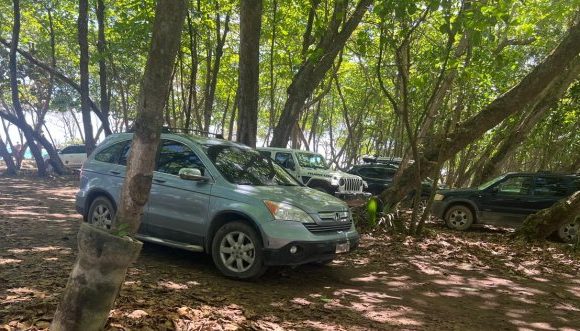
    At the core of the issue is a 2005 regulation issued by the Ministry of Tourism (Mitur), Resolution 68-2005, which explicitly bans all motor vehicle transit within 60 meters of the high-tide line along the country’s coasts. Local surf schools operating at Playa Encuentro have spent months pushing for enforcement of this rule, after repeated unregulated vehicle access put beachgoers, surf athletes, and the fragile coastal ecosystem at risk. Frustrated by a lack of progress, the operators escalated their appeal to national environmental authorities.

    According to reporting from local Dominican outlet El Nacional, José Ramón López, Deputy Minister of Coastal and Marine Resources at the Environment Ministry, has issued an official letter of solidarity to Jesús Perdomo, the representative for the Playa Encuentro surf schools. Perdomo and the school operators note that they have already filed complaints with multiple relevant agencies, including Mitur, the Mayor’s Office of Sosúa, the General Directorate of Traffic and Land Transportation Safety (Digesett), and the Tourist Police (Politur), but none have moved to resolve the violation of the 2005 resolution.

    López emphasized that Playa Encuentro holds global recognition as a top-tier Caribbean surfing destination, drawing thousands of adventure tourists and professional athletes to the region each year. Protecting this key economic and recreational asset, he argued, requires active enforcement of existing coastal rules to safeguard the safety of everyone who uses the beach—from local residents to visiting surfers—and to preserve the sensitive coastal ecosystem that supports the area’s tourism economy. The Environment Ministry has publicly reaffirmed its commitment to partnering with competent local and national agencies to intervene and resolve the ongoing violation of the vehicle access ban.

  • CARDI Launches Inaugural Agricultural Research and Innovation Symposium

    CARDI Launches Inaugural Agricultural Research and Innovation Symposium

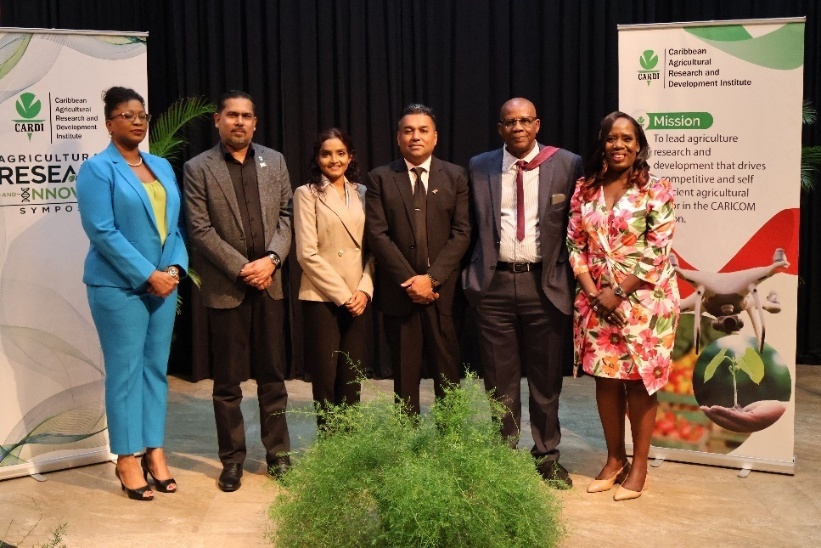
    On July 8, 2026, the Caribbean Agricultural Research and Development Institute (CARDI) inaugurated its first-ever Agricultural Research and Innovation Symposium (ARIS) in a landmark event that united a diverse cross-section of regional stakeholders. Researchers, government policymakers, smallholder and commercial farmers, international development partners, and private sector agribusiness representatives gathered from across the Caribbean to explore cutting-edge, science-backed strategies for building a more food-secure and climate-resilient regional agricultural sector.

    Organized around the central theme “Advancing Agricultural Innovation for Sustainable and Climate-Resilient Food Systems”, the symposium functions as an annual recurring platform to disseminate CARDI’s latest research outputs and deepen cross-institutional collaboration among groups dedicated to transforming the Caribbean’s aging, vulnerable agricultural landscape.

    In his opening address, CARDI Board of Governors Chairman Hon. Lennox Andrews, who also serves as Grenada’s Minister of Agriculture, emphasized that sustained investment in agricultural research and innovation is non-negotiable for the region to tackle its growing set of interconnected agricultural challenges. “Climate change impacts, evolving pest and disease outbreaks, and sudden global market disruptions leave us no choice but to embrace science, innovation, and cross-sector collaboration as core tools to secure the future of Caribbean agriculture,” Andrews stated. “The research showcased at this symposium proves CARDI’s unwavering commitment to developing practical solutions that boost farm productivity, strengthen regional food systems, and lift the livelihoods of smallholder farmers across every island nation.” He added a critical call to action: “If we expect CARDI to continue delivering these life-changing solutions for our region, we must ensure it has the sustained financial resources and policy support required to carry out its mandate.”

    CARDI Executive Director Ansari Hosein framed the symposium as a transformative milestone for the 50-plus-year-old regional institution, marking the launch of a new regular tradition of stakeholder engagement. “This symposium brings our research teams from across 14 member states together to share the results of two years of on-the-ground research conducted in our member countries, and most importantly, it creates space for direct dialogue with the farmers, policymakers, development partners and private sector actors that our work serves,” Hosein explained. “Our core goal is to move research beyond the walls of the laboratory and deliver tangible, on-the-ground benefits for food and nutrition security, climate resilience, and agricultural competitiveness across every corner of the Caribbean.” He reaffirmed that CARDI’s ongoing research agenda remains centered on building robust, resilient, innovative, and sustainable agri-food systems that align with the region’s collective food security targets.

    Speaking on behalf of Trinidad and Tobago’s Minister of Agriculture and Fisheries, Ministerial Advisor Ravi Pooran Maharaj praised CARDI for establishing the first dedicated regional forum for agricultural scientific collaboration and knowledge exchange. “The Caribbean’s future food security hinges on our collective ability to turn laboratory research into real, on-farm action,” Maharaj noted. “This symposium provides a critical space where researchers, policymakers, innovators, and practicing farmers can exchange ideas, build long-term partnerships, and speed up the adoption of transformative technologies that will reshape agriculture across Trinidad and Tobago and the entire Caribbean.” He emphasized that agricultural innovation is no longer a discretionary investment but an existential necessity, highlighting the outsized role of climate-smart farming techniques, improved drought- and pest-resistant crop varieties, precision agriculture tools, and sustainable land management practices in building food systems that can withstand climate shocks.

    Michelle Anne Thomas, Permanent Secretary in Trinidad and Tobago’s Ministry of Agriculture and Fisheries, welcomed the symposium as a key mechanism to strengthen ties between regional research institutions and government bodies. “The complex, interconnected challenges facing Caribbean agriculture cannot be solved by any single group – they demand deep, sustained partnerships between researchers, policymakers, and producers,” Thomas said. “By creating structured opportunities to share actionable knowledge and practical solutions, initiatives like this symposium ensure that scientific evidence informs public policy, strengthens national agricultural programs, and delivers meaningful benefits for both farmers and consumers across the region.”

    The three-day symposium featured three technical sessions that highlighted CARDI’s ongoing research across its 14 member states, addressing the region’s most urgent agricultural priorities. Research presentations covered a range of locally focused initiatives, including assessments of the commercial production potential for white potatoes in Grenada and tropical wheat varieties adapted to Belize’s climate. Additional studies outlined innovations in production practices for lettuce, corn, silage, dasheen, and black-eyed peas, all designed to cut the Caribbean’s heavy dependence on imported food and animal feed, a major drain on regional foreign exchange.

    The event also put a spotlight on CARDI’s expanding work in digital agricultural innovation. Presentations explored strategies to increase youth participation in commercial agriculture, new digital platforms for optimized livestock feed management, artificial intelligence-powered tools for rapid crop disease diagnosis, and emerging digital technologies that can strengthen agricultural extension services and help farmers make more data-driven on-farm decisions.

    Across all sessions, the research presented reinforced CARDI’s core mission: to deliver practical, science-based solutions that advance regional food and nutrition security, improve smallholder farmer livelihoods, and boost the global competitiveness of Caribbean agricultural products. This article was distributed via the CARDI network; NOW Grenada holds no responsibility for contributor opinions, statements, or third-party content included in this report.

  • Environment Minister Calls Jaguar Incident A Teaching Moment

    Environment Minister Calls Jaguar Incident A Teaching Moment

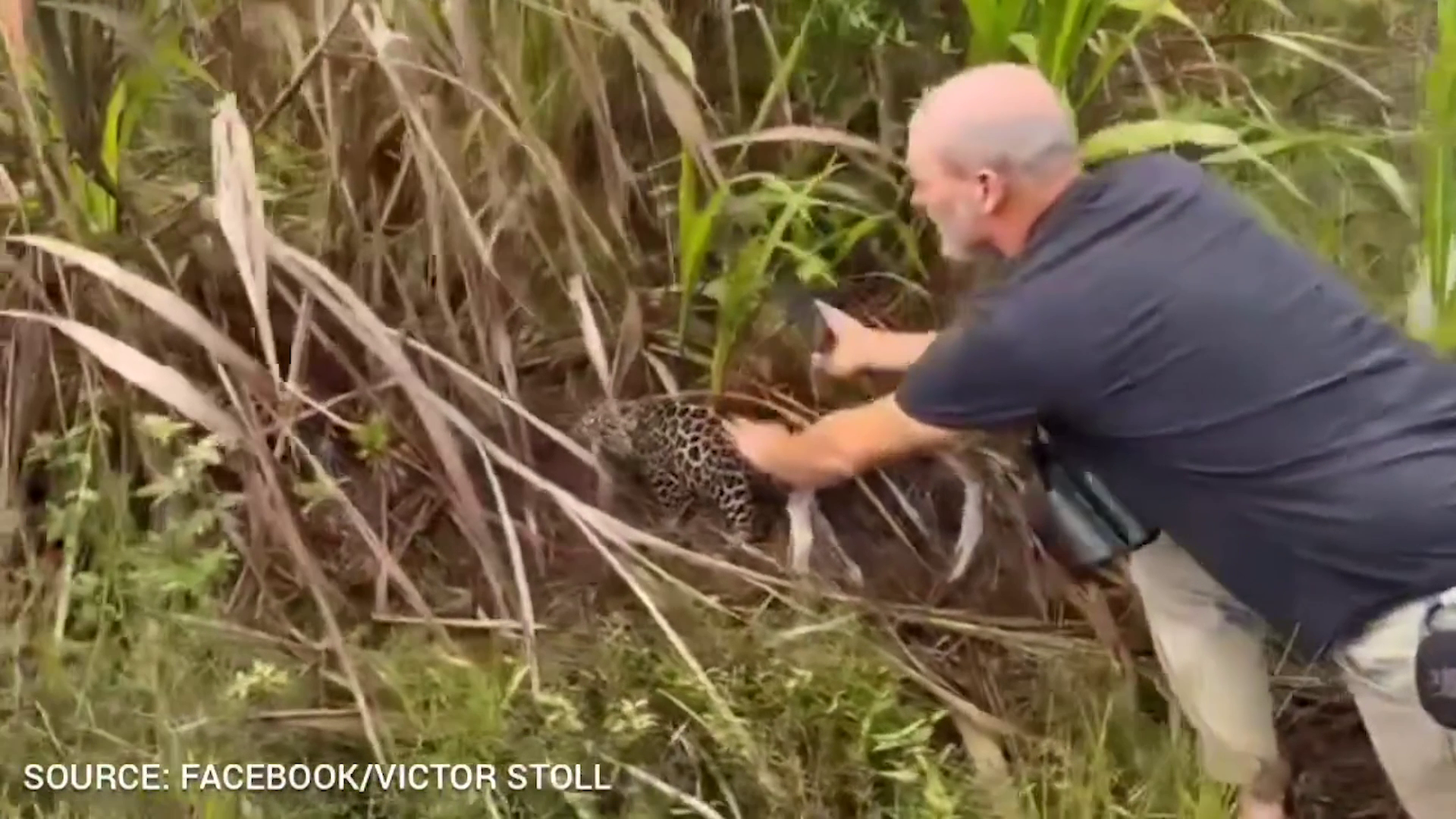
    A viral video showing two men cornering and handling a wild jaguar cub in Belize’s Mountain Pine Ridge reserve has triggered widespread public outrage across the Central American nation in recent days. Conservation experts have emphasized that the reckless encounter endangered both the jaguar cub and the two men involved, and may constitute a violation of Belize’s existing wildlife protection regulations. While authorities are currently reviewing the case to assess potential legal charges, the country’s Minister of Sustainable Development and Environment Orlando Habet is pushing for the incident to be framed not just as a violation requiring punishment, but as a critical turning point for national conservation education.

    Habet, an animal scientist by training, argued that broad public education must be the central priority moving forward, noting that many people—both foreign visitors and native Belizeans alike—often lack awareness of existing wildlife laws and the risks of interfering with wild animals in their natural habitats. Responding to fierce online calls for aggressive legal action, including widespread social media demands for a public manhunt and immediate arrest of the men involved, Habet pushed back against what he called excessive punitive measures. He addressed common public concerns that human interaction would lead the jaguar cub’s mother to reject her offspring, noting that while animal imprinting and bonding can occur early in development, widespread assumptions about permanent rejection are not universally accurate in such cases.

    “Harsher policing is not the answer for every incident involving human-wildlife interaction,” Habet stated. “Overly aggressive action in this case can end up working against our broader conservation goals, rather than supporting them.” Habet added that the incident should serve as a national teaching moment to reinforce the core principle of respecting wildlife boundaries in their natural ecosystems. He outlined a collaborative approach to this education effort, noting that Belize’s national zoo and partner conservation organizations have already stepped forward to support outreach and public awareness initiatives, with the zoo’s director issuing public guidance and contributing to ongoing conservation education work. Habet emphasized that coordinated, multi-stakeholder education efforts are far more valuable for long-term conservation than excessive punishment in this case, repeating, “Education, education, education” as the core priority moving forward.

  • Portable Sawmill, Heavy Equipment Seized in Forest Reserve Operation

    Portable Sawmill, Heavy Equipment Seized in Forest Reserve Operation

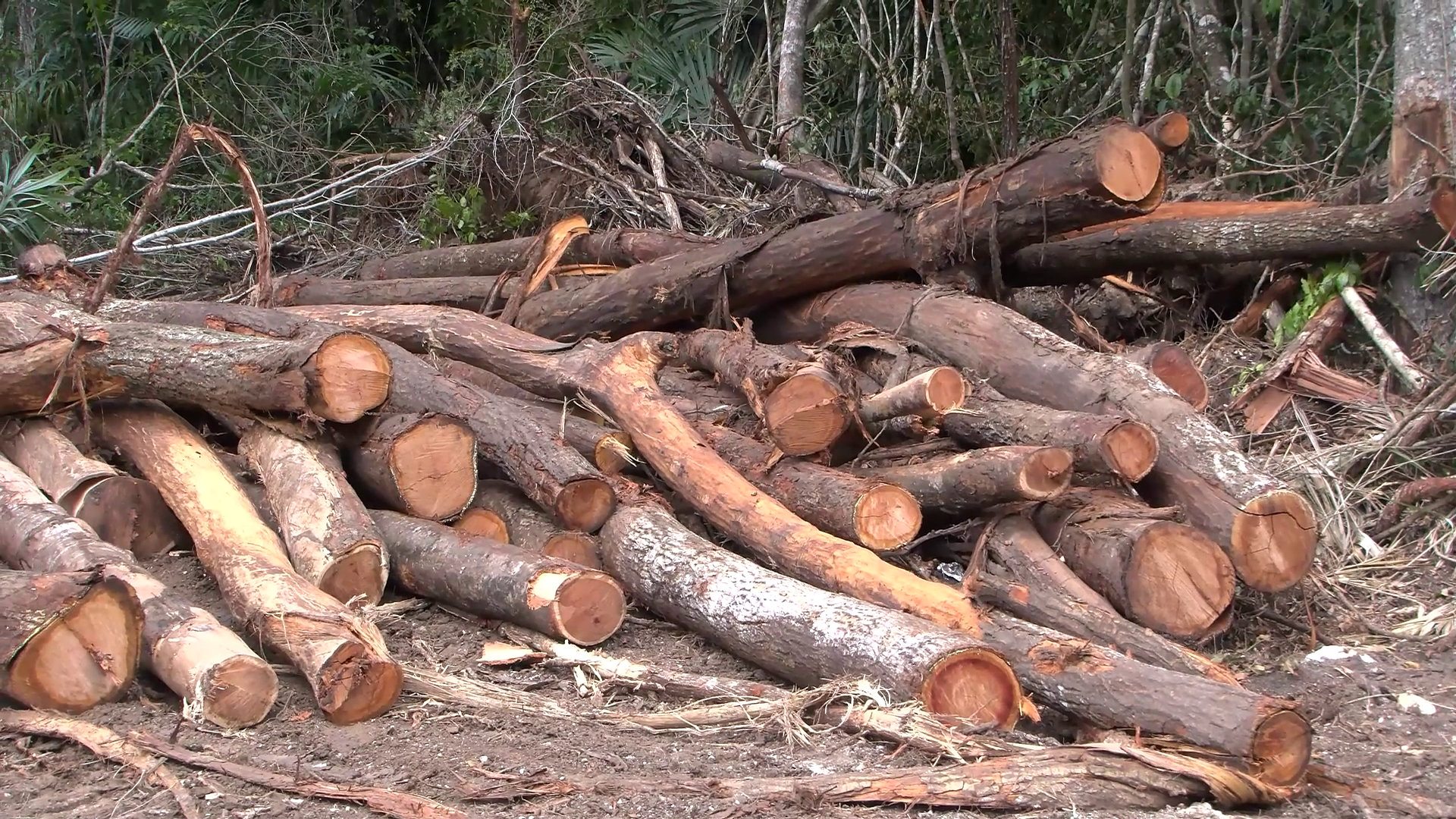
    On a multi-day enforcement operation deep in Belize’s protected Sibun Forest Reserve, authorities have uncovered a large-scale illegal logging operation that has underscored the deadly risks frontline conservation workers face when protecting the country’s vital forest ecosystems. The July 2026 operation, a joint effort between the Belize Forest Department and the Police Mobile Interdiction Unit, yielded a cache of critical evidence including freshly cut timber, a portable sawmill unit, and multiple pieces of heavy logging equipment tied to the unauthorized harvesting operation. One suspect was taken into custody during the raid, as conservation and law enforcement teams moved to document the scope of the illegal activity and secure contraband.

    Following the raid, Sustainable Development Minister Orlando Habet confirmed that a lead Forest Department officer involved in the operation has received explicit death threats, a consequence of the government’s year-long crackdown on rampant illegal logging across Belize’s protected areas. Since October 2025, the Belizean government has ramped up compliance enforcement within the Forest Department, with the dual goals of curbing unauthorized timber harvesting and eventually eliminating the practice entirely. As part of this broader effort, officials also imposed a moratorium on early-stage logging licenses, after internal investigations found that the license framework was enabling rapid deforestation of protected forest lands.

    Habet explained that the rising threats against enforcement officers are a direct outcome of the more aggressive crackdown: illegal logging has served as an unregulated, long-standing source of income for criminal networks and individuals, and the new enforcement policies are cutting into that profit stream. “Because we have been cracking down on it severely, and I think now the threats are starting to come into the department because it has been the livelihood for some of these illegal loggers for many years,” Habet said in an interview following the operation.

    The primary suspect identified in the latest operation, Marco Tulio Garcia of Armenia Village, is a repeat offender with a prior conviction for illegal logging: he was first charged with unauthorized harvesting of logwood back in 2017. Authorities executed a search warrant at Garcia’s residence following the Sibun Reserve raid, and seized multiple pieces of heavy logging equipment linked directly to the unauthorized operation.

    In response to the death threats against officers, the Belizean government has moved quickly to strengthen protection for frontline conservation staff. Habet confirmed he has held direct consultations with the national police minister and raised the issue during a recent cabinet meeting with Prime Minister. In coordination with government officials including Minister Kareem Musa, authorities have approved the creation of a dedicated joint task force that will pair specialized police units with Forest Department officers for all high-risk anti-logging operations. The new task force structure is also designed to address long-standing challenges with operational security: past raids have been undermined by leaks that tipped off illegal loggers, allowing them to move timber and escape before authorities arrive. The collaborative, planned task force model aims to close these security gaps and reduce risk to enforcement teams.

    This report is a transcribed excerpt from an evening television news broadcast, with all Kriol-language content rendered using a standardized spelling system for accessibility.

  • UNICEF Supports Climate Study on Belizean Children

    UNICEF Supports Climate Study on Belizean Children

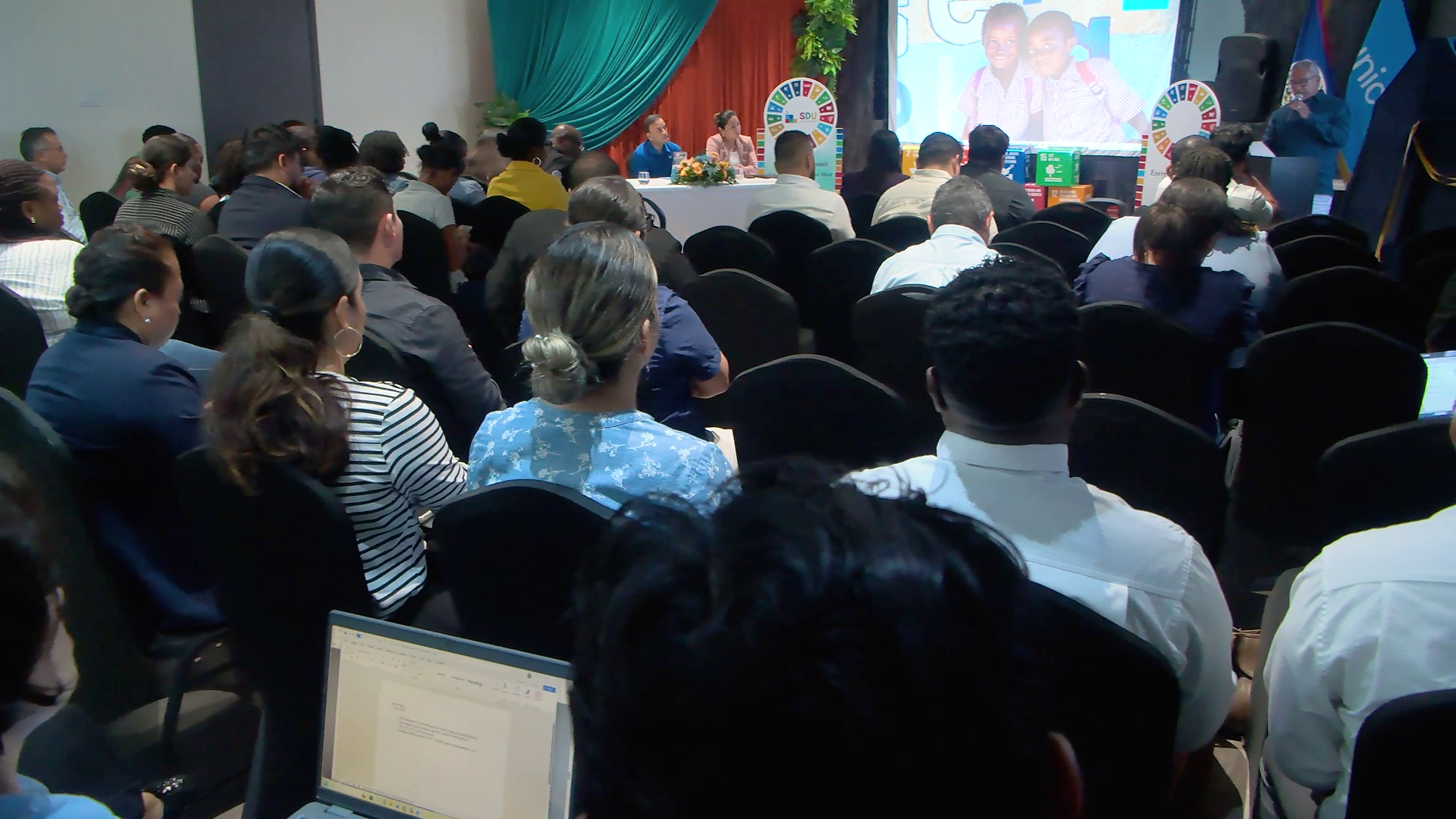
    As climate change accelerates its global impacts, small coastal nations like Belize are facing increasingly severe disruptions to daily life, with the youngest members of society bearing a disproportionate burden that has long been overlooked in national policy planning. Now, a new collaborative initiative between UNICEF and Belize’s Sustainable Development Unit aims to change that, launching the nation’s first Climate Landscape Analysis (CLAC) specifically designed to map how rising temperatures, extreme weather and prolonged droughts harm children and other marginalized groups.

    For Belize’s children, climate change is not an abstract future threat: it brings overheated classrooms that derail learning, flooded school commutes that force extended closures, and extended droughts that strain community food and water supplies relied on by their families. In May 2026 alone, soaring regional temperatures forced schools across the country to launch emergency “Beat the Heat” programs to cope with unsafe learning conditions. The new study seeks to formalize documentation of these harms, centering the voices of the children most affected to build more responsive, equitable national policy.

    Elizabeth Emmanuel, project consultant for the CLAC initiative, explains that the research prioritizes identifying disparities in climate impact across different communities. “Children in low-income, vulnerable communities face far greater harm than their peers in more resourced areas,” Emmanuel notes. “The goal of this analysis is to pinpoint exactly where and why children face the worst risks, so that not just climate policies, but poverty reduction and social protection frameworks can prioritize these groups and address their needs early in national development planning.”

    Unlike many top-down climate impact assessments, the CLAC project centers direct input from children themselves to shape its findings. Sajid Ali, UNICEF’s representative in Belize, emphasizes that even school-aged children can provide critical, on-the-ground insight that adult policymakers often miss. “Climate impacts are not abstract for these kids — they live them every day, from sweltering classrooms that make it impossible to focus, to hurricanes and floods that destroy their homes and disrupt their education for months,” Ali says. “You can’t get an accurate picture of vulnerability without sitting down and listening directly to the people who are experiencing it.”

    Orlando Habet, Belize’s Minister of Climate Change, adds that the harms children face from climate change are often invisible when national policies are drafted, even as they are more severe today than in previous generations. “The intensity of heat and extreme weather now affects children far more than it affected us when we were in school,” Habet explains. “In rural communities, the gap is even wider: kids walk to school through flood mud after storms, arrive soaked or overheated, and their ability to learn is completely undermined. These are the impacts we have failed to account for until now.”

    Beyond shaping domestic policy, Belize’s government expects the study’s findings to strengthen its case for accessing international climate financing, which the nation will need to implement child-focused adaptation measures, from cooling systems for rural schools to flood-resilient infrastructure that protects learning facilities. Ali notes that Belize has already emerged as a leader in inclusive climate action among small developing nations. “Many countries are still rolling out new climate policy frameworks, which means this is the perfect time to embed equity from the start,” Ali says. “Belize’s government, communities and people have a far greater appetite to address these vulnerabilities head-on than most nations, putting them years ahead of the curve in building inclusive climate resilience.”

    When the analysis is finalized, it will serve as a national roadmap to reframe Belize’s climate response: moving beyond treating children and other vulnerable groups as afterthoughts, and instead positioning their protection as a core priority for all climate action in the country.

  • Govt exploring sargassum-to-biofuel opportunities – Straughn

    Govt exploring sargassum-to-biofuel opportunities – Straughn

    Barbados is pursuing a groundbreaking public-private partnership with international development organizations to transform a growing coastal nuisance — invasive sargassum seaweed — into a range of commercially valuable goods, including locally produced biofuel for vehicle fleets, Finance Minister Ryan Straughn confirmed in an exclusive interview with Barbados TODAY.

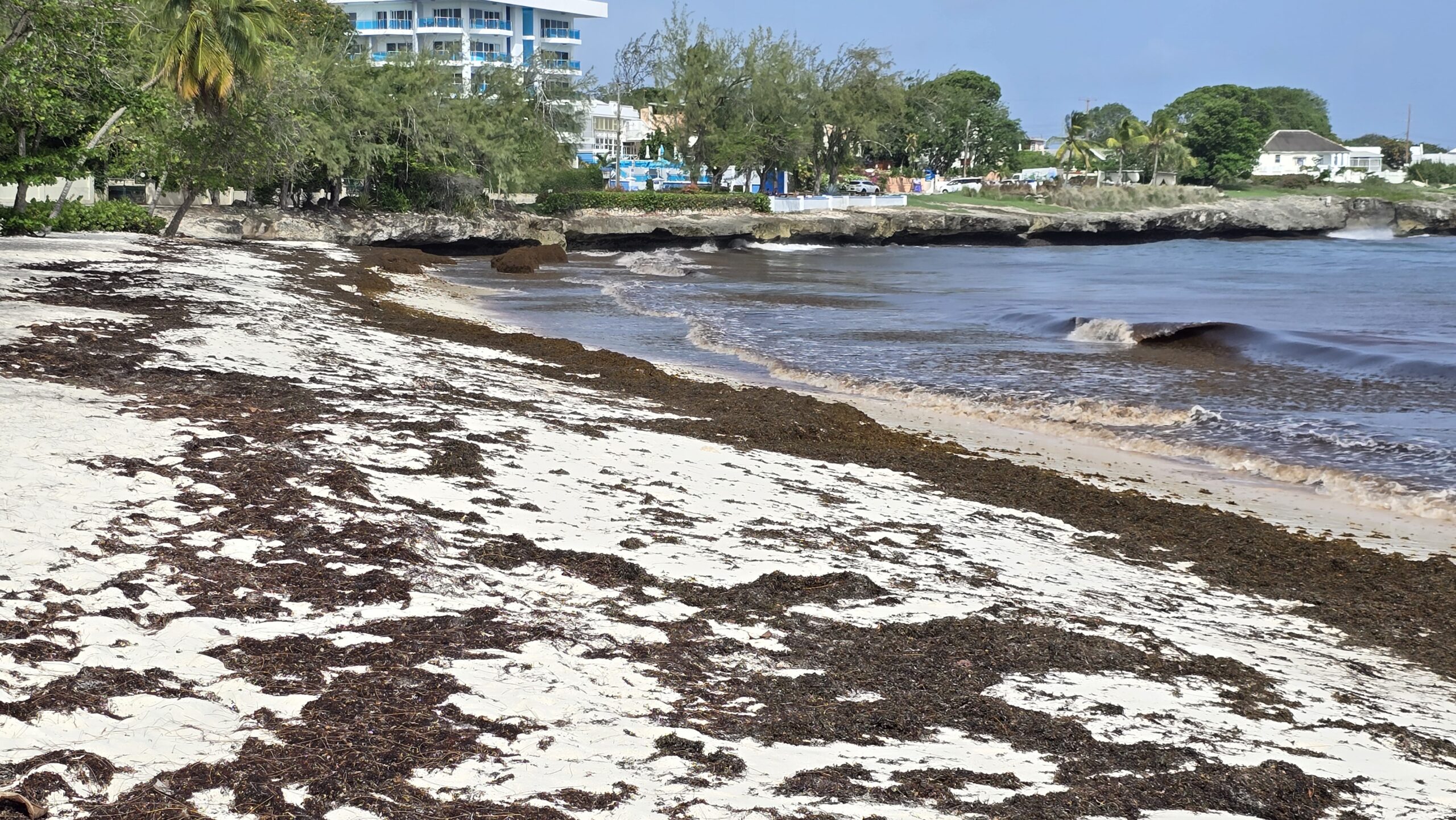
    The initiative comes as coastal businesses along the popular Miami Beach shoreline at Enterprise Beach, Christ Church, have issued urgent calls for government intervention. Local operators report that record influxes of rotting sargassum have devastated the area’s tourism-dependent economy, driving away visitors and forcing customers to steer clear of nearby hotels, restaurants and retail outlets.

    Straughn revealed that government officials recently held high-level talks with three major international partners — the Development Bank of Latin America (CAF), the Inter-American Development Bank, and the European Union — to explore targeted financing options to scale up proven solutions developed by Barbados’ private sector. One standout project already in development comes from a local venture that combines sargassum with byproducts from the island’s iconic rum industry to produce usable biofuel for passenger vehicles and commercial fleets. Straughn noted that the government has committed to following up on this proposal to advance its commercial rollout.

    Beyond securing financing, the government is also evaluating how its own fleet of public service vehicles can support the adoption of sargassum-based biofuel, helping to build guaranteed early demand for the new product. With global oil prices remaining volatile and elevated, Straughn emphasized that this transition can deliver both economic and environmental benefits for the island in the near term.

    A core priority of the plan is moving sargassum collection offshore, to harvest the seaweed before it washes up on Barbados’ coasts. Straughn explained that once sargassum lands on beaches and begins to decompose, it loses most of its commercial value, meaning fresh pre-landfall harvesting is critical to maximizing value-added production. The European Union is currently supporting work to resolve ongoing logistical challenges, including developing more efficient harvesting processes that reduce the need for large-scale onshore storage and keep the production cycle moving smoothly. Straughn acknowledged that these early-stage “teething issues” still require targeted solutions, but progress is advancing steadily.

    Export Barbados, the island’s trade promotion agency, is currently researching affordable vehicle conversion kits that would allow existing diesel and gasoline-powered fleets to run on the new sargassum-rum biofuel. Straughn noted that the cost of each converter is approximately $3,500 USD, a price point that is becoming increasingly feasible for both public and private fleet operators. Beyond the government’s own fleet of vehicles, which includes Sanitation Service Authority trucks that would require minimal retrofitting, the biofuel could also serve thousands of private freight and commercial vehicles operating across the island, creating a large, sustainable domestic market.

    Biofuel production is just one of multiple commercial applications the government and private sector are exploring. Straughn confirmed that local ventures are also developing organic fertilizers, construction materials, and other consumer and industrial products from processed sargassum, with the core engineering for most projects already finalized. The remaining work centers on resolving logistics challenges, most notably building a consistent, predictable supply of fresh harvested sargassum to allow private operators to scale their operations long-term.

    The Ministry of Finance has already completed the first step of connecting private sargassum solution developers with potential international financing partners, and the government is now reviewing its own internal operational policies to reduce market volatility and support early adoption of the new products. Straughn expressed confidence that the initiative will not only resolve Barbados’ growing sargassum crisis but also unlock new economic benefits for the island, turning an environmental threat into a driver of green growth.

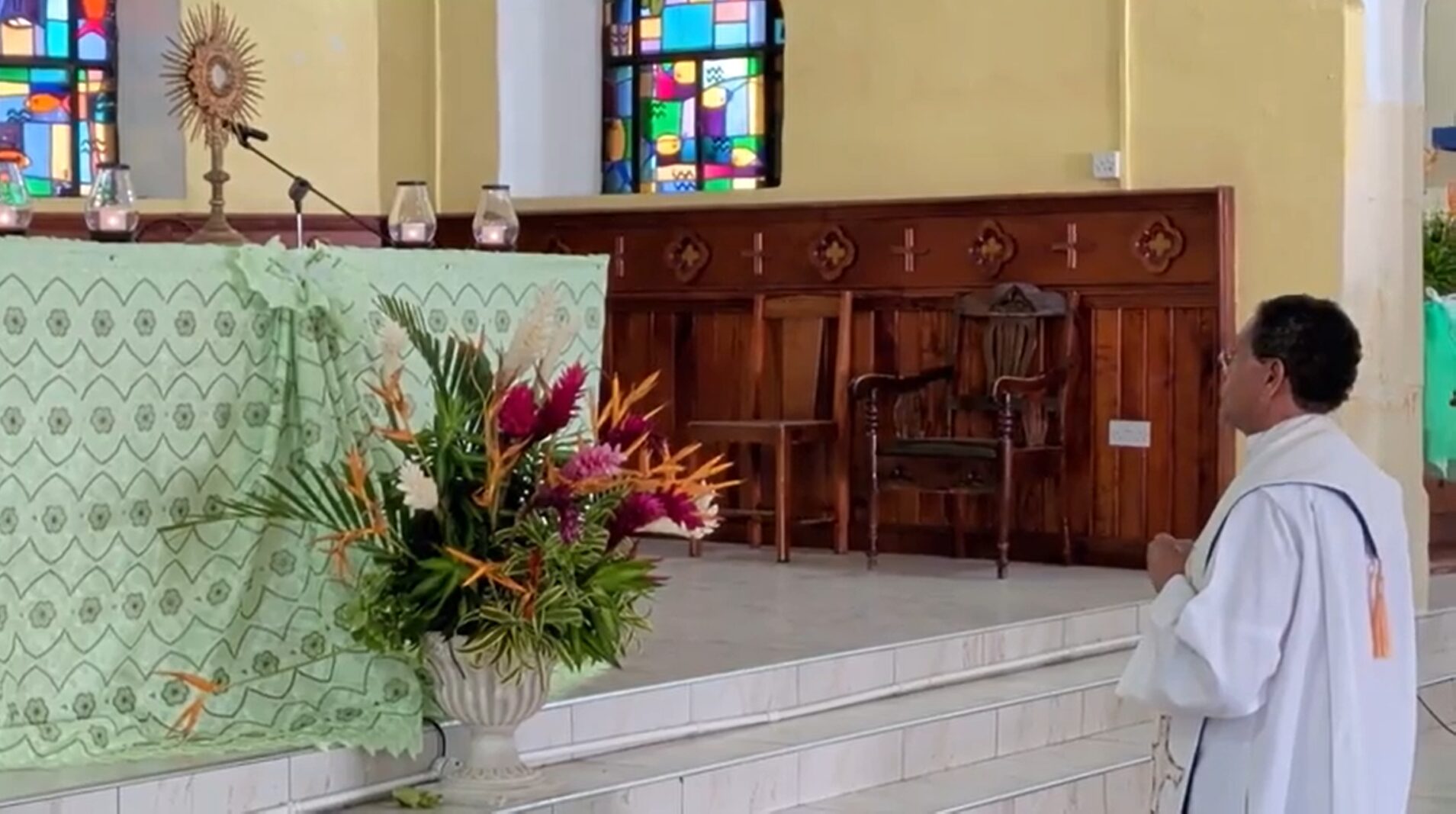
  • LIVE: 38th Ordination Anniversary Mass of Father Elveau Augustine at St. Mark Parish Dominica

    LIVE: 38th Ordination Anniversary Mass of Father Elveau Augustine at St. Mark Parish Dominica

    The small island nation of Dominica, located in the hurricane-prone Eastern Caribbean, is once again at the forefront of global conversations about climate vulnerability, as rising sea temperatures and shifting weather patterns amplify the risk of catastrophic tropical storms for low-lying coastal states. For decades, Dominica has faced repeated devastation from extreme weather events: in 2017, Category 5 Hurricane Maria destroyed more than 90% of the country’s infrastructure, crippled its tourism-dependent economy, and left hundreds of people dead or missing. The disaster served as a wake-up call for both Dominica’s government and global climate advocates, highlighting the disproportionate risk that small developing island states face despite contributing next to nothing to global greenhouse gas emissions.

    In the years following Maria, Dominica has positioned itself as a global leader in climate resilience, launching an ambitious agenda to become the world’s first climate-resilient nation. The government has invested heavily in climate-adaptive infrastructure, including storm-resistant housing, reinforced coastal sea walls, and renewable energy projects designed to replace fossil fuel dependence while strengthening energy security during extreme weather events. International climate financing bodies, including the Green Climate Fund, have backed these efforts with hundreds of millions of dollars in grants and low-interest loans, recognizing Dominica’s role as a test case for global climate adaptation.

    Still, new data from the Intergovernmental Panel on Climate Change (IPCC) shows that ocean temperatures in the Caribbean have risen 1.5 degrees Fahrenheit since the pre-industrial era, creating more favorable conditions for rapid storm intensification and increasing the likelihood of major hurricanes making landfall in the region. This growing risk has put new pressure on both national governments and global climate negotiators to deliver on long-promised funding for loss and damage, a global framework designed to support vulnerable countries hit by irreversible climate impacts. As the 2026 Atlantic hurricane season gets underway, Dominica and its neighboring Caribbean nations are reminding the global community that climate action is not a distant policy goal—it is an urgent priority that affects the survival and livelihoods of millions of people across the world’s most vulnerable regions.

  • CRFM, Caribbean Climate Change Centre strengthen partnership to tackle climate challenges

    CRFM, Caribbean Climate Change Centre strengthen partnership to tackle climate challenges

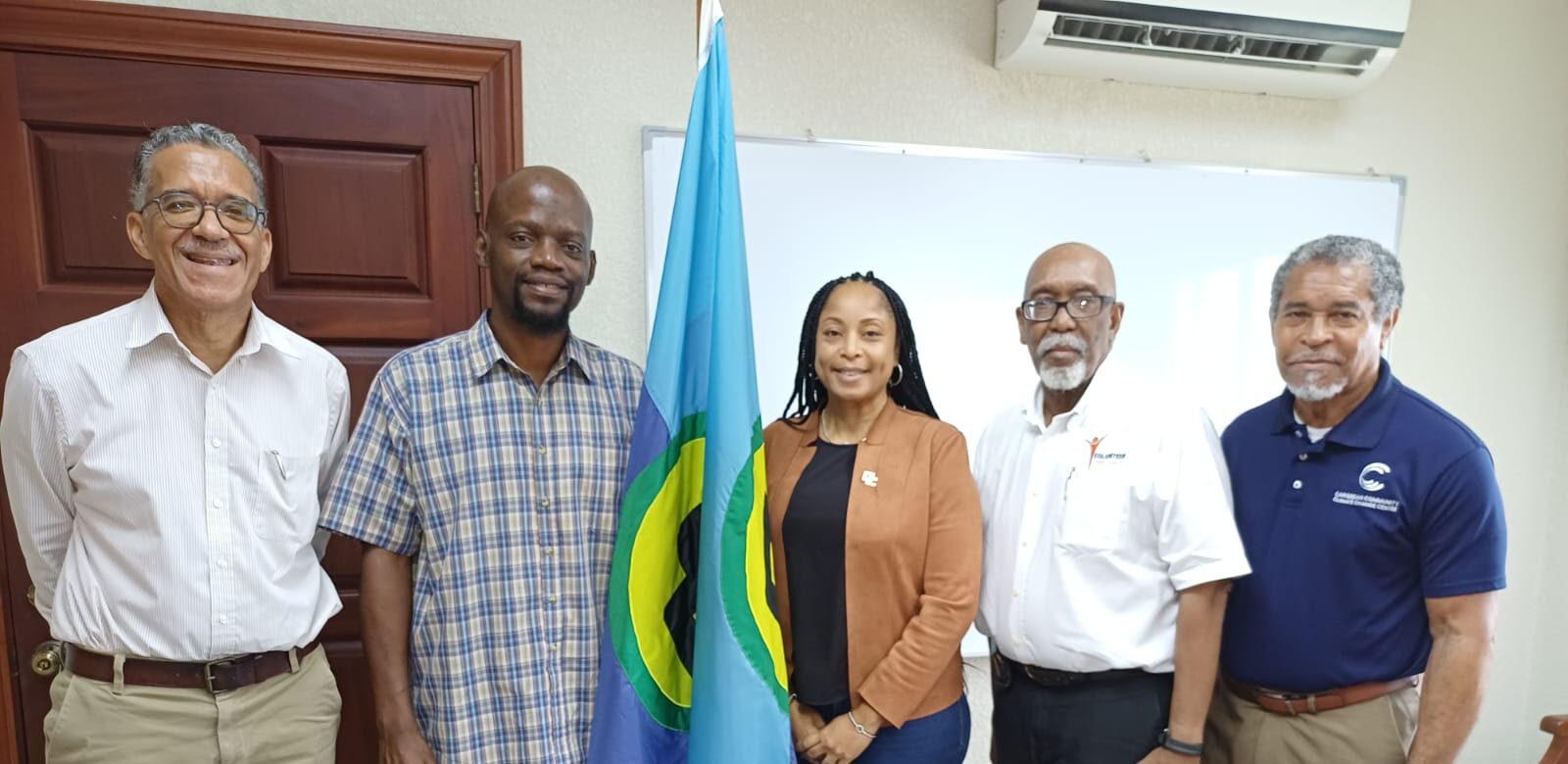
    Two leading Caribbean regional environmental and resource management organizations have announced a strengthened collaborative partnership to counter the accelerating impacts of climate change on the region’s oceans, fisheries, and vulnerable coastal communities. The Caribbean Regional Fisheries Mechanism (CRFM) and the Caribbean Community Climate Change Centre (5Cs, also referred to as CCCCC) brought senior representatives together for strategic discussions on July 16, 2026, to map out how combining their specialized expertise, pooled resources, and existing ongoing initiatives can create more robust responses to the Caribbean’s most urgent marine and climate challenges.

    During the day-long talks, CRFM leadership updated 5Cs counterparts on a slate of active regional projects designed to help CRFM member states build more climate-resilient, ecologically sustainable fishing sectors. These ongoing initiatives cover a wide range of priorities: from advancing evidence-based marine spatial planning and scaling up renewable energy adoption in fishing operations to strengthening the economic livelihoods of small-scale fishing communities and advancing gender equity across the fisheries industry.

    One of the core priority topics on the meeting agenda was the persistent, growing crisis of invasive sargassum seaweed blooms that have plagued coastlines across the entire Caribbean basin for years. While both organizations acknowledged the severe harm that massive sargassum inflows cause to local tourism operations, commercial and small-scale fisheries, and fragile marine ecosystems, they also highlighted an under-explored opportunity: if processed safely following circular economy principles, sargassum can be converted into a range of commercially valuable products, from organic fertilizer to biofuel. Meeting participants also underlined that targeted additional scientific research, enhanced cross-regional coordination, and more streamlined information sharing are critical to implementing effective, long-term sargassum management strategies.

    Discussions also turned to Blue Carbon, the carbon stored naturally in coastal ecosystems including mangrove forests, seagrass meadows, and salt marshes, which has emerged as a globally recognized key tool for climate change mitigation. According to the official CRFM press release summarizing the meeting, talks covered the ongoing regional policy process to develop a comprehensive regional Blue Carbon Policy, a framework that would support Caribbean nations in better protecting, restoring, and managing these ecologically and climatically valuable coastal ecosystems.

    Improving equitable access to reliable climate and marine science data was another central focus of the strategic talks. Both organizations reaffirmed that high-quality, accessible data is a non-negotiable foundation for evidence-based policy making, robust public climate action, and enhanced regional climate resilience. They also emphasized that deeper collaboration and more open cross-institutional data sharing would deliver widespread benefits for governments, academic researchers, small-scale and commercial fishers, and coastal communities across every Caribbean nation.

    In a joint statement shared via the CRFM press release, both organizations emphasized that cross-sector regional partnerships are not optional, but essential, to protect the Caribbean’s unique marine resources and ensure that future generations can continue to benefit from healthy oceans and productive, sustainable fisheries. The new strengthened partnership, they noted, reflects a shared commitment to advancing climate-smart, equitable development across the region, while supporting resilient coastal communities, sustainable fishing industries, and thriving, healthy marine ecosystems.

  • Grenada gets support for developing its BESS project

    Grenada gets support for developing its BESS project

    Grenada has launched a landmark utility-scale battery energy storage project at its Maurice Bishop International Airport, backed by a $14.4 million multi-stakeholder financing package led by the Barbados-based Caribbean Development Bank (CDB), aimed at accelerating the island nation’s shift away from fossil fuels and strengthening its energy infrastructure.

    The project, a core component of the broader Supporting Resilient Green Energy (SURGE) Caribbean programme, will deliver a utility-scale Battery Energy Storage System (BESS) that directly addresses a critical barrier to renewable energy adoption across small island developing states: grid instability. Once installed, the system will strengthen the reliability and resilience of Grenada’s national electricity grid, create capacity for higher volumes of variable renewable energy inputs, and move the country closer to its policy goal of cutting reliance on costly imported fossil fuels.

    Implementation of the BESS will be led by Grenada Electricity Services Limited (Grenlec) under a structured subcontracting framework designed to build long-term local operational expertise and upgrade the country’s core electricity infrastructure permanently.

    Peron Johnson, Permanent Secretary of Grenada’s Ministry of Climate Resilience, the Environment and Renewable Energy, framed the project as a transformative investment for the Caribbean island. “This project demonstrates the power of strategic partnerships in advancing Grenada’s climate resilience, energy security, and sustainable economic development, and brings us another step closer to achieving a cleaner, more affordable, and more resilient energy future for all Grenadians,” Johnson said, noting that the country extended its sincere gratitude to the CDB and all participating development partners.

    Financing for the initiative draws together contributions from a range of global and regional development actors, coordinated through CDB’s Special Funds Resources. A combined $3 million grant comes from the United Kingdom’s Foreign, Commonwealth and Development Office (FCDO) and the European Union, while the Government of Grenada has committed a $5.7 million loan to the project. Canada has also contributed a $5.7 million investment through the SURGE programme, and the World Bank is providing separate parallel financing for complementary BESS installations and national grid upgrades aligned with Grenada’s long-term grid modernization strategy.

    The initiative aligns directly with CDB’s 2026–2035 Strategic Plan, which prioritizes innovative investment to build climate-resilient energy systems across the Caribbean region. L O’Reilly Lewis, CDB’s Director of Projects, emphasized the collaborative nature of the effort. “The Caribbean Development Bank is proud to support an initiative that reflects what is possible when development partners and national institutions work together with a shared vision for a cleaner, more sustainable future,” Lewis said. “We look forward to seeing the long-term impact this investment will have on Grenada’s energy security and climate-smart development.”

    Kyle Farnum, Programme Manager for Energy at the Delegation of the European Union to Barbados, the Eastern Caribbean States and the OECS, noted that reliable energy infrastructure forms the foundation of resilient national economies. “With this Battery Energy Storage System project, the European Union is supporting Grenada not only in expanding renewable energy, but in ensuring that clean power is available when it is needed most,” Farnum said. He added that the project forms part of a wider EU-Grenada energy transition partnership aligned with the EU’s Global Gateway infrastructure and development initiative.

    Tom Coward, UK Development Director for the Caribbean and Executive Director at the CDB, said the UK government was pleased to collaborate on the project, which advances the UK’s shared regional ambition to build resilient, low-carbon energy systems across the Caribbean. “Energy storage is critical to maintaining grid stability, unlocking the full potential of renewable energy, and strengthening long-term energy security,” Coward explained. “For small island states, increased storage capacity is a vital step in reducing dependence on imported fossil fuels while supporting climate resilience, sustainable economic growth, and economic security.”

    Brenda Wills, High Commissioner of Canada to Barbados and the Eastern Caribbean, underscored Canada’s ongoing commitment to climate-smart development across the Caribbean. “Through the Supporting Resilient Green Energy (SuRGE) programme, Canada is partnering with the Caribbean Development Bank and other regional and international institutions to advance climate mitigation and strengthen energy resilience across the Caribbean,” Wills said. “Our $5.7 million investment in this battery energy storage project reflects Canada’s commitment to practical, climate-smart solutions that improve grid stability, reduce climate risks, and support sustainable growth.”