分类: environment

  • Canadian wildfire smoke to impact air quality in the Dominican Republic

    Canadian wildfire smoke to impact air quality in the Dominican Republic

    Residents of the Dominican Republic are bracing for declining air quality over the coming days, as two separate transcontinental pollution events are set to sweep through the island nation, according to leading meteorological analyst Jean Suriel. The overlapping hazards, consisting of lingering wildfire smoke from Canada’s ongoing blazes and a fresh, seasonal dust plume originating from the Sahara Desert, are projected to combine to create unhealthy breathing conditions across much of the country.

    Suriel explained that the initial wave of Canadian wildfire smoke has been transported all the way to the Caribbean region by a low-pressure trough stretching across the North Atlantic. As this smoke disperses across Dominican territory, it raises the risk of uncomfortable and potentially dangerous allergic reactions for sensitive groups including children, the elderly, and individuals with preexisting respiratory conditions.

    Beyond the air quality impacts, the same weather system that carried the smoke will bring variable precipitation to multiple regions of the country. Periods of rainfall are expected across the Central Mountain Range, as well as the country’s southeast, northeast, and northwest regions. Conditions are set to shift by Thursday, when the trough combined with the approaching Tropical Wave No. 29 will spark broader coverage of showers and thunderstorms across the nation. This same shift will also push most of the Canadian wildfire smoke out of Dominican airspace by the end of the day, offering only a brief reprieve before the next hazard arrives.

    Meteorological forecasts project that the 12th Saharan dust cloud of the 2024 season will make landfall in the Dominican Republic on Friday, and will remain trapped over the area through Sunday. Suriel warned that this dust plume will bring widespread hazy skies that will reduce visibility, push daily temperatures higher than the seasonal average, and exacerbate existing risks for people living with allergies and chronic respiratory illnesses such as asthma. Health officials are expected to issue public warnings in the coming days advising sensitive groups to limit prolonged outdoor exposure while both hazards are present.

  • Tropical Storm Bertha forms in the Gulf, forecasts warn of flooding

    Tropical Storm Bertha forms in the Gulf, forecasts warn of flooding

    As the 2024 Atlantic hurricane season gains early momentum, the U.S. Gulf Coast is bracing for significant disruptive weather, with Tropical Storm Bertha poised to bring heavy downpours, life-threatening coastal flooding and isolated severe weather to much of the American Southeast this week. As of Monday afternoon, the National Hurricane Center (NHC), the Miami-based agency that monitors Atlantic and Pacific tropical weather systems, reported that the named storm was circling roughly 105 miles (165 kilometers) south of Panama City, Florida, packing sustained maximum wind speeds of 40 miles per hour (65 kilometers per hour), right at the threshold for tropical storm classification.

    In its official forecast, the NHC projected that Bertha will track slowly near or parallel to the northern Gulf of Mexico coastline over the coming three days, moving northwest at just 3 miles per hour, with tropical storm-force winds extending 70 miles out from the storm’s central circulation. The slow-moving system is forecast to bring hazardous conditions to four Gulf Coast states: Alabama, Florida, Louisiana and Mississippi, as it drifts westward toward the Texas coastline.

    Forecasters warn that accumulated rainfall could reach as much as 8 inches (20 centimeters) in hard-hit areas by the end of this workweek, creating a high risk of flash flooding in low-lying and urban regions where drainage systems can become overwhelmed quickly. Additionally, isolated tornadoes are possible across parts of Florida through midweek, and coastal areas in Louisiana and Mississippi are expected to see storm surges of 1 to 4 feet above normal tide levels — a surge that the NHC warns could become life-threatening in vulnerable low-lying coastal communities.

    As of Monday evening, an updated NHC bulletin indicated that the storm is likely to intensify gradually over the next 48 hours before a projected landfall near New Orleans, Louisiana, on Wednesday. In preparation for the storm’s arrival, local New Orleans officials have begun distributing sandbags to residents to help reinforce properties against incoming floodwaters, and have asked homeowners and business owners to clear debris from local storm drains to improve drainage capacity.

    The storm’s approach comes as the U.S. South is already grappling with a sustained period of sweltering summer heat, adding an extra layer of risk for residents who may lose power amid storm-related outages. After making landfall, the NHC forecasts that Bertha will gradually weaken, degrading to a tropical depression by Thursday and likely dissipating entirely by the end of the week as it approaches the Texas coast.

    This storm is only the second named storm of the 2024 Atlantic hurricane season, following Tropical Storm Arthur, which brought moderate flooding to parts of the U.S. East Coast last month. A tropical storm watch is currently in effect from the Ochlockonee River in Florida westward to the Jefferson/Plaquemines Parish border in Louisiana, urging residents to monitor updated forecasts and follow any evacuation orders issued by local officials.

  • Sargassum Kills Dozens of Loggerhead Hatchlings

    Sargassum Kills Dozens of Loggerhead Hatchlings

    Scheduled for publication on July 20, 2026, this incident spotlights a growing threat to endangered marine species along Belize’s coastlines, where loggerhead sea turtles are legally protected from harm. Last week, a routine beach walk on a private stretch of Ambergris Caye uncovered a devastating loss that has local conservation advocates calling for urgent government action.

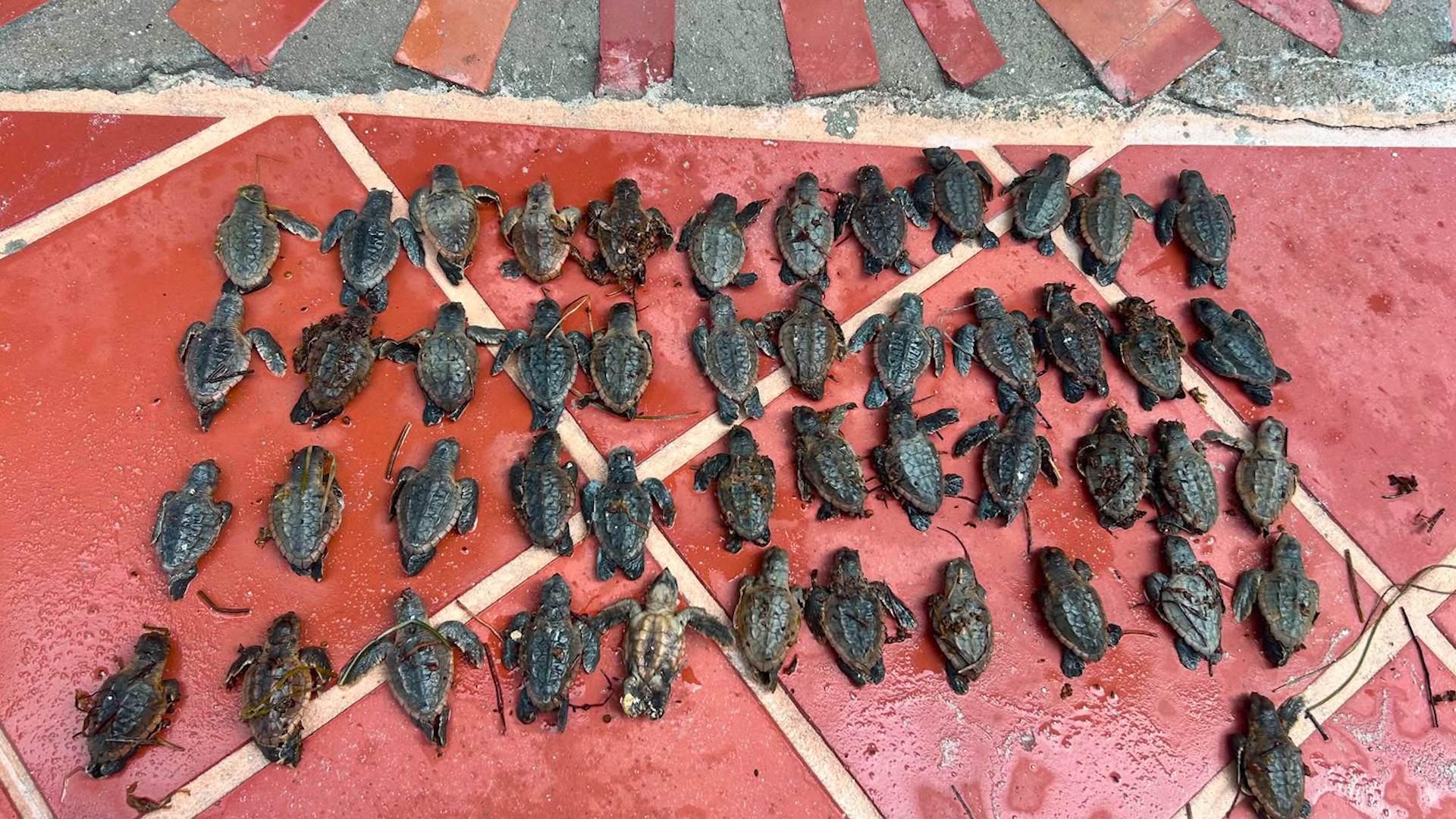
    The grim discovery was made by Joshua Seguro, an employee at the property owned by coastal residents Scott and Maria Sussman. While walking along the sand, Seguro spotted dozens of motionless tiny hatchlings tangled in dense, floating mats of sargassum, a brown seaweed that has increasingly piled up on Caribbean coasts in recent years. All of the hatchlings had died before they could complete their critical first journey from the nesting sand to the open ocean.

    “While on the beach I looked down at my feet and saw a bunch of baby turtles hatchlings. I immediately identified them as loggerheads and I said oh no, these are dead, we have to contact the Fisheries Department,” Seguro explained in an interview with News Five. “From our observation it appeared to be an entire clutch that passed away. We counted up to fifty-two and it could be more. So I am fully convinced it is the sargassum that killed them.”

    Maria Sussman recounted the moment the group surveyed the full extent of the loss, saying: “We all rushed to the beach but they were all dead and we wanted to see what happened, and first we saw very close to the beach about seventeen turtles, then we started walking further on our pier and from both sides of the pier we started seeing more and more dead turtles stuck in the sargassum.”

    For property owner Scott Sussman, the incident is not just a single tragedy—it is a warning of a much larger unreported crisis unfolding across Belize’s unmonitored coastlines and uninhabited islands. “I think it is a tragedy. Like Josh said this is something we happened to find, and a neighbor happened to find another instance a mile down the beach,” Sussman noted. “So, who knows how often this is happening and where. This is just two groups of people who saw this. All these uninhabited islands and everywhere else, it could be hundreds of turtles dying every month during the hatching season.”

    Sussman is pushing for the Belizean government to intervene and implement coordinated measures to manage sargassum accumulations on nesting beaches during critical hatching windows, to prevent further unnecessary deaths of this protected species. Local authorities are urging any beachgoer who encounters dead or distressed loggerhead turtles along the coast to contact the Belize Fisheries Department immediately to report the sighting.

  • Humanity is Polluting Space Faster Than It Can Explore It

    Humanity is Polluting Space Faster Than It Can Explore It

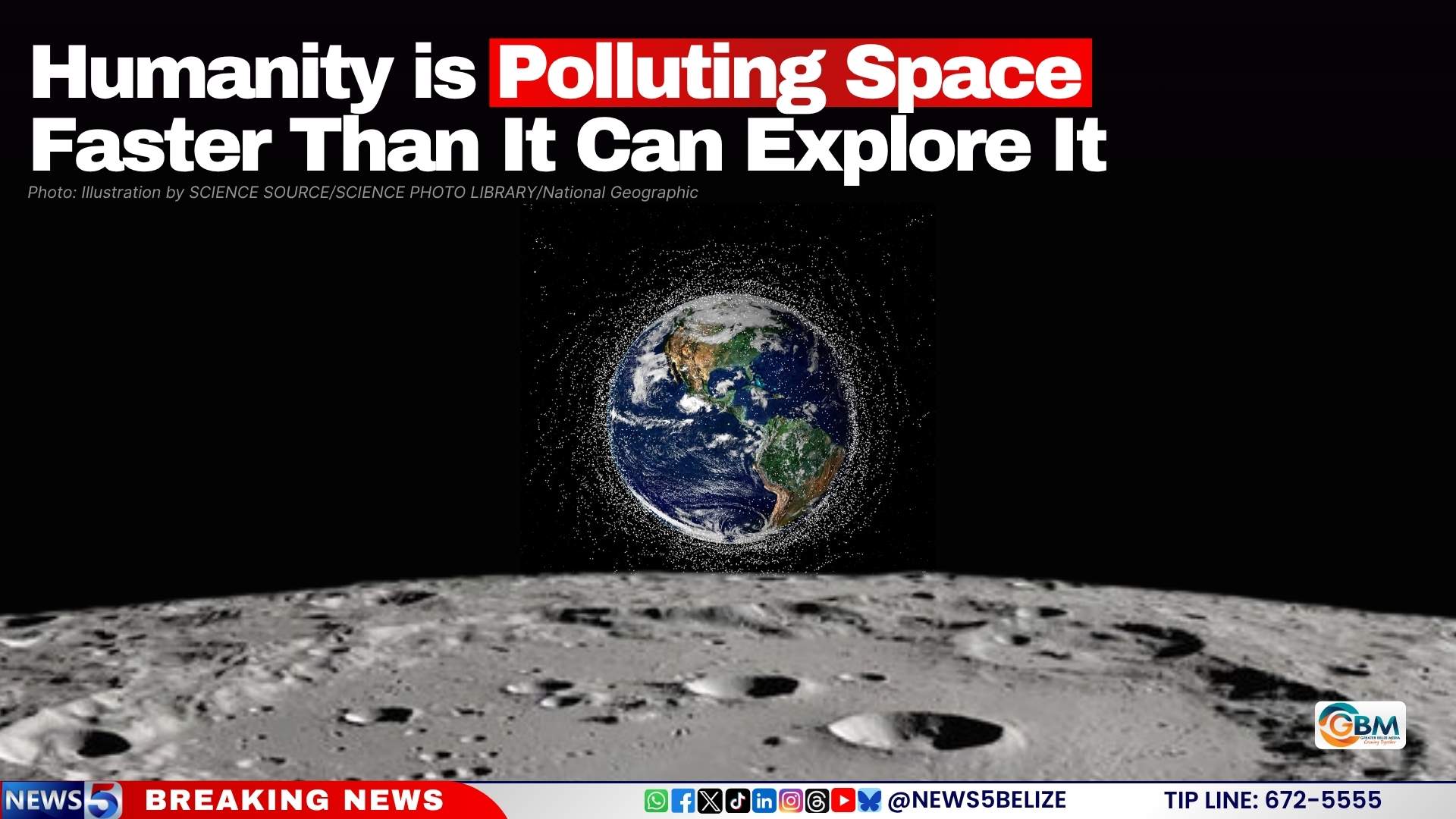
    On July 20, 2026, which marks the annual observance of International Moon Day, the United Nations has issued a stark wake-up call to the global community: human activity is polluting outer space at a rate that far outpaces the expansion of new exploration efforts, leaving a growing, dangerous trail of orbital debris that threatens both space operations and life on Earth.

    According to UN estimates, more than 140 million pieces of debris are currently circling Earth. While the vast majority of these fragments measure larger than 1 millimeter and are too small for existing tracking systems to monitor, they still carry enough velocity and mass to cause catastrophic damage to operational satellites and crewed spacecraft, exacerbating what experts already call an escalating orbital pollution crisis.

    The timing of the UN’s warning is no coincidence: countries and private aerospace entities around the world are ramping up investment and planning for a new wave of lunar exploration over the coming decade. Major spacefaring nations including the United States via NASA, China, India, and Japan have all laid out ambitious lunar mission timelines, with goals ranging from scientific research to establishing permanent surface infrastructure and testing resource extraction capabilities.

    “Decades of rapidly expanding space activity have shown that each launch leaves an environmental footprint, and it can take a long time to understand the impact fully,” explained Jason Jabbour, Senior Officer at the UN Environment Programme. “This is why it is so crucial to consider the sustainability of these programmes early on.”

    The risks posed by orbital debris extend far beyond collisions in low-Earth orbit, the UN notes. Fragments from defunct satellites and spent rocket stages already regularly re-enter Earth’s atmosphere, and some large, heavy components survive the fiery descent to crash into populated or ecologically sensitive land areas. Even when debris burns up completely during re-entry, it releases hazardous heavy metals into the upper atmosphere, a pollutant source that scientists are still working to fully characterize. Currently, researchers are conducting ongoing studies to determine whether this accumulating space pollution could alter atmospheric chemistry and damage the planet’s protective ozone layer, which shields all life from harmful ultraviolet radiation.

    While existing international space treaties include language promoting responsible exploration and debris mitigation, the UN argues that current measures are insufficient to keep pace with the coming boom in lunar and deep space activity. The organization is calling on national governments to strengthen regulations, adopt stricter debris reduction mandates for both public and private space missions, and prioritize long-term environmental protection for both Earth and outer space before the new era of lunar exploration fully launches.

  • Dozens of Baby Sea Turtles Found Dead on Belize Beach

    Dozens of Baby Sea Turtles Found Dead on Belize Beach

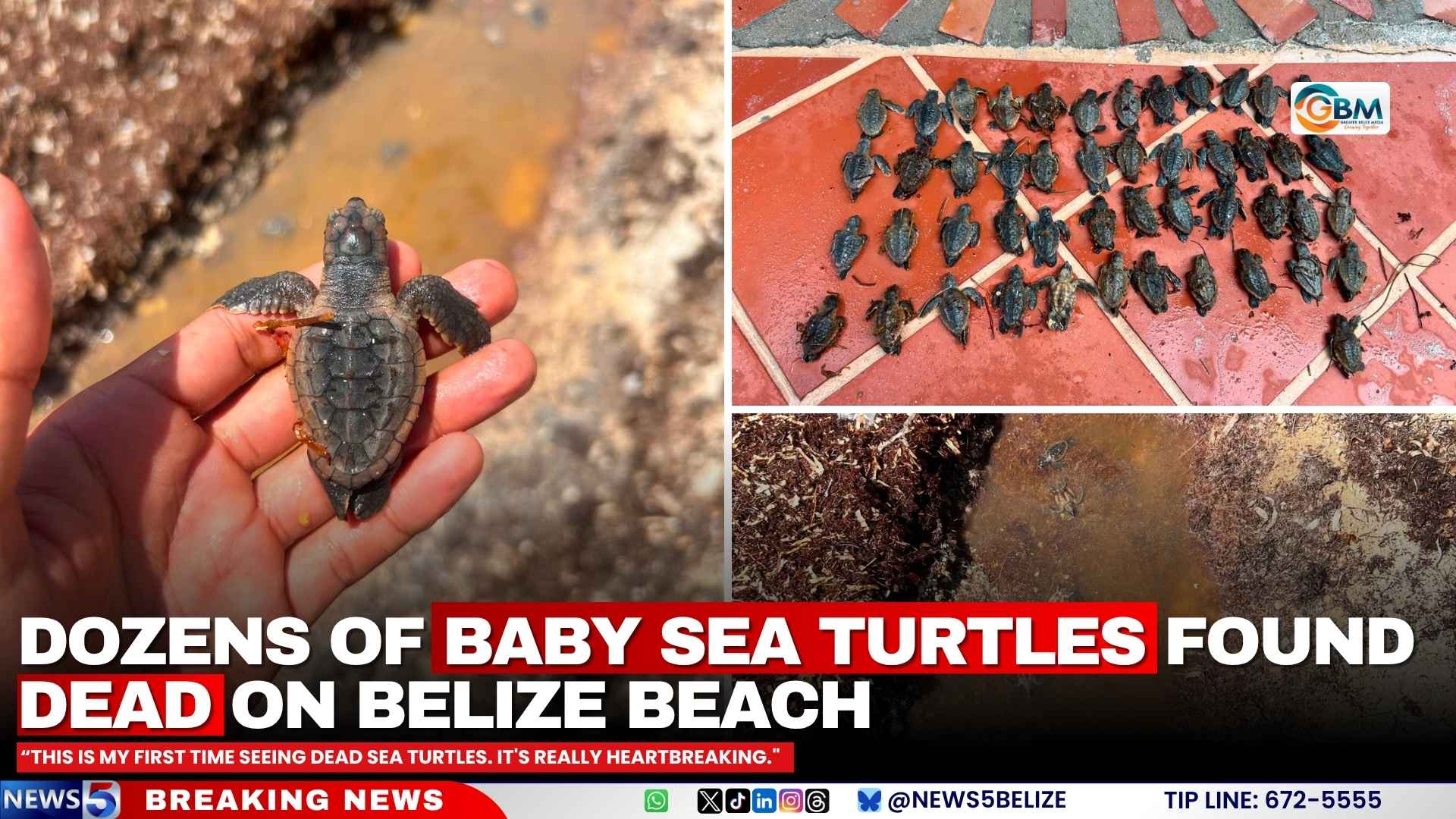
    On a quiet private stretch of shoreline on Belize’s Ambergris Caye, a devastating discovery earlier this month has thrown a harsh spotlight on the escalating sargassum seaweed crisis threatening Caribbean coastal ecosystems. At least 52 dead loggerhead sea turtle hatchlings, all from what appears to be a single complete nest that never reached the ocean, were found trapped in thick mats of rotting seaweed, triggering urgent calls for government intervention to address the growing environmental disaster.

    The grim find was made early one morning by Joshua Seguro, a part-time property worker who has been spending summers on this stretch of coast for more than 15 years. As he made his routine walk along the shore, he immediately recognized the small creatures as loggerheads – a globally threatened species of sea turtle – and realized none were still alive. Following protocol, he first notified the property’s owners before reaching out to the Belize Fisheries Department, which coordinated next steps with the Belize Sea Turtle Network.

    Fisheries officer Alicia Eck guided the local team remotely, instructing them not to disturb the protected wildlife and to conduct a full count to establish the scale of the die-off. By the time the count was completed, the group had documented 52 dead hatchlings, confirming the entire nest had perished before reaching open water. For local observers, the cause of death is unambiguous: the overwhelming blanket of decomposing sargassum that has choked Belize’s shorelines in recent years.

    Property co-owner Maria Sussman recalled that her family initially thought the hatchlings were alive when Seguro first brought the news. Excited to share the experience with their 5-year-old daughter, the whole group rushed to the beach, only to find more and more small bodies tangled in the thick seaweed as they walked along the pier. The team searched for the original nest in the hope of rescuing any remaining unhatched turtles, but could not locate it – it is believed to be buried deep beneath the pier, trapped under layers of accumulated sargassum.

    Seguro, who remembers watching healthy turtle hatchlings make their way to the ocean as a child, says this mass die-off is the starkest marker yet of how dramatically the coastal ecosystem has declined. He notes that successful turtle hatchings have become extremely rare in the area, with his last live sighting of a hatchling roughly a decade ago – that individual was also trapped in sargassum, but was rescued and released successfully. “We’ve never seen anything like this. Especially dead. This is my first time seeing dead sea turtles. It’s really heartbreaking,” he said.

    Crucially, this mass mortality event is not an isolated incident. Seguro says a similar discovery of dead hatchlings was made just 300 feet along the same coastline, raising alarming questions about the true scale of turtle deaths across Belize’s entire 200-plus miles of coast. “Now imagine the entire coastline of Belize. How many turtles are dying every single day?” he asked.

    Property co-owner Scott Sussman has called the deaths an unacknowledged tragedy, warning that uncounted thousands of turtles could be dying every month during hatching season without any formal documentation. He is pushing the Belizean government to take immediate, large-scale action to manage the sargassum crisis, pointing to successful mitigation efforts in neighboring Mexico as a model. Sussman noted that the government recently received $25 million in earmarked funds to address the sargassum problem, arguing that targeted investment in clearing and management would not only protect vulnerable marine species but also preserve Belize’s critical tourism industry.

    Today, Sussman says the sargassum accumulation on his beach is so thick that the shore cannot be traversed without hiring labor to clear a path, and the problem grows worse with every passing month. Beyond turtles, the sargassum bloom is damaging the entire coastal ecosystem: during a recent boat trip just five miles north of the property, Sussman encountered water thick with discoloration and reeking of decomposition, with hundreds of seabirds feeding on dead fish. Long-time residents report that once-common species including porpoises and abundant lobster populations have vanished from the area, replaced by 150 feet of murky brown water choked with rotting seaweed.

    Roberta Schulte, Sussman’s mother-in-law, added that the mass die-off of loggerhead hatchlings raises broader concerns about species preservation and economic risk. “You’re talking about the preservation of a species, and you don’t know what other species are being impacted,” she said. “People come to Belize for the sea, and to see what is being allowed to happen is really disappointing and possibly a deterrent for tourism.” Without urgent government intervention, locals warn, the damage to Belize’s marine ecosystems could become irreversible.
  • Environmental and Agricultural Foundation gets $13,500 grant for eco project

    Environmental and Agricultural Foundation gets $13,500 grant for eco project

    The Caribbean island nation of Saint Lucia has secured critical new funding to advance its national eco-sustainability agenda, after the St. Lucia Environmental and Agricultural Foundation received a targeted grant from the Global Environment Facility’s (GEF) Small Grants Programme this Friday.

    Valued at 13,500 Eastern Caribbean dollars (EC$), the award will fund the initial design phase of a landmark national initiative centered on two interconnected priorities: climate-resilient sustainable agriculture and evidence-based coastal zone management. Over the design period, the funding will cover three core activities: baseline scientific research on current agricultural and coastal ecosystem health, multi-stakeholder consultation workshops bringing together local farmers, conservation groups, and government officials, and technical support to help the foundation develop a scalable, long-term operational business model for the project.

    Once the design phase is completed, the foundation plans to submit a full project proposal to GEF to secure a 45,000 U.S. dollar implementation grant, equivalent to roughly 121,615 Eastern Caribbean dollars. Giles Romulus, national coordinator for the project, framed the initial grant award as far more than a one-off injection of funding — rather, it marks the starting point of a broader national movement toward more responsible resource stewardship across the island. Immediately following the grant announcement, Romulus led an orientation seminar to walk project stakeholders through the requirements and next steps for advancing the initiative.

    “This is the beginning of a long relationship with this group, and we are hoping that because the group works all over Saint Lucia, they will demonstrate how to use resources sustainably and also build the capacity of other groups that have similar missions and visions for Saint Lucia,” Romulus explained in an interview with local outlet St Lucia Times.

    Romulus emphasized that the initiative aligns directly with Saint Lucia’s core national goals for long-term food security, public health, and sustainable land use. As a small island developing state with extremely limited land and natural resources, intentional, rigorous stewardship is not an optional policy goal but an existential necessity, he noted.

    “When you are small, you need to take care of what you have even more consciously and in a more rigorous, focused way,” he said. “Therefore, what they are trying to do is say, ‘Okay, we have limited space, we have limited land, we have limited soil. Let us find a way to use the soil in a sustainable way and to produce produce that has minimum or zero toxic chemicals in it’. This will not, for example, later down the road contribute to cancer cases in Saint Lucia and other morbidity issues. So, this project has both a food security and, in many respects, a nutritional security and health component. But most importantly, it is about taking care of what we have.”

    Cherica Toussaint, president of the St. Lucia Environmental and Agricultural Foundation, welcomed the grant as a transformative opportunity for the organization and the country as a whole, expressing profound gratitude for GEF’s investment in Saint Lucia’s sustainable future.

    “I stand here today with immense gratitude. We are very honoured in receiving these grants, and I hope that it serves as a powerful catalyst for a more sustainable Saint Lucia and a healthier environment,” Toussaint said.

  • Piñero invites nominations for third “Los + Ecoístas” awards promoting sustainable tourism

    Piñero invites nominations for third “Los + Ecoístas” awards promoting sustainable tourism

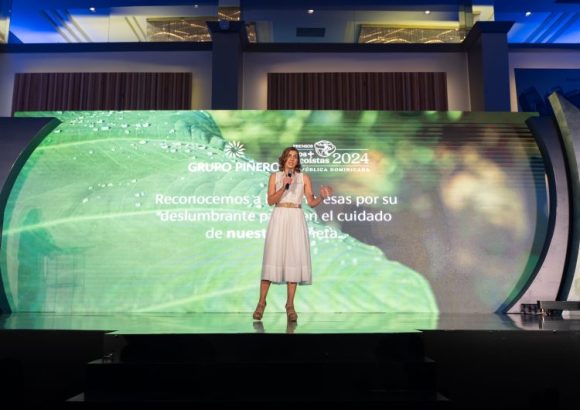
    In a move to amplify global momentum for environmental stewardship in the tourism and private sectors, Dominican hospitality leader Piñero has opened nominations for the third iteration of its prestigious “Los + Ecoístas” awards, a recognition program celebrating entities advancing sustainability across the Caribbean nation. This year marks a notable expansion of the initiative, with new categories adding content creators, independent environmental advocates, and specialized media outlets to the traditional pool of recognized companies, institutions, and industry partners. The awards program sits at the core of Piñero’s global “We Are Ecoístas” campaign, an overarching effort to embed responsible environmental practices across regional industries and cultivate a more ecologically conscious model for tourism development in the Dominican Republic. By opening recognition to communication-focused actors, the company aims to elevate the work of changemakers who use digital platforms, journalism, and public outreach to build widespread public support for climate action and conservation. Eligible nominations cover work across four key environmental focus areas: renewable and efficient energy systems, direct climate action, circular economy innovation, and biodiversity protection. Organizations and individuals interested in consideration have until September 14 to submit their entries, with winners set to be revealed at a dedicated ceremonial event scheduled for the end of 2024. In a unique addition to this year’s program, Piñero has formed collaborative partnerships with the Dominican Republic’s National Center for Handicrafts (Cenadarte) and the national Ministry of Culture to launch a special design competition. Up-and-coming local artisans are invited to compete to create the official award statuettes, an initiative designed to center sustainable craft practices and elevate emerging Dominican creative talent. Since the awards launched, a range of the country’s leading public and private entities have been honored for their environmental work. Past recipients include major national players Grupo Universal, Banco Popular Dominicano, Aerodom, the National Botanical Garden, Cervecería Nacional Dominicana, and electric mobility provider Evergo, all recognized for their measurable contributions to advancing conservation and sustainable development across the country.

  • Tropical Depression Two Expected to Strengthen Into Tropical Storm Today as Gulf Coast Faces Flood Threat

    Tropical Depression Two Expected to Strengthen Into Tropical Storm Today as Gulf Coast Faces Flood Threat

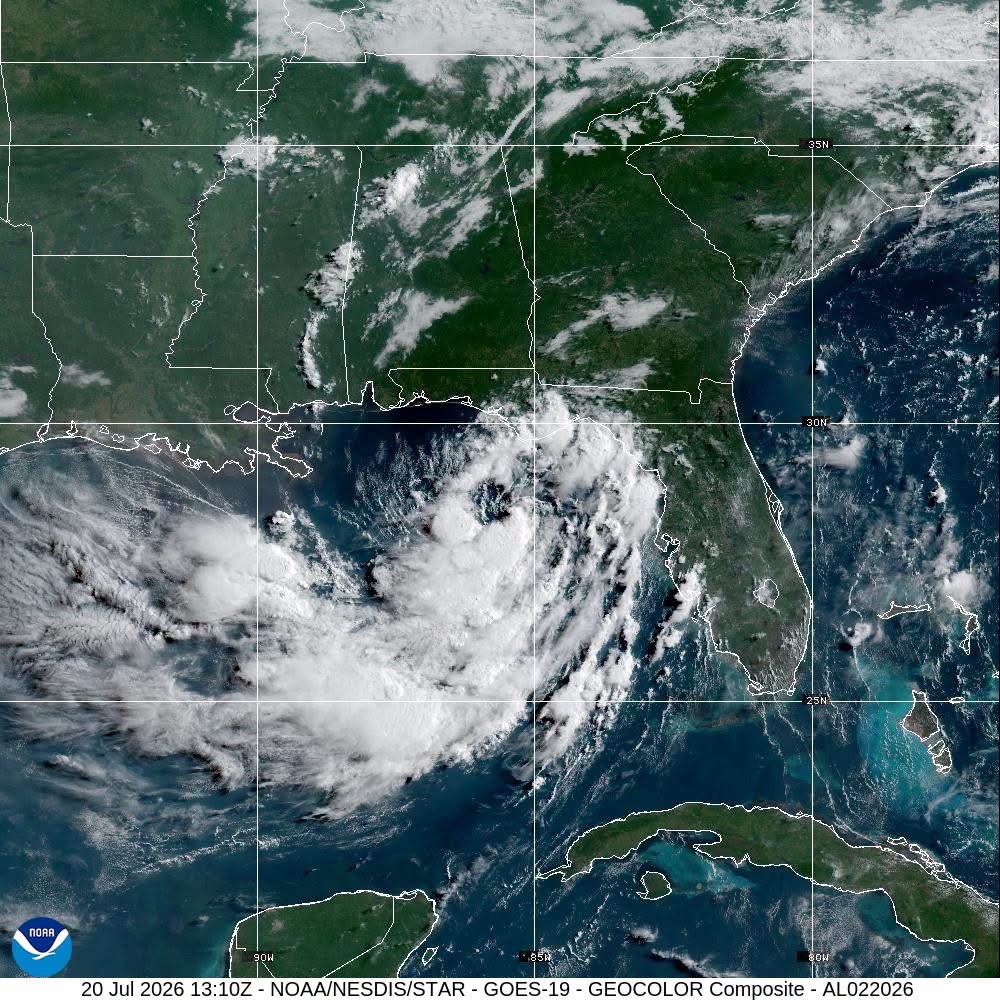
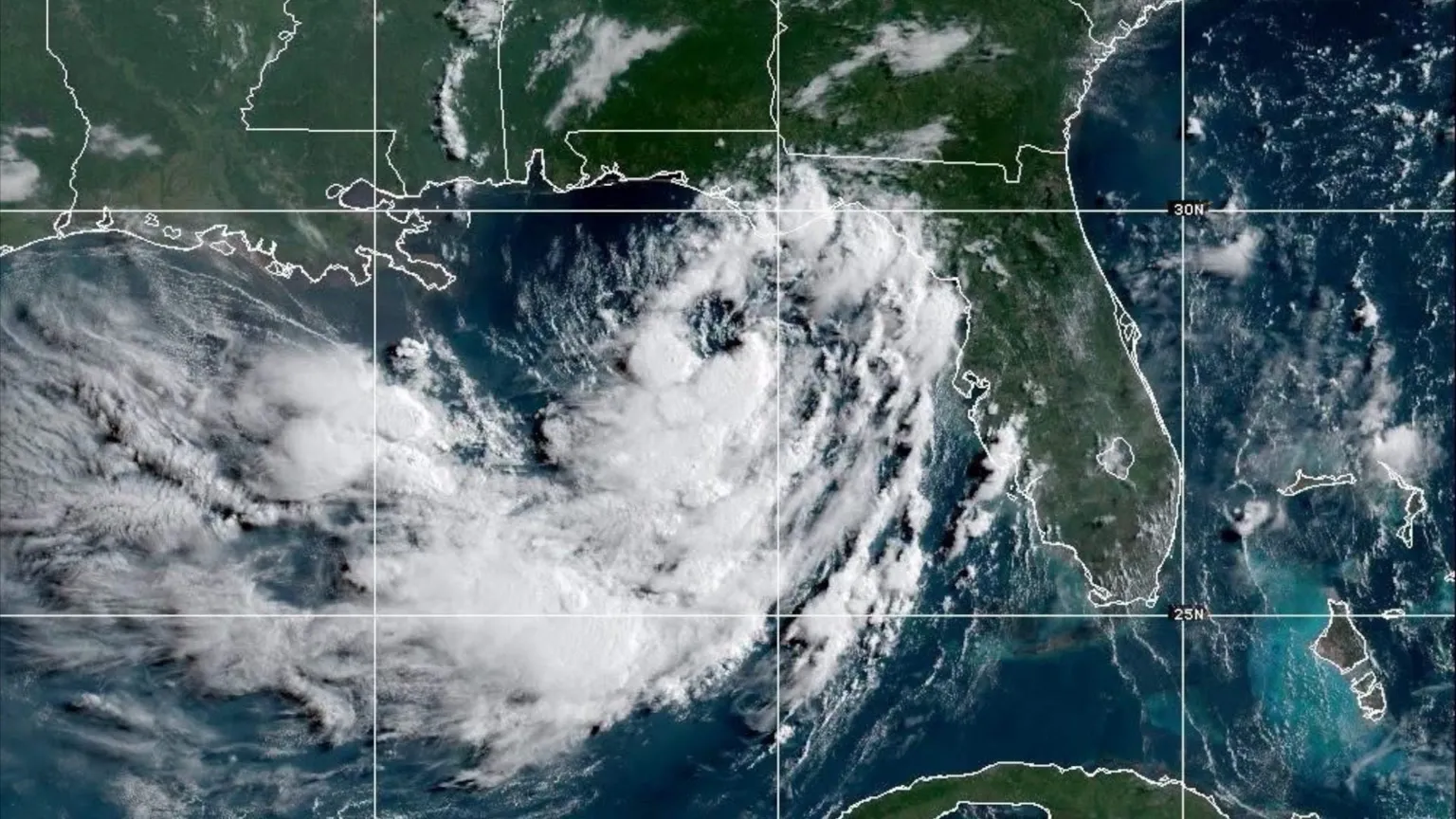
    A nascent tropical weather system churning across the northeastern Gulf of Mexico is on track to intensify into a full tropical storm by the end of Monday, triggering official tropical storm watches and putting communities along sections of the U.S. Gulf Coast on high alert for multiple life-threatening hazards, including damaging floodwaters, dangerous coastal surge, and treacherous ocean conditions.

    As of 7 a.m. Central Daylight Time on Monday, meteorologists placed the center of Tropical Depression Two roughly 210 miles southeast of Mobile, Alabama. The system is currently drifting northwest at a slow pace of just 3 miles per hour, with maximum sustained winds holding at 35 mph, the threshold for tropical depression status. Specialized Air Force Hurricane Hunter aircraft have been deployed to conduct on-site investigations of the storm system, as National Weather Service forecasters maintain continuous monitoring to track any unexpected shifts in its development or trajectory.

    Over the coming three days, forecasters project the system will gain strength gradually as it tracks near or parallel to the northern Gulf Coast. After its current slow northwest movement, weather models predict the depression will make a gradual turn toward the west-northwest before eventually shifting to a direct westward track.

    To prepare residents for potential impacts, tropical storm watches remain active across stretches of the Florida Panhandle, coastal Alabama, and Mississippi. Under current projections, tropical storm-force wind and weather conditions could move into these areas as early as Monday night, persisting through Tuesday.

    Coastal communities face multiple overlapping hazards in the coming days. Storm surge between 1 and 3 feet is possible along sections of Florida’s Gulf Coast, Mobile Bay, and the shared Alabama-Mississippi shoreline. From western Florida across southern Alabama, Mississippi, Louisiana, and stretching all the way to the middle Texas coast, forecasters expect 2 to 4 inches of total rainfall through Friday, with isolated, intense downpours pushing accumulations as high as 6 inches. This heavy precipitation raises a significant risk of flash flooding, forecasters warn, with urban areas particularly vulnerable due to paved, impermeable surfaces that drain slowly.

    Additionally, ocean swells generated by the developing depression have already begun impacting parts of Florida’s Gulf Coast, and these swells are expected to spread westward over the coming days. The system will create life-threatening rough surf conditions and strong rip currents along shorelines, putting recreational beachgoers and swimmers at high risk of drowning.

  • Tropical Depression Two forms over Gulf, heavy rains may impact Florida

    Tropical Depression Two forms over Gulf, heavy rains may impact Florida

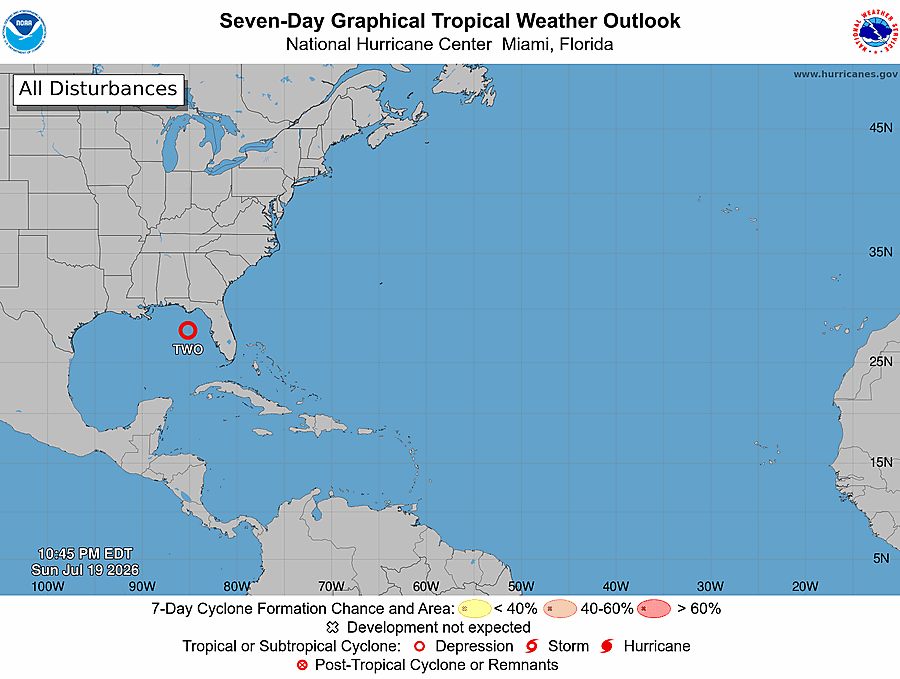
    Overnight on July 19, a low-pressure system known as Invest 91L that had been lingering in the Gulf of Mexico off Florida’s coastline strengthened into the first tropical depression of the 2026 Atlantic hurricane season’s early cycle, officially designated Tropical Depression Two, according to updated forecasts from the U.S. National Hurricane Center (NHC).

    As of 8 p.m. Eastern Time on Sunday, the storm’s center was positioned roughly 180 miles south-southeast of Panama City, Florida, at coordinates 27.5 degrees North latitude and 85.0 degrees West longitude. Right now, the system is stationary, but forecasters project it will begin a slow drift toward the northwest or north-northwest over the next 48 hours, before shifting westward and tracking near or along the northern Gulf Coast over the coming several days.

    Currently, the cyclone carries maximum sustained winds of 30 mph with higher gusts, and a minimal central barometric pressure of 1008 mb. Meteorologists say unfavorable atmospheric conditions, including dry Saharan dust and strong upper-level wind shear, will prevent the system from strengthening into a hurricane, but gradual intensification is still expected. The NHC’s latest official advisory projects Tropical Depression Two will strengthen to reach tropical storm status on Monday. If it reaches that threshold, it will be named Bertha, the second named storm of the 2026 Atlantic hurricane season.

    In response to the developing system, officials have issued a Tropical Storm Watch for the Florida coastline from the Ochlockonee River eastward to the Alabama border. The NHC warned that tropical storm-force conditions could reach parts of the Florida Panhandle by late Monday, and urged residents and emergency managers across Alabama, Mississippi, Louisiana, and Texas to closely monitor updates, as additional watches could be issued for parts of those states in the next 24 to 48 hours.

    While wind impacts are expected to be minor, meteorologists emphasize that heavy rainfall and resulting flash flooding will be the primary hazard posed by the system. Forecasts call for total rainfall accumulation of 2 to 4 inches across the Gulf Coast and adjacent inland areas from western Florida to the Middle Texas Coast through Friday, with isolated locations seeing as much as 8 inches of rain.

    AccuWeather meteorologist Alex Duffus noted that the flooding threat remains high even if the system does not fully organize into a tropical storm. “Flash flooding from slow-moving or repeated downpours looks to be the biggest threat from this tropical rainstorm, regardless of its official strength,” Duffus explained.

    Notably, the incoming rain brings a mixed picture for the Florida Panhandle, which has been struggling with an extended drought. Meteorologist DaSilva explained that while the precipitation will be beneficial for drought-stricken areas, the prolonged dry conditions actually increase flood risk. “Dry, hard-packed soil cannot absorb water quickly when it hits, so more water will run off the surface instead of soaking in, raising the chance of flash flooding even with moderate rainfall totals,” DaSilva said.

    Local emergency management agencies across the region are urging residents to prepare emergency supply kits, clear storm drains of debris, and monitor official forecast updates closely over the coming days as the system evolves.

  • Official launch of the binational project «Blue Hispaniola»

    Official launch of the binational project «Blue Hispaniola»

    Last week marked a landmark step in cross-border environmental cooperation between Haiti and the Dominican Republic, as the Pan American Development Foundation (PADF) formally launched the three-year binational initiative *Blue Hispaniola*. The official launch ceremony, hosted at the CODEVI free zone in the Haitian border town of Ouanaminthe, drew a broad coalition of stakeholders spanning both nations, including government representatives, senior PADF officials, delegates from the British government, local political leaders, private sector actors, academic experts, artisanal fishing association representatives, civil society partners, community organizers, and prominent Haitian and Dominican figures focused on marine conservation.

    Funded entirely through a $4 million UK International Development grant via the Ocean Community Empowerment and Nature (OCEAN) program, the initiative is set to run through March 2029, with work concentrated on the ecologically critical shared north coast of Hispaniola. Designed to address the interconnected challenges of overexploited marine resources and vulnerable coastal livelihoods across the island, the project’s core goals are threefold: advance science-backed sustainable management of shared marine assets, bolster economic stability for communities that rely on coastal and ocean resources, and deepen long-term collaborative ties between the neighboring countries around the blue economy.

    A key strength of *Blue Hispaniola* lies in its cross-border, locally led approach: the project has partnered with six community-focused organizations from both countries to build out a transboundary blue economy corridor. This corridor will support sustainable fishing practices, protect threatened coastal habitats, expand market access for small-scale producers, and scale inclusive income-generating activities that benefit local communities rather than external actors.

    Four Haitian organizations anchor the project’s work on the Haitian side: Haiti Efficace, the Essence-Elle Foundation, the Peasant Movement for the Development of Paulette, and the Revolted Feminist Group of Haiti. On the Dominican side, the work is led by two respected civil society groups: the NGO AgroFrontera and Fundación Reddom. Together, the partner organizations will deliver targeted capacity-building for local fishing associations, hands-on conservation training for coastal communities, improved connections to fair local and regional markets, and targeted support to amplify women’s leadership across the entire fisheries value chain.

    The initiative targets tangible, measurable impact across the island: it is projected to directly support more than 8,350 coastal residents, with at least 50 percent of those beneficiaries being women. It will also improve sustainable management practices across 92,250 hectares of vulnerable marine and coastal ecosystems, a region that supports critical biodiversity and sustains tens of thousands of livelihoods. Project leaders have stated that the initiative is designed to serve as a replicable regional model for cross-border blue economy cooperation, centered on the principles of local governance, sustainable natural resource stewardship, and inclusive economic development that lifts up marginalized coastal communities.

    Speaking at the launch, PADF Executive Director Katie Taylor framed the project as a proof of concept for balancing conservation and economic progress. “Blue Hispaniola aims to transform shared waters into shared opportunities,” Taylor said. “When two countries share the same coastline, the wisest investment is one that benefits the communities that depend on it. This project demonstrates that ocean protection and economic development can go hand in hand.”

    For Haiti’s Ministry of the Environment, the launch of the initiative reaffirms the government’s commitment to positioning regional cooperation as a core lever for advancing marine biodiversity protection, growing the blue economy, and boosting climate and economic resilience for coastal communities. The ministry issued a call for all relevant stakeholders to join the effort to sustainably protect the shared marine heritage of Hispaniola, emphasizing that collective action today is critical to securing benefits for both current and future generations across the island.