分类: environment

  • Saint Lucia gets access to support for resilient infrastructure

    Saint Lucia gets access to support for resilient infrastructure

    Four Eastern Caribbean nations, including Saint Lucia, are now the first beneficiaries of a newly launched regional initiative that delivers specialized technical support to help governments cut through implementation bottlenecks and complete climate-resilient infrastructure projects.

    The Caribbean Resilient Infrastructure Implementation and Skills Exchange (RIISE) Facility, which began operations following its official launch on September 14 during a side event at the Caribbean Infrastructure Forum in Miami, targets the persistent delays that often derail critical infrastructure projects across the region. Joining Saint Lucia as initial participating countries are Dominica, Grenada, and Saint Vincent and the Grenadines.

    For Saint Lucia, eligible projects span a wide range of climate-critical sectors, from water access, sanitation, and coastal protection to transportation, renewable energy, public buildings, disaster recovery, healthcare, education, and affordable housing. The support RIISE offers covers nearly every stage of project delivery, including project management, procurement and contract administration, engineering and technical reviews, and financial oversight. It also brings specialized expertise in climate resilience planning, environmental and social risk mitigation, gender equality and social inclusion, cross-stakeholder engagement, public communications, progress monitoring and reporting, and proactive risk management.

    Participating governments have two flexible pathways to access support: short-term targeted technical advice to resolve specific, immediate challenges, or temporary on-site deployment of specialists to boost the capacity of local project teams. Ministries and public institutions in the four member countries can submit assistance requests through their appointed National Focal Points via an online portal, where they are required to outline project details, the specific implementation challenge they face, and the desired outcome. After submission, the RIISE Secretariat evaluates each request and collaborates with the requesting institution to define the exact scope of support and match it with the appropriate technical expertise.

    The initiative is funded by the Government of Canada and hosted by the United Nations Office for Project Services (UNOPS), with its secretariat based in Barbados. It is governed by the participating Caribbean countries, with independent technical guidance provided by a panel of regional and global experts.

    Brenda Wills, Canadian High Commissioner to Barbados and the Eastern Caribbean, emphasized that climate-resilient infrastructure forms the backbone of long-term economic development, effective climate adaptation, and improved quality of life for Caribbean communities. “Canada is pleased to support RIISE as a regionally led facility that will help governments access the expertise and support needed to deliver priority infrastructure investments,” she stated.

    Giuseppe Mancinelli, UNOPS Caribbean Director, echoed this sentiment, noting that the organization’s core role is to fill gaps in government capacity and deliver hands-on implementation support. “Governments across the region have set a bold vision for more resilient infrastructure; our role is to help turn that ambition into results by providing national institutions with the additional capacity, expertise and implementation support they need to deliver for their people,” he explained.

    Beyond addressing immediate implementation hurdles, RIISE has a longer-term goal of building and retaining local technical expertise across the Caribbean. Over time, the facility plans to facilitate knowledge exchange between regional specialists and public sector teams, allowing countries to share lessons learned and best practices for resilient infrastructure delivery. While the initiative currently focuses on four Eastern Caribbean nations, its framework is designed to support expansion to additional Caribbean countries as new needs emerge and additional funding and partnerships are secured.

  • Grenada hosts first-ever capacity-building session

    Grenada hosts first-ever capacity-building session

    Grenada has etched its name into the history of regional climate action, becoming the first member of the Organisation of Eastern Caribbean States (OECS) to host a specialized capacity-building initiative under the bloc’s landmark Climate Finance Action Platform (CFAP). The event marks a watershed moment for collective regional efforts to expand access to climate, nature and sustainable finance, turning national and regional climate commitments into investment-ready projects that boost community resilience, advance low-carbon development and deliver tangible economic and social benefits across all OECS member states.

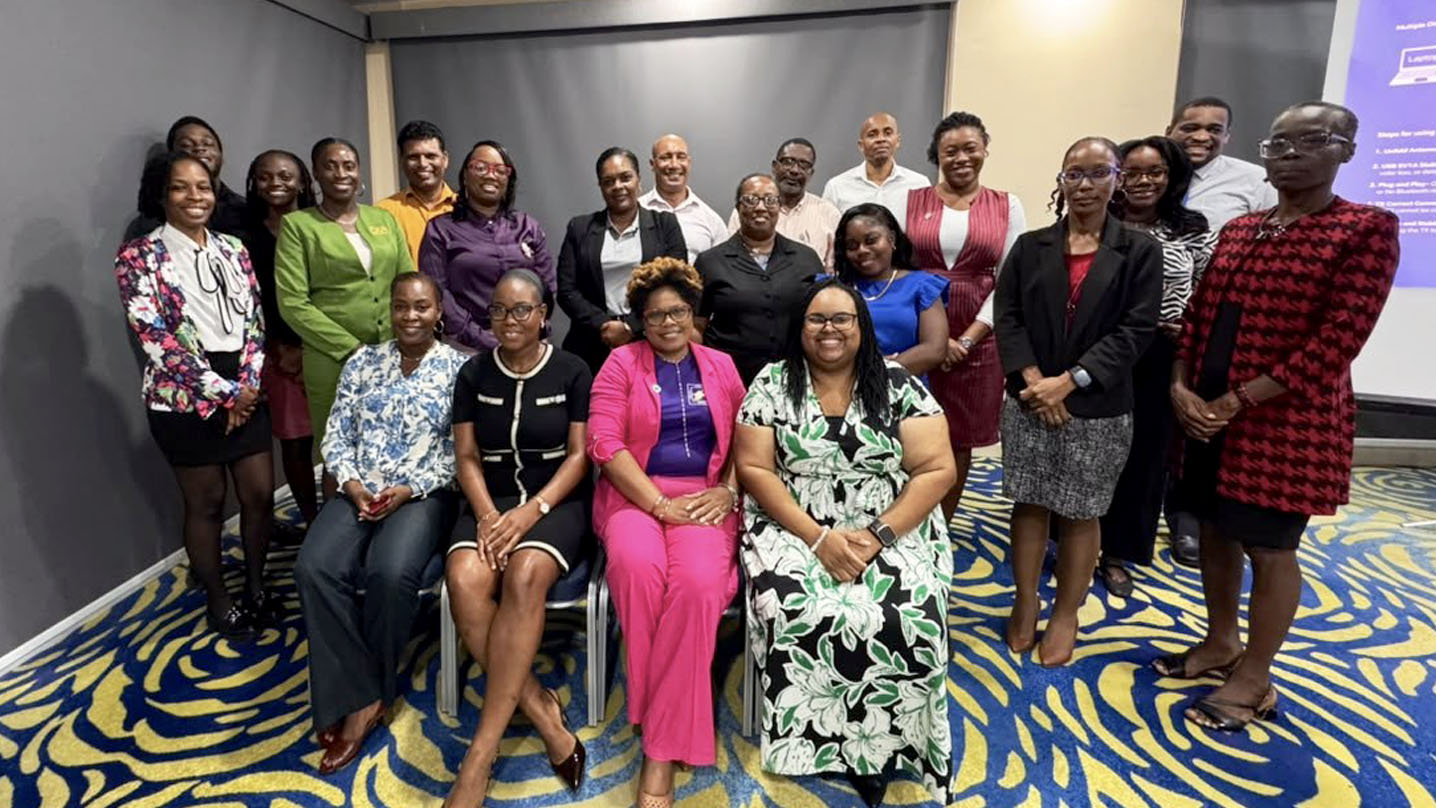
    Titled *Strengthening Grenada’s Capacity to Access, Mobilise and Deploy Climate Finance*, the full-day session was held on September 10, 2026 at the Radisson Grenada Beach Resort. It drew cross-sectoral participation from senior representatives of key government ministries and agencies, including members of Grenada’s national Climate Change Sectoral Focal Point Network, as well as specialists focused on climate action, public finance, economic planning, public investment and project delivery.

    This tailored training forms a core component of a broader CFAP country mission to Grenada, delivered by the OECS Commission with generous financial backing from the European Union through the EUROCLIMA Programme and its Technical Assistance Facility. The EU’s funding has enabled the OECS Commission to launch and operationalize the CFAP, which provides targeted technical support and skills-building to member states looking to strengthen climate finance coordination, improve project preparation, boost investment readiness and scale up resource mobilization.

    Speaking at the opening of the session, Titus Antoine, Director of Climate Resilience at Grenada’s Ministry of Climate Resilience, the Environment and Renewable Energy, underscored the urgent need for sustained investment in national capacity to unlock much-needed climate funding. “Strengthening our climate finance capacity is non-negotiable if Grenada is to turn our climate and development priorities into tangible action,” Antoine explained. “This session has deepened our collective understanding of how the global climate finance landscape is evolving, the full range of financing opportunities and instruments now available, and what it takes to develop robust, investment-ready projects. Building this expertise and capacity across government will put Grenada in a far stronger position to mobilize the funding we need to deliver on our climate goals and build a more resilient, sustainable future for all Grenadians.”

    The training curriculum was designed to give participants hands-on insight into the changing global climate finance ecosystem, existing funding sources and instruments, and the unique opportunities available to small island developing states (SIDS) like Grenada. A central focus of the session was strengthening the country’s ability to turn broad climate priorities into thoroughly prepared, investment-ready projects that can be matched to the most appropriate funding sources. Participants also engaged in reflective discussions about Grenada’s past experience accessing climate finance, key lessons learned from previous projects, and opportunities to strengthen implementation, impact tracking and future investment pipeline development.

    Dr. Sherry Constantine, a senior climate finance expert leading the technical assistance through EUROCLIMA, emphasized the critical importance of strengthening every stage of the process from priority-setting to funding access. “Accessing climate finance is far more than just identifying a fund and submitting an application,” Dr. Constantine noted. “We have to start with our core climate and development priorities, translate those priorities into well-designed investment projects, prepare those projects to meet the rigorous standards that financiers require, and then match them to the funding sources and instruments that fit best. The CFAP exists specifically to help OECS member states strengthen this entire end-to-end pathway from priority to investment.”

    The session also introduced participants to the full suite of support services that CFAP will offer to all OECS member states, including a dedicated Project Preparation Facility, a regional Knowledge Hub, ongoing targeted capacity-building initiatives, comprehensive financing-source mapping, climate finance matchmaking between project developers and funders, and investment mobilization support. These services have been intentionally designed to address longstanding barriers that have held back climate action across OECS member states, including fragmented institutional coordination, low overall climate finance readiness, underdeveloped project pipelines, prohibitive project preparation costs, limited private sector engagement, and persistent challenges matching viable investment opportunities with appropriate funding sources.

    Shanna Emmanuel, a representative of the OECS Commission leading the CFAP initiative, highlighted the platform’s member-driven governance model. “The CFAP is being developed as a platform owned and led by OECS member states themselves,” Emmanuel explained. “These in-country engagements are absolutely essential to making sure the support we deliver is practical, targeted and responsive to national priorities. Grenada’s trailblazing experience here, and the rich discussions that emerged from this first capacity-building session, will help shape how the platform supports all member states moving forward.”

    The Grenada mission is part of a broader rollout of CFAP engagement across all OECS member states, designed to ensure the platform addresses the unique national climate finance priorities and capacity needs of each country. Key takeaways and insights from the Grenada session will be used to develop a customized CFAP Country Support Package for Grenada, covering ongoing capacity building, targeted project preparation support and investment mobilization assistance. As the first country-level capacity-building session held under the CFAP initiative, the Grenada engagement marks a critical milestone in helping OECS member states turn ambitious climate priorities into fully financed, investment-ready projects that deliver on the ground.

  • Lakeyia Joseph calls for greater regional cooperation as US$12.55 million fisheries resilience project gets underway

    Lakeyia Joseph calls for greater regional cooperation as US$12.55 million fisheries resilience project gets underway

    As climate change continues to intensify threats to marine ecosystems and fisheries across the Eastern Caribbean, a senior Dominican agriculture official has issued a urgent call for coordinated cross-border action to protect the region’s critical fishing sector. Parliamentary Secretary Lakeyia Joseph, who serves in Dominica’s Ministry of Agriculture, Fisheries and Blue and Green Economy, made the appeal during the September 15, 2026 official inception meeting for the Climate Change Resilience in the Caribbean Fisheries Sector Project, widely known as CC4FISH-II, hosted in Dominica.

    Backed by $12.55 million in funding from the Global Environment Facility (GEF), CC4FISH-II represents the second phase of a regional initiative designed to help Caribbean fishing communities build long-term adaptive capacity to climate-driven disruptions. Joseph emphasized during her opening remarks that the interconnected nature of climate challenges facing the regional fisheries industry makes isolated national action ineffective. “No single country can address these climate change challenges alone,” Joseph noted, framing the new project as a landmark opportunity to strengthen collaborative frameworks across Eastern Caribbean nations.

    She went on to stress that intentional regional partnerships are foundational to supporting all fisheries stakeholders as they navigate shifting marine conditions, and to safeguarding the millions of livelihoods that rely on a healthy, productive fishing sector across the Caribbean. A core priority of the effort, Joseph added, must be equipping frontline fishing workers with the tangible resources they need to adapt to a changing climate. “We must ensure our fisherfolk, fisheries officers and other stakeholders have access to knowledge, tools, technology and training necessary to operate sustainably in an increasingly challenging climate,” she said.

    Joseph’s call for action comes at a moment of growing crisis for Caribbean fisheries. The sector is already grappling with overlapping threats: declining wild fish stocks, irreversible damage to critical marine habitats such as coral reefs and seagrass beds, and accelerating biodiversity loss. These threats do not only harm marine ecosystems — they put regional food security, tens of thousands of jobs, and broader economic development across small island Caribbean states at severe risk.

    CC4FISH-II is being carried out by the Caribbean Community Climate Change Centre (CCCCC) in formal partnership with the Food and Agriculture Organization of the United Nations (FAO), alongside a network of national and regional implementing partners across the region. The initiative builds on the lessons and progress of the first phase of the program, the original CC4FISH, which ran from 2017 to 2022 and laid the groundwork for expanded climate action in the sector.

    Unlike the first phase, CC4FISH-II will extend its reach to benefit more than 21,800 people across five participating nations: Dominica, Grenada, Saint Kitts and Nevis, Saint Vincent and the Grenadines, and Trinidad and Tobago. The project will run through 2030, engaging a full spectrum of industry stakeholders including small-scale fisherfolk, boat owners, fish processors, market vendors, cross-border traders, and entire coastal communities. A key equity-focused priority of the initiative is strengthening livelihood resilience and expanding economic opportunities for women and young people, groups that are disproportionately represented in frontline fishing work but often face barriers to resources and decision-making power.

  • Forse boetes voor dumpen afval en verwaarlozen percelen

    Forse boetes voor dumpen afval en verwaarlozen percelen

    PARAMARIBO – Suriname’s top law enforcement official has formally enacted a new schedule of fixed fines for common environmental violations, aiming to crack down on unsustainable practices that damage public spaces and community health.

    Starting immediately, anyone caught dumping waste illegally or failing to maintain their private land faces penalties ranging from 1,000 to 10,000 Surinamese dollars (SRD), according to the official order signed by Prosecutor General Garcia Paragsingh on September 15. The new fine schedule codifies penalties for violations already listed in the Police Penal Code and the Code of Criminal Law, bringing clarity and consistent enforcement to environmental regulation.

    Penalty amounts are scaled based on the severity of each offense. For illegal dumping, the fine increases with the volume of waste found on site, while fines for unmaintained private land are tied to the size of the plot, both falling within the 1,000 to 10,000 SRD bracket. A flat 1,000 SRD fine applies to two separate offenses: failing to maintain the roadside verge adjacent to a private property, and burning household or garden waste. A higher fixed fine of 3,500 SRD is set for leaving abandoned vehicles, scrapped vehicle parts, or other obstructions on public road verges.

    With the official signing of the fine schedule, all penalty amounts are now formally enforceable. The Public Prosecution Service of Suriname has issued a public call for all residents to abide by the new regulations, emphasizing that collective compliance is critical to building a clean, healthy, and safe living environment for all communities. The full text of the approved fine schedule is available for public review on the Public Prosecution Service’s official website.

  • Government Targets 120 Megawatts of Solar Power

    Government Targets 120 Megawatts of Solar Power

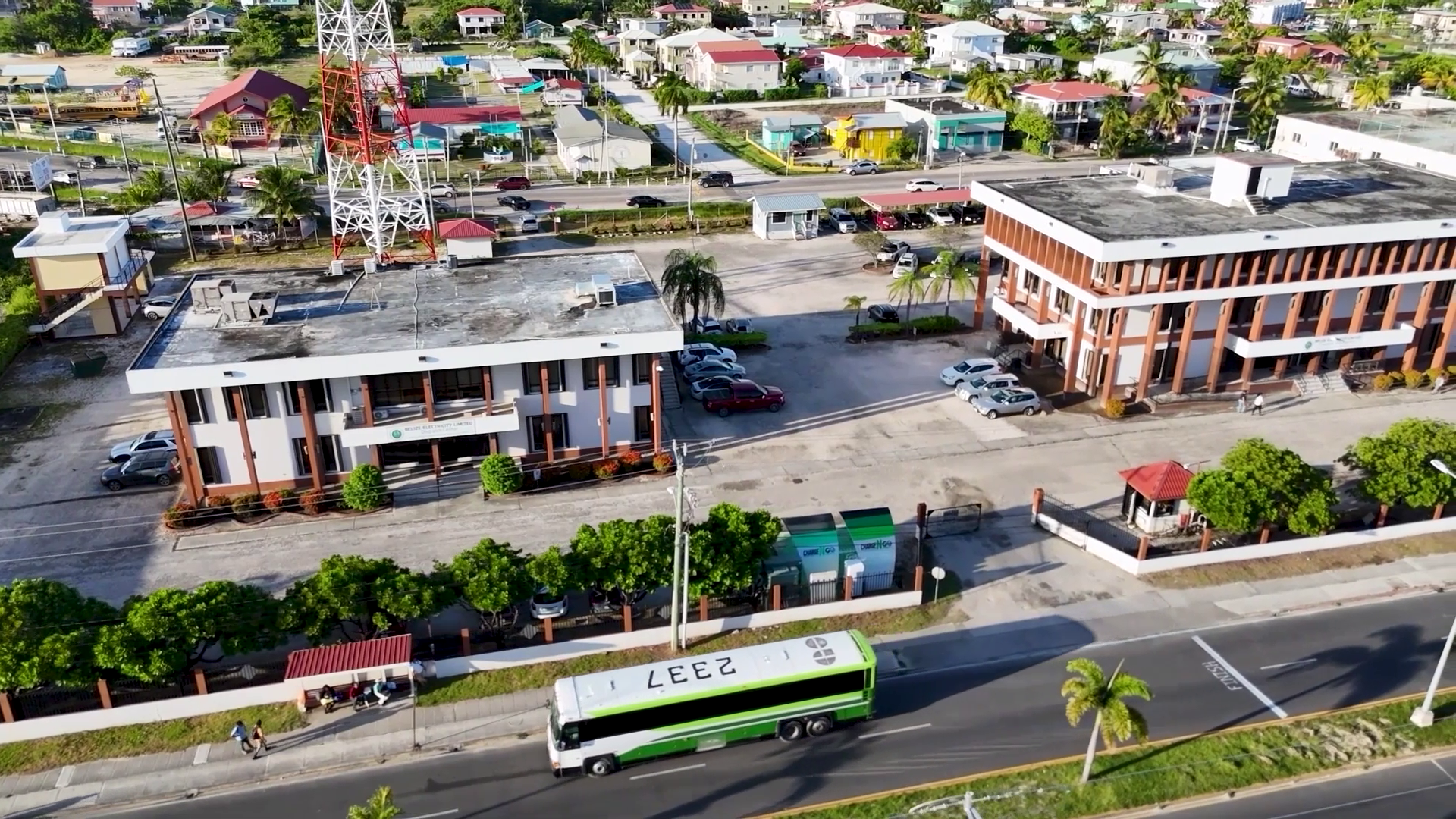
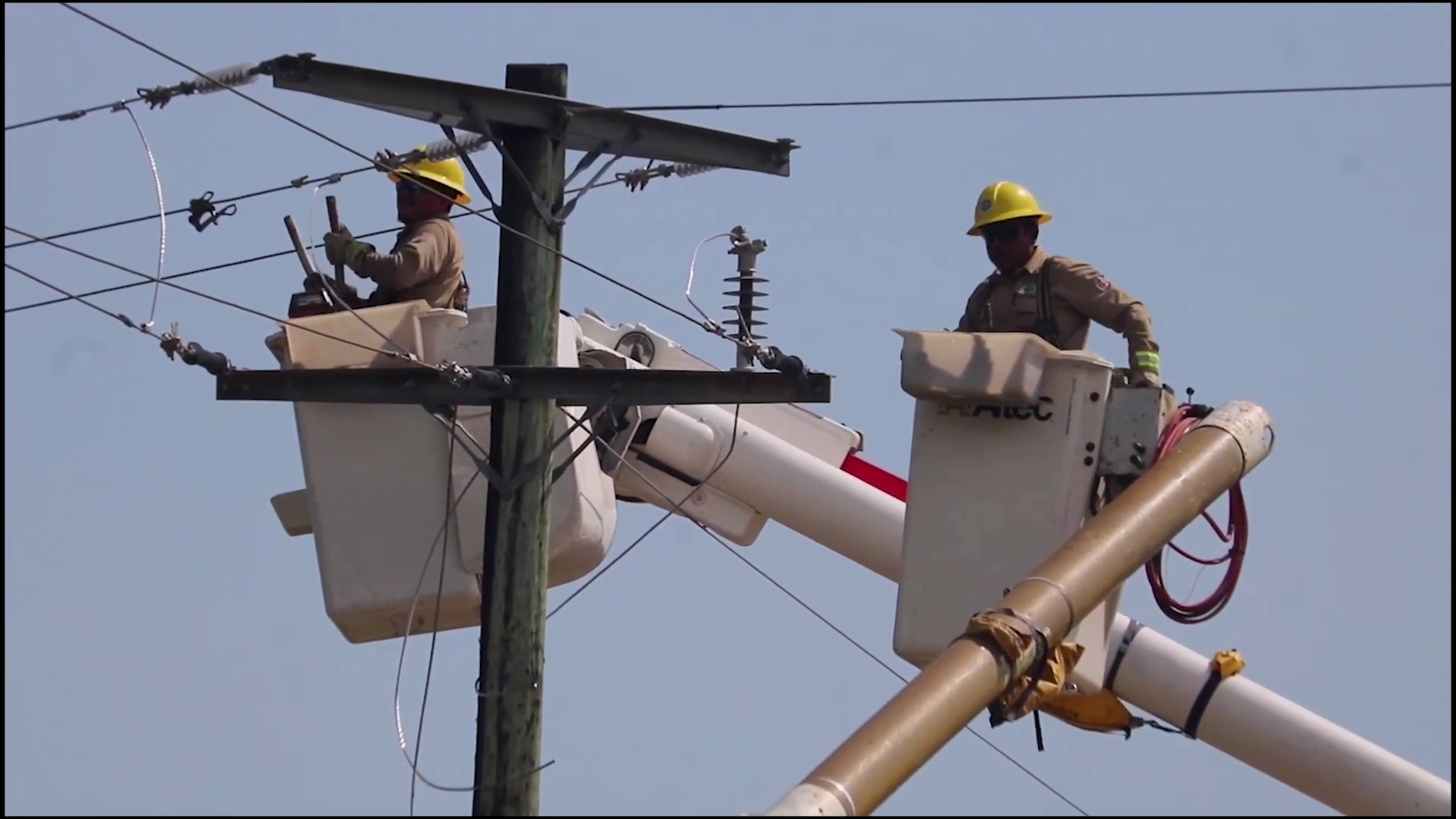
    Against a backdrop of persistent energy insecurity and skyrocketing consumer electricity costs, the government of Belize has laid out an ambitious medium-term strategy to overhaul the nation’s energy sector, anchored by a target to add 120 megawatts of new solar power capacity to the national grid. For years, Belize has depended heavily on costly diesel-powered generation to cover gaps in its regular power supply, leaving the country vulnerable to price volatility and supply disruptions that have squeezed both household budgets and economic growth. The declaration of a national energy emergency has cleared the way for Belize Electricity Limited (BEL), the country’s main power provider, to accelerate domestic energy expansion and shore up long-term energy security, Prime Minister John Briceño announced in a recent address.

    Briceño emphasized that energy security has emerged as the most pressing priority for his administration, describing the rolling blackouts (load shedding) that Belize has faced in recent months as an unacceptable outdated problem that demands urgent action. Working in close coordination with BEL’s technical team, the government has outlined both immediate short-term relief and long-term structural reform to resolve the crisis. In addition to the 120MW solar expansion target that will cut reliance on expensive imported fossil fuels, the plan also eliminates the need to purchase costly power from Mexico’s state-owned utility Comisión Federal de Electricidad (CFE) during periods of price spikes, laying the groundwork for a more resilient electricity system that can support sustained economic growth.

    To address immediate supply gaps, the government has rolled out a temporary six-month solution: a partnership with MV Power Solutions, a Belgium-based energy firm, to deploy 20 megawatts of mobile diesel generation capacity. This temporary fix has already proven its value, Briceño noted, when CFE completely cut off power supplies to Belize recently, yet no rolling blackouts were required thanks to the pre-deployed backup capacity. The mobile generation units will drastically reduce the risk of outages whenever cross-border power supplies from Mexico are interrupted or unavailable, he added.

    While the short-term measures have stabilized supply, consumers across Belize are already grappling with sharply higher electricity bills, a burden that has sparked widespread public frustration. Briceño acknowledged the flood of consumer complaints about rising energy costs, pointing to extreme heat driven by repeated regional heat waves as a key contributing factor. Higher temperatures mean households rely more heavily on air conditioning for cooling, increasing overall energy consumption directly. Beyond that, Briceño explained, trapped heat in homes forces everyday appliances from refrigerators to idle electronics to work harder to maintain operating temperatures, adding even more to total energy use even when some devices are not in active use. The prime minister’s remarks come as the government works to balance immediate consumer relief with long-term transition to cheaper, more reliable renewable energy, with the large-scale solar expansion positioned as the core solution to both high costs and supply insecurity.

  • MCC Funding Targets Belize’s Energy Crisis

    MCC Funding Targets Belize’s Energy Crisis

    Scheduled for a formal launch this Friday, Belize’s long-awaited energy transformation is moving from promise to tangible action, thanks to a secured $125 million grant agreement between the Belizean government and the United States government via the Millennium Challenge Corporation (MCC).

    For years, Belize has grappled with persistent energy insecurity, marked by widespread rolling blackouts and mandatory load shedding that have disrupted daily life and economic activity. While multiple large-scale investment pledges from global institutions and international partners — including an 80-megawatt solar project from the International Finance Corporation, a 40-megawatt development from the World Bank, and a combined 40-megawatt solar and 20-megawatt battery storage initiative from Saudi Arabia — remain in preliminary planning stages, Belize’s Ministry of Public Utilities confirms the MCC funding is fully secured and ready for immediate implementation.

    Of the total $125 million Belize Compact grant, more than $40 million is allocated directly to addressing the country’s most pressing energy challenges. Dr. Leroy Almendarez, CEO of the Ministry of Public Utilities, explained that the initiative takes a holistic approach to rebuilding Belize’s energy ecosystem, rather than focusing solely on new generation capacity.

    A common misconception, Almendarez noted, is that Belize’s abundant sunlight is a ready-made solution to its energy shortages. In reality, tapping into that renewable potential requires updated infrastructure, strengthened transmission networks, clear regulatory frameworks, and integrated distribution systems that can handle variable renewable energy inputs. The MCC compact addresses these gaps: it includes upgrades to national energy grid infrastructure, such as a submarine cable connecting the key tourism hub of San Pedro to the main grid, and updates to national grid codes that will streamline how new energy capacity is integrated into the existing system.

    Beyond ending disruptive outages and boosting domestic energy generation, the overarching goal of the investment is to drive down long-term energy costs for Belizean households and businesses. As other planned projects move through development in the coming years, the MCC compact is expected to lay the foundational framework that will allow those future investments to operate effectively, creating a more stable, sustainable, and affordable energy future for the country.

  • Extensive Riverbank Clearing Raises Erosion Fears, DOE Investigates

    Extensive Riverbank Clearing Raises Erosion Fears, DOE Investigates

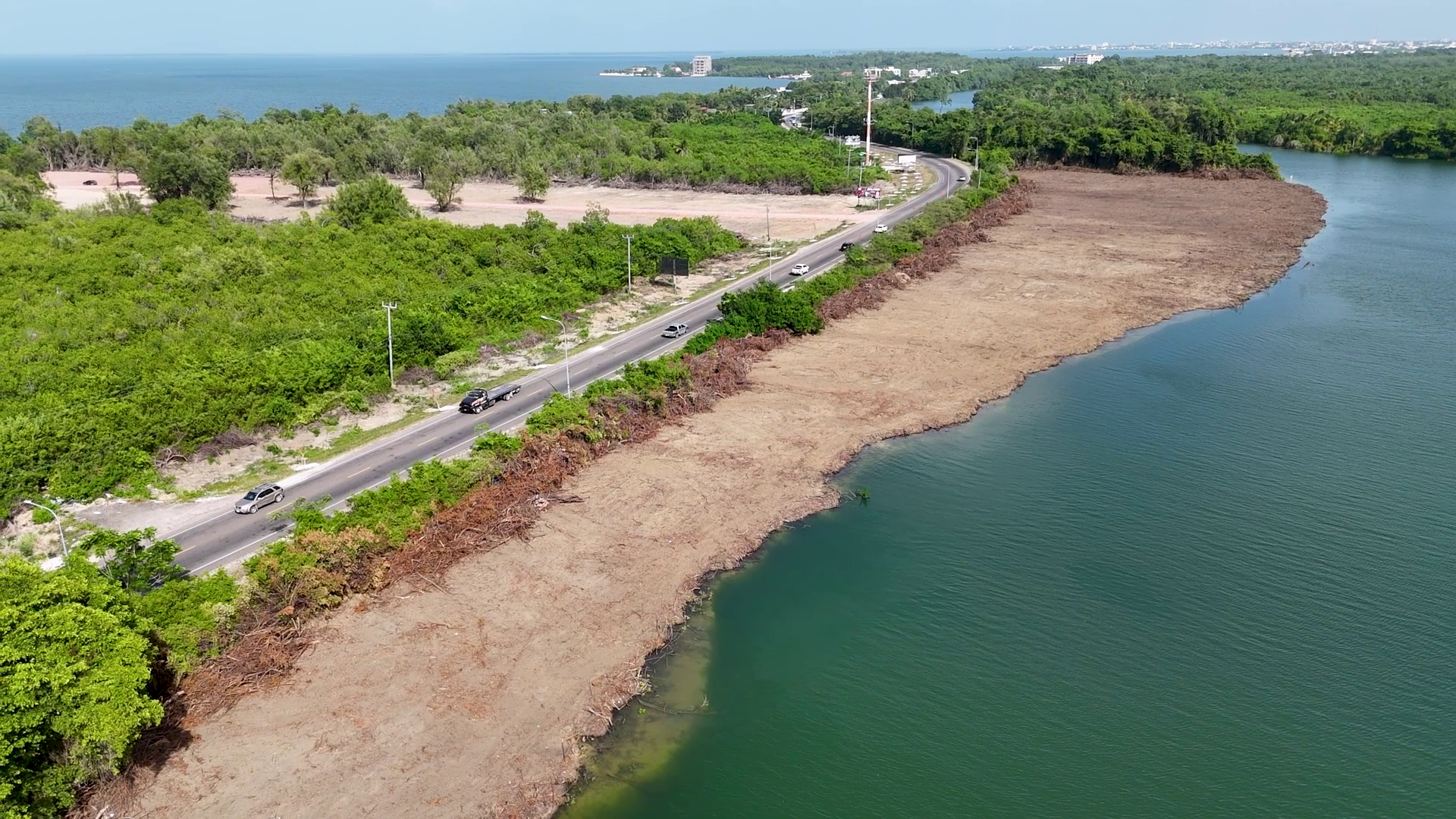
    In a development that has raised urgent red flags among environmental experts and local authorities, a seven-acre riverside property along the Belize River has been completely stripped of all vegetation between the water’s edge and the embankment of the Philip Goldson Highway, triggering widespread fears of accelerated riverbank erosion and irreversible damage to the local riparian ecosystem. The incident, located at the 6.5-mile mark of the major highway, is now the subject of a formal joint investigation by three of Belize’s top government agencies: the Department of the Environment (DOE), the Forest Department, and the Lands Department.

    In a surprising turn of events, the property’s owner, Sanju Chulani, told reporters he only requested a light clearing to improve visibility of the land plot, and was stunned by the full extent of vegetation removal carried out by his contracted crew. Chulani’s account has added an extra layer of complexity to the ongoing investigation, which is focused on two core goals: assessing the full environmental damage caused by the clearing, and determining whether any existing environmental or land use regulations were violated in the process.

    Anthony Mai, Chief Environmental Officer at the DOE, confirmed that a cross-departmental inspection team has been assembled to assess the site. “We are aware of the issue, and we have put together a team that will go out and conduct a full on-site inspection. Representatives from each of the three agencies are participating, and we will be able to share further updates once the assessment is complete,” Mai stated in a press briefing.

    When questioned about Belize’s longstanding 66-foot reserve requirement for riparian land, Mai explained the historical and ecological context of the regulation. He noted that in earlier decades, land titles were often issued all the way to the water’s edge, but the passage of the Lands Act formalized a requirement for private landowners to leave an undisturbed 66-foot buffer from the high-water mark of any water body. Crucially, this 66-foot reserve is officially classified as crown public land, not private property, Mai clarified.

    The original purpose of the buffer was to create a public easement, ensuring all Belizeans could retain access to and enjoyment of the country’s waterways, rather than allowing private owners to block public access. Over time, scientific research has also confirmed the buffer’s critical ecological functions: it prevents riverbank erosion, filters runoff pollution, and supports native riparian biodiversity. In particularly sensitive environmental zones, Mai added, required buffers can extend as far as 200 feet from the water edge to protect fragile ecosystems.

    Mai explained that while the buffer regulation is formally outlined in the Lands Act, the DOE enforces the requirement through the environmental clearance process for development projects. When a project receives environmental approval, the DOE creates a binding environmental compliance plan — a formal contract signed with the developer that outlines all buffer protection requirements and other environmental rules. Investigators are currently working to determine whether any regulations were broken in this case, and what enforcement actions may be required once the inspection is complete.

  • DOE Identifies Trigger Behind Massive Fish Kill

    DOE Identifies Trigger Behind Massive Fish Kill

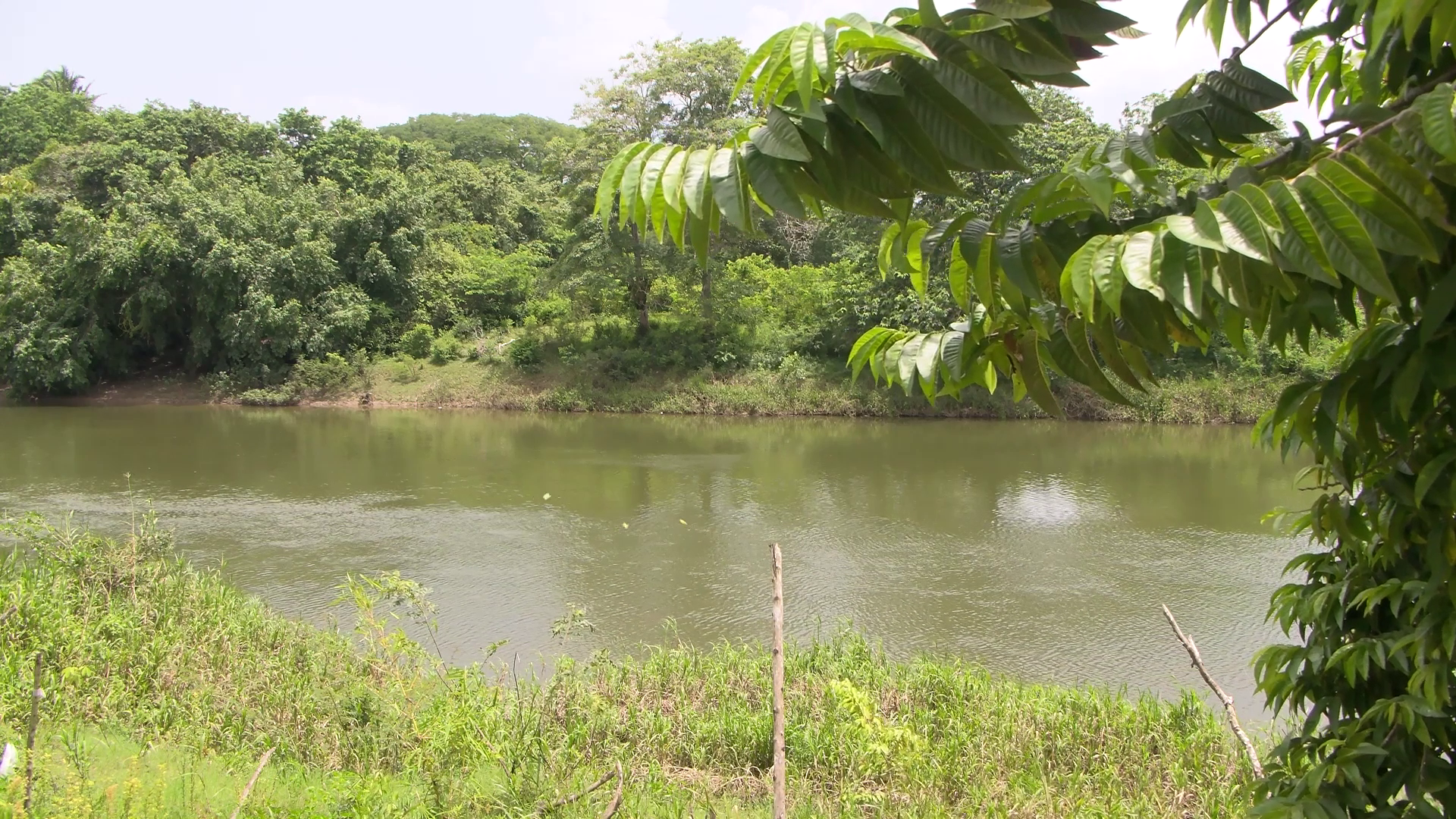
    In a finalized investigation released September 15, 2026, Belize’s Department of the Environment (DOE) has pinpointed the exact trigger that led to the devastating mass fish die-off in the Belize River Valley, shifting national focus now to developing long-term prevention strategies to stop similar ecological disasters from striking again.

    According to DOE investigators, unusually heavy floodwaters carried a toxic cocktail of organic debris, agricultural fertilizers, and unregulated pollutants from multiple diverse sources into the Belize River. These pollutants accumulated to create harmful conditions that rapidly depleted oxygen in the water and triggered the large-scale fish kill that shocked local communities earlier this year.

    Anthony Mai, Chief Environmental Officer at the DOE, told reporters that the investigation mapped between 25 and 30 agricultural operations in the affected watershed, along with 24 cleared riverbank plots ranging from 3 acres to 300 acres in size. While agricultural runoff is a major contributing factor to the pollution event, Mai emphasized that the problem extends far beyond the farming sector, requiring a coordinated, cross-industry response.

    “Pollution impacts on the Belize River don’t come from agriculture alone,” Mai explained. “That’s why our prevention approach has to engage multiple sectors, not just farming.”

    Under the DOE’s proposed prevention framework, the National Hydrological Service — the government agency tasked with leading watershed management — will lead an update to the decades-old Belize River Watershed Management Plan. Mai confirmed that planning for the update is already underway: funding has been secured, and a public tender has been published to invite qualified environmental consultants to bid on the project.

    The revised management plan will serve as the central guiding document for all government agencies working to protect the Belize River, addressing every type of human activity that takes place across the entire river basin. Mai explained that the Belize River watershed encompasses the entire drainage basin surrounding the river, meaning all rainfall and runoff across a huge geographic area ultimately flows into the main waterway, making coordinated management critical.

    Key recommendations from the DOE to prevent future fish kills also include targeted restoration of native vegetation along eroded riverbanks, which acts as a natural filter to trap runoff before it reaches the water. Additional measures call for improved sustainable water and nutrient management practices on large commercial farms, and the installation of a real-time early warning system that will detect dangerous shifts in water quality before a crisis develops.

    In the wake of the fish kill, local residents have raised ongoing concerns about public health risks, including the safety of drinking water and fish consumption from the river. Mai confirmed that environmental officials will continue conducting regular water quality testing to address these outstanding questions and monitor the river’s ongoing recovery process.

    This report is a transcribed version of a televised evening newscast, with all Kriol-language commentary rendered using a standardized spelling system for published distribution.

  • New haul-out system planned to speed vessel removals before storms

    New haul-out system planned to speed vessel removals before storms

    Following dangerous delays that left boats and maritime operators exposed to life-threatening risk during Hurricane Beryl, regional coastal management authorities have unveiled sweeping plans to modernize outdated emergency vessel haul-out infrastructure. The project stands as a core component of broader climate adaptation initiatives designed to protect critical maritime assets, preserve the livelihoods of local fishing communities, and reinforce the overall resilience of coastal communities facing intensifying extreme weather events.

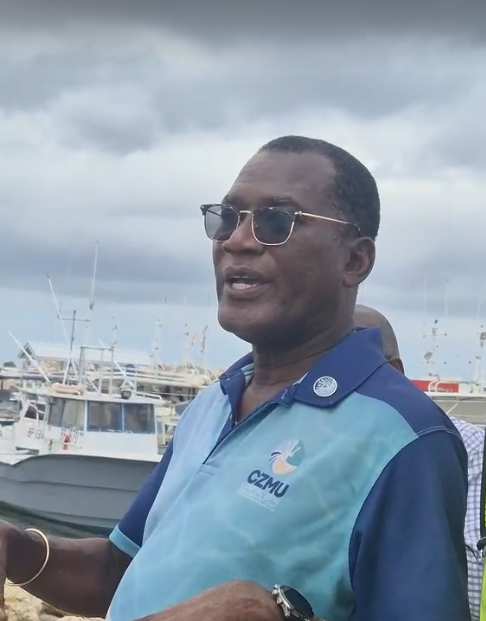
    Dr. Leo Brewster, director of the Coastal Zone Management Unit (CZMU), outlined the new design requirements during an inspection of the local Fisheries Complex, emphasizing that all future coastal infrastructure must balance long-term structural durability with the critical ability to evacuate vessels from dangerous open water rapidly when a storm approaches.

    At the heart of the proposed facility is a specialized travelift (also referred to as a tummy lift), which will operate from a purpose-built finger pier adjacent to a widened traditional slipway. Unlike the previous single-crane system that processed one vessel at a time, this new configuration will allow large commercial fishing vessels and smaller private craft to be hauled out of the water simultaneously ahead of an incoming storm. The old system created crippling bottlenecks before Hurricane Beryl, particularly for partially waterlogged vessels that required extended draining time before they could be safely lifted and moved, leaving hundreds of boats vulnerable to damage.

    Brewster explained that the travelift streamlines the entire haul-out process: vessels sail directly onto the machine’s reinforced straps, are lifted clear of the water, and can be transported directly to onshore storage locations, either on pre-prepared trailers or purpose-built support cradles. The parallel slipway will remain in operation to accommodate smaller vessels that use their own trailer setups, creating two independent, simultaneous workflows that cut down overall evacuation time dramatically.

    Authorities are also adding a dedicated onshore boat park adjacent to the haul-out facility to provide secure long-term storage for evacuated vessels, addressing ongoing gaps in current capacity that have long complicated emergency preparations. Brewster noted that the facility’s support infrastructure requires specialized engineering to withstand repeated heavy loads, accounting for both the varying weights of different sized vessels and the combined weight of the travelift and its cargo during daily operations. Current onshore storage and support infrastructure does not meet the required load capacity for the growing volume of local commercial and recreational vessels, he added.

    Brewster also stressed that the success of the upgraded facility will still depend on proactive action from vessel owners, recalling guidance from the late Chief Fisheries Officer Dr. Shelly-Ann Cox, who passed away in June. Cox estimated that moving the region’s full fleet of vessels to safe onshore storage requires a minimum four-day lead time ahead of a potential storm landfall. Last-minute rushing by owners, Brewster warned, would still create delays even with the upgraded infrastructure. With the new system in place and early action from vessel owners, authorities project that the majority of the local fleet can be moved to safety within the four-day window, creating a far more coordinated and effective emergency response process.

    The overhaul marks a key step in the region’s ongoing efforts to adapt to the increasing frequency and severity of Atlantic hurricanes linked to climate change, protecting both economic activity and human life along vulnerable coastlines.

  • Minister Fernandez Calls for Study to Guide Sustainable Tourism Growth

    Minister Fernandez Calls for Study to Guide Sustainable Tourism Growth

    As the Caribbean nation of Antigua and Barbuda pursues broad expansion of its tourism sector — including growing air access, expanding cruise ship operations, increasing hotel inventory, and attracting new tourism-focused investment — government leaders have announced a landmark national tourism carrying capacity study. The goal of this groundbreaking research is to answer a critical question: how much additional visitor growth can the small island nation support without compromising the environmental, social, and economic foundations that make it a top global travel destination.

    The upcoming assessment will conduct a comprehensive review of key systems that underpin the country’s tourism industry, from popular beaches and natural attractions to public infrastructure, local communities, and fragile natural resources. Researchers will evaluate whether current systems can absorb additional visitor volumes without eroding the quality of life for Antigua and Barbuda’s residents or diminishing the unique, high-quality experience that draws travelers to the islands.

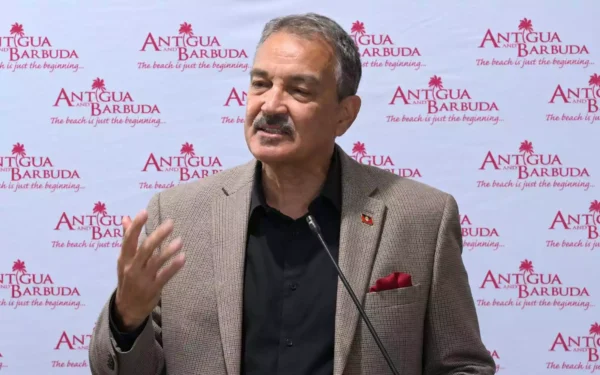
    Speaking on the policy shift, tourism minister Charles Fernandez emphasized that the country’s tourism strategy can no longer center solely on growing raw arrival numbers. Instead, he argued, policymakers must prioritize attracting higher-spending, higher-value visitors while implementing measures to ensure a larger share of tourism revenue circulates within and benefits the local economy, rather than leaking out to foreign-owned entities.

    Fernandez also stressed that as the tourism sector expands, protecting Antigua and Barbuda’s irreplaceable natural environment, distinct cultural heritage, and important historical assets must remain a non-negotiable priority. These assets are the core of the country’s tourism brand, he noted, and their degradation would undermine long-term industry success.

    To diversify the national tourism portfolio and reduce reliance on seasonal leisure travel, Fernandez identified the meetings, incentives, conferences, and exhibitions (MICE) segment as a high-potential growth area. Developing the MICE market would help attract visitors during traditional off-peak periods, smoothing revenue fluctuations and creating more stable, year-round employment for local workers.

    Looking ahead, the minister emphasized that the long-term success and sustainability of Antigua and Barbuda’s tourism sector will depend on coordinated collaboration across a wide range of stakeholders. This includes national and local government bodies, tourism regulatory agencies, international airlines, hotel operators, ground transport providers, tour companies, local small businesses, and the communities that host millions of visitors each year.

    Above all, Fernandez reiterated that Antigua and Barbuda is committed to pursuing sustainable, climate-resilient tourism growth, rather than chasing unchecked increases in visitor numbers at the expense of the country’s long-term well-being.