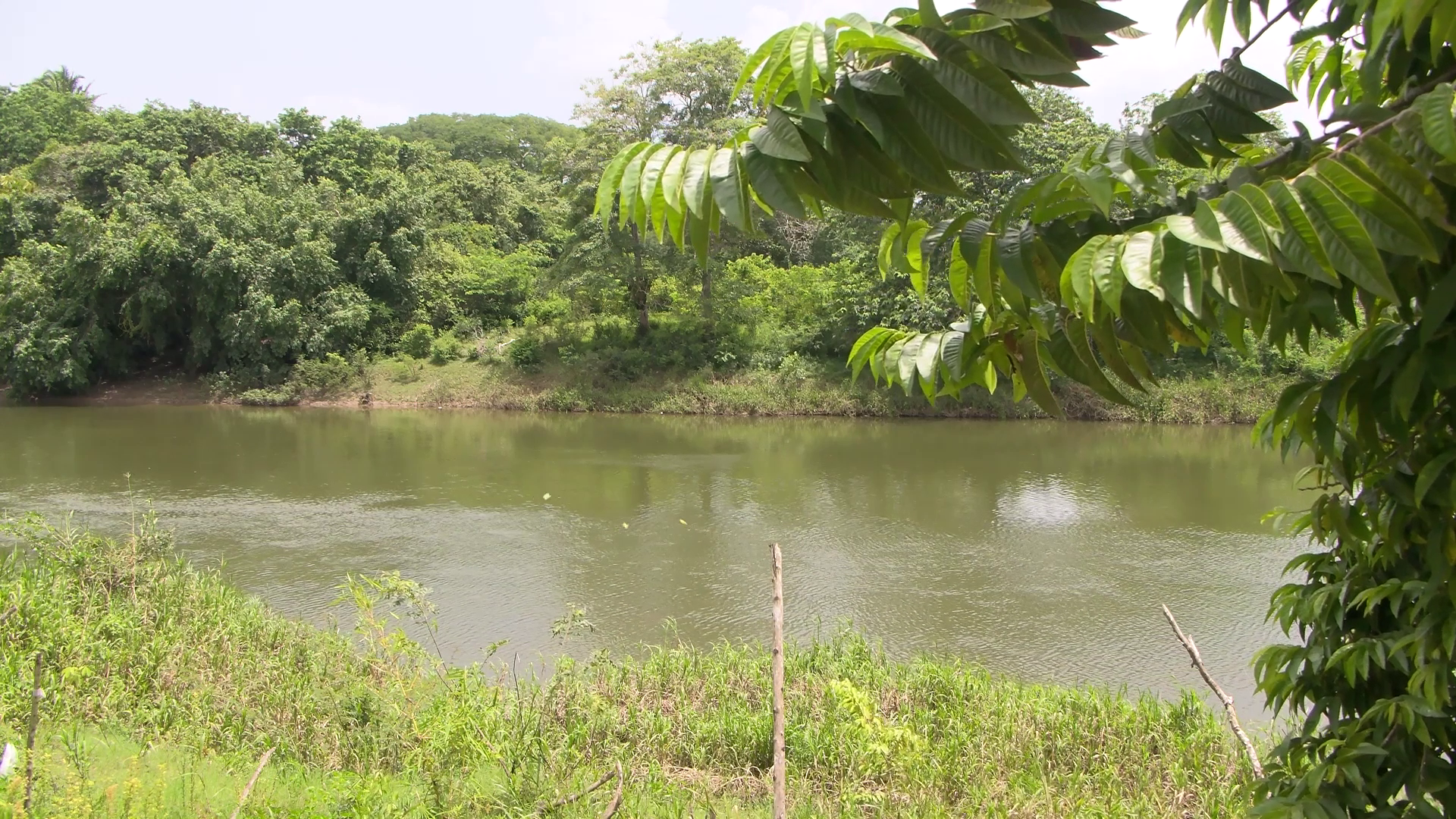
In a finalized investigation released September 15, 2026, Belize’s Department of the Environment (DOE) has pinpointed the exact trigger that led to the devastating mass fish die-off in the Belize River Valley, shifting national focus now to developing long-term prevention strategies to stop similar ecological disasters from striking again.
According to DOE investigators, unusually heavy floodwaters carried a toxic cocktail of organic debris, agricultural fertilizers, and unregulated pollutants from multiple diverse sources into the Belize River. These pollutants accumulated to create harmful conditions that rapidly depleted oxygen in the water and triggered the large-scale fish kill that shocked local communities earlier this year.
Anthony Mai, Chief Environmental Officer at the DOE, told reporters that the investigation mapped between 25 and 30 agricultural operations in the affected watershed, along with 24 cleared riverbank plots ranging from 3 acres to 300 acres in size. While agricultural runoff is a major contributing factor to the pollution event, Mai emphasized that the problem extends far beyond the farming sector, requiring a coordinated, cross-industry response.
“Pollution impacts on the Belize River don’t come from agriculture alone,” Mai explained. “That’s why our prevention approach has to engage multiple sectors, not just farming.”
Under the DOE’s proposed prevention framework, the National Hydrological Service — the government agency tasked with leading watershed management — will lead an update to the decades-old Belize River Watershed Management Plan. Mai confirmed that planning for the update is already underway: funding has been secured, and a public tender has been published to invite qualified environmental consultants to bid on the project.
The revised management plan will serve as the central guiding document for all government agencies working to protect the Belize River, addressing every type of human activity that takes place across the entire river basin. Mai explained that the Belize River watershed encompasses the entire drainage basin surrounding the river, meaning all rainfall and runoff across a huge geographic area ultimately flows into the main waterway, making coordinated management critical.
Key recommendations from the DOE to prevent future fish kills also include targeted restoration of native vegetation along eroded riverbanks, which acts as a natural filter to trap runoff before it reaches the water. Additional measures call for improved sustainable water and nutrient management practices on large commercial farms, and the installation of a real-time early warning system that will detect dangerous shifts in water quality before a crisis develops.
In the wake of the fish kill, local residents have raised ongoing concerns about public health risks, including the safety of drinking water and fish consumption from the river. Mai confirmed that environmental officials will continue conducting regular water quality testing to address these outstanding questions and monitor the river’s ongoing recovery process.
This report is a transcribed version of a televised evening newscast, with all Kriol-language commentary rendered using a standardized spelling system for published distribution.