分类: environment

  • NHC Flags New Tropical Disturbance in Central Atlantic

    NHC Flags New Tropical Disturbance in Central Atlantic

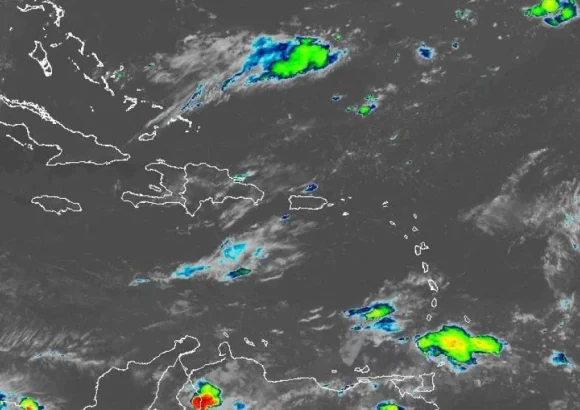
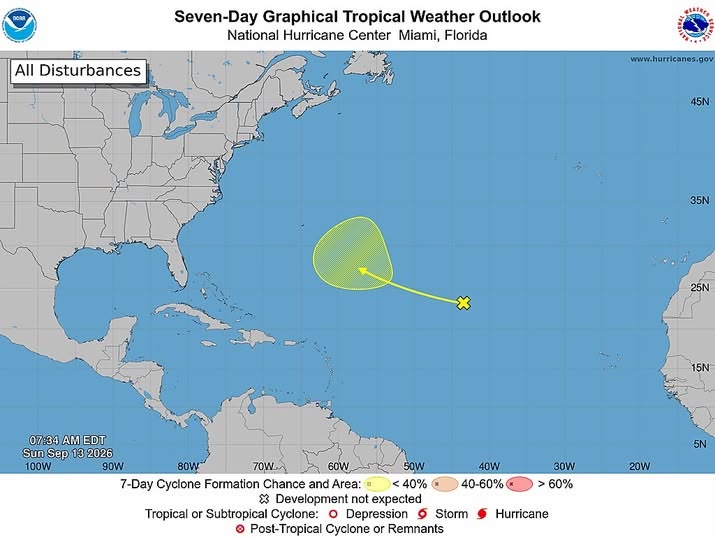
    After declaring a full week of zero expected tropical cyclone development across the entire Atlantic basin just one day prior, the U.S. National Hurricane Center (NHC) has shifted its focus to a newly emerged tropical disturbance brewing in the central Atlantic, issuing a low-risk formation outlook for the system over the next seven days.

    In its official seven-day projection released Sunday morning, the NHC placed the zone of disorganized weather several hundred miles to the west-southwest of the Cabo Verde Islands. Per the agency’s assessment, the system carries less than a 40% chance of coalescing into a defined tropical cyclone over the coming week, a probability that classifies it as a low-risk development scenario.

    Tracking projections show the disturbance is on track to drift generally west-northwestward across the breadth of the tropical Atlantic. As of the latest update, the system remains far to the east of the Caribbean Sea, and has not yet strengthened enough to be categorized as a tropical depression or a named storm.

    Current outlooks confirm the disturbance poses no immediate danger to the twin-island nation of Antigua and Barbuda. Forecasters emphasize that it is still too early in the system’s trajectory to draw any definitive conclusions about whether it will eventually bring impacts to the northeastern Caribbean. Local authorities and residents across the region have been advised to keep a close watch on updated official forecasts as the system continues its slow movement across the open Atlantic.

  • Guyana, Suriname, Brazil form regional traditional knowledge and healers network

    Guyana, Suriname, Brazil form regional traditional knowledge and healers network

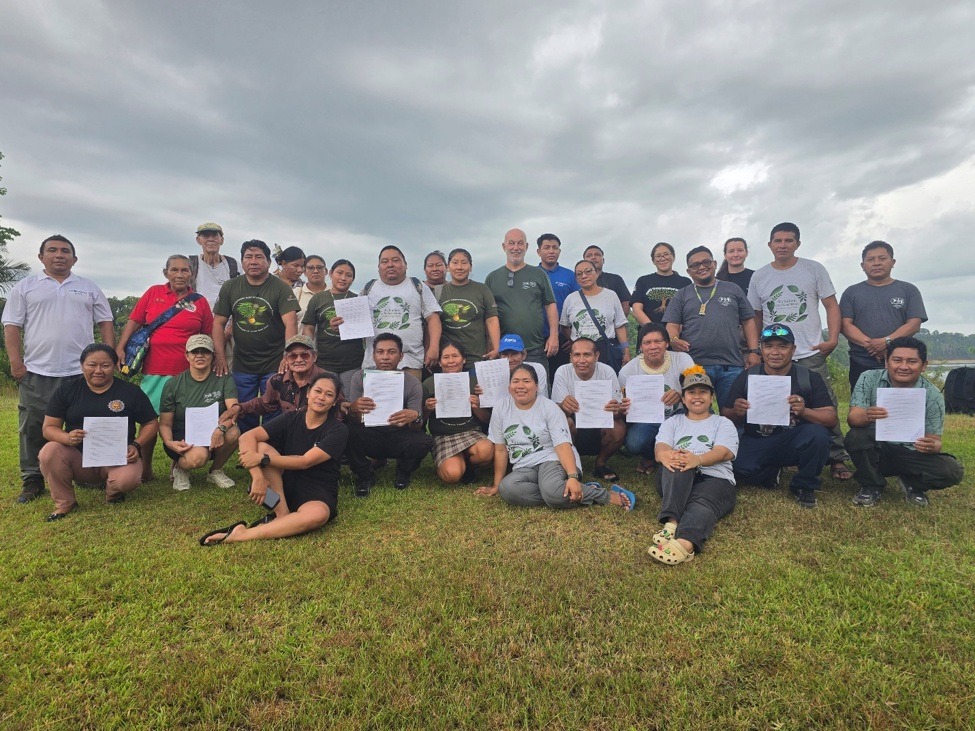
    In a historic step toward cross-border collaboration and the preservation of Indigenous medicinal heritage, traditional healers and knowledge holders from Guyana, Suriname, and Brazil have officially launched the first-ever Regional Traditional Knowledge and Healers Network during a four-day gathering held September 8-11, 2026 at Guyana’s Iwokrama River Lodge.

    Hosted by the Iwokrama International Centre for Rainforest Conservation and Development (IICRCD) in partnership with the Amazon Conservation Team Guianas (ACT Guianas), the gathering brought together representatives from Indigenous communities across the three Amazon nations to share expertise on traditional healing practices, medicinal plant knowledge, and culturally rooted health approaches. In a statement following the launch, IICRCD expressed its full support for the new network, noting its commitment to building a cohesive regional platform that amplifies Indigenous voices and advocates for the formal integration of traditional medicinal knowledge into national public health systems.

    The gathering built on two prior cross-border knowledge exchange events, with participants working to formalize the network’s core structure, ethical frameworks, communication protocols, and advocacy agenda. A key outcome of the meeting was the opportunity for Guyana and Suriname to learn from Brazil’s two decades of experience integrating traditional healing into public health. Brazil’s Unified Health System (SUS) established a dedicated Indigenous Health Subsystem in 1999, and its national policy recognizes medicinal plants and phytotherapy as legitimate complementary health practices – a model that participants agreed could offer valuable insights for neighboring countries seeking to formalize their own approaches to Indigenous health.

    ACT Guianas, the nonprofit organization that facilitated the meeting, has expanded its regional mandate over more than 20 years of work across the Guiana Shield and Amazon regions. Operating under a biocultural framework that ties forest health to community wellbeing, ACT Guianas supports the intergenerational transmission of traditional healing knowledge through its Traditional Healers and Apprentices Program. The organization coordinates cross-border collaboration, secures funding, and facilitates dialogue with governments and formal healthcare institutions, while upholding the principle that full authority over traditional knowledge remains with the Indigenous healers and communities that steward it.

    The proceedings opened with a spiritual cleansing ritual led by Adele John, a young apprentice from Guyana’s Surama Village. Following the opening ceremony, participants engaged in forest immersion activities in the woodlands surrounding Iwokrama River Lodge and breakout working sessions to develop a three-year strategic roadmap for the network. Key objectives achieved during the gathering included the exchange of best practices among healers from all three countries, a collective review of lessons learned from four years of cross-border exchanges, and a commitment to strengthening the ethical practice and public credibility of traditional healing across the region. Participants also explored pathways to secure formal government recognition and eventual integration of traditional healing practices into national health systems.

    The Iwokrama International Centre, established in 1996 through a joint mandate from the Government of Guyana and the Commonwealth Secretariat, manages 371,000 hectares of protected rainforest as a model for balanced conservation, community benefit, and sustainable economic development. Zoned into a Sustainable Utilization Area and a Wilderness Preserve, Iwokrama serves as a living laboratory for testing innovative forest management models that deliver ecological, economic, and social value for local communities and the global community. Twenty local communities, totaling approximately 7,000 people, participate in Iwokrama’s co-management framework, sharing benefits from sustainable timber, ecotourism, and research activities, while leading researchers conduct long-term studies on climate change impacts and ecosystem service valuation. ACT Guianas and Iwokrama both note that the new regional network aligns with their shared mission of protecting biocultural diversity, strengthening Indigenous self-determination, and advancing equitable collaboration between traditional knowledge holders and formal institutional partners.

  • Hot weekend due to the impact of Saharan dust on the country

    Hot weekend due to the impact of Saharan dust on the country

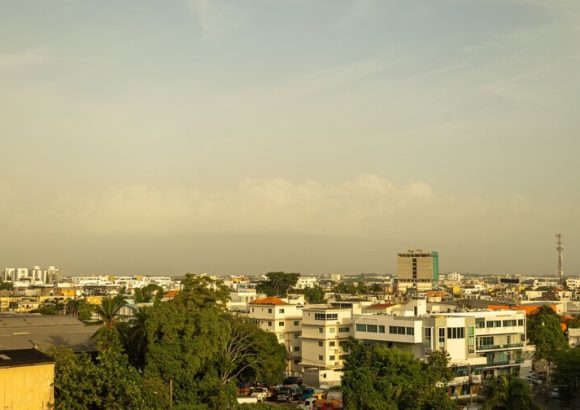
    The Dominican Institute of Meteorology (Indomet) has issued a forecast confirming that an incoming plume of Saharan dust will blanket most of the Dominican Republic’s national territory this coming Saturday, bringing sustained hot, sunny conditions across the island nation even as a low-pressure trough lingers over the region. The dense concentration of airborne Saharan dust is projected to suppress rainfall across the vast majority of the country, though scattered light showers are still expected across a handful of provinces including Hato Mayor, San Pedro de Macorís, Monte Plata, Monseñor Nouel, and Greater Santo Domingo. In more localized zones along the country’s border region, heavier downpours paired with sudden thunderstorms and strong wind gusts could develop across San Juan, Santiago Rodríguez, Dajabón, Elías Piña, and Independencia, alongside adjacent nearby areas. These mixed weather conditions are set to hold until the early hours of Saturday night, at which point rainfall activity will subside and isolated cloud cover will become the dominant pattern, even as the uncomfortable, sweltering heat lingers across the country.

    Looking ahead to Sunday, Indomet’s forecast calls for skies ranging from gray overcast to partly cloudy across different regions, with extended stretches of sunshine and very limited precipitation expected for most of the Dominican Republic. Even so, the combined influence of local atmospheric conditions and the lingering low-pressure trough could trigger isolated showers in parts of the country’s northwest and southeast regions, as well as across the Central Mountain Range and the northern section of Greater Santo Domingo. These showers are most likely to develop during the afternoon and continue into the early evening, after which scattered cloud cover and persistently warm temperatures will take over. For Greater Santo Domingo and the National District specifically, Sunday is forecast to see a mix of sunny and gray skies with light cloud cover, paired with isolated showers and possible thunderstorm activity during the afternoon hours.

    Moving into Monday, meteorologists project a slight rise in nationwide humidity driven by wind interaction with the lingering trough. This increased moisture will set the stage for scattered showers to develop as early as the pre-dawn and early morning hours across Samaná, María Trinidad Sánchez, and Espaillat. Through Monday afternoon, showers, thunderstorms, and gusty winds are expected to spread across the northeast and southeast regions, including Greater Santo Domingo, with similar conditions also forecast for the Central Mountain Range, the Cibao Valley, and the country’s border region. This unsettled weather could hold through the early evening before tapering off.

    The most impactful takeaway from Indomet’s forecast is the announcement that severe to extreme heat will persist across the Dominican Republic at least through Tuesday, September 15. Temperature readings are projected to climb above 37°C for multiple straight days in the country’s northwest, while central and eastern regions will see consistent highs above 35°C. Indomet has warned that the unrelenting stifling conditions stem from a combination of two factors: the annual peak heat period for the region, and the elevated concentrations of Saharan dust moving through the atmosphere, with the most intense heat expected over the weekend. Recent temperature records from the past several days already show readings approaching 40°C across multiple Dominican provinces.

  • Latin American parliaments move to tackle Caribbean Sargassum damage

    Latin American parliaments move to tackle Caribbean Sargassum damage

    The Caribbean region, long recognized as one of the global frontlines of the accelerating climate crisis, has brought regional lawmakers together in the Dominican capital of Santo Domingo, where the Latin American and Caribbean Parliament (Parlatino) has agreed to launch a unified, cross-border response to escalating environmental threats that endanger core pillars of the region’s prosperity and stability.

    As Parlatino President Rolando González Patricio highlighted during the gathering, the Caribbean’s fragile ecosystems already bear visible, irreversible marks of the planet’s unfolding environmental emergency, far more acutely than most other regions around the globe. Beyond the far-reaching impacts of rising global temperatures and shifting weather patterns, the region is also grappling with a accelerating collapse of native biodiversity that compounds existing climate risks, creating a web of interconnected challenges that no single national government can address in isolation. González Patricio emphasized that collective, coordinated action between legislative bodies across the region is the only viable path forward to deliver meaningful, lasting solutions.

    One of the most pressing urgent threats addressed by delegates is the unprecedented influx of sargassum seaweed, a relatively new challenge that has emerged in the region only over the past few years. Jorge Hugo Cavoli, Vice President of the Dominican Parliament’s Special Commission for the Caribbean, announced that lawmakers are moving forward with two key landmark initiatives: a regional Parliamentary Charter on Climate Action, and a formal declaration of a regional sargassum emergency.

    Cavoli explained that the unrelenting sargassum blooms have already caused severe damage to the Caribbean’s tourism sector, which serves as the primary engine of economic growth and employment for most small island nations across the region. Individual countries lack the resources and geographic scale to tackle the transboundary bloom crisis on their own, making coordinated Parlatino-led action a critical step toward effective mitigation, he added.

    Beyond the sargassum crisis, delegates also centered discussions on the growing threat climate change poses to regional food security. Unlike most Caribbean nations, which rely on imports for 80% to 90% of their domestic food supply, the Dominican Republic has emerged as a regional success story: the country recently earned a “zero hunger” designation from the United Nations Food and Agriculture Organization (FAO), and currently produces between 85% and 90% of the food consumed by its population. Lawmakers noted that the Dominican Republic is positioned to share its experience and agricultural expertise with neighboring countries to strengthen collective food resilience in the face of climate shocks.

    The gathering also marked a key milestone for small Caribbean states, with the formal establishment of Parlatino’s Special Commission for the Caribbean. Commission Chair Senator Otami SS Thomasia of Aruba stressed that the new body creates a critical platform for small island nations, which are disproportionately impacted by climate change despite contributing almost nothing to global emissions, to amplify their voices in regional climate policy discussions. Commission President Alfredo Pacheco echoed that sentiment, framing the meeting and the new commission as important steps forward in building a more coordinated, inclusive regional response to the climate crisis.

  • The heat and Saharan dust will mark this Sunday, but there is a change in the afternoon.

    The heat and Saharan dust will mark this Sunday, but there is a change in the afternoon.

    Residents across much of the Dominican Republic are preparing for a hot, dry, and overcast Sunday, as the country’s national meteorological body confirmed that a mass of dry, dust-laden air originating from the Sahara is driving unusual weather patterns across the island nation.

    The Dominican Institute of Meteorology, better known by its local acronym Indomet, released the detailed forecast on Saturday, breaking down how the incoming Saharan dust intrusion will shape conditions across different regions through the end of the weekend. While most areas will see little to no rainfall and hazy gray skies paired with above-average high temperatures, localized pockets of the country will face scattered storm activity through the day.

    Early in the day, consistent winds blowing from the east and northeast are expected to carry small amounts of moisture to northeastern coastal zones, bringing brief, isolated showers that are not forecast to disrupt daily activities significantly. As temperatures rise through the afternoon, the combined influence of localized atmospheric dynamics and a low-pressure trough stretching across multiple levels of the troposphere will trigger more intense weather events in the country’s central southern corridor.

    These late-day events will include isolated heavy downpours, sudden thunderstorms, and sharp wind gusts across Greater Santo Domingo, San Pedro de Macorís, San Cristóbal, and several adjacent provinces. The storm activity is projected to taper off gradually as the day moves into early evening, according to the forecast.

    A core public safety advisory from Indomet centers on the extreme heat forecast for the entire country. Even areas that see brief afternoon storms will maintain high temperatures, with the heat index pushed even higher by the combination of airborne dust and residual moisture. To prevent heat-related illness, the institute has issued clear guidance for residents: stay hydrated by drinking water regularly throughout the day, opt for lightweight, loose-fitting, pale-colored clothing that reflects sunlight, and avoid unprotected exposure to direct sunlight between the peak heating hours of 11 a.m. and 5 p.m.

    The advisory places special emphasis on protecting the populations most vulnerable to heat stress, including young children, pregnant people, and older adults. Indomet urges these groups to remain in cool, well-ventilated spaces as much as possible during the hottest part of the weekend.

    In addition to its land-based weather forecast, Indomet also released updated guidance for marine activities along the country’s coastlines. Along the Dominican Republic’s southern Caribbean coast, particularly in waters south and southwest of Pedernales, operators of small, shallow-draft vessels are advised to exercise increased caution when navigating, and to avoid traveling long distances from shore. The warning comes in response to abnormal wave patterns generated by the current atmospheric conditions. All other sections of the Caribbean coast, as well as the entire Atlantic coastline of the Dominican Republic, remain open for all navigation activities with no restrictions in place.

  • Climbing Creek – de stille ramp (slot)

    Climbing Creek – de stille ramp (slot)

    There are some places that leave an indelible mark on anyone who visits them. Climbing Creek, a sprawling swamp in Nickerie, Suriname, is one of those special yet threatened sites. Slowly poisoned by encroaching saltwater, this once-thriving ecosystem faces collapse not from natural forces, but from an unplanned man-made canal dug years ago with no oversight. I joined a small team of military personnel on a 20-day expedition into the swamp to document the quiet work of repairing the damage others left behind. This story is not a pretty one, but it is one that demands to be told.

    From the team’s base camp, the scale of ecological destruction is immediately visible. Large swathes of the swamp have dried out completely, leaving only parched earth and dying vegetation. Only small pockets flood during high tide, drawing flocks of desperate birds searching for remaining fish, shrimp and crabs to survive. Every day, the team wades into mud that reaches above their knees to plant young native mangrove saplings along the creek’s eroding banks, carefully placing each seedling just above the water line where it has the best chance of taking root. They pull each other out of deep sticky mud when they get stuck, but no amount of discomfort stops them from completing their daily work.

    As more trees and native vegetation succumb to salt poisoning, the team presses on. While laughter echoes from the canal as team members cool off between shifts, their camp cook prepares a simple lunch of spiced chicken, rice and smoked fish that I was invited to share. What these few men accomplish here is almost impossible to put into words. If the saplings survive, the site will slowly regenerate into a dense mangrove forest over one to three years. These mangroves will hold freshwater in the swamp, allow silt to build up, and eventually choke and close the unauthorized canal entirely. Ecologists have already seen this successful restoration model work on similar projects along the Nickerie coast.

    The bitter irony of this story is hard to miss: one individual’s unregulated decision to dig a casual canal triggered an entire regional ecological disaster, and no authority has ever been held accountable. It falls to this tiny, under-resourced team to prove that repair is possible, working tirelessly for a greater public good with no fanfare and no recognition. Few people will ever see the sacrifices they make or the hardships they endure here, so their story has remained untold — until now.

    As the midday heat grows unbearable, the men rest in hammocks strung above dead vegetation, seeking what little relief they can find. When the sun dips lower, they inspect their boat engines, only to discover that two of the three are broken: one has a damaged propeller, and the other has an internal mechanical failure. They make the call to send both broken engines back with me for repair, along with 12 empty water containers and drained fuel tanks to be refilled on the outside.

    Night falls fast, and the high tide needed to navigate the narrow creek will not turn until around 9 p.m. The team builds a campfire, which immediately draws swarms of venomous horseflies and large black mosquitoes. They place mosquito-repelling candles all around our resting spot on the canal bank. As we wait for the tide, the men share stories of their work, the daily challenges they face, and how much they long to return home to their young families. They have already spent 18 days in the swamp, with just two more left to plant the remaining saplings, and they are determined to hit their planting target before they leave. They plan to launch at 7 a.m. the next day for their final push: the cook will stay behind at base camp, while the rest head three to five kilometers further up the coast to plant the last of the saplings.

    When the tide finally comes in, the team rushes to free the stuck boat from the muddy bank and load it for our departure. By the light of the campfire and a single lantern, the world around us is pitch black, save for a brilliant unobscured view of the starry night sky. Before we board, we wrap every inch of exposed skin, leaving only our eyes visible to ward off insect bites. We each get a fresh mosquito candle to hold, and the boat pulls out into the dark canal. The 25-horsepower engine is far more power than the narrow waterway needs, so the captain navigates slowly, weaving carefully through shallow stretches. Within minutes, hundreds of gnats, mosquitoes and other unknown insects swarm around the candle flame. Glittering eyes reflect the captain’s headlamp along both banks: crocodiles drawn to the fish that congregate in the canal. No one feels fear, only quiet awe for the wild natural world unfolding around us under the moonless starry sky. Fish jump around the boat, and we repeatedly toss a small juvenile sea turtle that accidentally landed on board back into the water.

    Meter by meter, the boat pushes through the narrow canal. The passengers’ only goal is to avoid getting bitten, but there is still a quiet thrill to this adventurous night journey. We quickly lose count of how many crocodiles we spot: some show only their heads peeking above the water, while others rest on the bank, their glossy brown-black skin glinting in the headlamp’s glow. We are so focused on the landscape around us that we fall quiet, letting the rumble of the engine mix with the calls of night birds, the splash of jumping fish, the rustle of reeds and the soft rush of water.

    By the time we reach the dam, the tide is already receding, putting pressure on the two men who will have to make the return trip to camp after dropping us off. Our first mosquito candle has burned down, so we get a fresh one. Two hours later, as we approach the dam, the three men with us jump back into the mud to push and pull the heavily loaded boat meter by meter over the dam. Fish dart through the shallow mud around their feet, grateful for any bit of remaining water, visible only in the beam of the captain’s headlamp — the only light we use to avoid disturbing wildlife.

    With the last of their strength, they pull the boat over the dam and launch it into the irrigation channel that will take us to the main road. Once in the wider channel, the captain opens the engine, and the boat speeds across the warm water. A fish the size of a hand leaps right into the boat, and I toss it back to safety. Black silhouettes of dead trees line the banks — a stark reminder of the damage that has been done, but under the starry sky, there is a quiet, heartbreaking beauty to the scene rather than menace. We reach the dock just minutes before midnight, and unload the boat quickly so the two men can head back to camp while the tide still holds. Even without the heavy load, pulling the boat back over the dam through the mud to reach deep enough water for the engine remains a brutal, backbreaking job.

    We wave goodbye, and soon only the rumble of the engine and a faint beam of headlight are visible before the dark swallows everything. We climb into a waiting vehicle for the drive to Nieuw Nickerie. The drive is once again through complete darkness: large stretches of the main east-west highway have no streetlights at all, a fact that leaves me wondering why basic infrastructure has never been extended to this remote region. By the time we reach town, fatigue from the day’s heat and work has set in deep. It is 3 a.m. when I step into a hot shower to wash off the swamp mud, and climb into bed, the images of the day still burned clear into my memory.

    Back in Nieuw Nickerie, the shower washed away the mud, but it cannot wash away the images I carry with me: the dying fish gasping in dry mud, the soldier singing while he worked chest-deep in mud, the 12,000 young mangrove saplings waiting for the freshwater they need to survive.

    No one can say for sure if this restoration project will succeed. It depends on tides, on weather, on continued commitment from people who believe in the work. But one thing I know for certain: these men are showing up, every single day, with no audience, no praise, and no reward. The destructive canal still sits there, and no one in power has ever answered for the damage it caused.

    If you ever find yourself near Climbing Creek, take a moment to think of these men. Think of what they do there, working under the burning sun, knee-deep in mud, for a forest that will not even grow for another three years. And think of what this place could have been, if one person had never had that unregulated, destructive idea in the first place.
  • Cabinet Approves Establishment of Electric Vehicle Maintenance and Training Laboratory at ABCAS

    Cabinet Approves Establishment of Electric Vehicle Maintenance and Training Laboratory at ABCAS

    As Antigua and Barbuda pushes forward with its national transition to cleaner, low-carbon transportation, the country’s Cabinet has given formal approval to launch a specialized Electric Vehicle Maintenance and Training Laboratory at the Antigua and Barbuda College of Advanced Studies (ABCAS). This strategic infrastructure project is being advanced through the government’s Sustainable Low-Emission Island Mobility (SLIM) initiative, tabled for approval by Honourable Michael Joseph, Minister for Health, Wellness, Environment and Civil Service Affairs, via the country’s Department of Environment.

    Cabinet assessments highlighted a growing critical gap in the nation’s automotive sector: while registrations and on-road use of electric vehicles have climbed steadily in recent years, local technicians lack the specialized capacity to safely diagnose, service, and repair the high-voltage systems that power EVs. Currently, most complex EV maintenance work relies on imported technical expertise from overseas, creating delays and added costs for vehicle owners and slowing broader adoption of clean transport. The new training lab is explicitly designed to close this skills gap and cut the country’s dependence on foreign technical support.

    The facility will serve as a permanent hub for hands-on training covering core EV and hybrid vehicle competencies, including high-voltage system safety, next-generation battery technology, advanced electrical diagnostics, and standardized maintenance procedures. ABCAS was selected as the host institution to integrate the lab’s equipment and specialized curriculum into the country’s ongoing technical education frameworks, ensuring it can train successive generations of students, working automotive technicians, instructor candidates, and other industry stakeholders.

    Alongside approving the lab’s establishment, the Cabinet has greenlit the procurement of a full suite of specialized training equipment and instructional resources. This package includes an advanced EV training platform, dedicated battery laboratory kits, relay testing kits, purpose-built high-voltage safety gear, and other specialized tools for practical skill-building. Under a formal Memorandum of Understanding, ABCAS will take custody of the equipment for educational use, with clear protocols outlined for maintenance, inventory management, access control, reporting, and continued use for approved training programs.

    To ensure the lab can launch with fully qualified local teaching staff, the Cabinet has also approved two complementary train-the-trainer programs. The first is a 10-day Hybrid and Electric Vehicle Service and Repair Train-the-Trainer course, which will accommodate 15 participants. The curriculum covers all core competencies from high-voltage safety and battery handling to fault diagnosis, heating and cooling systems, braking and suspension work, and hybrid-specific technology. Participants who successfully complete the program will earn a certificate of competence and become eligible to pursue formal industry certification.

    A second, more intensive 5-day advanced workshop will be hosted on-site at ABCAS, offering hands-on advanced training for up to 10 participants using the lab’s new EV training system and specialized equipment. All costs for the project will be covered by pre-approved SLIM Project budgets, with all procurement and implementation processes required to follow the country’s established financial and public procurement regulations. The Cabinet has formally authorized the Ministry of Health, Wellness, Environment and Civil Service Affairs, through the Department of Environment, to finalize all procurement, training, and handover arrangements needed to bring the lab into full operation.

    Cabinet members have publicly welcomed the initiative as a key coordinated effort that aligns the government’s overlapping policy goals for education, technical and vocational training, environmental protection, and long-term sustainable development. As EV and hybrid vehicle adoption continues to rise globally and across small island developing states, the lab will position Antigua and Barbuda to build domestic, homegrown expertise in a rapidly growing sector that will only grow in economic and environmental importance in coming decades.

  • Climbing Creek – de stille ramp (1)

    Climbing Creek – de stille ramp (1)

    There are some landscapes that embed themselves in your memory the moment you set foot on them. Climbing Creek, a freshwater swamp in Nickerie, Suriname, is one such place — but it is slowly being poisoned by saltwater, a catastrophe caused not by natural climate shift, but by an unregulated man-made canal dug three years ago. I joined a small team of military personnel on a journey into the heart of the swamp to document the damage and meet the team working to undo what has been broken. I’m writing this story not because it is pretty, but because it demands to be told.

    It was early morning when our group gathered at Wageningen’s irrigation canal, the only access point to Climbing Creek. We knew this would not be an ordinary trip, but nothing could prepare us for what we would witness. Fifteen minutes after we arrived, the rumble of an outboard motor cut through the morning air — our boat had arrived. Stowing our backpacks, packed full of water, fruit and sweet buns, we climbed aboard, ready for the journey ahead. Even in these early hours, the tropical sun beat down heavily as our small aluminum craft cut through the canal’s waters.

    The opening stretch of the trip was deceptively beautiful: dense greenery lined both banks, tall drought-stressed trees stood along the water’s edge, and coastal shorebirds foraged for their first meal of the day. Occasionally, fish jumped into our boat by accident, which we gently released back into the water. With four people on board including the skipper, the 15-horsepower engine wove carefully through dense vegetation, the captain working tirelessly to avoid reeds, roots, driftwood and abandoned fishing nets from catching in the propeller — a task that required considerable skill.

    Three bends into the canal, we reached the small dam that normally requires our boat to be hauled across by hand. But the water level in Climbing Creek was far too low to allow through passage. We had no choice but to wait for a second boat to be sent from deeper inside the swamp to pick us up. As we stood on the dam, the full scope of the disaster unfolded before our eyes. As far as 100 meters out, the swamp was exposed, cracked mud stretching to the horizon. Only one small pool of water remained among the reeds, and the surface was literally churning with fish gasping and fighting for survival. In the mud nearby, I watched a silver-grey fish make its last weak tail flicker before succumbing to the conditions.

    The air was thick with the acrid stench of rotting fish and decomposing mud. It was only at that moment that I understood the meaning of those tall, brown dead trees I had seen at the start of our journey. They had not died from drought — they had been poisoned by saltwater.

    Three years ago, a private entrepreneur proposed digging a canal cutting straight through the swamp to connect it to the ocean. The plan was approved by the then-minister of Agriculture, Livestock and Fisheries, but the real motives for the canal remain unclear. What is undeniable is the catastrophic aftermath: freshwater from the swamp drains out to sea, while salty ocean water flows inland into the wetland. The result has been mass die-offs of freshwater wetland fish, and the widespread death of native vegetation that cannot tolerate high salt levels. What I witnessed on the dam was just a fraction of the full-scale destruction.

    After an hour waiting on the dam, we heard singing drifting across the mudflats. We spotted two soldiers working to bring a small boat to us: one sat in the craft, singing encouragement to the second, who waded through mud up to his thighs, hauling the boat forward over unstable ground as he searched for firmer footing. Eventually, the singing soldier jumped into the mud too, as the final hundred meters to reach us proved nearly impossible. The tide had already begun to recede back to the ocean, and water levels never reached the dam as initially predicted.

    With the help of a third soldier who had joined our group, the two men finally pulled the boat up to the dam, sparing us from having to wade through the thick muck. Immediately, the three soldiers jumped into the irrigation canal to wash off the sticky mud, taking a quick, refreshing break. But the water they bathed in is not ordinary water — it is the water that bears witness to this quiet, unfolding ecological disaster, and I have seen it with my own eyes.

    We loaded our minimal gear and a cooler onto the smaller boat and continued our journey deeper into Climbing Creek. With the boat heavier, the three men pushed it through thick mud, the scorching sun amplifying the rotten stench that hung in the air. Nowhere along the canal was the water more than a meter deep. Reeds hung over the banks, and loose dead vegetation floated freely across the surface. The skipper maneuvered carefully between reed beds, searching for the deepest channels, and often had to lift the propeller to clear debris or avoid collision with sunken logs. We inched forward meter by meter, until the engine suddenly overheated: sediment had clogged the cooling line, and the team could not clear the blockage. The engine cut out, leaving only the rustle of reeds, the gurgle of slow-moving water, and the calls of birds hanging in the air.

    Notably, the area remains remarkably clean, free of plastic pollution and aluminum cans; the only trace of outside human activity so far had been the stray fishing net that caught in our propeller. The stench of rotting fish faded as we moved deeper, and we saw far fewer dead fish floating on the surface. On the muddy bank, the soldiers spotted jaguar tracks — they had seen other big cat signs in the reeds earlier in the day. We transferred to a small rescue dinghy while the team worked to swap out the disabled engine, and after several attempts we managed to get a weak enough cell signal to call our destination camp on the coast and share our location to request assistance. We tied our disabled boat across the canal to take shelter in the shade of two remaining trees on opposite banks, broke out our snacks, and shared water, bananas and sweet buns while we waited. Before long, the backup team arrived in a larger boat carrying a replacement engine, we transferred to the rescue craft, and continued on to the coastal camp.

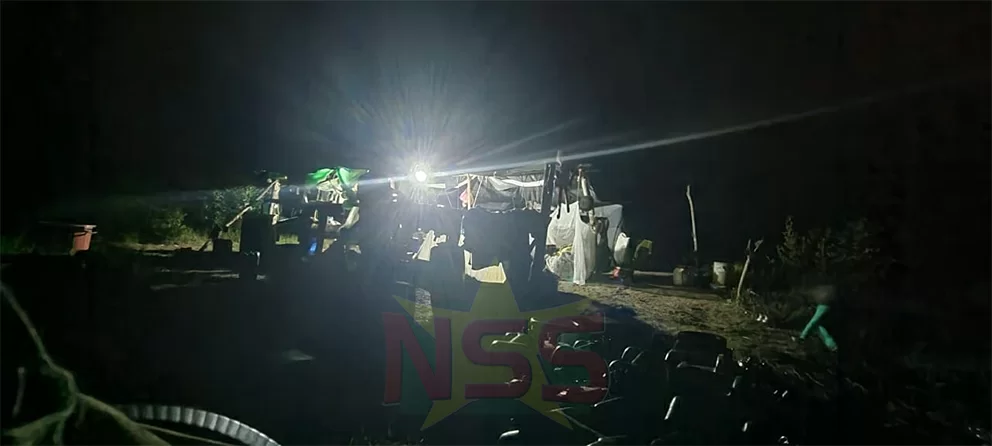
    Nestled among reeds, dead trees and surviving vegetation, a small basic camp has been set up on an elevated patch of ground in the blazing sun. For 18 days, a handful of military personnel have lived and worked here, on a mission to plant 12,000 mangrove seedlings to begin repairing the damage the entrepreneur’s unregulated canal caused. The saplings, donated by multinational energy firm Total Energies, traveled hundreds of kilometers from the Coronie region to reach the swamp: first by container to the dam, then along the same difficult route we had taken, transported in small batches because the low water levels limit what a single boat can carry, slowing progress to a crawl.

    Seedlings are transported along the irrigation canal to the dam, where they are reloaded onto smaller craft for the final trip into Climbing Creek. Even at the dam, we saw hundreds of already dried-out dead saplings. Poor preparation and poor soil quality for the initial staging killed the young plants before they could even be planted. The soldiers, who have experience with similar mangrove restoration projects and detailed knowledge of mangrove ecology, were able to clearly explain what went wrong, and which remaining saplings still have a chance of survival. They note that better inter-agency communication could have prevented this waste of money, resources and effort. It remains a tragedy that hundreds of dead seedlings are now buried at the mouth of the canal.

    The coastal plain is the final destination for the surviving seedlings; the team hopes a full mangrove forest will establish itself here within a few years, helping to slow saltwater intrusion and restore the wetland ecosystem. The camp is extremely basic, covered by a single tarpaulin divided into sleeping and cooking areas. Drinking water is scarce, because low water levels make resupply runs difficult. Soldiers bathe and do laundry using the brackish canal water. From the camp, the trip to the coastal planting site is even more difficult. For days on end, the men haul saplings to the planting sites, a physically grueling task that relies on primitive wooden sleds to carry small batches of seedlings over dry, exposed ground. Water levels have receded so far that the trip cannot be done by boat, but mangrove roots cannot tolerate being waterlogged during the early planting phase, so the dry, muddy ground is actually the ideal condition for young saplings to take root.

    *Indra Toelsie
    (Conclusion to be published tomorrow)*

  • Whale Protection Coalition Response to Ambassador Daven Joseph

    Whale Protection Coalition Response to Ambassador Daven Joseph

    In a recent public statement that has rippled through global marine conservation circles, the International Whale Protection Coalition (IWPC) has formally responded to comments made by Ambassador Daven Joseph regarding international whaling management policies. The coalition, which brings together more than 120 non-governmental conservation organizations, research institutions, and community advocacy groups from 47 countries, framed its response as a critical intervention to protect decades of progress in global whale population recovery efforts.

    Ambassador Joseph, who has served as a special envoy for ocean affairs in his home country, recently made public comments suggesting that a loosening of existing international commercial whaling bans could be considered to support small-scale coastal fishing communities in certain regions. His proposal argued that limited, regulated whaling could provide economic relief to marginalized coastal populations without posing significant risks to recovered whale species populations.

    In its official response, the IWPC pushed back against this framing, emphasizing that the 1986 global moratorium on commercial whaling remains one of the most successful marine conservation policies in modern history. Since the ban took effect, multiple whale species that once teetered on the brink of extinction have shown steady population rebounds: humpback whale populations in the Southern Hemisphere have grown by more than 10% annually over the past three decades, while gray whale populations in the Eastern Pacific have recovered to near pre-whaling levels. The coalition warned that any rollback of current protections could reverse these hard-won gains, particularly as whale populations still face growing threats from ship strikes, ocean pollution, climate change, and habitat loss.

    Beyond ecological concerns, the coalition also challenged the economic argument put forward by Ambassador Joseph. It noted that non-lethal whale-based tourism, such as whale watching, generates more than $3 billion annually in global economic activity, supporting hundreds of thousands of jobs in coastal communities far more sustainably than small-scale whaling could. The IWPC also called attention to the fact that many of the communities cited in Ambassador Joseph’s remarks have already transitioned to whale tourism and other sustainable ocean livelihoods, with far more equitable long-term outcomes.

    The coalition closed its response by renewing its call for all nations to reaffirm their commitment to the commercial whaling moratorium and to invest in alternative sustainable livelihoods for coastal communities. It also urged Ambassador Joseph and his delegation to engage in collaborative talks with conservation scientists and community leaders to develop policy solutions that protect both coastal livelihoods and vulnerable whale populations for future generations.

  • Antigua and Barbuda Drafts Laws to Prepare for Possible Deep-Sea Mining

    Antigua and Barbuda Drafts Laws to Prepare for Possible Deep-Sea Mining

    The Caribbean nation of Antigua and Barbuda has begun advancing draft legislation designed to regulate and govern emerging deep-sea mining activities within its maritime territory, marking a proactive step as global interest in extracting mineral resources from the deep ocean continues to grow.

    As international debates over the environmental risks and economic opportunities of deep-sea mining intensify, the small island developing state is moving ahead to establish clear legal guardrails before any large-scale exploration or extraction projects can move forward. The legislative package is expected to outline requirements for environmental impact assessments, stakeholder consultation, revenue sharing, and liability protocols for potential ecological damage linked to seabed mining.

    Deep-sea mining targets polymetallic nodules, hydrothermal vent deposits, and other mineral-rich formations on the ocean floor, which contain critical metals like cobalt, nickel, and manganese that are key inputs for manufacturing electric vehicle batteries and renewable energy technologies. For small coastal states like Antigua and Barbuda, the emerging industry offers the possibility of new economic revenue streams to support national development, but also carries significant risks to fragile deep-sea ecosystems and existing ocean-dependent industries such as tourism and commercial fishing.

    Environmental advocacy groups have repeatedly warned that deep-sea mining could cause irreversible harm to biodiversity, as deep-sea habitats are home to many unique, undiscovered species and play a critical role in global ocean carbon cycles. The drafting process in Antigua and Barbuda is being closely watched by both industry proponents, who see the move as a step toward unlocking untapped mineral resources, and conservationists, who are calling for strict precautionary measures to protect marine ecosystems before any operations are approved.