分类: environment

  • El Niño, heat stress and how we protect each other (Pt1)

    El Niño, heat stress and how we protect each other (Pt1)

    Extreme heat is a stealthy threat that erodes daily well-being long before its dangers become obvious to affected communities. Unlike sudden natural disasters that grab immediate headlines, rising temperatures creep into daily life through sleepless, restless nights, persistent headaches, frayed tempers, chronic fatigue, dried-up water sources, lost work hours, and a pervasive sense that even routine tasks demand far more effort than they should.

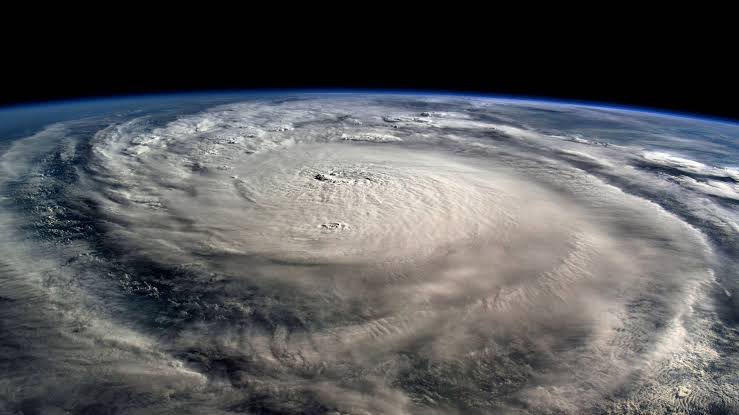
    This growing risk demands urgent attention from residents of St. Vincent and the Grenadines (SVG) and the wider Caribbean, particularly as the region navigates elevated temperatures driven by the current El Niño event. While El Niño is a naturally occurring climate pattern originating in the tropical Pacific, its climatic ripple effects extend far beyond the Pacific basin, triggering extreme heat events, prolonged drought, erratic rainfall shifts, and widespread strain on regional water and food supply systems.

    From a physiological perspective, heat stress develops when the human body cannot effectively regulate its core temperature through natural cooling processes. A combination of high air temperature, elevated humidity, minimal wind movement, direct exposure to sunlight, strenuous outdoor labor, and insufficient hydration all amplify this risk. The impacts of unmanaged heat stretch far beyond simple discomfort: it disrupts sleep, impairs concentration, alters mood, elevates blood pressure, causes dehydration, hinders learning, cuts workplace productivity, and increases the risk of on-the-job accidents. In SVG, the months of August and September typically bring the region’s hottest and most humid conditions, meaning households, schools, workplaces, and entire communities need to put proactive preparation measures in place well in advance.

    Critically, the harm of extreme heat is not limited to physical health. It carries significant psychological and social tolls as well. When people are deprived of consistent sleep, face strict water rationing, see their utility bills for cooling skyrocket, watch their crops wither under the sun, and are forced to work in dangerous high-temperature conditions, chronic stress builds gradually in both the body and mind. The expert emphasizes that people struggling with extreme heat are not weak – their distress often stems from dehydration, physical exhaustion, financial strain, unresolved grief, anxiety, or lingering trauma from previous climate disasters. This slow-burn disruption touches every aspect of community life.

    This gradual accumulation of stress is exactly how El Niño catches vulnerable communities off guard. What starts as a handful of unseasonably hot days stretches into months of extreme heat. A minor dry spell escalates to mandatory water rationing. A fatigued worker becomes an injured worker after a preventable accident. A household already stretched by financial pressure devolves into a tense, conflict-ridden space. The greatest danger is not a single record-breaking hot day; it is the slow, unrelenting build-up of physical, emotional, and social pressure over time.

    Older adults aging in place are among the most vulnerable groups during extended heat events, and must be treated as a top priority for support – especially those who live alone, have limited mobility, rely on regular medication, or live with pre-existing conditions including high blood pressure, diabetes, heart disease, asthma, kidney disease, or cognitive impairments. Many older adults cannot easily recognize or communicate the early warning signs of heat-related illness, such as dehydration, dizziness, confusion, muscle weakness, or fainting. Extreme heat also exacerbates existing chronic health conditions, turning minor discomfort into a life-threatening emergency quickly.

    To address this gap, relatives, neighbors, faith groups, local clinics, and community organizations should commit to checking in on older adults regularly during heat waves. These checks can ensure that older residents have access to safe drinking water, help them keep living spaces cool and well-ventilated, and confirm they can access necessary food, medication, transportation, and emergency care. A simple in-person visit or quick phone call can be enough to prevent a serious, avoidable health crisis.

    Parents, guardians, and youth-serving organizations also carry a unique responsibility to protect children from heat-related harm. Children’s bodies heat up faster than adult bodies, and they often cannot clearly articulate early symptoms of heat stress, including dizziness, thirst, weakness, nausea, or confusion. On extremely hot days, children should be encouraged to drink water at regular intervals, wear loose, light-colored clothing, rest in shaded or air-cooled spaces, and avoid strenuous outdoor play during the peak heat hours of the day. Critically, children should never be left alone in parked vehicles, even for just a few minutes. Schools, summer camps, faith groups, and youth sports organizations must adjust outdoor activity schedules, build in regular rest breaks, and guarantee constant access to clean drinking water. During El Niño-driven heat events, unmonitored routine outdoor play can quickly become life-threatening without proper hydration and oversight.

    Proactive heat preparedness in the Caribbean must also be integrated with existing hurricane season planning, as the two hazard seasons often overlap. Hurricanes and tropical storms bring a range of secondary impacts that amplify heat risk, including widespread power outages that cut access to cooling, damaged roofs that let heat into living spaces, flooding and landslides that block access to aid, contaminated drinking water supplies, and closed roads that delay emergency care. Families are advised to assemble comprehensive emergency supply kits, secure loose outdoor items and reinforce roof integrity, clear drains and gutters to prevent flooding, store important personal documents in waterproof containers, map out safe evacuation routes, and stock up on essential supplies including medication, flashlights, extra batteries, drinking water, and non-perishable food. They should also set aside additional stores of drinking water and portable cooling devices to address the added strain of rising temperatures.

    Employers also have a legal and ethical duty to protect outdoor and indoor workers from heat-related illness. Workplaces should implement basic protective measures, including shaded rest areas, consistent access to cool drinking water, increased frequency of rest breaks, buddy systems for workers to monitor each other for signs of heat stress, and adjusted working hours that avoid peak heat when possible. No worker should ever be forced to choose between earning a living income and avoiding life-threatening heat illness.

    The private business sector can also play a key supporting role in community resilience. Retailers can commit to keeping prices fair for critical heat-related supplies including fans, water storage containers, portable coolers, sun hats, shade cloth, water storage tanks, and hydration products. Credit unions, employers, and corporate partners can support community resilience by developing flexible payment plans for low-income households, funding community water storage projects, establishing public cooling centers, and directly supporting vulnerable households that struggle to afford cooling and water supplies.

    The core message from the expert is clear: communities must not wait until heat causes catastrophic health failure, a storm threatens homes, or cumulative stress overwhelms individuals and families to act. Proactive preparation, consistent hydration, unashamed rest when needed, checking in on vulnerable neighbors, prioritizing protection for elderly and child residents, enforcing worker safety protections, heeding official weather warnings, and asking for help when needed are all simple, actionable steps that save lives.

    In this season of overlapping heat, drought, storm activity, and climate uncertainty, community resilience must mean more than simply enduring hardship. True resilience requires intentional care, proactive planning, reliance on sound scientific guidance, and widespread compassion for the most vulnerable members of our communities. Protecting life, physical and mental health, livelihoods, and peace of mind during extreme heat events is not a burden that falls solely on individuals. It is a shared collective responsibility that requires action from every part of society.
  • Puerto Ricaanse steden voeren waterbeperkingen in tijdens recorddroogte

    Puerto Ricaanse steden voeren waterbeperkingen in tijdens recorddroogte

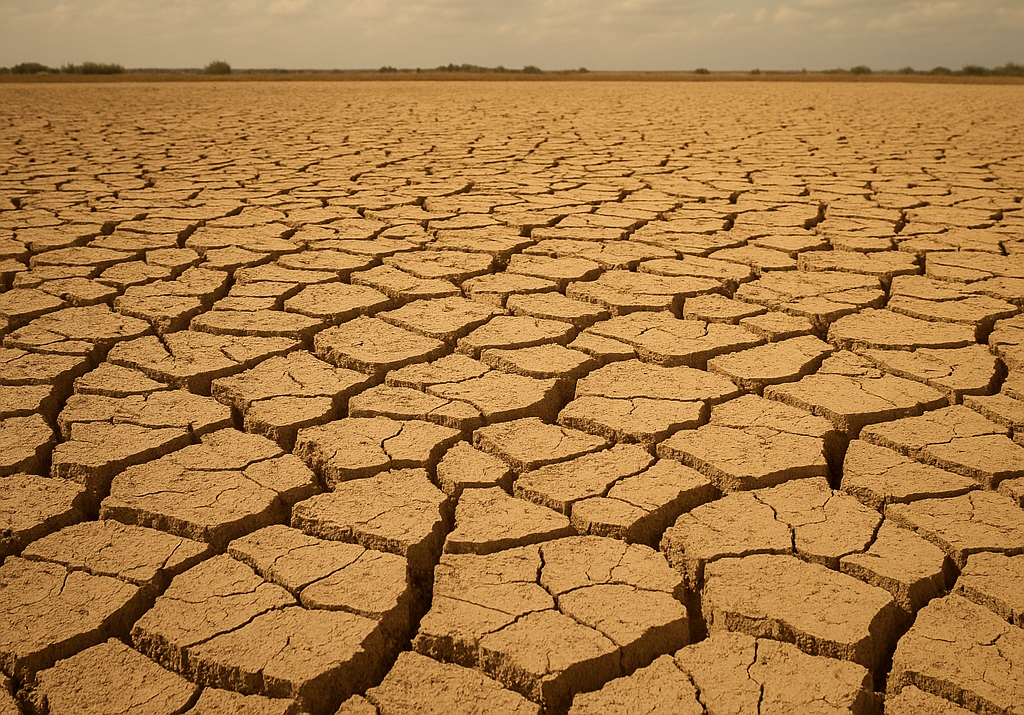
    Puerto Rico is grappling with one of its worst droughts in more than a century, forcing authorities to implement strict rolling water restrictions across San Juan and multiple other major urban centers as the deepening water crisis leaves hundreds of thousands of residents without access to piped water for 48-hour rotating periods.

    The drought, amplified by the ongoing El Niño climate pattern that has supercharged extreme weather events across the globe, has created an unprecedented emergency for the U.S. territory. Governor Jenniffer Gonzalez announced the new measures during a press address Tuesday evening, warning that the situation is currently beyond officials’ full control and could worsen in the coming weeks. She added that there is no clear timeline for lifting the restrictions, as meteorologists project dry conditions will persist through at least September.

    Climate data confirms the severity of the event: July 2026 marked the driest July recorded in San Juan in 120 years, and also ranked as the territory’s second-hottest July on record. According to the latest update from the U.S. Drought Monitor, nearly 25% of Puerto Rico is currently experiencing extreme drought, while an additional 36% of the island is facing moderate drought conditions.

    Maria Novoa Garcia, a meteorologist with the National Weather Service’s San Juan office, confirmed that rainfall over the next several weeks is expected to be at least 50% below the historical average for this time of year. She noted that El Niño, a natural climate fluctuation that shifts global weather patterns, has amplified ongoing drought and heat trends driven by long-term human-caused climate change, worsening extreme events including droughts, heatwaves, and floods across the world.

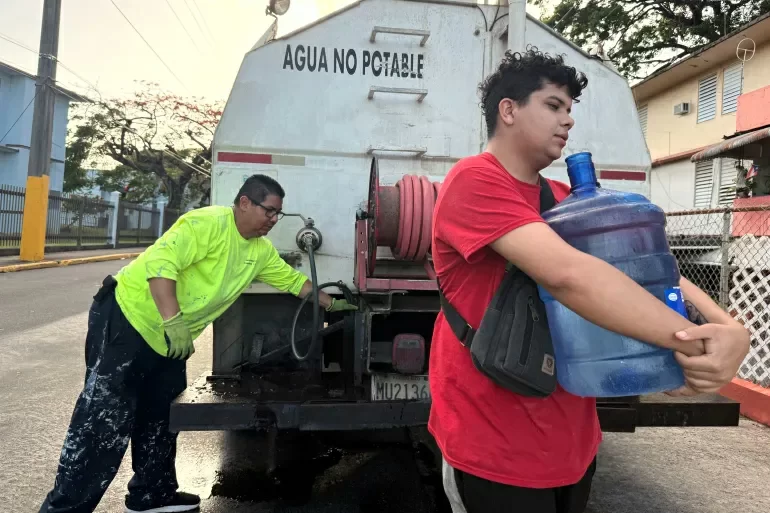
    The water crisis is not a sudden development: many residential neighborhoods across the island have already endured months of severe water shortages. Marcia Soler Paris, a 61-year-old community leader in San Juan’s Villa Kennedy public housing complex, described the daily reality for residents as total chaos. She highlighted particular risks for vulnerable groups, including elderly residents who cannot carry heavy containers of water to their homes, a scene captured in associated AP photojournalism showing resident Bryan Perez hauling a 20-liter can of water to his apartment.

    In response to the crisis, Luis Gonzalez Delgado, president of the Puerto Rico Water and Sewerage Authority (PRWSA), announced that the government will deploy trucked drinking water to affected communities, prioritizing access for hospitals and nursing homes that care for the most at-risk populations. Beyond San Juan, the new rolling water restrictions are also in effect for municipalities including Carolina, Juncos, Gurabo, Trujillo Alto, Canovanas, and Loiza.

    Long-standing structural failures have deepened the current emergency. San Juan’s mayor has already filed a lawsuit against the PRWSA over years of unaddressed water infrastructure issues. Governor Gonzalez echoed that criticism, noting that the island’s water network has suffered from decades of underfunding and inadequate maintenance that left it ill-equipped to withstand a major drought event. This is not the first time Puerto Rico has been forced to implement broad water restrictions: similar measures were rolled out in 2015 and 2020, when hundreds of thousands of residents only received piped water once every three days.

    The drought gripping Puerto Rico is part of a larger global pattern of intensifying extreme weather tied to climate change and the 2023-2024 El Niño event. While the U.S. territory faces crippling dry conditions, other regions across the globe are grappling with opposite extremes: parts of Africa and Southern Europe are battling devastating widespread wildfires, while intense monsoon rainfall across South Asia has triggered catastrophic flooding and deadly landslides that have displaced millions.

  • Nearly 90% of the Pine Forest destroyed by Haitians

    Nearly 90% of the Pine Forest destroyed by Haitians

    Haiti’s iconic Pine Forest, the country’s first UNESCO-recognized Biosphere Reserve, stands on the brink of total disappearance after decades of unregulated human activity have destroyed nearly 90 percent of its original forest cover, according to a new alarming assessment from Haiti’s leading environmental coalition.

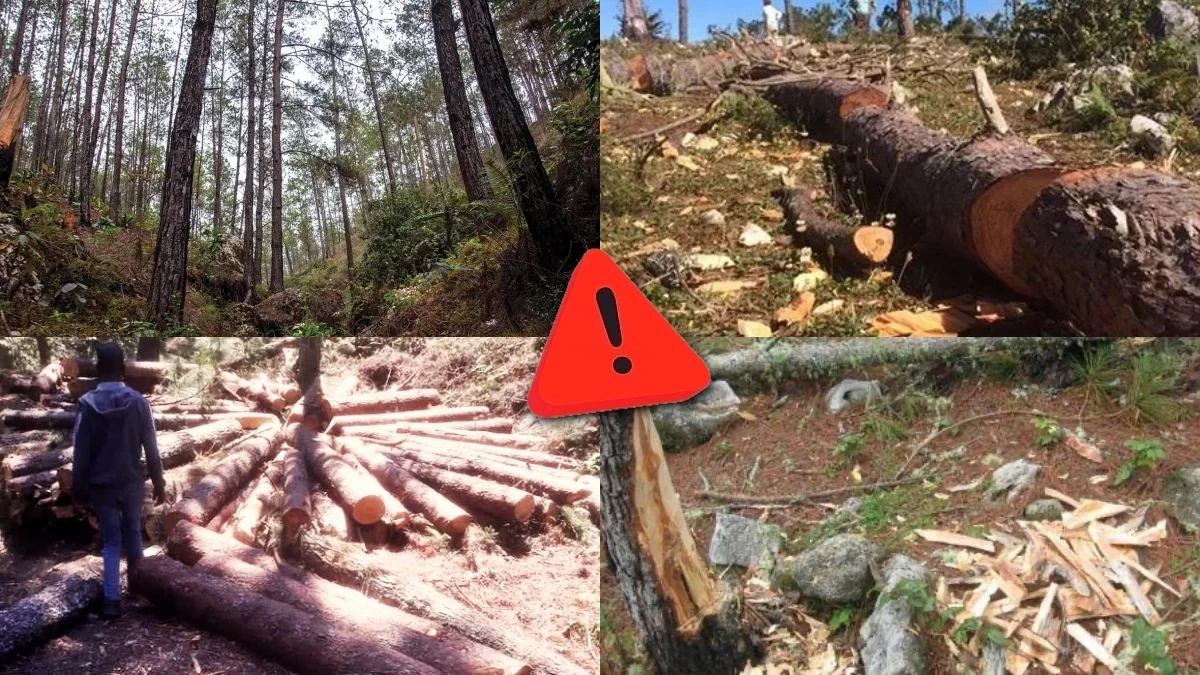
    Established as a protected ecological reserve back in 1937, the forest has shrunk dramatically from 40,000 hectares at the start of the 20th century to just 5,000 remaining hectares today, reports the Collective of Ecological Organizations of Haiti (COE-H), an umbrella group uniting six of the nation’s leading environmental advocacy organizations. On-the-ground field surveys conducted by COE-H researchers in early July 2026 confirm that destruction is accelerating at an unprecedented rate, with hundreds of mature pine trees felled illegally in just the past month for commercial timber and charcoal production.

    Multiple interconnected human-driven factors are fueling the forest’s rapid decline. Widespread extreme economic insecurity pushes local communities and new arrivals to the region to engage in widespread illegal logging, harvesting trees to sell as structural timber, planks, and charcoal, Haiti’s primary household cooking fuel. A less widely known but equally destructive practice, bark stripping to collect kindling, slowly kills remaining standing trees and leaves them far more vulnerable to being knocked down during annual hurricane season storms. Entire sections of the forest are also cleared via slash-and-burn techniques to make way for small-scale subsistence vegetable crops, while deliberate human-set fires during the dry season are common for clearing land or as acts of vandalism.

    The ongoing security crisis centered around the Port-au-Prince metropolitan area has drastically worsened pressure on the reserve. Thousands of people displaced by gang violence and unrest have fled to southeastern Haiti’s municipalities, where they have settled in unplanned settlements within forest boundaries, cleared new land for farming, and turned to logging as a quick source of much-needed income.

    The steady destruction of the Pine Forest has triggered cascading, already irreversible environmental consequences for the entire region. With pine tree roots no longer holding topsoil in place, severe erosion has washed away vital nutrients, leaving large swathes of soil sterile and unable to retain moisture. The loss of vegetative cover also amplifies the intensity of flood events and increases the risk of catastrophic landslides during hurricane season, a hazard that has become deadlier as climate change intensifies storm systems. Most critically, deforestation has blocked rainwater infiltration into underground aquifers, drying up natural springs and threatening the entire region’s drinking water reserves.

    COE-H’s assessment also warns that the crisis is not isolated: Haiti’s other major protected area, La Visite National Park in the Massif de la Selle, is facing the same pattern of accelerating destruction, with illegal logging, intentional burning, and agricultural expansion steadily eroding forest cover and disrupting critical hydrological ecosystem functions.

    If current rates of destruction continue, leading ecological specialists warn the entire Pine Forest could disappear completely well before 2050. This would not only erase one of Haiti’s most important natural ecosystems but also jeopardize the country’s international commitments to biodiversity protection and climate change mitigation.

    In response to the escalating emergency, COE-H has issued an urgent appeal to Haitian national authorities, the UNESCO Man and the Biosphere Programme, and all national and international development partners to intervene immediately to save the reserve. The organization warns that current policy and conservation responses are woefully insufficient to reverse the decline, noting that “Every tree felled brings Haiti closer to an ecological, water, and climate catastrophe.”

    COE-H has put forward four urgent priority recommendations to address the crisis: first, to establish a cross-sector National Emergency Committee bringing together the national government, local authorities, academic institutions, civil society, and environmental organizations to conduct a full independent assessment of the reserve’s current condition and design a new inclusive governance framework; second, to immediately deploy a permanent, fully funded monitoring and protection system including dedicated forest rangers and anti-illegal logging control mechanisms across the entire Pine Forest; third, to develop an emergency national land-use plan under the leadership of the Inter-ministerial Committee for Territorial Development (CIAT) that provides sustainable livelihood and housing solutions for displaced populations while reducing pressure on protected forest areas; and fourth, to mobilize immediate national and international funding to support degraded ecosystem restoration, protect critical water sources, provide alternative livelihoods for local communities, and launch a large-scale reforestation program.

  • Four Delegates Vie for Miss Earth Belize Crown

    Four Delegates Vie for Miss Earth Belize Crown

    The 2026 edition of Miss Earth Belize officially launched its pageant week on August 5, 2026, with organizers introducing four standout contestants competing for the national title and the opportunity to represent Belize at the global Miss Earth pageant. Aligning with the competition’s core mission of centering sustainability, the candidates kicked off the week by joining a community cleanup drive in Belize City on launch day. The initiative will continue through Friday at the Belmopan Market, where the delegates will work to raise public awareness about the harms of single-use plastics and encourage shoppers to adopt more eco-friendly consumption habits.

    Unlike traditional beauty pageants that focus solely on physical aesthetics, Miss Earth Belize structures its entire week of activities around advancing environmental literacy and community-led climate action. The pageant’s core goal is to empower young women to step into visible roles as sustainability advocates, leveraging their platform to drive tangible change across the country. Each of the four competitors — Gwendolyn Galvez, Vashti Thompson, Heavenly Bradley, and Kendall Morgan — brings a unique, targeted environmental advocacy focus to the competition. Their priorities range from embedding conservation into daily community life and expanding grassroots environmental protection, to promoting widespread reuse of consumer goods, and safeguarding the Belize River and Belize’s rich natural heritage for future generations.

    In a statement shared during the launch, Wendy Castillo, Finance Director of the Miss Earth Belize Foundation Ltd., outlined the organization’s longstanding vision for the pageant. “The journey to select our 2026 titleholder began months ago, as we searched for a candidate who embodies not just the extraordinary beauty and cultural diversity of Belize, but also brings genuine passion for advancing environmental sustainability and meaningful change,” Castillo explained. She emphasized that Miss Earth fills a unique niche among Belize’s pageant landscape: as an international platform, it gives young women the tools and visibility to use their voices to advocate for planetary protection, motivate local action, and champion policies that benefit the environment.

    Castillo noted that the pageant’s environmental mission aligns deeply with Belize’s national identity: “Belize is blessed with unmatched natural beauty and biodiversity, and this work is core to who we are as a people.” The public is invited to follow the delegates’ progress throughout pageant week, and attend the final coronation event scheduled for Saturday, August 8 at the Belize City Center, where the new titleholder will be named. Castillo also recalled a historic milestone for the country: in 2021, Belize claimed the international Miss Earth crown, and organizers are hopeful the 2026 delegate will not only advance national environmental priorities at home, but also bring the global title back to Belize when she competes on the international stage.

  • Simons kondigt bescherming woongebieden en strengere aanpak illegale activiteiten aan

    Simons kondigt bescherming woongebieden en strengere aanpak illegale activiteiten aan

    Suriname’s President Jennifer Simons announced a series of ambitious new environmental and land protection measures during a government press conference on Monday, framing the defense of indigenous territorial rights and critical ecosystems as one of her administration’s top policy priorities. The core of the new policy push is a draft state decree designed to block the sudden granting of land and mineral rights within and around the traditional residential and livelihood territories of the country’s indigenous and tribal communities, a longstanding grievance for marginalized groups across the nation.

  • El Niño May Increase Dengue, Malaria and Waterborne Diseases, PAHO Says

    El Niño May Increase Dengue, Malaria and Waterborne Diseases, PAHO Says

    As countries across the Americas brace for the development of a major El Niño climate event between late 2026 and early 2027, the Pan American Health Organization (PAHO) has released an authoritative new public health risk analysis detailing the projected harms to population well-being and outlining actionable steps governments can take to mitigate impacts.

    The comprehensive assessment maps how a range of climate shifts driven by El Niño—including extended droughts, severe flash flooding, and record-breaking heatwaves—will ripple across the region’s health systems, population health outcomes, and core social determinants that support community well-being. The analysis prioritizes high-risk subregions and communities, flagging locations where climate projections indicate the most severe El Niño-related hazards are likely to occur.

    PAHO’s report breaks down health risks into three core categories, starting with communicable diseases, which the organization identifies as one of the most immediate and widespread threats. El Niño’s altered precipitation patterns create ideal breeding conditions for disease-carrying vectors, expanding transmission risk for vector-borne illnesses including malaria, dengue, Zika, and chikungunya. Flooding also contaminates drinking water supplies, driving spikes in cholera and other life-threatening waterborne diseases across vulnerable communities.

    For noncommunicable diseases, the report links El Niño-driven extreme heat to widespread heat stress and complications for people living with chronic conditions. It also notes that increased drought conditions will elevate wildfire risk across much of the region, deteriorating air quality and triggering sharp increases in acute and chronic respiratory illnesses.

    Mental health is another underaddressed risk highlighted in the analysis. Climate-driven displacement, widespread loss of livelihoods, and trauma from disaster events will substantially increase community need for mental health care and psychosocial support, a demand many underresourced health systems are currently unprepared to meet.

    Beyond direct health impacts, PAHO’s assessment examines the structural vulnerability of regional health infrastructure. It identifies 756 emergency care facilities across the Americas that face high risk of structural damage from coastal flooding amplified by long-term sea level rise. Disruptions to logistics and supply chains are also projected to interrupt access to critical medicines, medical supplies, and other resources required to maintain continuous care for vulnerable populations.

    The analysis also prioritizes disproportionate risks to marginalized and high-need groups. Pregnant people and newborns face elevated dangers when extreme weather cuts off access to safe drinking water, routine prenatal care, and emergency obstetric services. Widespread crop failure and livelihood disruption will also drive increases in food insecurity and acute malnutrition, with children under five facing the most severe long-term harms. The report also notes that gender-based violence rates typically surge in post-disaster contexts marked by displacement, overcrowding, and broken support services, requiring targeted preparedness measures.

    To help countries proactively reduce avoidable harm, PAHO has outlined a series of priority preparedness and response actions for national and local health authorities. Key recommendations include strengthening epidemiological surveillance for climate-sensitive diseases to enable early detection and response, monitoring nutritional outcomes for vulnerable groups, and integrating climate and health data to improve early risk identification.

    The organization also emphasizes the critical need to secure access to safe water and sanitation services in high-risk flood and drought zones, and to shore up health system capacity to maintain essential care during climate emergencies. Alternative care delivery models such as telehealth and mobile medical brigades are highlighted as effective tools to avoid care disruptions for people living with chronic diseases and other priority populations.

    Finally, PAHO underscores that the severity of El Niño’s health impacts will vary dramatically across communities, shaped by local hazard exposure, underlying population vulnerability, and the strength of a country’s preparedness and response capacity. In light of this uneven risk, the organization calls for expanded anticipatory action and cross-sector coordination across health, climate, and social service agencies to protect vulnerable populations and reduce preventable illness and death.

  • Caribbean faces jobs, tourism and agriculture risks as El Niño threatens livelihoods – ILO

    Caribbean faces jobs, tourism and agriculture risks as El Niño threatens livelihoods – ILO

    A newly released policy brief from the International Labour Organisation (ILO) has sounded the alarm over the potential far-reaching labour and socioeconomic impacts of the 2026-2027 El Niño event across the Caribbean, identifying three key sectors as facing the highest levels of exposure. El Niño, a naturally occurring climate pattern defined by abnormal warming of surface ocean waters in the central and eastern Pacific, is known to alter global weather systems, triggering extreme weather events ranging from severe drought and prolonged heatwaves to extreme flooding across different parts of the world. For the Caribbean, the ILO projects the region will face widespread drought, acute water scarcity, and extended heatwaves during the 2026-2027 event, with agriculture – including staple and cash crops such as maize, beans, wheat, coffee, and sugarcane – commercial fisheries, and the tourism industry standing as the most vulnerable economic sectors. The analysis outlines that El Niño-driven extreme weather will likely trigger a cascade of negative outcomes for regional labour markets: reduced employment opportunities, declining household incomes, and deteriorated working conditions, with disproportionate harm falling on informal workers, rural communities, and outdoor laborers who lack buffers against climate shocks. Beyond direct employment impacts, the report warns that the event could exacerbate existing food insecurity, push up already strained food and energy prices, lower overall labour productivity, and increase the likelihood of child labour as vulnerable households struggle to cover basic living costs. Additional risks include widespread losses of rural income, increased internal labour migration, a growth in informal labour market participation, and dangerous levels of heat stress that threaten the health and safety of outdoor workers. Fabio Bertranou, ILO Deputy Regional Director for Latin America and the Caribbean, emphasized that the 2026-2027 El Niño presents a major systemic challenge to sustaining employment and decent work across the region. “The scale of its impacts will depend on countries’ ability to anticipate them through strong labour market institutions, social protection systems and social dialogue that protect those who are most vulnerable,” Bertranou noted. The Caribbean’s exceptionally high rate of informal employment amplifies these risks, the ILO explains, as most informal workers lack access to formal social protection schemes or other support systems that enable households to recover from climate-related economic shocks. Critically, the ILO stresses that these severe outcomes are not unavoidable. Governments across the region can substantially reduce risk levels by prioritizing a series of targeted interventions: strengthening national social protection frameworks, investing in climate-resilient infrastructure, updating and enforcing occupational safety and health regulations to address heat-related risks, expanding coverage of early extreme weather warning systems, and fostering inclusive social dialogue between government, business, and labour groups. The organization has called on regional policymakers to reframe El Niño not as an isolated weather event, but as a multifaceted threat that can destabilize national economies, labour markets, and household livelihoods, requiring coordinated, cross-sector action to protect the most vulnerable workers across the Caribbean.

  • Belize Stages Three-Phase Hurricane Exercise for Dangriga Fisherfolk

    Belize Stages Three-Phase Hurricane Exercise for Dangriga Fisherfolk

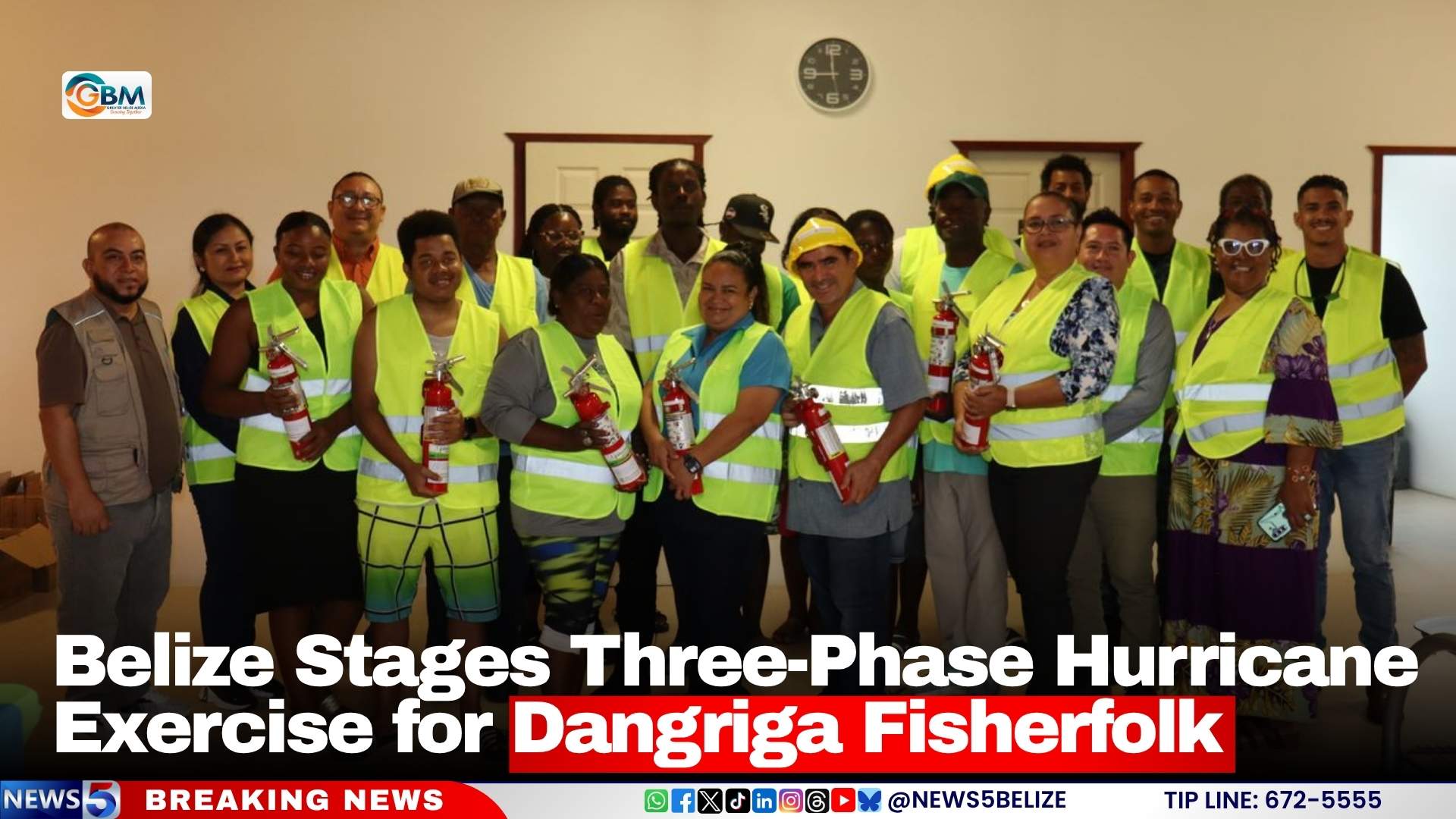
    In a proactive step to strengthen climate disaster resilience among coastal fishing groups, the Government of Belize organized a comprehensive three-phase hurricane preparedness simulation exercise for fisherfolk and fishing cooperatives based in Dangriga Town. Held one month ahead of the August 5, 2026 official announcement, the full-day training and drill brought together three key stakeholders: Belize’s Ministry of Blue Economy and Marine Conservation (MBEMC), the United Nations Food and Agriculture Organization (FAO), and the country’s National Emergency Management Organization (NEMO).

    The drill was designed around a hypothetical scenario where a major hurricane posed an imminent threat to southern Belize, allowing participants to test every stage of existing emergency response protocols through interactive training modules and a full-scale field simulation. Core evaluation areas covered the end-to-end handling of official early warning alerts, the ordered suspension of commercial fishing operations to avoid unnecessary risk, and the proper securing of fishing vessels, gear, and other critical industry equipment.

    Beyond immediate pre-storm preparations, the simulation also assessed procedures for two often-overlooked but vital stages of disaster response: protecting the official membership and operational records held by local fishing cooperatives, and verifying pre-planned evacuation routes to ensure all community members can reach safe shelter in a timely manner. The exercise also put inter-stakeholder coordination to the test across the full timeline of a hurricane event—from pre-landfall preparations through the immediate post-storm recovery period.

    Speaking on the purpose and outcomes of the drill, Beverly Wade, Chief Executive Officer of MBEMC, emphasized that continuous investment in upgrading emergency preparedness across the entire fishing sector is a critical priority for Belize. Fishing is not only a core economic driver for coastal communities, but also the primary source of livelihood for thousands of residents across the country’s southern coast. By equipping fisherfolk and cooperative leaders with the training and protocols to respond effectively to hurricane threats, Wade noted, the government and its partner organizations are working directly to protect these vulnerable livelihoods. She added that pre-event preparedness measures like this simulation also play a key role in cutting down post-disaster recovery timelines, allowing hard-hit coastal towns to restore normal economic activity far faster than would be possible without advance planning.

  • Zware moesson in India eist meer dan 100 levens

    Zware moesson in India eist meer dan 100 levens

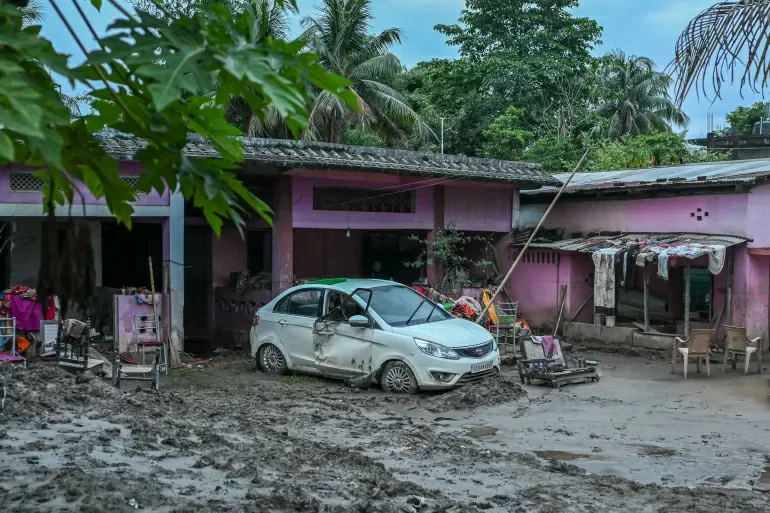
    Extreme monsoon-driven flooding and landslides have claimed more than 100 lives across India since the start of July, as climate change and the El Niño weather pattern supercharge deadly weather events across South Asia and beyond. The northeastern Indian state of Assam has borne the brunt of the disaster, recording at least 87 confirmed deaths – 47 of which came from the hard-hit Sivasagar district, where receding floodwaters left entire neighborhoods and homes damaged in early August 2026. Kerala has reported 15 additional fatalities, with thousands of displaced residents now sheltering in emergency evacuation camps. At least 31 people have been killed by extreme rainfall in Indian-administered Jammu and Kashmir, and 14 more people died from lightning strikes in Jharkhand, a hazard that killed hundreds across the country just one year prior.
    While the annual South Asian monsoon is a critical resource that sustains billions and supports the region’s $500 billion agricultural sector, scientists warn rising global temperatures are upending traditional precipitation patterns, turning predictable seasonal rains into increasingly erratic, deadly events. Climate change amplifies the atmosphere’s ability to hold moisture, leading to far more intense downpours when storms do form, while El Niño – a periodic warm ocean weather event in the Pacific – further disrupts global climate systems to worsen these extremes.
    The extreme weather has not been confined to India. Neighboring Sri Lanka is currently facing a dual climate crisis: flash floods triggered by heavy monsoon rains have killed eight people and displaced more than 12,000, while other regions of the island nation are simultaneously grappling with severe drought that has forced authorities to deliver clean drinking water via truck to affected communities. This stark contrast of simultaneous flood and drought conditions in a single country highlights the growing volatility of weather patterns tied to global warming.
    The crisis unfolding in South Asia comes as other regions of the world face their own unprecedented climate-driven extremes. In Europe, 2026 has already seen record-breaking heatwaves that pushed temperatures above 40 degrees Celsius across Spain, France, and Italy. The prolonged extreme heat has sparked destructive wildfires, drained critical water reserves, and caused widespread public health issues that disproportionately impact elderly, low-income, and other vulnerable populations.
    Leading climate experts have repeatedly warned that as global average temperatures continue to rise due to fossil fuel emissions, events like the South Asian floods and European heatwaves will only grow more frequent and more severe. The 2026 extreme weather events serve as the latest reminder of the uneven and deadly impacts of climate change, with heavily populated, low-income regions in South Asia facing disproportionate risks even as they contribute the least to global greenhouse gas emissions.

  • What If Carnival Changed the Way We Managed Waste?

    What If Carnival Changed the Way We Managed Waste?

    For decades, Carnival across the Caribbean has been synonymous with vibrant culture, contagious music, collective creativity, and tight-knit community gathering. But for Antigua and Barbuda, one of the region’s most beloved annual celebrations has long carried a hidden cost: mountains of single-use recyclable materials that end up buried in local landfills, rather than repurposed as valuable resources. Now, a local environmental nonprofit is challenging that status quo, proving that the nation’s biggest party can also become its most powerful display of environmental stewardship.

    Good Humans 268 Inc., led by founder and president Joshuanette Francis, recently partnered with Akhimo Group Inc. to pilot a transformative waste management model at De Breakfast Fête, one of the key kickoff events of Antigua and Barbuda’s annual Carnival calendar. Unlike traditional post-event cleanup efforts that only collect mixed waste for disposal, the organization was invited to embed responsible recycling into the event’s core operations from the start, to demonstrate what systemic change can look like.

    For years, Good Humans 268 has pitched a deceptively simple solution to event organizers, the Antigua and Barbuda Festivals Commission, and national government agencies: separate waste at the source. When recyclable materials are sorted at the point they are generated, rather than mixed with general trash, recovery and recycling rates skyrocket, turning potential rubbish into reusable raw material. This year at De Breakfast Fête, the team got the chance to put that principle into practice.

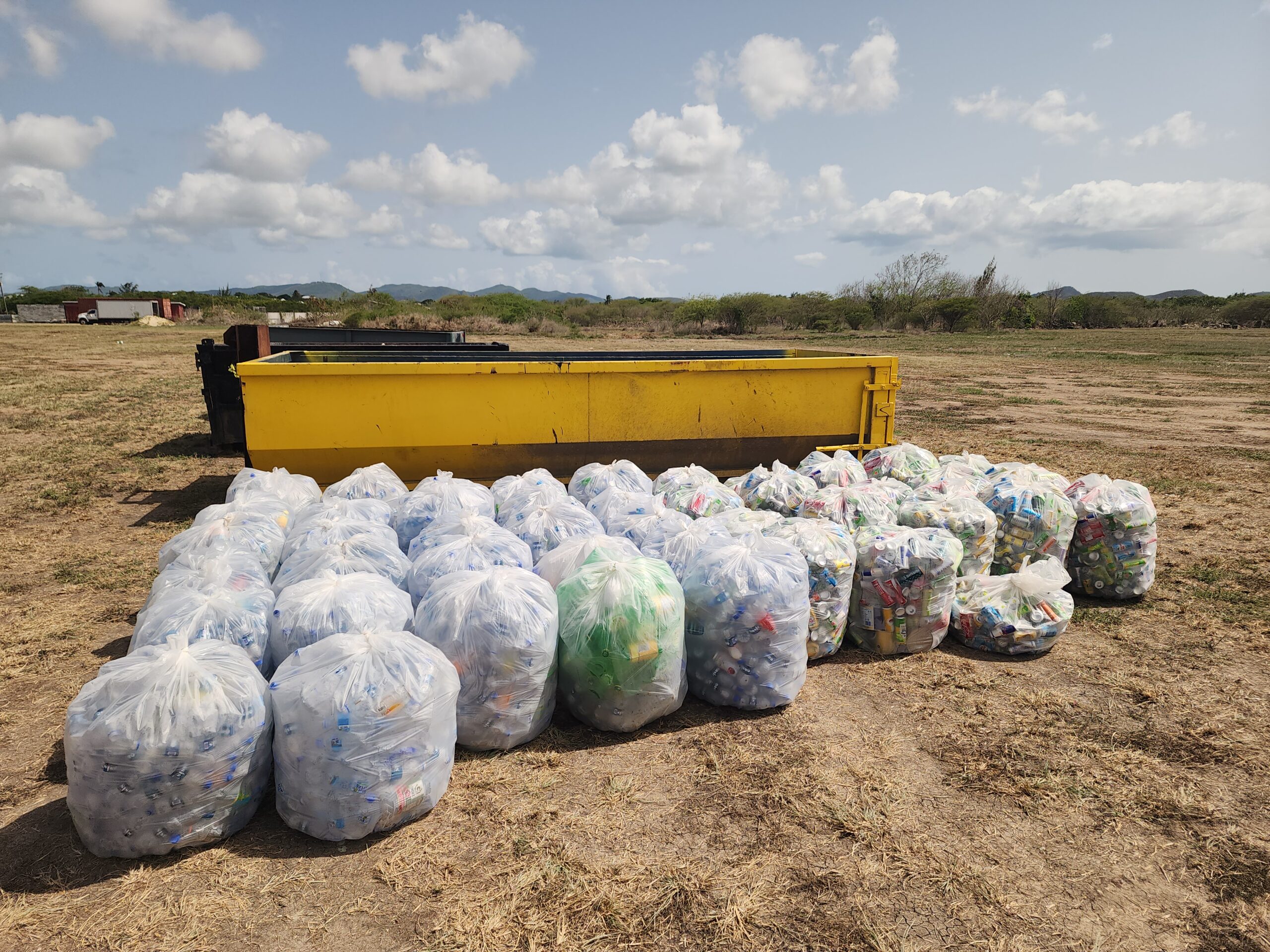
    When the final note of the event’s last performance faded and attendees headed for home, the work was just beginning. Over a grueling 28-hour sorting process spread across three days, the volunteer and staff team carefully separated every recyclable item from general waste. 12 hours of sorting on Sunday were followed by 10 more hours on Monday, with final touches completed on Tuesday. The work was physically draining, but team members say the outcome made every minute worth it.

    The results of the pilot speak for themselves. The team recovered roughly 19,200 plastic bottles, more than 11,600 aluminum cans, and over 3,000 glass bottles from just this single event. In total, more than 33,000 recyclable items were kept out of Antigua and Barbuda’s landfills — a staggering number that hints at the huge potential of rolling this model out across all major Carnival events. If every fête, parade, concert, and community celebration adopted source-separated recycling, the cumulative environmental impact would be transformative for the small island nation, which faces unique waste management challenges due to its limited land area.

    After sorting, the plastic bottles and aluminum cans will be shipped to the Antigua and Barbuda Waste Recycling Corporation, before being exported overseas for full processing into new consumer products. Instead of taking up decades of space in a crowded landfill, these materials will get a second life as new goods — a far smarter investment of a valuable resource, Francis argues.

    The De Breakfast Fête pilot reinforced a core belief the organization has held for years: effective waste management cannot start after an event ends. It must be planned in advance, before the first guest walks through the entrance. The organization’s long-term vision calls for every event promoter to add dedicated Green Teams to their staffing rosters alongside traditional cleaning crews, every Carnival band to assign staff to manage recycling, every food vendor to sort recyclable materials on-site, and every event to install clearly labeled separate collection stations for different waste streams. After all, the organization notes, preventing mixed waste is always far easier than cleaning it up after the fact.

    This vision extends far beyond the annual Carnival season. If Antigua and Barbuda wants to meaningfully reduce pressure on its overstretched landfills, recycling needs to become a part of daily life, not just an afterthought for large public events, the group argues. The model could be adopted by offices, schools, churches, sporting events, small businesses, and individual households across the country to create consistent, systemic change.

    Beyond environmental protection, building a widespread source-separation recycling system would also create tangible economic opportunity for Antigua and Barbuda. Every sorting station needs workers, every recycling program creates new jobs, every collection route supports logistics teams and drivers, and every new initiative opens space for local entrepreneurship and innovation. If the nation reframes waste from an expensive problem to a valuable economic resource, it could create hundreds of meaningful, sustainable local jobs, Francis says.

    The Carnival pilot also highlighted another unexpected benefit of accessible recycling: it can spark public creativity and engagement. Working with local artist Menace XL, the organization built a giant teddy bear sculpture using roughly 2,400 of the collected plastic bottles. Thousands of event attendees stopped to admire the installation, with children posing for photos and adults asking questions about how it was made. The sculpture drove home a simple but powerful message: a material’s value depends entirely on how people choose to see it. A plastic bottle thrown away yesterday can become a work of art, or a new product, tomorrow.

    Looking ahead, the group is pushing for systemic change ahead of Antigua and Barbuda’s 70th Independence anniversary in 2027, a milestone that represents a once-in-a-generation opportunity to reimagine what national celebration looks like. Instead of marking the historic occasion with outdated, waste-heavy practices, the nation could set a new regional standard for sustainable event management that future generations will celebrate.

    Good Humans 268’s goal is straightforward: by 2027, dedicated Green Teams will be a standard requirement for all major events across Antigua and Barbuda, source separation of recyclables will become the national norm, recycling infrastructure will be expanded across the country, and cross-sector partnerships between nonprofits, businesses, and government will grow stronger. The organization predicts this shift will divert thousands more tons of waste from landfills, create new jobs, and help the public shift to a new way of thinking: waste is not the end of a product’s life cycle, but the start of its next chapter.

    At its core, the future of sustainable waste management in Antigua and Barbuda does not depend on new expensive technology or massive infrastructure overhauls first. It depends on a single collective decision: a decision to think differently about waste, a decision to act differently to protect the nation’s natural resources, and a decision to recognize that every bottle, can, and piece of glass represents an opportunity for change. The question that now faces the nation is not whether change is possible — the pilot at De Breakfast Fête has already proven it works. The only question left is: are Antiguans and Barbudans ready to make that change together?