分类: environment

  • US$12.55 million regional project to strengthen climate resilience in Caribbean fisheries

    US$12.55 million regional project to strengthen climate resilience in Caribbean fisheries

    Five Eastern Caribbean nations are set to deliver transformative support to over 21,800 workers and communities dependent on fisheries, as a landmark regional climate adaptation initiative officially kicked off last week.

    Launching at an inaugural inception meeting hosted in Dominica on September 15, 2026, the Climate Change Resilience in the Caribbean Fisheries Sector Project, known as CC4FISH-II, aims to shield small-scale fishing livelihoods from the growing threats of climate change and extreme weather events across Dominica, Grenada, St Kitts and Nevis, St Vincent and the Grenadines, and Trinidad and Tobago.

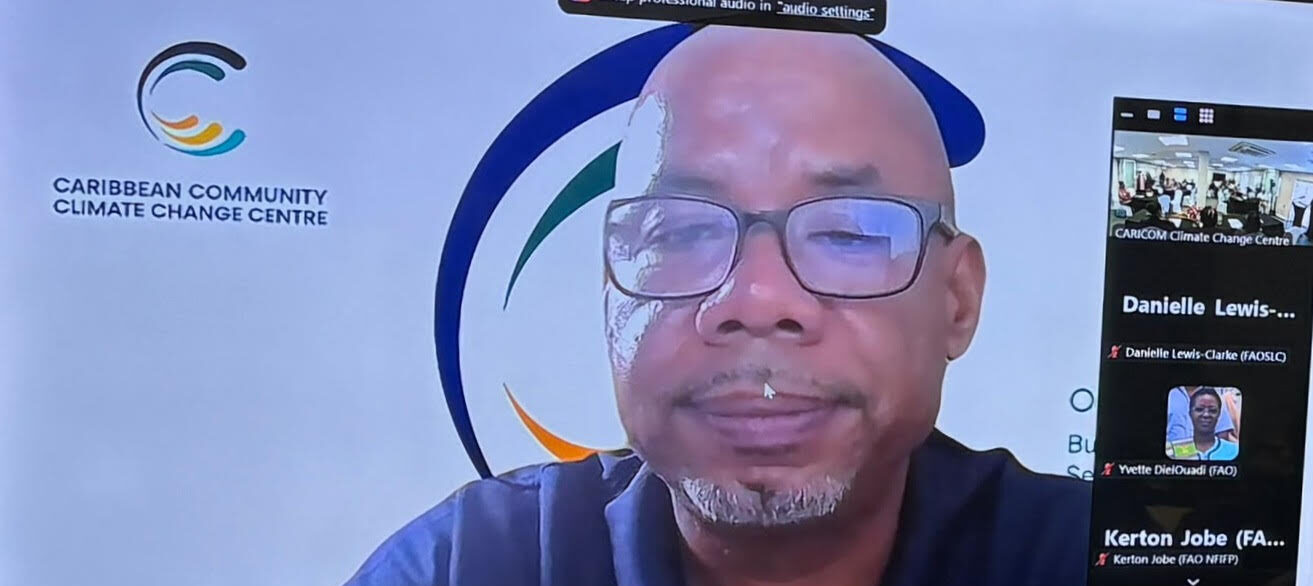
    Backed by $12.55 million in grant financing from the Global Environment Facility (GEF), the five-year initiative is led by the Caribbean Community Climate Change Centre (CCCCC) and implemented in partnership with the United Nations Food and Agriculture Organization (FAO) alongside a network of regional and national stakeholder groups. CC4FISH-II builds on the foundational research of the first CC4FISH project, which operated between 2017 and 2022 to map climate vulnerability across seven Eastern Caribbean fishing industries.

    The launch of this new program comes at a critical juncture for Caribbean Small Island Developing States, where rising ocean temperatures, collapsing fish populations, irreversible damage to critical marine habitats, and widespread biodiversity loss have pushed food security, local employment, and coastal economic development to the brink. Unlike many top-down climate projects, CC4FISH-II centers direct engagement with the people most dependent on healthy fisheries: small-scale fisherfolk, vessel owners, fish processors, market vendors, cross-border traders, and entire coastal settlements. The initiative also places intentional priority on expanding economic opportunity, leadership representation, and resilience support for women and youth working across the sector.

    Speaking to attendees at the Fort Young Hotel Conference Room during the opening workshop, CCCCC Executive Director Dr. Colin Young emphasized that strengthening fishing community resilience is non-negotiable for long-term regional sustainable development. “Through improved infrastructure, expanded access to climate-smart fishing techniques, and built-out community-level capacity, we are working to protect and improve the livelihoods that millions in our region depend on,” Dr. Young said. He added that the project’s core mission goes beyond disaster risk reduction: it seeks to equip communities not only to withstand climate shocks when they hit, but to recover faster and adapt proactively to long-term climatic shifts that are reshaping Caribbean fisheries.

    CC4FISH-II will deliver its goals through four interconnected streams of work. First, it will upgrade critical climate-resilient infrastructure, including fishing vessels, landing sites, processing facilities, and local market hubs, to reduce damage during extreme events. Second, it will focus on restoring and continuously monitoring key blue ecosystems that underpin healthy fish populations, including coral reefs, mangrove forests, and seagrass beds. Third, it will work with national governments to update fisheries management policies, improve cross-sector disaster preparedness planning, and expand access to fisheries insurance and affordable climate adaptation financing for small-scale operators. Finally, it will establish a regional Community of Practice to share actionable knowledge and scale successful climate adaptation models across the Caribbean.

    By integrating proven traditional ecological knowledge held by long-time fishing communities with cutting-edge climate science and sustainable fishing technology, CC4FISH-II aims to lock in long-term gains: promoting resilient sustainable livelihoods, strengthening the social fabric of coastal communities, and boosting the adaptive capacity of the entire Caribbean fisheries sector through to 2030.
  • Belize River Fish Kill: What Happened, What Caused It and What Comes Next

    Belize River Fish Kill: What Happened, What Caused It and What Comes Next

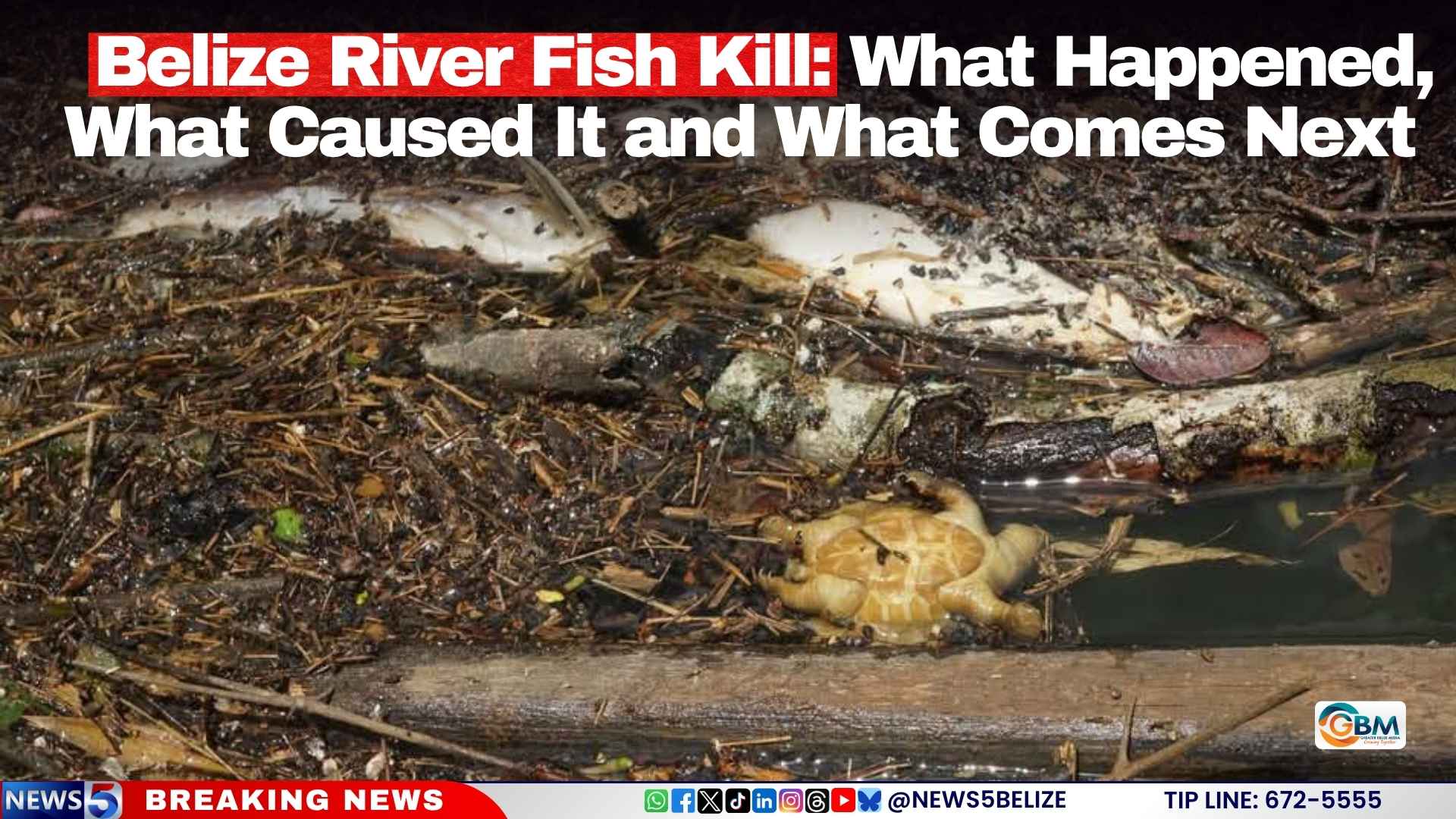
    In August 2026, a major fish kill event struck a 17.5-mile stretch of Belize’s most essential waterbody, the Belize River, killing hundreds of fish across multiple species as well as a crocodile and a turtle. Weeks after the event, Belize’s Department of the Environment (DOE) has finalized its investigation into the cause of the disaster and outlined a 10-point corrective action plan to prevent future ecological catastrophes, confirming that the river has now returned to baseline ecological conditions.

    At a public information session held in Double Head Cabbage on September 12, Chief Environmental Officer Anthony Mai presented the DOE’s full findings, walking attendees through the step-by-step investigation that ruled out multiple potential causes before reaching a definitive conclusion. Investigators examined every plausible trigger for the mass mortality event, from infectious disease and unregulated agricultural activity to chemical contamination, algal overgrowth and poor water quality, even conducting full postmortem necropsies on collected fish specimens.

    The first potential cause to be ruled out was infectious disease. Mai explained that in river ecosystems, disease outbreaks almost exclusively impact a single species, but this event killed multiple fish species alongside reptile species, making disease “highly unlikely” as a root cause. Satellite imagery analysis helped investigators timeline the progression of the event: imagery from May 22 showed the river in normal condition, but by July 23, visible water discoloration was detected near Labouring Creek, aligning with the period when water was released from a nearby rice field. A second discoloration event was spotted near Santander’s discharge outlet on August 2, and just one day later, the first reports of mass fish mortality reached the DOE.

    Isabella Bank was identified as the hardest-hit area, though ecological damage was also recorded in sections near Flowers Bank and Scotland Halfmoon. Initial aerial surveys showed three large dark patches on the river that resembled a crude oil spill, but on-the-ground inspections confirmed these patches were dense algal mats, not petroleum contamination.

    The investigation ultimately traced the mass mortality to nutrient overload from agricultural fertilizer runoff that triggered severe eutrophication. Mai explained the ecological mechanism in clear terms: fertilizers provide nutrients to help crops grow faster, but when excess fertilizer washes off farm fields and into the Belize River, those same nutrients feed explosive algal growth. As algae spreads across the water surface, it blocks sunlight from reaching submerged aquatic plants, which die off as a result. As algae continue to grow, they consume most of the dissolved oxygen in the water, creating hypoxic (low-oxygen) conditions that cannot support aquatic life.

    Necropsies on deceased fish confirmed this conclusion: specimens showed excessive mucus production, anal bleeding, redness on fins, bodies and gill covers, and clouded eyes, all clinical signs of oxygen starvation. While trace amounts of agrochemicals were detected in water samples as far downstream as Flowers Bank, investigators confirmed these were not the direct cause of the kill. The official DOE conclusion is that a high volume of organic nutrients entered the river over a short period, triggering eutrophication that lowered dissolved oxygen levels enough to cause the mass fish kill.

    Today, the DOE confirms that the Belize River has returned to its normal ecological state, but officials are still urging caution for river users. While the water is considered safe for recreational activities such as swimming, the department says additional testing is needed before it can confirm that fish caught from the river are safe for human consumption.

    To prevent similar events from occurring in the future, the DOE has outlined 10 key corrective actions to protect the Belize River watershed. First, officials will meet with the 24 commercial farms located along or near the affected river sections to establish new environmental protection targets, including restoring the legally mandated 66-foot riparian buffer zone along the waterway. Other near-term actions include restoring riparian forest habitats, improving water, soil and nutrient management practices on nearby farms using climate-smart agricultural techniques, and establishing an early warning detection system to spot water quality changes before they become catastrophic.

    Longer-term measures include developing a permanent, comprehensive monitoring plan for the entire Belize River, continuing ongoing data analysis to share with relevant regulatory agencies, updating and strengthening environmental policies and legislation related to watershed protection, assigning a single lead government agency to oversee watershed management, reconvening the Belize River Watershed Committee, updating the official Belize River Watershed Management Plan, and ensuring all relevant agencies fulfill their mandated responsibilities under the updated plan.

    Mai emphasized that the 2026 fish kill event should serve as a wake-up call for all Belizeans who rely on the Belize River, which is one of the country’s most ecologically and economically important waterbodies. “This fish kill event is an eye-opener for me, as the chief environmental officer, and I hope that it is an eye opener for everyone, because Belize River is critical; it’s a very essential water body for this country. Collectively, we cannot allow this river to degrade,” Mai said. “The only way we could ensure that the river is protected is if we all play our part.”

  • RIISE begins operations to accelerate resilient infrastructure delivery in Eastern Caribbean

    RIISE begins operations to accelerate resilient infrastructure delivery in Eastern Caribbean

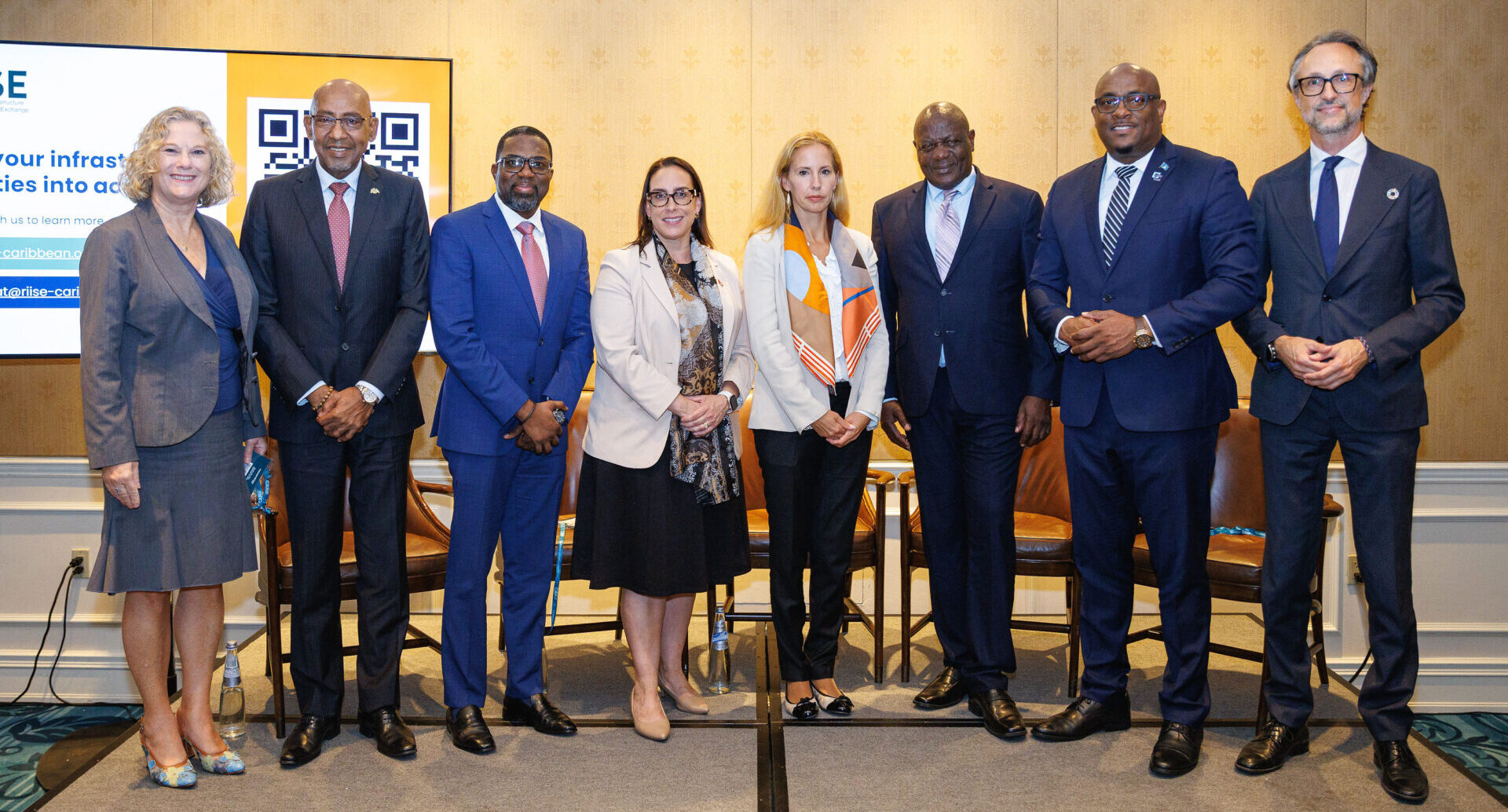
    Against a backdrop of escalating climate risks that disproportionately threaten low-lying island nations, a new regional support initiative has officially opened its doors to help Eastern Caribbean governments turn climate adaptation commitments into tangible infrastructure progress. The Caribbean Resilient Infrastructure Implementation and Skills Exchange (RIISE) Facility is now available to governments of Dominica, Grenada, St Lucia, and St Vincent and the Grenadines, providing targeted technical support to cut through implementation bottlenecks and speed up the delivery of climate-resilient public infrastructure projects.

    Funded by the Government of Canada and hosted by the United Nations Office for Project Services (UNOPS), RIISE operates from a regional secretariat based in Barbados. The initiative is governed by its participating Caribbean countries, with independent technical guidance provided by a panel of regional and international experts.

    Her Excellency Brenda Wills, Canada’s High Commissioner to Barbados and the Eastern Caribbean, emphasized the critical role that resilient infrastructure plays in fostering long-term development across the region. “Resilient infrastructure is essential to economic development, climate adaptation, and the well-being of Caribbean communities,” Wills stated. “Canada is pleased to support RIISE as a regionally led facility that will help governments access the expertise and support needed to deliver priority infrastructure investments. By helping address implementation challenges and strengthening countries’ ability to move projects forward, RIISE has the potential to accelerate resilient infrastructure delivery and generate lasting benefits for Caribbean communities.”

    RIISE fills a critical gap for Small Island Developing States (SIDS) in the Eastern Caribbean, where complex climate infrastructure projects often outpace the in-house technical capacity available to local government teams. Unlike existing funding and pre-construction preparation mechanisms, RIISE focuses specifically on providing on-demand, hands-on support during the implementation phase, helping bridge gaps to move projects from planning to completion.

    The facility supports a broad portfolio of climate-resilient infrastructure categories, including water and sanitation systems, transportation networks, renewable energy infrastructure, coastal protection barriers, public buildings, post-disaster recovery projects, healthcare facilities, educational institutions, and affordable housing. Participating governments can access support through two tailored modalities: short-term technical advisory consultations to resolve specific project challenges, and temporary deployment of specialist personnel to reinforce local project teams. Support is delivered through a flexible mix of remote and in-country engagement, customized to the unique needs of each assignment.

    Across these two service types, RIISE connects government teams with expertise across a wide range of critical infrastructure disciplines, including project management, public procurement, contract administration, engineering technical reviews, and financial management. The facility also prioritizes inclusive and sustainable delivery, offering specialized support for environmental and social safeguards, climate resilience planning, gender equality, social inclusion, stakeholder engagement, communications, project monitoring and reporting, and risk management.

    For government entities seeking RIISE support, the application process is streamlined through national focal points in each of the four participating countries. Ministries and public institutions submit requests through their designated focal point, who completes an online request form detailing the project, specific implementation challenge, and desired outcomes. The RIISE secretariat then reviews eligibility for support and collaborates with the requesting institution to define the scope of assistance and match the required expertise. More information and guidance on the application process is available on the official RIISE website at riise-caribbean.org, or via email at info@riise-caribbean.org.

    Giuseppe Mancinelli, UNOPS Caribbean Director, framed the launch of RIISE as a milestone for regional climate action. “Today marks an important moment for the Caribbean,” Mancinelli said. “UNOPS is proud to provide the operational backbone for this Caribbean-led initiative. Governments across the region have set a bold vision for more resilient infrastructure; our role is to help turn that ambition into results by providing national institutions with the additional capacity, expertise and implementation support they need to deliver for their people.”

    Beyond its immediate goal of speeding up existing infrastructure projects, RIISE has a longer-term mandate to build and retain technical expertise within the Caribbean. As the facility matures, it will create opportunities for visiting international specialists to mentor local public sector teams, and facilitate cross-national knowledge sharing between participating governments. This capacity building component is designed to empower local teams to lead future infrastructure initiatives independently.

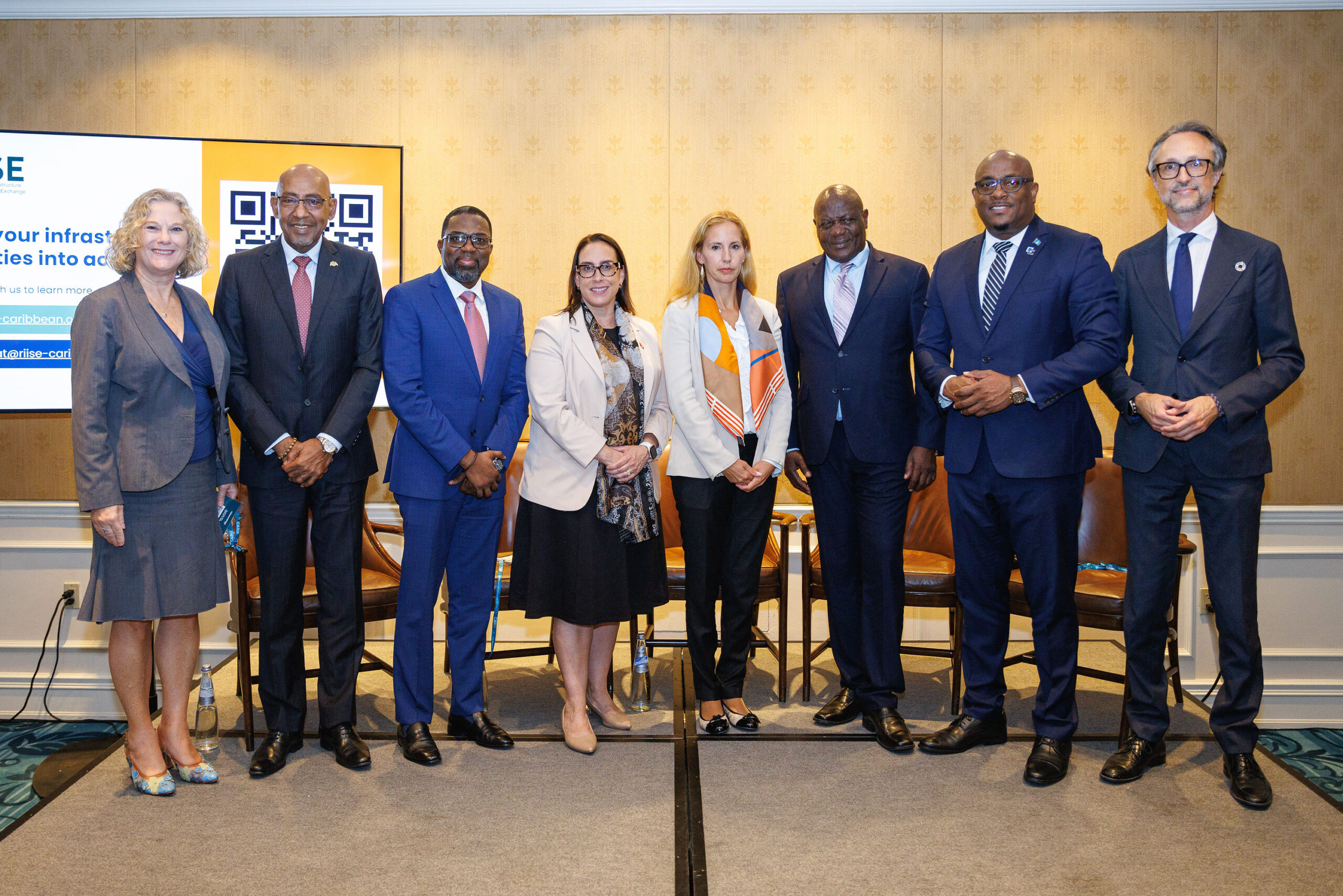
    RIISE was officially launched on 14 September during a side event at the Caribbean Infrastructure Forum (CARIF) held in Miami. Attendees at the launch included senior government representatives from each of the four participating nations: Honourable Shawn Edward, Minister of Infrastructure, Ports Services, and Energy of St Lucia; Honourable Andrew John, Minister of Housing, Land Management, Urban Development, and Informal Settlement Upgrading of St Vincent and the Grenadines; Honourable Dr Irving McIntyre, Minister of Finance, Economic Development, Climate Resilience and Social Security of Dominica; and Alva Browne, Permanent Secretary in Grenada’s Ministry of Infrastructure. Also in attendance were High Commissioner Brenda Wills and representatives from international financial institutions, multilateral organizations, and global infrastructure development partners.

    While RIISE’s initial focus is on the four Eastern Caribbean countries, the initiative is structured to allow for gradual expansion across the region in the future, contingent on expressed government needs and the mobilization of additional partnerships and funding.

  • 5 Caribbean countries launch US$12.5 million project

    5 Caribbean countries launch US$12.5 million project

    Five Eastern Caribbean nations are poised to deliver transformative support to more than 21,800 stakeholders across the regional fisheries industry, from small-scale fisherfolk and coastal community members to boat owners and seafood processors, thanks to a newly launched $12.55 million project funded by the Global Environment Facility (GEF). The multi-year initiative, named Climate Change Resilience in the Caribbean Fisheries Sector Project (CC4FISH-II), was officially launched at an inception meeting hosted in Dominica on September 15, 2026, led by the Caribbean Community Climate Change Centre (CCCCC) in strategic partnership with the United Nations Food and Agriculture Organization (FAO), alongside a network of regional and national implementing partners. The project will run through 2030, expanding on the successful groundwork laid by the original CC4FISH program that operated across seven Eastern Caribbean countries between 2017 and 2022.

    The original CC4FISH initiative delivered critical early progress, including comprehensive vulnerability assessments of the regional fisheries sector, targeted capacity building for fisherfolk and aquaculture operators, and policy reforms that embedded climate adaptation into national and regional fisheries governance. The follow-up CC4FISH-II program was developed to address the accelerating climate-driven threats facing Caribbean fisheries: shrinking fish stocks, widespread marine biodiversity loss, and irreversible degradation of critical Caribbean Sea habitats that underpin the food security, household incomes, and overall economic stability of the region’s Small Island Developing States (SIDS). Unlike the first phase, the new project will focus direct engagement on five participating countries, with an explicit priority on advancing leadership opportunities and strengthening livelihood resilience for women and young people working across the fishing value chain.

    Speaking at the project’s inception workshop, Dominica’s Parliamentary Secretary for the Ministry of Agriculture, Fisheries, Blue and Green Economy, Honourable Lakeyia Joseph, emphasized the shared nature of climate challenges in the region. “No single country can address these climate change challenges alone,” Joseph noted. “We therefore welcome the opportunity provided by CC4FISH-II to deepen collaboration among countries of the Eastern Caribbean…We must ensure our fisherfolk, fisheries officers and other stakeholders have access to knowledge, tools, technology and training necessary to operate sustainably in an increasingly challenging climate.”

    Dr. Renata Clarke, FAO Sub-Regional Coordinator for the Caribbean, framed CC4FISH-II as a generational investment in the Caribbean’s long-term future. “CC4FISH-II represents an investment in the future of the Caribbean. It demonstrates the power of regional collaboration in addressing shared challenges facing the Caribbean’s fisheries sector. Together, we can strengthen resilience, protect marine resources, and create lasting benefits for communities throughout the region,” Clarke said.

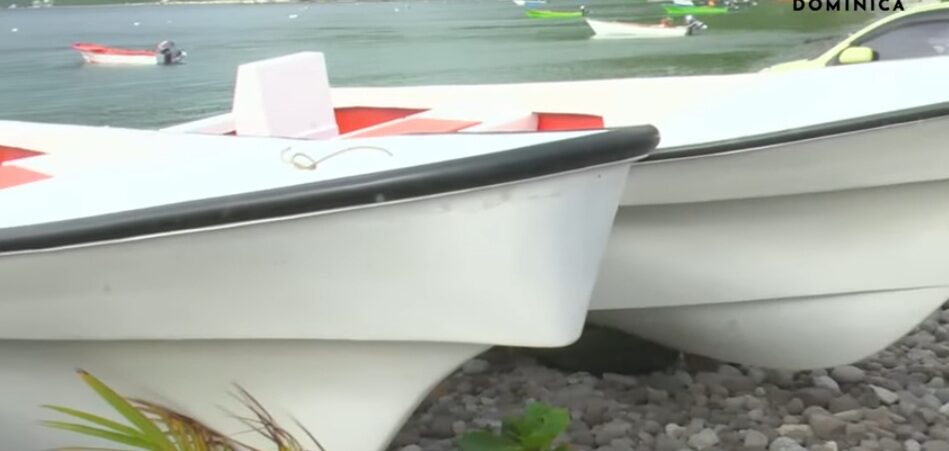
    The Caribbean fisheries sector is a foundational economic and social pillar for the region: it guarantees critical food security for hundreds of thousands of residents, supports widespread livelihoods, and drives growth in linked sectors including tourism. But it has also become one of the most climate-vulnerable industries in the Caribbean, facing growing risks from shifting ocean temperatures, more frequent and intense extreme weather events, widespread ecosystem collapse, and repeated damage to core fisheries infrastructure. CC4FISH-II responds to these threats with a portfolio of practical, on-the-ground investments and systemic interventions, ranging from the deployment of climate-smart fishing vessels and infrastructure to the restoration of critical coastal ecosystems that serve as natural fish habitats and storm buffers.

    CCCCC Executive Director Dr. Colin Young outlined the project’s core community-focused mission: “Through improved infrastructure, enhanced access to climate-smart fishing practices, and strengthened community-level capacity, we are working to protect and improve livelihoods. We are focused on ensuring that when climate events occur, our fishing communities are not only better protected but also possess the tools to recover faster and adapt more effectively.”

    CC4FISH-II is structured around four interconnected core workstreams, all aligned with a long-term, ecosystem-based approach to climate adaptation. The first workstream focuses on delivering climate-ready infrastructure and vessels: retrofitting or building safer, more fuel-efficient fishing boats, and upgrading fish landing sites, processing facilities, and market hubs to withstand extreme weather and long-term climate shifts. The second workstream centers on ecosystem restoration and monitoring, working hand-in-hand with local communities to restore damaged coral reefs, mangrove forests, and seagrass beds—three critical habitats that support fish populations and protect coastal coastlines—while expanding regional capacity to track marine ecosystem health over time.

    The third workstream targets policy and financing reform, working with national and regional governments to embed climate adaptation and disaster risk management into formal fisheries policy, while expanding access to affordable insurance and financial services for small-scale fisherfolk who have historically been locked out of these risk management tools. The fourth and final workstream focuses on cross-regional knowledge sharing, establishing a regional Community of Practice to document and disseminate proven best practices and lessons learned, ensuring that successful solutions developed in one participating country can be scaled across the entire Caribbean.

    By blending cutting-edge climate technology with revamped traditional fishing and conservation practices passed down through coastal communities, CC4FISH-II is positioned to guide the Caribbean fisheries sector toward long-term resilience, protecting sustainable livelihoods and equipping coastal communities to better withstand accelerating climate shocks.

  • Dominica among four Caribbean states to access new infrastructure support facility

    Dominica among four Caribbean states to access new infrastructure support facility

    Four Eastern Caribbean small island developing states have gained access to a groundbreaking new regional initiative that removes long-standing implementation barriers to delivering climate-resilient infrastructure, marking a major step forward for climate adaptation in one of the world’s most climate-vulnerable regions.

    Officially opening operations this month, the Caribbean Resilient Infrastructure Implementation and Skills Exchange (RIISE) Facility was launched on September 14 during a side event of the Caribbean Infrastructure Forum held in Miami. The initiative brings together four participating founding nations: Dominica, Grenada, Saint Lucia, and Saint Vincent and the Grenadines, with high-level representation from each country joining international partners for the launch ceremony.

    Funded entirely by the Government of Canada and hosted by the United Nations Office for Project Services (UNOPS), RIISE is structured as a Caribbean-led initiative. Its operational secretariat is based in Barbados, governance is led by the participating member countries, and independent technical guidance is provided by a panel of global and regional experts. While the four Eastern Caribbean states serve as the initial focus, RIISE leadership has confirmed that expansion to other climate-vulnerable island nations will be possible in the future as additional funding, partnerships, and resources are mobilized to meet growing regional demand.

    The core mission of RIISE is to address the persistent delays that have kept many critical climate-resilient infrastructure projects from moving from planning and investment phases to on-the-ground completion. Small island developing states in the Caribbean frequently face gaps in technical capacity, specialized expertise, and implementation support that slow the delivery of infrastructure designed to withstand intensifying climate impacts like hurricanes, sea-level rise, and coastal erosion.

    Through RIISE, participating governments can access tailored support to meet their specific needs. This ranges from short-term technical advice to solve acute implementation bottlenecks to temporary deployments of specialized experts that strengthen local public sector teams. Eligible support covers a wide range of practice areas, including full-spectrum project management, public procurement, contract administration, engineering and technical design reviews, financial management, environmental and social safeguard development, climate resilience design, gender equality and social inclusion mainstreaming, stakeholder engagement, project communications, monitoring and evaluation, and climate risk management.

    The facility supports infrastructure projects across nearly every sector critical to community well-being and climate adaptation, including water and sanitation systems, transportation networks, energy infrastructure, coastal protection barriers, public government buildings, post-disaster recovery projects, health facilities, education campuses, and affordable housing.

    Beyond supporting immediate project delivery, RIISE also has a long-term capacity-building goal: to build and retain specialized technical expertise within the Caribbean region. By placing international and regional specialists alongside local public sector teams and creating structured opportunities for member countries to share knowledge, lessons learned, and implementation experience, the initiative aims to strengthen lasting institutional capacity across the region.

    Speaking at the launch, Her Excellency Brenda Wills, High Commissioner of Canada to Barbados and the Eastern Caribbean, emphasized the central role of resilient infrastructure to sustainable development in the Caribbean. “Resilient infrastructure is essential to economic development, climate adaptation, and the well-being of Caribbean communities,” Wills said, noting that Canada’s funding support is designed to help governments access the critical expertise needed to overcome implementation hurdles and deliver high-priority climate investments.

    Giuseppe Mancinelli, UNOPS Caribbean Coordinator and Country Director for Barbados, added that the UN body is proud to anchor the Caribbean-led initiative. “UNOPS is proud to provide the operational backbone for this Caribbean-led initiative,” Mancinelli said. “We will help governments turn their infrastructure plans into tangible results by providing additional capacity, expertise and implementation support.”

    Public institutions and ministries in participating countries can request support through their designated national focal points. Requests are submitted via an online portal that requires basic information about the project, the specific implementation challenge, and expected outcomes. The RIISE secretariat then assesses request eligibility and works with the requesting institution to tailor the appropriate package of assistance and expertise. More details about the facility, its services, and the request process are available on the official RIISE website at riise-caribbean.org, or via email at info@riise-caribbean.org.

  • Milieu-inspecteurs kunnen optreden tegen vervuilde erven en illegale vuilstort

    Milieu-inspecteurs kunnen optreden tegen vervuilde erven en illegale vuilstort

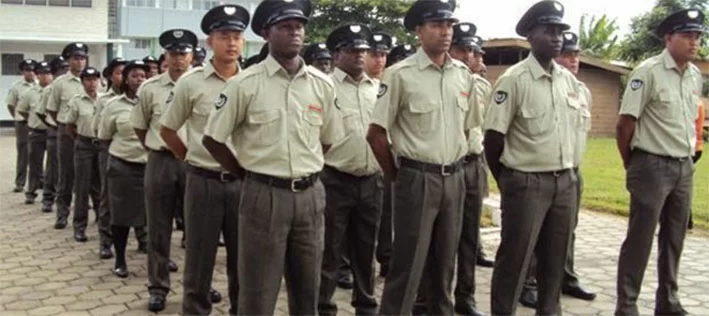
    Suriname’s Ministry of Justice and Security has implemented a landmark regulatory update that grants expanded legal authority to environmental inspectors who also hold positions as special police officers, empowering them to directly issue official violation reports for a wide range of local environmental and public nuisance offenses.

    Announced in an official government order signed by Minister of Justice and Security Harish Monorath on September 4, and published in the Republic of Suriname’s Official State Gazette (Issue 90) on September 10, the amendment revises existing regulations governing the criminal processing of minor environmental offenses. The regulatory change was developed in response to a January 13 correspondence from the Attorney General at the Court of Justice, and both the Attorney General and the acting Director of Justice were consulted prior to the adjustment being finalized. The updated order includes new standardized templates for violation reports and court summons, alongside a clear, enumerated list of offenses that authorized environmental inspectors are now permitted to address during routine patrols and inspections.

    Under the new framework, eight specific offense categories are explicitly designated for direct enforcement by qualified inspectors. These include failure to clear private residential property of overgrown weeds, unkempt shrubs, accumulated waste and other debris; the illegal dumping of garbage and refuse on public or private land; and the neglect of basic property maintenance requirements. Inspectors can also penalize property owners or residents who fail to maintain the public street verge adjacent to their land, a common public nuisance that impacts local infrastructure and community aesthetics.

    Additional offenses covered by the new regulation include the abandonment of wrecked vehicles or scrapped vehicle components on public roads, and the placement of unlit objects on public roadways that create traffic safety hazards. Two fire-related violations are also added to the enforcement list: setting or leaving open fires on undeveloped private land, and lighting fires in or near vegetation owned by third parties. The first six offense categories fall under provisions of the Police Criminal Act, while the two fire-related offenses are prosecuted under Article 499, Paragraph 3 of the Suriname Penal Code.

    The new standardized violation report template outlines the step-by-step process inspectors will follow during enforcement actions. When an authorized inspector identifies a violation during an inspection, they may detain the involved party, record their personal identification information, and inform the suspect of their legal rights: that they are not required to answer questions from authorities, and that they have the right to be represented by legal counsel during proceedings.

    The regulation also establishes a formal summons process requiring suspects to appear before a cantonal judge. The summons clearly states the specific offense that was documented and the proposed settlement amount that can be paid to avoid further criminal prosecution. If a settlement is offered, the suspect can close the case by paying the designated amount no later than one day before the scheduled court hearing.

    Notably, the list of eight explicit offenses does not represent a strict limit on the enforcement authority granted to inspectors. The official reporting form includes a dedicated section to document any other violations of the Police Criminal Act or Penal Code that inspectors may identify during their work, and to issue summons for these additional offenses as needed.

    Following the publication of the order, official copies have been distributed to key Surinamese legal and law enforcement stakeholders, including the President of the Court of Justice, the Attorney General, and the Chief of the Suriname Police Force.

  • Pedernales to get three new weather stations to strengthen early warnings

    Pedernales to get three new weather stations to strengthen early warnings

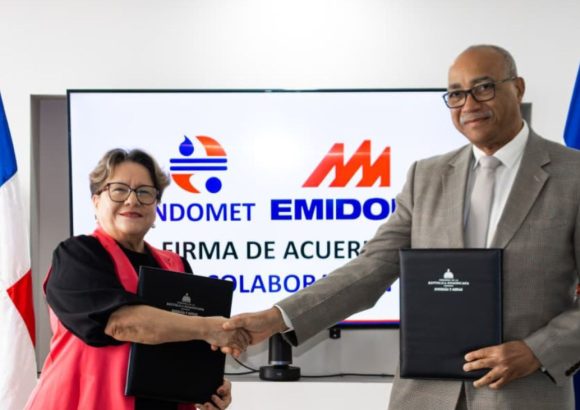
    A new collaborative climate monitoring initiative is bringing critical meteorological infrastructure to under-served regions of the Dominican Republic, after the Dominican Mining Company (Emidom) and the Dominican Institute of Meteorology (Indomet) formalized an inter-institutional agreement to install three cutting-edge automatic weather stations in the southwestern province of Pedernales.

    All three monitoring units will be positioned within the boundaries of the Ávila Mining Fiscal Reserve (RFMA), where they will continuously collect real-time measurements of key atmospheric variables including air temperature, precipitation volume, wind speed and direction, and additional climate metrics. To ensure global compatibility and data accuracy, all installed equipment will operate in full alignment with standards set by the World Meteorological Organization (WMO).

    The structured data gathered by the stations will serve dual public and private purposes. First, it will directly support Emidom’s ongoing environmental research initiatives, most notably comprehensive assessments of local water resource availability tied to the company’s exploration activities. Second, all raw and processed data will be shared with Indomet for expert validation before being added to the National Meteorological Data Bank (Bandamet), the country’s central repository of climate information.

    Miguel Ángel Díaz, Executive Vice President of Emidom, emphasized that the project addresses a long-standing gap in meteorological coverage for the province. For decades, Pedernales has lacked the robust scientific climate infrastructure needed to support evidence-based decision-making, and this partnership fills that critical void, he explained.

    Díaz added that the benefits of the new monitoring network extend far beyond corporate environmental research. The data generated by the stations will be a valuable public resource for local government officials, small-scale agricultural producers, artisanal fishing communities, and residential populations across the province — a advantage that will prove particularly life-saving during the annual Atlantic hurricane season, when timely weather warnings are critical.

    Gloria Ceballos, Executive Director of Indomet, echoed Díaz’s enthusiasm, noting that expanding the national meteorological observation network through cross-institutional partnerships like this one directly enhances the country’s capacity to track evolving weather conditions, issue timely early warnings, and improve climate risk management across Pedernales.

    The formal agreement outlines clear divisions of responsibility for both parties. Emidom will cover the costs of deploying, installing, and calibrating the three weather stations, as well as managing ongoing data sharing and conducting routine on-site verification of equipment functionality. Indomet, in turn, will provide specialized technical guidance, train local staff on equipment upkeep, conduct official data validation, and oversee all preventive maintenance activities to ensure ongoing compliance with WMO operating protocols.

    This collaboration forms a core component of Emidom’s broader work in Pedernales, where the company is currently developing a comprehensive environmental baseline to support its planned strategic mineral exploration activities. Company representatives noted that the project also advances Emidom’s broader institutional commitments to environmental stewardship, operational transparency, and equitable sustainable development for the local communities that host its operations.

  • Dominica to launch climate change resilience project for Caribbean fisheries sector

    Dominica to launch climate change resilience project for Caribbean fisheries sector

    Small island nations across the Caribbean have long watched climate change erode the marine ecosystems that underpin their food security, cultural identity, and economic stability. This week, one regional step forward aims to turn the tide for local fishing communities: the Ministry of Agriculture, Fisheries, Blue and Green Economy of the Commonwealth of Dominica is preparing to officially launch the CC4FISH-II Climate Change Resilience in the Caribbean Fisheries Sector Project on September 15, 2026.

    This landmark resilience-building initiative does not move forward alone. It brings together three leading global and regional environmental and development bodies for coordinated impact: the Global Environment Facility (GEF) provides core funding support, the Food and Agriculture Organization of the United Nations (FAO brings technical expertise and global fisheries insight, and the Caribbean Community Climate Change Centre (CCCCC) contributes on-the-ground regional knowledge tailored to the unique vulnerabilities of Caribbean coastal nations.

    The official launch event is scheduled to kick off at 10:30 a.m. local time, organized in a hybrid format to maximize participation across the region and beyond. Attendees will have the option to join in person at a venue in Dominica, or connect remotely from anywhere in the world, breaking down barriers to stakeholder involvement that often limit small regional projects.

    At its core, CC4FISH-II is designed to directly address the growing climate crisis facing Caribbean fisheries. For years, rising ocean temperatures, ocean acidification, more intense tropical storms, and shifting fish migration patterns have threatened the viability of marine resources that millions of people in the region depend on for daily sustenance and livelihoods. Fishing communities, particularly small-scale artisanal operations that form the backbone of many local economies, have borne the brunt of these changes with few resources to adapt. The new project prioritizes strengthening the adaptive capacity of the sector, building long-term resilience that can protect both marine ecosystems and the human communities that rely on them for generations to come.

  • DEPP: School broke law with balloon release

    DEPP: School broke law with balloon release

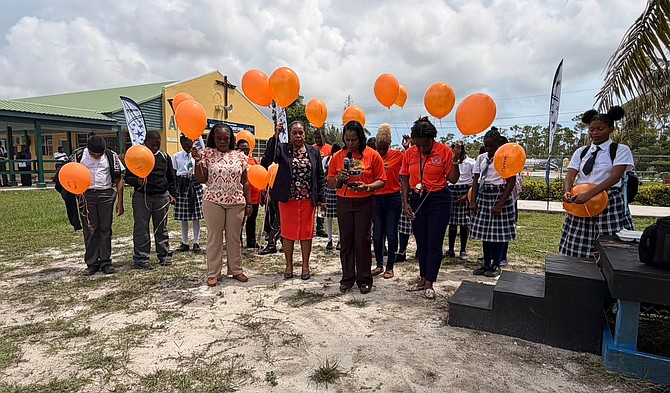
    A public middle school in the Bahamas has found itself at the center of environmental controversy after breaking a four-year national ban on balloon releases during a community awareness event, the country’s top environmental official has confirmed. Jack Hayward Junior High School conducted the balloon release as part of activities for World Suicide Prevention Week, which also aimed to lift public awareness of leukaemia. The incident has sparked new discussions about public understanding of the country’s single-use plastics legislation, which has prohibited intentional balloon releases into the environment since January 1, 2020.

    Dr. Rhianna Neely-Murphy, director of the Bahamas’ Department of Environmental Planning and Protection (DEPP), confirmed that the department is aware of the violation and intends to reach out directly to the school’s principal to address the incident. As of press time, she could not confirm whether the school would face the full $1,000 fine outlined in the legislation. When the ban was first implemented, it was introduced as part of a broader regulatory package targeting harmful single-use plastic products, crafted to protect both the Bahamas’ fragile ecosystem and public health.

    Environmental advocates have long sounded the alarm about the severe risks balloon releases pose to local wildlife, and the incident has renewed those warnings. Gail Woon, founder of leading Bahamian environmental non-profit Earthcare, explained that discarded balloon material often ends up in coastal and marine ecosystems, where it is frequently mistaken for food by birds, fish, endangered sea turtles, and iconic marine mammals including whales and dolphins. When ingested, balloon fragments cause life-threatening blockages in animals’ digestive tracts that often lead to a slow, painful death. Beyond the risk of ingestion, the strings and ribbons attached to balloons can travel hundreds of miles through air and ocean currents, entangling wildlife and restricting their movement, ability to feed, and escape from predators.

    Woon urged all organized groups, including schools, non-profits, and community organizations, to switch to environmentally safe alternatives for commemorative and awareness events, such as candle lighting ceremonies. She also raised a broader concern: many public institutions, including schools, and even some law enforcement officers remain unaware that the balloon release ban has been in effect for nearly half a decade.

    Dr. Neely-Murphy acknowledged this gap in public knowledge, confirming that additional widespread public education outreach is needed to ensure communities across the Bahamas understand the existing regulations. She added that the Jack Hayward incident is not an isolated case – DEPP has documented multiple unauthorized balloon releases across the country in 2024 alone. In previous violations, department officials have proactively reached out to responsible parties to review the law and clarify the purpose of the ban. In many cases, groups have agreed to complete community service focused on environmental restoration, such as mangrove replanting projects that support the sustainability of the Bahamas’ critical coastal ecosystems.

    Officials are using this latest incident to reissue a public reminder of the 2020 ban, which was codified alongside broader restrictions on a range of harmful single-use plastic products. Dr. Neely-Murphy emphasized that the regulation was crafted exclusively to protect both environmental health and human well-being, and urged all residents and visitors to avoid using any of the products restricted under the 2020 legislation. She also noted that while some banned items may still be smuggled or distributed through informal channels, they remain prohibited due to their proven harm to the country’s natural resources. Importantly, Dr. Neely-Murphy clarified that the ban does not extend to the private ownership or sale of balloons – only the intentional release of balloons into the natural environment is illegal under Bahamian law.

  • Agronomist warns that forests could disappear from national parks

    Agronomist warns that forests could disappear from national parks

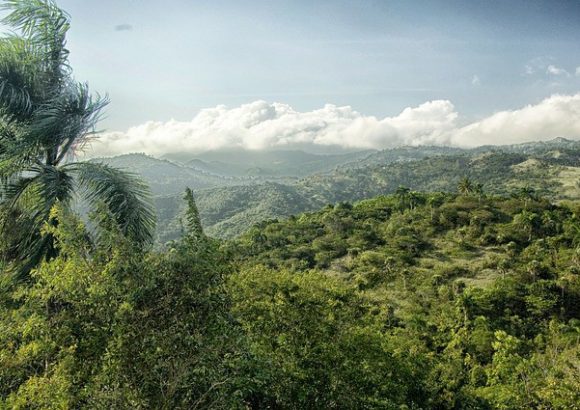
    At the launch of his new publication *Natural Resources and Ecology*, prominent Dominican agronomist Gabriel Valdez Sierra has issued a pressing call to both national authorities and the general public of the Dominican Republic to ramp up coordinated efforts to safeguard natural resources, preserve vulnerable biodiversity, and reverse the ongoing decline of native plant and animal species across the country and beyond.

    In his presentation, Valdez Sierra drew attention to the accelerating rate of global ecosystem degradation, citing peer-reviewed research that estimates approximately 61,000 square kilometers of new desert are formed annually as once-productive agricultural and wild land degrades to unproductive arid terrain. He outlined three interconnected, critical environmental challenges facing the planet and the Caribbean region specifically: widespread fertile topsoil loss, accelerating deforestation, and the steady increase of global greenhouse gas emissions.

    The agronomist emphasized that human activity is driving soil erosion at a rate far faster than natural soil formation processes can regenerate this critical non-renewable resource. He added that the ongoing clearance of tropical forests, one of the planet’s most biodiverse ecosystems, does not only destroy habitat for countless species but also creates cascading risks to global food security and freshwater access for vulnerable communities.

    Valdez Sierra further explained that rising atmospheric concentrations of carbon dioxide and other heat-trapping greenhouse gases are driving global temperature increases, which in turn put unprecedented pressure on freshwater reserves, agricultural production systems, and low-lying coastal communities that face growing flood and erosion risks.

    A core focus of Valdez Sierra’s new book is a comprehensive historical analysis of the Dominican Republic’s national protected area network. The work traces the system’s evolution from its origins in the 1950s, when iconic protected spaces including the José Armando Bermúdez and José del Carmen Ramírez national parks were first established, through to the system’s expansion and development up to 2020. It also includes a detailed case study of the binational Carebios initiative, a cross-border conservation project designed to boost the adaptive capacity of shared transboundary biosphere reserves along the Haiti-Dominican Republic border.

    Wrapping up his presentation, Valdez Sierra underlined that reversing environmental damage will require widespread public education to build greater awareness of accelerating ecosystem degradation, and he renewed his call for cross-sector collective action to halt the unsustainable depletion of the Dominican Republic’s irreplaceable natural resources.