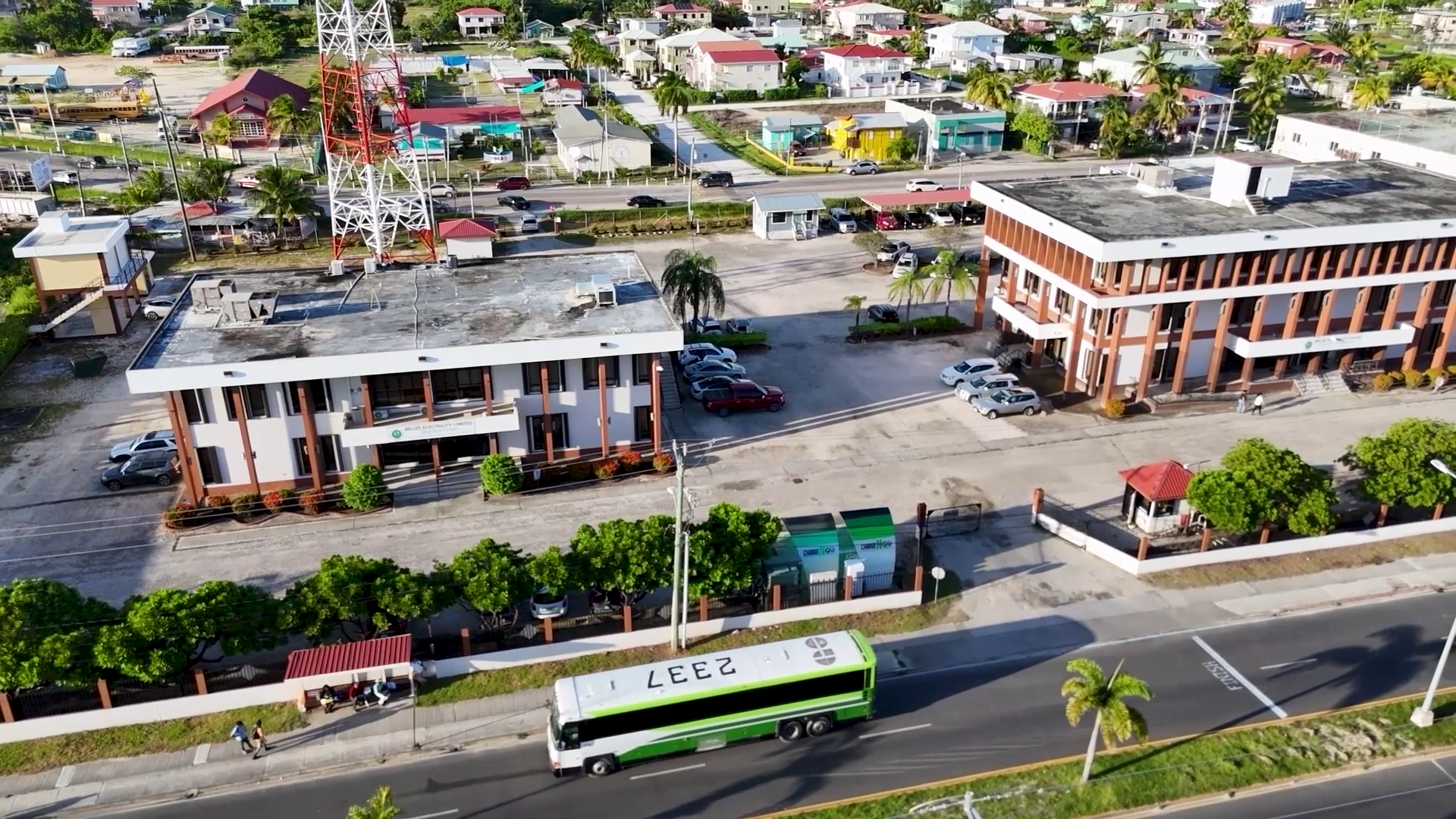
Against a backdrop of persistent energy insecurity and skyrocketing consumer electricity costs, the government of Belize has laid out an ambitious medium-term strategy to overhaul the nation’s energy sector, anchored by a target to add 120 megawatts of new solar power capacity to the national grid. For years, Belize has depended heavily on costly diesel-powered generation to cover gaps in its regular power supply, leaving the country vulnerable to price volatility and supply disruptions that have squeezed both household budgets and economic growth. The declaration of a national energy emergency has cleared the way for Belize Electricity Limited (BEL), the country’s main power provider, to accelerate domestic energy expansion and shore up long-term energy security, Prime Minister John Briceño announced in a recent address.
Briceño emphasized that energy security has emerged as the most pressing priority for his administration, describing the rolling blackouts (load shedding) that Belize has faced in recent months as an unacceptable outdated problem that demands urgent action. Working in close coordination with BEL’s technical team, the government has outlined both immediate short-term relief and long-term structural reform to resolve the crisis. In addition to the 120MW solar expansion target that will cut reliance on expensive imported fossil fuels, the plan also eliminates the need to purchase costly power from Mexico’s state-owned utility Comisión Federal de Electricidad (CFE) during periods of price spikes, laying the groundwork for a more resilient electricity system that can support sustained economic growth.
To address immediate supply gaps, the government has rolled out a temporary six-month solution: a partnership with MV Power Solutions, a Belgium-based energy firm, to deploy 20 megawatts of mobile diesel generation capacity. This temporary fix has already proven its value, Briceño noted, when CFE completely cut off power supplies to Belize recently, yet no rolling blackouts were required thanks to the pre-deployed backup capacity. The mobile generation units will drastically reduce the risk of outages whenever cross-border power supplies from Mexico are interrupted or unavailable, he added.
While the short-term measures have stabilized supply, consumers across Belize are already grappling with sharply higher electricity bills, a burden that has sparked widespread public frustration. Briceño acknowledged the flood of consumer complaints about rising energy costs, pointing to extreme heat driven by repeated regional heat waves as a key contributing factor. Higher temperatures mean households rely more heavily on air conditioning for cooling, increasing overall energy consumption directly. Beyond that, Briceño explained, trapped heat in homes forces everyday appliances from refrigerators to idle electronics to work harder to maintain operating temperatures, adding even more to total energy use even when some devices are not in active use. The prime minister’s remarks come as the government works to balance immediate consumer relief with long-term transition to cheaper, more reliable renewable energy, with the large-scale solar expansion positioned as the core solution to both high costs and supply insecurity.