分类: environment

  • Caribbean climate-smart farming project trains 49 farmers and agricultural officers in St. Vincent

    Caribbean climate-smart farming project trains 49 farmers and agricultural officers in St. Vincent

    As climate change continues to intensify threats to Caribbean agricultural systems, a regional initiative centered on improving soil health and building climate resilience is rolling out targeted training to farming communities across St. Vincent and the Grenadines. Forty-nine local farmers and agricultural technical officers have recently graduated from the first round of hands-on training organized under the ADOPT Caribbean – Soil Health for Climate Resilient Agriculture project, a program designed to embed sustainable production practices and boost the agricultural sector’s ability to withstand climate shocks. The initiative is led by the Inter-American Institute for Cooperation on Agriculture (IICA) in collaboration with a network of national and regional partners, with a current focus on expanding outreach and support to small-scale farming communities in the northeast of St. Vincent and the Grenadines.

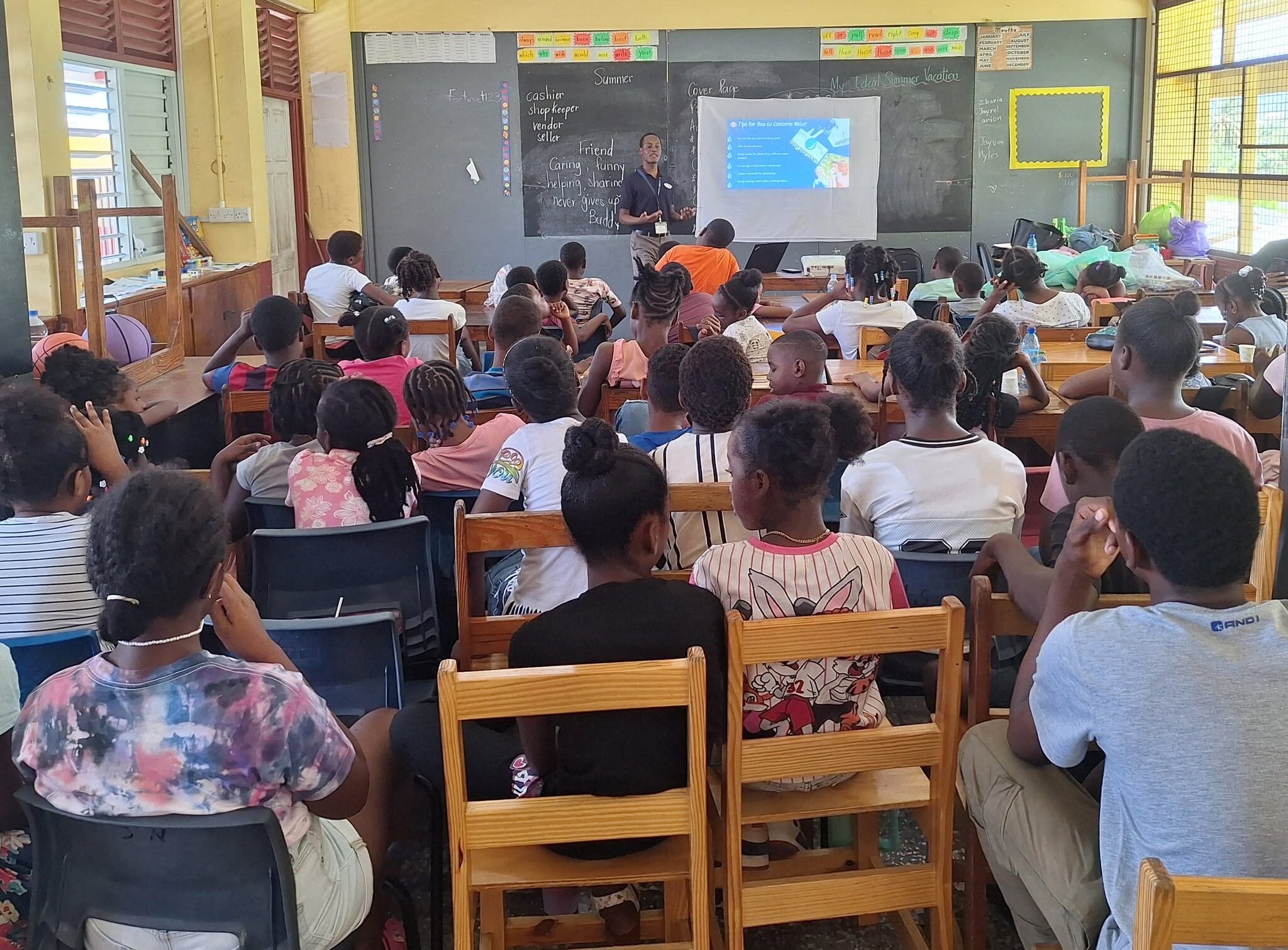
    Unlike traditional theoretical-only training programs, the recent ADOPT Caribbean sessions blended structured classroom learning with immersive field-based practice to ensure participants gained both foundational knowledge and actionable, on-the-ground experience. As part of the program’s initial assessment work, technical teams collected soil samples from two key local districts—Langley Park and Orange Hill—to generate baseline data that will inform evidence-based soil management strategies for the region moving forward. Specialized training for technical officers was delivered by leading industry experts: Ronen Francis from the Partnership Initiative for Sustainable Landscape Management (PISLM) and Chaney St. Martin, IICA’s International Specialist in Water and Soil Management. Course content focused heavily on evidence-based soil health improvement techniques and the development of dedicated demonstration plots that will serve as living examples of climate-smart agriculture for local producers.

    Local farmers also participated in hands-on practical workshops led by St. Martin, with support from IICA’s in-country Technical Specialist Michael Dalton and project consultant Michael Delpeche. The training curriculum covered the full cycle of crop production, from initial land preparation and optimized planting methods to ongoing crop maintenance and climate-adapted harvesting practices. According to Dalton, the program is already filling a critical gap by building specialized, context-relevant skills for both local producers and agricultural support professionals.

    “ADOPT Caribbean provides an important platform for capacity building for farmers and agricultural technicians,” Dalton explained in an official IICA press statement. “We have been able to expose our local technical team to key considerations for experimental plot establishment and provided information for our farmers which gives a sound basis for their operations on their farms. We intend to further advance our interventions through forums such as these for stakeholders, with the intention to promote such practices across the country.”

    Looking ahead, the next phase of the project will focus on establishing permanent demonstration plots across St. Vincent and the Grenadines, where local farmers can observe climate-smart farming techniques in action and learn how to adapt these methods to their own smallholdings. Beyond St. Vincent and the Grenadines, ADOPT Caribbean is also active in Guyana and Jamaica, forming part of a broader regional push to improve regional soil health, cut greenhouse gas emissions originating from agricultural activity, and scale up climate resilience across the Caribbean agricultural sector.

    The initiative receives funding through the New Zealand Government’s Climate Smart Agriculture Initiative (NZCSA-LAC), which is New Zealand’s official contribution to the Global Research Alliance on Agricultural Greenhouse Gases (GRA). All project funding is administered through the Ag Emissions Centre. Looking forward, IICA has confirmed that the project will continue to support farmers and agricultural stakeholders across all three participating countries, with a long-term goal of mainstreaming sustainable farming practices that strengthen regional food security while preserving critical natural ecosystems.

  • Massale  vissterfte in Moeroekreek: NMA start onderzoek

    Massale vissterfte in Moeroekreek: NMA start onderzoek

    On June 26, Suriname’s National Environmental Authority (NMA) issued an urgent public warning banning local residents from catching, consuming, or selling fish caught from the Moeroekreek waterway in Saramacca District, following the discovery of a widespread unexplained mass fish die-off in the region.

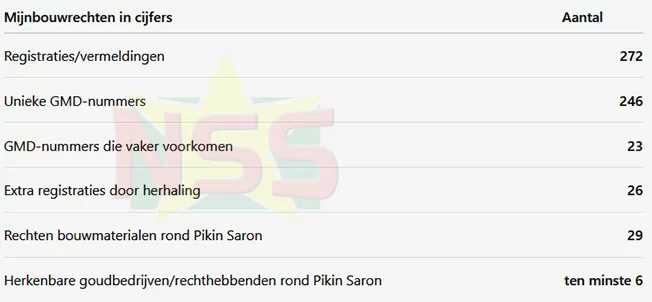
    The alert was triggered after reports of dead and dying fish came from communities near the upper reaches of the Saramacca River, where the Moeroekreek is located, just a short distance from the Indigenous village of Pikin Saron. The NMA has confirmed it holds serious suspicions that an as-yet unidentified toxic contaminant has entered the water system, and has launched a high-priority joint investigation alongside other relevant government agencies to pinpoint the source and nature of the pollution.

    Environmental officials also warned that the suspected contamination is likely moving downstream with the current, spreading northward along the Saramacca River. As a precaution, residents of all riverbank communities along this stretch of the waterway have been urged to heighten their vigilance and follow strict safety guidance while investigation results are pending.

    The NMA outlined four key public safety recommendations for all residents in the affected area: First, avoid catching, eating, or selling any dead or sick fish harvested from the region. Second, do not use water from Moeroekreek or its immediate surrounding tributaries for drinking, food preparation, or any other household purposes for the time being. Third, limit unnecessary direct contact with the water as much as possible to reduce potential exposure risks. Fourth, report any new cases of mass fish mortality immediately to the district commissioner or other competent local authorities.

    The authority emphasized that the investigation into the incident is being treated as a top public health and environmental priority. It confirmed that once more information becomes available about the root cause of the die-off and potential risks to human health and local ecosystems, the affected communities and general public will receive timely, full updates.

  • Belize Hosts Fourth Annual Climate Resilience Forum

    Belize Hosts Fourth Annual Climate Resilience Forum

    On the morning of June 25, 2026, stakeholders spanning multiple sectors — including government agencies, non-governmental organizations, artisanal fisherfolk groups, and academic research institutions — assembled in Belize for the Fourth Climate Resilience Forum, hosted by the country’s Ministry of Blue Economy and Marine Conservation. The cross-sector gathering was designed to center diverse perspectives on confronting the most urgent coastal and marine threats facing the small Caribbean nation: massive sargassum inundations, accelerating beach erosion, systemic climate change impacts, and steadily rising ocean temperatures that threaten coral reefs and fisheries.

    Throughout the day’s discussions, attendees celebrated the tangible progress Belize has already achieved in marine protection and the sustainable expansion of its blue economy, while emphasizing that ongoing cross-stakeholder collaboration and adaptive improvement are critical to protecting the nation’s coastal and marine resources for current and future generations of coastal communities.

    Andre Perez, Belize’s Minister of Blue Economy, used his keynote address to spotlight two often-overlooked pillars of effective climate resilience: youth inclusion and technological innovation. “We often say young people are the future, but the future is already here — we are building the foundation of our resilience today,” Perez explained. “That means we need young people as active partners right now, not just an afterthought for coming decades. This work is constantly evolving, so we need fresh, smarter ideas to move forward.”

    Perez added that innovation extends far beyond just monitoring ocean conditions, noting that new tools are transforming the fight against illegal, unreported, and unregulated fishing — a persistent threat to Belize’s fish stocks and sustainable fishing livelihoods. Where enforcement once relied almost exclusively on patrol vessels, the ministry is now integrating drone technology into monitoring efforts and expanding cross-stakeholder cooperation. “It’s not just the Fisheries Department patrolling waters alone anymore,” Perez said. “This work has to be a collective effort with every group at the table.”

    Beverly Wade, Chief Executive Officer of the Ministry of Blue Economy, outlined the major policy and regulatory advances the government has delivered in recent years. “We have made significant inroads in strengthening the foundational framework for sustainable, inclusive blue economy growth in Belize,” Wade reported. Most recently, the government completed a full review and modernization of national coastal zone management legislation, alongside an update to the country’s integrated coastal zone management plan. Looking ahead, the ministry is moving forward with implementing the Belize Sustainable Oceans Plan, financed in part through blue bonds.

    “These updates are critical because they strengthen our overall blueprint for this work, both from the perspective of environmental stewardship and equitable economic development,” Wade added. She also confirmed that the ministry is currently in the consultation phase of revising national fisheries legislation, with the updated framework on track to be finalized by the end of 2026.

    This report is based on a transcribed evening television newscast, with any Kriol-language remarks standardized to a consistent spelling system for publication.

  • WINDREF: Invitation for Prequalification of Contractors

    WINDREF: Invitation for Prequalification of Contractors

    The Windward Islands Research and Education Foundation (WINDREF), based at St. George’s University in Grenada, has secured grant financing from the Caribbean Biodiversity Fund (CBF) to advance the transformative Telescope’s Living Shoreline (TLS) Project, a coastal resilience initiative focused on stabilizing eroding shorelines in Grenada’s Grenville Bay Area. As the project’s lead implementing agency, WINDREF has opened a prequalification round for contractors bidding to deliver the project’s core construction works, ahead of a full tender invitation expected in July 2026.

    Located along the shores of Little Bay in the Telescope community, the TLS project centers on implementing nature-centered and hybrid shoreline stabilization measures to protect the vulnerable coastline from erosion and storm damage. While final design work is still underway as part of an ongoing parallel design review and optimization consultancy, the core construction scope is already outlined. The works will impact approximately 550 metres of coastal shoreline, covering activities including in-water and intertidal marine construction, installation of armour stone structures both onshore and offshore, excavation works and toe stone placement, coastal zone backfilling, temporary access road and stockpile area development with full post-construction restoration, and comprehensive quality control for all construction materials including boulders, structural blocks and fill sediment.

    The prequalification process follows the formal regulations set out in Grenada’s 2014 Public Procurement and Disposal of Public Property Act and 2015 accompanying regulations, and is open to all eligible contractors, whether applying as individual firms or as joint venture (JV) partnerships. WINDREF explicitly encourages regional construction firms to partner with international specialists in both grey and green infrastructure to meet project requirements, and particularly promotes joint ventures that combine local marine construction expertise with specialized global experience in ecosystem restoration.

    To qualify, bidders must meet strict financial, experience and compliance criteria. For joint venture partnerships, the lead partner is required to satisfy at least 50% of the combined financial and experience requirements, with the full JV team required to meet 100% of all standards. Financially, bidders must demonstrate a minimum average annual turnover of EC$5.4 million (equivalent to approximately US$2.0 million), calculated over the top five years of the last seven full operating years, as well as verifiable accessible cash flow or credit lines totaling at least EC$1.1 million (US$400,000).

    In terms of relevant experience, bidders must have served as prime contractor on at least two similar coastal or marine construction projects completed to at least 80% progress within the last seven years, with each project valued at a minimum of EC$3.6 million (US$1.3 million). Preference will be granted to teams that can demonstrate prior experience integrating Nature-Based Solutions (NbS) such as mangrove habitat rehabilitation, vegetation-fueled dune stabilization, or eco-engineered marine infrastructure into their work. Bidders must also provide a minimum of two professional reference letters from past clients for successfully completed similar projects, a signed declaration confirming no major environmental or social compliance breaches, regulatory fines, or project suspensions related to E&S non-compliance over the last five years, and documented proof of a dedicated Health, Safety and Environment (HSE)/Safeguards Officer with prior experience implementing environmental management plans in sensitive marine coastal ecosystems.

    Interested contractors can request additional project information from co-project managers Kendon James and Carol Forbes between 8 am and 4 pm Grenada local time, Monday through Friday, via the contact emails listed in this announcement. All prequalification submissions must be prepared in English, delivered exclusively via email in PDF format (with a maximum total file size of 30MB), and received by 2 pm local Grenada time on July 20, 2026. The email subject line for submissions must follow the format: “[Company Name or Abbreviation] — TLS Prequalification Documents”.

    WINDREF notes that the burden of proof for confirming successful submission receipt falls to the bidding party, and a simple read receipt or sent folder confirmation from the bidder’s email system will not be sufficient to confirm delivery. The organization also reserves the right to accept or reject any late submissions, cancel the prequalification process at any stage, and is not required to provide reasoning for any prequalification outcomes. WINDREF will not cover any costs incurred by bidders during the preparation and submission of prequalification materials.

  • Fisheries Division marks SSMR Day 2026 with focus on marine conservation

    Fisheries Division marks SSMR Day 2026 with focus on marine conservation

    On June 25, 2026, the Caribbean island nation of Dominica will mark a landmark annual conservation milestone: the 32nd Soufriere Scotts Head Marine Reserve (SSMR) Day. Organized by the Fisheries Division under the Ministry of Agriculture, Fisheries, Blue and Green Economy, this year’s observance carries the central theme “Strong Marine Protected Areas for Our Blue Planet,” anchoring the event in a global call to protect ocean ecosystems against mounting climate and development pressures.

    First launched on June 5, 1994, in the coastal community of Scotts Head, SSMR Day has grown into one of the Fisheries Division’s most high-profile flagship outreach events. Though the annual tradition was briefly paused after Hurricane Maria, a devastating Category 5 storm that swept across Dominica in 2017 causing widespread destruction of coastal and marine infrastructure, the event quickly resumed its core mission: educating local communities about the irreplaceable value of Dominica’s marine resources and the urgent need to safeguard these assets for coming generations. Today, it remains a cornerstone of the island’s public engagement strategy for marine conservation and sustainable coastal resource management.

    This year’s program is tailored to reach cross-sector audiences, with a particular focus on engaging young people who will inherit responsibility for the island’s natural resources. A slate of educational and awareness-building activities kicks off in the lead-up to the official day, including interactive presentations for primary school students, informational segments broadcast across local radio stations, and preparations for a highly anticipated inter-school debate open to all secondary schools across the region. Each activity is intentionally designed to foster a deeper culture of environmental stewardship, encouraging both youth and adult community members to adopt sustainable practices that reduce harm to marine ecosystems.

    The full schedule of events will conclude with a formal SSMR Day awards ceremony on the official observance date of June 25, which recognizes outstanding contributions to local marine conservation efforts.

    Planning and execution for the 2026 event is a collaborative cross-stakeholder effort. Teams from the Fisheries Division and the Local Area Management Authority (LAMA) lead coordination, with additional support from local watersports operators and a wide range of community partners across the Soufriere-Scotts Head region. Preparatory work has already included targeted educational outreach sessions in local neighborhoods and widespread public awareness campaigns to boost turnout and engagement.

    The 2026 iteration of SSMR Day aligns with Dominica’s broader national push to advance sustainable ocean governance, at a moment when small island developing states face accelerating climate impacts such as sea level rise, ocean acidification, and coral bleaching. Organizers emphasize that well-managed marine protected areas like SSMR are not just critical for preserving vulnerable ocean biodiversity—they also underpin the livelihoods of thousands of Dominicans who work in fishing, tourism, and coastal recreation, while building natural resilience to the climate and environmental shocks that threaten island communities.

    The Fisheries Division has issued a public call for widespread community participation in this year’s events, urging locals and visitors alike to support ongoing work to protect Dominica’s marine environment. Officials with the division note that collective action and sustained public awareness are the foundation of progress, and that through shared commitment, Dominica can continue to build a healthier, more sustainable future for its oceans and the coastal communities that depend on them.

  • New Flood Warning Procedures Being Developed for Antigua and Barbuda

    New Flood Warning Procedures Being Developed for Antigua and Barbuda

    Against a backdrop of escalating climate-driven extreme weather across the Caribbean, Antigua and Barbuda is taking a major step forward in strengthening its national disaster preparedness and climate resilience. The Antigua and Barbuda Meteorological Service (ABMS), in partnership with the World Meteorological Organization (WMO), has announced it will host a two-day national institutional workshop focused on developing comprehensive Standard Operating Procedures (SOPs) for flood forecasting and early warning, scheduled to run June 25–26, 2026 at the National Office of Disaster Services (NODS) facility in Saint John’s, American Road.

    This workshop is not an isolated effort; it forms a core component of the broader Early Warning Systems for Floods (EWS-F) Project, funded by the United States Department of State. It marks a defining milestone in Antigua and Barbuda’s long-term strategy to boost climate resilience, cut disaster risk, and build robust multi-hazard early warning infrastructure. The initiative is coordinated by ABMS as part of the agency’s ongoing institutional transformation under its Meteorological Renaissance 2030 agenda, aligned with the United Nations-led global Early Warnings for All (EW4ALL) initiative that aims to deliver early warning protection to every person on Earth by 2027.

    To reflect the cross-cutting nature of effective flood risk management, the workshop will bring together a diverse group of national stakeholders from across public, private, and academic sectors. Participating institutions include the Antigua Public Utilities Authority Water Business Unit, the Ministry of Agriculture, the Ministry of Works, the Survey Department, the Department of Environment, the Development Control Authority, the St. John’s Development Corporation, the National Office of Disaster Services, Antigua and Barbuda Search and Rescue (ABSAR), private sector insurance representatives, The University of the West Indies, and ABMS itself. This broad participation underscores a growing global consensus that functional flood early warning systems depend on a whole-of-government and whole-of-society approach: only when forecasters, infrastructure planners, land use managers, water resource regulators, emergency responders, academics, and private industry align their efforts can communities effectively protect lives, livelihoods, and hard-won development gains.

    Over the course of the two-day event, collaborating stakeholders will tackle a series of key objectives designed to build a durable, integrated flood warning framework. Participants will conduct a full review of end-to-end flood forecasting and warning workflows, clarify institutional roles, responsibilities, and cross-agency decision-making protocols, strengthen interagency coordination and communication channels, refine protocols for warning dissemination and turning warnings into concrete protective action, draft the first national Standard Operating Procedures for flood forecasting and warning, and lay the groundwork for a fully integrated, sustainable national flood early warning system.

    A central priority of the workshop is preparing national institutions for the rollout of the Urban and Flash Flood Information System (UFFIS), a cutting-edge flood forecasting and decision-support platform being rolled out as part of the EWS-F Project. When fully operational, UFFIS will deliver best-in-class capabilities for monitoring, forecasting, and issuing warnings for both urban and flash flood events. This technology will allow national authorities to accurately anticipate flood impacts, boost community preparedness, and make more informed, science-backed decisions at every stage of a flood emergency – before, during, and after the event.

    Notably, Antigua and Barbuda is set to become one of a small number of Caribbean nations, and potentially among the first three countries in the region, to access and benefit from this advanced technology. This positions the island nation at the leading edge of regional efforts to modernize flood forecasting and reinforce climate resilience through data-driven decision support systems.

    ABMS Director Dale Destin emphasized the transformative potential of the initiative in his remarks, noting that effective flood communications must extend beyond raw forecasts to deliver clear, actionable guidance that drives timely protective action. “This workshop represents a critical step toward building a truly integrated, impact-based flood early warning system for Antigua and Barbuda,” Destin said. “By bringing together all relevant stakeholders, we are strengthening the institutional partnerships and operational procedures necessary to ensure that warnings reach the right people at the right time and lead to meaningful action.”

    Destin added that the initiative is a key pillar of ABMS’s Meteorological Renaissance 2030 agenda and Antigua and Barbuda’s commitment to the global Early Warnings for All framework. It demonstrates that strategic investment in national meteorological and hydrological services delivers benefits that go far beyond basic weather forecasting, he explained: “Every dollar invested in the Meteorological Service strengthens public safety, protects critical infrastructure, supports economic development, enhances climate resilience, and reduces disaster losses. Strong meteorological services are not a cost; they are a national investment in resilience, sustainability, and prosperity.”

    Organizers expect the workshop to lay the critical institutional groundwork needed to successfully implement and sustain long-term flood early warning services across Antigua and Barbuda, directly advancing the country’s national climate adaptation goals and core disaster risk reduction priorities. ABMS has publicly thanked the National Office of Disaster Services for providing the event venue and supporting the landmark national initiative.

    Outcomes from the workshop will directly shape the final development of operational flood forecasting and warning SOPs, with the ultimate goal of ensuring all future flood warnings are timely, cross-agency coordinated, impact-focused, and actionable. In turn, this will strengthen the safety and climate resilience of communities across both islands of Antigua and Barbuda.

    As a cornerstone of national safety and sustainable development, ABMS is the national authority entrusted with delivering weather, climate, marine, and tsunami early warning services for the country. The agency’s work delivers measurable economic value, with estimates showing investments in ABMS generate annual avoided disaster losses and efficiency gains equivalent to as much as 6% of the country’s gross domestic product – equal to roughly 200 to 400 million Eastern Caribbean dollars (74 to 150 million USD) per year. ABMS’s forecasts, warnings, climate services, and hazard monitoring programs play an irreplaceable role in protecting lives, livelihoods, property, and critical infrastructure, while supporting national disaster risk reduction and climate resilience goals. Its services underpin key economic sectors from aviation and maritime transport to the blue economy, tourism, agriculture, water resource management, health, energy, and emergency management, making a substantial contribution to national safety, economic stability, and long-term sustainable development.

  • Coral reefs face critical decline, scientists warn

    Coral reefs face critical decline, scientists warn

    At a pre-launch event for a groundbreaking regional ocean science experiment, one of the Caribbean’s most prominent marine scientists has issued a stark wake-up call: unless urgent, decisive action is taken immediately, Barbados could lose more than 95% of its functional coral reef ecosystems by the end of the 2020s.

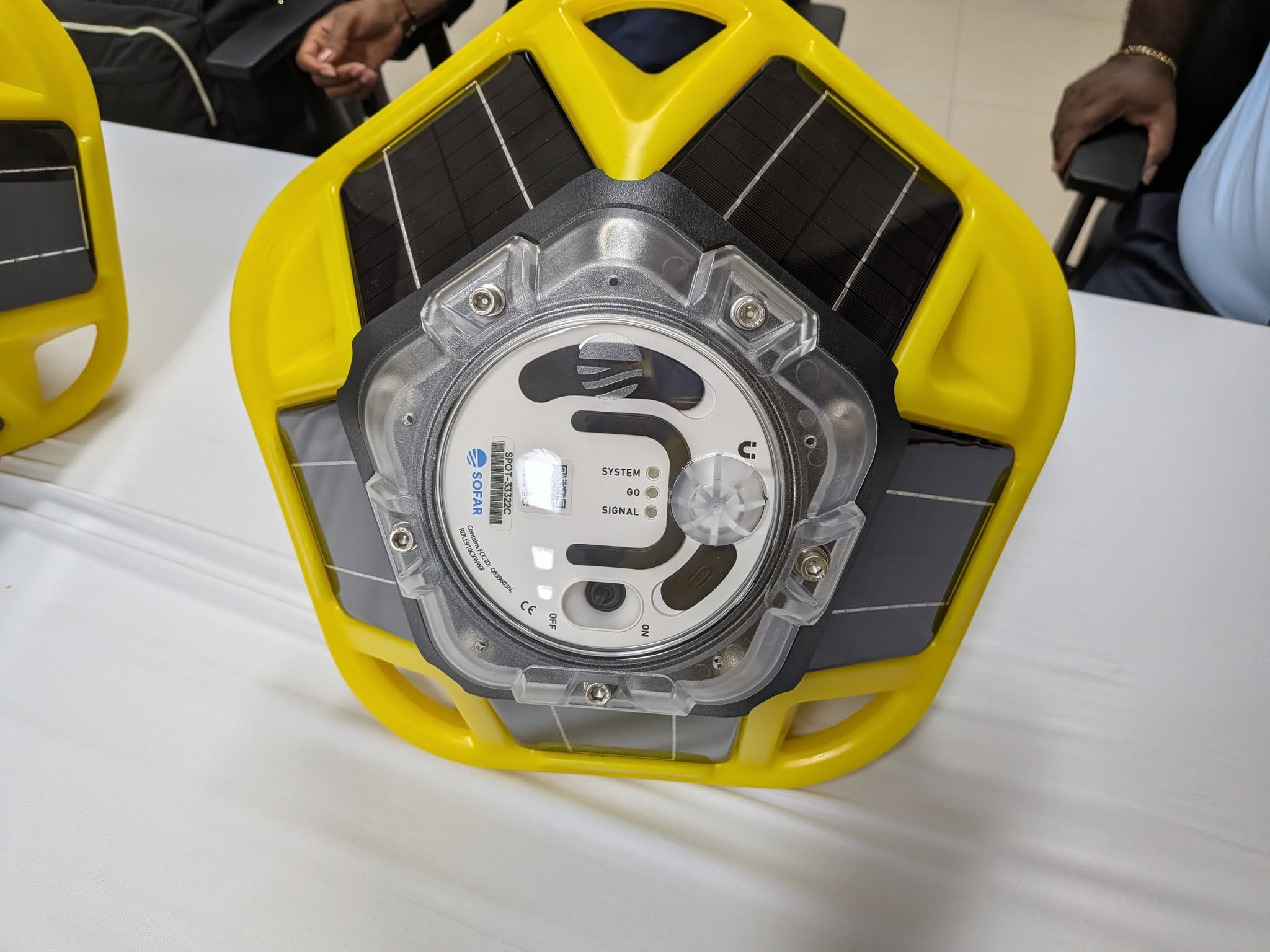
    Dr. Lorna V. Inniss, who leads the Intergovernmental Oceanographic Commission of UNESCO’s Caribbean regional office (IOCARIBE) and previously headed Barbados’ Coastal Zone Management Unit, delivered the warning during a media briefing and student workshop hosted Tuesday at the Caribbean Institute for Meteorology and Hydrology (CIMH) in Husbands, St. James. The event was held ahead of the rollout of the Vetlesen Caribbean Hurricane Ocean Glider field experiment, a cross-institutional research initiative aimed at expanding understanding of regional marine systems.

    Speaking directly to the next generation of environmental stewards in attendance, Inniss emphasized that the long-term survival of Barbados’ most vital natural resources hinges entirely on the policy and lifestyle choices made by current populations. “This is your home, this is where you build your lives and raise your families,” she told students. “You have a stake in ensuring every decision made today lays the groundwork for sustainability that your children and grandchildren can inherit.”

    The veteran researcher pointed to unregulated coastal development and widespread marine pollution as two of the most destructive human-driven forces eroding Barbados’ coastal ecosystems, noting that these activities are already destroying the beaches and reef systems that future generations will depend on for tourism, coastal protection, and food security. She outlined a grim but avoidable projection for Caribbean coral habitats, a trend that hits particularly close to home for the island nation built around its marine resources. “Current trajectories point to fewer than five percent of coral reefs remaining viable by 2030,” Inniss explained. “Without intervention, that means living coral reefs could disappear entirely before today’s students reach retirement age. But this isn’t a done deal – the damage can be reversed if we act correctly now.”

    Inniss added that major regional and international bodies, including global development banks, already have frameworks in place to fund and provide technical support for local and regional environmental conservation projects, removing one key barrier to action. She also highlighted new, alarming changes to local marine ecosystems that she witnessed firsthand, underscoring how quickly environmental shifts are unfolding. “This morning, for the first time in my entire career, I spotted sargassum seaweed in Carlisle Bay,” she said. “It has never reached this bay before. That tells us something fundamental has changed, and we need to face that reality head on.”

    The urgency of expanding regional ocean research, a priority highlighted by Inniss, was echoed by CIMH principal Dr. David Farrell, another leading Barbadian scientist. Farrell explained that the expanding Vetlesen ocean glider program is designed to fill critical gaps in existing climate and weather knowledge, with far-reaching benefits for both climate action and disaster preparedness. An initial glider mission launched last year spent three months at sea collecting high-resolution ocean data, with research partners from Rutgers University contributing to analysis of the findings.

    “One of the core goals of this program is to deepen our understanding of regional ocean systems and improve modeling of ocean-atmosphere interactions, which directly translates to more accurate tropical storm forecasting,” Farrell explained. He noted that more accurate forecasting has become a matter of urgent public safety as climate change drives more intense extreme weather events across the Caribbean, pointing to the devastating impacts of Hurricane Beryl and Tropical Storm Melissa in recent years as proof of this growing risk.

    Beyond improving storm tracking, the program will also help scientists document seasonal ocean variability, support sustainable fisheries management, map coastal processes, and refine understanding of how Caribbean waters regulate both regional and global climate patterns. Farrell emphasized that the Caribbean’s vast ocean territories remain vastly understudied, despite their outsized importance to the region’s economy and climate stability. “For all the ocean space that falls within our economic zone, we have barely scratched the surface of understanding how it works,” he said. “This expanding glider initiative will unlock the critical data we need to understand how our waters function, and how they shape both the climate and livelihoods of every community across the Caribbean.”

  • Protected Permit Fish Found Skinned Near San Pedro

    Protected Permit Fish Found Skinned Near San Pedro

    Off the coastal waters of San Pedro, a grisly discovery has ignited urgent warnings about the future of Belize’s iconic marine protected areas and its billion-dollar recreational fishing economy. Earlier this week, the skinned carcass of a permit fish — a species strictly protected under Belizean conservation and fishing regulations — was found abandoned near an unregulated fish trap, prompting the Belize Flats Fishery Association (BFFA) to call for an immediate, full investigation into the incident.

    Permit fish are far more than just a native marine species in Belize: they form the backbone of the country’s world-renowned catch-and-release flats sport fishing sector, a multi-million-dollar industry that supports thousands of livelihoods in coastal communities across the nation. Industry leaders warn that rising poaching of protected game fish like permit, tarpon, and bonefish threatens not only the fragile local marine ecosystem but also the economic stability of regions that rely on tourism and recreational fishing.

    In a phone interview, BFFA President Eworth Garbutt emphasized that weak enforcement of existing protection rules is the primary driver of growing illegal harvesting of protected species. “This is our bread and butter — the industry we all depend on is being drained because we don’t have enough enforcement on the water,” Garbutt explained.

    To address the gap in public awareness, the BFFA is currently rolling out new public education initiatives, including informational signage at key fishing spots around San Pedro. Garbutt noted that the problem is not limited to commercial poachers: even recreational guides and occasional anglers are increasingly violating catch-and-release rules, making widespread outreach a critical priority. “It’s an ongoing, really prevalent issue,” he added.

    Financial data collected several years ago pegs the annual economic contribution of Belize’s catch-and-release sport fishing sector at more than $200 million, underscoring the stakes of failing to curb poaching. Under current regulations, all fishing for permit is required to follow strict catch-and-release standards: anglers are prohibited from keeping the fish out of water for longer than three seconds, just enough time for a photo before the animal is returned to the ocean to survive.

    The BFFA is now calling on all Belizeans and visitors to report any suspicious activity involving the catching, killing, selling, or possession of protected marine species to relevant authorities. Industry leaders stress that protecting Belize’s coastal waters is not an optional conservation measure — it is a core requirement to safeguard both the country’s unique marine ecosystem and the economic future of coastal communities that depend on sustainable recreational fishing.

    This report is based on a transcript from an evening television newscast published online.

  • Protected Fish Found Skinned Near Trap in San Pedro Waters

    Protected Fish Found Skinned Near Trap in San Pedro Waters

    In a development that has raised alarms among marine conservation groups and fishing industry stakeholders in Belize, the remains of a skinned permit fish (Trachinotus falcatus) — a legally protected species in the country — were discovered earlier this week in the waters off San Pedro Town. The Belize Flats Fishery Association (BFFA) confirmed that one of the organization’s experienced fishing guides found the carcass on Monday, located within a quarter-mile of an unregulated fish trap placed in the area.

    Permit fish hold dual importance for Belize: ecologically, they play a key role in maintaining the balance of coastal marine ecosystems, and economically, they are a cornerstone of the nation’s lucrative catch-and-release flats fishing sector. This industry supports thousands of livelihoods across the country, from local fishing guides to small tourism business owners and entire coastal communities that rely on recreational fishing visitors.

    Following the discovery, the BFFA has officially notified the Belize Fisheries Department of the incident, and is calling on regulatory authorities to launch a full, thorough investigation to identify those responsible and hold them accountable under Belize’s marine protection laws. The association has also issued a public appeal, urging all residents and visitors to report any suspicious activity that involves the catching, killing, trading, or unauthorized possession of protected marine species.

    In a statement following the discovery, the BFFA emphasized that protected species are granted legal protection for clear, pressing reasons. The group reiterated that ongoing conservation of these vulnerable marine populations is not just an environmental priority, but a critical requirement to preserve Belize’s marine ecosystems and secure the long-term viability of the recreational flats fishing industry that supports so many local livelihoods.

  • UWI Five Islands to Host Blue Finance Side Event During CHOGM 2026

    UWI Five Islands to Host Blue Finance Side Event During CHOGM 2026

    A landmark initiative to accelerate sustainable ocean development across the Commonwealth has been unveiled, with the Centre of Excellence for Oceanography and the Blue Economy (COBE) at The University of the West Indies (UWI) Five Islands Campus announcing plans for a high-profile Blue Finance and Ocean Innovation Side Event. The event is scheduled to run alongside the 2026 Commonwealth Heads of Government Meeting (CHOGM) this November, with the formal reveal made June 16 during the 11th Our Ocean Conference.

    The announcement took place during a partner update session at the Commonwealth Ocean Ministers Roundtable, a gathering co-hosted by the government of Kenya and the Commonwealth Secretariat that brought together senior ocean policy leaders from across the bloc. During the session, Dr. Branson Belle, COBE’s Executive Director, shared context about the UWI Five Islands Campus and its specialized ocean research center before walking attendees through the full agenda for the upcoming side event.

    Organizers have planned a multi-segment program designed to connect project developers, finance leaders, and heads of government around shared ocean priorities. The event will kick off with a public exhibition showcasing ocean conservation initiatives from local, regional, and international organizations working across Commonwealth nations. Following the exhibition, a casual but substantive “beachside chat” moderated by Charles Goddard of Economist Impact will bring together chief executives and top sector leaders to explore pressing challenges and opportunities in blue finance and ocean innovation. The program will also feature formal addresses from participating heads of government before concluding with a networking reception.

    For the Commonwealth, ocean protection and restoration remain top policy priorities, rooted in the bloc’s unique geographic footprint. Commonwealth member nations control one-third of the world’s total ocean area under national jurisdiction, hold 45% of the planet’s coral reefs, and count 25 small island developing states among their ranks – economies disproportionately dependent on healthy marine ecosystems. In 2024, member states solidified this commitment by adopting the Apia Commonwealth Ocean Declaration, a landmark agreement calling for accelerated global action to restore and protect vulnerable marine environments.

    The upcoming side event aims to turn policy commitments into tangible action, by highlighting the ocean’s irreplaceable role in supporting global livelihoods and economic growth, and catalyzing new investment flows for ocean innovation and conservation projects across the Commonwealth. COBE is leading event organizing efforts in formal partnership with the Commonwealth Secretariat and the Association of Commonwealth Universities.

    Host COBE is based at the relatively new but fast-growing UWI Five Islands Campus, which was founded in 2019 as the fifth campus of the UWI system, the top-ranked higher education network in the Caribbean. Located in Antigua and Barbuda, the campus was established to expand access to world-class tertiary education across the region, and it upholds the same academic standards that have earned the UWI consistent placement among top global universities in Times Higher Education rankings. Today, UWI Five Islands offers more than 45 undergraduate and postgraduate degree programs across four academic schools: the School of Humanities and Education, School of Business and Management, School of Health and Behavioural Sciences, and School of Science, Computing and Artificial Intelligence. Hosting COBE aligns with the campus’s core mission to advance research and training in areas critical to Caribbean development, particularly marine science and sustainable blue economic growth.