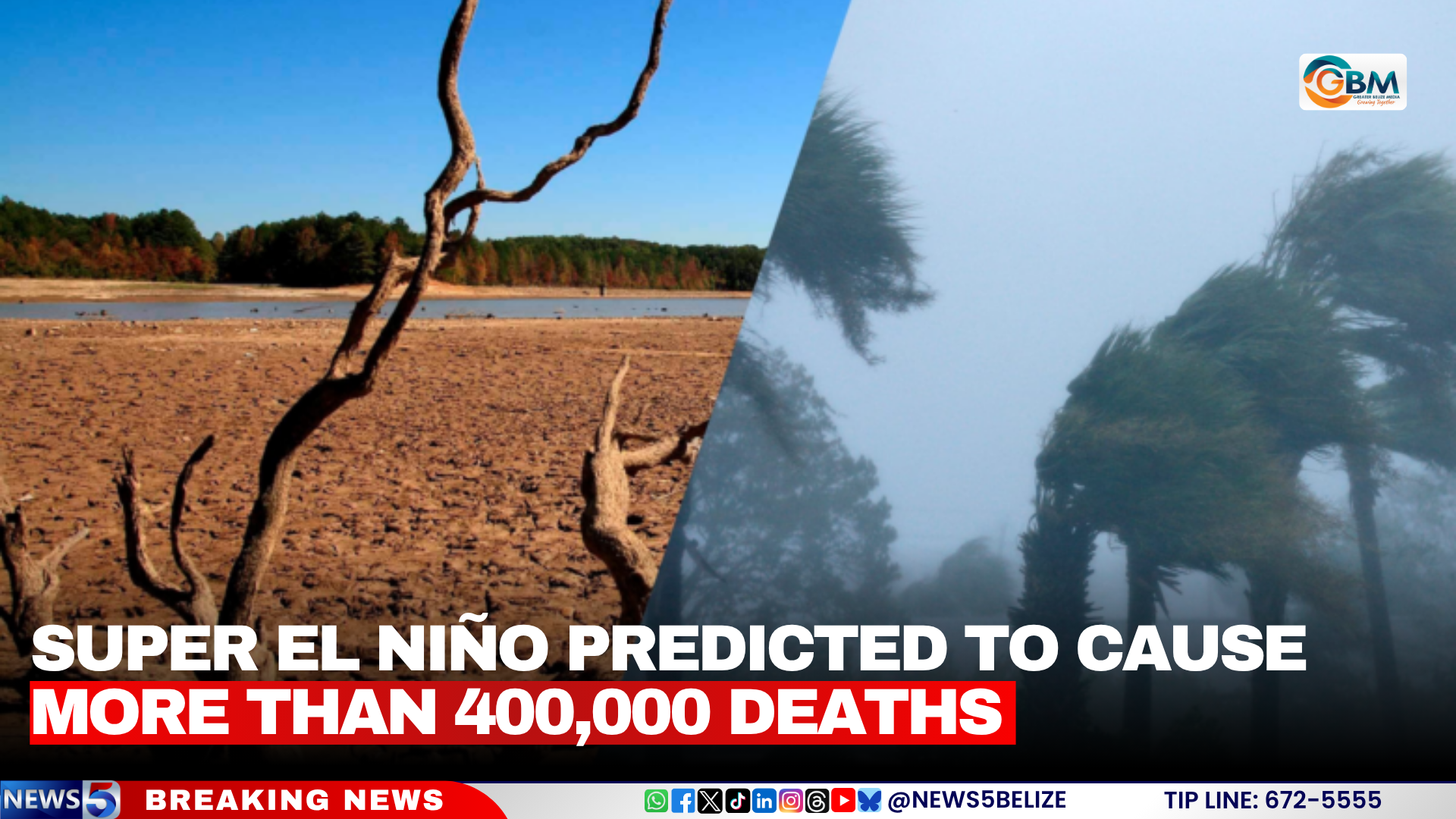
As mid-September 2026 arrived, climate monitors recorded a worrying milestone in the tropical Pacific: sea surface temperatures in the key Niño-3.4 monitoring region hit 3°C above long-term averages, pushing an already strengthening El Niño event toward unprecedented intensity. Forecasters from leading global climate institutions are now sounding the alarm that this weather phenomenon is on track to become one of the most powerful El Niños recorded in modern climate history, with far-reaching consequences for global weather patterns and human life.
The most recent data analysis from the International Research Institute for Climate and Society (IRI) confirms the sharp rise in the Niño-3.4 index, the standard metric for tracking El Niño conditions. Every single one of the 22 climate models tracked by IRI points to the event maintaining exceptional strength through the 2026-2027 Northern Hemisphere winter, with multiple models projecting peak sea surface temperatures will remain above the 3°C threshold that defines an extreme El Niño. Echoing this warning, the World Meteorological Organization (WMO) has stated that El Niño conditions are likely to persist through at least February 2027, reshaping global climate systems for months to come.
Strong El Niño events are well-documented for their ability to disrupt global rainfall and temperature distributions, amplifying the risk of concurrent climate extremes: prolonged drought in some regions, catastrophic flooding in others, and widespread extended heatwaves across much of the globe. A new study from the University of Chicago’s Climate Impact Lab has now quantified the staggering human toll that this upcoming extreme event could bring. The research projects that between June 2026 and February 2027, the additional heat driven by this Super El Niño will lead to roughly 451,000 excess heat-related deaths worldwide, when compared to mortality figures for a typical non-El Niño year.
According to the report’s projections, average global land temperatures over the coming months will settle around 1.2°C above the long-term baseline, with the number of extreme heat days set to be 44% higher than what populations normally experience. The burden of these impacts will not be shared equally: the Climate Impact Lab researchers warn that low- and middle-income nations in the Global South, particularly across Africa, South Asia and Southeast Asia, will bear the heaviest consequences due to higher vulnerability to heat and limited access to adaptive infrastructure like widespread air conditioning and early warning systems.
Beyond the direct human health impacts, the event is already disrupting global commodity markets. As Reuters reports, heavier-than-usual rainfall tied to El Niño in Brazil — the world’s top sugarcane producer — has delayed harvesting operations and forced producers to shift their processing balances between sugar and ethanol, creating uncertainty for global food and energy supply chains.
With the event predicted to hold its strength through the end of 2026 and influence weather patterns well into 2027, climate scientists are continuing to closely monitor the evolution of the unusually warm Pacific sea surface temperatures, as governments and humanitarian organizations prepare for the widespread impacts of what the UN has described as a ‘supersized’ El Niño — the strongest event the world has seen in more than 70 years.