分类: environment

  • DNCTF awards over US$100,000 to support biodiversity and ecosystem protection projects

    DNCTF awards over US$100,000 to support biodiversity and ecosystem protection projects

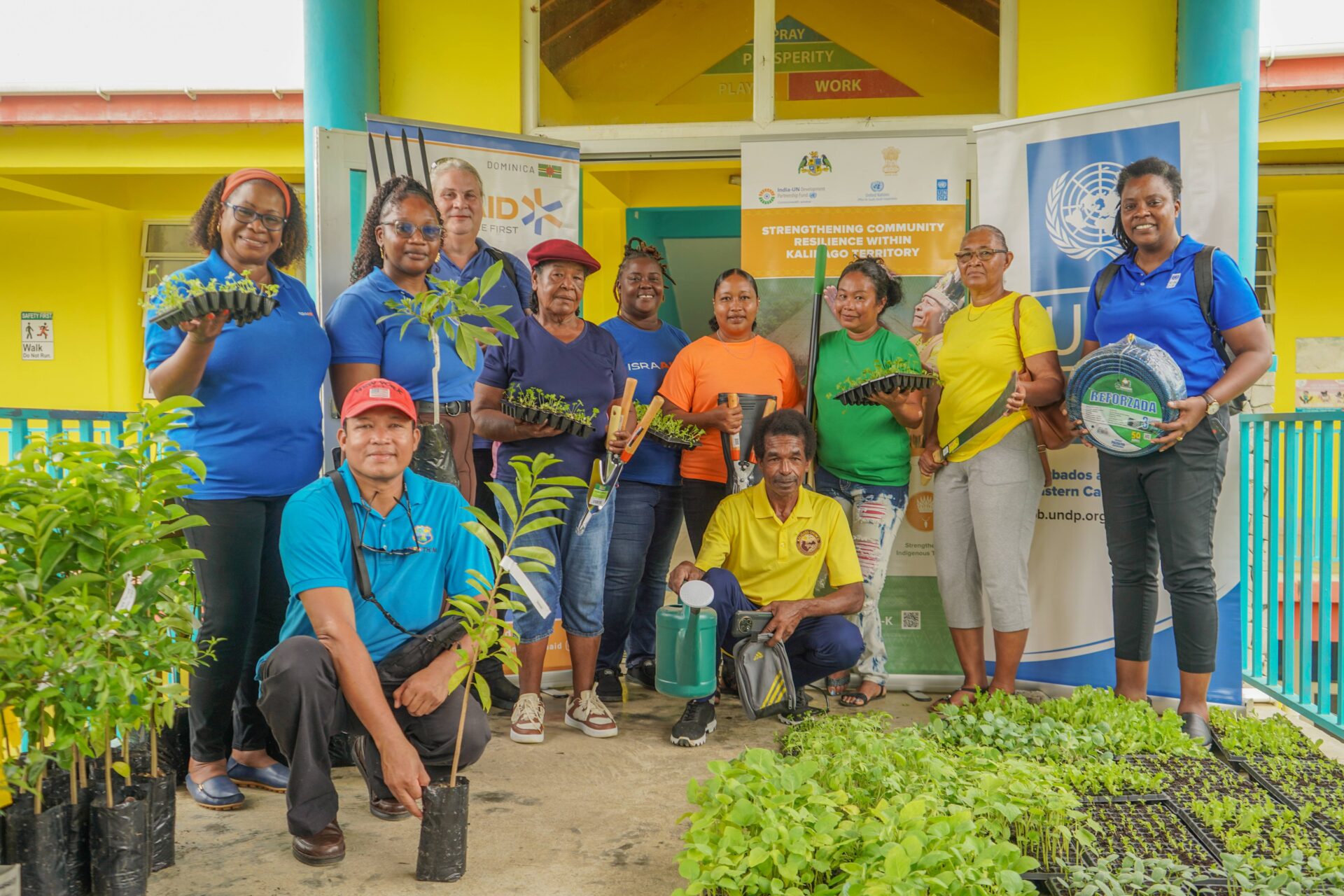
    On June 12, 2026, the Dominica National Conservation Trust Fund (DNCTF) awarded $103,000 in targeted grants to two local environmental initiatives during its second annual Grant Award Ceremony, backed by a regional Caribbean biodiversity protection framework. The funding, disbursed through the Caribbean Regional Architecture for Biodiversity (CRAB) Pro-Nature Grant Facility, breaks down into $93,000 in direct project funding and an extra $10,000 earmarked for specialized technical support and institutional capacity-building across awardees.

    The technical assistance portion of the grant program is designed to build grantee capabilities in high-priority operational areas, including transparent financial reporting, systematic project monitoring and evaluation, adherence to rigorous environmental and social safeguards, and intentional integration of gender equality and social inclusion into conservation work. The entire CRAB initiative receives strategic backing from the Agence Française de Développement (AFD) and the Fonds Français pour l’Environnement Mondial (FFEM), which channel support through the regional Caribbean Biodiversity Fund (CBF).

    One of the two selected projects is led by Dominica’s Ministry of Agriculture, Fisheries, Blue and Green Economy. Titled “Rapid Response to Lethal Yellowing Disease: Protecting Coastal Ecosystems and Restoring Biodiversity,” the initiative targets a devastating pathogen that has been spreading through Dominica’s coconut palm populations—an iconic species that underpins both coastal ecosystem stability and local smallholder livelihoods. Project activities will include expanded disease surveillance across at-risk coastal areas, targeted control of the insect vectors that spread the pathogen, widespread public outreach to educate communities on disease prevention, and systematic management of already infected trees to stop further spread.

    The second grant recipient is local marine conservation non-profit Oceans Forward Dominica, which will partner with management of the Soufriere-Scott’s Head Marine Reserve (SSMR) to upgrade marine biodiversity protection at one of Dominica’s most ecologically significant coastal protected areas. The project, “Enhancing Biodiversity Protection in the Soufriere-Scott’s Head Marine Reserve through Coral Restoration and Improved Monitoring, Surveillance and Compliance,” will combine active coral reef restoration work with upgrades to the reserve’s long-term management capacity, including more robust biodiversity monitoring, expanded patrols to prevent illegal activity, and stronger enforcement of reserve protection rules.

    Speaking at the official grant award ceremony, Permanent Secretary Ryan Anselm noted that the ministry’s coconut disease response project aligns with national priorities that tie environmental protection to economic resilience. “Protecting our coconut resources isn’t just about preserving trees—it’s about protecting the coastal ecosystems that buffer our communities from storms, the biodiversity that makes our island unique, and the livelihoods that depend on both,” Anselm explained. He also emphasized the critical cross-cutting value of healthy coral reefs, which reduce coastal erosion and storm damage while supporting productive fisheries and the sustainable tourism that forms a core pillar of Dominica’s economy.

    DNCTF Chief Executive Officer Dr. Rhonda Linton framed the new grants as far more than one-off project funding, calling them a long-term investment in Dominica’s environmental and economic future. “This funding represents a deliberate commitment to protecting and restoring the ecosystems that sustain our communities, boost our ability to withstand climate impacts, and preserve the one-of-a-kind biodiversity that makes Dominica such a special place,” Dr. Linton said. Closing with a call for collective action on environmental stewardship, she added, “If we do not protect our planet, there will be no planet left to protect.”

    The awards reflect a growing coordinated effort between local, regional, and international partners to safeguard Dominica’s extraordinary natural heritage, with the ultimate goal of ensuring the island’s ecosystems remain healthy, resilient, and productive for generations to come.

  • Environmental Awareness Group Announces New Leadership Appointments

    Environmental Awareness Group Announces New Leadership Appointments

    The Environmental Awareness Group (EAG), a leading non-profit focused on conservation work across the twin-island nation of Antigua and Barbuda, has revealed two high-impact leadership appointments that are set to steer the organization’s expanding mission and amplify its conservation outcomes in the region.

    The first appointment elevates long-time EAG team member Monifa Thomas to the position of Executive Director. Thomas first joined the EAG’s ranks in 2020, spending three years serving as the organization’s Accountant. Over her tenure, she has built comprehensive, hands-on knowledge of every operational area of the EAG, and played an integral role in stabilizing the group’s daily operations and laying the groundwork for its long-term organizational sustainability.

    Jermaine Jarvis, President of the EAG Board of Directors, emphasized that Thomas’s intimate familiarity with the organization’s core culture, mission and strategic goals, paired with her proven organizational acumen and natural leadership abilities, make her uniquely equipped to guide the EAG into its next phase of growth. “Monifa’s internal experience and strategic focus make her the ideal person to lead the EAG forward,” Jarvis noted. “Her unwavering commitment to the organization and deep understanding of our work will help strengthen our impact and ensure continued growth in environmental conservation and community engagement across the islands.”

    In response to her appointment, Thomas expressed humility and excitement for the work ahead. “I am honoured to serve as Executive Director of the Environmental Awareness Group,” she said. “Having worked within the organization for a few years, I deeply value the work we do and the difference we continue to make throughout Antigua and Barbuda and beyond. I look forward to working alongside our dedicated staff, partners, and communities as we continue advancing environmental protection and sustainability initiatives.”

    The EAG also took the opportunity to publicly recognize the contributions of former Executive Director Dr. Mareba Scott, extending sincere gratitude for her years of service and leadership, and wishing her success in all upcoming professional and personal endeavours.

    Alongside Thomas’s promotion, the EAG also announced that Joshel Wilson will step into the new role of Antigua Marine Conservation Programme Coordinator. Like Thomas, Wilson is a long-time internal team member, previously holding the position of Wildlife Officer with the organization. In that role, he made major contributions to a wide range of conservation projects and led critical on-the-ground field operations across the islands.

    In his new position, Wilson will take charge of coordinating and rolling out targeted marine conservation programs designed to protect the rich marine biodiversity and fragile coastal ecosystems of Antigua and Barbuda. His responsibilities will also include expanding environmental education programming for local communities and growing public participation in grassroots conservation efforts across the island.

    The appointment of Wilson, another internal promotion, reflects the EAG’s board’s strong confidence in his existing experience, proven dedication, and consistent professional growth during his time with the organization. “Joshel has consistently demonstrated commitment and passion in his work as Wildlife Officer,” Jarvis explained. “This appointment represents a natural progression in his career, and we are excited to see him take on this expanded leadership role within the organization.”

    Wilson shared his gratitude for the new opportunity and his enthusiasm for the work ahead. “I am grateful for the opportunity to continue growing within the Environmental Awareness Group,” he said. “Serving as Wildlife Officer gave me valuable experience in conservation work and community engagement, and I look forward to building on that foundation as Antigua Marine Conservation Programme Coordinator. I am excited to contribute even further to the protection and sustainable management of our marine environment.”

    Moving forward, the EAG remains firmly committed to advancing its core mission areas: biodiversity conservation, public environmental education, ecosystem restoration, and sustainable development across Antigua and Barbuda. For additional information about the organization and its ongoing programming, visit the EAG’s official website at https://eagantigua.net.

  • The real mangrove threat

    The real mangrove threat

    TRELAWNY, Coral Spring — When conversations turn to mangrove ecosystem decline, coastal construction and large-scale development are usually the first culprits named. But Jamaica’s top environment official is upending that common narrative, identifying unregulated illegal harvesting for charcoal production as the single greatest threat facing the island’s vital coastal mangrove forests.

    Speaking at the Rotaract District 7020 Conference held Friday at the Ocean Coral Spring Resort in Trelawny, Minister of Water, Environment and Climate Change Matthew Samuda emphasized that addressing root economic inequality is non-negotiable for protecting these irreplaceable ecosystems. He told attendees that the widespread degradation of Jamaica’s mangroves stems not from residential or commercial development projects, but from the daily pressure of economic hardship that drives local communities to harvest mangrove wood for fuel and charcoal.

    “The biggest issue affecting our mangroves is the illegal cutting of them to be used for firewood,” Samuda said during a question-and-answer session. “If you don’t reduce poverty, mangroves become charcoal, and that’s where we have significant degradation of our mangrove forest.”

    Samuda noted that the worst mangrove loss has been concentrated along Jamaica’s south coast, rather than the tourism-heavy north coast. Hard-hit areas include southern parishes of Clarendon, St Catherine, Manchester, and St Elizabeth — regions that once held extensive mangrove coverage, where the ecosystems serve a critical role in buffering coastal communities from dangerous storm surges during hurricane season. Beyond illegal harvesting, the minister added that poor solid waste management poses a secondary major threat: accumulated trash clogs coastal waterways, preventing the natural mixing of fresh and saltwater that mangroves require to survive and thrive.

    The conversation turned to collaborative solutions after a conference participant asked about opportunities for Rotaract clubs to partner with the government on mangrove nursery development and habitat restoration projects. Samuda warmly welcomed the involvement of service organizations, stressing that the scale of Jamaica’s environmental challenges far outstrips what government agencies can address alone, given existing fiscal and operational constraints.

    “The scale of the environmental challenges we face cannot be managed solely by the Government. Groups like Rotaract are absolutely critical stakeholders if we’re going to mobilise all of society,” he said. He pointed out that community, faith, and civil society groups often outperform government entities in mobilizing grassroots citizen participation in national environmental initiatives.

    Samuda highlighted that core maintenance tasks, such as clearing debris from water canals, regularly exceed the operational capacity of state agencies including the National Works Agency, parish councils, and the National Solid Waste Management Authority. Community-led clean-up drives and volunteer maintenance efforts fill these critical gaps, he said, and he fully supports volunteer-led projects ranging from habitat restoration to mangrove nursery establishment.

    “If there’s an investment that can be made in establishing a mangrove nursery, we would certainly welcome Rotaract as a partner,” Samuda said. “I think there’s a role for Rotaract.”

    He pointed to existing successful restoration projects across the island as models for future collaboration, including initiatives led by the Alligator Head Foundation in Portland and marine biology research and conservation programs at The University of the West Indies. Samuda also noted that Jamaica is a member of the global Mangrove Breakthrough coalition, an international partnership that directs dedicated funding to local restoration projects led by organizations including The UWI, the Caribbean Coastal Area Management Foundation (CCAM) in Clarendon, and the Alligator Head Foundation.

  • Jamaican iguana population projected to exceed 3,000 within a decade-Samuda

    Jamaican iguana population projected to exceed 3,000 within a decade-Samuda

    TRELAWNY, Jamaica — At last week’s Rotaract District 7020 Conference hosted at the Ocean Coral Spring Resort, Jamaica’s Minister of Water, Environment and Climate Change Matthew Samuda shared a promising update for one of the world’s rarest reptiles: the endemic Jamaican iguana, a species once written off as extinct, is on track for dramatic population growth as cross-organizational conservation work continues.

    During a question-and-answer session with a delegate named Lewis from the Rotary Club of Providenciales, Turks and Caicos Islands, Samuda outlined the remarkable trajectory of the Cyclura collei species, more commonly known as Colley’s iguana. Lewis noted that conservation teams in his home territory were running similar recovery projects for local rock iguanas, and sought insight into Jamaica’s progress.

    Once believed to have vanished completely from the island by the 1940s, the Jamaican iguana was rediscovered in the 1980s, prompting targeted recovery efforts that have steadily reversed decades of population decline. Today, official estimates place the wild population between 400 and 600 individuals, up from just a handful of individuals a generation ago. Samuda projected that with continued collaborative action, that number will surge to between 3,000 and 4,000 over the next 10 years.

    The Jamaican iguana is found nowhere else on Earth, and was historically distributed across most of Jamaica, as well as the offshore Great Goat Island and Little Goat Island. Today, the remaining wild population is almost entirely restricted to the isolated forest ecosystems of the Hellshire Hills in St Catherine, making the species one of the most vulnerable lizards on the planet.

    Samuda credited the ongoing success of the recovery program to the long-term partnership between Jamaica’s National Environment and Planning Agency (NEPA) and the International Union for Conservation of Nature (IUCN), the globe’s largest collaborative environmental network.

    The 7020 District conference, held under the theme “The Nexus 360° Experience,” brought together 135 delegates from seven Caribbean nations and territories: Jamaica, Haiti, The Bahamas, Turks and Caicos Islands, Cayman Islands, British Virgin Islands and Montserrat. More than 30 attendees traveled from Haiti to participate in the event, which focused heavily on environmental sustainability and disaster relief across the region.

    Natasha Burnett, District Rotaract Disaster Relief and Environmental Sustainability Chair and the conference’s training team lead, told local media outlet Observer Online that local agencies went out of their way to support international attendance. “Thanks to the Ministry of National Security and Peace along with PICA (Passport, Immigration and Citizenship Agency) for assisting us by waiving their visa fees,” she said, removing a key barrier for delegates traveling to the event from across the Caribbean.

  • Unbuilt Projects Must Go Back for Approval, Says Hol Chan

    Unbuilt Projects Must Go Back for Approval, Says Hol Chan

    In a significant policy shift aimed at protecting Belize’s vulnerable coastal and marine ecosystems, the management of Hol Chan Marine Reserve announced Friday that it has immediately withdrawn all previously issued “letters of no objection” for unbuilt development projects within its protected boundaries. The new rule does not apply to developments already under construction that hold all valid, up-to-date regulatory permits, the agency clarified in its official notice.

    Hol Chan officials explained the reasoning behind the retraction: environmental conditions along the reserve’s coastlines and regional coastal development standards evolve over time. Approvals granted based on outdated environmental assessments from years prior no longer align with current ecological realities, particularly for projects that have remained stalled for an extended period after initial approval. Going forward, any developer seeking to restart a previously approved but unstarted development will be required to submit an entirely new application for review before any ground can be broken.

    The agency also took the opportunity to remind stakeholders of the regulatory structure for development in the protected reserve: a letter of no objection from Hol Chan is never a final construction approval. Any construction within the reserve’s boundaries requires both formal sign-off from reserve management and valid permits from other relevant government regulatory bodies before work can commence.

    This policy update comes just three weeks after Belize’s national government enacted a sweeping six-month moratorium on approving and constructing buildings over 45 feet tall or three stories in four nearby coastal communities. That moratorium does not formally extend to the territory of Hol Chan Marine Reserve, but the reserve’s new move aligns with growing calls for more cautious development in sensitive protected areas. The national Cabinet’s decision to implement the moratorium followed sustained advocacy from national and international environmental groups, which have pushed for a full pause on new development approvals in all protected areas and ecologically sensitive habitats until full, inclusive community consultations can be completed.

  • Belizean Fishers Demand Action with Release of Fisher’s Audit 2025

    Belizean Fishers Demand Action with Release of Fisher’s Audit 2025

    Even as Belize has built a reputation for robust marine conservation legislation, the nation’s small-scale fishing community is calling for immediate intervention after a groundbreaking new industry audit laid bare deep systemic flaws threatening the future of the trade.

    Published in June 2026, the 2025 Fisher’s Audit draws on direct input from working fishers across the country and evaluates the sector against 29 key performance indicators. The report identifies three core, ongoing challenges: inadequate mandatory catch reporting, chronic underfunding for fisheries management bodies, and glacial enforcement of existing conservation rules. The audit confirms that early signs of overfishing are already appearing in Belize’s coastal waters, putting thousands of livelihoods at risk.

    At the official launch of the audit, Jorge Aldana, president of the San Pedro Fisherfolk Association, outlined the growing pressures facing an industry that supports thousands of coastal households across Belize. Aldana noted that while incremental progress has been made on some fisher-led demands, the community continues to face overlapping barriers across governance, professional representation, regulatory enforcement, economic opportunity, access to public information, and meaningful participation in policy decisions that shape their work.

    “The findings of this audit simply formalize concerns that fishers have been raising for decades,” Aldana said. “Unlike past policy reports that collect dust on policymakers’ desks, all recommendations included in this audit are intentionally practical and achievable. They are not designed to target any single agency or stakeholder group. Instead, they aim to foster cross-sector collaboration between government bodies, fishing cooperatives, civil society, non-governmental organizations, and other key partners with a stake in Belize’s fishing industry. Our ultimate goal is stronger, more equitable fisheries management, improved communication between all stakeholders, and a permanent, amplified seat at the table for the people who depend on these waters for their living.”

    Beyond governance and management failures, fishers also highlighted unregulated widespread dredging operations as an immediate, growing threat to marine ecosystems. The practice, they warned, is rapidly destroying critical fish breeding grounds and foundational coastal habitats that sustain healthy fish populations for generations.

    This report comes as Belize celebrates 52 years of membership in the Caribbean Community (CARICOM), a milestone focused on advancing people-centered opportunity across the region – a framing that adds urgency to fishers’ calls to protect a core sector that supports coastal communities nationwide.

  • Sangster International Airport achieves Level 3 ACI Airport Carbon Accreditation

    Sangster International Airport achieves Level 3 ACI Airport Carbon Accreditation

    Jamaica’s Sangster International Airport (SIA) has achieved a landmark milestone in sustainable aviation, securing official upgrade to Level 3 status under Airports Council International’s (ACI) globally respected Airport Carbon Accreditation (ACA) program, the leading international benchmark for airport carbon management. The certification was formally confirmed by MBJ Airports Limited, the operator that manages the Montego Bay-based airport.

    Unlike lower accreditation levels that focus on individual operator action, Level 3 accreditation requires airports to build coordinated cross-stakeholder carbon reduction frameworks, uniting airlines, ground handling firms, on-site tenants and other operational partners around a shared, measurable commitment to cutting emissions. This shift moves environmental responsibility from a single-entity initiative to a collective effort that spans the entire airport community.

    The announcement comes just days after the United Nations’ World Environment Day on June 5, the global campaign designed to drive awareness and coordinated action for environmental protection. For MBJ Airports, the new accreditation marks both a celebration of progress already delivered and a public renewal of the organization’s long-term sustainability commitments that will shape the airport’s strategic direction for years to come.

    Shane Munroe, Chief Executive Officer of MBJ Airports Limited, emphasized that this collaborative, holistic approach places SIA among a small, elite group of airports worldwide that are delivering tangible, ecosystem-wide climate action. “This accreditation validates the tireless work of our team to build a culture of environmental responsibility that touches every part of our operations,” Munroe explained. “Sustainability is not an afterthought for us—it is a core value embedded into every stage of planning, every daily operation, and every partnership we build at Sangster International Airport. We are proud of what we have accomplished so far, and we are even more energized to continue raising the bar for environmental management across the Caribbean and the broader region.”

    The achievement earned formal recognition from the accrediting body, with ACI-Latin America and the Caribbean (ACI-LAC) offering official congratulations to the MBJ team. Francisco M Medela Alonso, Industry Affairs Director for ACI-LAC, noted in his statement that reaching Level 3 is a substantial accomplishment that clearly demonstrates the airport’s dedication to engaging all stakeholders in the collective fight against carbon emissions.

    Administered locally by Environmental Minds, the new Level 3 certification adds further prestige to SIA’s already robust portfolio of environmental management credentials. The airport already holds ISO 14001 certification, the globally recognized standard for Environmental Management Systems. According to MBJ, this existing certification highlights the airport’s consistent, standards-aligned strategy for minimizing its environmental footprint across every dimension of its operations.

    MBJ confirmed that together, these dual certifications solidify SIA’s standing as a regional leader and a replicable model for sustainable airport management across the Caribbean and beyond.

  • ‘A Jamaican Path: from Hills to Ocean’ project benefits wetland and coastal ecosystems, says NEPA

    ‘A Jamaican Path: from Hills to Ocean’ project benefits wetland and coastal ecosystems, says NEPA

    KINGSTON, Jamaica — After six years of coordinated planning, field research, and community-focused action, Jamaica has wrapped up one of its most ambitious landscape and marine conservation initiatives in recent history: the “A Jamaican Path from Hills to Ocean” project. Designed to bridge watershed protection, coastal ecosystem management, and community climate resilience, the initiative concludes having delivered a robust foundation for safeguarding the island nation’s irreplaceable natural assets against the accelerating impacts of climate change.

    First announced in 2019 and launched in 2020, the project operated on a €6 million total budget, split between a €4.9 million contribution from the European Union’s Global Climate Change Alliance Plus and €1.1 million in matching funding from the Government of Jamaica. The Planning Institute of Jamaica served as the lead implementing agency, partnering closely with core national stakeholders including the National Environment and Planning Agency (NEPA), the Rural Agricultural Development Authority (RADA), and the Public Gardens Division under the Ministry of Agriculture, Fisheries and Mining.

    A core priority of the multi-year initiative was to generate foundational, science-backed data to guide future conservation decision-making across Jamaica’s key ecosystems. Between 2023 and 2024, research teams completed Rapid Ecological Assessments (REAs) across three critical watersheds: Rio Bueno, Wagwater, and Rio Nuevo. These surveys generated detailed baseline data on local flora, fauna, and habitat conditions, laying the groundwork for targeted restoration planning, biodiversity protection, and community-led management while strengthening the country’s national ecosystem monitoring framework.

    The project also delivered a historic first for Jamaica’s marine conservation efforts: the first comprehensive assessment of seagrass health and distribution across three key coastal areas — Hellshire Bay, Half Moon Bay, and the Ocho Rios Marine Park Protected Area. To map these ecologically vital nearshore habitats, researchers combined cutting-edge high-resolution drone and satellite imagery with on-the-ground field validation, water quality testing, and geospatial modeling. The resulting maps and baseline datasets will enable consistent, long-term monitoring of seagrass ecosystems, which play a critical role in carbon sequestration, shoreline stabilization, and supporting commercial fish populations.

    A landmark hydrological assessment of the Mason River Protected Area (MRPA), completed in 2024, yielded key insights into the ecological vulnerabilities and assets of the internationally recognized Ramsar wetland site that spans Clarendon and St Ann parishes. The assessment confirmed that the MRPA supports an extraordinary diversity of wetland ecosystems, including peat bogs, freshwater marshes, and scrub savannah, and is home to multiple endemic species of birds and reptiles. However, the study also identified significant threats: the area’s naturally low soil permeability limits groundwater storage, increasing its vulnerability to both flooding and prolonged drought. Water quality testing found that while most of the reserve meets global freshwater standards, localized pollution from agricultural runoff and unsustainable land use has raised nutrient and mineral levels, highlighting the urgent need for improved farming and water management practices. Socioeconomic research additionally found that surrounding communities depend heavily on small-scale farming and trucked drinking water, underscoring the need for climate-resilient livelihood opportunities and expanded water access for local populations.

    To address these on-the-ground challenges, RADA supported the launch of Integrated Sustainable Landscape Management Farmer Field Schools across four communities: Mason River, Three Hills, Sommerhill, and Clonmel. The initiative paired hands-on training for smallholder farmers with the development of a specialized training manual covering sustainable production for pig and ruminant livestock operations. The manual outlines climate-smart farming techniques, disaster risk reduction, farm biosecurity, waste management, financial record keeping, and herd health planning. A dedicated training workshop was also held for RADA livestock extension officers to equip them to provide ongoing support to participating farmers after the project concluded.

    Among the project’s lasting institutional gains is the adoption of the new Jamaica Watershed Classification Tool (JWCT), a custom decision-support system that enables policymakers and conservationists to evaluate watershed health, model changing environmental conditions, and plan evidence-based conservation interventions. The tool features an interactive mapping platform that lets users visualize watershed boundaries and layered environmental data, making it accessible to stakeholders across the country working in natural resource management.

    The project also invested heavily in upgrading national monitoring capacity, supplying NEPA with a full suite of modern field research and environmental monitoring equipment, including rugged laptops, professional dive gear, data loggers, GPS units, and specialized marine research gear. This upgrade will allow NEPA to conduct more frequent, accurate monitoring of both marine and terrestrial ecosystems, ensuring future management decisions are rooted in real-time, on-the-ground data.

    Two key site-specific improvements were also completed as part of the initiative. Jamaica’s historic Castleton Botanical Gardens, a popular tourist and educational site, received long-overdue infrastructure upgrades, including new garden furniture, solar power installations, refurbished restrooms, stabilized gabion erosion control barriers, and repaired gazebos, with ongoing work underway for an accessibility ramp, walking paths, perimeter fencing, and a boundary wall. Most recently, on May 14, 2026, project teams completed the installation of 500 meters of protective fencing around the Mason River Protected Area, the final formal activity of the six-year initiative. The fencing will prevent encroachment from unregulated farming, grazing, and illegal dumping, protecting the fragile wetland ecosystem and ensuring the long-term effectiveness of restoration and conservation work at the site.

    NEPA described the fencing installation as the “proverbial icing on the cake” for the project, a final practical safeguard that complements the broader policy, research, and community interventions delivered through the multi-pronged initiative. As Jamaica prepares for the upcoming Atlantic hurricane season, the project’s outcomes position the island to better withstand extreme weather events that are growing more frequent and intense due to climate change. “In the face of natural disasters and climate change, the project is a life-jacket, helping to ensure that Jamaica’s path to recovery, from the hills to the ocean, is not a lengthy journey,” NEPA noted in its official announcement.

  • Consultant defends Roseau sand ESIA, says main risk is to fisheries

    Consultant defends Roseau sand ESIA, says main risk is to fisheries

    At a community gathering hosted by North Leeward Member of Parliament Kishore Shallow as part of his “North Leeward Matters” public engagement series, environmental consultant Reynold Murray has addressed long-simmering community tensions over a state-run sand and aggregate extraction project in Roseau, North Leeward, pushing back against claims of procedural recklessness while openly acknowledging gaps in the mandated environmental and social impact assessment (ESIA) he completed for project proponent BRAGSA, a state-owned national development enterprise.

    Murray, who was contracted by BRAGSA to carry out the ESIA for the proposed harvesting operation, opened his remarks by reframing public debate around the project’s environmental risks, arguing that the most critical threat to local interests is not the widely cited harms of deforestation or soil erosion, but potential irreversible disruption to nearshore fisheries that support local livelihoods. He pushed back against growing comparisons between the Roseau project and the divisive, controversial Rayneau quarry operation at nearby Richmond, where residents have long accused developers and regulators of cutting corners on environmental protections. Instead, he centered local fishing communities as the key stakeholder group that must be centered in all future project planning.

    During the question-and-answer portion of the meeting, North Leeward Preservation Front representative Jill Edwards pressed Murray on whether his team completed foundational baseline ecological surveys, including a full inventory of native plant species in the project area. Murray openly conceded that this work was outside the formal scope of his mandate, which prioritized analyzing the composition of the material to be extracted and potential downstream environmental impacts. Edwards countered that baseline biodiversity surveys are the foundational first step of any rigorous ESIA, describing a complete species inventory as basic industry protocol that cannot be omitted.

    Murray also addressed widespread public pushback over a contentious claim in the draft ESIA that no active agricultural cultivation was taking place in the Roseau Valley following the April 2021 eruption of the La Soufriere volcano. Local activists have refuted this claim with on-the-ground videos and first-hand testimony showing farmers continue to grow peppers and tomatoes in the area. Murray explained that the conclusion was drawn from testimony delivered by a local farmer at an earlier 70-person public consultation, where the farmer stated all producers had relocated from the area after the eruption, and no other attendees objected to that claim. Acknowledging that the finding may now be inaccurate, Murray emphasized that the ESIA is not a static, unchangeable document, and that the error would be corrected to reflect ongoing cultivation if new evidence confirms it.

    Critics have also charged that pre-construction site clearing began at Roseau before the ESIA was finalized, arguing this follows a pattern of breaking environmental protocols first seen at the Richmond quarry. Murray disputed this characterization, explaining that the local Physical Planning department routinely grants “approval in principle” for preliminary site work that enables surveyors to design project infrastructure, including access ramps and on-site facilities. He clarified that the limited clearing that took place was not unauthorized random tree felling, but the creation of access paths required to complete detailed site surveys, and that full formal approval from planners, followed by official gazettement, will not be granted until the final ESIA is submitted and reviewed.

    The meeting also saw tensions flare over public access to the full ESIA document and associated environmental management plans. Local activist Lennox Lampinan argued that all project-related assessments, permits, meeting minutes and approvals should be made public to ensure accountability. Murray stated he supports greater transparency in principle, but noted that under prevailing regulatory practice across the Caribbean, the completed ESIA is the intellectual property of the client that paid for the work – in this case, BRAGSA – rather than the consulting expert. He explained that it falls to the local planning authority, not the consultant, to determine when and how the public can access the document, typically after it has been referenced in the official Government Gazette, pointing to a recent hotel development project he worked on in Grenada where public access required a $800 administrative fee paid to the planning department.

    Throughout the meeting, Murray walked a careful line between acknowledging widespread community frustration with past environmental mismanagement, particularly around the Richmond quarry, which many residents label an environmental disaster, and defending the rigor of his team’s work on the Roseau project. He praised activists for their passion and focus on collaborative monitoring of the project, but warned against allowing political or personal interests to distort factual debate around environmental risks, noting that weaponized environmental rhetoric has long divided communities in developing nations and enabled unchecked exploitation of natural resources by bad actors.

    Calling for a collaborative path forward, Murray drew on his decades of regional marine management experience, including a 2001 planning project with the Soufriere Marine Management Authority in Saint Lucia, where a multi-stakeholder co-management model brought fishers, tourism operators and other users together to develop a shared plan for the Pitons management area that allowed all groups to benefit from local marine resources. He advocated for applying this same model to Roseau Bay, arguing that the island’s small size means it cannot close the bay entirely to either extraction or fishing, and that a structured partnership between developers, fishers and other local users is the only way to fairly balance competing interests, accurately measure actual losses to fishing livelihoods, and design targeted mitigation measures rather than relying on one-size-fits-all compensation schemes.

    In closing, Murray reaffirmed that the draft ESIA will be updated to address confirmed gaps and errors, and that long-term accountability will require building a formal co-management framework with local stakeholders, alongside ongoing work to reform existing laws to improve public access to environmental documentation and strengthen project oversight.

  • STATEMENT: OECS World Oceans Day 2026 – Reimagining the future of the OECS through the Blue Economy

    STATEMENT: OECS World Oceans Day 2026 – Reimagining the future of the OECS through the Blue Economy

    Each June, World Oceans Day sparks global dialogue centered on protecting coastal ecosystems, organizing community beach cleanups, and safeguarding vulnerable marine species from extinction. But for the Small Island Developing States (SIDS) that make up the Organisation of Eastern Caribbean States (OECS), the ocean is far more than a scenic natural treasure to be conserved from a distance—it is the very foundation of community survival, cultural identity, and collective future.

    Home to more than 1.4 million people spread across 10 Eastern Caribbean nations and territories, the OECS region is defined by its deep, inseparable connection to the sea. Every aspect of daily life, cultural tradition, and long-term planning is rooted in ocean resources. Yet today, this interconnected marine way of life faces unprecedented threats: marine pollution, irreversible habitat degradation, and overexploitation of fish stocks, all amplified by the accelerating impacts of climate change. These stressors are rapidly eroding the healthy marine ecosystems that the region depends on for survival. To secure a viable future, the OECS argues, global and local communities must abandon short-sighted, destructive development models and consumer patterns, and reframe their relationship with the ocean around intentional, sustainable stewardship.

    Backed by World Bank funding through the Unleashing the Blue Economy of the Caribbean (UBEC) project series, the OECS has developed and begun rolling out a coordinated set of updated regional policies and targeted financial investments designed to build a blue economy that is resilient, equitable, and broadly prosperous. The initiative is organized around three core priority sectors that underpin the region’s ocean-dependent livelihoods: sustainable fisheries and aquaculture, low-impact marine and coastal tourism, and systemic waste management.

    In the fisheries and aquaculture sector, UBEC has supported the creation of the OECS Fisheries Strategic Action Plan for 2025–2030. This new framework directly tackles the long-standing structural challenges that have plagued the region’s fishing industry, including chronic underfunding for fisheries management agencies, insufficient monitoring and enforcement of fishing boundaries, and restrictive access barriers for small-scale independent fishers. The plan builds on a comprehensive analysis of the drivers of Illegal, Unreported, and Unregulated (IUU) fishing completed by the Caribbean Regional Fisheries Mechanism (CRFM), ensuring solutions are rooted in on-the-ground data.

    For marine and coastal tourism—an industry that forms the backbone of most OECS national economies— the initiative led to a full update of the original 2011 OECS Common Tourism Policy, resulting in the revised 2025–2035 framework that was formally approved by the OECS Council of Tourism Ministers in early 2025. The updated policy reaffirms the region’s collective commitment to growing a collaborative, sustainable tourism sector that directly improves quality of life and livelihoods for all OECS residents. As one of the most tourism-dependent regions in the world, protecting coastlines and critical marine habitats is not just an environmental goal for the OECS—it is an economic necessity. For decades, unregulated coastal construction and overuse of popular beach and reef sites have degraded the very natural attractions that draw visitors to the region, threatening the long-term viability of the industry. The new policy directly addresses this cycle of degradation.

    When it comes to waste management, regional leaders recognize that no reimagined ocean future is possible without tackling the land-based pollution that is killing marine wildlife, degrading coral reefs, and destroying critical seagrass habitats. As part of UBEC, the OECS completed a comprehensive assessment of commercial opportunities in the waste sector to support the development of an integrated regional waste management system. By developing actionable business models and identifying profitable commercial applications for green waste, plastic waste, end-of-life vehicles, and discarded tyres, the region is working to transition to a circular economy that intercepts land-based pollution before it can reach coastal waters and marine ecosystems.

    OECS leaders emphasize that effective policy is only as impactful as its on-the-ground implementation. To that end, all of these policy-focused interventions are paired with direct support for OECS citizens working in the blue economy, with a specific focus on empowering Micro, Small and Medium Enterprises (MSMEs) in Grenada, Saint Lucia, and Saint Vincent and the Grenadines. Across the three pilot countries, targeted matching grants, hands-on technical training, and expanded access to affordable financing are enabling local entrepreneurs to adopt more sustainable business practices. Whether supporting a small-scale fisher to invest in climate-smart fishing gear, helping a local tour operator transition to low-impact ecotourism operations, or scaling a waste-to-value recycling business, the UBEC project is building a sustainable regional blue economy from the ground up, centered on local communities.

    This World Oceans Day, the OECS Commission is calling on global and regional stakeholders to join in a collective reimagining of humanity’s relationship with the ocean, rejecting the outdated false choice between economic survival and environmental conservation. The long-term success and stability of the region’s fisheries, marine tourism, and pollution mitigation systems are deeply interconnected, making coordinated cross-sector management an essential requirement for progress. Embracing this new, integrated approach requires a sustained commitment to expanding and effectively managing strong marine protected areas to build a resilient blue planet, ensuring these shared waters remain productive, resilient, and thriving for future generations. For the OECS, true progress depends on recognizing a simple truth: the sea does not divide the Eastern Caribbean islands—it binds them together, unlocking shared potential for all who call the region home.