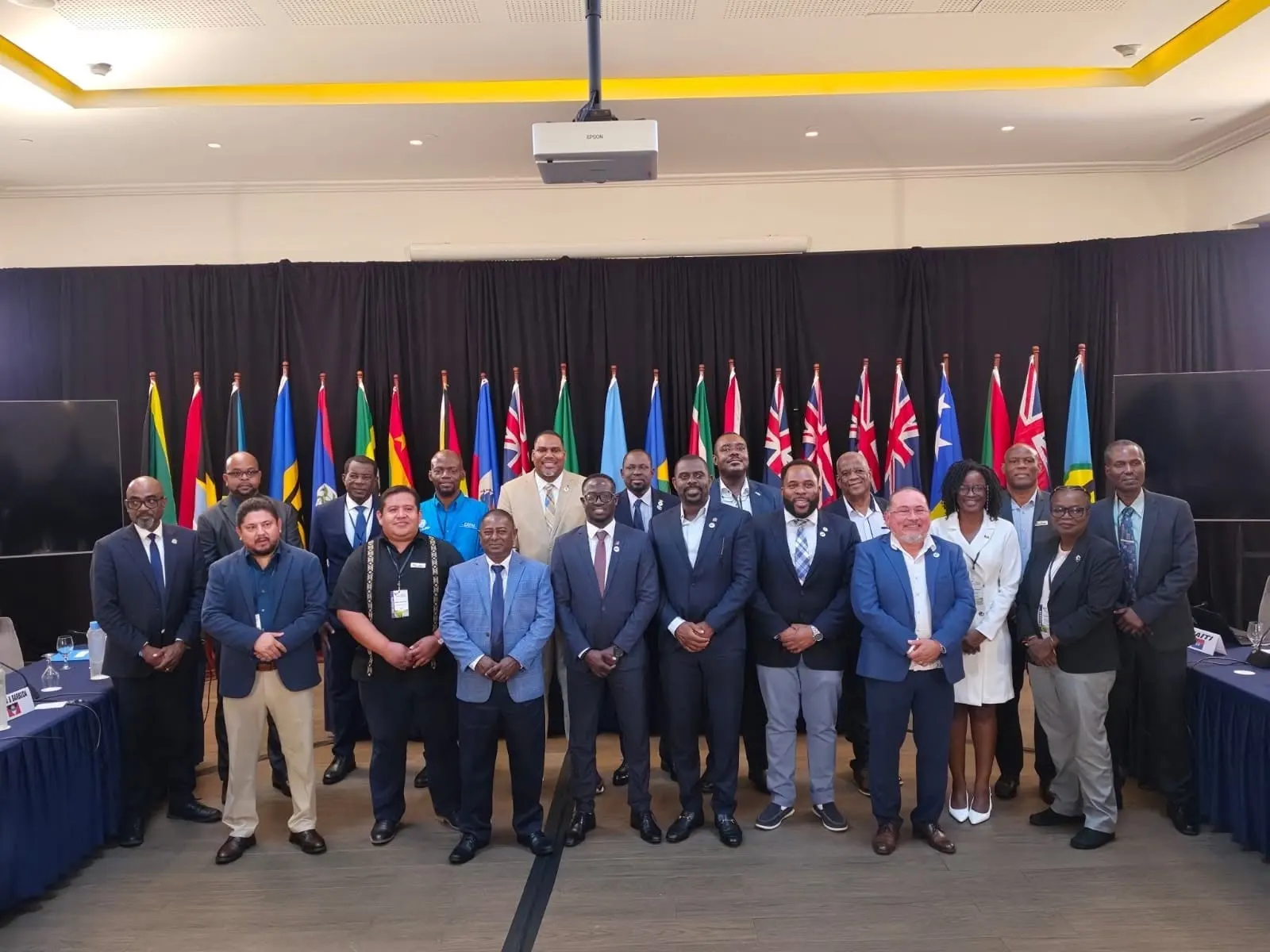
Against a backdrop of growing global concern over overexploitation of ocean resources and declining fishery health, Caribbean regional leaders have taken a collective step forward to protect one of the region’s most critical natural assets. During Caribbean Week of Agriculture, the 17th Special Meeting of the Caribbean Regional Fisheries Mechanism (CRFM) Ministerial Council convened on September 28 in Trelawny, Jamaica, with Antigua and Barbuda leading the high-stakes discussions as chair of the gathering.
Ministers representing member nations, with portfolios covering fisheries, aquaculture and the blue economy, concluded the meeting by voting to approve 12 binding and guiding resolutions that touch on the most pressing challenges facing Caribbean marine sectors. The landmark package of agreements spans four core priority areas: structured marine spatial planning to reduce conflicting uses of coastal and ocean waters, standardized collection and sharing of fisheries data to improve evidence-based policy making, robust seafood traceability systems to track catch from ocean to market, and enhanced cross-border coordination to crack down on illegal, unreported and unregulated (IUU) fishing — one of the most damaging threats to sustainable fisheries globally.
Regional observers note that these collective decisions mark a significant milestone for Caribbean cooperation on ocean governance. The approved resolutions are designed to establish a unified regional framework that addresses systemic challenges that no single Caribbean nation could tackle effectively alone, from overfishing to unregulated fishing activity that erodes fish stocks and undermines legitimate small-scale fishing operations. By aligning national policies around shared standards, the region expects to strengthen long-term sustainability of fish populations, support the livelihoods of communities that depend on seafood and fishing, and preserve marine biodiversity for future generations.
As chair of this year’s ministerial meeting, Antigua and Barbuda has positioned itself as a leading voice in the Caribbean’s push for responsible blue economy development and sustainable marine resource stewardship. The outcome of the meeting reflects a growing regional consensus that coordinated action is essential to safeguarding the Caribbean’s ocean resources, which underpin not only the local fishing industry but also tourism, coastal protection and food security across the region.