分类: environment

  • UWI Five Islands Campus launches Blue Finance and Ocean Innovation event ahead of CHOGM

    UWI Five Islands Campus launches Blue Finance and Ocean Innovation event ahead of CHOGM

    During the 11th Our Ocean Conference held on June 16, a major new initiative to advance sustainable ocean development took center stage. The Centre of Excellence for Oceanography and the Blue Economy (COBE) based at The University of the West Indies (UWI) Five Islands Campus formally announced the launch of its Blue Finance and Ocean Innovation Side Event, which will run parallel to the upcoming Commonwealth Heads of Government Meeting (CHOGM) scheduled for November 2026.

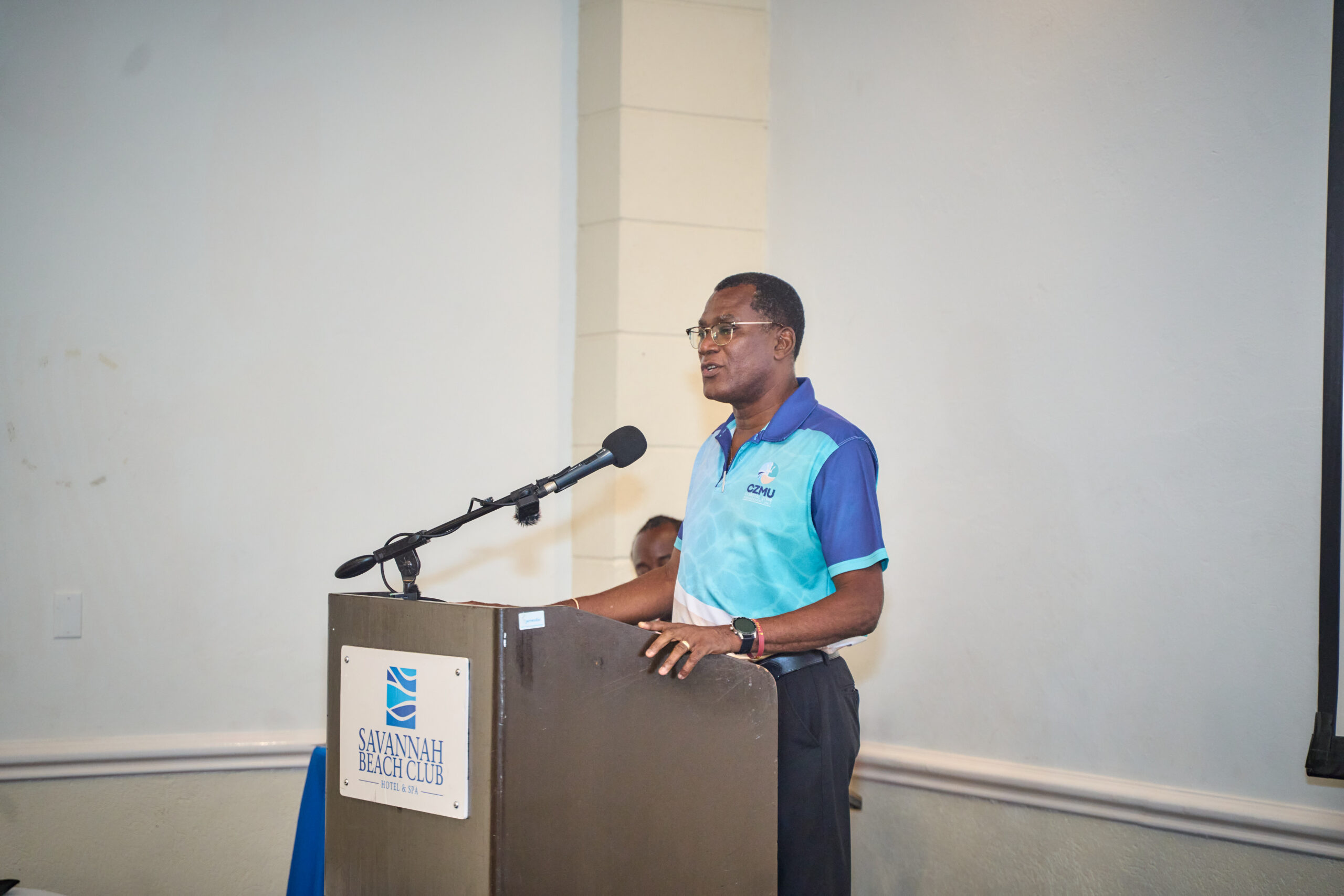
    The launch announcement was delivered as part of a partner progress update during the Commonwealth Ocean Ministers Roundtable, a joint initiative hosted by the government of Kenya and the Commonwealth Secretariat. Dr. Branson Belle, COBE’s Executive Director, opened his address by introducing attendees to the core research and outreach missions of both the UWI Five Islands Campus and the specialized center, before walking stakeholders through the full planned agenda for the November side event.

    Per official event plans, the gathering will kick off with a multi-stakeholder exhibition highlighting cutting-edge ocean conservation projects led by organizations across local, regional and international levels. After the exhibition, participants will gather for an informal, solutions-focused “beachside chat” moderated by Charles Goddard of Economist Impact, which will bring together C-suite executives and senior leaders from the blue finance and ocean innovation sectors to share insights and opportunities. The full program also includes keynote presentations from participating heads of government, before the event concludes with a networking reception.

    Ocean restoration and sustainable ocean governance have long been top policy priorities for the Commonwealth, a bloc that brings together nations with extraordinary stakes in global ocean health. Collectively, Commonwealth member states manage roughly one-third of the world’s total ocean area under national jurisdiction, host 45 percent of the planet’s coral reef systems, and count 25 Small Island Developing States among their ranks — nations that are disproportionately reliant on healthy ocean ecosystems for economic and social stability.

    In 2024, the bloc reinforced this commitment when member nations unanimously adopted the Apia Commonwealth Ocean Declaration, a landmark agreement that binds signatories to take urgent, coordinated action to protect and restore global marine environments. The upcoming side event builds directly on this commitment, organizers said, by creating a dedicated space to connect policymakers, researchers, and financial leaders.

    Against this backdrop, the Blue Finance and Ocean Innovation Side Event aims to reframe global conversations about the ocean, emphasizing its irreplaceable role in supporting inclusive economic growth and livelihoods across all Commonwealth nations. Beyond discussion, the gathering is designed to catalyze new, increased investment in ocean conservation projects and scale up innovative, sustainable blue economy initiatives that balance human use with long-term marine protection. COBE is organizing the event in formal collaboration with two key institutional partners: the Commonwealth Secretariat and the Association of Commonwealth Universities.

  • What’s Coming Weather-Wise?

    What’s Coming Weather-Wise?

    As the 2026 Atlantic hurricane and dry season progresses, climate and disaster management stakeholders across Belize gathered last week for the 14th iteration of the country’s annual National Climate Outlook Forum, kicking off coordinated preparations for confirmed El Niño conditions that are projected to bring extreme, unpredictable weather to the nation over the coming months.

    Held across two days and centered on the core theme of strengthening national disaster risk reduction through accessible, data-driven climate services, the forum brought together a cross-sector coalition of representatives from national government agencies, private sector enterprises, regional climate bodies, and local civil society groups. The convening’s core goal is to align stakeholders on the projected climate conditions for the coming season and outline targeted preparedness actions for the nation’s most weather-reliant industries.

    In his keynote address to attendees, Ronald Gordon, Belize’s Chief Meteorologist, emphasized that El Niño has already transitioned from a projected risk to an active, on-the-ground reality, requiring urgent adaptive planning from all sectors. Gordon explained that while El Niño’s most commonly cited impact for Belize is extended, severe dry spells, the phenomenon does not rule out extreme short-term rainfall events that can trigger flash flooding—a warning already borne out by extreme wet weather that struck the nation just one week before the forum.

    Beyond hazard projections, the forum fulfills two critical functions for Belize’s National Meteorological Service, Gordon noted. First, it delivers tailored seasonal forecasts for key climate-sensitive sectors, including agriculture, tourism, energy, water resource management, and disaster response, covering all major hazards from drought and extreme heat to erratic rainfall and tropical cyclone activity. Second, it creates a structured space for stakeholders to give feedback on the relevance and utility of the meteorological service’s current outputs, ensuring future forecasts meet the actual operational needs of end users.

    “Continuous consultation with our stakeholders is non-negotiable, because it is the only way we can ensure we are delivering information that is actually useful and relevant to their planning and response work,” Gordon told attendees.

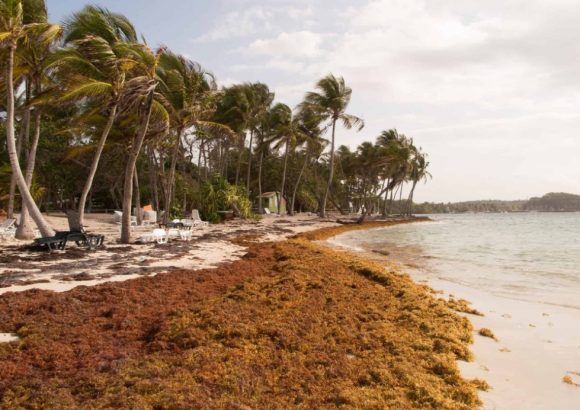
    In addition to the confirmed El Niño outlook, the forum also addressed an ongoing and rapidly escalating climate hazard for Belize’s coastal communities: an unusually active 2026 sargassum season. Gordon reported that the National Meteorological Service is already issuing weekly sargassum forecasts and targeted alerts for at-risk coastal communities to prepare for mass seaweed beaching events. With sargassum blooms typically reaching their seasonal peak in August, Gordon warned that the most disruptive period of the 2026 season is still ahead for coastal areas across Belize.

  • Environment : Massive and illegal sand mining on the banks of the Massacre River

    Environment : Massive and illegal sand mining on the banks of the Massacre River

    During a reforestation initiative close to the shared border wall separating the Dominican Republic and Haiti, senior environmental officials from the Dominican Republic have sounded the alarm on widespread unauthorized sand mining operations taking place along the Haitian bank of the Massacre River.

    Armando Paíno Henríquez, the Dominican Republic’s Minister of Environment and Natural Resources, publicly outlined the scale of the ongoing activity this week, noting that unlicensed extraction has been a persistent problem for years. According to Henríquez, teams of Haitian workers travel to the river regularly, harvesting tons of sand manually with basic buckets before stockpiling the material on riverbanks. The mined sand is then loaded onto commercial trucks and distributed to buyers across northern Haiti for construction and other uses.

    In his remarks, Henríquez emphasized that the illegal activity is concentrated on the Haitian side of the waterway, placing it formally under Haitian jurisdiction per international border agreements. To address the issue, his ministry has already initiated coordination with Dominican Foreign Minister Roberto Álvarez, and is preparing a formal briefing to share with Haitian national authorities, even amid well-documented institutional instability and governance gaps in Haiti currently.

    The ministry’s first step toward resolving the crisis will be to open diplomatic discussions with Haitian officials, to lay out the full scope of the unregulated extraction and its cross-border consequences. Henríquez stressed that while the environmental harm is being generated on Haitian territory, the negative impacts spill over to communities on both sides of the border, including the Dominican border city of Dajabón and surrounding regions.

    Uncontrolled large-scale sand mining fundamentally alters the Massacre River’s natural riverbed, he explained. The activity triggers severe riverbank erosion, disrupts critical aquatic and riparian ecosystems, and dramatically increases the risk of catastrophic flooding for low-lying settlements on both sides of the international border. Without coordinated intervention from both governments, Henríquez warned, the environmental damage will only worsen over time, putting local communities and shared natural resources at growing risk.

  • Regional climate grant to support drainage and landslide mitigation project in Atkinson

    Regional climate grant to support drainage and landslide mitigation project in Atkinson

    Vulnerable to worsening extreme weather driven by climate change, the small coastal community of Atkinson in Dominica is poised to upgrade its natural hazard protection thanks to a new cross-regional climate initiative led by Caribbean conservation groups. On June 17, 2026, the Dominica National Conservation Trust Fund (DNCTF) and the Atkinson Village Council formalized an agreement to deploy a $5,000 climate resilience contribution from the Bahamas Protected Areas Fund (BPAF), marking a new example of regional cooperation addressing shared climate threats.

    As the local administrator for the funding, DNCTF will oversee the three-month project, which is scheduled to wrap up implementation by September 2026. The initiative targets the most pressing climate-related risks facing Atkinson: recurrent flooding and landslides worsened by outdated drainage infrastructure and eroding hillsides. Planned interventions range from clearing decades of blockages from existing drainage networks and building new French drains in high-erosion zones to completing slope stabilization work and purchasing core equipment for long-term maintenance and future hazard mitigation.

    For years, Atkinson has grappled with intensifying extreme weather impacts that have outpaced the community’s existing protective infrastructure. Frequent heavy rainfall events, amplified by global climate shifts, have triggered repeated flooding, widespread soil erosion, and unstable slope conditions, while inadequate drainage has compounded these threats. These hazards not only put local residents’ safety at risk but also damage critical public infrastructure and undermine the livelihoods that depend on the area’s natural resources.

    Beyond the immediate goal of improving community safety, the project is designed to deliver lasting environmental co-benefits. By cutting down on soil erosion and reducing sediment runoff that pollutes local waterways and nearby coastal ecosystems, the upgrades will help preserve native biodiversity, maintain the health of critical marine and terrestrial habitats, and boost the entire region’s long-term capacity to adapt to climate change.

    DNCTF leadership framed the cross-border partnership as a model for collective climate action across the Caribbean, a region where small island nations share disproportionate climate risk despite contributing the least to global emissions. Dr. Rhonda Linton, DNCTF’s Chief Executive Officer, emphasized that conservation and climate action do not recognize national boundaries. “The support provided by the Bahamas Protected Areas Fund reflects a shared commitment to protecting our environment, strengthening climate resilience, and ensuring that vulnerable communities have the resources needed to adapt and thrive,” Linton said. “It is a powerful reminder that when we invest in nature, we invest in people, livelihoods, and the future of our region.”

    The collaboration between BPAF, DNCTF and the Atkinson Village Council has been widely cited as a replicable example of how targeted regional cooperation can deliver tangible, community-centered climate adaptation. By centering local needs and pooling resources across borders, the partnership demonstrates that small, targeted investments can deliver outsized benefits for frontline communities while safeguarding shared natural resources for generations to come.

  • Belize Talks El Niño, Hurricanes, and Sargassum

    Belize Talks El Niño, Hurricanes, and Sargassum

    As the 2026 Atlantic hurricane and Atlantic warm season gets underway, climate threats have emerged as an urgent priority for Belize, prompting national stakeholders to gather for coordinated preparedness action. On June 18, 2026, the country held its annual National Climate Outlook Forum, bringing together farmers, disaster management officials, public health representatives and other key groups to align on the three interconnected climate hazards set to test the nation over the coming months: a moderate-to-strong El Niño event, above-average hurricane risk, and a far worse than average sargassum influx.

    Leading the forum was Chief Meteorologist Ronald Gordon, who explained that the meeting served far more purpose than simply sharing seasonal forecasts. Instead, the event was designed to bring all sectors up to speed on expected conditions, assess the potential impact of climate hazards on each industry, and collect stakeholder feedback to improve the national meteorological service’s future support for local communities.

    “While many outside experts are referring to this event as a ‘super El Niño’, our service anticipates a moderate to strong event that is already confirmed to be developing,” Gordon noted in his address to attendees. “The primary expected impact for Belize is an extended dry spell and widespread rainfall scarcity through the season, but that does not rule out extreme short-period heavy downpours like the severe storms we saw across the country just last week.”

    On the hurricane front, official seasonal projections point to lower-than-average total cyclone activity across the Atlantic basin this year. But Gordon emphasized that even one landfalling hurricane can cause catastrophic damage to Belize’s coastal communities and infrastructure, stressing that preparedness remains non-negotiable regardless of overall basin activity.

    Compounding the two well-documented climate threats is an already severe sargassum season, with national officials warning that unusually warm surface waters in the Atlantic will continue driving massive algal blooms to Belize’s coasts well past August. Weekly monitoring alerts are already tracking major coastal impacts from the invasive sargassum, which harms tourism, disrupts fishing, degrades coastal ecosystems, and creates public health risks for coastal communities.

    Gordon added that continuous stakeholder engagement is a core part of the meteorological service’s ongoing work to upgrade its climate services. “We have rolled out multiple new initiatives and projects to improve the support we deliver to the public and sector leaders, but we can only do that effectively if we check in regularly to make sure we are meeting their needs,” he said. “This forum is how we get on the same page, address gaps, and make sure the whole country is ready to respond when hazards hit.”

  • Overheid werkt aan gezamenlijke aanpak voor kwikvrije goudwinning

    Overheid werkt aan gezamenlijke aanpak voor kwikvrije goudwinning

    On June 17, multiple government ministries and public agencies in Suriname gathered to strengthen cross-sector collaboration focused on cutting mercury use in the country’s large artisanal and small-scale gold mining (ASGM) sector. The interdepartmental meeting, held as part of the global planetGOLD Suriname project, centered on co-developing coordinated policy frameworks designed to transition the national gold industry toward a more sustainable, productive, and ecologically responsible model.

    The convening comes amid growing global and national momentum to eliminate mercury use in ASGM, a practice that has long imposed severe costs on both environmental health and human communities across Suriname. Mercury, a toxic heavy metal widely used by small-scale miners to separate gold from ore, poses persistent risks to surrounding ecosystems, contaminates water and soil supplies, and triggers chronic health conditions for miners, their family members, and residents of nearby mining communities.

    Jerrel Pinas, Engagement Specialist for the planetGOLD Suriname project, outlined the initiative’s long-term vision: the total elimination of mercury from the country’s small-scale gold mining sector. Pinas acknowledged that a full phase-out will be a gradual, incremental process, but emphasized that the ongoing project is laying critical foundational infrastructure for lasting sustainable change. “By introducing improved extraction methods and proven mercury-free alternative technologies, we are not only working to reduce environmental harm,” Pinas explained. “We are also creating pathways to higher production yields and better long-term development opportunities for small-scale miners and their families.”

    During the meeting, participating stakeholders received a comprehensive update on the project’s progress to date and held detailed discussions on mechanisms to deepen inter-agency coordination moving forward. Attendees split into working groups to draft concrete proposals to reduce mercury reliance and expand the adoption of sustainable mining practices across the sector.

    Key topics addressed in the working group sessions included the widespread rollout of mercury-free extraction technologies, alignment of national mining practices with international environmental standards, implementation of responsible water management protocols, protection of vulnerable regional ecosystems, reduction of overall mining-related pollution, and targeted efforts to strengthen the economic stability and social position of small-scale artisanal miners.

    Maureen Bottse-Brewster, project director at Suriname’s Ministry of Natural Resources, stressed that a just and successful transition to a sustainable gold sector is only achievable through coordinated action across government departments. “The challenges facing our gold sector cut across multiple policy domains simultaneously,” Bottse-Brewster noted. “That is why cross-ministerial collaboration is absolutely essential. Each ministry brings unique specialized expertise and regulatory authority that can contribute to an equitable, sustainable development of the sector.”

    The recommendations and policy proposals developed during the June 17 meeting will be integrated into the next phases of the planetGOLD Suriname project and will inform the development of future national mining and environmental policy. The broader planetGOLD program is a global international initiative that supports countries around the world in reducing and eliminating mercury use in artisanal and small-scale gold mining. In Suriname, the project is implemented by the Ministry of Natural Resources in partnership with the United Nations Development Programme (UNDP), with core funding provided by the Global Environment Facility.

  • CYEN Grenada calls on youth to recognise, respect, and restore land

    CYEN Grenada calls on youth to recognise, respect, and restore land

    On June 17, the Grenada Chapter of the Caribbean Youth Environment Network (CYEN) joined the global movement to mark the World Day to Combat Desertification and Drought, centering its local campaign around this year’s global theme: *Rangelands: Recognise. Respect. Restore.*

    This annual observance urges communities worldwide to acknowledge the critical ecological and economic value of rangelands, honor the generations of traditional knowledge held by pastoralists and local farming communities that steward these landscapes, and actively reverse degradation through targeted sustainable land management practices.

    For the tri-island nation of Grenada, which includes Carriacou and Petite Martinique, pasturelands and grazing areas form the backbone of local livestock and small ruminant agriculture—an economic and cultural pillar of rural communities that underpins national food security. Despite this importance, these vital lands face growing threats from unsustainable land clearing practices, overgrazing, widespread deforestation, accelerating soil erosion, and increasingly prolonged dry spells driven by shifting climate patterns.

    “Rangelands may not be the first landscape people associate with our small island nation, but the core message of this year’s theme resonates across every corner of Grenada,” explained Jevaire Baptiste, Secretary of CYEN Grenada Chapter. “When we choose to recognize the value of our land, respect the people who care for it, and commit to restoring what has been damaged, we build a more secure future for all of us.”

    To turn this message into tangible action, CYEN Grenada has launched a youth-focused campaign calling on young people across all three islands to engage with the three pillars of the theme in their daily lives:
    – **Recognise**: Acknowledge the fundamental role that local pastures, grazing areas, and farmlands play in upholding food security, protecting native biodiversity, and sustaining rural livelihoods.
    – **Respect**: Honor the hands-on knowledge and generations of experience held by livestock keepers, crop farmers, and rural communities that manage these lands year-round.
    – **Restore**: Implement practical local actions including planting and nurturing native trees in community spaces, avoiding full land clearing for agriculture, development, or grazing that leaves soil exposed, maintaining natural ground cover, native grasses, and selected trees to protect topsoil, reduce erosion, lock in moisture, and preserve soil fertility, backing sustainable farming and grazing systems such as rotational grazing, mulching, contour farming, cover cropping, rainwater harvesting, and agroforestry, practicing water conservation and responsible water use, especially on agricultural lands, protecting interconnected ecosystems including forests, wetlands, watersheds, and coastal habitats that support healthy land systems, cutting down on pollution and ensuring proper disposal of both agricultural and household waste, and participating in local environmental volunteer initiatives and community-led land restoration projects.

    As a Small Island Developing State, Grenada is disproportionately vulnerable to the worst impacts of climate change, from prolonged droughts and extreme rainfall to severe flooding, destructive landslides, and accelerating coastal degradation—all of which compound existing pressure on the nation’s grazing lands and pastures. Restoring and sustainably managing these landscapes delivers far-reaching benefits: it strengthens national food security, supports working livestock and crop farmers, creates new entrepreneurship opportunities in sustainable agriculture and agroforestry, boosts overall climate resilience, and protects native biodiversity.

    Across every sector—from sustainable farming and conservation to agribusiness and community land stewardship—young people hold unique power to drive meaningful change and build a more resilient, food-secure future for the tri-island nation. On this year’s World Day to Combat Desertification and Drought, CYEN Grenada is amplifying a clear call to action for all citizens, and especially young people, to embrace the mission of recognize, respect, restore for the lands that sustain all Grenadians. By protecting the nation’s pasturelands and grazing areas today, the country can safeguard food supplies, livelihoods, and opportunity for generations to come.

    *Disclaimer: NOW Grenada is not responsible for the opinions, statements or media content presented by contributors. In case of abuse, click the official portal to report.*

  • Punta Bergantín develops native species nursery to support sustainable tourism and conservation

    Punta Bergantín develops native species nursery to support sustainable tourism and conservation

    On Puerto Plata’s scenic North Coast, a landmark sustainable tourism initiative is turning conservation commitments into tangible action: the Punta Bergantín tourism development project has launched a specialized plant nursery focused on cultivating native and endemic plant species, a core step forward in its ambitious environmental sustainability strategy. The project’s ultimate goals are to safeguard regional biodiversity and repair damaged natural ecosystems along the coast, setting a new benchmark for responsible tourism development in the Caribbean.

    This conservation collaboration brings together three key stakeholders: the Punta Bergantín project leadership, the Puerto Plata Provincial Directorate of Environment, and the Santiago Botanical Garden, combining technical expertise, regulatory support, and on-the-ground execution to deliver meaningful ecological impact. So far, the partnership has already integrated 355 individual specimens of at-risk native plant species into the nursery’s conservation program, and completed the planting of 1,260 native tree specimens across the project’s development area. These initial actions lay a strong foundation for scaled-up ecological restoration and long-term biodiversity conservation across the region.

    Leonela Vólquez, who leads community engagement, sustainability, and research efforts for the Punta Bergantín project, framed the new nursery as far more than a temporary conservation gesture—she describes it as a strategic, long-term investment that ties environmental protection directly to the future of the region’s tourism sector. Beyond propagating rare plants, the facility will drive landscape regeneration across degraded coastal areas, create a protected refuge for vulnerable plant species at risk of extinction, offer hands-on environmental education opportunities for local communities and visitors, and strengthen the North Coast’s reputation as a premier nature-focused travel destination.

    Vólquez emphasized that the nursery is fully aligned with the project’s core guiding principle: that tourism growth must go hand-in-hand with measurable, concrete action to conserve and restore natural resources, rather than prioritizing development over ecological health. The facility will serve as the primary production hub for native and endemic plant species needed for the project’s ongoing restoration work, while supporting a broader tourism model that is more climate-resilient, environmentally accountable, and deeply rooted in the region’s unique natural landscape.

    In its first full year of operation, the nursery will specifically provide safe haven for 11 plant species classified by conservation experts as either endangered or critically endangered, filling a critical gap in regional plant conservation efforts. The nursery is not an add-on to the Punta Bergantín project—it is a central, required component of the development’s official Environmental Management Plan, as well as its Tree Transplanting, Compensation, and Reforestation Program, two frameworks that structure and regulate all of the project’s sustainability and environmental protection work moving forward.

  • Illegal sand quarries : Strong operation by the Ministry (video)

    Illegal sand quarries : Strong operation by the Ministry (video)

    In a decisive step to curb rampant overexploitation of natural resources and safeguard ecologically fragile ecosystems surrounding Haiti’s capital, Environment Minister Valéry Fils-Aimé officially launched the second phase of government intervention targeting illegal sand quarries on June 16, 2026. The launch event took place at Laboule 12, covering four high-risk upland areas: Pèlerin, Laboule, Boutillier, and Kenscoff, all located in the hills overlooking Port-au-Prince.

    The minister was joined at the event by a cross-agency delegation of regional and national stakeholders, including the West Department’s delegate and deputy delegate, the Director General of the National Agency for Protected Areas (ANAP), the Mayor of Kenscoff, deputy mayors of Pétion-Ville, the Pétion-Ville Police Commissioner, local Community Action Committee (CASEC) leaders, the West Departmental Director of the Environment, the Director of Environmental Inspection and Surveillance (DISE), and senior officials from the National Bureau of Environmental Evaluation (BNÉE).

    During the event, Minister Fils-Aimé reinforced the Haitian government’s unwavering commitment to ending unregulated sand extraction, a practice that has been linked to accelerated degradation of critical watersheds, increased risk of catastrophic natural disasters, and eroded livelihood stability for local communities in impacted zones.

    Three core policy measures were announced as part of the new intervention phase. First, an immediate 30-day temporary ban on sand transport truck access to all four target areas took effect June 16. The temporary restriction is designed to halt further damage to these ecologically sensitive landscapes and give technical experts time to conduct full on-site assessments. To ensure compliance, a multi-agency monitoring checkpoint will be permanently staffed at the entrance to Laboule 12, with ANAP’s Bureau of Protected Areas, DISE, and the West Departmental Environment Directorate leading operations, backed by the Haitian National Police (PNH), local municipal governments, community leaders, and the West Departmental Delegation.

    Second, the Bureau of Mines and Energy (BME) has been tasked with completing a comprehensive national mapping of all active sand extraction sites. The mapping effort will document the exact location of each site, the scale of ongoing extraction activities, and whether each operation meets the requirements of Haiti’s existing environmental and mining regulations.

    Third, the BNÉE will conduct a full environmental and social impact assessment of all quarrying activities documented in the target region. Once the technical assessment is complete, the Ministry of the Environment will issue final rulings, which may include permanent closure for any sites found to pose significant risks to the natural environment, public safety, or broader national public interest.

    Unregulated illegal sand quarrying has been a longstanding environmental challenge in Haiti’s West Department, with prior government data showing as much as 89 percent of all quarries in the region operating without valid permits. Years of unregulated extraction in the uplands above Port-au-Prince have destabilized hillsides and damaged watersheds, increasing the country’s already high vulnerability to flooding and landslides during hurricane and rainy seasons. In closing, ministry officials emphasized that protecting the nation’s mountain ecosystems, critical watersheds, and natural resources is a non-negotiable national priority, and the Haitian state will fully uphold its responsibility to preserve this strategic heritage and reduce the country’s exposure to avoidable natural hazards.

  • Project launched to strengthen protection of Morne Diablotin National Park

    Project launched to strengthen protection of Morne Diablotin National Park

    The Commonwealth of Dominica has kicked off a landmark conservation initiative to strengthen the long-term protection and sustainable management of Morne Diablotin National Park, a crown jewel of the Caribbean island nation’s rich natural heritage, government officials have confirmed.

    The project, outlined in an official statement from the Ministry of Environment, Rural Modernisation, Kalinago Upliftment and Constituency Empowerment, centers on two core priorities: formally demarcating the national park’s exact boundaries and establishing a structured buffer zone around the protected area. This dual approach is designed to safeguard the park’s irreplaceable natural resources while creating space for inclusive, sustainable development for neighboring communities.

    Funded by the Global Environment Facility (GEF) and implemented via a partnership between the World Bank and the Dominican government, the work falls under the broader Leveraging Eco-Tourism for Biodiversity Protection in Dominica (LETBP) Project, a national program that ties conservation goals to inclusive economic growth through nature-based tourism. After a rigorous competitive bidding process, Environment Direct Consulting Inc., a Dominican-owned environmental and geospatial firm, was selected to lead the project delivery. Headed by Dr. Camille David, the firm brings over 20 years of specialized experience across the Caribbean in environmental science, biodiversity conservation, geographic information systems (GIS), protected area management, land-use planning, and multi-stakeholder engagement.

    Morne Diablotin National Park is far more than a protected green space for Dominica: it is a critical ecological anchor for the entire island. The park is home to numerous endemic plant and animal species found nowhere else on Earth, preserves vital island watersheds that supply clean water to local communities, and supports a wide range of ecosystem services that underpin both local livelihoods and the national economy. The new buffer zone project has been in the making for years, with the concept first introduced in the official Morne Diablotin National Park Management Plan. The buffer will act as a controlled transition area between the strictly protected core forest and adjacent developed lands used by local communities.

    Ministry officials explain that well-designed buffer zones address two key challenges at once: they reduce human-caused pressures on the protected core park area, while also opening up opportunities for nearby residents to build sustainable, environmentally compatible livelihoods that do not harm the park’s ecology. Over the course of the consultancy, the project team will conduct extensive, inclusive consultations with a full range of stakeholders, including local landowners, community residents, relevant government agencies, and Indigenous and local interest groups. Key topics for discussion will include negotiating mutually acceptable buffer zone boundaries, resolving longstanding land ownership and tenure questions, and co-developing solutions that strike a fair balance between national conservation targets and the practical needs and interests of communities living near the park.

    Honourable Cozier Frederick, Minister for Environment, Rural Modernisation, Kalinago Upliftment and Constituency Empowerment, praised the launch of the initiative and underscored its central role in securing Dominica’s environmental future. “As Dominica continues to position itself as a global leader in climate resilience and environmental stewardship, the protection of our protected areas remains a national priority,” Frederick said. “This initiative represents an important investment in the future of Morne Diablotin National Park, ensuring that its forests, wildlife, watersheds, and ecological values are preserved while fostering sustainable opportunities for surrounding communities. Together, we are strengthening the foundation of a greener, more resilient Dominica.”

    The Ministry has urged all relevant stakeholders to take an active part in the upcoming consultation process, noting that open collaboration across all groups will be the single most important factor in delivering a successful, equitable project that benefits both conservation and local communities for generations to come.