标签: Suriname

苏里南

  • Ramsaran wil militairen behouden met betere arbeidsvoorwaarden

    Ramsaran wil militairen behouden met betere arbeidsvoorwaarden

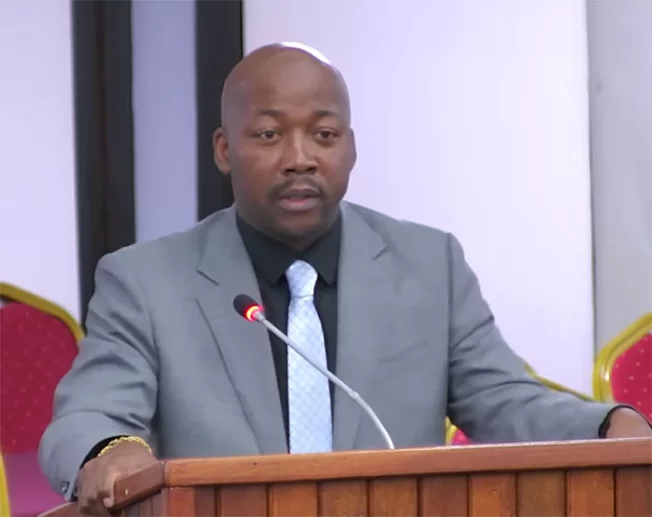
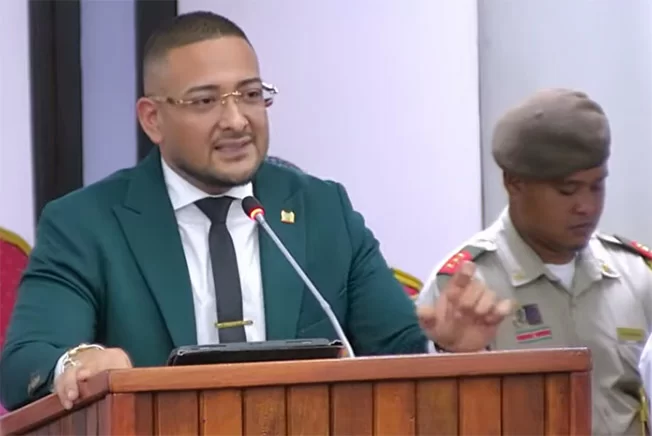
    Suriname’s Minister of Defense Uraiqit Ramsaran has identified the steady outflow of military personnel as a critical threat to the operational readiness of the country’s National Army, and is advancing a comprehensive strategy to boost personnel retention and recruitment while keeping the option of reinstating mandatory conscription under careful consideration. During recent parliamentary budget debates, Ramsaran acknowledged that the armed forces have faced a steady decline in total personnel strength over a period of multiple years, noting that the crisis did not emerge suddenly but developed gradually as a result of long-standing policy gaps. The minister pointed to years of insufficient new recruitment intakes as one of the core drivers of the shortfall, which left the military unable to replace departing service members in a timely manner.

    To address the growing personnel gap, the Ministry of Defense has already launched preparations for a new round of the military’s Elementary General Training (EAO). The ministry is also actively exploring a proposal put forward by members of the National Assembly to hold two separate recruitment intakes per year, a shift that would double the frequency of new personnel entry into the force. Beyond bringing in new recruits, the ministry is prioritizing retaining experienced currently serving personnel, who are increasingly choosing to leave the force for more attractive opportunities. Ramsaran outlined a suite of retention-focused changes: improved overall employment terms, higher salary allowances, expanded pathways for career advancement, and increased institutional focus on staff motivation and recognition of service members’ contributions.

    Ramsaran explained that many departing service members leave the military for better working conditions offered by other employers, both within Suriname’s domestic labor market and abroad. In addition to voluntary departures for external opportunities, the minister noted that natural retirements, voluntary resignations, and desertion also contribute to the ongoing reduction in the military’s total personnel roster. While Ramsaran stressed that the accumulated shortfall cannot be resolved overnight, he reaffirmed that strengthening the National Army is a top priority for his ministry. “We will not fix backlogs with empty rhetoric, we will solve them through implementation, discipline, and a phased, structured approach,” the minister stated during the debate.

    On the topic of reinstating mandatory national conscription, a policy that has been suspended since 1992, Ramsaran said the Surinamese government does not rule out the option permanently, but any final decision would require two critical preconditions: broad public support from across Surinamese society, and sufficient allocated government funding to implement the policy successfully. The minister responded to questions from National Assembly members about the prospect of bringing back conscription during the budget proceedings, noting that the Conscription Act has not been enforced since its suspension three decades ago. Previous attempts to revive conscription, including efforts in 2014 and 2015, ultimately failed due to a lack of sustained political support, Ramsaran recalled.

    He emphasized that any potential reinstatement of mandatory service goes far beyond a routine policy change, calling it a transformative decision that carries substantial organizational and financial consequences. To implement a well-functioning, responsible conscription system, the government would need to make major investments in training infrastructure, barracks facilities, overall institutional capacity, and additional staffing to run the program, Ramsaran explained. While the Ministry of Defense remains open to a broad public discussion on the future of conscription, Ramsaran clarified that the government is currently prioritizing other policy measures to grow the National Army’s personnel strength. These ongoing initiatives include expanded annual recruitment intakes and the recently announced Defense Crafts and Training Program targeted at Surinamese young people.
  • Derde helft WK 2026: Spanje herpakt zich tegen Saoedi-Arabië: 4-0

    Derde helft WK 2026: Spanje herpakt zich tegen Saoedi-Arabië: 4-0

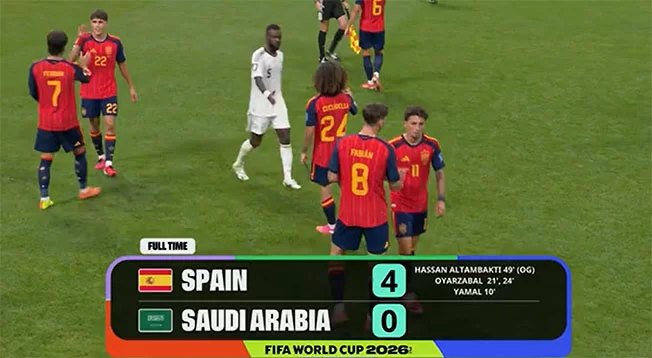
    In a critical Group H World Cup fixture held at Atlanta Stadium on June 21, Spain delivered a dominant 4-0 victory over Saudi Arabia, bouncing back from a underwhelming opening-match draw that left fans and analysts questioning their form.

    Refereed by Brazilian official Raphael Claus, the high-stakes encounter carried equal pressure for both sides: while Spain needed a win to get their campaign back on track, Saudi Arabia knew a heavy defeat would all but crush their hopes of advancing to the knockout stage.

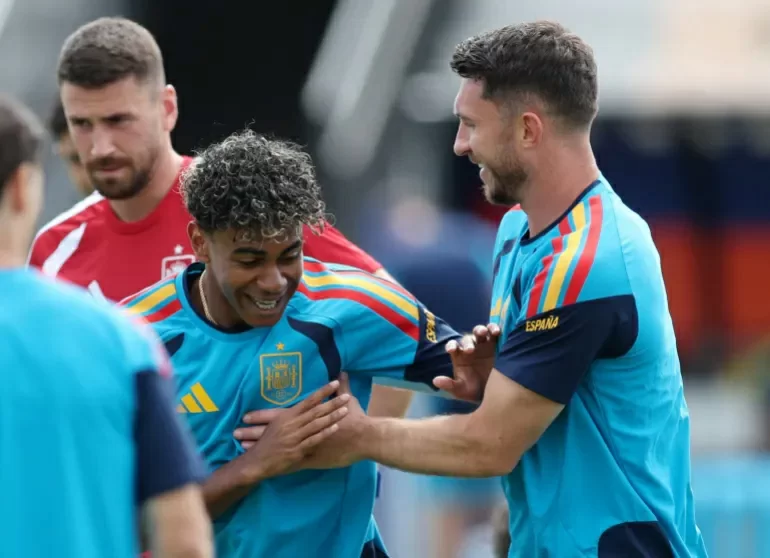
    Spain came out of the kickoff with aggressive, possession-based attacking football, controlling the tempo of the match from the opening whistle. With Saudi Arabia parking deep in their own half to absorb pressure, Spain sought to break the low block through long-range efforts and wide crosses. After a handful of early missed attempts, 18-year-old winger Lamine Yamal opened the scoring in the 10th minute, slotting a cross from Mikel Oyarzabal past Saudi goalkeeper Mohammed Al-Owais to put La Roja up 1-0.

    Just three minutes later, Álex Baena squandered a clear chance to double Spain’s lead, firing an uncontrolled shot well over the crossbar. Oyarzabal made no mistake minutes later, pouncing on a chaotic scramble inside the Saudi penalty area to tap home from close range, extending the score to 2-0. Before the first-half hydration break, the Real Sociedad forward struck again, tapping in his second of the match to put Spain up 3-0.

    In the 34th minute, Al-Owais gifted Oyarzabal a golden opportunity to claim a first-half hat trick after a misplayed pass landed straight at the forward’s feet inside the box, but Oyarzabal failed to convert the gift chance. The Spaniard had two more close opportunities to complete his hat trick before halftime, but the score remained 3-0 when the two sides headed to the changing rooms for halftime.

    Both Yamal and Oyarzabal were held out of the second half for rest, having done their damage in the opening 45 minutes. Shortly after the restart, Spain extended their lead to 4-0 when Marc Cucurella’s driven effort took an unlucky deflection off a Saudi defender and looped into the back of the net. Despite multiple additional chances for Pedro Porro and Ferran Torres to add to the scoreline, both players failed to convert their opportunities.

    After notching their fourth goal, Spain eased off the pressure and ceded possession to Saudi Arabia, who failed to capitalize on their newfound control of the ball and were unable to break down Spain’s defense to get on the scoresheet. The 4-0 result catapults Spain back into contention in Group H, significantly boosting their knockout stage qualification hopes while leaving Saudi Arabia’s tournament future hanging in the balance.

  • Ook in Suriname staan jong en oud vandaag op hun matje

    Ook in Suriname staan jong en oud vandaag op hun matje

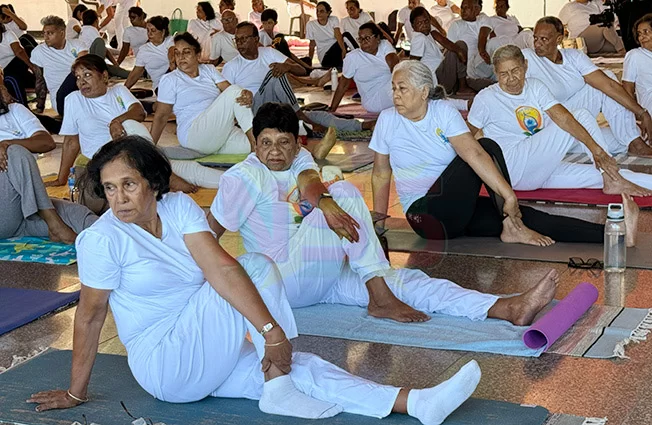
    Millions of yoga enthusiasts across the globe unroll their mats on June 21 each year to mark International Yoga Day, and 2025’s 12th iteration of the annual observance brought young and old practitioners together at Suriname’s Arya Diwaker Hall to honor the ancient wellness practice centered on physical and mental balance.

    Hosted by the Embassy of India, the event drew a high-profile guest list including India’s Ambassador to Suriname Subhash Gupta, members of his family, Indian diplomatic staff, Suriname’s Minister of Foreign Affairs Melvin Bouva (also accompanied by his family), and parliamentarian Ameerani Jarbhandan. All participants followed a structured yoga protocol led by instructors and students from the Swami Vivekananda Indian Cultural Centre (ICC).

    Far from framing yoga as just a series of complex stretching routines, Ambassador Gupta emphasized that it represents a complete, holistic lifestyle rooted in balance. As one of the six classical schools of Indian philosophy, yoga holds a core position in Vedantic thought, he explained. Summarizing centuries of ancient tradition, Gupta cited the Sanskrit phrase *samatvam yoga uchyate*, which translates to: yoga is the state of equilibrium, harmony and equanimity. Beyond individual wellness, he added, yoga serves as a powerful tool for humanity’s collective pursuit of sustainable living that aligns with planetary health, framing the practice as a journey from individual self-interest to collective harmony.

    This year’s International Yoga Day carried the global theme “Yoga for Healthy Ageing,” a focus that Minister Bouva explored in depth. Noting that global life expectancy has risen dramatically in recent decades, Bouva argued that longer lifespans bring a shared responsibility to ensure those extra years are lived in good health, dignity, inclusion and fulfillment. “Healthy ageing is not just about adding more years to life; it is about adding more life to those years,” he said, noting that yoga’s gentle yet effective movements support the retention of flexibility, strength, balance and mobility — all attributes critical to maintaining quality of life as people age.

    Bouva also stressed that yoga offers tangible benefits for people of all ages in today’s hyper-connected digital era. For children and young people, the practice boosts focus, self-discipline, emotional regulation and self-confidence, he said. For working adults juggling packed professional and personal schedules, yoga provides an essential pause for mindfulness and self-care that underpins overall well-being.

    The 2025 celebration gained extra symbolic significance this year, as it coincided with the 50th anniversary of formal diplomatic relations between India and Suriname. Both Gupta and Bouva reflected on the milestone, noting that beyond official political and historical ties, the two nations share deep common cultural heritage, values and traditions. Gupta called yoga a shining example of that shared heritage, saying it reflects the cultural kinship between the two countries and symbolizes the enduring bonds between their peoples and societies.

    Bouva echoed that sentiment, noting that people-to-people initiatives like collective yoga practice remind the world that diplomacy is not conducted only through formal official channels. “It also happens through the sharing of ideas, values and traditions that enrich all our societies,” he said.

    The event also acknowledged that June 21 also marks Father’s Day, with Bouva noting that group yoga practice acts as a unifying activity for families and communities. It promotes healthy lifestyles and strengthens social bonds, he added, reminding attendees that well-being is not just an individual pursuit, but a collective one — a reality made clear by the gathering of practitioners at Arya Diwaker Hall.

    In closing, Gupta shared his wish that “the light of yoga will illuminate our lives and the world.” Bouva called on all attendees to embrace the spirit of this year’s theme by promoting healthy lifestyles and supporting the well-being of older adults, while also encouraging people of all ages — from children to working adults — to invest in their own physical, mental and emotional health.

    International Yoga Day was formally established by the United Nations in 2014, which designated June 21 — the summer solstice, the longest day of the year in the Northern Hemisphere, when sunlight stretches across more of the globe than any other day — as the annual date for the observance.

    In Suriname, interest in yoga has grown steadily in recent years, with a expanding ecosystem of yoga schools offering a wide range of traditions to suit every practitioner’s preferences. The broader philosophy includes multiple distinct branches: Hatha Yoga, the physical-focused path that builds strength and cleanses the body through poses and muscle work; Karma Yoga, which centers on selfless action and service to others; Raja Yoga, often called the “royal path,” which focuses on deep meditation; Jnana Yoga, the path of knowledge, wisdom and self-inquiry; and Bhakti Yoga, the path of devotion and unconditional love.

    To cap off the day’s celebrations, the Art of Living organization will host closing yoga activities including asanas, mantras, meditation and relaxation sessions at the Yoga Peetha Happiness Centre for local enthusiasts.

    Since the UN designated International Yoga Day in 2014, the Indian Embassy has worked to introduce yoga as a formal wellness program in Suriname’s public schools. Over the years, embassy officials have held discussions on the proposal with multiple ministers of education, though the initiative has so far only advanced to the stage of stated intent, with no formal policy adoption to date.

  • Twee gezochte Brazilianen na internationale samenwerking uitgezet uit Suriname

    Twee gezochte Brazilianen na internationale samenwerking uitgezet uit Suriname

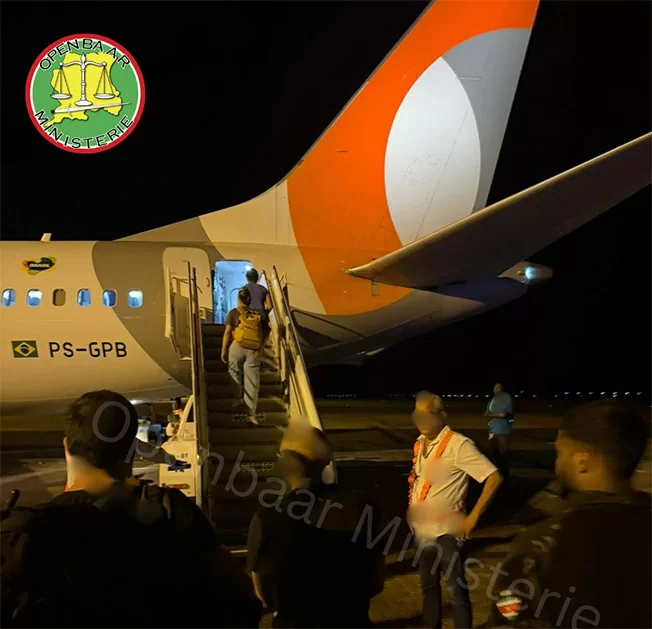
    In a landmark demonstration of cross-border law enforcement cooperation, two Brazilian suspects tied to the notorious Brazilian criminal organization Comando Vermelho (Red Command) have been located, expelled from Suriname, and immediately arrested upon their return to Brazil, authorities confirmed on June 21.

    The joint operation kicked off after Brazil’s Federal Police notified Suriname’s security agencies that the two high-profile fugitives were hiding within Suriname’s borders. Following a coordinated information exchange between the two countries’ law enforcement bodies, Suriname’s Directorate of National Security (DNV) and Justice Intervention Team (JIT) successfully tracked down the pair. Suriname authorities then formally deported the suspects back to Brazil, where Brazil’s Federal Police took them into custody moments after their plane landed.

    The two men are facing a raft of serious criminal charges in Brazil, including involvement in international drug trafficking, illegal firearms trafficking, money laundering, and membership in a designated organized criminal group. This coordinated deportation and arrest is part of Brazil’s ongoing Operation Red Fox, a major investigation targeting a transnational criminal network focused on cross-border illegal activity. According to Brazilian investigative authorities, the suspects were core members of a network dedicated to moving and concealing illicit proceeds from a range of criminal enterprises. The laundered funds were then used to purchase illegal firearms, ammunition, and narcotics to fuel further criminal activity across borders.

    Investigative records show that between 2020 and 2025, more than 153 million Brazilian reals flowed through bank accounts controlled by one of the suspects. Investigators have confirmed that this sum is wildly disproportionate to any documented legal income the suspect has reported, strongly indicating the funds are the proceeds of organized crime.

    Suriname’s Public Prosecutor’s Office has reaffirmed the country’s unwavering commitment to rooting out and combating transnational organized crime. “Suriname will never be a safe haven for international criminals or criminal organizations,” the office stated in an official release, underscoring the country’s dedication to regional security cooperation.

  • Derde helft WK 2026: Dag 11 – Spanje en Iran in actie

    Derde helft WK 2026: Dag 11 – Spanje en Iran in actie

    As the 2026 FIFA World Cup enters its 11th day of group stage action, four eagerly awaited matches are scheduled to take place across North America on Sunday, headlined by defending European champion Spain’s clash with Saudi Arabia. Meanwhile, off-pitch developments, from Iran’s ongoing struggles with U.S. travel restrictions to a superstitious warning for French fans, have added extra layers of drama to the month-long global tournament.

    Defending European champions Spain got off to a rocky start in their World Cup campaign but will step onto the pitch at Atlanta Stadium in Georgia, United States, at 13:00 local time to face Saudi Arabia in Sunday’s marquee fixture. Spain enters the contest as the clear favorite to claim three points in the group stage encounter.

    Following the Spain-Saudi Arabia matchup, Belgium will face Iran at Los Angeles Stadium in California at 16:00 local time. For Iran, this match comes as the side continues to grapple with disruptive travel restrictions that have undermined their rest and recovery throughout the tournament. Per current U.S. rules, Iran is only permitted to enter the U.S. within 24 hours of their match in the country and must return immediately to their training base in Tijuana, Mexico after the final whistle. White House official Andrew Giuliani confirmed that while Washington continues reviewing its travel policies for Iran, existing restrictions remain in place for now, despite Iran’s threat to file an official complaint with FIFA over the unfair arrangements. Iran head coach Amir Ghalenoei has slammed the rules, calling his squad “the most oppressed team at the entire World Cup.” Giuliani noted that a decision on revised travel rules for Iran’s third group match against Egypt in Seattle will be made after Sunday’s clash with Belgium. Iran’s entire World Cup campaign has been overshadowed by geopolitical tensions between the U.S., Israel, and Iran, with the side facing months of uncertainty over whether they would even be allowed to compete before the tournament kicked off.

    The evening session will open with Uruguay taking on Cape Verde at Miami Stadium in Florida at 19:00 local time. While Uruguay is heavily favored to win the fixture, Cape Verde already proved its defensive resilience in the tournament’s opening round, holding defending European champion Spain to an unexpected 0-0 draw, making the contest far from a foregone conclusion. Sunday’s final match will see New Zealand face off against Egypt at BC Place in Vancouver, British Columbia, Canada at 22:00 local time. Egypt, which earned a 0-0 draw against Belgium in its opening fixture, enters the match as the favorite to claim victory. None of the eight teams competing on Sunday will either secure knockout stage qualification or elimination after this round of fixtures.

    Beyond Sunday’s scheduled matches, a number of off-beat and noteworthy stories have emerged from the World Cup host cities and competing squads. Ahead of France’s group stage match against Iraq on Monday, French supporters’ group Irresistibles Français has issued an urgent warning to traveling fans: leave the iconic Rocky Balboa statue in Philadelphia untouched. The warning comes after Ecuador decorated the statue with national team colors ahead of their match, and fans now blame that act for “monumental bad luck” that led to an unfavorable result. “Do not touch Rocky! To all French fans in Philadelphia: we urge you to be extremely cautious,” the group said in an official statement.

    In other team news, Belgium winger Jeremy Doku is facing a difficult scheduling conflict: he is expecting the birth of his first child during the tournament and has expressed a desire to be present for the delivery, a situation that could create tension with the Belgian national team setup.

    Earlier in the tournament, Germany secured its place in the knockout stage after a hard-fought 2-1 victory over Ivory Coast, with substitute striker Denis Undav scoring both goals to secure the win. Curaçao bounced back from a lopsided opening defeat to Germany to earn its first World Cup point, holding Ecuador to a 0-0 draw thanks to a standout clean-sheet performance from goalkeeper Eloy Room. Japan eliminated Tunisia from the tournament with a dominant 4-0 victory, making Tunisia the third team eliminated from the 2026 World Cup following Haiti and Turkey. Tunisia, which became the first African nation to win a World Cup match back in 1978, has never advanced past the group stage in its tournament history. After dropping its first two group stage matches, Tunisia can no longer qualify for the knockout round.

  • Van Dijk-Silos lanceert stichting voor leiderschap en nationale ontwikkeling

    Van Dijk-Silos lanceert stichting voor leiderschap en nationale ontwikkeling

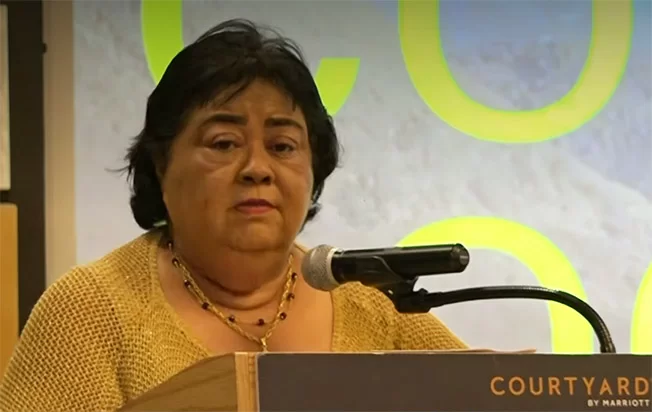
    On a Friday in mid-June, prominent Surinamese jurist Jennifer van Dijk-Silos officially launched Stichting Passie voor Land en Volk (Passion for Land and People Foundation), a new independent civil society organization designed to steer Suriname toward equitable, sustainable national development as the country enters a transformative era driven by its emerging oil and gas sector.

    The foundation has outlined five core priorities: cultivating responsible leadership across all sectors, strengthening active civic participation, advancing inclusive nation-building, expanding a progressive local content policy, and building a targeted strategy to leverage the global Surinamese diaspora for national growth. At the launch event, van Dijk-Silos, who serves as the foundation’s chair, emphasized that Suriname stands at a historic crossroads. The projected economic windfall from new hydrocarbon resources should not only boost state revenues but deliver tangible, widespread benefits to every segment of Surinamese society, she argued.

    “The critical question is not how much natural wealth a country holds, but how much of that wealth actually reaches and improves the lives of ordinary people,” van Dijk-Silos stated during her launch address.

    Rejecting the narrow common definition of local content that limits the framework to contract and procurement requirements, van Dijk-Silos called for a much broader, more inclusive approach to the policy. Under her vision, local content should ensure that Surinamese small and medium business owners, local workers, and national knowledge institutions directly capture meaningful gains from the country’s oil and gas expansion. “Local content is fundamentally about how Surinamese people can actively participate in building the economic future of their own nation,” she explained.

    The foundation chair stressed that long-term sustainable development cannot be achieved through natural resource extraction alone. True national prosperity depends on intentional investment in people: through accessible high-quality education, support for domestic entrepreneurship, continuous knowledge development, and the strengthening of inclusive public institutions. “Countries do not become wealthy from natural resources alone – they grow wealthy from investing in their people,” van Dijk-Silos noted.

    A key pillar of the foundation’s work is targeted engagement with the global Surinamese diaspora. With hundreds of thousands of Surinamese migrants living across the globe, the community holds untapped potential in the form of specialized skills, professional experience, capital, and international networks that can accelerate national development, van Dijk-Silos argued. Instead of framing the diaspora as people who left Suriname, the foundation reframes them as Surinamese citizens who have simply expanded their sphere of influence, and invites them to contribute to national progress. “We must see the diaspora not as those who abandoned our country, but as Surinamers who have extended their reach across borders,” she said.

    Structured as an independent cross-sector platform, the foundation will facilitate open dialogue between diverse stakeholders: ordinary citizens, domestic entrepreneurs, young people, civil society groups, academic institutions, and national government. Planned activities include public discussion forums, guest lecture series, leadership training programs, and independent research projects on key national challenges. A top priority for the organization is developing the next generation of ethical, effective young leaders, as van Dijk-Silos argues that sustainable leadership is a non-negotiable foundation for good governance, social stability, and long-term economic growth.

    Beyond economic development, the foundation is committed to advancing inclusive nation-building in Suriname, a country known for its deep cultural, ethnic, and religious diversity. Van Dijk-Silos emphasized that this diversity is not a barrier to national unity, but one of Suriname’s greatest strategic strengths. Instead of centering divisions of origin, religion, or political affiliation, the foundation calls on all Surinamers to embrace shared responsibility for the country’s future. “A strong nation is built on shared values: integrity, respect, solidarity, justice, and active civic responsibility,” she said.

    Closing her launch address, van Dijk-Silos framed the foundation’s creation as more than just the launch of a new civil society organization. It is, she said, an open invitation to all Surinamers – both those living in the country and those part of the global diaspora – to collaborate on building a future where economic growth goes hand in hand with broad social progress, shared national identity, and sustainable, people-centered leadership. “Suriname’s future will not be defined by oil alone,” she concluded. “It will be defined by the quality of our institutions, the resilience of our entrepreneurs, the potential of our people, and our willingness to work together toward a common goal.”

  • Derde helft WK 2026: Japan walst over Tunesië en zet grote stap richting achtste finales

    Derde helft WK 2026: Japan walst over Tunesië en zet grote stap richting achtste finales

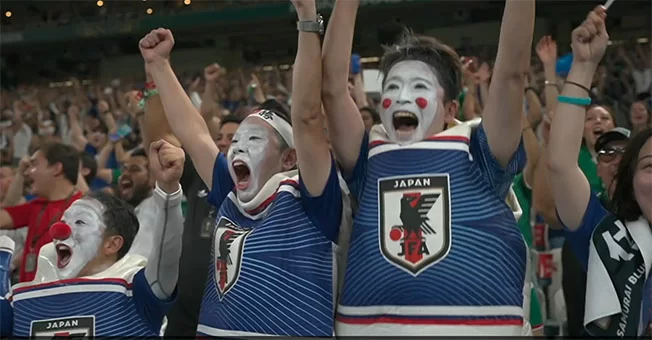
    The 2026 FIFA World Cup delivered a dominant display from Japan on Sunday morning, as the Asian side cruised to a convincing 4-0 victory over Tunisia at Monterrey’s Estadio BBVA in Mexico. The lopsided result, which marked the historic 1000th match in FIFA World Cup history dating back to the inaugural 1930 tournament in Uruguay, puts Japan on the cusp of advancing to the knockout stage, while leaving Tunisia on the brink of early elimination.

    Japan came out of the gate with relentless energy, pressing Tunisia high and disrupting the North African side’s build-up play from the first whistle. It took just four minutes for the Samurai Blue to open the scoring, as Daichi Kamada coolly finished off a fluid attacking sequence after a precise setup from Keito Nakamura, setting the tone for the entire match.

    Tunisia struggled desperately to gain a foothold in the game after falling behind. The African side turned the ball over repeatedly in midfield, unable to cope with Japan’s high-intensity pressing and rapid positional rotations, and barely registered a dangerous chance on goal for the entire first half. The quality gap between the two sides became undeniable in the 31st minute, when striker Ayase Ueda doubled Japan’s lead, tapping home a clinical finish from a Ko Itakura pass to send Japan into halftime with a comfortable 2-0 advantage.

    Japan maintained full control of the match after the break, even as Tunisia was forced to push forward in search of goals, leaving gaps at the back that the Asian side exploited expertly. The match was put beyond all doubt in the 69th minute, when defender Junya Ito made an unexpected run into Tunisia’s penalty area and slotted home after a beautiful assist from Ueda, extending the lead to 3-0. Ueda completed his brace 14 minutes later, converting a cross from Kota Sano to lock in the final 4-0 scoreline.

    The lopsided win comes on the heels of Japan’s 2-2 draw with Netherlands in their opening group match, confirming the side’s status as one of the tournament’s most dangerous dark horses. Japan’s cohesive blend of structured positional play, high defensive intensity, strict tactical discipline, and blistering counterattacking pace has made them a formidable opponent for any side in the competition, with Ueda emerging as the standout performer of the match thanks to his two-goal haul.

    For Tunisia, the situation has become extremely precarious following the result. The North African side already suffered a heavy 5-1 defeat to Sweden in their opening fixture, and with two back-to-back losses and a poor goal difference of just one scored and nine conceded, early group stage elimination looks almost unavoidable.

    This tournament marks Japan’s eighth appearance at the World Cup finals. Since making their debut in 1998, Japan have developed into consistent competitors on the global stage, qualifying for the knockout round four times, and this current squad looks well-positioned to extend that record. Tunisia, by contrast, is competing in their seventh World Cup. Long ranked among the top football nations in Africa, the side has never managed to advance past the group stage in their previous appearances.

    To mark the historic occasion of the 1000th World Cup match, the officiating team wore a special gold edition of the FIFA emblem on their kits. With three points from two matches, Japan sit in a strong position in Group F heading into their final group fixture against Sweden, and can approach the game with plenty of confidence. For Tunisia, the task of turning their tournament around has become almost insurmountable.

  • Bolivia roept noodtoestand uit te midden van blokkades

    Bolivia roept noodtoestand uit te midden van blokkades

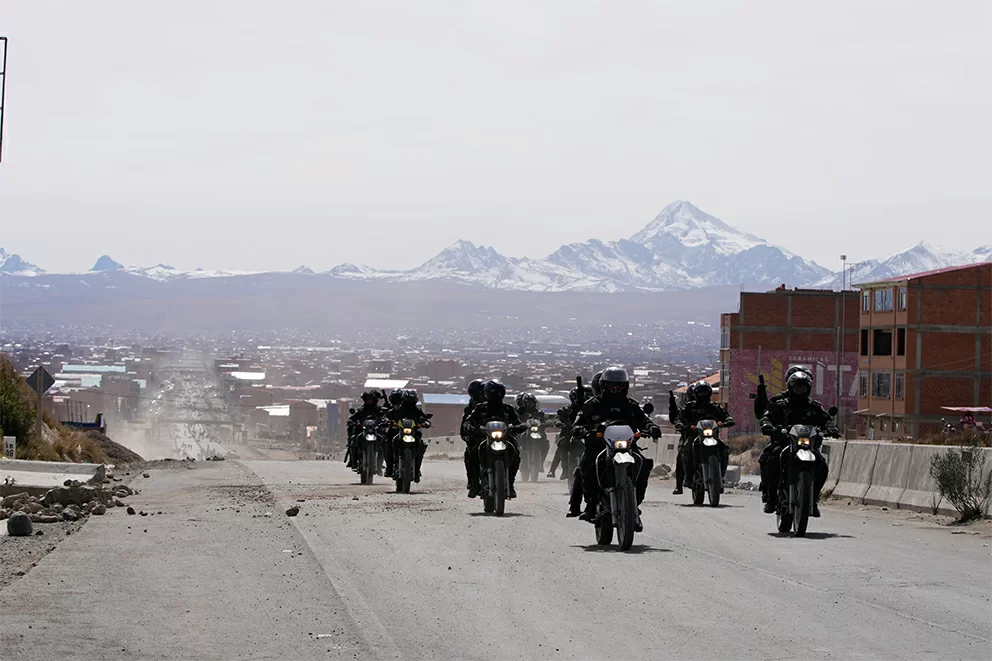
    Five weeks of mass anti-government protests have pushed Bolivian President Rodrigo Paz to declare a national 90-day state of emergency, granting the military expanded authority to clear crippling road blockades that have cut off critical supply lines to the capital La Paz and other major urban centers.

    The unrest, which has rocked Paz’s centrist administration just seven months after he took office, stems from public anger over sweeping austerity measures, most notably the elimination of long-standing fuel subsidies. What began as peaceful demonstrations has escalated into violent clashes between protesters armed with explosives and riot police, leaving at least 37 people injured and prompting more than 365 arrests, according to official government data.

    The human cost of the crisis has grown far steeper, however. Bolivia’s ombudsman’s office and independent human rights groups confirm at least 17 deaths have been linked to the unrest, most caused by lack of access to urgent medical care after blockades isolated entire communities. The Bolivian government alone has recorded seven deaths directly tied to delayed or unavailable medical treatment, as critical routes into La Paz remain barricaded, triggering acute shortages of fuel, food, and even medical oxygen in hospitals. Vehicles have been left stranded across the country, and patients requiring routine and emergency care have been unable to reach care facilities.

    In a nationally televised address defending the executive order, Paz emphasized that the state of emergency is not intended to restrict civil liberties, but to restore the freedoms ordinary Bolivians have been denied by the ongoing blockades. As stores shuttered and supermarket shelves emptied amid the supply collapse, public pressure for a forceful response to restore order has mounted rapidly.

    Progress toward de-escalation remains fragmented. On Friday evening, Paz secured an agreement with one major labor union, whose leadership has since called for protesters to lift their roadblocks. But hardline factions of the movement, who are demanding Paz’s immediate resignation, have rejected negotiations and refused to stand down.

    Under the terms of the emergency decree, blocking public roads that disrupt transport and supply chains is formally prohibited, and the military is authorized to temporarily support police operations to clear routes, reestablish public order, and protect civilian populations. Paz’s administration has stressed that constitutional protections and due process remain in effect, and that ordinary citizens will still be able to carry out their daily activities without widespread restrictions. The 90-day state of emergency can be ended early if violence and threats against civilians cease, the government added.

    Paz, who took office last November after ending nearly 20 consecutive years of rule by the left-wing Movement for Socialism (MAS), campaigned as a centrist reformer. He ran on promises to resolve pre-existing fuel shortages, shore up the struggling national treasury, and preserve critical social safety net programs for vulnerable populations. But his austerity pivot, particularly the cuts to fuel subsidies, has sparked rampant inflation and deepened public discontent across the country.

    The protest movement is led by highland Indigenous communities and rural workers, many of whom are former MAS supporters who accuse Paz of disregarding their core economic and social interests. Politically, the president faces mounting pressure from all sides: the conservative parliamentary majority and the left-wing opposition, led by ex-president Evo Morales who is backing the protests from exile and calling for snap new elections.

    On the international stage, Paz has secured formal backing from the United States, which has pledged additional emergency aid and logistical support to alleviate shortages caused by the blockades. U.S. officials have condemned the unrest as an attempted coup against Bolivia’s democratically elected legitimate government, and warned that bad actors are seeking to exploit the chaos to destabilize the broader Andean region.

  • Derde helft WK 2026: Achter de schermen van het WK

    Derde helft WK 2026: Achter de schermen van het WK

    When match cameras cut out and stadium crowds fade away, a whole other rigorous schedule begins for World Cup-starred footballers. The 90 minutes of on-pitch action only makes up a small fraction of their daily lives during the tournament. Behind the closed doors of opulent team hotels and heavily secured training complexes, every moment revolves around physical recovery, tailored nutrition, tactical strategy and mental preparation.

    From custom-built meal plans and ice baths to tactical video breakdowns, on-staff sports psychologists and carefully scheduled rest periods, no detail is left to chance. But how much personal freedom do these elite athletes actually get during their stay? Can their partners come to visit? Are they allowed to leave the compound to explore the host city? Do national team managers even dictate when players must put away their phones?

    For fans who assume a scheduled day off at the World Cup equals sleeping in and lazy relaxation, that assumption could not be further from the truth. In most squads, the daily routine kicks off early in the morning, even on supposed rest days. After a light breakfast, players go through routine medical checks, where physiotherapists and team doctors evaluate each athlete’s physical condition. Readouts of muscle tension, resting heart rate and post-match recovery metrics are then used to map out the rest of the day.

    For players who logged heavy minutes in the previous fixture, the entire day will center almost entirely on active recovery. Reserve players, by contrast, complete more intense training sessions to maintain their match fitness and rhythm ready for when they are called on. An on-field training session rarely lasts longer than 90 minutes, but every activity surrounding that block of work is tied directly to match preparation.

    Team nutritionists build individual eating plans for every player, tailored to their on-pitch position, body composition and the physical load they endure on match week. Carbohydrate, protein, vitamin and hydration intake are all tracked and adjusted with extreme precision. Even the exact time a player eats each meal is part of the carefully constructed tournament plan.

    After training wraps up, what is arguably the most critical part of the day begins: recovery. Ice baths, deep tissue massages, guided stretching, physiotherapy, and even whole-body cryotherapy help the body repair damaged muscle tissue as quickly as possible. Some players wear compression garments to reduce soreness, or sleep with wearable sensors that track the quality of their nightly rest. Even one extra percent of full recovery can be the difference between winning and losing a tight knockout match.

    Mental fitness gets equal attention from top national squads. Nearly all elite competing teams now bring a dedicated sports psychologist to the tournament, whose job is to help players cope with the enormous pressure of a World Cup, the weight of expectation from millions of fans back home, and the tension of high-stakes moments like a decisive penalty or a sudden-death knockout clash.

    At the same time, coaching staff spend hours on video analysis. Players and coaches watch footage of both their own recent performances and their upcoming opponent’s matches together to spot exploitable weaknesses. Tiny details, such as a striker’s preferred running channels or how a defender approaches one-on-one duels, can prove decisive on match day.

    That said, there is still intentional space carved out for relaxation and downtime inside team hotels. Players unwind with table tennis, billiards, video games or group movie nights. Some prefer quieter activities like listening to music, reading a book, or calling family back home for an extended chat. While social media is a central part of most modern footballers’ personal lives and brands, many national managers restrict usage during the tournament to cut down on unnecessary distractions.

    One of the most common questions fans have about World Cup camp life is whether partners and family members are allowed to stay or visit with players. Rules vary widely from nation to nation. Some national federations only allow visits during pre-scheduled windows, while others give players more flexibility to see family after the group stage of the tournament finishes. Almost all teams aim to strike a careful balance between giving players relaxed downtime and keeping the squad fully focused on the competition.

    What many fans also do not see is that far more people work behind a World Cup squad than just the 26 players named to the official tournament roster. Doctors, physiotherapists, sports scientists, nutritionists, video analysts, kit managers, psychologists, security staff and press officers all make up a support team that often numbers more than 60 people. Their work stays largely out of the public eye, but it is irreplaceable to a national team’s chances of success.

    To outside observers, a non-match day might look like a quiet period of rest for the squad. But behind the scenes, it is a meticulously orchestrated process where every single detail matters. Because at the highest level of the sport, a World Cup is not won only during the 90 minutes on the match pitch—it is won in every hour of preparation and recovery before and after kickoff.

  • Minister Abiamofo: Local content bij Zijin groeit, aandeel Surinaamse bedrijven neemt toe

    Minister Abiamofo: Local content bij Zijin groeit, aandeel Surinaamse bedrijven neemt toe

    Suriname’s growing local engagement in its gold mining sector has taken a positive step forward, with new data showing increasing local employment, rising local leadership representation, and growing contract values for domestic businesses at Chinese mining firm Zijin. Minister David Abiamofo of the Ministry of Natural Resources shared these updated figures during budget debates in the National Assembly of Suriname Friday, outlining steady progress in the company’s local content initiative.

    According to Minister Abiamofo, Zijin currently provides direct employment to roughly 1,690 Surinamese workers across its operations. An additional 1,400 Surinamese earn indirect income through the company’s network of local suppliers and contractors, meaning the firm supports a total of more than 3,000 local jobs across the country.

    The most notable gains have come in leadership and technical roles, which have historically been dominated by foreign personnel at large international mining projects in the country. Abiamofo confirmed that 25% of all senior management positions at Zijin’s Suriname operations are now held by local Surinamese professionals. That share jumps to 49% for mid-level management roles, while 95% of frontline supervisors and 83% of technical staff are recruited from the local workforce. All entry-level operational roles and internal support positions are currently filled exclusively by Surinamese workers.

    Minister Abiamofo acknowledged that a small number of highly specialized positions still rely on foreign experts, due to the specific experience and industry certifications required for these niche roles that are not yet widely available among the local workforce. However, he emphasized that this is a temporary gap that will continue to narrow as local workers gain more on-the-job experience and specialized training through the company’s capacity building programs.

    Beyond direct employment, the value of contracts awarded to Surinamese domestic businesses has also increased considerably, climbing from $163 million U.S. dollars to $192 million U.S. dollars in recent years. Correspondingly, the share of contracts going to foreign-based companies has declined as local suppliers have expanded their capabilities to meet the mining firm’s needs.

    Despite the positive progress, Minister Abiamofo stressed that local businesses must maintain competitive standards to retain these opportunities. “Quality, reliability, and competitiveness remain the deciding factors for contract awards,” he said. “Local companies cannot rely solely on long-standing working relationships to secure ongoing work; they must continue to deliver value that matches or exceeds what international firms can offer.”

    The updates come as Suriname continues to push for greater local benefits from its natural resource sector, a core driver of the country’s national economy. Local content requirements have become a key policy priority for the government, aimed at ensuring resource extraction delivers long-term inclusive economic growth rather than just short-term revenue.