标签: Suriname

苏里南

  • Derde helft WK 2026: Nieuw Zeeland strijdend ten onder tegen Egypte

    Derde helft WK 2026: Nieuw Zeeland strijdend ten onder tegen Egypte

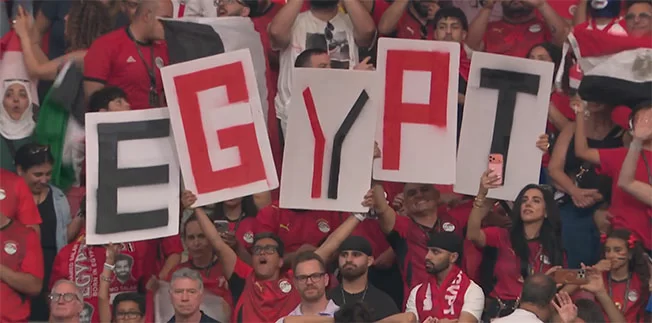
    VANCOUVER, Canada – June 22, 2026 – A high-stakes Group G FIFA World Cup match at BC Place delivered a dramatic turnaround on Sunday night, as Egypt rallied from a first-half deficit to secure a critical 3-1 victory over an underdog New Zealand side, reigniting their knockout stage hopes.

    Refereed by Omar Al Ali of the United Arab Emirates, the encounter carried massive weight for both nations: heading into the match, each side had only earned one point from their opening two group games, meaning three points was a non-negotiable requirement to keep their dreams of advancing to the knockout round alive.

    Led by star forward Mohamed Salah, Egypt controlled possession and set the attacking tone from the opening whistle, but New Zealand’s compact defense held firm and nearly drew first blood against the run of play. In the 14th minute, Elijah Just carved out the first clear chance of the game, firing a low shot toward the far left corner, but Egyptian goalkeeper Mostafa Shobeir made a sharp save to keep the match scoreless.

    New Zealand capitalized on the resulting corner kick just moments later, as defender Finn Surman rose above a crowd of Egyptian defenders inside the six-yard box to power a header into the left netting, giving the Oceania side an unexpected 1-0 lead.

    After the hydration break, Egyptian winger Omar Marmoush had a golden chance to level the score, but New Zealand goalkeeper Max Crocombe read the attempt well and made a critical stop to preserve his side’s lead. Egypt pushed hard for an equalizer in the closing minutes of the first half, but wasteful finishing and resolute New Zealand defending kept the underdogs ahead heading into the halftime break.

    Egypt came out of the locker room firing on all cylinders immediately after the restart, raining wave after wave of pressure on New Zealand’s defense. New Zealand shifted to a more cautious, defensive-minded approach to protect their lead, which opened up space that the Egyptian attack quickly exploited. Though Salah and his attacking teammates continued to waste clear opportunities, their persistence finally paid off in the 58th minute, when Mostafa Ziko found the back of the net to draw Egypt level at 1-1.
    Nine minutes later, Salah delivered the moment Egypt had been waiting for: the Liverpool star broke into the penalty box and slotted a clinical finish past Crocombe to put his side ahead 2-1. With 15 minutes remaining in regular time, Mahmoud Hassan put the match out of reach for New Zealand, scoring Egypt’s third to seal a 3-1 comeback win.

    The result reshapes the Group G standings, leaving Egypt still in contention for a knockout spot heading into the final matchday, while New Zealand’s hopes of advancing are effectively ended after their third group stage match.

  • Suriname investeert fors minder in onderwijs dan regio; Currie wil wettelijke norm

    Suriname investeert fors minder in onderwijs dan regio; Currie wil wettelijke norm

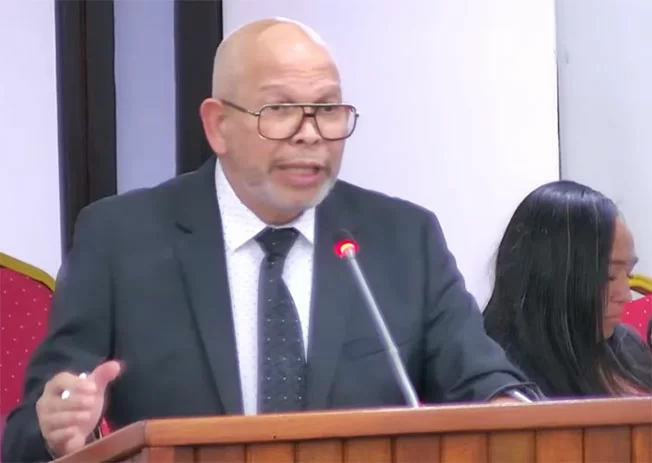
    Suriname’s Minister of Education, Science and Culture Dirk Currie is calling for sweeping increases in public investment in the education sector, pointing out that the South American-Caribbean nation already lags far behind regional peers in education spending, putting its long-term development at risk.

    As outlined in the country’s 2026 draft budget, just SRD 7.48 billion — equivalent to 9.7% of total government expenditure — is earmarked for education. That figure remains well below the Caribbean regional average of roughly 15% of public spending, and puts Suriname at the lower end of investment rankings across the region. When measured as a share of gross domestic product (GDP), the gap is equally stark: Suriname allocates approximately 3% of GDP to education, compared to a regional average of 4.9%. Neighboring and peer nations including Belize, Guyana and Dominica all invest more than 5% of their total GDP in the education sector, while Belize and Dominica devote 21% of total government outlays to the sector, and Jamaica allocates nearly 19%.

    To address this persistent underinvestment, Currie has proposed enshrining a mandatory spending target in national law, requiring that between 20% and 25% of annual state revenue be allocated to education, science and culture. Speaking during budget deliberations in the National Assembly, Currie emphasized that Suriname’s long-term growth will not be driven solely by projected new oil and gas revenues — it will depend above all on the quality of the nation’s human capital.

    “Education is not an expense line, it is an investment in our country’s future,” Currie told parliament. The minister argues that a legal mandate is critical to insulate education funding from shifting political priorities and economic volatility, creating the long-term certainty needed to invest in infrastructure upgrades, updated learning materials, teacher training, digital transformation and overall quality improvements across the education system.

    With Suriname preparing to enter a new economic era driven by expanding oil and gas production, Currie warned that the nation could squander this historic opportunity without a sufficiently skilled, educated workforce. “Natural resources alone do not make a nation prosperous. In the end, it is people that make the difference,” he said. Beyond securing stable funding, the minister hopes his proposal will spark a broad national conversation about the central role education should play in Suriname’s public financial priorities, framing sustained investment in the sector as a non-negotiable foundation for the country’s long-term development.

  • De meerwaarde van yoga voor lichamelijke en geestelijke gezondheid

    De meerwaarde van yoga voor lichamelijke en geestelijke gezondheid

    Yoga has evolved far beyond its reputation as a simple physical workout across the globe in recent years. A growing body of academic and clinical research now confirms that consistent yoga practice delivers measurable benefits, from improved overall physical fitness to reduced chronic stress and stronger mental resilience. To mark the annual International Yoga Day, observed globally every June 21, communities in Suriname centered their celebrations on highlighting evidence-based health benefits of the ancient practice.

    Local organization Shri Sanatan Dharm Maha Sabha Suriname marked the international observance with a community yoga session held at its Paramaribo headquarters on Koningstraat on Saturday, the event focused entirely on promoting holistic health, mindfulness, stress relaxation, and inner emotional balance.

    Rafael Lutchman, the event’s session coordinator, emphasized that yoga is far more than just mastering a sequence of complex body poses. For people navigating the constant hustle and stress of modern daily life, regular practice builds the ability to cope with pressure, while also improving core physical strength, flexibility, focus, and personal self-discipline. Lutchman encouraged all attendees to carve out intentional time in their weekly routines to nurture both their physical and mental well-being, a priority that many people overlook amid busy schedules.

    Subhas Gupta, India’s Ambassador to Suriname, also spoke at the event to underline yoga’s underrecognized preventive health value. He reminded attendees that 12 years ago, following an initiative led by the Indian government, the United Nations formally designated June 21 as the annual International Day of Yoga to raise global awareness of the practice’s benefits. Today, Gupta noted, yoga is increasingly integrated into healthy lifestyle routines around the world, and it can help prevent a wide range of common chronic health issues by prioritizing intentional movement, controlled breathing, and regular relaxation.

    Organizers of the Suriname event explained that the true power of yoga extends far beyond its physical components. The term “yoga” derives from the Sanskrit word yuj, which translates directly to “to join” or “to unite” — a reference to the practice’s core goal of building harmony between the body, mind, and consciousness. The organization also stressed that yoga is accessible to nearly everyone, regardless of age or current physical fitness level. Mastering advanced poses is not the point of practice; instead, the goal is gradual progress toward better overall health and greater inner calm.

    To expand access to yoga outside of scheduled in-person classes, Shri Sanatan Dharm Maha Sabha has added a dedicated new section to its existing mobile platform, the “Mijn Sanatan Dharm” app. Titled “Yog aur Vyáyám,” the new section will deliver weekly content every Saturday: app users get step-by-step guidance for a new yoga pose and a full sequence of exercises that can be completed independently at home. Beyond the new yoga content, the app already hosts a range of features, including updates on religious community events, educational articles, direct contact tools for pandits, and other interactive resources for members.

    Through both the in-person community gathering and the new app expansion, the organization aims to encourage people to prioritize intentional care for both physical and mental health, even when balancing demanding daily schedules.

  • Derde helft WK 2026: Kaapverdië vecht zich naar 2-2 tegen Uruguay

    Derde helft WK 2026: Kaapverdië vecht zich naar 2-2 tegen Uruguay

    A high-stakes Group H World Cup encounter at Miami Stadium delivered 90-plus minutes of dramatic action, ending in a spectacular 2-2 draw between two-time world champions Uruguay and underdog Cape Verde on June 21. The result leaves both teams tied on two points after two matchdays, keeping knockout stage hopes alive for both sides ahead of their final group fixtures.

    Uruguay got off to a dominant start, controlling possession from the opening whistle against a Cape Verde side that entered the match off a credible draw against defending champions Spain. The first major booking came just five minutes in, when Cape Verde defender Sidny Lopes Cabral picked up a yellow card. Uruguay’s first clear chance arrived in the 15th minute through star midfielder Federico Valverde, but he failed to convert the opportunity to put his side ahead.

    The deadlock was broken in the 21st minute, when Cape Verde’s Kevin Pina curled a stunning 25-yard free kick beyond Uruguay goalkeeper Fernando Muslera to take a surprise 1-0 lead. The set piece opportunity came after Uruguay’s Rodrigo Bentancur was booked just four minutes earlier, giving Pina the match-defining chance. With his side trailing at the break, Uruguay manager Marcelo Bielsa faced a critical half-time adjustment task during the early tournament water break.

    Buoyed by their opening goal, Cape Verde played with growing confidence, limiting Uruguay’s attacking options for most of the first half. But just before half-time, Uruguay found an equalizer: Maxi Araujo reacted quickly to a headed effort that bounced off the goalpost, slotting home to level the score at 1-1 in the 44th minute. The South American side grabbed a second goal deep into first-half stoppage time, when Araujo delivered a low cross into the box that Agustin Canobbio tapped home to put Uruguay 2-1 up going into the break.

    The second half started at a slower pace, with Uruguay retaining most of the ball. Another yellow card was issued to Uruguay’s Mathias Olivera in the 57th minute, but the narrative of the match shifted dramatically just four minutes later. A communication mix-up between Olivera and Muslera let Cape Verde’s Hélio Varela capitalize, tapping into an empty net to make the score 2-2 in the 61st minute.

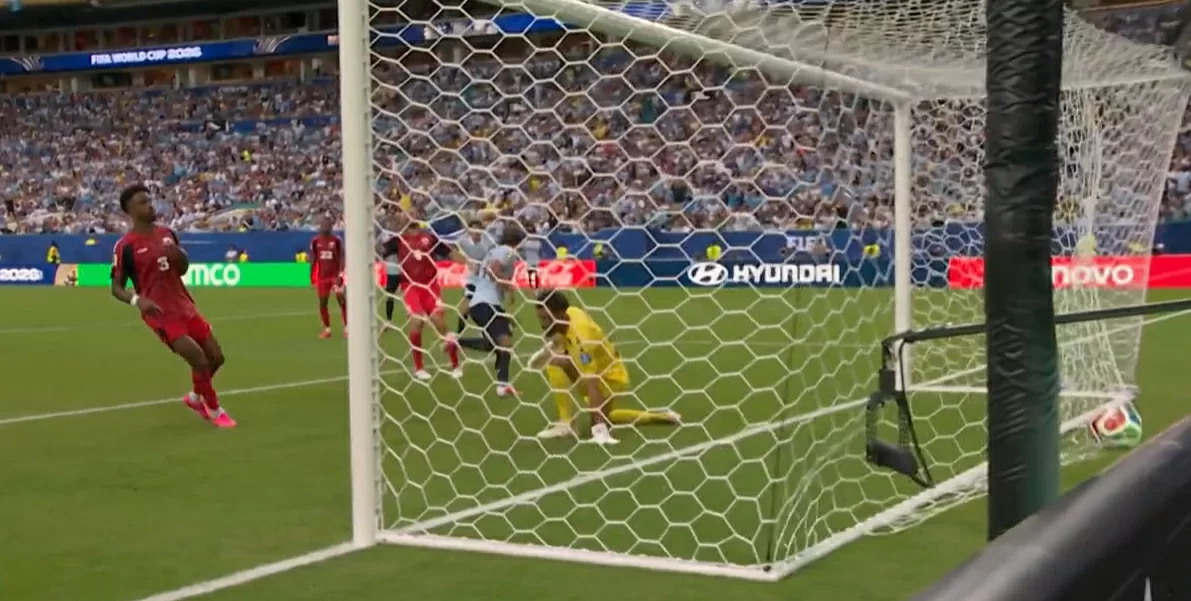
    Later in the half, VAR ruled out a late Maxi Araujo goal for offside, denying Uruguay what would have been a go-ahead score. Both managers made key substitutions to inject fresh energy into their sides, with star forward Darwin Núñez and midfielder Nicolás De La Cruz entering for Uruguay, while Laros Duarte came on for Cape Verde.

    In the final 10 minutes, Uruguay piled on pressure in search of a winner. Valverde curled a late free kick over the crossbar in the 89th minute, and a quick counterattack led by Núñez failed to produce a finishing touch. Cape Verde’s defense held firm, with a critical block from Ryan Mendes in the 86th minute keeping the scores level. The last chance of the match fell to Canobbio, who sent a last-ditch effort just over the bar in the fourth minute of stoppage time.

    When the final whistle blew, the 2-2 scoreline stood as a fair result for the hard-fought encounter. Cape Verde, the tournament’s underdog, now holds a strong position to advance to the knockout stage if they can secure three points against Saudi Arabia in their final group match. For Uruguay, the path forward is clear: a win against Spain will guarantee their spot in the next round, while a draw could also be enough to see them progress depending on other results.

  • Minister Gopal wil Nationaal Jeugdparlement nieuw leven inblazen

    Minister Gopal wil Nationaal Jeugdparlement nieuw leven inblazen

    Suriname’s Minister of Youth Development and Sport, Lalinie Gopal, has announced a broad package of policy reforms aimed at reactivating the dormant National Youth Parliament and putting youth issues at the center of the country’s national development agenda. The initiative comes amid alarmingly low participation among young Surinamese in public decision-making, a trend Gopal says requires urgent, systemic intervention.

    During recent budget debates in the national legislature, Gopal highlighted a stark decline in youth interest in formal participation channels over the past several years. Most notably, turnout for the most recent National Youth Parliament elections hit just 7%, a figure she described as a clear signal that the existing model has lost its connection to Suriname’s younger generation.

    The centerpiece of Gopal’s plan is a full redesign of the National Youth Parliament framework to create a structure that resonates with modern young people, removes barriers to participation, and guarantees that youth perspectives are meaningfully incorporated into policy discussions. She recalled that Suriname once stood as a regional leader in youth inclusive governance within the Caribbean Community (CARICOM), a legacy she is determined to restore.

    Beyond revitalizing the youth parliament, the new policy agenda elevates youth mental health as a core priority for the ministry. Gopal confirmed that key themes including mental resilience, practical life skills, personal development, and preventative mental health support will be integrated as permanent components of all national youth programs, filling gaps in existing support services for young people.

    To sustain these investments, the ministry is moving forward with plans to establish a legally enshrined national youth fund that will provide stable, long-term resourcing for youth-focused initiatives. Gopal also emphasized that the government will expand partnerships with civil society organizations and educational institutions, which she says play an indispensable role in guiding young Surinamese through their personal and professional development.

    In framing the reforms, Gopal stressed that investments in youth are inseparable from investments in Suriname’s long-term prosperity. The entire policy agenda, she said, is designed to expand opportunity for young people and rebuild their sense of connection to national public life, laying a stronger foundation for the country’s future.

  • Nieuw Defensieprogramma bereidt jongeren voor op leger en werk

    Nieuw Defensieprogramma bereidt jongeren voor op leger en werk

    PARAMARIBO, SURINAME – June 21 – Suriname’s Ministry of Defense has announced a groundbreaking new youth initiative designed to address long-standing personnel shortages in the National Army while opening new opportunities for personal and professional growth for the country’s young people. The Defense Craft and Training Program (DAP), unveiled by Defense Minister Uraiqit Ramsaran during budget debates in the National Assembly, aims to equip participants with critical life skills, work-ready competencies and clear future pathways, while supporting the military’s long-term staffing needs.

    The DAP was specifically designed for young Surinamese seeking structured guidance, mentorship and intentional personal development. Over the course of the program, participants will complete comprehensive training in core areas including personal discipline, physical and mental resilience, hands-on vocational skills, and leadership development. Trainees will also be introduced to the fundamental values that guide Suriname’s defense sector: camaraderie, sense of duty, and personal accountability. To remove common barriers to participation, the program will provide all enrollees with a monthly stipend to cover basic expenses such as transportation and meals.

    One of the program’s most inclusive features is its bridging pathway for candidates who narrowly miss the admission requirements for the military’s Elementary General Training. Instead of being rejected outright, these young applicants will get a second chance to build their qualifications through a dedicated preparatory transition year, after which they can reapply to join the National Army. Minister Ramsaran confirmed that Suriname’s defense sector has faced declining personnel numbers for years, and the DAP is intended to create a consistent, long-term pipeline of new qualified recruits for the military. Importantly, he emphasized that enrollment does not commit participants to a military career, framing the program as an investment in youth regardless of their ultimate professional path.

    During the parliamentary debate on the initiative, multiple members of the National Assembly called for expanding the program’s scope to better prepare participants for roles across the broader civilian labor market after completion. In response, Ramsaran noted that the defense ministry is open to exploring collaborative partnerships with other government departments to expand the program’s reach, but reaffirmed that the core priority of the initial launch is to strengthen the military’s personnel capacity.

    For the Surinamese government, the DAP represents a dual-purpose investment: it advances national security by strengthening the National Army, and it addresses youth development gaps by providing structured opportunities for young people who are still seeking direction and access to economic opportunity in the country.

  • Derde helft WK 2026: Keepers stelen show in doelpuntloos duel België-Iran

    Derde helft WK 2026: Keepers stelen show in doelpuntloos duel België-Iran

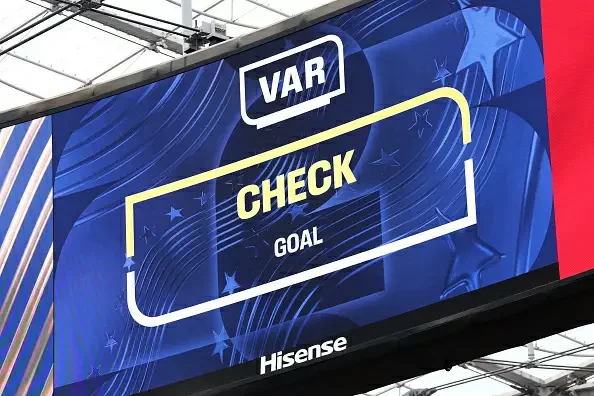
    The 2026 FIFA World Cup Group G campaign delivered a tense, goalless stalemate between European side Belgium and Asian challenger Iran at their Los Angeles fixture, with standout goalkeeping performances and a late VAR intervention shaping a result that leaves both nations searching for their first win of the tournament.

  • Regering werkt aan Gold Board voor goudsector

    Regering werkt aan Gold Board voor goudsector

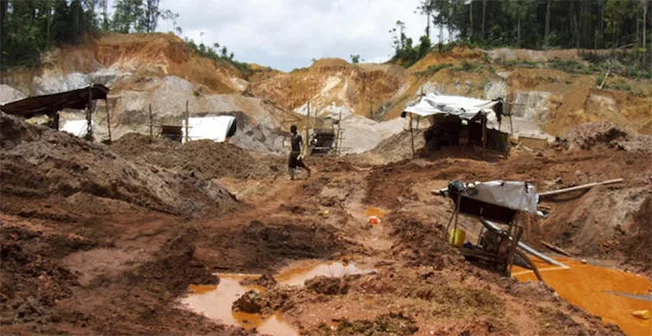
    Suriname is advancing sweeping regulatory reforms for its small-scale gold mining sector, with two major initiatives already underway to formalize and green the industry, Natural Resources Minister David Abiamofo announced during budget debates in the National Assembly.

    First, the government is moving forward with the establishment of a dedicated Suriname Gold Board, a body designed to bring greater transparency to gold trading and streamline the organization of the fragmented sector. Alongside this institutional overhaul, a nationwide count of all active gold mining operations will kick off shortly, once remaining logistics are finalized.

    Abiamofo emphasized that bringing order to the small-scale gold sector is far more than a routine administrative task. Most informal and small-scale mining sites are located in remote, hard-to-access goldfields, requiring specialized personnel, rugged transportation and specialized equipment to conduct a full, accurate inventory. To date, necessary vehicles have already been secured through a combination of donor-funded projects and allocations from the national state budget, with only the delivery of all-terrain vehicles (ATVs) still pending. Once these arrive, the inventory work will commence.

    Beyond formalization, the ministry has completed work on a national Responsible Mining Strategy, and is partnering with the United Nations Development Programme (UNDP) on the GEF Gold project. This initiative builds on the outcomes of the earlier completed M-SACS project, and centers on cutting mercury use in small-scale gold extraction, aligning with the country’s obligations under the international Minamata Convention on Mercury. Abiamofo noted that the government has intentionally adopted a gradual approach to reducing mercury dependence, rather than implementing an immediate, outright ban – a choice designed to avoid disrupting livelihoods and sector activity during the transition.

    The minister also highlighted that the small-scale gold sector already makes a substantial contribution to national government revenue through royalties, permit fees and statistical levies. With improved regulatory structure and formalization, he added, overall revenue from the sector will grow significantly, while reducing the environmental and public health harm associated with unregulated mercury use.

  • Simons: Mensen met een beperking moeten meedenken over toekomst land

    Simons: Mensen met een beperking moeten meedenken over toekomst land

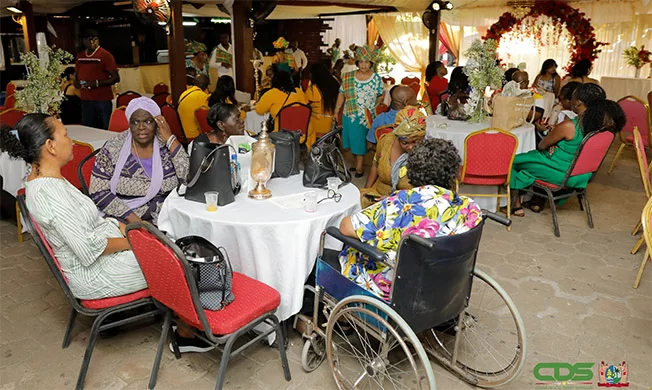
    On a milestone Saturday marking 15 years of disability advocacy in Suriname, President Jennifer Simons made a landmark pledge: people with disabilities across the nation will no longer be sidelined from national growth, and will gain a formal voice in shaping the country’s long-term future plans.

    The announcement came during a jubilee celebration for the Suriname-based disability rights organization Stichting Wan Okasi, held at Riverside Shadien, where Simons opened by offering public praise for the foundational work the group has carried out since its founding in 2011. Over 15 years, Wan Okasi has evolved from a small grassroots initiative into one of the country’s most influential advocates for the rights and inclusion of people with disabilities.

    In her address, President Simons emphasized that the unique talents, relentless perseverance, and extraordinary courage of people with disabilities prove they are fully capable of making meaningful, valuable contributions to Surinamese society. “The grit and determination of people with disabilities inspire us all, and teach us a daily lesson that nothing should hold us back from pursuing our goals,” the head of state told attendees. She went on to underscore that equal access to opportunity is a core responsibility of the national government. “This is a collective responsibility for our entire society, but the government holds a formal duty to support this community and give them the same space to grow and thrive that every other citizen enjoys,” Simons said.

    Most notably, the president confirmed that representatives of the disability community will be included in the special working group tasked with drafting Suriname’s national long-term development roadmap. “Our national vision is built on the promise that no one will be left behind,” she stated.

    Following the president’s remarks, Aniel Koendjbiharie, chair of Wan Okasi, took the stage to reflect on the organization’s progress over 15 years, while outlining ambitious new plans for expanding disability inclusion across the country. Koendjbiharie highlighted key wins the organization has secured to date, including major contributions to the establishment of Suriname’s national human rights institute, improvements to road safety for disabled people, and expanded access to financial services for the community.

    Looking ahead, the group is rolling out new initiatives focused on expanding educational access. A new pilot program is already in development to give people with disabilities the opportunity to pursue vocational secondary education (MBO-level training). Wan Okasi has also formed a new partnership with the Anton de Kom University of Suriname (AdeKUS), aimed at increasing enrollment of students with disabilities starting in the upcoming academic year.

    Koendjbiharie also called for the establishment of a structured, regular consultation framework between the organization and the national government. He noted that Wan Okasi has grown dramatically in size, reach, and expertise over the past 15 years, and is fully prepared to enter a new phase of formal collaboration with state institutions. To advance this goal, the organization will submit a formal governance code with concrete policy proposals to the Simons administration in the coming period.

    The 15th anniversary gathering brought together disability advocates, government officials, and community members to celebrate the progress that has been made, while reinforcing shared commitments to building a more inclusive Suriname for all.

  • Politie: Opstand in cellenhuis Uitvlugt na onvrede over voeding en bezoekregels

    Politie: Opstand in cellenhuis Uitvlugt na onvrede over voeding en bezoekregels

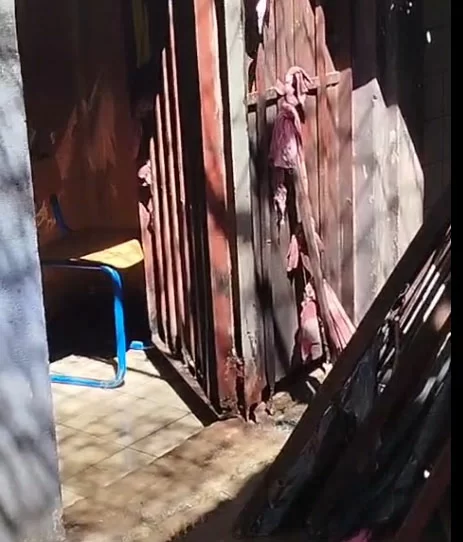
    On a Sunday morning in Suriname, inmates held at the Uitvlugt police station’s detention block launched a coordinated uprising, fueled by long-simmering grievances over provided meals and visitation policies. Authorities from the Suriname Police Corps confirmed on Wednesday that the unrest, which began at approximately 10 a.m., has been fully contained, and a potential mass escape has been successfully prevented. According to the police’s public relations division, the unrest originated from two core complaints from the incarcerated individuals: first, widespread dissatisfaction with the quality of state-provided meals delivered to the facility, and second, strong objection to existing regulations that ban visitors from bringing in certain personal items, most notably instant noodles like popular Indomie brand soup. What began as a collective protest quickly escalated into open insurrection. Inmates ripped cell block doors from their hinges, constructed barricades at the main entrance to the detention wing, and caused extensive property damage throughout the facility. Multiple reports also confirm that protestors threw contaminated water and waste at on-duty police officers stationed at the complex. In response to the rapidly escalating crisis, police leadership ordered an immediate evacuation of the entire cell block. All inmates were swiftly transferred to other detention facilities across the region, with identified suspected ringleaders of the uprising moved to the central prison, the House of Detention, to prevent further unrest. In a post-incident briefing, police officials clarified that the catering service responsible for meals at Uitvlugt also supplies food to multiple other detention facilities in Suriname, and no complaints about meal quality have been recorded at any other location. This lack of parallel complaints has led investigators to conclude that the uprising was deliberately incited by a small group of inmates, rather than being a spontaneous response to poor conditions. Police spokesperson further noted that the unrest is likely linked to recent severe sentencing demands brought against several of the suspected ringleaders. The protest was allegedly orchestrated to create chaos that would enable an escape attempt, a plot that law enforcement successfully dismantled before it could progress. The operation to regain control of the facility was led by Haimee Hip, regional commander for Paramaribo and chief inspector, who coordinated closely with the Uitvlugt regional commander and his command staff. Additional tactical support was provided by the specialized Arrest Team and the Paramaribo Regional Assistance Team, allowing authorities to regain control of the facility without extended conflict.