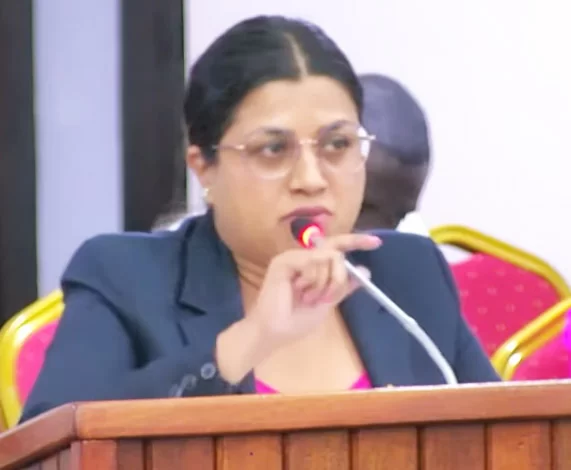
Suriname’s Minister of Youth Development and Sport, Lalinie Gopal, has announced a broad package of policy reforms aimed at reactivating the dormant National Youth Parliament and putting youth issues at the center of the country’s national development agenda. The initiative comes amid alarmingly low participation among young Surinamese in public decision-making, a trend Gopal says requires urgent, systemic intervention.
During recent budget debates in the national legislature, Gopal highlighted a stark decline in youth interest in formal participation channels over the past several years. Most notably, turnout for the most recent National Youth Parliament elections hit just 7%, a figure she described as a clear signal that the existing model has lost its connection to Suriname’s younger generation.
The centerpiece of Gopal’s plan is a full redesign of the National Youth Parliament framework to create a structure that resonates with modern young people, removes barriers to participation, and guarantees that youth perspectives are meaningfully incorporated into policy discussions. She recalled that Suriname once stood as a regional leader in youth inclusive governance within the Caribbean Community (CARICOM), a legacy she is determined to restore.
Beyond revitalizing the youth parliament, the new policy agenda elevates youth mental health as a core priority for the ministry. Gopal confirmed that key themes including mental resilience, practical life skills, personal development, and preventative mental health support will be integrated as permanent components of all national youth programs, filling gaps in existing support services for young people.
To sustain these investments, the ministry is moving forward with plans to establish a legally enshrined national youth fund that will provide stable, long-term resourcing for youth-focused initiatives. Gopal also emphasized that the government will expand partnerships with civil society organizations and educational institutions, which she says play an indispensable role in guiding young Surinamese through their personal and professional development.
In framing the reforms, Gopal stressed that investments in youth are inseparable from investments in Suriname’s long-term prosperity. The entire policy agenda, she said, is designed to expand opportunity for young people and rebuild their sense of connection to national public life, laying a stronger foundation for the country’s future.