标签: Dominica

多米尼克

  • Seniors must be protected from financial exploitation and abuse, DCOA official says

    Seniors must be protected from financial exploitation and abuse, DCOA official says

    As populations across the globe grapple with shifting demographic landscapes, the question of how to honor and protect aging populations has moved to the forefront of public discourse in Dominica. In a recent panel discussion hosted by the Dominica Council on Ageing (DCOA) at the Dominica Public Service Union (DPSU) headquarters, stakeholders gathered to unpack the legal frameworks and social responsibilities that surround the welfare of the island nation’s older adults.

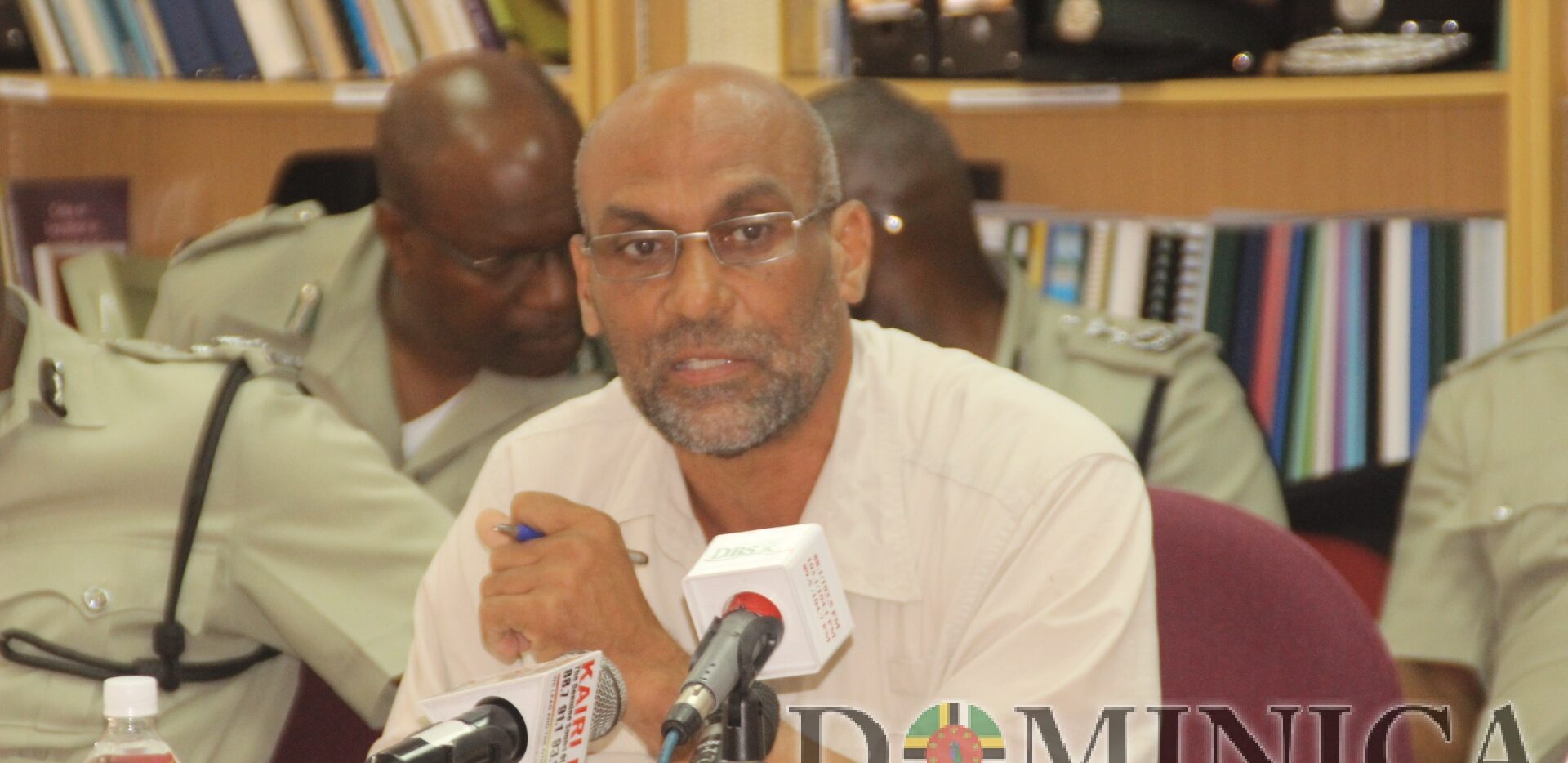
    Following the dialogue, Cecil Shillingford, Chairman of DCOA’s Education and Health Committee, outlined a clear, urgent call to action: the country’s seniors must be shielded from systemic neglect, interpersonal abuse, and predatory financial scams, so that they may spend their final years with the dignity they have earned.

    Shillingford emphasized that generations of older Dominicans laid the foundation for the modern, thriving society the nation enjoys today. Decades of hard work, community building, and sacrifice from today’s seniors transformed Dominica into the better place it is for current and future generations, he argued. Now, as advancing age limits their ability to fend for themselves, every segment of society — from immediate family members to the broader public — has a moral obligation to step up and ensure their twilight years are marked by comfort, joy, and good health.

    At the core of Shillingford’s message is the need for proactive protection against exploitation. He warned that bad actors regularly target vulnerable older adults, seeking to steal their life savings and precious personal possessions through deceptive schemes. Beyond financial fraud, he highlighted the urgent need to shield seniors from all forms of harm, including physical violence, emotional manipulation, and psychological abuse, as well as harmful neglect by caregivers and family.

    Beyond protection from harm, Shillingford stressed that robust legal safeguards are non-negotiable to uphold the fundamental rights and independence of older adults. These legal protections must do more than just penalize abuse; they need to guarantee unfettered access to quality healthcare, ensure access to critical social services, and preserve two core rights that all people deserve regardless of age: the right to personal privacy, and the right to self-determination when making choices about their own lives and care.

    The panel discussion comes as part of broader efforts by DCOA to raise public awareness about elder rights, and push for stronger policy and social support systems that meet the growing needs of Dominica’s aging population.

  • OP-ED: Guyana’s candidate for top UN post receives backing of Caribbean leaders

    OP-ED: Guyana’s candidate for top UN post receives backing of Caribbean leaders

    Leaders of the Caribbean Community (CARICOM) have closed ranks behind Guyana’s nominee Ambassador Carolyn Rodrigues-Birkett for the 10th United Nations Secretary-General position, but internal divisions within the regional bloc have cast uncertainty over a unified regional front for the high-profile global role, as small Caribbean nations brace for outsized geopolitical impacts from the race’s outcome.

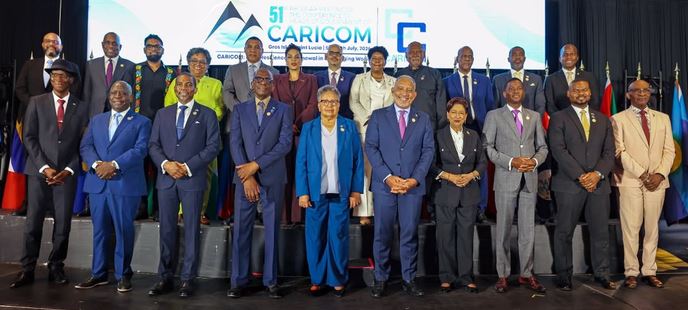
    The endorsement came at CARICOM’s 51st regular heads of government summit, where regional leaders formally backed Rodrigues-Birkett’s candidacy in an official communiqué. Nominated by Guyana on June 15, 2026, her selection as the bloc’s consensus candidate marks a major diplomatic win for the South American Caribbean nation.

    Rodrigues-Birkett’s three-part policy vision, which she laid out to attending leaders at the summit, won widespread support across the bloc. Her agenda is anchored in upholding the core principles laid out in the UN Charter, reforming the body’s institutional structures to boost agility, accountability and effectiveness amid a rapidly shifting global order, and uniting member states around renewed multilateral collaboration to deliver more consistent progress across the UN’s three core pillars: peace and security, human rights, and sustainable development.

    Despite the formal bloc-wide endorsement, the path to a unified CARICOM position is not fully resolved. Another CARICOM member state, Antigua and Barbuda, has already nominated its own candidate for the role: H.E. María Fernanda Espinosa Garcés, an Ecuadorian former diplomat who entered the race on May 11, 2026.

    Shortly after the summit concluded, Antigua and Barbuda Prime Minister Gaston Browne reaffirmed his government’s continued support for Espinosa Garcés, noting that CARICOM now has two highly qualified candidates in the running for the top UN job. This stance directly contradicts the formal summit communiqué’s call for unified regional backing, exposing lingering splits within the 14-member bloc over the selection process. The divide comes even though CARICOM’s founding Revised Treaty of Chaguaramas requires member states to coordinate their foreign policy positions on global issues.

    As the race for the UN’s top role enters its final phase with multiple candidates competing, the stakes could not be higher for CARICOM’s small island and coastal states. The current Secretary-General António Guterres’ second and final five-year term will expire in December 2026, with his successor set to take office in January 2027. The incoming leader will inherit a UN mid-way through comprehensive reform, operating amid unprecedented geopolitical tension that has strained the post-WWII international order.

    Guterres has recently warned that the existing 80-year-old rules-based global system is being displaced by a ‘law of the jungle’, a shift that small states like CARICOM’s members are uniquely vulnerable to. Caribbean nations are disproportionately exposed to risks stemming from the erosion of multilateralism and international law, leaving their sovereign influence and future stability uncertain in the current geopolitical climate.

    Against this backdrop, CARICOM member states universally recognize that the outcome of the Secretary-General race will shape nearly every core priority of their foreign policy, as the next UN chief will play a defining role in efforts to reset and strengthen the global body. This analysis, written by Nand C. Bardouille, Ph.D., manager of The Diplomatic Academy of the Caribbean at The University of the West Indies St. Augustine Campus in Trinidad and Tobago, reflects solely the author’s own views.

  • COMMENTARY: A New Narrative for Agriculture – An Essential Debate in the 21st Century

    COMMENTARY: A New Narrative for Agriculture – An Essential Debate in the 21st Century

    For generations, the prevailing conversation around economic progress across Latin America has centered on a long-held assumption: meaningful development requires industrialization, rapid urbanization, and a departure from natural resource-based economies. In this outdated framework, agriculture was dismissed as a low-value traditional sector—merely a source of cheap raw materials and affordable food, capable of supporting growth but never leading deep, systemic economic transformation. Today, that long-standing perspective is being completely upended by sweeping global shifts.

    The global agri-food system is undergoing a fundamental structural restructuring, reshaping everything from how food is cultivated and energy is generated to how natural resources are managed and innovation is scaled. In this new global landscape, agriculture is no longer a stagnant primary sector; it has evolved into a strategic, knowledge-based platform anchored in cutting-edge science and technology. This paradigm shift carries unique weight for Latin America and the Caribbean: the region stands on the cusp of a once-in-a-generation economic opportunity, but unlocking it requires abandoning outdated mindsets and redefining agriculture’s role in national development strategies.

    Global demand trends leave no room for doubt: the world’s population is on track to approach 10 billion by 2050, and rapid expansion of the urban middle class across Asia and Africa is driving soaring demand for higher-protein food, specialized agricultural products, and diverse supply chains. Joint estimates from the Food and Agriculture Organization (FAO) and the Organisation for Economic Co-operation and Development (OECD) project that global food demand will rise by roughly 50% by mid-century. Unlike the agricultural expansions of the past, however, this growth must happen against a backdrop of intensifying constraints: per capita arable land availability is steadily declining, freshwater resources face unprecedented pressure, and climate change is increasing the frequency of extreme weather events that disrupt production and create market uncertainty.

    The core challenge facing global agriculture today is no longer simply increasing output—it is producing more food and goods while using fewer resources and dramatically shrinking the sector’s environmental footprint. The good news is that 21st-century agriculture has access to transformative tools that were unimaginable even 30 years ago. Breakthroughs ranging from biotechnology and gene editing to precision agriculture, artificial intelligence, remote sensing, robotics, and big data analytics are completely rewiring traditional production systems. The iconic image of a farmer making decisions based solely on generations of accumulated experience is being replaced by a new model: every step of production is now optimized with satellite imagery, predictive climate models, digital management platforms, and AI-powered tools that cut waste and boost yields.

    In this new era, agricultural competitiveness no longer hinges on how much unutilized natural resources a region holds. Instead, success depends increasingly on a region’s ability to generate, adapt, and deploy cutting-edge knowledge to solve modern challenges. By that measure, Latin America is uniquely positioned to lead this global transition. The region holds a large share of the world’s remaining arable land and freshwater reserves, and has already established itself as one of the globe’s top net food exporters. Over the past few decades, it has also made major strides in agricultural technological advancement.

    Countries including Brazil and Argentina have paced some of the world’s fastest agricultural productivity growth in recent decades. Brazil turned the once-inhospitable Cerrado savanna into a productive agricultural heartland through targeted applied research and adaptation of technology to tropical growing conditions. Argentina led the global expansion of no-till farming, and has achieved some of the world’s highest adoption rates for biotechnology and precision agriculture tools. These gains were no accident: they grew out of long-term sustained investment in agricultural research, strong public institutions dedicated to knowledge generation, and deep collaborative partnerships between the public and private sectors.

    Even with these technological advances, a troubling paradox remains. While modern agriculture grows increasingly technologically sophisticated, much of the public and political discourse in Latin America still frames the sector through 20th-century lenses. Agriculture is still too often portrayed exclusively as an extractive, low-complexity activity that conflicts with environmental protection. This gap between reality and public perception carries tangible costs: it blocks consensus-building around strategic policy, discourages long-term investment in the sector, and prevents policymakers from designing frameworks aligned with 21st-century challenges. Crucially, the debate does not need to be framed as a choice between agricultural production and environmental sustainability. Precisely because agriculture depends on healthy natural resources to thrive, the sector has strong inherent incentives to protect ecosystems and improve resource management.

    Adoption of new digital and biotechnological tools already allows producers to cut input use, boost water use efficiency, and reduce post-harvest production losses. Practices such as no-till farming and regenerative agricultural systems also increase carbon sequestration in soils, helping mitigate climate change while improving soil health.

    This shift naturally leads to the rise of the bioeconomy, a transformative concept that is redefining agriculture’s role in the global economy. The bioeconomy leverages biological resources, modern science, and cutting-edge technology to produce far more than food: it delivers renewable energy, sustainable biomaterials, bioplastics, specialized biomolecules, and a wide range of low-carbon industrial products. In short, it aims to gradually replace fossil fuel-based materials and production processes with renewable, biologically based alternatives.

    For Latin America, this transition unlocks extraordinary economic and social opportunities. Unlike knowledge-intensive manufacturing and tech industries that tend to cluster in large urban centers, most bioeconomic activities rely on biomass distributed across rural and regional territories. This creates new pathways for investment, job creation, and value addition in peripheral and intermediate regions that have long been left behind by urban-centric development models. As such, the bioeconomy can become a powerful tool for balanced territorial development, helping narrow regional economic disparities and create new opportunities for historically marginalized rural communities.

    But unlocking this potential requires far more than leveraging the region’s natural advantages. It demands modern, forward-thinking public policies, large-scale sustained investment in agricultural science and technology, clear and adaptive regulatory frameworks, and a shared cross-sector strategic vision for the sector’s future.

    Ultimately, the biggest challenge facing Latin America today is not just expanding agricultural production—it is changing how the region thinks about agriculture. It requires building a new national and regional narrative that recognizes 21st-century agriculture is far more than just a source of export revenue, and aligning policy and investment actions with that new reality. Historic economic opportunities do not come along often, and the global transformation of agri-food systems represents exactly that for Latin America. The question is no longer whether the region has the natural and human resources to play a leading global strategic role. The real question is whether it can build the conceptual, political, and institutional vision needed to fully harness this once-in-a-generation potential.

  • CARICOM delegation heads to London for key reparations discussions

    CARICOM delegation heads to London for key reparations discussions

    After more than a decade of relentless advocacy that has steadily shifted global and public opinion, the CARICOM Reparations Commission (CRC) is bringing its campaign for reparatory justice for the transatlantic slave trade directly to the United Kingdom this week, with a four-day diplomatic and outreach mission running from July 13 to 16.

    Organized in partnership with the Institute of Commonwealth Studies at the University of London’s School of Advanced Study, the trip is designed to do more than just restate the Caribbean region’s longstanding demands. According to a public statement released by the Institute of the Black World (IBW), a key supporting organization for the mission, the delegation will focus on deepening existing strategic partnerships, expanding public awareness of the harms of chattel slavery, and mobilizing broader civil society engagement behind the reparations agenda.

    Leading the high-profile delegation is CRC Chair Professor Sir Hilary Beckles, joined by a cohort of senior regional and global reparations leaders. The group includes Dorbrene O’Marde, head of the Antigua and Barbuda Reparations Support Commission and CRC Vice Chair; Eric Phillips, another CRC Vice Chair who leads the Guyana Reparations Committee; Professor Verene Shepherd, who also holds a vice chair role on the United Nations Committee on the Elimination of Racial Discrimination; Barbados’ Ambassador to CARICOM David Comissiong; and Dr. Ron Daniels, convener of the U.S.-based National African Reparations Commission.

    The UK mission comes at a pivotal moment for the global reparations movement, marked by a string of historic breakthroughs that have pushed the issue from a marginalized demand to a core global human rights conversation. Since the CRC was founded 12 years ago, the body has led a sustained regional campaign of advocacy and public education that has kept demands for reparatory justice anchored on the international policy agenda.

    Momentum has accelerated sharply in recent years. In 2024, at the Commonwealth Heads of Government Meeting held in Apia, Samoa, CARICOM secured a landmark agreement: Commonwealth leaders formally acknowledged that the time has come for open, truthful and respectful dialogue to build a more equitable future that addresses the legacy of slavery. This marked the first time the bloc had explicitly backed such a conversation, representing a major diplomatic win for the Caribbean campaign.

    Public opinion in the UK, one of the key former colonial powers that profited from the transatlantic slave trade, is also shifting toward supporting redress. IBW cited a 2025 national poll conducted by The Repair Campaign, which surveyed 2,000 UK adults. The data showed 63% of respondents now back a formal government apology to Caribbean nations and the descendants of enslaved Africans, a four percentage point increase from 2024 polling. Support for financial compensation also rose by four points over the same period, reaching 40% of UK adults.

    Global institutional progress has also moved rapidly this year. In March 2026, the United Nations General Assembly passed a groundbreaking resolution led by Ghana that formally categorized the transatlantic trafficking of enslaved Africans and the system of chattel slavery as the gravest crime against humanity in modern history. That resolution set the stage for a high-level global consultative conference on reparations held in Accra, Ghana this past June, where government representatives, international organization officials, legal scholars and civil society leaders gathered to draft a shared framework for advancing reparatory action. The conference was widely described as a historic turning point for Africans and people of African descent worldwide.

    Just weeks before the UK mission, CARICOM’s own regional leaders reinforced their commitment to the cause. Earlier this month, CARICOM heads of government formally approved an updated version of the bloc’s core policy document, the CARICOM Ten Point Plan for Reparatory Justice: A Manifesto for the Coming Enlightenment. The revised framework frames reparations as an urgent global human rights imperative, and leaders backed a suite of new initiatives to advance the regional agenda.

    The CRC’s UK visit is intended to build on this wave of progress, cementing cross-border alliances and ensuring Caribbean demands for redress for the harms of slavery remain a top priority in global political and civil society discourse.

  • ECCB records second-highest profit in its history, says Governor Antoine

    ECCB records second-highest profit in its history, says Governor Antoine

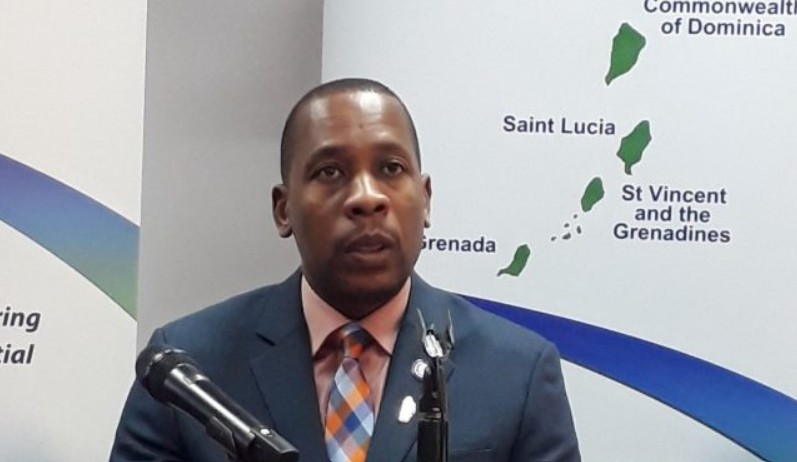
    The Eastern Caribbean Central Bank (ECCB) has closed out its most recent financial year with one of the strongest performances in its institutional history, delivering a profit of EC$121.6 million that marks the second-highest annual gain the central bank has ever recorded. While the figure represents a slight pullback from the all-time record of EC$126.1 million posted in the previous financial year, ECCB Governor Timothy Antoine has emphasized that the Eastern Caribbean Currency Union’s core financial foundations remain solid, even as households and businesses across the bloc continue to grapple with persistent cost-of-living challenges.

    Antoine shared the results during the recent ECCB Monetary Council meeting hosted in Dominica, where he addressed the three most pressing concerns on the minds of residents across the currency union: the strength of the Eastern Caribbean (EC) dollar, the security of personal savings, and the trajectory of rising living costs.

    When responding directly to public concerns, Antoine offered clear reassurance on the first two issues. “Our EC dollar remains exceptionally strong,” he stated, noting that the currency is backed by foreign reserves covering 97.61% of its value — far exceeding the 60% statutory minimum requirement mandated for the union. Total foreign reserves across the bloc have now climbed to $5.9 billion, providing robust, ongoing support for the currency.

    “A strong currency requires a strong central bank. I am therefore pleased to report that the central bank is financially strong,” Antoine added, confirming that personal savings held across the region’s financial system are fully secure. He also noted that the regional banking sector maintains strong capital and liquidity buffers that keep the system stable and resilient, though he acknowledged that customer service across the industry requires significant improvement to meet public expectations.

    On the question of easing cost-of-living pressures, Antoine offered a more mixed assessment. Inflation across the currency union has moderated in recent months, bringing some relief to household budgets, but he acknowledged that many families and small businesses still continue to feel the strain of elevated prices. Even with this ongoing pressure, he stressed that the long-term structural strength of the currency union remains unshaken.

    Looking forward, the ECCB projects steady regional economic growth of approximately 2.8% for both this year and next, with the tourism and construction sectors continuing to act as the primary engines of expansion across the bloc. The central bank also reported that private sector credit grew by 5.8% last year, driven by a 10.1% jump in business lending and a 3.3% rise in household credit. This growth indicates that more local businesses and residents are gaining access to financing needed to fund investments, expand operations, and create new jobs across the region.

    In a final disclosure, Antoine confirmed that credit card debt across the currency union rose by 1.7% to reach EC$328.8 million, a small uptick that comes even as overall inflation has slowed in recent months. This modest increase signals that some households are still relying on consumer credit to cover everyday expenses amid lingering cost pressures.

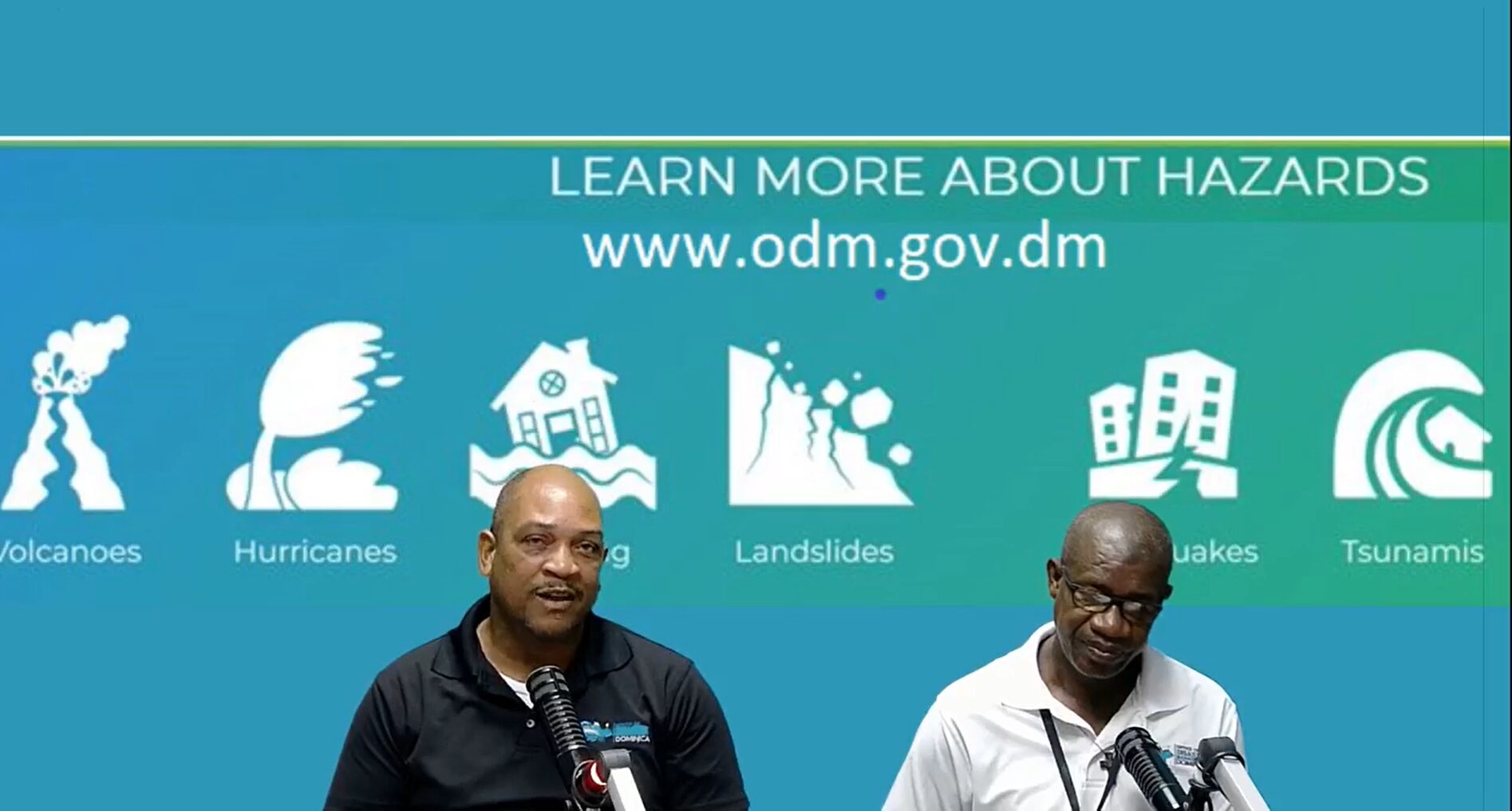
  • LIVE: Disaster and You 14th July 2026 presented by Office of Disaster Management

    LIVE: Disaster and You 14th July 2026 presented by Office of Disaster Management

    When a news content submission is processed, only social sharing buttons (Share, Tweet, Pin) and a link to an image file are provided, with no full textual content of the intended news story included. This incomplete submission leaves no core information, key events, contextual details or subject matter to analyze, rewrite or classify. Without the actual text of the news report, it is impossible to extract core points, identify the topic of the story, assess its significance, or complete the requested rewriting and analysis tasks. Individuals seeking news processing are required to provide the full, complete textual content of the original news story to receive a comprehensive, accurate output that meets all stated requirements.

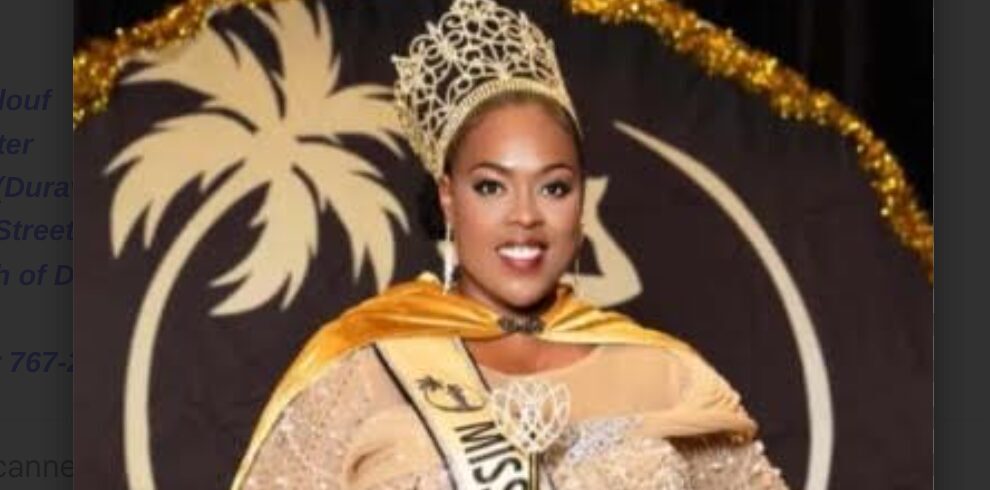
  • Dominica-born Milove Fontaine crowned Miss Elegantly Plus Caribbean queen while representing Antigua & Barbuda

    Dominica-born Milove Fontaine crowned Miss Elegantly Plus Caribbean queen while representing Antigua & Barbuda

    The Caribbean twin-island nation of Antigua and Barbuda is marking a new milestone in regional pageant history, after Milove Fontaine — a Dominica-born competitor representing her adopted home — took home the coveted title of Miss Elegantly Plus Caribbean Queen 2026. The annual competition wrapped up over the weekend in Tortola, British Virgin Islands, capping off several days of fierce, celebratory competition among plus-size contestants from across the region.

    Fontaine, who grew up in Fond Cole, Dominica, and now permanently resides in Antigua and Barbuda, secured her victory Sunday night inside the Eileene L. Parsons Auditorium at H. Lavity Stoutt Community College. Her performance stood out head and shoulders above the rest of the field, with the competitor sweeping nearly every major judged category at the event. Beyond the overall national title, Fontaine went home with four additional specialty honors: Top Model 2026, Best Evening Wear, Best On-Stage Interview, and Best Ambassadorial Presentation. She also claimed the People’s Choice Award, a fan-voted distinction that reflects her broad popularity among audiences following the competition.

    In an exclusive interview with Antigua.News immediately after her win, Fontaine opened up about the overwhelming flood of emotion she experienced when the final results were announced. “I was so elated when I heard the segments that I was winning. Something about that just had me very speechless. I was just standing there, and when it was time to crown the queen, in my head I’m like, ‘Yeah, Milove, you won.’ But when it was said, I had an overwhelming feeling. I wanted to scream, I wanted to cry, I wanted to smile, I wanted to laugh. I just stood there, smiling, just embracing the moment. It was a wonderful feeling,” she shared.

    Fontaine extended sincere gratitude to the residents of Antigua and Barbuda, whose widespread public voting was the key to her securing the People’s Choice Award. This year’s regional competition drew a small but talented field of contestants representing three jurisdictions: Antigua and Barbuda, the British Virgin Islands, and the United States Virgin Islands. Fontaine competed against two other finalists: host nation representative Krystle Maduro, and Jah’Millia Maloney of the U.S. Virgin Islands, who took home honors for Resort Wear and Tourism Reel.

    This latest crown adds to an already impressive pageant resume for Fontaine, who previously claimed the title of Miss Charisma 2020 early in her competition career. Her 2026 win marks one of the highest-profile achievements in the Caribbean’s growing circuit of plus-size pageantry, which is dedicated to expanding standards of beauty and celebrating body diversity. Judges highlighted Fontaine’s consistent poise, sharp eloquence, and natural ability as a cultural ambassador throughout the event, noting that her performance perfectly aligned with the pageant’s core mission of uplifting confidence, celebrating inclusive beauty, and empowering women of all sizes.

    While Fontaine remains proud of her Dominican heritage, her win brings valuable regional recognition to Antigua and Barbuda, the country she chose to represent in the competition. Beyond the trophy, her journey is already inspiring audiences across the Caribbean, showcasing what targeted dedication and authentic self-confidence can achieve.

  • UWI Global Campus marks 10 years of youth skills programme, celebrates 149 student graduates

    UWI Global Campus marks 10 years of youth skills programme, celebrates 149 student graduates

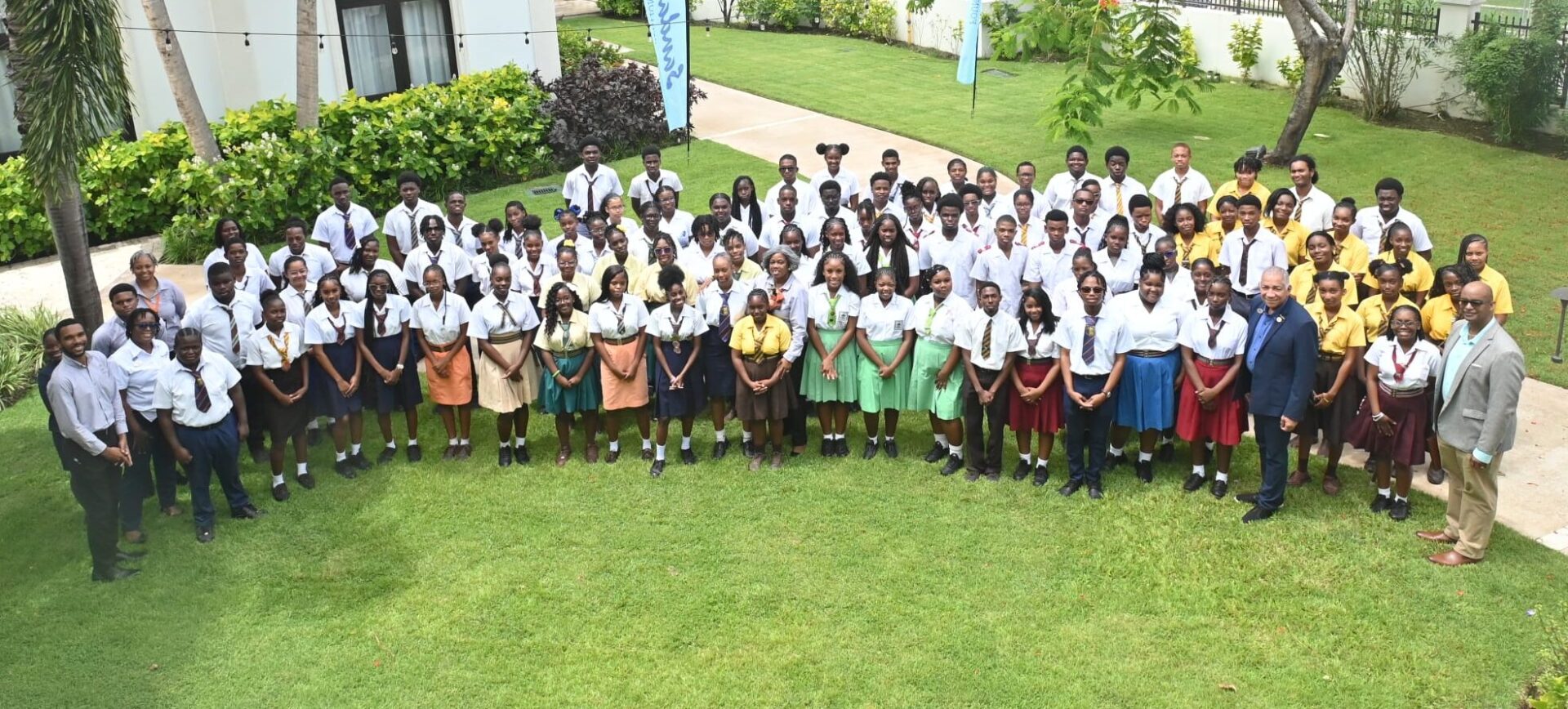
    Ten years after launching to address a critical gap in youth employability, The University of the West Indies (UWI) Global Campus has marked its milestone by honoring 149 recent graduates of its signature Preparing Today for Tomorrow’s Challenges – Transforming Children’s Lives (PTFTC-TCL) Alumni Outreach Programme at a recognition ceremony in Barbados.

    Hosted by the UWI Global Campus Alumni Office in partnership with the Sandals Foundation at the Sandals Royal Ballroom, the 10th annual Recognition Ceremony brought together graduates, educators, government partners and corporate sponsors to celebrate a decade of impact that has now served more than 1,800 secondary school students across the island nation.

    The origins of the programme trace back to 2015, when veteran educator Faith Richards noticed a widespread gap: many Barbadian secondary school students lacked the foundational soft skills, professional know-how and life competencies needed to make a smooth transition from the classroom to the workforce. In response to Richards’ observation, education specialist Sandra Griffith-Carrington developed the original six-month curriculum, which covered core practical topics ranging from professional communication and resume writing to interview preparation, conflict resolution, digital meeting etiquette and professional presentation standards.

    Over its first decade, the programme has evolved to match changing workplace demands, adding new, relevant modules on social media professionalism, professional wardrobe planning and personal financial literacy to equip students with a more comprehensive skill set for modern work and life. With formal backing from Barbados’ Ministry of Educational Transformation and Chief Education Officer Dr. Ramona Archer-Bradshaw, the initiative has expanded from a small pilot to reach 16 of the country’s 22 secondary schools, with four new institutions—Daryll Jordan Secondary School, Deighton Griffith School, St. Leonard’s Boys’ School and The Lodge School—joining the programme during the just-concluded 2025/2026 academic year.

    During the ceremony, graduates from earlier cohorts shared firsthand accounts of the programme’s lasting impact. Breanne Nanton, a member of the very first 2015 cohort who now works as a Financial Services Representative at the Barbados Public Workers’ Co-operative Credit Union while pursuing a Bachelor of Science in Banking and Finance at UWI’s Cave Hill Campus, credited the programme with giving her a critical head start for both higher education and professional work. Joshua Harewood, a 2016/2017 graduate, added that the confidence, communication skills and adaptability he built through the programme still support his professional growth nearly a decade after he completed it.

    The programme’s sustained growth and expansion have been made possible by a network of regional and private partners. Initial supporter Dr. Arvat McClaine continues to fund stipends for high-performing students completing month-long internships at the UWI Global Campus. In recent years, the Sandals Foundation and Rock-Hard Cement have collectively contributed more than US$65,000 to scale the programme across Barbados, and this year, 39 graduates will secure internship placements with partner organizations.

    Patrick Drake, Resort Manager at Sandals Barbados Resort and Spa and representative of the Sandals Foundation, urged graduates to continue refining their communication and negotiation skills as they enter the workforce, and reaffirmed the foundation’s long-term commitment to nurturing the next generation of regional leaders. During the ceremony, Drake also presented the Sandals Foundation Challenge Trophy for Best Michaelmas Assignment to The St. Michael School, whose student team delivered the top group presentation analyzing the pros and cons of artificial intelligence integration in K-12 education.

    In his keynote address, Dr. Francis O. Severin, Pro Vice-Chancellor and Principal of UWI Global Campus, encouraged graduates to prioritize personal dignity and professional integrity, framing dignity as a long-term investment comparable to saving for the future. “Dignity must be earned, like honest money,” he told the graduating class, urging graduates to uphold ethical standards throughout their careers.

    Acting Chief Education Officer Julia Beckles, speaking on behalf of Minister of Educational Transformation Chad Blackman, praised the programme for aligning with the government’s goal of cultivating well-rounded, work-ready young people. “Academic qualifications alone are no longer enough,” she reminded graduates. “The skills you have developed through this programme will enable you to navigate challenges with confidence and contribute meaningfully to your workplaces and communities.”

    The ceremony also brought an exciting announcement for future participants: Akil Thompson, Senior Technical Officer at Barbados’ Technical and Vocational Education and Training (TVET) Council, revealed that starting from the 2026/2027 academic year, all programme completers will be eligible to earn official Core Skills certifications recognized across the Caribbean, a credential expected to significantly boost graduates’ competitiveness in the regional job market.

    Awards were also presented to standout students and schools during the event. Nathan Sealy from Deighton Griffith Secondary School received the first-ever Sinnette-Nguyen Challenge Trophy for the Most Outstanding Student with Exceptionalities, sponsored by Tisha Sinnette-Nguyen and John Nguyen of Massachusetts. Princess Margaret Secondary School claimed the event’s top overall honours: Tenisha David took home the Arvat McClaine Challenge Trophy for Most Outstanding Student Overall, while Dashaun Bynoe was recognized as the Most Outstanding Male graduate. School principal Veronica Annel-Agard expressed pride in the students’ achievements, noting their success reflected their talent, dedication and resilience, as well as the hard work of school facilitator Major Len Cummins.

    Closing the milestone ceremony, Griffith-Carrington, the programme’s original curriculum designer, reflected on the achievement of securing formal recognition as a Caribbean Vocational Qualification (CVQ), a designation that standardizes the programme’s curriculum across the region. “I stand humbled today, knowing that what I carefully designed and crafted ten years ago will now be recognised as a Caribbean Vocational Qualification,” she said. “This is more than a certificate; it is a bridge across our islands, a standard that validates skills and opens doors for our people.”

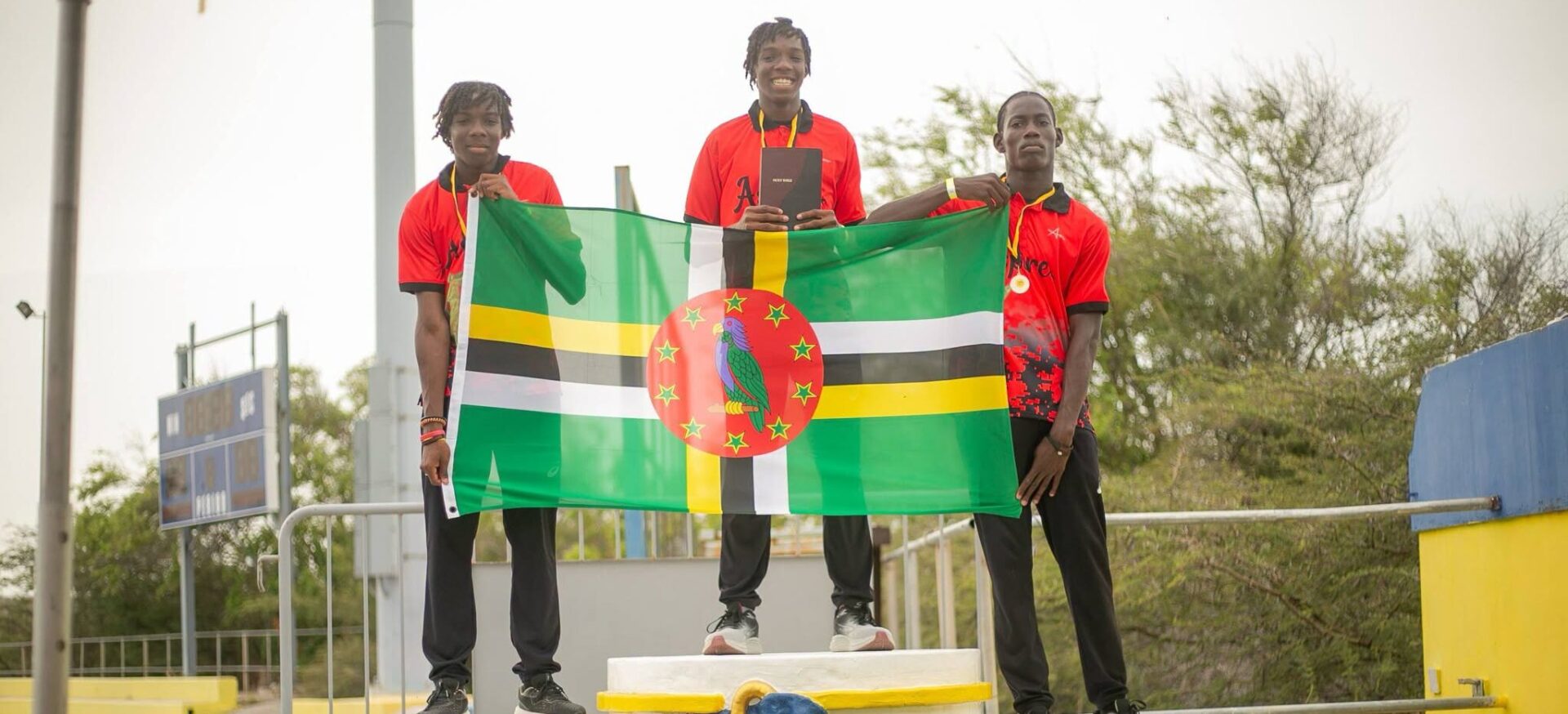
  • Aspirers Athletics Club delivers historic 52-medal performance at Trupial Classic in Curaçao

    Aspirers Athletics Club delivers historic 52-medal performance at Trupial Classic in Curaçao

    One of the Dominican Republic’s most promising track and field programs, Aspirers Athletics Club, has etched its name into the history books of regional athletics after a dominant showing at the 35th annual Trupial Classic hosted in Curaçao. The team departed the island competition with an unprecedented haul of 52 medals alongside five major overall trophies, a result that club leadership and regional sports analysts alike are calling a landmark milestone not just for the organization, but for Dominican athletics as a whole.

    The Trupial Classic, one of the Caribbean’s most prestigious annual open track and field competitions, draws hundreds of elite amateur and developing professional athletes from across the region each year, competing across sprinting, distance running, jumping, and throwing events. Against a stacked field of regional rivals, Aspirers Athletics Club’s athletes delivered consistent podium performances across nearly every category of competition, resulting in the 52-medal haul that far outpaces the club’s previous best performance at the international event.

    Club officials confirmed that the achievement reflects years of targeted grassroots development, investment in young coaching talent, and expanded access to training resources for emerging Dominican track and field athletes. What was once a small local club focused on nurturing youth talent has rapidly grown into a competitive force capable of outperforming much larger regional programs at major international meets. The five overall trophies earned by the team recognized top performances in multiple age-group categories, highlighting the depth of talent across Aspirers’ youth and senior rosters.

    Regional sports commentators note that the historic result also signals a growing strength in Dominican track and field, as emerging programs like Aspirers continue to produce athletes capable of competing at the highest regional levels. The club is already planning to leverage this momentum to expand its youth outreach programs, with the goal of identifying and developing more underrepresented talent from across the Dominican Republic ahead of future regional and national competitions.

  • Op-Ed: The monsters are not the migrants, a small state’s sovereignty is not for sale

    Op-Ed: The monsters are not the migrants, a small state’s sovereignty is not for sale

    In mid-May 2026, three CARICOM citizens from Jamaica and Belize arrived in Basseterre, the capital of St. Kitts and Nevis, transferred there under a bilateral deportation arrangement with the United States. None of the three had criminal convictions; their only offense was overstaying their U.S. visas. They are not threats or criminals, just people caught in the wrong place at the wrong time, unwanted by the United States and passed along to small Caribbean nations.

    This quiet transfer has pushed a long-simmering regional tension into the open, as Antigua and Barbuda becomes the next Caribbean state facing U.S. pressure to accept deported third-country nationals. In response, the Antigua and Barbuda government has released a public White Paper outlining strict conditions under which it would consider accepting a tightly capped number of these transfers. The debate unfolding across the Caribbean exposes deep structural inequities in global migration governance and raises a pressing question: how has the region been pushed to absorb other countries’ unaddressed problems again and again?

    To understand this moment, we can turn to an observation Antonio Gramsci made while imprisoned by Mussolini in the 1930s: “The crisis consists precisely in the fact that the old is dying and the new cannot be born, in this interregnum a great variety of morbid symptoms appear.” The post-Cold War global order that once set rules for international interaction is visibly fraying, and no new power or framework has emerged to replace it with broad, shared legitimacy. What we live in now is a fragmented, increasingly unregulated multipolar system that resembles less a balanced global order and more an unregulated brawl without a referee. For small Caribbean states, the “morbid symptoms” Gramsci wrote of are already here – and they take four distinct forms in the current deportation debate.

    The first is the U.S. deportation policy itself, which frames the outsourcing of deportations to third-party nations as a cooperative partnership. Small Caribbean states are being asked to take in people who hold no citizenship in their countries, often have no existing family or cultural ties to the region, and face no clear path to a stable, durable future. Administrative jargon calls this “third-country removal”; in plain language, it is simply the U.S. shifting its migration policy burdens onto smaller, less powerful nations.

    The second harmful symptom is the dehumanizing language used to sell this policy to the public. During an April 2025 cabinet meeting, U.S. Secretary of State Marco Rubio claimed the U.S. was seeking nations willing to accept what he called “the most despicable human beings”, adding that “the further away from America, the better.” This framing directly contradicts the reality of the three men who arrived in Basseterre, none of whom had any criminal convictions beyond immigration violations. Rubio’s harsh rhetoric was crafted for a domestic U.S. political audience conditioned to view certain groups of migrants as inherent threats. It deliberately frames human beings as disposable before Caribbean nations have even had the chance to review individual cases. Deported people are not abstract policy problems: they are parents, siblings, neighbors, people who made mistakes, people who sought better lives for themselves and their families. Upholding the rule of law does not require dehumanization; true security relies on verified information and sovereign, individual assessment, not dehumanizing labels. This dehumanization, dressed up as a concern for national security, is a danger the Caribbean must reject.

    The third danger is the stark diplomatic asymmetry that defines the current negotiation. As of July 2026, Antigua and Barbuda is being asked to help the U.S. resolve a politically sensitive migration challenge, even as Antigua and Barbuda’s own citizens face sweeping restrictions on new U.S. visa applications. Caribbean nations are considered good enough to receive the U.S.’s unwanted deportees, but Caribbean travelers are forced to pay heavy bonds and face arbitrary restrictions just to enter the U.S. This imbalance is not a minor side issue; it strikes directly at the core of reciprocity, national dignity, and national interest. This does not mean human beings should be treated as bargaining chips – but if Antigua and Barbuda is being asked to take on legal, financial, social, and political risk for the benefit of the U.S., it is fully entitled to demand clear, concrete, measurable benefits for its own citizens in return.

    To the Antigua and Barbuda government’s credit, its recently released White Paper acknowledges most of these risks and inequities. It rejects a standing, open-ended monthly transfer program, preserves full sovereign discretion over which cases to accept, and proposes a strict cap of no more than ten transfers in 2026, with a full policy review scheduled for 2027 before any further decisions are made. The White Paper also sets strict exclusion criteria, and requires written, binding commitments for legal status, full funding for all related costs, healthcare, social support, and return arrangements for any individual transferred, before any transfer proceeds. Most critically, the document explicitly calls for lifting blanket visa restrictions on Antigua and Barbuda’s citizens as a core condition of any agreement. This position must be defended and strengthened: the visa issue cannot be separated from the deportation negotiation, and Antigua and Barbuda should never accept open-ended risk in exchange for vague promises of future favor. Parliamentary scrutiny must be required before any transfers move forward.

    Small Caribbean states are not powerless. The U.S. itself refers to the region as its “third border”, a phrase that implicitly acknowledges the region’s strategic importance to U.S. interests. That status gives Caribbean nations standing to negotiate, not just to accept terms dictated from Washington. Sovereignty is not a gift granted by great powers; it is a muscle that atrophies if it is not exercised. That is why this diplomatic imbalance must be addressed head-on.

    The fourth and final danger is the tendency to reduce this critical national issue to petty partisan division. This is not a question of whether one supports or opposes the sitting government; the government has a duty to be fully transparent with the public, the opposition has a duty to provide rigorous scrutiny, and citizens have a right to demand seriousness from both sides of the political aisle. Across the political divide, five core non-negotiable principles should unite all Antiguans and Barbudans: no open-ended standing program or automatic admissions; no transfers without complete biographical, biometric, medical, criminal, and asylum information; no acceptance of individuals with serious criminal convictions, unresolved asylum claims, or cases based solely on expedited removal; no transfers before written agreements for full cost coverage, legal status, and return responsibility are secured; and no agreement without parliamentary scrutiny and the inclusion of U.S. visa restrictions in negotiations.

    This position is not anti-American; it is pro-Antigua and Barbuda. Friendship between sovereign nations does not require obedience. Mature diplomacy allows a small state to say: we value our relationship with the U.S., we recognize the existing power imbalance, we will listen respectfully, but we will not become a dumping ground for another country’s unresolved migration problems, and we will not accept one-sided risk while our own citizens face unfair and demeaning restrictions.

    Partisan division on this issue plays only into the hands of outside interests. The real danger is not just what the U.S. asks of the Caribbean – it is how we turn on each other when we debate it. These “monsters” of inequity and dehumanization thrive when compassion is mocked as weakness, caution is dismissed as disloyalty, scrutiny is branded sabotage, and foreign political talking points become common sense in local politics.

    We do not need to adopt Marco Rubio’s dehumanizing language to uphold our national interests, nor do we need to build our diplomatic posture on anger alone. We can be clear-eyed, firm, and united around core principles: lawful process, strict limits on transfers, full funding, full vetting, parliamentary oversight, reciprocal visa treatment, and the sovereign right to say no.

    The monsters in this debate are not the migrants. They are the four dangerous frameworks that have brought us to this point: outsourced deportation disguised as partnership, dehumanization disguised as security, diplomatic imbalance disguised as friendship, and partisan division disguised as patriotism. We can defeat these four threats by remembering who we are: we are a small state, but not a small people. We are friends of the United States, but not subordinates. We are prepared to cooperate, but only on terms that protect our citizens, our laws, our national capacity, and our dignity.

    The real test facing Antigua and Barbuda today is not whether it accepts ten deportees. It is whether it accepts a framework that will allow ten to become twenty, twenty to become an open-ended flow, while Antigua and Barbuda’s own citizens continue to wait years for visas and post bonds just to visit family abroad. That threshold is where sovereignty begins.