A new United Nations Environment Programme (UNEP) assessment released ahead of the 2026 UN Climate Change Conference (COP31) has delivered a stark warning: global greenhouse gas emissions are projected to reach 36.8 billion tonnes of carbon dioxide equivalent in 2025, putting the world dangerously close to exceeding the 1.5°C warming limit outlined in the 2015 Paris Agreement. The 2026 Emissions Gap Report finds that even if all current nationally determined contributions (NDCs) are fully implemented, global temperatures are still on track to rise by 2.7°C by the end of the century. This trajectory would bring more frequent extreme weather events, widespread ecosystem collapse, food and water insecurity for billions of people, and irreversible damage to coastal communities from sea-level rise. UNEP Executive Director, Andrea Meza, emphasized that the gap between pledged action and what is scientifically required to stay below 1.5°C remains alarmingly wide. “What we are seeing right now is a failure of political will from the world’s largest emitters,” Meza said in a press briefing accompanying the report. China, the United States, India, and the European Union collectively account for nearly 65% of global annual emissions, and the report notes that these major economies have slowed their pace of decarbonization since COP30 in 2025, with many rolling back climate policies in response to lobbying from fossil fuel industries. The report does highlight some bright spots, however: renewable energy capacity grew by 12% globally in 2025, driven by plummeting costs for solar and wind power, and 35 countries have now implemented carbon pricing mechanisms that cover more than 20% of their domestic emissions. Small island developing states, which contribute less than 1% of cumulative historical emissions but are among the most vulnerable to climate change, have once again called on wealthy nations to fulfill their $100 billion annual climate finance pledge, which has yet to be fully met 10 years after it was promised. Ahead of COP31, which will be hosted in Brazil, negotiators are expected to focus on new global targets for cutting methane emissions from agriculture and fossil fuel extraction, as well as establishing a new loss and damage fund to support vulnerable countries coping with climate disasters. Climate scientists stress that deep, rapid cuts in emissions this decade are critical to avoiding the worst impacts of climate change, and the Emissions Gap Report makes clear that current action is nowhere near enough. “We still have the tools to avoid the worst outcomes, but we have less than three years left to make the dramatic cuts needed to stay on track for 1.5°C,” said the report’s lead author, Dr. Fabian Romero of the International Institute for Environment and Development. “Delay is not an option if we want to protect current and future generations from the worst effects of a warming planet.”
标签: Dominica
多米尼克
-

Tarish United Sports Club mourns ‘visionary sportsman’ Egbert ‘Tom’ Lambert
The Tarish United Sports Club has announced the recent passing of beloved community figure and football trailblazer Egbert ‘Tom’ Lambert, a resident of Gutter Village who dedicated decades of his life to expanding access to youth football in the local area.
In an official statement released by the club, president James Jervier paid heartfelt tribute to Lambert, remembering him not just as a core member of the Tarish Pit community but as a forward-thinking sportsman who deeply believed in football’s unique ability to bridge divides and bring people together.
“It is with deep sadness and a heavy heart that the Tarish Pit United Sports Club extends our deepest condolences to the family, friends and loved ones of Mr. Egbert Lambert,” Jervier said.
Lambert’s most enduring contribution to local sports is the founding of the Small Goal League, an initiative that created structured, accessible opportunities for young football lovers to gather, nurture their passion for the game, showcase their emerging talents, and build lasting friendships off the pitch. According to Jervier, Lambert’s vision for the league transformed youth sports access in the region, giving countless young people an outlet to grow through the sport they loved.
Jervier emphasized that Lambert’s relentless passion, unwavering dedication, and far-reaching contributions to the Tarish Pit community have left an indelible mark that will long outlast his passing. While the club and broader local sports community are grieving the loss of one of their most beloved figures, Jervier noted that Lambert’s legacy will live on through every young player whose life he touched, and through the thriving sporting community he helped build.
“Words cannot fully express the sadness we feel at this time, but we take comfort in knowing that his legacy will continue through the lives he touched and the sporting community here,” Jervier added.
In closing, Jervier reaffirmed the club’s full support for Lambert’s family and friends, noting that the entire Tarish United Sports Club stands alongside them in mourning during this difficult period. “May the memories of Tom, his kindness, passion, laughter, and dedication bring comfort and strength to all who knew him and loved him,” he said.
-
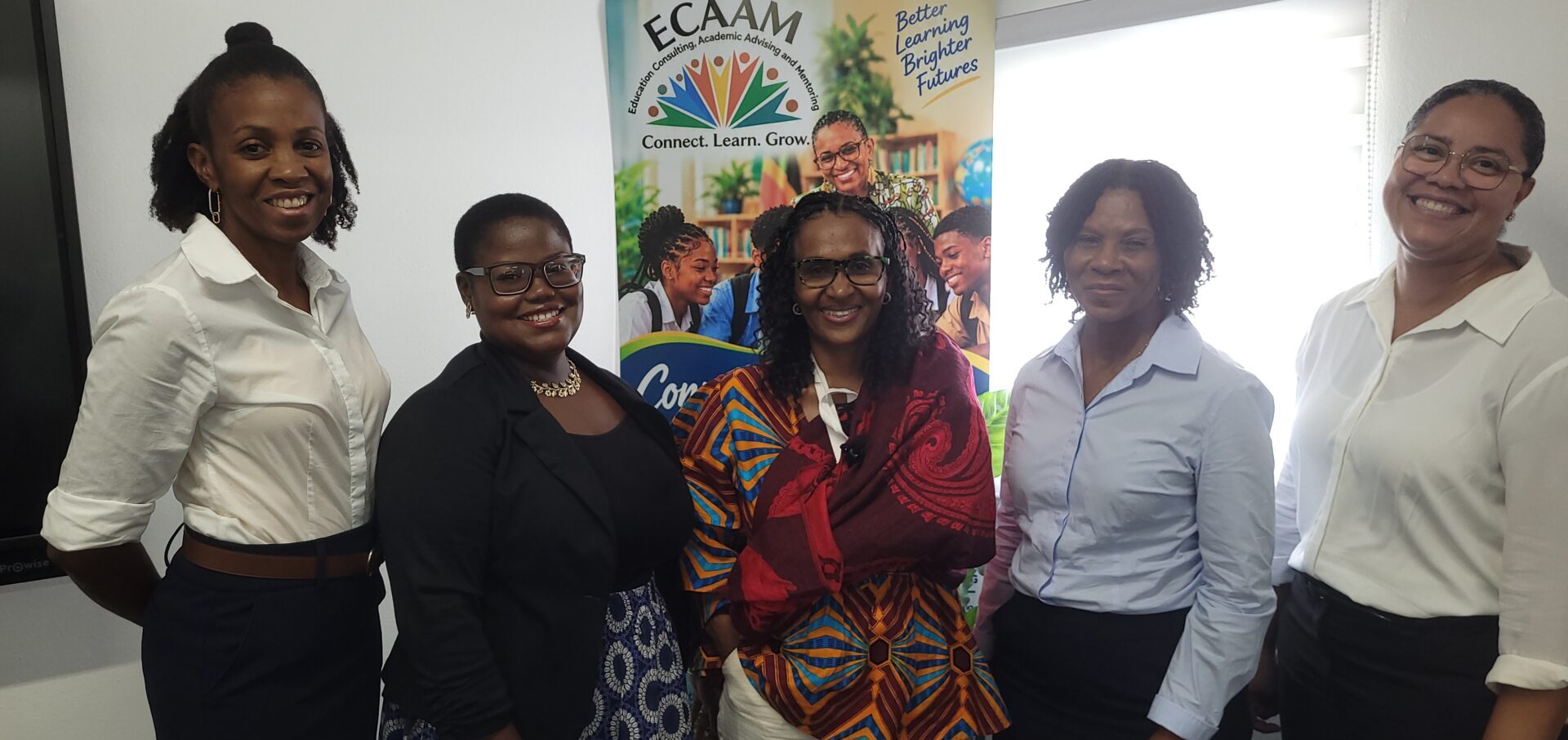
Dominica’s ECAAM, St. Maarten education foundation launch two-year special education project
In a collaborative push to transform how students with special educational needs (SEN) are supported across St. Maarten’s education system, two regional education organizations have joined forces to launch a groundbreaking two-year pilot initiative.
Dominica-based Education, Consulting, Academic Advising and Mentoring (ECAAM) and St. Maarten’s SKOS Catholic Education Foundation officially introduced Project INSPIRE at a recent media event held in St. Maarten, according to an official press release from ECAAM.
The acronym INSPIRE stands for Inspiring, Nurturing, Support, for Professional, and Responsive, Inclusive Education, reflecting the program’s core mission: to equip educators with the tools they need to better serve SEN students, refine evidence-based teaching practices, and build more welcoming, inclusive learning communities across participating schools.
Gianne Wilson-De Weever, Curriculum Director at the SKOS Training Center, emphasized that the initiative centers on two key goals: improving long-term academic and social outcomes for SEN students, and giving educators hands-on, practical resources to address the diverse learning profiles they encounter in everyday classrooms.
Unlike many traditional special education programs that focus solely on in-class instruction, Project INSPIRE takes a holistic, community-wide approach, explained Ivy Benjamin, ECAAM facilitator for the initiative. The program will kick off with targeted professional development training for both teachers and school leaders, who will then have opportunities to test and refine new techniques in their own classrooms. Beyond school walls, the initiative will also host educational workshops for parents and run public awareness campaigns designed to build broader public understanding of disability and foster more inclusive communities for people living with disabilities.
Benjamin added that the pilot will prioritize three core areas: evidence-based instruction, personalized student assessment, and wraparound student support, all delivered through ongoing professional development, cross-regional collaboration, and proven teaching methodologies.
Beverly LeBlanc, lead consultant for ECAAM, shared that educators from six St. Maarten schools will take part in the pilot: Sister Regina Primary School, St. Dominic Primary School, St. Dominic High School, St. Joseph Catholic School of Education, Sister Borgia Elementary School, and St. Maarten Seventh Day Adventist School. Through the program, participating teachers will build skills to identify individual student needs, adapt instructional methods to match those needs, and create classroom environments where all students can participate and thrive.
The initiative has received critical financial backing from a coalition of local St. Maarten businesses, including Winair, Winward Island Bank, Artmenia Events Planning, Accessible Ventures, and The Hope-Ros Family.
Following the official launch, Lilia Aventurin-Hodge, Executive Director of the SKOS Catholic Education Foundation, told local media outlet Richie Ferrol Media Services that Project INSPIRE arrives at a critical moment for expanding equitable educational opportunities for students with disabilities across the island. She praised LeBlanc’s deep commitment and subject-matter expertise, calling the launch a strong, positive starting point for the two-year pilot. Aventurin-Hodge also highlighted the initiative’s broader societal goal: helping children with special needs develop the skills they need to grow into fully integrated, functional members of their communities.
The partnership between ECAAM and the SKOS Catholic Education Foundation will run for the full two-year duration of the pilot. For context, the SKOS Catholic Education Foundation is a leading Catholic education organization that operates a network of primary and secondary schools across St. Maarten. Catholic education on the island traces its roots back to 1890, when the first Dominican Sisters arrived to serve the community. Today, SKOS continues to prioritize the holistic development of students, supporting their academic, spiritual, social, and emotional growth. The organization’s school network works proactively to address individual student needs, while encouraging innovation, ongoing teacher professional development, and cross-sector partnerships that strengthen local education. In addition to its traditional school offerings, SKOS already supports targeted programs focused on inclusive education, student well-being, and specialized learning needs, including the well-established Mustard Seed Special Needs Program.
-

Today’s top stories from around the world
On September 30, 2026, the global news cycle is dominated by a series of consequential developments spanning aviation security, international diplomacy, military transitions, ongoing conflict, European institutional affairs, and UK domestic politics. Here is a full breakdown of the day’s top international stories.
## A Jihadist Terror Attack on a Tel Aviv-Bound Flight Is Thwarted by Crew and Passengers
A potential mass-casualty disaster was avoided on a FlyDubai commercial flight en route to Tel Aviv after quick intervention from passengers and fellow crew members subdued an attacking co-pilot. Israeli Prime Minister Benjamin Netanyahu confirmed the incident, labeling the attempt a planned jihadist terror attack. According to official Israeli accounts, the co-pilot stabbed the flight’s captain in a deliberate attempt to crash the aircraft. The rapid response of on-board personnel and passengers prevented any catastrophic outcome, bringing the plane to safety without further harm to those on board.## US Delivers Ceasefire Counterproposal to Iran Amid Persisting Gulf Tensions
Diplomatic friction between the United States and Iran remains a top global priority, as Tehran confirmed it has received a new US counterproposal aimed at reviving a collapsed ceasefire deal centered on the Gulf region. Iranian state media reports that government officials are currently conducting a thorough review of the US offer, which outlines a phased plan to reopen the strategically critical Strait of Hormuz — a chokepoint through which nearly a fifth of the world’s oil supplies pass daily. The exchange of proposals comes just days after former President Donald Trump publicly stated he had rejected an earlier overture from Iran, leaving uncertainty around the path to de-escalation.## US Officially Ends Anti-ISIS Combat Mission in Iraq With Full Troop Withdrawal
The United States Pentagon has formally announced the conclusion of Operation Inherent Resolve, its multi-year anti-ISIS combat mission in Iraq, with all remaining American combat troops and military equipment successfully withdrawn from the country. US military officials declared that the Islamic State has been defeated “as an organized military threat” in the region, marking a historic end to nearly two decades of US combat presence in Iraq. Still, the full withdrawal has sparked mixed reactions globally and locally: while many welcome the end of foreign military intervention, others have raised alarms over a potential security vacuum that could allow residual ISIS insurgent cells to re-emerge, straining local Iraqi security forces that are now tasked with full responsibility for national stability.## Russia Launches Large-Scale Strikes on Ukraine’s Energy Infrastructure Ahead of Winter
With winter just weeks away, Russia launched a massive wave of targeted strikes against Ukraine’s national energy grid, continuing a pattern of attacking critical civilian infrastructure ahead of cold weather. The coordinated bombardment is widely interpreted as a deliberate strategy to disable Ukraine’s ability to heat and power residential areas through the winter months. Experts and Ukrainian officials have warned that the strikes could trigger severe widespread energy shortages for millions of Ukrainian civilians, amplifying humanitarian risk as temperatures drop.## Head of Eiffel Tower Operating Company Resigns Over Staffing Controversy
In France, Patrick Branco Ruivo, the chief executive of the company that manages the Eiffel Tower, has stepped down following the conclusion of an internal inquiry into workplace misconduct. The investigation uncovered significant “problems and shortcomings” tied to a controversial staffing decision made ahead of a high-profile visit by a leading Hindu organization: investigators found that female staff members were intentionally reassigned away from the event venue and replaced with male employees, a decision that triggered public backlash and internal scrutiny.## UK Prime Minister Andy Burnham Unveils Ambitious Policy Agenda At Labour Party Annual Conference
New British Prime Minister Andy Burnham delivered a high-stakes keynote address to the Labour Party’s annual conference, laying out a transformative plan to rewrite Britain’s social contract, overhaul the country’s electoral system, and redefine the UK’s relationship with the European Union. The address took an emotional turn when Burnham paused to compose himself following a tribute to his recently deceased father, prompting a minutes-long standing ovation from the assembled conference delegates. He opened his policy agenda by arguing that incremental, small-scale policy changes are no longer sufficient to address Britain’s deep-rooted economic challenges.Among his major announcements, Burnham pledged to establish a new National Care Service that will provide free personal care to UK residents, with part of the funding coming from a restructuring of the state pension triple lock set to take effect in 2030. He also committed to introducing legislation to end the decades-long ban on public ownership of water utilities, bringing the privatized water companies back under public oversight. To address long-running political gridlock in Westminster, Burnham announced the creation of a national electoral reform commission tasked with exploring an exit from the UK’s traditional first-past-the-post voting system. Finally, he emphasized the need for the UK to re-evaluate its long-term relationship with European partners, explicitly stating that Brexit has failed to deliver on its promises and instead created persistent economic barriers for British businesses and households.
-

LIVE: Launching of UWP candidate for Salisbury Cara Shillingford
The submitted news content for processing is incomplete. Only social media sharing buttons (Share, Tweet, Share, Pin) and a link to an image hosted on an external news server are provided, with no core news text, event details, source attribution, or other relevant information included. Without the full body of the original news report, it is impossible to conduct a thorough analysis, verify factual claims, or reconstruct a complete narrative based on the material supplied.
-
Joint CAB, UWI scholarship launched for banking professionals
A groundbreaking educational partnership between the Caribbean Association of Banks (CAB) and The University of the West Indies (UWI) has opened new career advancement doors for banking workers across the Caribbean, with the launch of a targeted scholarship programme that covers university degree costs for eligible sector employees.
The 2026 CAB–UWI Scholarship Programme is specifically designed to support qualifying staff at CAB member institutions who are pursuing a part-time Bachelor of Science degree in Banking and Finance. According to a joint official statement released by the two organizations, the three-year academic programme will be delivered on a part-time basis, with the next cohort of students set to begin their studies in January 2027.
The core mission of this initiative is to empower Caribbean banking and financial services employees to deepen their professional expertise, upgrade their formal qualifications, and accelerate long-term career growth within the regional industry. To be considered for the award, applicants must currently hold a position at a CAB member institution and submit a complete online application package that includes several required supporting documents: a filled-out official CAB Scholarship Application Form, a professional letter of recommendation from their current employer, a signed employer agreement accepting responsibility for reimbursing scholarship funds if programme conditions are not met, and an up-to-date curriculum vitae.
Disbursement of scholarship funds will be handled directly between CAB and UWI, with payments issued on a semester-by-semester basis. Continued financial support each semester is not guaranteed: it is contingent on both the recipient maintaining satisfactory academic progress and remaining employed at a CAB member institution. To secure funding for an upcoming semester, scholars must present an official academic transcript or completion certificate proving they passed all courses from the previous semester, and their employer must provide written confirmation of their ongoing employment before the new semester begins.
Additional ongoing requirements for scholarship recipients include maintaining continuous part-time enrollment throughout the full duration of the degree programme, and holding a minimum semester grade point average (GPA) of 3.0. Recipients are also required to take part in CAB’s two-year Future Leaders Programme, which includes responsibilities such as contributing to industry-focused research projects and delivering presentations at the annual CAB Conference.
All awards are bound by CAB’s formal terms and conditions, and each recipient’s eligibility is reviewed at the end of every semester. Funding will be immediately withdrawn if a scholar leaves their position at a CAB member institution before completing the degree. Furthermore, after graduating from the programme, recipients are contractually required to remain employed at a CAB member institution for a period equal to the total length of time they received scholarship support.
CAB has actively called on all its member organizations to proactively identify high-potential employees and support their applications to the programme. The initiative forms part of the regional banking body’s broader strategy to cultivate a skilled, diverse next generation of leadership for the Caribbean’s banking and financial services sector. Prospective applicants can access the application portal online, and additional details about the programme are available directly from the CAB Secretariat.
-

Dominican-founded Caring for Miracles Foundation marks five years of neonatal care support at UHWI NICU
Five years after its founding by two Dominican-born doctors, the Caring for Miracles Foundation continues to transform outcomes for premature and critically ill newborns across low- and middle-income countries (LMICs), expanding access to life-saving care that many families in these regions have long been denied.
The foundation grew out of a lifelong friendship between Dr. Jillian Lewis, the organization’s founder, and Dr. Marilyn Giorgi, its vice chair. Both women are 1989 graduates of Dominica’s Convent High School, and they launched the foundation alongside a dedicated team of medical colleagues united by a shared, simple mission: to guarantee every infant the chance to survive and thrive, no matter what country they are born into.
Today, the foundation’s flagship partnership is with the Neonatal Intensive Care Unit (NICU) at the University Hospital of the West Indies (UHWI) in Jamaica, its very first institutional collaborator. Since starting on-site programming in September 2021, the organization has made measurable improvements to local neonatal care through a multi-pronged approach: it has donated critical, life-sustaining medical equipment, provided ongoing specialized training for local healthcare teams, developed community-focused public health initiatives, and offered emotional and practical support to families navigating the critical illness or loss of a newborn. The foundation also prioritizes recognizing the extraordinary work of neonatal care providers who practice under resource-limited, challenging conditions.
Working in close strategic collaboration with UHWI NICU leadership, the foundation recently rolled out its signature Golden Hour Quality Improvement Program, developed alongside obstetric and neonatal care teams. The initiative targets the first 60 minutes of a preterm infant’s life — a period that is the greatest determinant of long-term survival — and evidence from early implementation shows it has already improved survival rates for infants born before eight months of gestation.
Beyond its core quality improvement work, the foundation offers a range of targeted support services, including specialized breastfeeding assistance, resources for teen parents, and emergency relief for NICUs damaged by natural disasters. Right now, one of Giorgi’s top priorities is building out a specialized bereavement program that will deliver compassionate, trauma-informed care to families who experience the loss of an infant.
Looking ahead, the foundation has outlined an ambitious regional expansion plan, with expanding care to their home country of Dominica ranked high on the organizational agenda.
In a statement shared ahead of the five-year milestone, the organization noted, “We are very excited about this initiative and are aware of the potential impact on the trajectory of the lives of our precious gifts; our newborn infants. We are also aware that significant financial support is essential to the success of this initiative and are therefore very appreciative of the support of this work thus far. We are certainly open to partnership with any aligned organizations to ensure the success of this necessary initiative.”
To sustain current programming and fuel the planned expansion, a long-time supporter has launched a public fundraising campaign on the GoFundMe platform. Giorgi is encouraging members of the public to consider contributing, emphasizing that even small donations make a tangible difference for vulnerable infants and their families.
“Every donation, regardless of size, helps bring hope, healing, and opportunity to vulnerable babies and their families,” Giorgi said. The Caring for Miracles Foundation fundraising page is currently live on GoFundMe for anyone interested in supporting the organization’s work.
-
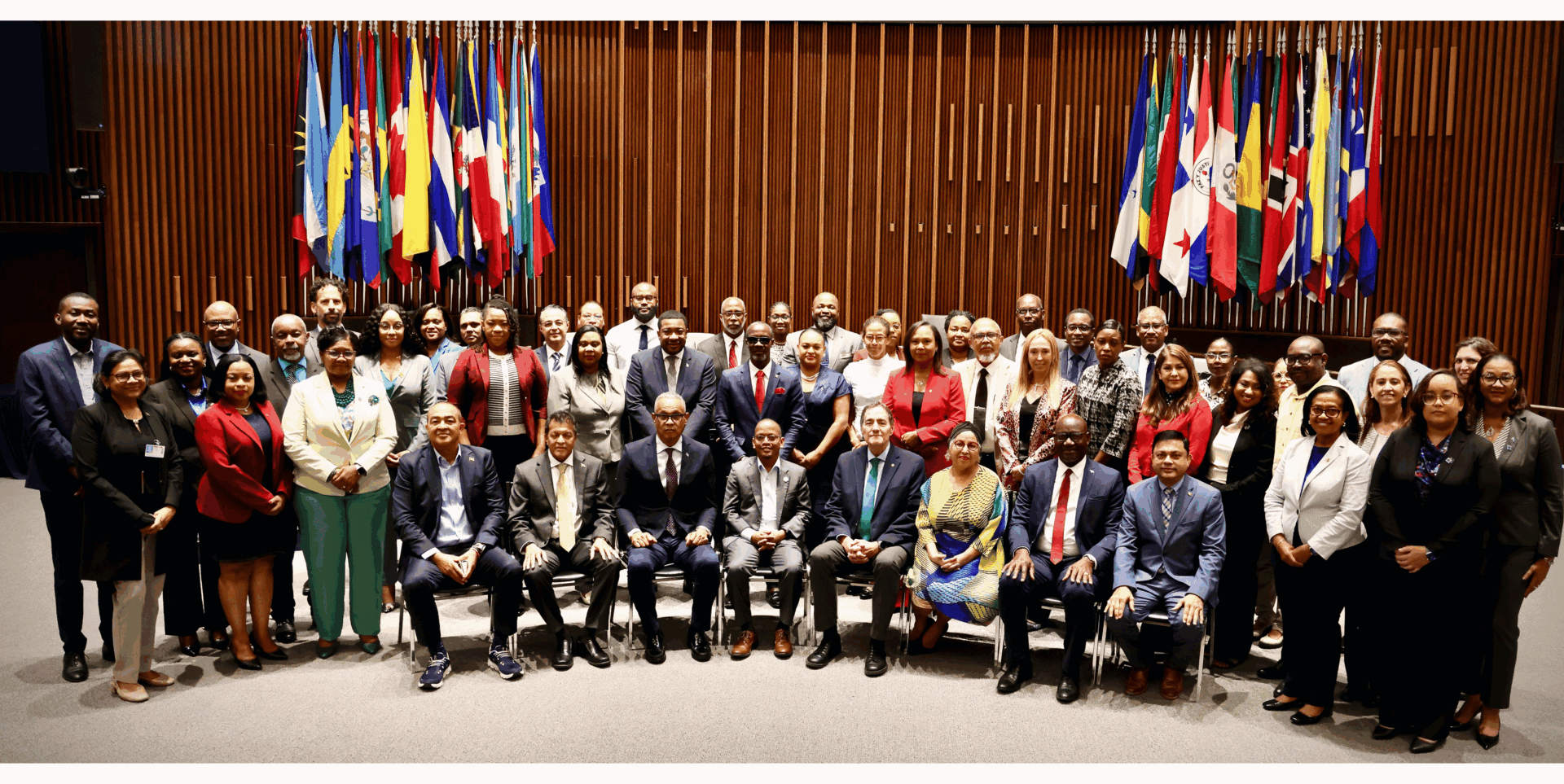
CARICOM partners move to advance regional digital health strategy
Against a backdrop of growing global focus on building more resilient and connected public health infrastructure, the Caribbean Community (CARICOM) has taken a major step forward to advance a unified regional digital health agenda, backed by three of the hemisphere’s leading development and public health institutions. The landmark commitment was formalized during the 53rd meeting of the CARICOM Council for Human and Social Development (COHSOD) focused on health, held in Washington D.C. on September 25 and 26, 2026. This year’s gathering convened under the overarching theme “Transforming Caribbean Health: Resilience, Innovation and Regional Action.”
Per an official statement released by CARICOM following the meeting, regional health ministers reaffirmed the mandate issued by CARICOM Heads of Government to develop a comprehensive CARICOM Digital Health Strategy. Attendees reached a consensus that the initiative will be guided by CARICOM leadership, with ownership and direction shaped directly by the bloc’s member states to ensure it aligns with local public health needs.
The upcoming strategy is designed to leverage existing national and regional health systems, established policy frameworks, and past investments in health infrastructure. It will deploy cutting-edge digital tools to address a wide range of health priorities, from improving the speed and quality of general healthcare delivery and expanding access to robust primary care, to streamlining health workforce administration, strengthening real-time public health disease surveillance, modernizing civil registration systems, optimizing health financing mechanisms, and enabling data-driven, evidence-based policy decision-making across the region.
Beyond the digital health agenda, meeting participants also explored actionable pathways to accelerate progress toward universal health coverage, strengthen long-term sustainable health financing models, and deepen cross-border collaborative efforts among CARICOM member states. Three institutions—the World Bank, the Pan American Health Organization (PAHO), and the University of the West Indies Health Economics Unit (UWI-HEU)—have each pledged new resources and technical support to advance these shared goals, joining the Inter-American Development Bank (IDB) in backing the CARICOM initiative.
Organizational leadership for the two-day gathering was split between two senior regional health officials: Belize’s Minister of Health and Wellness Kevin Bernard served as acting chair for the opening day of deliberations, while Guyana’s Minister of Health Dr. Frank Anthony, the current permanent chair of COHSOD, presided over the second day of sessions.
The meeting brought together a broad cross-section of health stakeholders from across the Caribbean and beyond. In addition to CARICOM’s national health ministers, permanent secretaries, chief medical officers and senior national health officials, the gathering included representatives from the Caribbean Public Health Agency (CARPHA), the University of the West Indies, the Healthy Caribbean Coalition (HCC), the Global Fund, and the joint PAHO/World Health Organization delegation.
In comments following the discussions, Alison Drayton, Assistant Secretary-General for Human and Social Development at CARICOM, emphasized the critical role of digital innovation in advancing regional health goals. Drayton noted that integrated digital health systems are indispensable to enabling uninterrupted continuity of care for patients across borders, strengthening early disease outbreak detection and surveillance, and facilitating the secure exchange of standardized health information between member states.
Overall, the deliberations at the 53rd COHSOD Health meeting laid out a coordinated regional approach to transforming Caribbean health systems, with the shared goal of building infrastructure that is more connected, disaster-resilient, equitable in access, and financially sustainable for current and future generations.
-

DOMDA hosts ‘Sip N Chat’ to promote healthy lifestyle choices among youth
As non-communicable lifestyle diseases continue to pose growing public health challenges across the Caribbean, the Dominica Diabetes Association (DOMDA) is launching a targeted community outreach event to shift health behaviors among the island’s younger generations. On Monday, the organization will open the doors of Roseau’s The Realm venue for its first “Sip N Chat,” an interactive gathering designed specifically to encourage Dominican youth to adopt healthier eating patterns and intentional, positive lifestyle choices from an early age.
Unlike traditional public health lectures that can feel rigid or disconnected from young people’s daily lives, DOMDA designed the “Sip N Chat” to be a relaxed, conversational space. The core mission of the initiative goes beyond sharing basic health information: organizers aim to shift long-held cultural attitudes around youth wellness, and build widespread understanding of how early health decisions shape long-term quality of life. DOMDA leadership frames this focus on youth as a deliberate investment in Dominica’s future, arguing that empowering young people to prioritize their health today will create stronger, more resilient communities for decades to come.
Members of DOMDA’s executive board have personally dedicated time and resources to bring the event to life, prioritizing accessibility and open dialogue between health advocates and young attendees. The event is open exclusively to people aged 16 to 35, a demographic that public health data shows is increasingly at risk of developing preventable lifestyle-related conditions like type 2 diabetes when unhealthy habits form early.
To remove barriers to attendance, DOMDA has streamlined ticketing options for the EC$25 entry fee: tickets can be purchased in advance online through the 767 Events platform under the “Sip N Chat” listing, or bought in person on the day of the event at DOMDA’s headquarters located at 30 McIntyre Lane in Goodwill. The gathering will run from 4:30 PM to 7:00 PM, giving attendees plenty of time to ask questions, connect with peers, and walk away with actionable tools to improve their daily wellness.
DOMDA is actively calling on parents to support the initiative by covering the admission cost for their children and encouraging eligible youth to take part. The association emphasizes that “Sip N Chat” is more than a one-time event: it is a launching pad for sustained positive lifestyle change, and an opportunity for young Dominicans to invest in their long-term health. Organizers are urging all qualifying young people and their families not to miss this accessible, engaging chance to prioritize personal well-being.
-

Alleged cockpit stabbing incident behind a Flydubai flight emergency landing in Saudi Arabia, say reports
On Wednesday, a routine commercial flight operated by low-cost carrier Flydubai, traveling from its hub in Dubai to Tel Aviv, was forced to divert to an airport in Saudi Arabia following a violent confrontation between the two pilots on board that left both crew members injured and triggered multiple emergency alerts, according to international aviation and law enforcement officials.
The incident unfolded on Flight FZ1073, a Boeing 737 jet carrying an estimated 160 to 180 passengers, approximately two and a half hours after the aircraft departed Dubai International Airport. Publicly available flight tracking data captured an abrupt, sharp decline in the plane’s altitude, with the jet losing nearly 14,000 feet of elevation in under 30 seconds before the crew transmitted the first emergency signal to air traffic controllers.
Multiple on-scene passenger accounts and early reports confirm that a physical altercation broke out inside the locked cockpit between the captain and first officer, with some witnesses describing one pilot as having sustained serious injuries in what has been alleged to be a stabbing attack. As the aircraft traveled through Jordanian airspace following the initial confrontation, a second emergency signal was sent out, this time warning of potential unlawful interference with the flight. After issuing that warning, the crew retransmitted a general emergency alert before altering their flight path to head toward Saudi Arabian airspace.
After the diversion, the aircraft landed without further incident at Tabuk Airport at 9:45 a.m. local time, according to official airport logs. Local Saudi aviation authorities confirmed in an official statement that both the captain and co-pilot had suffered injuries in the altercation and were immediately transported to a local hospital for medical care. All passengers on board were provided with assistance and accommodations after landing, while Saudi law enforcement and aviation safety officials launched a full investigation into the incident, local Saudi publication Saudi Gazette reported.
Initially, the transmission of emergency signals for unlawful interference sparked widespread fears that the flight had been hijacked, prompting Israeli government officials to immediately activate emergency protocols to respond to the developing crisis. Subsequent official updates, however, clarified that the emergency stemmed from an internal confrontation between the flight’s two pilots, not an external hijacking attempt by outside actors.
Flydubai released an official confirmation shortly after the landing, verifying that the aircraft had touched down safely in Tabuk and that all passengers on board were unharmed and accounted for. The airline noted that it is collaborating fully with all relevant national and international authorities investigating the incident, and pledged to release additional public updates as more confirmed details emerge.
International news agency Reuters has cited unnamed official sources indicating that the individual who initiated the altercation is of Omani heritage. Meanwhile, Israeli Prime Minister Benjamin Netanyahu released an official statement claiming that one pilot deliberately stabbed the other with the explicit intent of crashing the aircraft. Netanyahu joined Israeli Defense Minister Israel Katz in labeling the incident a deliberate terrorist attack.
The Israeli Prime Minister’s Office added in a subsequent update that the situation is now fully under control, and that the government is working alongside Flydubai and Saudi officials to coordinate arrangements to transport all passengers bound for Tel Aviv to their original destination. As of Wednesday, the exact circumstances and full sequence of events leading up to the cockpit altercation remain under active investigation, with at least one major news outlet noting that conflicting accounts of the attacker’s motive have emerged in early reporting.