标签: Dominica

多米尼克

  • CDB’s 26th William G. Demas Memorial Lecture in Nassau will focus on role of courts in Caribbean development

    CDB’s 26th William G. Demas Memorial Lecture in Nassau will focus on role of courts in Caribbean development

    The Caribbean Development Bank (CDB) has announced plans to host the 26th installment of its annual William G. Demas Memorial Lecture on June 2, 2026, a flagship intellectual event tied to the institution’s 56th Annual Meeting of the Board of Governors. Scheduled to unfold in Nassau, The Bahamas, where the full Annual Meeting will run from June 1 to 5, this year’s keynote address will be delivered by The Honourable Mr. Justice Denys Barrow, a sitting judge at the Caribbean Court of Justice (CCJ).

    Justice Barrow’s presentation will center on the timely theme: “Contributions of the Courts to Caribbean Development: the Enduring Importance of Strong Institutions.” Per official statements released by CDB, his talk will dive into the multifaceted ways that robust judicial frameworks underpin progress across the Caribbean region. Attendees and observers can expect insights into how independent, well-functioning court systems stabilize national economies, boost investor confidence, maintain cohesive social order, and advance inclusive, equitable development that benefits all segments of Caribbean societies.

    The lecture fits neatly into the overarching theme of the 2026 Annual Meeting, “Forging the Caribbean’s Future: Strategic Solutions for Uncertain Times.” In a global landscape marked by persistent geopolitical shifts, tightening fiscal conditions, and growing climate-related shocks, the event will zero in on how the rule of law and resilient institutions serve as critical bulwarks against these challenges. Justice Barrow is set to explore how credible, independent judicial bodies strengthen governance, create the policy certainty needed for long-term investment, and lay the groundwork for sustained sustainable development outcomes.

    This year’s focus also aligns directly with CDB’s own corporate Strategic Plan, which identifies institutional strengthening, improved public service delivery, and the conversion of policy commitments into tangible, measurable development results as core organizational priorities. Through the annual memorial lecture series, CDB has positioned itself as both a key convener of regional dialogue and a central knowledge hub for Caribbean development. The institution supports its Borrowing Member Countries through a mix of targeted financing, collaborative policy dialogue, and coordinated cross-border development initiatives, and the lecture series advances this broader mission.

    Gillian Charles-Gollop, CDB Vice President for Corporate Services, emphasized the urgent relevance of this year’s theme in contemporary context. “In an era where uncertainty is structural rather than episodic, strong institutions are not optional – they are essential,” Charles-Gollop noted. She added that the long-running lecture series provides a critical space to examine how the rule of law and trusted institutions underpin regional resilience, economic stability, and long-term sustainable growth.

    The William G. Demas Memorial Lecture was established to honor the legacy of William G. Demas, CDB’s second president. Demas’ transformative leadership and far-reaching intellectual contributions helped shape the region’s collective approach to development, regional integration, and institutional capacity building over his tenure. The 2026 event carries forward this legacy by centering the under-explored connection between judicial systems and broad-based development progress, while reaffirming CDB’s long-standing commitment to strengthening regional institutions as the foundation of sustained Caribbean advancement.

  • CTO to launch scholarship for emerging Caribbean women in tourism during Caribbean Week 2026

    CTO to launch scholarship for emerging Caribbean women in tourism during Caribbean Week 2026

    The Caribbean’s $50 billion tourism industry, the region’s largest economic driver, is taking a major step forward to close the gender gap in sector leadership with a new targeted scholarship initiative announced by the Caribbean Tourism Organization (CTO).

    Dubbed “From Her to Her: From Today’s Female Leaders to Tomorrow’s Tourism Stars,” the annual program will provide direct financial support to outstanding young Caribbean women pursuing higher education and careers in tourism. The initiative will be formally launched on June 1 at the Caribbean Women in Tourism Leadership Dinner & Awards, a flagship event held as part of 2026 Caribbean Week in New York, hosted at the InterContinental New York Times Square.

    All proceeds raised from the June 1 ceremony will be contributed to the CTO Foundation, which will manage the long-term operations and disbursement of the scholarship. Beyond the scholarship launch, the evening will also celebrate the contributions of trailblazing women across Caribbean tourism, honoring sitting tourism ministers, national tourism directors, recipients of the CTO Secretary-General’s Distinguished Service Award, and new inductees into the sector’s Women in Tourism Hall of Fame, which recognizes extraordinary leadership in the field.

    For Dona Regis-Prosper, the first woman to hold the post of CTO Secretary-General, the scholarship is both a professional commitment and a deeply personal mission. “Fostering clear pathways for women to advance into leadership roles across tourism is core to our work as an organization,” she explained in an official statement. “This scholarship isn’t just about financial aid—it’s about building a legacy of mentorship, passing the torch from current leaders to the next generation that will shape the future of our region’s most critical industry.”

    Jacqueline Johnson, chair of the CTO Foundation, echoed this enthusiasm, noting that the program aligns perfectly with the foundation’s core mission of investing in sustainable tourism development through human capital. The initiative has already secured early backing from key private sector partners, including cruise line Virgin Voyages, luxury retailer Diamonds International, and sustainable brand TRÈFLE, with the Antigua and Barbuda Tourism Authority stepping forward as the official sponsor of the launch dinner.

    Organizers emphasize that the scholarship is far more than an isolated program—it reflects a growing regional movement to advance gender equity and expand inclusive leadership opportunities across the Caribbean tourism sector. This year’s Caribbean Week in New York, a major annual gathering that brings together regional tourism stakeholders, industry partners, and global buyers to promote Caribbean travel, draws support from a broad network of sponsors across multiple tiers. Top Platinum Elite sponsorship comes from the United States Virgin Islands, while Gold Elite backing is provided by Antigua & Barbuda and the British Virgin Islands. Additional gold support comes from The Bahamas and St. Kitts, with silver sponsorship from industry leaders including Sandals Resorts, Global Ports Holding, and SITA. A range of bronze and contributing sponsors, including Barbados Tourism Marketing Inc., Sojern, Expedia Group, Royal Caribbean, and the Inter-American Development Bank, also support the full week of programming, which includes the Regional Nex-Gen Tourism Showcase.

    Anyone interested in attending the Caribbean Women in Tourism Leadership Dinner & Awards or learning more about the new scholarship can find full details at the official registration portal: https://forms.gle/m5cmQBVaT5hir2sp7. More information about the full schedule of 2026 Caribbean Week in New York is available on the event’s official website: caribbeanweek.onecaribbean.org.

  • Upcoming Caribbean Computer Coding Workshops (C3W) to focus on building digital skills in the region

    Upcoming Caribbean Computer Coding Workshops (C3W) to focus on building digital skills in the region

    Against a backdrop of a rapidly shifting global economy that increasingly values digital expertise, the Caribbean Science Foundation (CSF) has launched a transformative new initiative: the Caribbean Computer Coding Workshops (C3W). The program was developed to address two pressing interconnected needs: the rising global importance of computer programming literacy and the urgent demand to expand and strengthen the Caribbean’s local digital workforce.

    Workshop organizers emphasize that coding has evolved from a specialized technical skill to a foundational competency for entry-level employment across many sectors, mirroring the universal requirement for proficiency in word processing and spreadsheet tools today. As global economies continue their transition to knowledge-based industries, this shift has placed new pressure on regional education systems to adapt.

    While many other developing regions have already scaled up investment in advanced digital training — covering high-demand areas from website development and mobile app creation to machine learning — the Caribbean has faced persistent barriers that have left it working to catch up. Significant existing skills gaps and uneven access to information and communications technology (ICT) education have put the region behind global competitors. In a public statement on the initiative, CSF acknowledged that “the Caribbean continues to lag in this race” for digital readiness.

    To reverse this trend, the C3W initiative is intentionally designed to nurture a future-ready regional tech workforce, with a deliberate focus on including marginalized and underrepresented groups. Specifically, the program prioritizes low-income and at-risk youth, girls and young women, and people with disabilities — groups that have historically faced limited access to tech training opportunities in the region.

    Beyond building basic coding skills, the program carries a set of broader strategic goals for the Caribbean’s digital ecosystem. It aims to grow the overall pool of skilled ICT workers across the region, spark early interest in science and engineering career pathways, and encourage more students to pursue advanced studies in computer science. It also seeks to stimulate a culture of local innovation and lay the groundwork for the growth of technology-focused entrepreneurship across the Caribbean.

    CSF frames the long-term mission of C3W as twofold: to prepare local students for advanced study in STEM (science, technology, engineering, and mathematics) disciplines, and to strengthen the region’s overall ability to compete in the fast-growing global digital economy.

    CSF has outlined a wide range of anticipated long-term benefits from sustained delivery of the C3W program. These include raising public awareness of STEM career pathways and expanding opportunities for more people to enter science and engineering fields. The workshops will also equip students with the foundational skills needed to succeed in university-level STEM programs. Over time, the initiative is expected to build a more well-trained knowledge-based workforce, equipping more graduates — particularly at-risk youth — with the enhanced skill sets and qualifications needed to secure entry-level tech positions.

    Another key outcome organizers expect is the growth of technology-focused entrepreneurship, creating more self-employment opportunities for young people across the region. In the long run, the program aims to support the development of more globally competitive Caribbean ICT companies that can generate increased foreign exchange for local economies. It also sets the regional economy on a clear path to close the ICT gap with more developed nations. Most ambitiously, C3W seeks to ignite and nurture the innate inventiveness of Caribbean youth, creating the conditions that could one day see the next global tech giant, like Google, launched from the region.

    For more information on the Caribbean Computer Coding Workshops and the Caribbean Science Foundation’s broader work, interested parties can visit the official CSF website.

  • Dominica Poker Run 2026 scheduled for July 26

    Dominica Poker Run 2026 scheduled for July 26

    One of the Caribbean’s most anticipated annual lifestyle and tourism events is making a comeback this summer: organizers have officially locked in Sunday, July 26, 2026, as the date for the returning Dominica Poker Run, hosted by local venue The Almond Deck.

    Billed as a one-of-a-kind gathering that blends marine adventure, entertainment, community connection, and Caribbean island charm, the 2026 event is expected to draw hundreds of participants and visitors from across the Caribbean region. Held in Dominica, widely known as the “Nature Island of the Caribbean” for its unspoiled coastal and rainforest landscapes, the long weekend will feature a full lineup of activities spanning boating excursions, live music, social networking opportunities, and immersive island cultural experiences.

    Over the years, the Dominica Poker Run has built a reputation as a premier signature event for the region, attracting a diverse cross-section of attendees: recreational and professional boating enthusiasts, major corporate brands, social media influencers, adventure seekers, and prominent Caribbean cultural figures alike. For 2026, organizing teams have pledged to deliver another unforgettable experience that blends on-the-water adventure with engaging land-based entertainment.

    Attendees can look forward to a packed schedule of activities throughout the weekend, from thrilling coastal rides along Dominica’s dramatic, unspoiled shoreline to high-energy social events at the event’s iconic central hub, Poker City. Organizers also note that this year’s route will feature multiple stopovers with a mix of boating challenges, interactive activities, and live performances to keep guests engaged from start to finish.

    The 2025 edition of the event set a high bar for the 2026 iteration, delivering a host of memorable moments for attendees. The top honor went to Team L’Esperance, which took home the EC$10,000 grand prize after securing the winning poker hand in the event’s final draw. For team member Yasmin John, however, the value of the experience went far beyond the cash reward.

    “We joined simply to have fun, socialize, and showcase the north of our island in a positive light,” John explained in a post-victory interview. “Being part of Team L’Esperance has brought all of us so much closer – we’re more family than we are teammates. The entire experience is one I’ll never forget.”

    Josephine Austrie, a representative of host organizer The Almond Deck, is calling on all interested parties – from potential sponsors and participating boat crews to casual patrons – to begin their preparations early, as public anticipation for the 2026 event has already started building rapidly.

    “This is far more than just a boating event – the Poker Run has grown into a defining Caribbean experience,” Austrie shared in an official statement. “It’s where lifestyle, tourism, entertainment, and community all come together. We couldn’t be more excited to welcome both returning participants and first-time guests to Dominica for an incredible, unforgettable weekend.”

    A key detail that sets the Dominica Poker Run apart from similar regional events is its scoring structure: the competition is not based on speed. Instead of awarding prizes to the fastest crews to complete the route, winners are determined by who collects the strongest poker hand over the course of the event, making it accessible for participants of all skill levels.

    Beyond providing entertainment for guests, organizers emphasize that the event serves a critical secondary purpose: acting as a high-profile platform to showcase Dominica’s growing reputation as a top global destination for marine tourism, authentic Caribbean culture, and adventure travel. It also fosters regional connections and collaborations across the Caribbean’s tourism and entertainment sectors.

    With strong demand already expected from regional travelers, organizers are urging prospective attendees to book their travel arrangements and accommodations as early as possible to secure their preferred plans. Up-to-date information on registration, sponsorship opportunities, travel guidance, last-minute announcements, and promotional updates will be posted regularly to the event’s official social media channels, including The Almond Deck’s Facebook page and the dedicated Dominica Poker Run WhatsApp channel.

  • International Day of Light

    International Day of Light

    Every year on May 16, communities, scientists, and policymakers around the globe mark the International Day of Light. This annual observance was chosen to honor a landmark moment in scientific history: the first successful operation of a laser by physicist and engineer Theodore Maiman in 1960. In the decades since that breakthrough, research into the properties and applications of light has unlocked transformative changes across every sector of modern society, from enabling alternative energy solutions to revolutionizing medical care and creating the infrastructure for high-speed global internet. It has reshaped how humanity interacts with the world and deepened our collective understanding of the universe itself.

    The 2026 iteration of the International Day of Light centers on the theme ‘Light for a Sustainable Future’, which frames the critical role that light-based science and innovation play in advancing equitable, global sustainable development. This year’s focus highlights progress across high-impact areas including energy-efficient solid-state lighting, low-carbon green manufacturing processes, and climate-resilient agricultural innovations. Beyond celebrating technical achievements, the International Day of Light operates as a global collaborative platform designed to foster cross-border dialogue and knowledge sharing. It prioritizes investment in light-based research infrastructure to support inclusive scientific progress, stimulate groundbreaking innovation, and generate lasting positive socio-economic outcomes for communities worldwide.

    At the core of modern light-based technology is photonics, the branch of physical science focused on generating, controlling, and detecting individual photons, or particles of light. Often described as the optical counterpart to electronics, photonics manipulates light particles to transmit, process, and store data, rather than relying on electrons to carry electrical charge. This technology forms the backbone of the global internet and modern communications networks, connecting billions of people across continents, and acts as a foundational enabler for global commerce and accessible education. Even with these far-reaching impacts, equity gaps remain in scientific fields tied to light research: the UNESCO Science Report: towards 2030 notes that while women reach gender parity in entry-level scientific roles, their representation drops sharply as careers advance, with women making up just 28.4% of all active researchers globally.

    One of the most underrecognized values of light science lies in its ability to transform global education. Light is a cross-cutting topic that fits naturally into multiple academic disciplines, making it an ideal vehicle to spark interest in scientific learning among young people. Education programs centered on light science and technology work to build global educational capacity by developing accessible activities for children, addressing long-standing gender imbalances in STEM fields, and prioritizing outreach to emerging economies. Beyond improving educational infrastructure through light-based digital tools, light science itself is uniquely suited to engaging students in STEM (science, technology, engineering, and mathematics) learning in classroom settings.

    Teaching materials focused on light and optics are typically low-cost and widely accessible, aligning perfectly with inquiry-based and active learning frameworks that encourage students to build their own understanding through hands-on observation. Unlike traditional lecture-based classrooms, where students passively absorb information (a method proven to leave gaps in core conceptual understanding of physics), light-based activities drive active exploration. They spark innovation and creativity, helping students visualize real-world applications of scientific concepts. Beyond the classroom, education in light-based technology acts as a powerful catalyst to encourage more young people to pursue careers in science and engineering, while also fostering entrepreneurial thinking.

    In the healthcare sector, light-based technology has driven revolutionary progress in recent decades, particularly alongside the rapid expansion of telemedicine— the use of telecommunications and digital tools to deliver medical care to remote communities that would otherwise lack consistent access to services. Optical technologies are integrated into every level of modern medicine, from routine diagnostic tests and patient monitoring to complex specialized treatments and cutting-edge medical research.

    Common photonics-based devices are now ubiquitous in clinical and at-home care: clip-on pulse oximeters measure blood oxygen saturation and heart rate by passing LED light through a patient’s finger, while non-contact skin thermometers use infrared light detectors to deliver safe, reliable body temperature readings. Advanced medical imaging and minimally invasive surgery have been completely transformed by endoscopy and laparoscopy, and light-based tools and lasers play central roles in procedures ranging from neurosurgery and dermatology to dentistry, vision correction, heart surgery, and reconstructive medicine.

    For global agriculture, light-based innovations through the emerging field of agri-photonics are helping build more resilient, productive food systems. Laser tools and imaging sensors mounted on aircraft can map soil composition and crop density across large areas, while reflectance data collected from vegetation can deliver precise, granular information such as the exact nitrogen content of growing crops. Lasers and optical monitoring devices can also measure evaporation rates to help farmers make more informed irrigation decisions. Meanwhile, controlled indoor lighting systems enable fruits and vegetables to be grown year-round out of their natural growing season, opening up the possibility of local food production even in climatically inhospitable regions.

    As the 2026 Atlantic Hurricane Season approaches, the value of light-based technology in climate adaptation and disaster management has come into sharp focus, particularly for vulnerable regions like the Caribbean. The Caribbean’s geographic location leaves it disproportionately exposed to natural disasters including earthquakes and hurricanes, and the region faces growing risks from accelerating climate change and global warming. Light-based technologies are critical for monitoring and predicting the impacts of climate change: radiometers, scanners, and sensors mounted on orbiting satellites map radiation emitted from the Earth’s surface, and the collected data is transmitted to ground stations to be processed into detailed maps of ocean currents, global carbon dioxide distribution, and other key climate indicators.

    On this anniversary of Maiman’s 1960 breakthrough, the International Day of Light calls on global stakeholders to reimagine the transformative potential of light technology to drive progress at both local and global levels. Light-based innovations are positioned to make fundamental contributions to achieving the United Nations Sustainable Development Goals, the global framework of targets designed to address a broad range of sustainable development challenges. Spreading this message and highlighting the far-reaching impact of light science remains a core mission of the annual International Day of Light observance.

  • OP-ED: Beyond the boom -The ECCU’s decade of decision

    OP-ED: Beyond the boom -The ECCU’s decade of decision

    Six years after a 2020 analysis warned that the Eastern Caribbean Currency Union (ECCU)’s overreliance on tourism exposed the bloc to dangerous, unaddressed concentration risk, new economic data confirms the original thesis while revealing a shifting landscape of threats and underdeveloped growth opportunities for the small island bloc. In this updated commentary, veteran Caribbean finance executive Fletcher St. Jean revisits his 2020 framework, incorporating half a decade of new data, systemic global shocks, and unprecedented institutional shifts to offer a refreshed strategic roadmap for the region’s leaders.

    The 2020 prediction that tourism would retain its position as the ECCU’s primary economic engine has been fully vindicated, per the Eastern Caribbean Central Bank (ECCB)’s 2024-2025 Annual Report. Visitor arrivals across most member states have surpassed pre-pandemic peaks, expanded construction activity has lifted fixed investment, and the bloc’s average debt-to-GDP ratio has edged down from 77% to 76% — marking the first sustained improvement in the metric since 2008. But this impressive recovery has come at a cost: it has deepened, rather than relieved, the concentration risk the 2020 analysis flagged. Before COVID-19, tourism contributed 30% to 40% of total GDP across the ECCU, and accounted for more than half of foreign exchange earnings in several member states. Today, that reliance is even greater, leaving the bloc just one global shock away from systemic economic collapse. The ECCB itself has acknowledged that its ambitious “Big Push” goal — doubling the size of the ECCU economy over the next 10 years — cannot be achieved by expanding tourism alone. After decades of discussing economic diversification as a theoretical priority, the bloc must now move from policy communiques to tangible implementation.

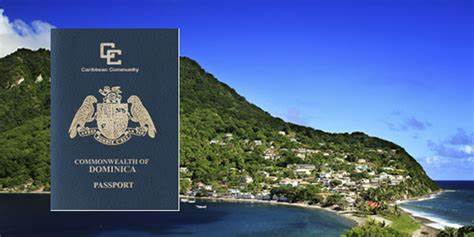
    Of all the shifts that have reshaped the ECCU’s economic landscape since 2020, the transformation of the bloc’s Citizenship by Investment (CBI) programs is the most rapid and high-stakes. Where the 2020 analysis only noted growing external pressure on CBI from major global powers, the question in 2026 is whether existing CBI models will survive to the end of the decade. Three landmark developments have altered the operating environment permanently: the United Kingdom revoked visa-free access for Dominican passport holders in 2023 over CBI due diligence concerns; the European Court of Justice ruled Malta’s investor citizenship program illegal in 2025, establishing a precedent that bans transactional citizenship schemes; and the European Commission’s 2025 Visa Suspension Mechanism report confirmed that operating CBI programs alone qualifies as grounds for revoking Schengen visa-free access.

    In response, ECCU member states have carried out the most sweeping institutional reform of CBI in the program’s 40-year history. A 92-article draft agreement signed in July 2025 established the Eastern Caribbean Citizenship by Investment Regulatory Authority (ECCIRA), a supranational regulator headquartered in Grenada that will launch operations in early 2026. The new regime introduces a harmonized $200,000 minimum investment floor, mandatory biometric due diligence, required applicant interviews, annual application caps, a 30-day in-country residency requirement, and five-year initial passport validity tied to ongoing compliance. While the reforms address international credibility concerns, they have already delivered significant fiscal headwinds: St. Kitts and Nevis recorded a 60% drop in CBI revenue in 2024 alone, pushing its budget deficit to an estimated 11% of GDP. For member states that have long relied on CBI inflows to fund capital projects, the new regime means a structurally lower revenue ceiling, forcing leaders to rethink how they deploy the capital CBI still generates. For St. Jean, this shifting landscape opens a clear path to pivot toward the ECCU’s most underexploited high-growth sector: medical tourism.

    The global medical tourism industry is one of the fastest-growing service sectors worldwide, valued at an estimated $76 billion in 2025 and projected to hit $174 billion by 2035, with an 8.4% compound annual growth rate. Regional peers have already capitalized on this boom: Barbados built a $538 million medical tourism sector by 2024, projected to reach nearly $950 billion by 2034, while the Cayman Islands’ Health City has proven that a single well-capitalized, internationally accredited tertiary facility can transform a small island’s healthcare and economic profile. The ECCU, by contrast, has negligible market share, despite holding natural advantages including ideal geography, climate, and proximity to major source markets in North America. The gap stems not from a lack of potential, but from a failure to allocate sufficient capital to upgrade local tertiary facilities to meet international accreditation standards, leaving the multi-hundred-million-dollar opportunity to regional competitors.

    St. Jean argues that redirecting a portion of declining CBI revenue into medical tourism delivers three simultaneous strategic benefits: it creates a durable new export sector to generate foreign exchange, it lifts the quality of domestic healthcare for ECCU citizens, and it demonstrates to international partners that CBI capital is deployed for genuine, sustainable development. His concrete proposal calls for member states to earmark a minimum 25% of net CBI inflows to a dedicated Regional Medical Excellence Fund (RMEF). The fund would be used to build or upgrade one internationally accredited tertiary specialty center per member state, with distributed specialty focuses across the bloc to avoid redundant competition. High-demand specialties including cardiology, orthopaedics, oncology, fertility treatment, renal care, and rehabilitation medicine all play to the ECCU’s competitive advantage on cost, quality, and climate, the key drivers of patient choice in medical tourism. St. Jean projects that a single mid-sized specialty center attracting 700 to 1,000 international patients annually would generate $17 million to $25 million in gross revenue per year. Across the bloc’s seven member states, properly specialized medical tourism could generate $150 million to $250 million in annual revenue within a decade — a total that compares favorably to declining CBI revenues, and is far more economically durable. Every year of delayed action only makes capturing market share more difficult, St. Jean warns.

    Beyond shifts in CBI and medical tourism, the ECCU now faces a historic global energy supply shock triggered by the February 2026 closure of the Strait of Hormuz following armed hostilities. The International Energy Agency has called this the greatest threat to global energy security in history, with daily ship transits falling from 130 in February to just 6 in March. Brent crude prices, which averaged $67.74 in 2025, spiked 65% at the peak of the crisis and remain above $100 per barrel even after an April ceasefire. For the ECCU, which imports nearly 100% of its energy as refined petroleum products, the impacts are immediate: higher energy costs push up electricity prices, transportation fares, and food prices (driven by spiking fertilizer costs, as more than 30% of global urea trade passes through the Strait of Hormuz), while eroding tourism operating margins. While the Eastern Caribbean dollar’s peg to the U.S. dollar protects the bloc from currency-driven import inflation, it does not offset underlying global price increases already visible in 2026 early data.

    The crisis has also accelerated a hemispheric energy realignment that has been unfolding since Guyana began commercial oil production in 2019. By February 2026, Guyana was producing 926,550 barrels of oil per day from the Stabroek Block, overtaking Venezuela to become South America’s second-largest oil producer, with output projected to hit 1.7 million barrels per day by 2030. The Guyanese economy grew 19.3% in real terms in 2025, with a further 16.2% growth projected for 2026. Critically for the ECCU, Guyana is now transitioning from a pure oil producer to a potential regional energy supplier. Its Liza gas-to-energy project, on track to launch by the end of 2026, will supply natural gas to a 300-megawatt domestic power plant, displacing expensive fuel oil. ExxonMobil’s proposed Longtail development could eventually deliver up to 1.5 billion cubic feet of natural gas per day through a dedicated LNG export facility. With many Caribbean countries spending up to 15% of GDP on fuel imports for power generation, and traditional regional supplier Trinidad and Tobago seeing LNG exports fall 40% since the pandemic, a regional energy partnership with Guyana is no longer a hypothetical. ECCU member states that position themselves as anchor offtake partners between 2026 and 2028 will lock in far better long-term energy prices than those that delay action, St. Jean argues.

    On the food security front, the 2020 analysis called for greater public investment in commercial agriculture and fisheries, lower borrowing costs for farmers, and a fully functional internal market for regional agricultural goods. CARICOM responded with the “25 by 2025” initiative, which aimed to cut the bloc’s $6 billion annual food import bill by 25% by the end of 2025. The target was not met, and the initiative was extended to 2030 and rebranded “25 by 2025+5” at the 48th CARICOM Heads of Government Meeting in February 2025. The extension reflects both significant headwinds — including Hurricane Beryl in 2024, global commodity price spikes, and the 2026 Hormuz crisis driving up fertilizer costs — and genuine progress: regional food production rose 23.1% between 2020 and 2024, with production achievement rates climbing from 57% in 2022 to 82% in 2024. CARICOM’s new target calls for 4.3 million tons of regional food production by 2030.

    For the ECCU specifically, which does not benefit from Guyana’s massive agricultural capacity that skews the CARICOM aggregate, achieving meaningful food security requires a targeted, four-pronged strategy, per St. Jean: first, establish a regional Agricultural Credit Guarantee Facility capitalized by the ECCB, Caribbean Development Bank (CDB), and member governments to cut borrowing costs for qualified commercial farmers from the current 10% to 12% range to a globally competitive 4% to 6% — eliminating the cost gap that is the primary barrier to agricultural competitiveness. Second, mandate that a minimum 35% of food served in ECCU hotels, hospitals, schools, and government facilities be sourced from regional producers by 2030, creating guaranteed offtake that mobilizes private investment at no cost to public budgets. Third, treat the ECCU’s 600,000+ square kilometer exclusive economic zone as the strategic economic asset it is, unlocking revenue from commercial fisheries, aquaculture, sustainable mariculture, and sargassum valorization, which are currently treated as environmental liabilities in national budgets. Fourth, remove remaining internal barriers to intra-regional agricultural trade within the ECCU and CARICOM, closing the longstanding anomaly of free labor movement without free movement of goods that can be addressed at zero fiscal cost.

    In February 2026, the CDB approved its 2026-2035 Strategic Plan, themed “Innovate. Transform. Thrive.” CDB President Daniel M. Best has framed this period as the Caribbean’s “decade of decision,” estimating the region will need $65.2 billion between 2024 and 2033 just to avoid economic stagnation, with that figure doubling if the bloc pursues meaningful climate adaptation, infrastructure upgrades, and fiscal buffer building. The plan is built around three interconnected pillars: Social Resilience, Economic Resilience, and Environmental Resilience, anchored by a core commitment to poverty reduction. All the priorities St. Jean outlines in this commentary — economic diversification, food security, healthcare modernization, energy transition, and climate adaptation — align directly with the CDB’s framework. Critically, the CDB retains its AA+ credit rating, has secured new capital through multiple global issuances, and now holds more lending capacity than at any point in its history. St. Jean urges ECCU member states and the ECCB to use 2026 and 2027 to align national development plans, the ECCB’s “Big Push,” the OECS Development Strategy, and national budget cycles with the CDB’s three pillars. Member states that come with credible, aligned project pipelines will capture a disproportionate share of the bank’s available capital, he notes.

    Drawing on six years of new data and shifting conditions, St. Jean offers eight updated core priorities for ECCU leaders, regional institutions, and the private sector: translate the ECCB’s “Big Push” doubling target into measurable, country-level diversification milestones; establish the Regional Medical Excellence Fund funded by 25% of net CBI inflows to build accredited tertiary medical centers across the bloc; treat the CBI revenue decline as a structural fiscal challenge rather than a temporary cyclical shift and require high-dependency member states to publish formal transition plans; negotiate a regional energy partnership with Guyana before 2029 to reduce dependence on imported fuel oil; establish a regional agricultural credit guarantee facility to cut farmer borrowing costs to globally competitive levels; use the ECCIRA supranational regulatory model for CBI as a template for other sectors including digital assets, agricultural standards, healthcare accreditation, and financial services; align all major national investment plans with the CDB’s three resilience pillars to access available financing; and create a coordinated ECCU implementation framework for the Bridgetown Initiative, the global reform agenda for climate-vulnerable small island states, to unlock climate finance and align international advocacy with regional priorities.

    In conclusion, St. Jean reaffirms that six years after the 2020 analysis, tourism remains the ECCU’s economic backbone, but concentration risk has been deepened rather than resolved, compounded by existential pressure on CBI, an unpredictable global energy crisis, and a once-in-a-generation opportunity in medical tourism that the region has yet to seize. Today, the ECCU holds more institutional capacity than at any point in three decades, from the ECCB’s “Big Push” and ECCIRA to the CDB’s expanded financing capacity and the Bridgetown Initiative’s global climate finance framework. Turning these platforms into tangible, diversified, resilient economic growth depends entirely on whether member states choose to act in concert, rather than in parallel. As the CDB’s Best has labeled this the Caribbean’s decade of decision, decisive action in 2026 and 2027 will leave the bloc far stronger, more resilient, and more prosperous by 2035, while delay will leave the region playing catch-up to global shifts, as happened when preferential agricultural trade collapsed in the 1990s. As the 2020 analysis concluded, economic diversification is the difference between proactive strategy and reactive crisis management — a truth that remains urgent for the ECCU’s defining decade.

  • ‘Sagicor Mom Masterclass’ webinar Brings Caribbean mothers together for conversations on parenting, wellness and financial empowerment

    ‘Sagicor Mom Masterclass’ webinar Brings Caribbean mothers together for conversations on parenting, wellness and financial empowerment

    On a Wednesday evening, hundreds of mothers across the Caribbean region logged onto a dedicated virtual gathering: the Sagicor Mom Masterclass Webinar, a complimentary event crafted to deliver evidence-based guidance across four critical pillars of maternal life: parenting, personal health, intentional self-care, and long-term financial well-being.

    In an official media statement, Sagicor explained that the interactive session was designed to break down geographic barriers for Caribbean mothers, creating a shared space where attendees could openly unpack common daily parenting challenges, access actionable professional advice, and build connections with both regional experts and fellow mothers from across multiple island nations. The evening’s agenda spanned a diverse range of topics relevant to modern motherhood, from early childhood cognitive and social development and maternal emotional wellness to strategic household money management and the ongoing work of balancing competing personal and professional responsibilities.

    Carolyn Shepherd, Assistant Vice President of Digital and Alternate Channels at Sagicor Life Inc., served as the webinar’s moderator, leading a conversation with a panel of seasoned specialists drawn from multiple Caribbean countries.

    One of the evening’s core discussions centered on closing gaps in financial literacy for mothers, with a focus on demystifying wealth building and long-term financial security. Renee Ottley, Senior Manager of Wealth Management and Operations at Sagicor Investments Trinidad and Tobago Limited, pushed back against the widespread myth that substantial income is a prerequisite to start saving or investing.

    Ottley noted, “One of the biggest misconceptions about wealth building is that you need to earn a huge salary and have a lot of extra money before you can start, so waiting for the perfect time or waiting to have a salary increase often means that we will never start at all. So building wealth really begins with awareness and consistency. It starts with understanding where your money is going, creating a realistic budget, reducing unnecessary spending, and being intentional with even small amounts of money. So a mother who consistently saves or invests a small amount over time is often in a stronger position than someone waiting for a large lump sum to finally start, and that may never come.”

    After exploring financial topics, the conversation shifted to the often unspoken emotional burdens that shape modern motherhood. Nicole McClaren-Campbell, a Jamaican author, entrepreneur and popular digital content creator, encouraged attending mothers to prioritize their own needs without the guilt that is frequently imposed on caregivers, and to recognize their inherent worth beyond their role as parents.

    “Each mother deserves permission. Permission to rest, permission to choose themselves without guilt, permission to define what motherhood means to them,” McClaren-Campbell shared. She also urged mothers to extend patience and compassion to themselves throughout their parenting journey, particularly during the vulnerable postpartum period.

    The webinar also dedicated time to examining the growing crisis of mental exhaustion and burnout among maternal caregivers. Kizzy Flood, a Sagicor Advisor based in Saint Lucia, addressed the unique pressure many mothers face when juggling multiple professional, household, and caregiving roles, while being forced to make constant low-stakes and high-stakes short-term decisions under unrelenting stress.

    “While stress and burnout have a real impact, there is something that is not talked about enough, and that is mothers being kept in a constant cycle of short-term decision making,” Flood explained. “Many times mothers are stretched, and things become urgent, and this is why mothers need guidance, as sometimes the plan needs to carry them, until they have the capacity to carry the plan.”

    Attendees also received evidence-based guidance on early childhood education, specifically around the question of when children should enroll in nursery or preschool. Pediatrician Dr. Maria Chase noted that the final decision always depends on each family’s unique circumstances, but shared that most children gain the greatest developmental benefit from starting preschool around the age of two.

    “For me, I try to tell parents to hold out until two, two and a half, because there are important social things that happen at that age for kids. Their interaction with children is different. It’s more back and forth versus I just see something that you have and I take it, versus reactive, it’s more interactive at that age. Preschool is supposed to start at two. They get the best out of it. Like us, children burn out as well,” Dr. Chase explained.

    Throughout the entire event, audience members actively engaged with the panel and one another through interactive live polls, open discussion segments, and prize giveaways, creating a lively, supportive atmosphere that resonated with attendees. Organizers confirmed that the Sagicor Mom Masterclass Webinar is just one component of the organization’s broader ongoing commitment to supporting women and families across the Caribbean, through accessible educational programming, community outreach, and structured conversations focused on personal growth and maternal empowerment.

  • Police officers and Extasy Band bring rhythm to Nurses’ Day

    Police officers and Extasy Band bring rhythm to Nurses’ Day

    In a groundbreaking, first-ever gesture of community appreciation, two officers from the Community Policing Unit of the Commonwealth of Dominica Police Force (CDPF) partnered with local performance group Extasy Band to honor the island’s nursing workforce on International Nurses Day, held Tuesday, May 12, 2026. The celebration unfolded at the Dominica China Friendship Hospital, where the group brought live music, lighthearted entertainment and sincere gratitude directly to the nurses who serve on the frontlines of the nation’s healthcare system.

    Corporal Dion Moses and Constable Bernard Darroux, the lead CDPF representatives organizing the event, shared that they felt immense pride in representing the police force for this unique outreach effort. Unlike traditional Nurses Day observances, this collaborative activity brought together law enforcement and local artists to center recognition of nurses’ unwavering contributions to public health, a mission the officers described as deeply meaningful for their team.

    The event was designed around highlighting the irreplaceable role nurses hold across Dominica’s healthcare ecosystem. Through their daily compassion, willingness to sacrifice personal time for patient care, and consistent commitment to improving community health outcomes, nurses form the backbone of the island’s medical services — a truth organizers emphasized repeatedly throughout the celebration. The gathering was framed as a small but meaningful way to repay the decades of dedication that nursing professionals across the country have given to the Dominican people.

    Organizers also extended public gratitude to the Dominica China Friendship Hospital’s executive management and frontline administrative staff, who extended a warm welcome to the police and Extasy Band team and ensured the event ran smoothly for attending nurses.

    This Nurses Day celebration is just one component of the CDPF’s ongoing Community Policing Initiative, a flagship program focused on breaking down barriers between law enforcement and local communities, fostering cross-sector unity, and spreading uplifting, positive energy across the entire island. The program’s community outreach arm regularly plans events that connect police officers with residents outside of traditional law enforcement contexts, building trust and strengthening social bonds across all segments of Dominican society.

  • Blackmoore commends late prison superintendent for decades of service

    Blackmoore commends late prison superintendent for decades of service

    The Commonwealth of Dominica is mourning the loss of a towering figure in its correctional services community, following the passing this week of retired Dominica State Prison Superintendent Algernon Charter, who dedicated 35 years of his life to public service.

    In remarks following the news of Charter’s death, National Security Minister Rayburn Blackmoore called for special national recognition of the late superintendent’s decades-long commitment to the people and institutions of Dominica. Over his remarkable career, Charter rose through the ranks of the island’s correctional system from entry-level service to the top leadership post of Superintendent, earning the Dominican government’s Long Service Medal of Honour for his unwavering dedication.

    What set Charter’s tenure apart was his forward-thinking approach to inmate rehabilitation, a philosophy that prioritized expanding opportunities for personal growth and behavioral change over purely punitive measures. During his leadership, he spearheaded a wide range of initiatives designed to boost inmates’ quality of life and equip them with marketable skills for successful reentry to society after release. These included hands-on vocational training in trades such as construction, giving incarcerated individuals practical experience that would help them secure stable employment post-release.

    One of Charter’s most groundbreaking initiatives arrived in 2010, when he introduced a first-of-its-kind program that brought Transcendental Meditation training to detainees at the facility. Speaking at the launch of the innovative program, Charter outlined his vision for the work: “This will help them to relax ….We hope that it will help them to see and behave differently. We offer opportunities, hoping that they change their cognition.”

    Minister Blackmoore emphasized that Charter’s decades of service have left an indelible mark on Dominica’s national story. “Anyone who gives 35 years of service to his country deserves special recognition and mention in our great Dominican story,” Blackmoore said. “Mr. Algernon Charter served for 35 years at the Dominica State Prison and rose to the rank of Superintendent. Dominica has certainly lost a great individual.”

    On behalf of the Ministry of National Security and the entire government of Dominica, Blackmoore extended his deepest condolences to Charter’s wife, immediate family, friends, loved ones, current and former officers of the Dominica State Prison, and the broader communities of Canefield and Mahaut where Charter was rooted. He closed with a final tribute: “May his soul Rest In Peace.”

  • Urban planning minister calls for safer practices, policy review in aftermath of Roseau fire

    Urban planning minister calls for safer practices, policy review in aftermath of Roseau fire

    After a second large-scale destructive fire tore through multiple structures in Dominica’s capital Roseau this month, senior government official Melissa Poponne-Skerrit has unveiled urgent fire prevention calls and long-term policy review plans to address mounting safety risks in unregulated development zones.

    Poponne-Skerrit, who serves as Parliamentary Representative for Roseau Central Constituency and Minister for Housing & Urban Development, outlined the new guidance during a recent press briefing, urging all property owners across her constituency to proactively assess their immediate environments to reduce fire hazards. She specifically recommended that residents remove or swap out highly flammable building materials wherever feasible, and conduct routine inspections of aging electrical wiring—key preventative steps that can cut the likelihood of destructive blazes.

    The most recent fire, which broke out earlier this May, left a trail of damage across several Roseau buildings, marking the second major fire event to impact the capital in 2026. The first incident, recorded in early March, caused far-reaching destruction across the affected area, prompting government officials to re-examine long-standing safety gaps in the city.

    A core point of concern raised by Poponne-Skerrit is the outsized risk posed by unplanned settlements and informal development, which have proliferated in parts of Roseau without formal regulatory oversight. The minister noted that while many areas of the capital present a planned facade along main thoroughfares, entire informal communities, unlicensed commercial operations, and unregulated outbuildings often sit just behind formal developments. “In Roseau, what you see at the forefront is one building, but there’s like a whole village at the back, and then sometimes you have bars, mechanic shops, other structures without proper planning, people tend to do the things on their own, and so these long-standing issues will pose increased risk,” she explained.

    To address these systemic risks, Poponne-Skerrit called for a full top-to-bottom review of national and local policies governing unplanned and ancillary development, saying a complete re-evaluation of current regulatory frameworks is long overdue to bring heightened safety to at-risk neighborhoods.

    Beyond long-term reforms, the minister extended a formal assurance to residents and property owners impacted by the latest May blaze, reaffirming the Dominican government’s commitment to standing with affected communities through the recovery process. “As we usually do through this difficult time, and we remain committed to helping you to rebuild stronger and safer,” she stated.