标签: Dominica

多米尼克

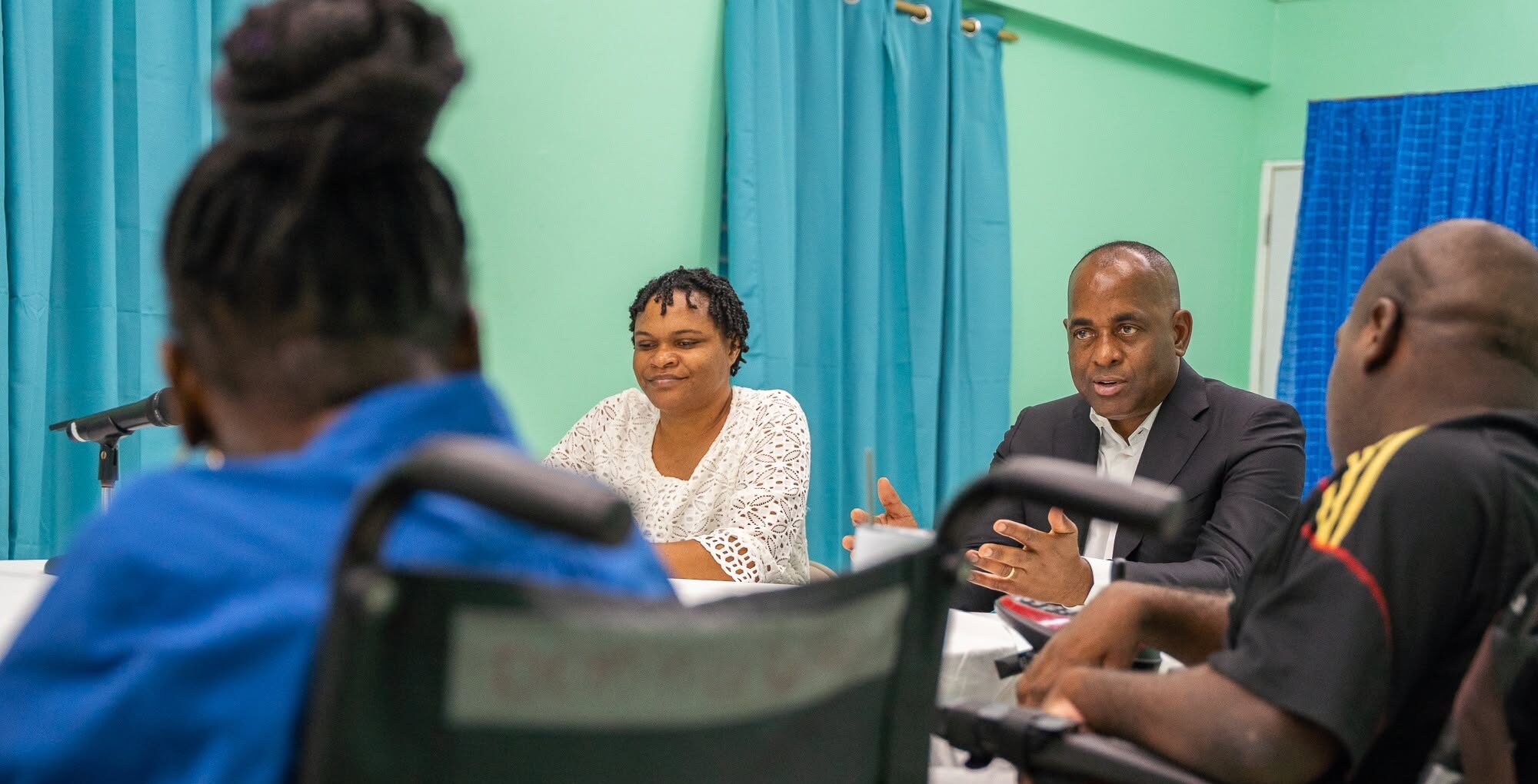
  • Prime Minister Roosevelt Skerrit meets with DAPD executive to discuss disability inclusion

    Prime Minister Roosevelt Skerrit meets with DAPD executive to discuss disability inclusion

    In a recent push to strengthen equity and access for marginalized communities across Dominica, Prime Minister Roosevelt Skerrit has convened a high-level meeting with the executive leadership of the Dominica Association of Persons with Disabilities (DAPD). The gathering centered on a wide range of pressing challenges that impact disabled people across the island nation, as both sides collaborated to map out actionable strategies to build a more inclusive society for all citizens.

    In an official update posted to public social media channels following the meeting, Prime Minister Skerrit outlined that the discussions prioritized tangible, practical policy changes. Key among the priorities was expanding the representation of disabled voices in national policy development, ensuring that government decisions directly address the unmet needs of this population that has historically been sidelined from formal governance processes.

    One of the most substantial proposals that emerged from the talks is currently under active review by the administration: the establishment of a standalone government department or specialized unit focused exclusively on disability advocacy. This proposed body would not only champion the legal rights and daily interests of disabled Dominicans, but also streamline coordination across government agencies for existing policies and community programs aimed at supporting the disability community.

    Reaffirming his administration’s longstanding pledge to equitable governance, Skerrit emphasized that the government remains fully committed to sustained close collaboration with DAPD. The end goal, he noted, is to deliver substantive, meaningful systemic reforms that cultivate a national culture of inclusion, where every Dominican — regardless of ability — has equal access to opportunities and the ability to participate fully in all areas of public and civic life.

  • New magazine to spotlight Caribbean student-athletes, DA’s Addison James on first cover

    New magazine to spotlight Caribbean student-athletes, DA’s Addison James on first cover

    A groundbreaking regional publication designed to unlock new pathways for Caribbean student-athletes and position the region as a leading hub for sports, education and sports tourism is scheduled to launch on July 31, 2026. Developed by publisher Visit Nature, the first issue of *Student Athlete Focus Magazine – OECS Edition* is far more than a conventional sports magazine: it operates as a purpose-built regional platform linking emerging talented student-athletes to educational, athletic and professional openings across local and global markets.

    Centered on the core theme “Creating Pathways—Connecting OECS Student-Athletes to Regional and Global Opportunities,” the debut issue features Dominican javelin standout Addison James as its lead profile. The publication grows from a widely shared observation across the Caribbean: while the region produces no shortage of world-class athletic talent, systemic gaps have long prevented young competitors from accessing the scholarships, higher education placements and professional careers their skills deserve. This magazine was created to fill that gap.

    Unlike traditional sports publications that prioritize only competition results and medal hauls, *Student Athlete Focus Magazine* chronicles the full, holistic journey of a student-athlete. It follows athletes from their first introduction to grassroots sports through academic growth, university recruitment, international competition, leadership development and long-term career advancement. It also shines a spotlight on the critical supporting roles that families, coaches, schools, athletic recruiters and post-secondary institutions play in nurturing emerging talent. Beyond athlete profiles, the magazine covers topics ranging from student mental and physical wellness, academic readiness, and regional sports collaboration to the growing economic opportunities tied to the Caribbean sports sector.

    Per the publisher, the publication’s overarching goal is to become the Caribbean’s premier media platform dedicated exclusively to student-athletes, while advancing long-term regional development by closing the gap between raw talent and tangible opportunity. Its key objectives include expanding scholarship access for Caribbean athletes, building stronger connections between local competitors and post-secondary institutions and recruiters worldwide, balancing priority on academic achievement alongside athletic performance, amplifying successful athlete development programs, fostering deeper cross-regional cooperation in sports, and marketing the Caribbean as a top destination for international sporting events, elite training camps and sports-related investment.

    “Our athletes have always had the talent. What has been missing is a platform that consistently connects their stories, achievements and potential with the people who can create opportunities. Student Athlete Focus Magazine was created to become that bridge,” the publication’s leadership noted.

    To reach the broadest possible audience, the magazine will leverage a mixed distribution model combining both digital and print strategies. As part of its pre-launch campaign across the OECS and the wider Caribbean, full-page print advertisements embedded with QR codes will run in major regional newspapers. Readers can scan the codes directly on their mobile devices to access the full digital edition instantly, extending the magazine’s reach far beyond the limits of traditional print circulation.

    Internationally, the publication will be promoted to hundreds of colleges and universities across the United States via targeted media guides. This strategy places Caribbean student-athletes directly in front of athletic directors, head coaches, university admissions officials and recruitment teams, while also raising global awareness of the Caribbean region’s unique assets. The magazine also acts as a powerful marketing tool for Caribbean sports tourism, a goal that will expand in subsequent issues.

    Future editions will feature in-depth coverage of regional sporting venues, host destinations, upcoming tournaments, world-class training facilities, local accommodation options, cultural attractions and sports investment opportunities across the Caribbean. The publication will also actively promote the region as a premier host for a wide range of events, from youth football tournaments, basketball championships and cricket festivals, to athletics training camps, beach sports competitions, golf tournaments, sailing regattas, road races and marathons. Additional coverage will include sport fishing events, masters-level competitions for adult athletes, and university athlete showcases.

    The decision to integrate athlete development with destination marketing represents an innovative approach to driving inclusive economic growth across the region, according to the publisher. The launch comes at a time of rapid expansion for the global sports industry, which now boasts an annual market valuation of over $600 billion. Sports tourism is one of the sector’s fastest-growing segments, with projections showing it will surpass $1 trillion in annual value by the mid-2030s, driven by rising demand for international competitions, youth tournaments, off-season training camps, fan travel and destination-specific sporting events.

    Publishers note the Caribbean is uniquely positioned to capture a large share of this growing market, thanks to its track record of producing internationally celebrated athletes, year-round favorable weather, upgraded modern sporting facilities, and a strong global brand as a top travel destination. *Student Athlete Focus Magazine* aims to amplify that advantage by tying athlete development directly to regional promotion. Beyond its coverage of athletes and destinations, the publication also seeks to foster collaboration across athletes, educators, coaches, governments, sports governing bodies, universities, tourism stakeholders and the private sector to strengthen opportunities for young competitors and support sustainable long-term development across the region.

  • CARDI showcases research and innovation at first regional agriculture symposium

    CARDI showcases research and innovation at first regional agriculture symposium

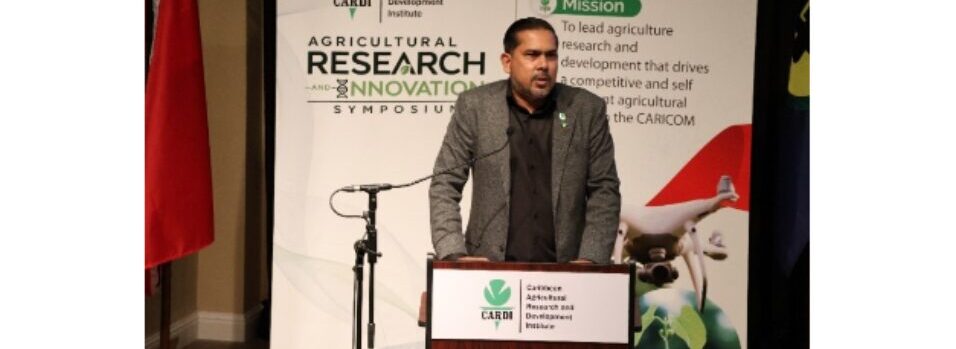
    Against a backdrop of growing climate uncertainty, shifting global food markets and rising import dependence, the Caribbean Agricultural Research and Development Institute (CARDI) has kicked off its first-ever Agricultural Research and Innovation Symposium (ARIS), a landmark regional gathering that unites cross-sector stakeholders to reimagine the future of Caribbean agriculture.

    Opening its doors on July 8 in Chaguanas, Trinidad and Tobago, the three-day event operates under the overarching theme “Advancing Agricultural Innovation for Sustainable and Climate-Resilient Food Systems”, designed to serve as a collaborative hub where lab-based research can connect directly with the farmers, policymakers and industry leaders who will put those findings into practice.

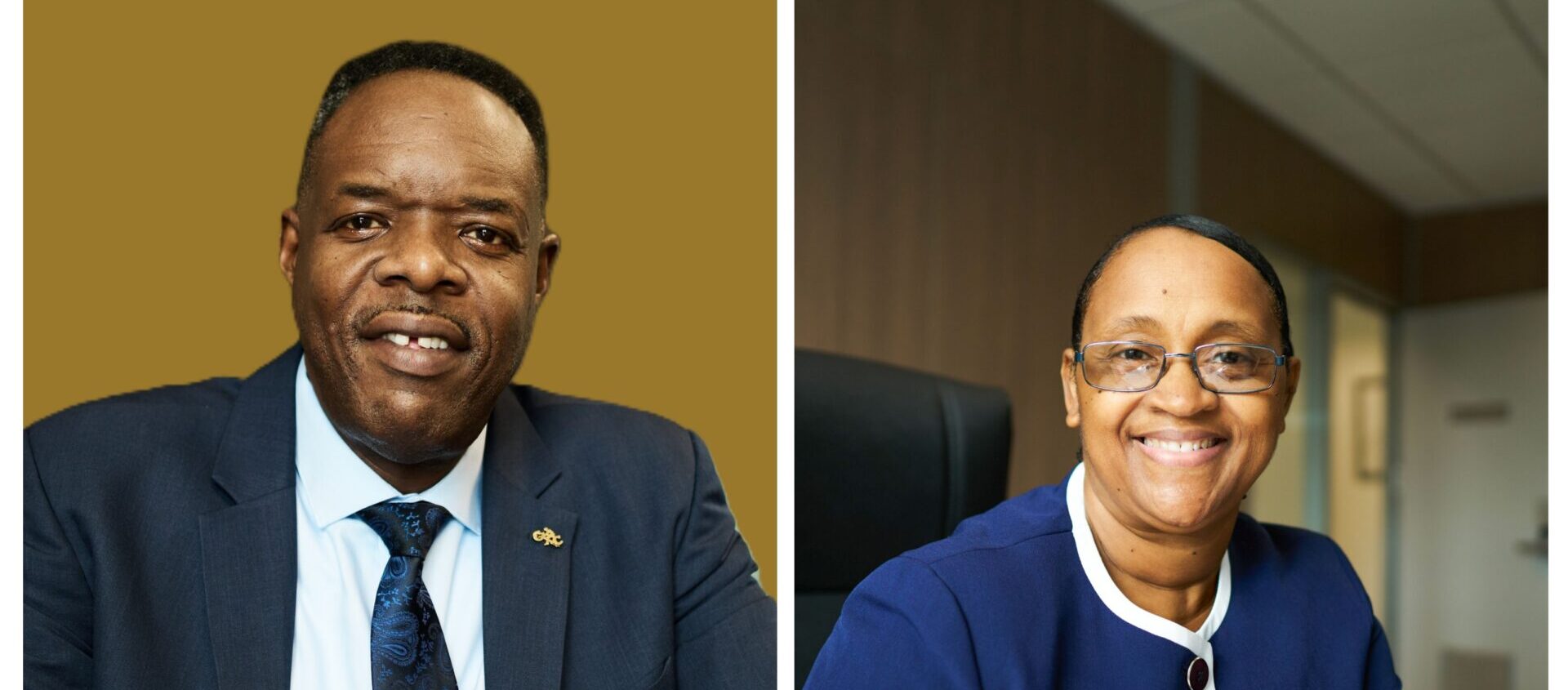
    In his opening remarks, Hon. Lennox Andrews, Chairman of CARDI’s Board of Governors and Grenada’s Minister of Agriculture, framed the symposium as a critical response to the cascading challenges facing the region’s agricultural sector. “Climate change, evolving pest and disease pressures, and global market disruptions demand that we embrace science, innovation and collaboration as essential tools for securing the future of Caribbean agriculture,” Andrews said. He emphasized that the research on display at ARIS underscores CARDI’s core mission to develop practical, on-the-ground solutions that boost farm productivity, reinforce regional food systems, and protect the livelihoods of smallholder and commercial farmers alike. Andrews also called for sustained investment in the institute, noting that delivering consistent, impactful solutions requires adequate long-term resourcing.

    For CARDI Executive Director Ansari Hosein, the inaugural symposium marks the start of a new, more accessible tradition for the regional research body. “It brings together our scientists from across the region to share the results of research conducted over the last 2 years in our Member States and, more importantly, to engage directly with farmers, policymakers, development partners and the private sector,” Hosein explained. Outlining CARDI’s core mandate, he added, “Our objective is to ensure that research moves beyond the laboratory and delivers tangible benefits for food and nutrition security, climate resilience and agricultural competitiveness throughout the Caribbean.”

    Speaking on behalf of Trinidad and Tobago’s Minister of Agriculture and Fisheries, Ministerial Advisor Ravi Pooran Maharaj lauded the symposium for filling a critical gap as a regional coordination platform. “The Caribbean’s future food security depends upon our collective ability to transform research into action,” Maharaj said. “This Symposium provides an important platform where researchers, policymakers, innovators, and practitioners can exchange ideas, strengthen partnerships, and accelerate the adoption of technologies that will help transform agriculture across Trinidad and Tobago and the wider Caribbean.” He echoed calls for greater adoption of climate-smart practices, noting that modern regional agriculture must lean into improved crop varieties, precision farming techniques and sustainable production methods to build resistance to shocks.

    Michelle Anne Thomas, Permanent Secretary in Trinidad and Tobago’s Ministry of Agriculture and Fisheries, echoed Maharaj’s praise, emphasizing that cross-sector collaboration is non-negotiable for solving the Caribbean’s most pressing agricultural challenges. “The challenges facing Caribbean agriculture require strong partnerships between researchers, policymakers and producers,” Thomas said. “By creating opportunities to share knowledge and practical solutions, initiatives such as this Symposium help ensure that scientific research informs policy, strengthens national agricultural programmes and delivers meaningful benefits for farmers and consumers across the Region.”

    The symposium featured three targeted technical sessions that spotlight two years of CARDI research across its 14 member states, covering the region’s highest-priority agricultural challenges. A core focus of the event was reducing the Caribbean’s heavy reliance on imported food and feed: researchers shared findings from feasibility and productivity studies on commercially growing white potatoes in Grenada, tropical wheat in Belize, as well as improved varieties of lettuce, corn, silage, dasheen and black-eyed peas tailored to regional growing conditions.

    Digital agriculture and emerging technology also took center stage at ARIS. Discussions and presentations covered a range of forward-looking topics, including strategies to attract younger generations to agricultural careers, digital management platforms for livestock feed, AI-powered tools for rapid crop disease diagnosis, and upgraded digital extension services designed to give farmers real-time data to make more informed production decisions.

    In closing, CARDI reaffirmed its long-term commitment to delivering science-backed, practical solutions that strengthen regional food and nutrition security, lift farmer incomes, and boost the global competitiveness of Caribbean agricultural products. The institute announced plans to make the ARIS symposium a recurring event to continue advancing collaborative innovation across the region.

  • CXC announces major changes to school-based assessments as AI reshapes education

    CXC announces major changes to school-based assessments as AI reshapes education

    As generative artificial intelligence becomes increasingly integrated into classroom learning across the globe, regional education assessment bodies are moving quickly to adapt their systems to protect the credibility of qualifications. The Caribbean Examinations Council (CXC) has become one of the first major regional assessment organizations to announce sweeping reforms to its decades-old School-Based Assessment (SBA) program, rolling out a restructured framework set to launch in 2027 that directly addresses the risks of AI-generated student work.

    The changes, which will impact both the Caribbean Secondary Education Certificate (CSEC) and Caribbean Advanced Proficiency Examination (CAPE) programs, follow more than a year of extensive consultations with education stakeholders across 21 Caribbean countries and territories. CXC leadership emphasized that the reforms are not intended to ban student use of generative AI, but rather to ensure that exam results continue to accurately measure individual student knowledge and skills amid a shifting educational landscape.

    “The SBA has served Caribbean students well for nearly half a century, and we do not reform it lightly,” said Dr. Wayne Wesley, CXC Registrar and Chief Executive Officer. “But the integrity of our qualifications is not negotiable. When the system that was designed to assess a student’s work can no longer reliably do so, we have an obligation to act, and to act decisively.” Wesley added that the council recognizes generative AI can function as a valuable learning tool, and the reforms only seek to preserve public trust in the assessment process that Caribbean families, educators, and employers have relied on for generations.

    The new framework adopts a targeted, subject-specific approach to assessment. For programs that rely heavily on hands-on, practical, or project-based work where in-person skill demonstration is critical, the traditional SBA model will remain in place. These subjects include Agricultural Science, Visual Arts, Music, Physical Education, Technical Drawing, and Food, Nutrition and Health. CXC has also announced it will strengthen moderation processes for these practical SBA programs to add an additional layer of integrity oversight.

    For primarily theory-based subjects including Mathematics, English, Caribbean History, Social Studies, Principles of Business, and Information Technology, the traditional SBA will be phased out entirely over the next two years. In place of take-home, out-of-examination SBA projects, students in these subjects will complete Paper 032, an in-exam assessment that was previously used only as an alternative option for select candidates.

    Under the revised Paper 032 model, students will receive their assessment topics one month in advance of the exam date to allow for extended research and preparation, will be granted extra time to complete the assessment, and will be permitted to bring approved reference notes into the exam room. This structure retains the original SBA’s focus on extended, reflective learning while ensuring all work submitted is completed by the student under supervised conditions, eliminating the risk of undetectable AI-generated content.

    Dr. Nicole Manning, CXC Director of Operations, explained that the redesigned assessment strikes a careful balance between supporting meaningful learning and protecting the authenticity of student work. “The new, deliberate and necessary design of the SBA, preserves the spirit of extended, reflective assessment while restoring CXC’s confidence in authorship and authenticity,” Manning said. She emphasized that the value of CXC qualifications matters to every stakeholder in the region, from employers and universities to families that have invested years of time and resources into students’ education, making collective commitment to high assessment standards a shared priority.

    CXC has outlined a clear implementation timeline for the transition. For CAPE candidates enrolled in non-practical, theory-based subjects, Paper 032 will replace the traditional SBA starting with the May-June 2027 exam session. For CSEC, the council will allow a one-year transition period, where schools can choose between the traditional SBA and the new Paper 032 model for their 2027 candidates. Starting with the May-June 2028 CSEC exam session, all non-practical subject candidates will be required to complete Paper 032. The council also confirmed that its existing two-year mark transfer policy will remain in place for both remaining SBA programs and the new Paper 032 assessment, allowing students to carry over valid scores from previous exam sittings under the same terms that have applied to SBA marks for decades.

  • DFP welcomes Dame Eugenia Charles’ inclusion on new EC$20 banknote

    DFP welcomes Dame Eugenia Charles’ inclusion on new EC$20 banknote

    In a move that honors trailblazing leadership across the Eastern Caribbean, the Eastern Caribbean Central Bank (ECCB) has launched a newly redesigned series of Eastern Caribbean dollar banknotes, drawing praise from the Dominica Freedom Party (DFP) for selecting one of the nation’s most iconic figures to grace the EC$20 denomination.

    The new banknote series was officially unveiled on July 9 at the ECCB Monetary Council Chairmanship Hand-over Ceremony held in Roseau, Dominica. A key shift in this redesign replaces the portrait of the late Queen Elizabeth II with celebrated national heroes and distinguished regional leaders from across the Eastern Caribbean Currency Union (ECCU), highlighting the bloc’s unique history and developmental legacy. The unveiling was led by ECCB Governor Timothy N.J. Antoine alongside members of the Monetary Council, and the ceremony also marked a formal transition in council leadership: Antigua and Barbuda’s Prime Minister and Finance Minister Gaston Browne officially handed the chairmanship to Dominica’s Finance Minister Dr. Irving McIntyre.

    For the DFP, the selection of the late Dame Mary Eugenia Charles to represent Dominica on the new EC$20 note is a moment of national pride. In an official statement released following the unveiling, the party extended sincere gratitude to the ECCB Monetary Council, the governor’s office, and all ECCB staff for developing the new series that centers the contributions of figures who shaped regional progress.

    Dame Eugenia Charles holds a unique place in Caribbean political history. A lifelong leader of the DFP, she served as the party’s political head from 1968 to 1995, and made history as Dominica’s first and, to date, only female prime minister, holding office from 1980 to 1995. Beyond Dominica’s borders, she broke ground as the first woman to serve as prime minister across the entire Caribbean, and remains the only woman to ever lead a government within the Organisation of Eastern Caribbean States (OECS).

    The DFP emphasized that Dame Charles’ impact extended far beyond national politics, making her selection a fitting tribute to a leader who shaped the entire Eastern Caribbean sub-region. Her portrayal on the banknote, the party noted, is a reflection of her “sterling leadership and enduring legacy” that continues to resonate decades after her time in office. The party added that Dame Charles’ well-earned reputation for radical honesty, uncompromising ethical governance, straightforward approach to policy, and unwavering commitment to advancing both national and regional development were likely key factors that led to the ECCB’s decision to honor her.

    In closing, the DFP also extended congratulations to all other ECCU member states whose own distinguished citizens have been recognized on other denominations of the new banknote series, framing the entire project as a meaningful celebration of the region’s collective heritage.

  • COMMENTARY: ASPIRE challenges longstanding focus on women in family planning ahead of World Vasectomy Day

    COMMENTARY: ASPIRE challenges longstanding focus on women in family planning ahead of World Vasectomy Day

    Every November 20, public health and reproductive advocacy groups around the world mark World Vasectomy Day, an initiative designed to shift decades of lopsided focus in global family planning and encourage far greater male involvement in contraceptive responsibility. While the movement arrives generations later than many reproductive health experts argue it should have, advocates note the old adage still holds: better late than never.

    Among all modern contraceptive options available today, vasectomy stands out as the most affordable, low-risk, and highly effective method. Even with these clear advantages, however, it remains the most underpromoted contraceptive tool across nearly all global health programs. For decades, the overwhelming majority of global family planning outreach and policy investment has centered exclusively on women, leaving male responsibility largely unaddressed.

    To highlight the stark biological disparity between male and female reproductive capacity that makes male-focused family planning a logical priority, the article points to well-documented and anecdotal records of extreme fertility. The confirmed global record for the most children born to a single woman belongs to Mariam Nabatanzi Babirye, a Ugandan woman who gave birth to 44 children and currently lives in good health. A widely cited historical claim that 18th-century Russian peasant Valentina Vassilyeva gave birth to 69 children across 27 pregnancies has never been verified and is widely regarded as dubious by researchers.

    In contrast, historical records point to a far more extreme upper limit for male fertility: Sultan Moulay Ismail ibn Sharif of Morocco is estimated to have fathered between 888 and 1,171 children through a harem of more than 700 women. This vast gap in reproductive potential, advocates argue, makes male-focused contraceptive outreach a far more logical and impactful strategy for global family planning — a shift that has yet to happen across public health systems.

    A common misconception holds that men in Caribbean communities have inherent cultural resistance to undergoing vasectomy. But reproductive health researchers reject this claim, arguing that what is often mislabeled resistance is actually widespread lack of awareness and information. A 15-year analysis of vasectomy records from the Barbados Family Planning Association, conducted by advocacy group ASPIRE, demonstrates this pattern clearly: when even minimal promotional outreach was conducted through local media, it led to a disproportionate surge in procedures. Between 1994 and the following five years, 72% of all vasectomies recorded were tied directly to media promotion. As media outreach was cut back over the next five years, that share dropped to just 12%, and the overall program shrank dramatically, surviving only on word-of-mouth demand from a small, informed social circle. This pattern, researchers emphasize, is not evidence of resistance — it is evidence of unmet demand.

    The analysis also painted a clear profile of the typical man seeking vasectomy in Barbados: 81% were married, 80% had at least a secondary education, 77% were between the ages of 25 and 39, 75% belonged to the upper middle income bracket or higher, 65% already had three or fewer children, and 75% underwent the procedure within four years of the birth of their last child. Nearly 40% had a vasectomy less than a year after their youngest child was born.

    Advocates argue that the time has long come to correct the gross gender imbalance in global family planning efforts and push for informed, responsible male participation in contraception. As communities prepare to mark World Vasectomy Day, organizers are calling for clear, actionable targets for vasectomy outreach to make the annual observation more than just a symbolic event.

    Leading the call for this shift is ASPIRE, a pro-motherhood, pro-family, pro-choice non-governmental advocacy organization registered in Dominica and five other Caribbean nations. The group works to advance fair and just reproductive health policy through independent research and dialogue with civil society organizations and national governments.

  • Airbnb, Airbnb.org partner with Caribbean disaster agencies ahead of hurricane season

    Airbnb, Airbnb.org partner with Caribbean disaster agencies ahead of hurricane season

    As the 2026 Atlantic hurricane season officially opens, Airbnb and its affiliated nonprofit emergency housing initiative Airbnb.org have launched two new collaborative agreements with leading Caribbean disaster and tourism bodies, designed to boost regional emergency response capacity and expand support for local communities impacted by hurricane-related disasters.

    At the core of the new partnerships is a formal Memorandum of Understanding (MOU) between Airbnb.org and the Caribbean Disaster Emergency Management Agency (CDEMA), a regional body that coordinates disaster response across 20 Caribbean member states. Established as an independent nonprofit by Airbnb, Airbnb.org’s core mission is to connect people displaced by crises with free emergency accommodation. This new agreement formalizes a coordinated response framework for the critical early phase of disaster relief operations.

    Under the terms of the MOU, CDEMA will work alongside local emergency response teams to quickly identify displaced households in need of temporary shelter after a disaster strikes. Airbnb.org will then tap into available listings on the main Airbnb platform to secure free emergency housing for those affected. Unlike many emergency shelter options, the housing provided through this program offers home-like amenities including full kitchens, in-unit laundry, and pet-friendly options, all covered fully by Airbnb.org with no out-of-pocket costs for guests.

    Christoph Gorder, Executive Director of Airbnb.org, noted that the organization already has a track record of emergency housing support in the Caribbean dating back to 2020. To date, Airbnb.org has provided more than 1,500 nights of emergency accommodation following high-impact hurricanes including Melissa, Beryl, and Fiona. Gorder emphasized that the new formal partnership will cut down on response time, allowing the organization to reach more vulnerable people faster when disaster strikes. “We help meet families’ unique needs by providing homes that offer privacy, dignity, and the practical comforts that make it possible to focus on rebuilding – and at no cost to the guest,” Gorder added.

    Elizabeth Riley, Executive Director of CDEMA, framed the collaboration as a valuable innovative addition to the region’s existing disaster response toolkit. “As we enter the 2026 Hurricane Season, the MOU strengthens our ability to support people affected by disasters through innovative solutions and enhanced regional collaboration. By combining CDEMA’s regional coordination capacity with Airbnb.org’s emergency housing support, we are expanding the resources available to communities when they need them most,” Riley said. She also highlighted that the partnership reflects a shared commitment to speeding up recovery by ensuring affected communities can access timely aid after a storm.

    Alongside the emergency housing agreement, Airbnb has launched a separate collaborative initiative with CDEMA and the Caribbean Tourism Organization (CTO) to develop a comprehensive hurricane safety guide for regional residents, property hosts, and visitors. The guide delivers actionable, practical guidance covering all stages of hurricane management: pre-season preparation steps, safety protocols during an active storm, and recovery procedures after the event passes. It also compiles key emergency contact information for multiple Caribbean islands to ensure quick access to aid.

    Per Airbnb’s announcement, the guide will first be distributed to all property hosts across the Caribbean region, who are encouraged to share the resource with guests staying at their properties throughout the hurricane season. Carlos Muñoz, Airbnb’s Director of Public Policy for the Caribbean and Central America, explained that the guide initiative addresses a critical gap in accessible, reliable hurricane preparedness information. “Safety in the Caribbean is a top priority for Airbnb. By collaborating with expert organizations like CDEMA and the CTO, we are ensuring our hosts and guests have access to vital, locally-sourced resources to prepare for and navigate hurricane season,” Muñoz said.

  • Tourism minister calls on Dominica to build on record WCMF visitor growth

    Tourism minister calls on Dominica to build on record WCMF visitor growth

    As the Caribbean nation of Dominica kicks off its 2026 iteration of the iconic World Creole Music Festival (WCMF), local tourism officials are highlighting the massive economic and cultural ripple effects of the event, which drew more than 10,500 international and domestic visitors to the island during its 25th anniversary celebration last year.

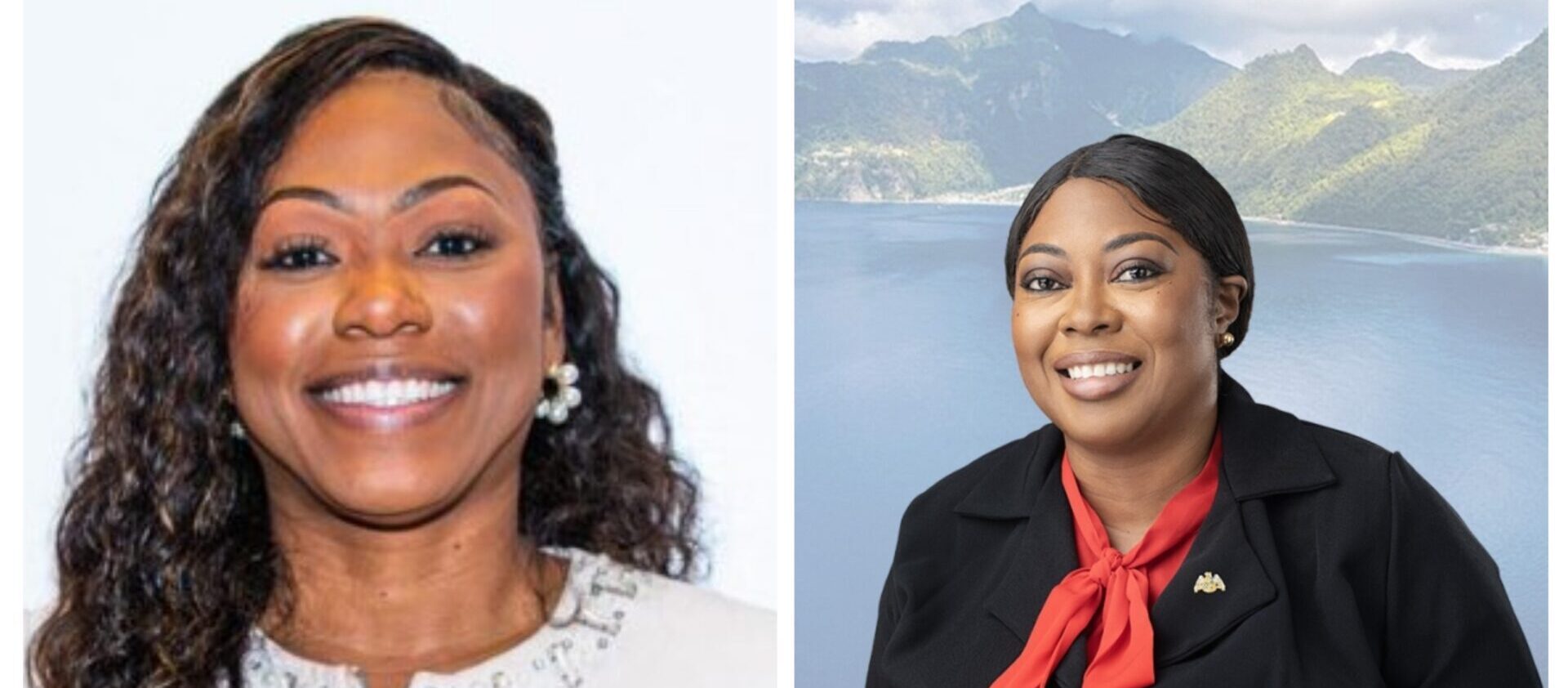
    The official launch of this year’s festival, held over the weekend, opened with an announcement from Dominica’s Minister of Tourism Denise Charles-Pemberton, who celebrated the 48% year-over-year visitor growth the landmark silver jubilee edition achieved in 2025. Beyond the musical acclaim that the WCMF has earned globally, Charles-Pemberton emphasized that the festival functions as a cornerstone of the island’s tourism-driven economy, supporting a wide cross-section of local workers and small businesses.

    “Too many people look at this event and only see a three-night music celebration, but I see a transformative economic opportunity,” Charles-Pemberton said during her launch address. “This festival puts money in the pockets of hoteliers and guesthouse operators, fills restaurant tables, keeps taxi drivers busy, supports local street vendors and tour guides, puts income in the hands of local farmers and fisherfolk, and creates work for hairstylists, makeup artists, fashion designers, event planners, content creators, musicians and DJs across the island. Every tier of our local economy benefits from the festival economy. That is exactly why our government has invested millions of dollars into the tourism sector for years, and will continue to do so.”

    Charles-Pemberton added that tourism is far more than a source of state revenue for the small island nation: it is a catalyst for broad-based social improvement, creating stable formal and informal jobs, helping small local businesses scale up, opening new professional pathways for young Dominicans, and raising overall quality of life for communities across the country. For 2026, she set an ambitious target, telling attendees that “last year we achieved remarkable growth, but this year, we must do even better.”

    Speaking at the launch alongside the tourism minister, Chekira Lockhart-Hypolite, Parliamentary Representative for Roseau South, expanded on the long-term cultural and tourism value of the festival, noting that its impact stretches far beyond the closing notes of the final performance. Over its three-night run, Lockhart-Hypolite explained, the WCMF brings global audiences directly to Dominica’s shores, creating lasting impressions that drive repeat visits and word-of-mouth promotion for years after the event ends.

    “This event is one of the most powerful invitations Dominica can extend to the rest of the world,” she said. “Long after the final act leaves the stage, the festival continues to inspire visitors to come back, to explore more, and to share their experiences of Dominica with their own networks. That is its lasting legacy.”

    This year’s WCMF carries the theme “Stay a While”, a slogan that Lockhart-Hypolite said aligns perfectly with the island’s goal of encouraging deeper, more immersive travel experiences beyond the festival itself. “It’s an open invitation to experience more of what our island has to offer: come for the world-class Creole music, then extend your trip to see everything else Dominica has to share,” she explained. “Discover the hidden spots that don’t make it onto typical tourist itineraries, enjoy the dozens of fringe festival events happening across the whole island, spend time in our local communities, and meet the people that make this island feel like home for visitors. You’ll leave with a story that’s bigger than just a music festival. Dominica is not a destination you simply check off a bucket list – it’s a destination you live and experience.”

  • Antigua and Barbuda co-hosts U.S. Global Maritime Security Symposium focused on sanctions enforcement

    Antigua and Barbuda co-hosts U.S. Global Maritime Security Symposium focused on sanctions enforcement

    Against a backdrop of growing global concerns over illicit weapons proliferation and unregulated shadow maritime activity, the Caribbean nation of Antigua and Barbuda has welcomed international stakeholders for a landmark three-day gathering focused on advancing collective maritime security and sanctions enforcement. Held from July 13 to 15 in the country’s capital St. John’s, the Global Maritime Security and Sanctions Enforcement Symposium was organized through a joint partnership between the U.S. Department of State and Antigua and Barbuda’s Department of Marine Services and Merchant Shipping (ADOMS).

    Per an official statement released by the U.S. Embassy based in Bridgetown, the symposium drew a diverse cohort of over 26 national delegations, bringing together representatives from ship registries, national maritime regulatory authorities, leading international organizations, and global maritime security coalitions. One key participating body was the Registry Information Sharing Compact (RISC), an international initiative dedicated to fostering open and efficient information exchange between ship registries worldwide.

    Core discussions at the event centered on strengthening cross-border coordination to uphold global nonproliferation rules and enforce U.S.-led sanctions targeting rogue regimes. These measures are specifically designed to block such regimes from exploiting global shipping networks to generate illicit revenue that could fund activities deemed a threat to international and U.S. national security.

    According to officials from the U.S. Department of State, enhanced international collaboration creates significant barriers to sanctions evasion. Tighter coordination not only discourages commercial companies and maritime service providers from engaging with unregulated ‘shadow fleet’ vessels that operate outside standard compliance frameworks, but also curbs the ability of weapons proliferators to secure funding for their illicit programs.

    Meeting participants and organizing officials emphasized that the symposium delivered tangible progress beyond dialogue, forging stronger cross-border and cross-sector partnerships that will boost the effectiveness of future maritime security and sanctions enforcement efforts across the globe.

  • Dominica to launch inaugural Gouté Domnik culinary festival this evening

    Dominica to launch inaugural Gouté Domnik culinary festival this evening

    The Caribbean island of Dominica is set to unveil its first-ever celebration of local food culture, the Gouté Domnik culinary festival, with a public kickoff event scheduled for the evening of July 15 in the capital city of Roseau. Hosted at the In De Yard community space on Cork Street, the launch opening at 5:00 p.m. welcomes both local residents and visiting travelers to get an early look at the week-long festival’s full lineup, sample preview bites of local cuisine, enjoy live local performances, and connect with organizers and participating chefs ahead of the main event.

    Organized jointly by Dominica’s Ministry of Tourism and the Discover Dominica Authority (DDA), the first iteration of Gouté Domnik will run from July 19 to 26, anchored by the overarching theme “Where Flavour Meets Nature” that ties the island’s famous pristine natural landscapes to its homegrown culinary identity. In a public press statement, event organizers framed the new festival as a strategic response to shifting global travel trends that have positioned culinary tourism as one of the fastest-growing segments of the international tourism industry.

    Recent global travel data underscores this shift: research shows 77 percent of international travelers now prioritize food and dining experiences when selecting a travel destination, while Hilton’s 2025 Global Travel Trends Report found that nearly 20 percent of travelers plan entire trips specifically to explore new regional cuisines. For Dominica, a small island nation already known for its eco-tourism offerings, these trends open a new pathway to highlight its unique local ingredients, centuries-old distinctive flavor profiles, and talented local culinary community to the world.

    The 2026 inaugural festival centers on two flagship events that cater to both diners and competitive cooking enthusiasts: a week-long Restaurant Week and the one-day Friendly One Pot Challenge. Restaurant Week will run throughout the entire festival, from July 19 to 26, with 18 participating restaurants across the island creating custom, limited-edition menus that highlight local produce and traditional recipes to deliver one-of-a-kind dining experiences for guests. The full list of participating venues includes Calabash Restaurant at Jungle Bay Dominica, Leather Back Restaurant at Rosalie Bay Eco Resort & Spa, Pride de la Dominique, The Pallet, Palisades Restaurant at Fort Young Hotel, Bwa Denn at Secret Bay, Steakhouse Restaurant, Soursop Bar & Grill, Manoe’s Cornerstone Restaurant, Le Petit Paradis, Banana Tree, Nets of Reef, Harbour Bites, Chez Wen, Petit Bistro, The Vibe, Belle Hall, and Hi Rise.

    To encourage diners to explore as many local culinary spots as possible, the DDA has introduced the official Gouté Domnik Food Guide. Diners can use the guide to collect an official stamp from each participating restaurant they visit during Restaurant Week. At the end of the promotion, the guest who collects the highest number of valid stamps will win a special prize sponsored by the DDA.

    The festival’s second signature event, the Friendly One Pot Challenge, will take place on July 19 in the coastal town of Layou. The competition brings together teams of local cooks to create creative, flavorful one-pot dishes using only ingredients sourced from local Dominican producers, giving teams a chance to showcase their skills and creativity to attendees and judges.

    Marva Williams, Chief Executive Officer and Director of Tourism for Dominica, emphasized that the new festival does more than celebrate local food: it creates tangible economic opportunities for local restaurants, chefs, small food businesses, and producers across the island. “Food has become an important part of how travellers experience a destination,” Williams explained. “Gouté Domnik gives us an opportunity to celebrate the people, flavours and stories behind Dominican cuisine while creating new opportunities for our restaurants, chefs and local businesses. We invite everyone to join us as we launch this exciting new initiative and celebrate the rich culinary experiences that make Dominica unique.”

    Organizers are encouraging all guests planning to take part in Restaurant Week to download the official Gouté Domnik Food Guide ahead of time from the Discover Dominica official website. Additional updates, full event schedules, and behind-the-scenes content are posted to the official Discover Dominica and Dominica Festivities Facebook and Instagram social media pages for anyone seeking more information.