标签: Dominica

多米尼克

  • COMMENTARY: World Population Day

    COMMENTARY: World Population Day

    To mark the 2025 observance of World Population Day, which has been held annually on July 11 since its launch in 1990, demographers and global policymakers are drawing renewed attention to the complex, bifurcated global population crisis shaping the 21st century. This year’s official theme, centered on advancing the hopes and aspirations of current and future generations of young people, emphasizes how urban living increasingly shapes young adults’ life choices across education, career development, housing, romantic relationships and family planning.

    Decades of data confirm a striking global shift in fertility patterns. Today, two-thirds of the global population resides in regions where the average fertility rate sits below 2.1 children per woman — the minimum threshold required to maintain a stable population size without migration. In the early 1970s, the global average fertility rate stood at 4.5 children per woman; by 2015, that figure had dropped to under 2.5. Parallel to falling birth rates, global life expectancy has climbed dramatically, rising from 64.6 years in the early 1990s to 72.6 years by 2019. In 2025, plummeting fertility rates have dominated global demographic headlines, with multiple governments sounding alarms over potential “population collapse” and rolling out aggressive policy measures to encourage higher birth rates.

    The small island nation of Jamaica offers a clear case study of the late-stage demographic transition many low- and middle-income countries are now experiencing. Latest data from the Planning Institute of Jamaica (PIOJ) shows the country’s total population hit an estimated 2,764,200 at the end of 2025, up only 600 people from 2024, translating to a near-zero 0.0 percent annual growth rate. The 2025 Economic and Social Survey Jamaica recorded 28,900 births and 21,300 deaths over the year, giving a natural population increase of 7,600 people. However, net emigration stripped out 7,000 residents — down from 8,800 net migration losses in 2024, but still enough to erase nearly all of the country’s natural population growth.

    In its analysis, the PIOJ noted that Jamaica’s stagnant growth aligns with the final phase of the standard demographic transition model, defined by low fertility and low mortality rates that produce little to no natural population growth. The country’s population structure has also shifted significantly: while a large share of residents still fall within the working-age 15 to 64 bracket, the share of residents aged 65 and older (a dependent population group) is growing steadily, and the share of children aged 0 to 14 continues to decline. “Net migration loss, below replacement level fertility rates and population ageing have all had an impact on the population structure,” the PIOJ statement added.

    Beyond falling fertility and aging populations, the United Nations highlights two interconnected megatrends reshaping global demographics: rapid urbanization and accelerating cross-border and internal migration. 2007 marked the first time in human history that a majority of the global population lived in urban rather than rural areas, and projections indicate that urban residents will make up 66 percent of the global population by 2050. These broad shifts carry sweeping consequences for nearly every aspect of global development: they impact economic growth, job markets, income inequality, poverty reduction and social safety net systems, as well as ongoing efforts to guarantee universal access to healthcare, education, housing, sanitation, clean water, food and energy. UN analysts note that effective, sustainable policy planning depends on a clear understanding of global population size, geographic distribution, age structure and projected future growth.

    The global population crossed the 8 billion threshold in 2023, and current projections put the global total at 8.2 billion by July 2026. Growth is expected to continue to 9 billion by 2039 and 10 billion by 2060, before peaking at 10.6 billion in 2092 and beginning a gradual decline. For today’s young people, this uncertain demographic future is a major source of anxiety: many expect their economic and social outcomes to be worse than that of their parents’ generation, and their widespread concerns over climate change, economic volatility and rising geopolitical conflict are already shaping their choices around whether and when to start families.

    On this World Population Day, development experts are calling on governments to strengthen investments in young people’s education, particularly for girls. A key priority, they note, is expanding efforts to delay the average age of marriage and first childbirth in countries where early marriage and early parenthood remain common. Such reforms would deliver widespread benefits, improving women’s health outcomes, expanding educational attainment and increasing women’s participation in the paid labor force. These investments also support progress toward sustainable development goals, reducing the scale of required public investment while advancing inclusive growth that leaves no demographic group behind.

    In his remarks for World Population Day, UN Secretary-General António Guterres emphasized that young people across the world are already stepping up as leaders, innovators and activists to address shared global challenges. “We must match their determination with greater investments in education, sexual and reproductive health, decent work and real participation in decision-making,” Guterres said.

    This article was written by Wayne Campbell, an educator and social commentator focused on how development policies intersect with culture and gender issues.


  • Health Ministry upgrades national medical laboratory system to improve test processing and patient care

    Health Ministry upgrades national medical laboratory system to improve test processing and patient care

    Residents relying on Dominica’s public healthcare network are set to gain access to speedier diagnostic testing and more streamlined care, after the island nation completed a comprehensive digital overhaul of its National Medical Laboratory’s core information systems. In an official announcement published by the Ministry of Health, Wellness and Social Services, the institution confirmed that it finished two critical infrastructure updates on June 25, 2026: migrating its entire Laboratory Information System (LIS) to a new high-capacity server and rolling out an updated version of the LIS software. The multi-part upgrade is targeted at strengthening core lab operations, national disease surveillance efforts, and clinical decision-making across every tier of Dominica’s public healthcare system.

    Laboratory Superintendent Eric Carbon explained that the project addressed a long-standing capacity gap created by the lab’s outdated, aging server, which had been operating at maximum functional limits for months before the upgrade. The outdated hardware was fully replaced with a modern, purpose-built system engineered to support the lab’s steadily growing operational demands as the population’s need for diagnostic services expands. “The entire client database was successfully moved from the old, overcapacity server to a new modern unit built to the exact specifications required to host our LIS efficiently,” Carbon noted. “The expanded server capacity will cut down on unplanned outages, speed up turnaround times for all test results, and reduce disruptive service interruptions that have delayed care in the past.”

    According to the Ministry of Health, patients will start seeing tangible benefits from the update almost immediately. Faster processing and delivery of lab results will allow frontline clinical teams to make quicker, more informed care decisions, a change that is expected to particularly improve outcomes for emergency patients. Carbon highlighted that patients receiving care at the hospital’s Accident and Emergency Department will no longer face extended waits for critical test results, cutting the time between patient check-in and life-saving intervention. “Faster results translate to quicker decision-making and treatment from medical staff, which leads to better patient outcomes and higher satisfaction for people accessing care,” Carbon said.

    He emphasized that timely, accurate lab reporting is a cornerstone of high-quality healthcare, noting that the infrastructure update addresses a critical gap that previously put unnecessary strain on both patients and providers. “In clinical practice, accurate and on-time reporting is often the difference between targeted early intervention, shorter hospital stays, and faster patient recovery. Delayed diagnosis and treatment can lead to longer hospitalizations and slower recovery times. In medicine, every minute matters, and upgrading our information management infrastructure helps build a more efficient, responsive system that ultimately lifts the overall quality of patient care,” Carbon added.

    Beyond improving direct patient treatment, the updated fully digital LIS is a key strengthening of Dominica’s broader public health infrastructure. The system manages critical population health data used to diagnose new disease cases, monitor the spread of communicable illnesses and other public health risks, track antimicrobial resistance trends, and support core national health programs. These include high-priority initiatives such as maternal and child health services, and ongoing monitoring of sexually transmitted infections including HIV.

    The new server also improves compatibility and performance with the lab’s growing fleet of automated diagnostic testing equipment. “Our LIS connects directly to a range of automated diagnostic instruments that we use for daily lab work, so it requires a server that is secure, flexible, adaptable, and able to keep up with the data management needs of both the National Medical Laboratory and the patients we serve,” Carbon explained.

    Carbon added that this investment reflects the Ministry of Health’s ongoing commitment to modernizing Dominica’s entire public healthcare system through targeted technology upgrades. “The installation of this higher-capacity server aligns with the Ministry’s priority of building improved IT infrastructure across the health system to support more advanced, efficient, and patient-centered services,” he said. Per the ministry’s official statement, the successful migration gives the National Medical Laboratory a more robust digital foundation to meet the rising demands of modern laboratory medicine, while supporting the delivery of faster, more consistent, and more reliable diagnostic services to patients across Dominica.

  • Rootz Herbal launches children’s educational book celebrating Caribbean nature and heritage

    Rootz Herbal launches children’s educational book celebrating Caribbean nature and heritage

    Caribbean-based wellness brand Rootz Herbal has launched an ambitious new educational project this summer, rolling out the first title in a groundbreaking children’s series designed to connect young readers to the region’s extraordinary natural landscapes and centuries-old cultural traditions. Titled *Nature’s Treasure: Herbs, Fruits, Forests & Heritage*, the debut volume combines hands-on learning with cultural celebration to foster a lifelong appreciation for the Caribbean environment among youth.

    The project is the collaborative work of two seasoned experts: Renauld Deschamps, a practicing herbal physician and founder of Rootz Herbal, and Dr. Paula Lockhart, a respected academic with deep expertise in Caribbean cultural and environmental studies. Unlike standard children’s activity books, the publication integrates a wide range of interactive content tailored to engage curious young minds: detailed coloring pages, logic puzzles, hands-on educational activities and group learning prompts. Each section is curated to explore key themes, from the properties of local medicinal plants and biodiversity of tropical rainforest ecosystems to the nutritional value of native tropical fruits and the importance of environmental stewardship. The book also weaves in lessons about the Caribbean’s distinct cultural heritage and the link between natural ecosystems and healthy community lifestyles.

    In a recent press statement, Rootz Herbal emphasized that the work is far more than a simple activity or coloring book. It is framed as a bridge across generations, designed to encourage families, educators and local community members to share traditional indigenous and local knowledge with younger audiences while teaching children to recognize how the natural world shapes health, culture and daily life across the Caribbean.

    “Our core hope is that this book helps children look at the herbs, forests and wildlife right outside their doors and see them as irreplaceable treasures that deserve our attention, our protection, and our effort to preserve for the generations that come after us,” Deschamps explained in the announcement.

    *Nature’s Treasure* marks the opening installment of a multi-volume planned educational series, which will roll out additional creative learning resources tailored for use in schools, public libraries, youth organizations and home learning settings. Each upcoming title will continue the mission of introducing children to the Caribbean’s one-of-a-kind plant life, unique ecosystems, traditional wellness practices and cultural legacy.

    Dr. Lockhart noted that the entire series is built around the goal of nurturing intentional environmental awareness from an early age. “Our long-term vision is to grow a generation of young people who deeply value their natural surroundings, celebrate their unique cultural heritage, and understand that strong, healthy communities start with knowledge, responsible stewardship, and genuine respect for nature,” she said.

    The debut book is currently available for purchase directly by individuals, and bulk orders are open for schools, libraries and community groups across the region. To expand access to the resource, Rootz Herbal has also launched a complementary outreach program called the “Adopt a School” initiative. The program invites local businesses, non-profit organizations and community partners to sponsor book copies for under-resourced schools and students, with a particular focus on lifting up Dominica’s efforts to celebrate and protect its rich natural and cultural endowment.

    For those interested in ordering copies or learning more about the initiative or the series, inquiries can be directed directly to the book’s co-authors.

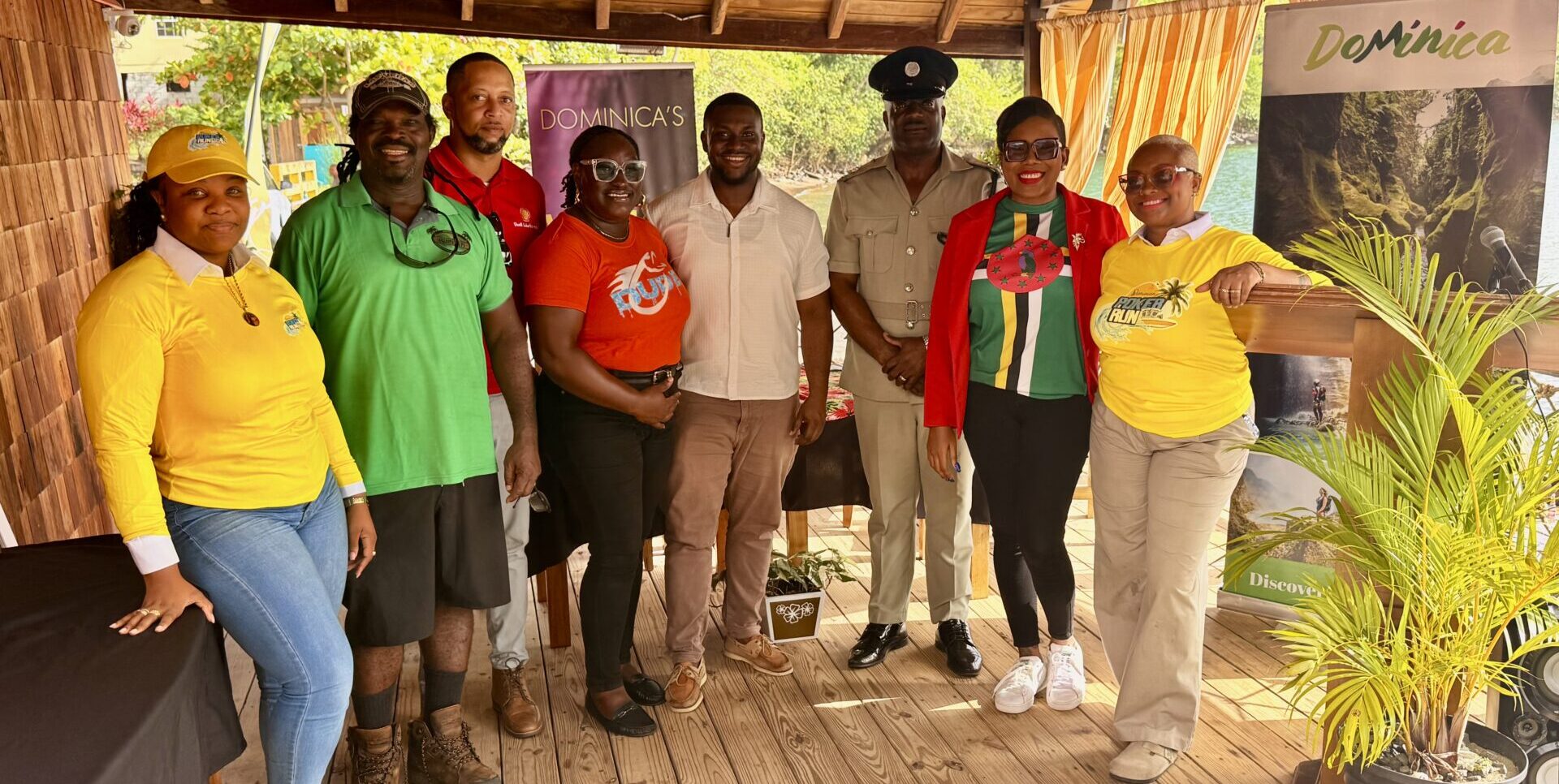
  • Dominica Poker Run 2026 expands into two-day marine tourism weekend

    Dominica Poker Run 2026 expands into two-day marine tourism weekend

    Organizers of the highly anticipated Dominica Poker Run 2026 have announced a transformative update to the annual event, rolling out an expanded two-day format crafted to drive growth in marine tourism, recreational activity, and local economic development across the Caribbean island.

    Previously a single-day gathering, the 2026 Poker Run will kick off with an all-new inaugural Sport Fishing Tournament on Saturday, July 25, ahead of the traditional Poker Run scheduled for Sunday, July 26. The combined programming creates a full weekend of coastal and maritime activities designed to appeal to both local boating communities and international visitors.

    Andrew “Cobra” O’Brien, a lead organizer of the event, explained that the format expansion centers on a simple but impactful goal: encouraging guests to extend their stays in Dominica and explore the full range of experiences the island has to offer.

    “When visitors travel to Dominica now, they don’t just come for one day of the Poker Run – they come for a full weekend of activities that can be tailored to their interests,” O’Brien said. “Extended stays mean more spending at local hotels, Airbnb properties, retail centers, and restaurants, and give guests the chance to travel across the island and experience all that makes Dominica unique.”

    O’Brien emphasized that the new sport fishing tournament is structured to complement, not replace, the beloved original Poker Run event, which remains the centerpiece of the weekend. “The fishing tournament is a brainchild of the Poker Run community, and it comes with a range of extra perks for people already registered to participate in the Poker Run,” he added.

    Staying true to its traditional roots, the 2026 Dominica Poker Run will remain a casual recreational boating gathering, not a competitive speed race. Participants will cruise in groups along Dominica’s scenic west coast, stopping at pre-marked checkpoints to collect a single playing card at each stop. At every stop, participants privately show their drawn card to event officials for recording, and after all checkpoints have been visited, the team holding the strongest five-card poker hand is named the event’s winner.

    Jael Joseph, marketing lead for the event, framed the Poker Run as a laid-back, social coastal experience. “This isn’t a high-stakes, high-pressure competition – it’s a lime, a casual day out on the water,” Joseph explained. “We cruise along the sea trail, stop at each spot to pull a card, keep cards hidden from other teams to keep the game fair, and tally up the results at the end to crown the winning team. It’s all about enjoying time on the water with fellow boating enthusiasts.”

    Event organizers have confirmed full security support from the Commonwealth of Dominica Police Force for the 2026 weekend. Delvin John Lewis, head of the police’s Northern Division, noted that law enforcement has backed the Poker Run and its associated events for years, and 2026 will see no change to that commitment.

    “We can guarantee that the Coast Guard will provide maritime support along the sea route from Layou village all the way up to Toucari,” Lewis said. “On land, our officers will patrol the E.O. Leblanc Highway Western Corridor leading to Toucari to ensure safety for all participants and attendees.”

    Corporate partners have also thrown their support behind the expanded format. Clifford Morancie, speaking on behalf of headline corporate sponsor Morancie & Sons, said the event does far more than provide entertainment – it shines a spotlight on the full breadth of what Dominica has to offer to visitors and investors.

    “This event puts every side of Dominica on display, from our stunning coastlines to our vibrant local communities,” Morancie said. “These are exactly the kinds of initiatives we are proud to partner with, and we’re eager to help take this event to even greater heights in coming years.”

    Officials from Dominica’s official tourism board echoed that sentiment, noting that marine-focused events are a key driver of inclusive economic growth across the island. Ogelly Moses, a representative from the Discover Dominica Authority, pointed out that rising visitor arrivals across the Caribbean each year translate directly to tangible opportunities for local small businesses.

    “Every additional visitor that comes to Dominica for events like this means more business for local restaurants, more sales at neighborhood bars, and more bookings for local accommodation providers,” Moses explained. “Marine events put our island on the map for recreational travelers, and that benefits every corner of our local economy.”

    With the addition of the new sport fishing tournament and continued cross-sector support from sponsors, tourism officials, and law enforcement, organizers are projecting that the 2026 Dominica Poker Run will be one of the largest and most successful editions in the event’s history. The expanded weekend is expected to draw a diverse crowd of local participants, regional boating enthusiasts, and international visitors, while cementing Dominica’s reputation as a top-tier marine recreation destination in the Caribbean.

  • Dominica Freedom Party criticizes gov’t, warns of economic risks following reported EU call to phase out CBI programmes

    Dominica Freedom Party criticizes gov’t, warns of economic risks following reported EU call to phase out CBI programmes

    A major political controversy has erupted in Dominica this week after the opposition Dominica Freedom Party (DFP) launched a scathing attack on the ruling administration’s management of the country’s high-stakes Citizenship by Investment (CBI) programme, following fresh reports that the European Union has formally demanded regional governments wind down these citizenship schemes.

    The DFP’s official statement, dated July 13, 2026, confirms the party first learned of the EU’s formal request through public comments made by Antigua and Barbuda Prime Minister Gaston Browne. Browne has already confirmed that the EU raised its formal concerns about CBI programmes with all member states of the Organisation of Eastern Caribbean States (OECS) starting in June 2026.

    Just last week, leaders of Eastern Caribbean nations that currently run active CBI programmes gathered in Dominica for an emergency summit. At the close of the meeting, the leaders agreed to adopt a coordinated regional strategy to strengthen the programme’s regulatory frameworks and defend the scheme, which they collectively characterize as a critical lifeline for their small, vulnerable national economies.

    Per the DFP’s breakdown, the EU has officially ordered all participating countries to phase out their CBI programmes, with Antigua and Barbuda explicitly given a deadline of June 1, 2028, to end the scheme. Browne has also confirmed that identical formal communications have been dispatched to all other OECS countries running CBI programmes, including Dominica. Unlike the Dominican administration, Browne has already publicly pushed back against the EU’s demand, arguing that CBI revenue is an irreplaceable core income stream for small island developing states that have very few alternative economic development options.

    The core of the DFP’s criticism centers on the Dominican government’s decision to remain silent on the issue rather than address the public about the potential risks. The opposition party warns that any country that fails to comply with the EU’s phase-out mandate by 2028 could lose its visa-free travel access to all EU member states—a change that would immediately destroy the value and viability of regional CBI programmes, as investment demand relies entirely on the visa-free benefit.

    The DFP notes that this looming outcome is far from unexpected. As far back as the 2019 Dominican general election campaign, the party warned that Dominica was at risk of losing its CBI programme due to lax due diligence procedures, unaddressed ethical concerns, and potential security risks that the scheme posed to European nations. Today, the party also says it has long flagged the extreme danger of Dominica’s overreliance on CBI revenue to fund basic government operations.

    To back this claim, the DFP cites figures from the government’s 2025/2026 national fiscal budget, which projects that 56.7% of all the country’s recurrent government revenue will come directly from the CBI programme. Non-CBI recurrent revenue is budgeted at just 456.2 million Eastern Caribbean dollars, while total projected recurrent expenditure stands at 679.9 million Eastern Caribbean dollars—creating a massive gap that is currently filled by CBI proceeds.

    If the CBI programme is forced to end by 2028, the DFP argues the Dominican government will be forced to make agonizing fiscal adjustments: deep cuts to recurrent public spending, a sharp increase in public borrowing, tax hikes across the board, or some combination of all three. These changes, the party says, would directly impact core public services that rely on government funding, including salaries for public sector workers, the National Employment Programme, the Yes We Care social safety net programme, public healthcare services, road maintenance, and other routine government operations. In a worst-case scenario, the country could face delayed salary payments for public workers, struggles to meet sovereign debt obligations, declining road infrastructure, and widespread shortages of critical medical supplies.

    The loss of CBI funding would also derail progress on major long-term capital projects, including the planned new international airport, the party adds. The combination of steep spending cuts and large tax increases would place unprecedented additional strain on Dominica’s already fragile small economy.

    Framing the entire crisis as a direct consequence of poor governance by the current administration, the DFP said in its statement: “The way out of our current and impending worsening malaise is certainly not by entrusting the same government to take the country out of the mess in which it has placed the nation.” The party went further, accusing the ruling Dominica Labour Party (DLP) administration of systemic incompetence and widespread corruption, claiming that misappropriation of public funds is the administration’s most consistent trait.

    Looking ahead, the DFP says it has already begun stepped-up organizational preparations to navigate what it expects to be a prolonged period of severe economic challenge. The opposition plans to release a detailed set of alternative policy proposals to the public in the coming months, arguing that Dominica must adopt integrity, transparency, and good governance as the core foundations for long-term national development.

    In closing, the DFP acknowledged that the short-term economic damage of losing the CBI programme “may not be avoidable,” but argued that the crisis could ultimately serve as an opportunity to put the country on a more sustainable economic trajectory under new national leadership.

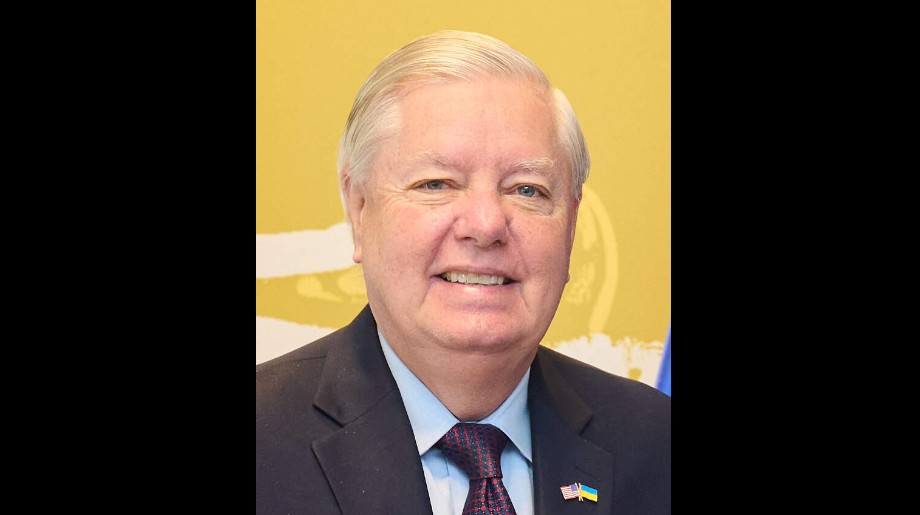
  • Trump ally and longtime US Senator Lindsey Graham dies at 71 after sudden illness

    Trump ally and longtime US Senator Lindsey Graham dies at 71 after sudden illness

    Veteran Republican Senator Lindsey Graham of South Carolina, one of the most high-profile figures shaping United States foreign policy and a late-in-career close ally of President Donald Trump, has passed away at age 71 after what his Senate office termed a “brief and sudden illness.”

    Graham’s death was announced shortly after he died at his Washington, D.C., home on Saturday evening. The senior lawmaker had only returned one day prior from an official trip to Kyiv, Ukraine, where he held talks with Ukrainian President Volodymyr Zelensky. While Graham’s office has not released an official cause of death, multiple major US media outlets have confirmed that first responders were dispatched to his residence following reports of a cardiac arrest incident.

    President Trump was among the first to issue a public tribute to Graham, remembering the long-serving senator as a “true American Patriot” whose absence will be deeply felt across the country. Speaking exclusively to NBC News, Trump revealed he had spoken with Graham just hours before the senator’s passing. “He sounded great, but a little tired,” Trump said, adding that “[Graham] was a tough cookie in many ways and a good person.”

    First elected to the US House of Representatives before winning a Senate seat in 2002, Graham built a decades-long reputation as one of Washington’s most unapologetic foreign policy hawks. Over his career, he consistently pushed for robust US military intervention across the globe: he backed the 2003 invasion of Iraq in the wake of the September 11 attacks, publicly opposed the 2021 withdrawal of US troops from Afghanistan, and emerged as one of the most vocal congressional supporters of sweeping military and financial aid packages for Ukraine amid Russia’s ongoing invasion. Just one month before his death, Graham made headlines for a televised interview warning that the US would “obliterate” Iran if it attempted to seize control of the strategic Strait of Hormuz, a statement that aligned with his lifelong hard-line stance on national security issues.

    Graham’s passing came as a sudden shock to political circles in Washington. The senator had shown no visible signs of poor health ahead of his Ukraine trip, and was scheduled to appear as a lead guest on NBC’s flagship Sunday morning public affairs program *Meet the Press* the day after he died.

    A defining throughline of Graham’s later political career was his dramatically shifting relationship with Donald Trump. During the 2016 Republican presidential primary, Graham stood as one of Trump’s most fierce critics, famously labeling the then-candidate a “race-baiting, xenophobic, religious bigot” and warning Republican colleagues that nominating Trump would guarantee a general election defeat. In the aftermath of the January 6, 2021 attack on the US Capitol, Graham publicly split with Trump, telling the Senate: “Trump and I, we’ve had a hell of a journey. I hate it to end this way. All I can say is count me out. Enough is enough.”

    Yet the two political figures gradually repaired their rift. Graham voted to acquit Trump during his second impeachment trial, evolved into one of Trump’s most reliable allies in the Senate, and threw his full weight behind Trump’s successful 2024 presidential campaign. In a 2023 interview with the BBC, Graham acknowledged Trump’s well-documented flaws but defended his presidency, pointing to his record on border security, conservative judicial appointments, and the 2020 drone strike that killed top Iranian military commander Qasem Soleimani.

    Tributes have poured in from world leaders in the days following Graham’s death. Israeli Prime Minister Benjamin Netanyahu called Graham one of the State of Israel’s greatest friends in US politics, noting that the senator “understood that the security of Israel and America are inseparable.” Zelensky also honored Graham’s unwavering support for Ukraine, releasing a statement thanking him for his consistent backing since the start of Russia’s full-scale invasion.

    Born in the small town of Central, South Carolina, Graham faced devastating personal hardship at a young age: he lost both of his parents while still attending university, and stepped forward to raise his younger sister, whom he later legally adopted. After earning a law degree from the University of South Carolina, Graham launched his professional career as a military lawyer in the US Air Force, later serving in the Air National Guard and Air Force Reserve before retiring with the rank of colonel.

    Graham never married and had no children. Earlier this year, he secured the Republican nomination to run for a fifth Senate term in the 2026 midterm elections.

    His death creates an unexpected vacancy in the US Senate at a politically pivotal moment for the country. Per South Carolina state law, Republican Governor Henry McMaster will appoint an interim senator to fill the seat through the end of Graham’s current term, with a permanent successor set to be elected by voters in November’s midterms. Prior to Graham’s passing, Republicans held a narrow 53-47 majority in the Senate, meaning the upcoming special election to fill his seat will carry outsize importance in the ongoing battle for partisan control of the upper chamber.

  • DOWASCO: Water Sector Strategic Development Project nears completion after CDB grants deadline extension

    DOWASCO: Water Sector Strategic Development Project nears completion after CDB grants deadline extension

    Dominica’s ambitious national water infrastructure overhaul is moving closer to completion, despite unexpected climate-related disruptions and implementation hurdles, according to the island’s state-owned water utility. The Dominica Water and Sewerage Company Limited (DOWASCO) announced this week that the Caribbean Development Bank (CDB) has greenlit a six-month extension for the Water Sector Strategic Development Project (WSSDP), pushing the final disbursement deadline from March 30 to September 30, 2026, to give contractors sufficient time to wrap up remaining works and deliver the initiative’s core development goals.

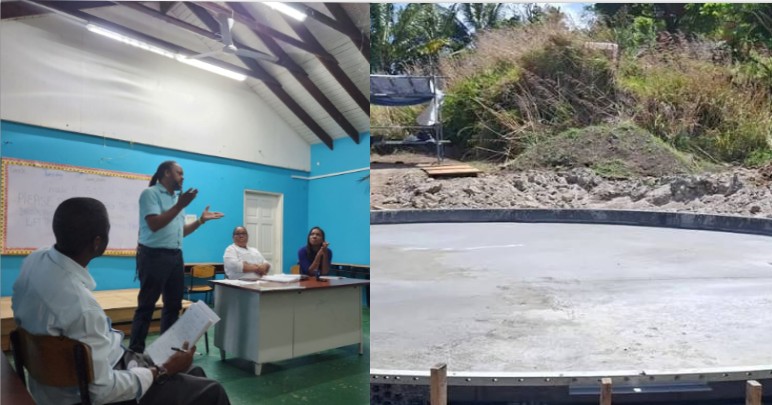
    The multi-component upgrade project has already marked major milestones across its infrastructure components, DOWASCO confirmed in an official press release. Seven of the nine planned Glass-Fused-to-Steel water storage tanks have been fully constructed across six communities: Castle Bruce, Calibishie, Morne Jaune, Grand Fond, Salisbury, and Grand Savanne. Preparatory concrete work for the base of the eighth tank, located in Morne Rachette, was scheduled to kick off by July 8. Once all nine tanks are operational, they will add roughly 1.195 million imperial gallons of collective water storage capacity to the national network, guaranteeing at least two full days of water supply for served communities and drastically boosting the reliability and climate resilience of Dominica’s water system.

    Substantial progress has also been recorded on pipeline installation across the project area. Pressure testing for new pipelines in Castle Bruce is nearly complete, with testing for the Calibishie segment set to start imminently. After successful testing, crews will move forward with pipeline disinfection, transfer of existing service connections, and final road restoration. In the interim, DOWASCO has prioritized temporary trench reinstatement to maintain safety and access for local drivers and residents.

    In the coming weeks, crews will tackle additional key works including river and ravine crossing installations in Coulibistrie and Morne Jaune, as well as the construction of three dedicated pump houses and four chlorinator facilities. Design adjustments to portions of the pipeline network required the ordering of extra pipes and fittings, which are scheduled to arrive in mid-August. Once the materials are delivered, crews will complete the remaining pipeline laying in the Morne Rachette area.

    The project faced an unexpected setback in April 2026, when severe flooding triggered by intense rainfall from a tropical trough system hit Dominica’s east coast. The extreme weather sparked multiple landslides in the Castle Bruce area, where a shift in the course of a Senhouse River tributary caused severe erosion at one tank construction site and damaged the site’s access road. An upstream landslide formed a temporary natural dam that eventually collapsed, sending a large mudslide downstream that left widespread flooding, erosion, and debris deposition in its wake.

    While the extreme weather event damaged one project site, DOWASCO emphasized that the disruption underscores the urgent need for the WSSDP’s core focus on climate-resilient infrastructure. After evaluating multiple engineering solutions, the utility confirmed the optimal path forward is to dismantle the partially completed affected tank and reconstruct it at a new, more geologically secure location on a purpose-built concrete foundation, with disassembly set to begin shortly. Remedial work is already underway to stabilize eroded pipe trenches and repair access roads damaged during the flood event.

    The final phase of the project will focus on raw water intake infrastructure, including the construction of new intakes at Castle Bruce and Coulibistrie, and the rehabilitation of aging existing intakes at Grand Fond and Calibishie. This final set of works will be funded through local counterpart financing from Dominican authorities.

    Funded by the United Kingdom Foreign, Commonwealth and Development Office via the UK Caribbean Infrastructure Fund, the WSSDP is administered by the CDB in partnership with the Government of Dominica and DOWASCO. DOWASCO reaffirmed its commitment to delivering a successful final project, thanking local residents and all stakeholders for their patience and cooperation throughout the multi-year implementation process. Once complete, the initiative will transform Dominica’s water infrastructure, locking in long-term improvements to service reliability, expanded storage capacity, and enhanced climate resilience for the national water supply system.

  • Dr. McIntyre pledges to protect regional stability as he assumes ECCB Monetary Council chairmanship

    Dr. McIntyre pledges to protect regional stability as he assumes ECCB Monetary Council chairmanship

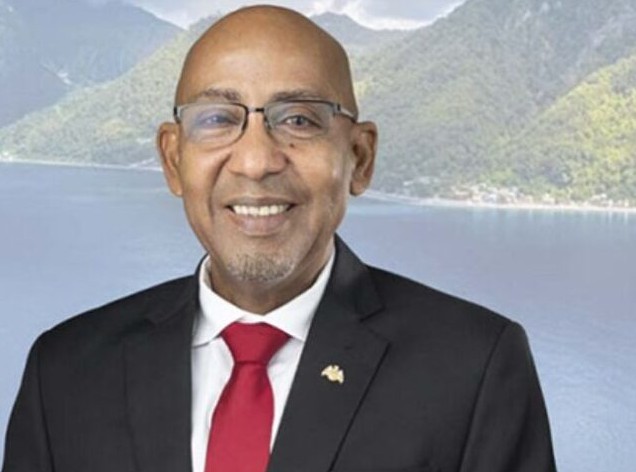
    In a formal handover ceremony held this week at the InterContinental Dominica Cabrits Resort & Spa in Portsmouth, Dominica’s Minister of Finance Dr. Irving McIntyre officially assumed the rotating chairmanship of the Eastern Caribbean Central Bank (ECCB) Monetary Council, inheriting the role from Antigua and Barbuda Prime Minister Gaston Browne.

    With his appointment, Dr. McIntyre has made a public pledge to prioritize protecting the financial welfare of more than 650,000 residents spread across the eight member jurisdictions of the Eastern Caribbean Currency Union (ECCU), a bloc that stretches from the northern territory of Anguilla all the way south to Grenada.

    Speaking at the event, Dr. McIntyre opened his remarks by expressing deep humility and gratitude for the trust placed in him and in the government and people of Dominica by fellow council members. He reaffirmed a steadfast commitment to advancing cross-regional collaboration as the foundation of the bloc’s collective success. “On behalf of the Government and the people of the Commonwealth of Dominica, I accept the chairmanship of this distinguished Monetary Council with humility, gratitude, and an unwavering commitment through regional cooperation,” he stated.

    Dr. McIntyre did not shy away from acknowledging the significant headwinds facing the Eastern Caribbean region, noting that growing volatility in global geopolitics and international markets has created widespread economic uncertainty that complicates the bloc’s policy work. Despite these challenges, he emphasized that the member states retain unshakable resolve to protect the currency union’s monetary and financial footing. “Yet amidst these uncertainties, our resolve remains firm,” he said. “Together we will continue to safeguard monetary and financial stability while accelerating the transformation of our economies to deliver sustainable, inclusive and shared prosperity for all our people.”

    The finance minister pointed out that current global conditions create substantial barriers to the region’s long-term economic transformation goals. He shared official projections showing that average economic growth across the ECCU is expected to land just below 3% for both 2026 and 2027, a rate that falls far short of the 7% annual growth the bloc needs to meet the development aspirations of its populations. “This reality demands purposeful and coordinated action,” he added.

    Established as the highest policy-making body of the ECCB, the Monetary Council brings together the finance ministers from each of the ECCU’s eight full members: Anguilla, Antigua and Barbuda, the Commonwealth of Dominica, Grenada, Montserrat, Saint Kitts and Nevis, Saint Lucia, and Saint Vincent and the Grenadines. The chairmanship of the council rotates on an annual basis, following an alphabetical order of member states to ensure equal opportunity for leadership across the bloc.

    Beyond the leadership handover, the ceremony also marked a milestone in the history of the Eastern Caribbean currency: officials used the event to unveil a fully redesigned collection of EC dollar banknotes and coins. The updated currency series was launched to celebrate the 50th anniversary of the EC dollar’s long-standing fixed exchange rate peg to the United States dollar, a policy that has anchored regional financial stability for half a century.

  • Aspirers Athletics Club adds four more gold medals at Trupial Classic

    Aspirers Athletics Club adds four more gold medals at Trupial Classic

    On the second competition day of the annual Trupial Classic, held on Saturday morning, Dominica’s Aspirers Athletics Club delivered another dominant display of field event prowess, extending its already impressive standing at the tournament by adding 10 total medals to its overall tally, alongside a series of career-best performances from up-and-coming domestic athletes.

    Leading the charge for the club was multi-event standout Khaarim John-Baptiste, who claimed two gold medals across open categories: topping the podium in both open men’s high jump and open men’s long jump. The remaining two gold medals went to Delanie George, who secured first place in the Under-17 boys’ high jump, and Zidan Cornelius, who took top honors in the Under-13 boys’ long jump.

    The Dominican club’s medal haul did not end at gold. Four silver medals were added to the delegation’s count, with podium finishes spread across multiple events. Chantay Joseph earned silver in open girls’ high jump, Khumaar John-Baptiste took second place in open boys’ high jump, Jaden Joseph claimed silver in open boys’ long jump, and Zaiden Cornelius rounded out the silver medal finishes with a runner-up result in the Under-17 boys’ javelin throw.

    Two bronze medals completed the club’s 10-medal haul for the morning session. Omari Caesar notched a third-place finish in the Under-15 boys’ long jump, while Khumaar John-Baptiste capped off an all-around strong individual performance by adding bronze in open boys’ long jump to his earlier silver medal, securing two podium finishes in a single day of competition.

    Beyond the medal haul, the morning session brought landmark personal achievements for several Aspirers athletes, including three new lifetime best results. The most notable of these breakthroughs came from discus thrower Arl Larocque, who had spent months training to break the 40-meter barrier. Competing unopposed in his event, Larocque hit a new personal best of 40.70 meters, finally clearing the long-sought milestone.

    Saturday’s results reinforce Aspirers Athletics Club’s reputation as one of the top-performing teams at the Trupial Classic, with the organization consistently placing among the leaders across a wide range of age groups and field events. The consistent success of its athletes also highlights the steady development of young track and field talent across Dominica, a cohort that has already notched multiple notable results at regional-level competitions throughout 2026.

    Following the conclusion of Saturday morning’s field event schedule, the Aspirers delegation has turned its focus to the afternoon and evening’s relay festival, where the club will look to add even more medals to its tally and extend its winning run at the 2026 Trupial Classic.

  • LIVE: DCOA Panel Discussion on Legal Rights and Protection of Seniors

    LIVE: DCOA Panel Discussion on Legal Rights and Protection of Seniors

    The submission for news rewriting and analysis only includes social media sharing options (Share, Tweet, Share, Pin) and a link to an image hosted on an external server, with no actual textual news content provided. Without the full body of the original news report, including core event details, background context, source information and key claims, it is impossible to complete the in-depth analysis, framework reconstruction and content rewriting required. This situation often occurs when content is copied incompletely from a web page, where only interface elements and media links are captured rather than the actual news story. Users are advised to re-submit the complete full text of the original English news to receive the requested processing and analysis.