标签: Dominica

多米尼克

  • Chief Election Officer urges eligible voters to complete confirmation as October 15 deadline looms

    Chief Election Officer urges eligible voters to complete confirmation as October 15 deadline looms

    With just 90 days left to meet the October 15, 2026 cut-off, the nation’s Electoral Office has launched a public call for all eligible electors to finalize their voter confirmation process ahead of schedule, warning of disenfranchisement for those who miss the deadline. The ongoing voter confirmation initiative, which first launched on October 15, 2025, has now entered its final phase, according to an official audio announcement from Chief Election Officer Anthea Joseph.

    Joseph emphasized that the verification and approval process for voter status requires a set processing window, meaning any elector who fails to submit and complete their confirmation before the deadline will face automatic removal from the official national voter list. Once removed, individuals will lose their eligibility to cast ballots in both upcoming village council and general elections until they complete a formal status restoration process as outlined in electoral law, a process that can cause unnecessary delays and disenfranchisement.

    To complete the mandatory confirmation, most applicants are required to present a valid, government-issued photo identification card and attend their processing appointment accompanied by a registered witness who resides in their assigned polling district. For electors who do not currently hold a valid government-issued ID, the Electoral Office has established an alternative pathway to confirmation: eligible individuals may submit a formal affidavit signed by an authorized official including a Justice of the Peace, Notary Public, or Commissioner of Oaths, paired with an up-to-date passport-sized photograph and an official birth certificate.

    Looking ahead to the final quarter of the exercise, Joseph noted that the Electoral Office is already preparing for a last-minute surge in applications as the deadline draws near. To help voters plan ahead, she confirmed that the full confirmation process takes roughly 30 minutes to complete, framing the requirement as a critical safeguard for democratic participation and the integrity of electoral processes. As of the latest official update, 20,454 voters have already submitted their confirmation applications, with 19,007 of those requests already approved. Alongside routine confirmation, 1,735 first-time applicants have submitted new voter registration requests, of which 1,489 have been cleared and added to the voter rolls.

  • Caribbean disaster responders undergo training to strengthen emergency relief distribution

    Caribbean disaster responders undergo training to strengthen emergency relief distribution

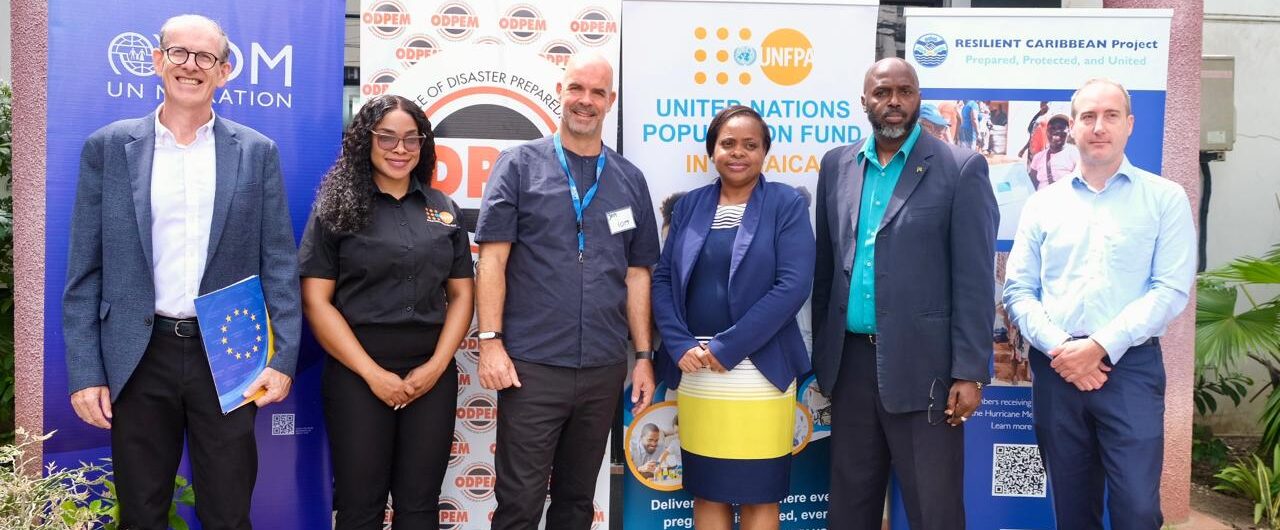
    KINGSTON, Jamaica – Twenty-four seasoned disaster response professionals from four Eastern Caribbean nations have convened in Jamaica’s capital for a targeted three-day training initiative designed to fix a longstanding critical gap in regional disaster relief operations. Launched on July 14 at the headquarters of Jamaica’s Office of Disaster Preparedness and Emergency Management (ODPEM), the Last Mile Distribution Training of Trainers aims to build a self-sustaining network of local experts capable of delivering emergency supplies faster, more fairly, and more safely to vulnerable communities hit by extreme weather events.

    Participants in the workshop hail from Dominica, Jamaica, Saint Lucia, and Saint Vincent and the Grenadines, drawing representatives from national disaster management agencies, local humanitarian organizations, and community-level response groups. The program is hosted by ODPEM, with technical facilitation provided by three leading regional and global bodies: the International Organization for Migration (IOM), the Caribbean Disaster Emergency Management Agency (CDEMA), and the United Nations Population Fund (UNFPA). The entire initiative is funded by European Union Humanitarian Aid as part of the broader Resilient Caribbean Project, a regional effort to strengthen disaster preparedness and address disaster-related displacement across the Caribbean.

    The training directly responds to key findings from a 2025 regional needs assessment, which flagged last-mile distribution – the final stage of getting emergency aid from central storage hubs to individual affected households – as one of the most significant weaknesses in the Caribbean’s disaster response ecosystem. Recent high-impact hurricanes have underscored the urgency of addressing this gap: during 2024’s Hurricane Beryl and 2025’s Hurricane Melissa, damaged road networks and destroyed critical infrastructure left many vulnerable families waiting days or longer for essential supplies including tarpaulins for emergency shelter, solar lanterns for power, and personal hygiene kits.

    Unlike traditional classroom-based training, the program prioritizes hands-on practical learning, with participants completing immersive simulation exercises that replicate the chaotic conditions of a post-disaster environment. The comprehensive curriculum covers every stage of the last-mile process, from pre-distribution planning and beneficiary registration to organizing distribution sites and managing crowd flow. It also addresses often-overlooked critical priorities including accountability to affected communities, protection from gender-based violence and exploitation at relief sites, end-to-end supply chain management, pre-positioning stock readiness, and post-distribution monitoring to identify gaps and improve future operations.

    Patrice Quesada, IOM Caribbean Coordinator, emphasized that building local expertise is the foundation of long-term improvement in regional disaster response. “When Caribbean responders are trained and empowered to pass their knowledge on to others, we build a lasting, self-sufficient pool of professionals who can run safe, dignified aid distributions that meet the unique needs of our region,” Quesada explained.

    Richard Thompson, Deputy Director General of ODPEM, echoed this sentiment, noting that local responders have unmatched insight into the needs of their own communities. “This training doesn’t just bring new concepts – it gives frontline workers practical, tested tools they can put to use immediately after they return home,” Thompson said. “When the next storm hits, people across Jamaica and the Caribbean will get the aid they need, exactly when they need it.”

    Organizers stress that effective last-mile systems are particularly critical for families displaced by disasters, as they ensure aid is delivered in a safe, orderly, and respectful manner while keeping affected communities informed at every step of the process. Andre Fache, Programme Manager at the Delegation of the European Union to Jamaica, Belize and The Bahamas, reaffirmed the EU’s long-term commitment to strengthening regional disaster management capacity.

    “Strengthening institutional and technical capacities at both national and regional levels remains a key priority for the European Union,” Fache said. “Effective last-mile distribution is essential to ensure that life-saving assistance reaches the most vulnerable people quickly, safely, and equitably.”

    Once the training concludes, each participant – now a certified master trainer – will return to their home country and organization to deliver the same curriculum to local frontline workers. This train-the-trainer model is expected to expand the initiative’s impact to reach roughly 300 additional disaster response personnel across the Caribbean. Graduates will also join a new regional community of practice, designed to promote shared standards for last-mile distribution and foster ongoing cross-border collaboration during future disaster responses.

    This training is the first of two regional capacity-building events supported by the Resilient Caribbean Project. From July 21 to 23, 2026, a second advanced training focused on emergency shelter management will take place in Barbados, continuing the project’s work to build a more resilient Caribbean better equipped to handle the growing threat of climate-fueled extreme weather events.

  • Roseau South MP urges Newtown youth to seize opportunities as new initiative launches

    Roseau South MP urges Newtown youth to seize opportunities as new initiative launches

    A new community-focused initiative designed to unlock the potential of young people in Newtown has officially launched, with a senior local politician calling on area youth to seize every opportunity the programme offers to grow, lead, and shape a better future for their hometown and nation.

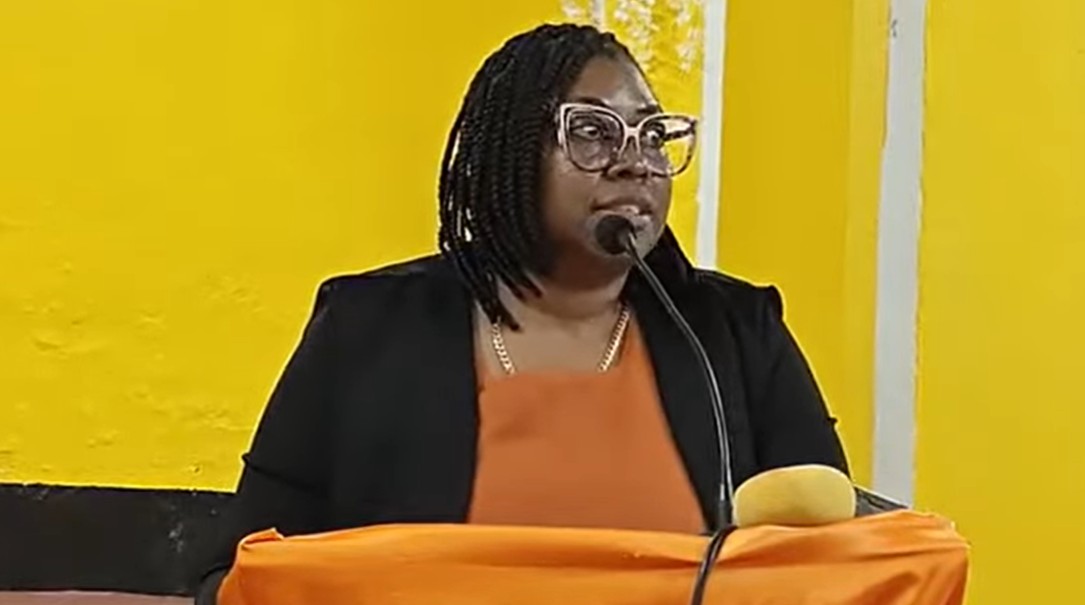
    Chekira Lockhart-Hypolite, the parliamentary representative for Roseau South Constituency, delivered the keynote address at the NYDP’s launch event held last week, where she laid out the core mission of the new programme and its long-term vision for local youth. Unlike outdated narratives that frame young people as only future leaders, Lockhart-Hypolite emphasized that young Newtown residents are already driving positive change today, brimming with original ideas, untapped creativity, and unique talents that can strengthen families, neighborhoods, and the entire country.

    Founded as a registered non-profit organization in August 2025, the NYDP grows out of more than 30 years of grassroots youth work in Newtown. The initiative traces its roots back to the 1993 Newtown Juvenile Football Academy, which later expanded into the popular Newtown After-School Football Programme. Unlike traditional youth programmes that focus on a single area of development, NYDP takes a holistic approach to supporting young people: it combines sports participation, academic support, public health outreach, life skills training, mentorship, and spiritual growth to address the full range of social and personal challenges facing local youth today.

    Speaking to gathered participants, community members, and volunteers at the launch, Lockhart-Hypolite explained that the programme was created to help young people identify their innate strengths, build lasting self-confidence, and cultivate the adaptable skills required to succeed in a fast-changing global economy. She reminded attendees that success is not predetermined by a person’s starting background or the obstacles they face along their journey; instead, it is forged through consistent perseverance and a lifelong commitment to learning and growth. “Success is built through determination to keep learning,” she told the crowd. “This programme presents an opportunity to grow stronger and wiser.”

    Lockhart-Hypolite urged participants to engage fully with all that the NYDP has to offer: to ask bold questions, lift up their peers, and cherish the connections, knowledge, and experiences that will come from their participation. “The friendships you build, the knowledge you gain, and the experiences that you share can open doors that you may never have imagined,” she said. She also encouraged young people to push past self-doubt and fear, noting that their perspectives, ideas, and ambitions hold real value for the entire community. “Remember that your voice matters, your ideas matter, your dreams matter,” she said. “Never allow fear or doubt to prevent you from pursuing your goals. Focus on your purpose and never stop striving for excellence.”

    The MP also used the launch event to honor the people who turned the vision for the NYDP into a reality. She paid public tribute to Joffre Faustin, a respected community elder and long-time advocate for the programme, who now serves as NYDP chairman. Lockhart-Hypolite shared that she held multiple planning conversations with Faustin over the years to develop the initiative, and noted that he was in attendance at the launch “sitting here very proudly because his plan is coming to fruition.” She also extended gratitude to the programme’s organizers, lead facilitators, and volunteer team, whose tireless dedication made the launch possible and is already laying the groundwork for a brighter future for Newtown.

    Lockhart-Hypolite reaffirmed her ongoing commitment as constituency representative to supporting youth-focused initiatives, arguing that strategic investment in young people is the most impactful investment a community can make. “Investing in youth is investing in the future of our constituency and our country by extension,” she explained. She added that through the NYDP, today’s participants may grow into the entrepreneurs, industry professionals, community leaders, artists, and innovators who will inspire the next generation of Newtown youth.

    In closing, she offered words of encouragement to all participants, urging them to embrace every learning opportunity the programme provides and work toward becoming the strongest version of themselves. “I want to wish each and every one of you success throughout this programme and beyond,” she said. “May you leave here inspired, empowered, and ready to make a positive difference wherever life takes you.”

  • OECS looks to French Caribbean for new solutions to region’s sargassum challenge

    OECS looks to French Caribbean for new solutions to region’s sargassum challenge

    A growing environmental crisis is pushing the Organisation of Eastern Caribbean States (OECS) to pursue targeted, collaborative solutions, drawing on hard-won expertise from neighboring French Caribbean territories to address the relentless influx of harmful sargassum seaweed. Backed by European Union funding, a regional delegation of technical experts and policymakers from nine OECS member states completed a five-day study tour in Martinique and Guadeloupe in early June, aimed at translating proven sargassum management practices into a coordinated regional framework that balances environmental protection with economic opportunity.

    The urgent need for action has intensified across the Eastern Caribbean as massive mats of sargassum continue to wash ashore, creating cascading harms for coastal communities and ecosystems. In vulnerable areas like Grenada’s Soubise fishing village, decomposing seaweed releases toxic fumes that disrupt daily life and threaten public health. Environmentally, the algae outbreak destroys critical mangrove habitats and coral reefs, accelerates coastal erosion, and blocks access to fishing grounds while damaging fishing gear, pushing small-scale fishing operations to the brink of disruption. For tourism-reliant regional economies, the unmanaged influx of rotting seaweed represents a steady threat to livelihoods and local economic stability.

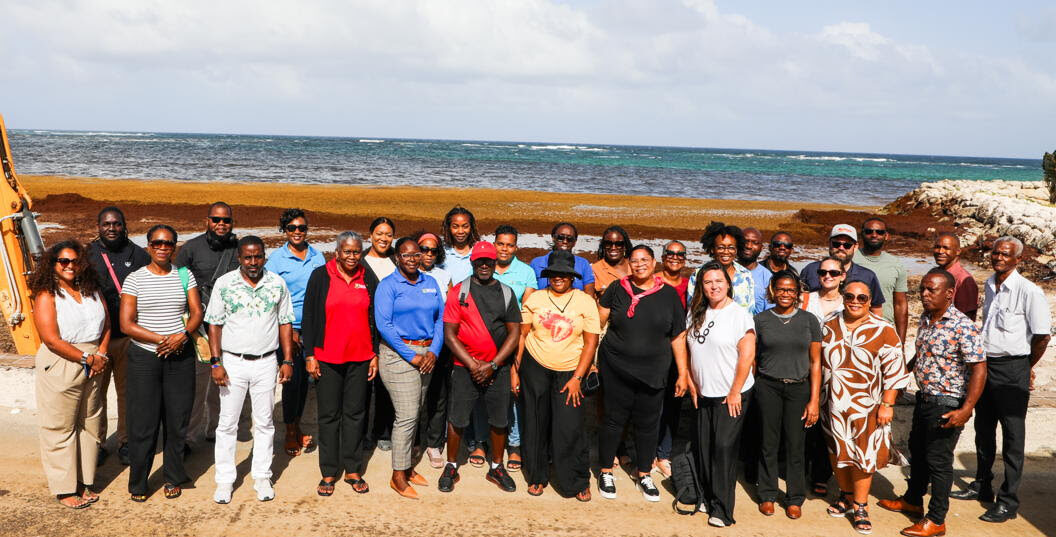
    During the June 1–5 mission, which was supported by the European Union’s 11th European Development Fund RIGHT Programme and the SARSEA project, delegates examined every stage of the integrated sargassum management system developed by the two French Caribbean outermost regions. The delegation observed offshore interception barriers and specialized harvesting barges that trap floating sargassum before it reaches sensitive shorelines, toured sites demonstrating low-impact manual collection techniques that avoid damaging beach ecosystems and sea turtle nesting habitats, and met with air quality monitoring agencies to learn about early-warning systems that track toxic gas emissions and alert at-risk coastal communities. Delegates also reviewed field safety protocols, including the use of personal gas monitors for response teams, a measure Grenada’s Ministry of Tourism representative Miklembly Bridgeman highlighted as critical to protecting frontline workers.

    A core focus of the study tour was exploring sargassum valorization—the process of converting collected seaweed from a costly waste product into a commercially valuable resource to boost the region’s blue economy. At the Holdex processing facility in Le François, Martinique, delegates saw first-hand how operational systems convert harvested sargassum into agricultural compost and renewable bioenergy. Early research shows that sargassum-based compost can boost agricultural yields by up to 14%, while processed seaweed also provides an affordable source of biogas for local energy production, turning a persistent crisis into an opportunity for sustainable economic growth.

    Susana Agüero, Programme Manager at the Delegation of the European Union to Barbados, the Eastern Caribbean States, the OECS, and CARICOM/CARIFORUM, noted that the shared challenge of sargassum influx creates unique opportunities for cross-regional learning. “Martinique is one of the French regions tackling the very same issues affecting economies, public health, and tourism across the wider Caribbean and OECS Member States,” Agüero explained. “They have built an integrated network using multiple approaches — from manual collection to specialized sea barriers and offshore harvesting. Furthermore, ongoing developments in storage and processing will soon convert sargassum into valuable commercial products, simultaneously protecting vulnerable sectors and community health.”

    Officials from the OECS say the insights gained from the mission will directly shape future regional policy and planning for sargassum management. Natasha Deterville-Moise, Officer-in-Charge of the OECS Economic Development Unit, emphasized the value of the collaborative approach during a roundtable discussion with local officials in Marie-Galante. “These operational insights will directly inform the development of robust regional mitigation and adaptation plans,” Deterville-Moise said. “By fostering active collaboration between public and private stakeholders, the OECS Commission is positioning the proven solutions in the French Territories as a practical framework for building a more resilient and sustainable Eastern Caribbean.”

    Moving forward, the OECS will work to adapt the French Caribbean’s operational practices, institutional frameworks, and public-private partnership models to fit the unique needs of Eastern Caribbean communities. The initiative is designed not only to address the immediate threat of recurring sargassum influxes but also to strengthen regional climate resilience, creating long-term, sustainable solutions for one of the Eastern Caribbean’s most persistent environmental and economic challenges.

  • COMMENTARY: Skills for a shared future

    COMMENTARY: Skills for a shared future

    As the global community marks World Youth Skills Day on July 15 this year, United Nations Secretary-General António Guterres has issued a stark reminder that unlocking the full potential of younger generations depends on large-scale investment in inclusive, high-quality education and skills training. Closing the growing global skills gap, Guterres emphasizes, is the key to generating widespread decent employment opportunities and building sustainable livelihoods for billions of young people around the world.

    Established by the UN General Assembly in 2014, World Youth Skills Day was created to draw global attention to the critical strategic role of equipping young people with the competencies they need for gainful employment, dignified work, and entrepreneurial success. This year’s observance centers on the theme “Skills for a Shared Future,” with a core focus on empowering youth with the full range of technical, artificial intelligence, digital, green, and social-emotional skills required to succeed in a fast-evolving global labor market and drive inclusive sustainable development. The annual event also spotlights young people’s unique role as agents of change in building more inclusive and resilient societies worldwide.

    The UN stresses that the global world of work is undergoing unprecedented transformation, driven by three major forces: the rise of artificial intelligence, the urgent global transition to green economies, and growing social complexity. These shifts are fundamentally reshaping how people learn, work, and engage with their communities. To navigate this changing landscape successfully, young people need far more than narrow technical training: they require a balanced mix of competencies that combines technical, digital, AI, green, social-emotional, and civic skills with irreplaceable human qualities that no technology can replicate.

    Even as global youth unemployment has seen a modest decline in recent years, youth joblessness and exclusion remain one of the world’s most pressing economic and social challenges. Data from the International Labour Organization’s (ILO) 2024 Global Employment Trends for Youth report shows that the global youth unemployment rate dropped to 13% in 2023 — a 15-year low that sits below the pre-pandemic 2019 rate of 13.8%. But this recovery has been deeply uneven across regions: youth unemployment rates in the Arab States, East Asia, and South-East Asia remained higher in 2023 than they were before the COVID-19 pandemic.

    Worse, one in five young people globally — and more than one quarter of all young women — fall into the NEET category, meaning they are not engaged in employment, education, or skills training of any kind. The global NEET rate for young women stands at 28.1%, more than double the 13.1% rate recorded for young men. Local data from Jamaica’s Statistical Institute, for example, puts the country’s youth unemployment rate at 11.7% as of April 2026, with young women carrying a disproportionately heavy share of that burden. Even for young people who do find work, decent, formal employment remains out of reach for most: more than half of all young workers are stuck in informal employment, and in low-income countries, three out of four young workers only hold self-employment or temporary positions with little to no job security or benefits.

    While targeted investment in green and blue economic sectors has the potential to create 8.4 million new jobs for young people by 2030, the UN emphasizes that these new roles must guarantee core labor standards, including equal pay, collective bargaining rights, and protection from workplace harassment.

    At the center of global efforts to close the youth skills gap is Technical and Vocational Education and Training (TVET), a sector that has long been unfairly stigmatized in many education systems around the world. A common but myopic narrative has framed TVET as a track only for less academically inclined students, but global education leaders say this outdated perspective must be completely reworked to meet 21st-century labor demands. As part of the UN’s 2030 Agenda for Sustainable Development, SDG 4 — which calls for inclusive and equitable quality education and lifelong learning for all — prioritizes expanding access to affordable, high-quality TVET, helping all people acquire the vocational skills needed for employment, closing gender skill gaps, and ensuring vulnerable groups can access training opportunities.

    Far from being a second-choice education track, TVET is uniquely positioned to address the overlapping economic, social, and environmental challenges facing the world today. It equips young people with the practical skills needed to enter the workforce, including skills for self-employment and entrepreneurship. It also makes education systems more responsive to shifting skill demands from employers and communities, boosts overall productivity, and increases wage levels for workers. By expanding work-based learning opportunities and ensuring skills gained are officially recognized and certified, TVET also reduces barriers to employment for marginalized groups, including low-skilled underemployed and unemployed workers, out-of-school youth, and NEETs.

    In the Caribbean region, the Caribbean Community (CARICOM) uses annual World Youth Skills Day observances to highlight the urgent need to equip Caribbean youth with 21st-century skills to drive employment and regional sustainable development. CARICOM partners with regional entities such as Jamaica’s HEART/NSTA Trust to expand and improve TVET programs across the region, with the goal of building a resilient, future-ready workforce. The annual day serves as a strategic platform to advance key regional priorities, including reducing regional import dependency through strengthening agricultural sectors, closing the digital divide, and supporting youth entrepreneurship across all member states. Even with these efforts, however, systemic barriers remain: global education systems are still marked by deep inequities that leave many young people — especially those living in rural and low-income communities — disadvantaged and excluded from quality training opportunities. This exclusion has contributed to widespread hopelessness among many young people globally.

    Disturbing UN data underscores the scale of the crisis: 86% of current students report they do not feel prepared to succeed in an AI-driven workplace. Some 450 million young people — 70% of the global youth population — are economically disengaged, due entirely to a lack of the skills demanded by the modern labor market. In many low- and middle-income countries, fewer than 1% of poor rural women complete secondary education, locking them into cycles of exclusion and poverty.

    Skills are far more than just a pathway to individual employment: they are transformative tools that can empower entire generations and build collective long-term wealth. Global leaders and education advocates are calling for a coordinated global movement to rekindle hope among marginalized young people. On this World Youth Skills Day, organizers stress that young people can only become a powerful positive force for global development when they have access to the knowledge and opportunities they need to thrive. In particular, young people need the targeted education and skill training required to contribute to productive, sustainable economies — and they need inclusive labor markets that can absorb them into meaningful work.

    This commentary was written by Wayne Campbell, an educator and social commentator focused on how development policies intersect with culture and gender equity.

  • CDB backs Grenada’s energy transition with financing for major battery storage project

    CDB backs Grenada’s energy transition with financing for major battery storage project

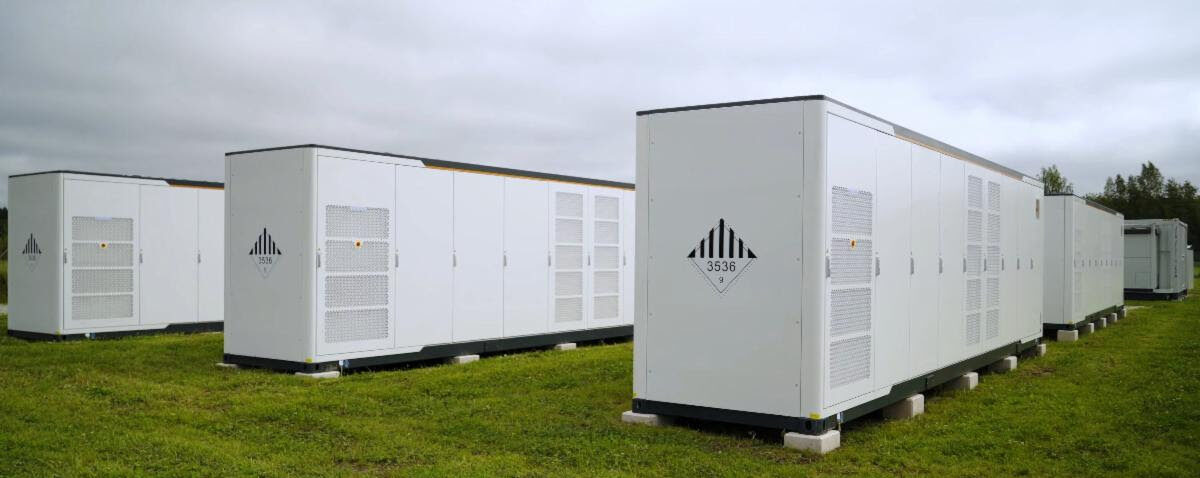
    Grenada is poised to deliver critical upgrades to its national electricity network and accelerate its shift to renewable energy, backed by a landmark collaborative financing initiative led by the Caribbean Development Bank (CDB). The multi-million dollar investment will fund the construction of a utility-scale Battery Energy Storage System (BESS) at the country’s Maurice Bishop International Airport, a project designed to address longstanding grid stability gaps and remove barriers to wider clean energy adoption.

    The financing package brings together grant and loan commitments from a coalition of global development partners, coordinated through the CDB. The bank is managing a combined $3 million in grant funding contributed by the United Kingdom’s Foreign, Commonwealth and Development Office (FCDO) and the European Union (EU). Complementing this grant support, the Government of Canada has committed a $5.7 million concessional loan through its Supporting Resilient Green Energy (SURGE) in the Caribbean programme. The World Bank is also contributing parallel financing to deliver complementary battery storage infrastructure and targeted grid modernization works, ensuring all new assets integrate seamlessly with Grenada’s existing energy network and align with the country’s long-term upgrade roadmap.

    CDB Director of Projects L. O’Reilly Lewis highlighted the collective impact of cross-institutional partnership in advancing shared climate and development goals. “This project is a powerful example of what can be achieved when multilateral banks, national governments and international development partners align around a common vision for a cleaner, more sustainable future,” Lewis said. “We are proud to lead this collaboration, and we expect this investment to deliver lasting gains for Grenada’s energy security and climate-smart economic development.”

    The EU emphasized that the investment is a core component of its broader commitment to supporting Caribbean energy transition under the bloc’s Global Gateway infrastructure initiative. Kyle Farnum, Energy Programme Manager at the EU Delegation to Barbados, the Eastern Caribbean States and the OECS, noted that reliable, accessible power is the foundation of resilient national economies. “This BESS project does more than just expand Grenada’s renewable energy footprint – it guarantees that clean power is available when consumers and businesses need it most,” Farnum explained. “It is part of a comprehensive, long-term partnership between the EU and Grenada that spans multiple clean energy technologies, all aligned with our shared climate goals.”

    For the United Kingdom, energy storage is a non-negotiable building block for creating more resilient power systems across the Caribbean’s small island developing states, which are disproportionately vulnerable to climate change and volatile global fossil fuel markets. Tom Coward, UK Development Director for the Caribbean and Executive Director at the CDB, noted that the project advances the UK’s regional ambition to build low-carbon, climate-resilient energy infrastructure. “Energy storage is the critical missing link that unlocks the full potential of variable renewable energy sources like wind and solar, while keeping grids stable and strengthening long-term energy security,” Coward said. “For small island nations like Grenada, expanding storage capacity is a vital step to cut reliance on costly imported fossil fuels, boost climate resilience, and lay the groundwork for sustainable, secure economic growth.”

    Canada reaffirmed its ongoing commitment to supporting climate adaptation and mitigation across the Caribbean through the SURGE programme. Her Excellency Brenda Wills, High Commissioner of Canada to Barbados and the Eastern Caribbean, said the investment reflects Canada’s focus on delivering practical, climate-smart solutions that deliver tangible benefits for regional communities. “This $5.7 million investment in BESS supports Grenada’s goals to strengthen energy resilience and advance low-carbon development, while advancing our shared regional priorities to cut emissions and reduce climate risk,” Wills said. “Through partnerships with the CDB and other global institutions, Canada is working to advance sustainable growth across the Caribbean that puts community needs first.”

    Grenada’s government has welcomed the initiative as a transformative step toward meeting the country’s climate and energy security targets. Peron Johnson, Permanent Secretary in Grenada’s Ministry of Climate Resilience, the Environment and Renewable Energy, thanked the CDB and its partner institutions for their sustained investment in the country’s clean energy future. “This BESS project is a game-changing investment that will dramatically strengthen the reliability and resilience of our electricity grid, make it easier to integrate larger volumes of renewable energy, and move us closer to our national goal of cutting dependence on imported fossil fuels,” Johnson said. “It demonstrates just how much strategic, multi-stakeholder partnerships can achieve in advancing Grenada’s climate resilience, energy security and sustainable economic development, and brings us one step closer to a cleaner, more affordable and more reliable energy future for all Grenadians.”

    Per the CDB’s project framework, Grenada Electricity Services Limited (GRENLEC) will oversee on-the-ground implementation of the BESS project through a subcontracting model designed to build local operational capacity while upgrading the country’s core energy infrastructure. The initiative is part of a broader, long-term investment programme aimed at boosting the resilience, reliability and renewable energy capacity of Grenada’s entire energy sector. It also aligns with the priorities laid out in the CDB’s 2026-2035 Strategic Plan, which identifies investment in resilient, sustainable energy systems across the Caribbean as a core institutional priority.

  • DSC graduates urged to embrace lifelong learning as world rapidly changes

    DSC graduates urged to embrace lifelong learning as world rapidly changes

    Last week, more than 300 students crossed the commencement stage at Dominica State College (DSC), marking a major milestone in their academic journeys while receiving bold guidance on what comes next from environmental lawyer and keynote speaker Annika Bellot.

    Bellot challenged the 2026 graduating class to reframe their hard-earned degrees: instead of seeing the credential as the final destination of their education, she argued it is tangible proof that they have already mastered the most critical skill for a fast-shifting modern world: the ability to learn new things.

    In a stirring address that redefined common ideas of leadership and success, Bellot pushed back against the narrow focus on immediate employment that often shapes new graduates’ priorities. “Leadership itself is not just a title, it’s not a position, it’s not just standing on a podium or being placed on a program; leadership is the decision to live in a way that expands what other people believe is possible in this life,” she told the crowd of graduates, family, and faculty.

    She went on to urge graduates to look beyond the question of what job they can secure immediately after graduation, encouraging them to instead reflect on deeper questions: what kind of person they want to become, what spaces they need to enter to grow into that person, and what new skills, perspectives and conversations they need to pursue along the way.

    Bellot emphasized that the rapidly changing global landscape makes lifelong adaptability far more valuable than static knowledge. Industries shift, climate change reshape economies, technology redefines daily life, and artificial intelligence is already transforming the very nature of work, she noted. In this new world, she said, success will not go to those who only know how to complete a fixed set of tasks. Instead, the future will reward continuous learners: people who can adapt, think across disciplinary lines, communicate clearly, solve complex problems, and approach challenges with creative, unconventional thinking.

    Beyond professional preparedness, Bellot added that the emerging generation of Dominican nurses, teachers, entrepreneurs, public servants and community leaders must cultivate a lasting curiosity about the world around them to drive meaningful change across the island nation.

    Following Bellot’s keynote, DSC Interim President Trudy Christian reflected on the institution’s 23-year history of expanding access to education across Dominica. Though the college is still in what Christian called its “fledgling stage of adulthood,” she noted that it has already made extraordinary contributions to building human capital for every sector of the Dominican local economy.

    Unlike many specialized post-secondary institutions, DSC has structured its offerings to meet the diverse needs of Dominican learners: it currently delivers more than 30 distinct academic programs that combine technical and vocational education and training (TVET) with nursing education, teacher training, and a broad range of arts and science disciplines all under one institutional umbrella. Christian explained that beyond the annual cohort of full degree graduates, the college also boosts the employability of hundreds more community members each year through short courses and professional development training programs, all delivered by a team of roughly 140 full-time dedicated faculty and staff.

    Christian highlighted that the college’s work would not be possible without consistent investment and support from the Dominican government, private sector partners and a network of community collaborators, expressing deep gratitude for that ongoing backing. She also addressed public policymakers and institutional leaders who may grow frustrated by the slow pace of incremental progress when large long-term goals remain unmet. When policymakers ask what return they get on their investment in DSC, Christian said the impact of the institution cannot be measured in immediate, short-term gains. The work of the college is rooted in generational transformation and long-term national transformation – outcomes that will deliver lasting, meaningful glory for the entire nation, she emphasized.

    As a testament to DSC’s outsize impact on Dominican society, Christian noted that in 2026 alone, DSC alumni were selected as featured commencement speakers at nearly every secondary school graduation across the country. These invitations were extended to alumni specifically because of their proven contributions to Dominican society and their ability to inspire the next wave of young learners, Christian added, offering clear evidence that the college’s investment in students is rippling across generations.

  • Skerrit calls for broader regional approach to security at Martinique conference

    Skerrit calls for broader regional approach to security at Martinique conference

    From July 1 to 3, 2026, two landmark regional gatherings – the Antilles Regional Security Conference and the 19th Antilles-Guyane Regional Cooperation Conference (CCRAG) – convened at the Université des Antilles in Martinique, bringing together political leaders, security officials, and regional bloc representatives from across the Caribbean and beyond to address interconnected modern challenges and deepen cross-territory collaboration.

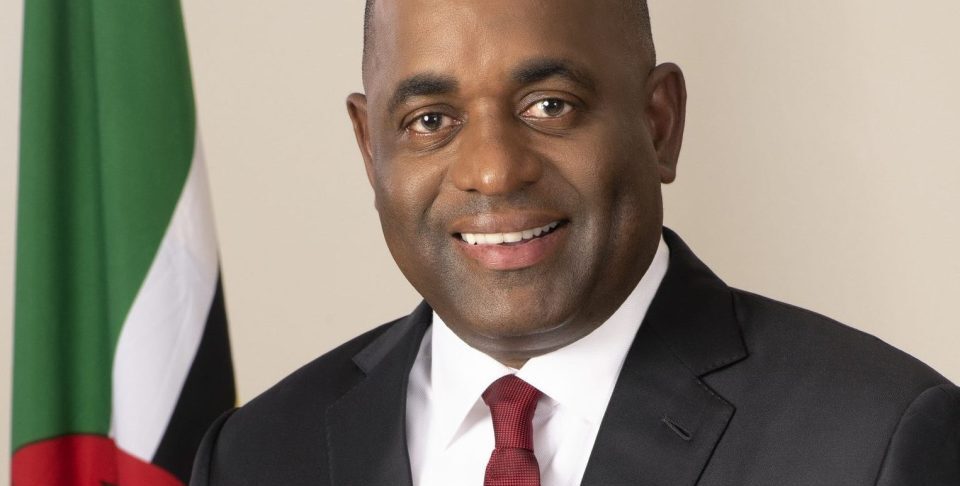
    Hosted by the Territorial Collectivity of Martinique (CTM) and overseen by France’s Ambassador-at-Large for Regional Cooperation in the Atlantic Region Arnaud Mentré, the conferences centered on a redefined vision of regional security, one that moves far beyond traditional law enforcement and countercrime frameworks. Opening the discussions, Dominica Prime Minister Roosevelt Skerrit, a key voice for Caribbean small island states, emphasized that 21st-century security encompasses a broad spectrum of interconnected priorities that no single nation can tackle alone. “Security today must be viewed differently,” Skerrit told assembled delegates. “It extends well beyond policing and defense. It includes protecting our maritime borders, strengthening cybersecurity, securing energy and food systems, and building resilience to natural disasters. These issues are felt collectively, and our response must be fully integrated. We cannot speak about security in isolation. For countries like ours, security is inseparable from climate resilience and economic stability.” Skerrit’s call for a comprehensive, coordinated cross-regional approach resonated across the three days of talks, aligning with growing recognition among Caribbean nations of overlapping shared vulnerabilities.

    Territorial leaders used the gathering to advance both regional integration and domestic autonomy priorities. Martinique President Serge Letchimy framed regional integration as a cornerstone of the territory’s long-term economic growth, noting Martinique’s unique dual position as an outermost region of the European Union and a recent member of the Caribbean Community (CARICOM). Letchimy called for renewed negotiations with France and the EU under the EU-ACP partnership framework to secure Martinique a stronger voice in trade negotiations between the Caribbean bloc and Europe. On the first day of the conference, Letchimy also oversaw the signing of a new agreement with the French central government to launch talks on expanding Martinique’s local legislative powers, a reform designed to increase the territory’s autonomous decision-making capacity while preserving its status within the French Republic. Echoing Letchimy’s call for deeper collaboration, he noted that shifting global supply chain realities leave Caribbean territories with no alternative but to build new partnerships: “We have no choice but to seek different supply chain pathways; we have no choice but to work with all the Caribbean countries in research and development, innovation and biodiversity.”

    Louis Mussington, President of the Collectivité of Saint Martin, echoed the call for governance structures tailored to local needs within the EU framework, and highlighted the urgency of cooperation amid rising global economic uncertainty. Saint Martin joined the Organisation of Eastern Caribbean States (OECS) in 2025, a step Mussington said reflected the growing importance of regional alignment. “Regional Caribbean cooperation never made as much sense as of now, given the rise of the economic insecurity sentiment in this global context,” Mussington said. “We need to be creative to imagine a multisectoral cooperation which takes into account our status.” He added that it was past time to resolve long-standing contradictions in regional governance: “It is time to go beyond paradoxes. It is time to modernize our working methods, for [the] convergence of our interests in the region supported by the reinforcement of our capacity of action.”

    Beyond security and governance, the conference also prioritized unlocking growth for the Caribbean’s creative economy. Saint Martin formally presented its long-planned proposal for a Caribbean Audiovisual and Cinema Network, to be hosted through the OECS. The initiative was first unveiled at the 49th OECS Commissioners Meeting in April 2026 and submitted to the OECS Authority for review in June 2026. OECS representatives also shared key findings from the 2025 OECS Creative Sector Survey during targeted workshops, data that will inform the development of the bloc’s new Orange Economy Strategy. The strategy aims to boost cross-regional collaboration across creative sectors, supporting joint production, improved access to financing, targeted skills development, and expanded distribution networks for Caribbean creative content. Patrick Sellin, representing the Regional Council of Guadeloupe, emphasized that meaningful regional integration cannot be mandated from above, but must be built through consistent, practical action: “Experience teaches us that regional integration cannot be decreed. It is built with consistency, confidence, and method. It relies on an affirmed political will, solid institutions, and projects useful to our populations.”

    The dedicated Antilles Regional Security Conference focused heavily on coordinated action to disrupt transnational drug trafficking and organized crime, bringing together senior officials from France, Caribbean and Latin American partner states, and major multilateral security bodies. Attendees included French Minister for Europe and Foreign Affairs Jean-Noël Barrot, Minister for Overseas France Naïma Moutchou, and Minister Delegate to the French Minister of the Interior Jean-Didier Berger, alongside representatives from the Regional Security System (RSS), Association of Caribbean States (ACS), Organisation of American States (OAS), and United Nations Office on Drugs and Crime (UNODC). French authorities used the conference to announce new plans to ramp up anti-drug trafficking operations across its Caribbean overseas territories and deepen operational cooperation with neighboring Caribbean nations. Officials also disclosed that nearly 52% of all drugs seized by France nationwide in 2025 – 42 tonnes of a total 81 tonnes – were intercepted in the Caribbean region, highlighting the critical role the area plays in global counter-narcotics efforts.

    By the conclusion of the conference on July 3, delegates had established new cross-border working groups focused on joint criminal investigations, judicial cooperation, and real-time intelligence sharing. The gathering closed with the formal adoption of the “Martinique Declaration,” a collective regional commitment to accelerating coordinated action against transnational criminal activity and advancing the integrated security agenda outlined by Skerrit and other regional leaders. The OECS was represented at the conferences by General Counsel Dwight Lay and Cooperation Officer Mendy Kilo.

  • Faustin hopes Newtown Youth Development initiative will inspire similar programmes across Dominica

    Faustin hopes Newtown Youth Development initiative will inspire similar programmes across Dominica

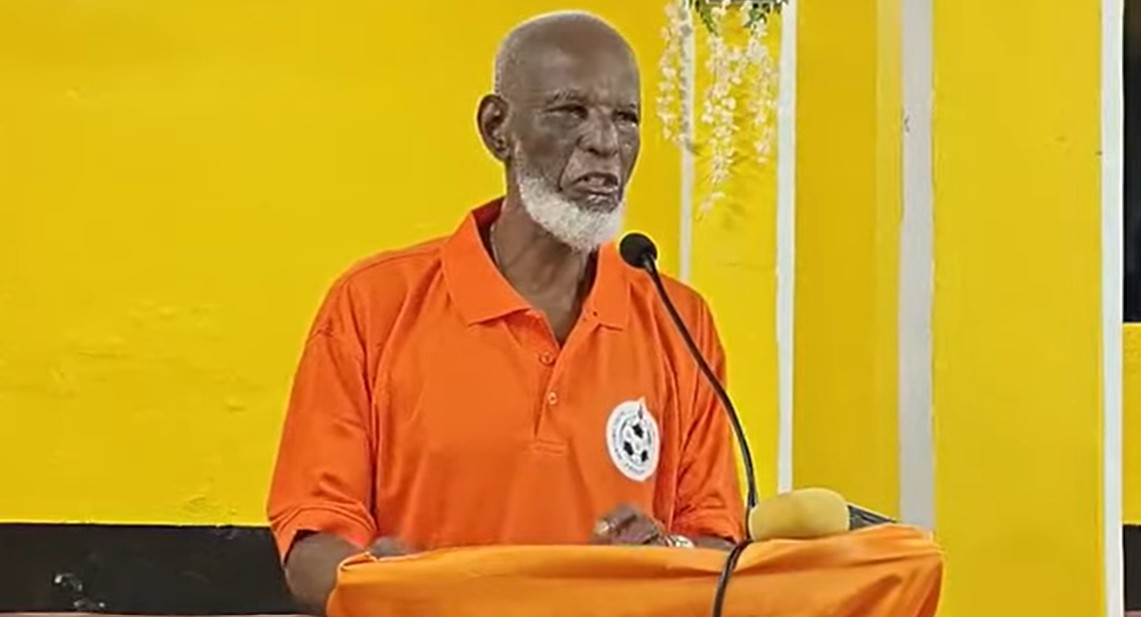
    On July 10, a landmark new initiative focused on uplifting young Dominicans officially entered its public phase: the Newtown Youth Development Program (NYDP), an ambitious non-profit movement built on decades of grassroots community work. At the official launch event, NYDP Chairman Joffre Faustin laid out the organization’s bold vision, noting that with consistent backing from community members and financial supporters, the program could set a benchmark for youth empowerment across the entire island nation.

    Faustin opened his address by emphasizing that the struggles facing Newtown’s young population are not isolated to this single community. Issues ranging from limited economic opportunity to harmful social behaviors impact neighborhoods across Dominica, he said, creating a widespread need for targeted, community-led intervention. It is this gap that NYDP aims to fill, with the long-term goal of inspiring replicated programs in every corner of the country. “It is therefore our hope that the Newtown Youth Development Program will serve as a model and an inspiration for similar initiatives across the country,” Faustin told attendees.

    To turn this vision into reality, Faustin stressed that the initiative will rely heavily on sustained partnership. Beyond one-time donations, the program needs ongoing generosity from private donors, corporate entities, and ordinary members of the public to fund its core operations and expand its reach. “We will depend greatly on the continued generosity of donors, corporate partners, and members of the public, whose financial contributions and other forms of support will be essential to our success,” he added.

    Far from being just another community organization, Faustin framed NYDP as a transformative social movement rooted in Newtown’s cultural and community identity. Its core missions include reviving the community’s historic connection to sports, shielding young people from harmful negative influences, and equipping the next generation with the tools they need to build stable, productive futures. While the official launch marked a key milestone, Faustin clarified that the bulk of the organization’s on-the-ground work is only just beginning.

    Looking ahead to the coming months, the first major initiative rolling out under the NYDP banner will be the distribution of donated supplies to young residents ahead of the new school year. Overseas partners have already contributed thousands of dollars worth of sports equipment, educational materials, and health supplies, all of which will be distributed directly to young people in the community. Parallel to this distribution effort, the NYDP team will continue fundraising to cover ongoing operational costs, roll out targeted development programming, and build broad buy-in across local communities.

    Faustin stressed that the scope of work ahead is substantial, and success cannot be achieved without widespread community commitment. Parents, local families, Newtown residents, and community members from surrounding areas all have a role to play in lifting the program and the young people it serves, he noted.

    The NYDP as it exists today was formally incorporated on August 30, 2025, but its origins stretch back more than 30 years to the 1993 founding of the Newtown Juvenile Football Academy. That early grassroots sports program expanded into the Newtown After-School Football Programme in 2017, and steady growth and community demand led organizers to expand the initiative into a full-spectrum youth development organization. A formal organizational constitution was adopted in December 2025, enshrining the group’s core mission: “the transformation of young lives through holistic development.”

    Faustin outlined the key social challenges the NYDP was created to address: drug and alcohol abuse, persistently high youth unemployment, rising rates of teenage pregnancy, growing school dropout numbers, increases in community crime and violence, and the steady decline of organized youth sports participation in Newtown. All these issues intersect to limit opportunity for young residents, and the NYDP aims to tackle them through a coordinated, holistic approach.

    Despite its formal launch only happening this month, the organization has already made significant progress on building its infrastructure. It has seated a fully functional executive committee and multiple specialized subcommittees, completed official non-profit registration, finalized governing bylaws, implemented strict financial accountability protocols, and arranged first aid certification training for active members. Most notably, it has already processed and taken delivery of more than $16,000 worth of donated sports, education, and health supplies from international partner organizations.

    Looking to the coming years, the NYDP has laid out an ambitious roadmap of projects. Key priorities include converting the former Roseau Boys’ School campus into a dedicated multi-purpose community center, upgrading underfunded local sporting facilities, securing scholarship funds and overseas training opportunities for high-potential young people, expanding structured mentorship and spiritual guidance programs, and partnering with faith-based and civic groups to deliver character development initiatives for youth of all ages.

    In his address, Faustin also took time to recognize the many individuals and organizations that made the launch possible. Longtime supporter Vivian Rene was singled out for praise, with more than 30 years of continuous support dating back to the original Newtown Juvenile Football Academy. The Roy Mason family was also recognized for their instrumental support that helped turn the small after-school football program into the full-scale NYDP initiative. Additional thanks went to the Dominica Lotteries Commission, AC Shillingford & Co. Ltd., and the dozens of other sponsors and donors whose financial backing made the official launch event possible.

    Speaking directly to the young people in attendance at the launch, Faustin issued a heartfelt call to action, urging youth to embrace the opportunities the program provides. “There are people—both here at home and abroad—who care deeply about you and are making sacrifices to ensure you can become better individuals,” he said. “Be appreciative of what is being done for you, take full advantage of the opportunities provided, and remain strong in the face of obstacles.”

    Faustin closed his address by calling for full community unity around the NYDP mission. “Let us commit ourselves to this cause. Let us work hand in hand. And let us ensure that when history looks back on this moment, it will say: This was the day Newtown began to rise again,” he said.

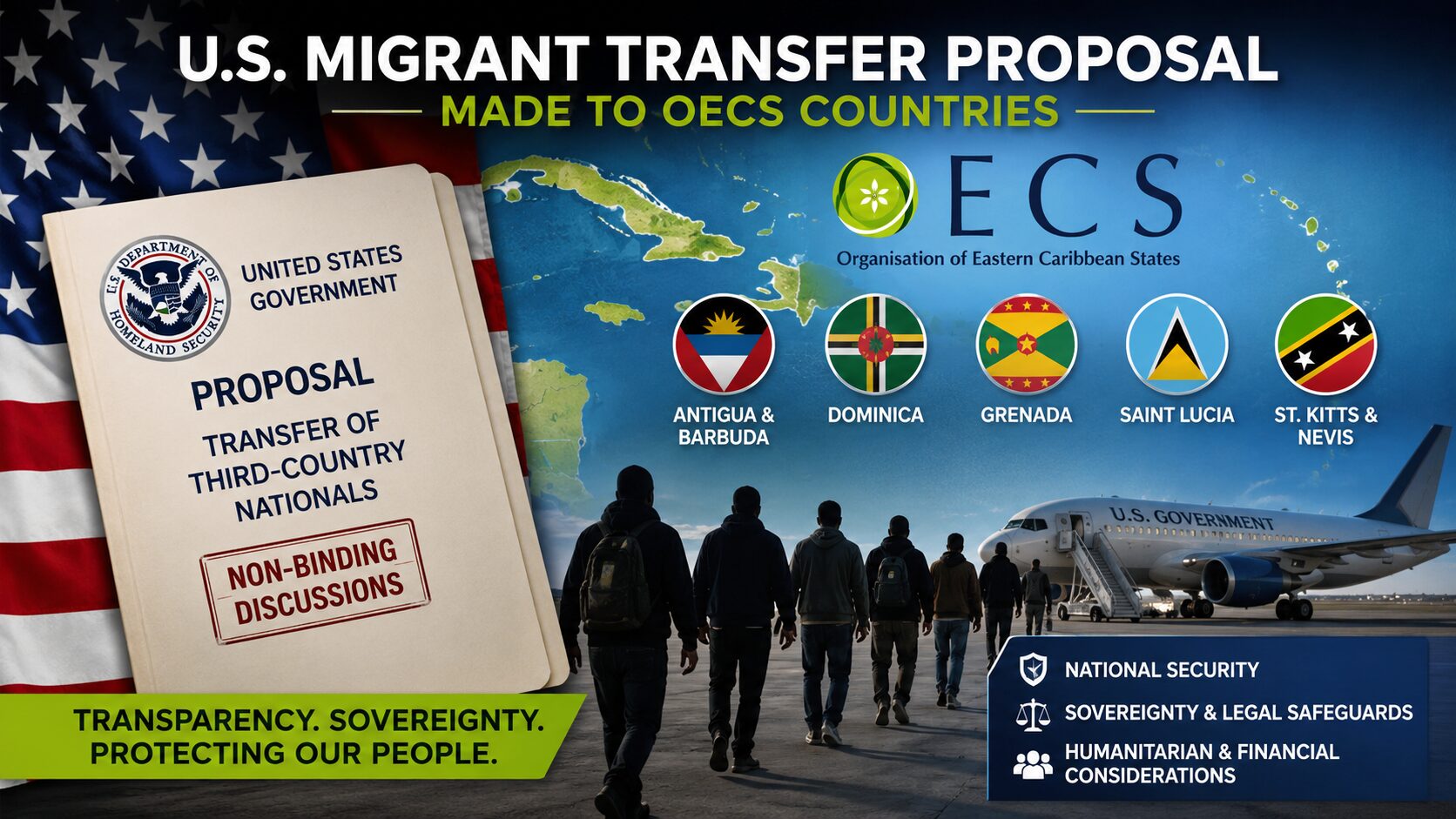
  • Antigua and Barbuda to table resolution on U.S. migrant transfer proposal as OECS seeks to coordinate regional response

    Antigua and Barbuda to table resolution on U.S. migrant transfer proposal as OECS seeks to coordinate regional response

    In a landmark move for governmental transparency, the Government of Antigua and Barbuda is set to present a landmark resolution to its House of Representatives on Wednesday, laying out binding guiding principles for any future negotiations surrounding the potential transfer of third-country nationals deported from the United States. This policy framework is crafted to balance ongoing diplomatic dialogue with the protection of the island nation’s core interests: its sovereign authority, domestic national security, standing legal obligations, limited administrative capacity, and critical national financial resources.

    In what administration officials frame as an unprecedented break from standard closed-door diplomatic negotiations, the government will also make public both the full original proposal submitted by the United States and Antigua and Barbuda’s formal official response to the plan. Government spokespersons confirmed to local outlet Antigua.news that this move makes Antigua and Barbuda the first nation involved in these regional discussions to release the full, unredacted documents to the public. Officials also used the announcement to clarify a key point: no binding bilateral agreement has been signed, and no final arrangement for transfers has been reached between the two governments.

    Prime Minister Gaston Browne emphasized that issues carrying such weighty legal, humanitarian, financial, and national security implications demand open debate and formal oversight from the nation’s elected parliament. “This Government believes that matters of such legal, humanitarian, financial and security importance must be handled openly and with respect for Parliament,” Browne stated in his official remarks. “By bringing the full proposal from the United States, and our response, before the House of Representatives, Antigua and Barbuda is demonstrating transparency and accountability, while maintaining our longstanding friendship and cooperation with the Government and people of the United States.”

    The resolution itself is structured to lay out clear, non-negotiable safeguards that will govern any future discussions, while preserving the executive branch’s authority to approve or reject any individual transfer request on a case-by-case basis. Key guiding principles outlined in the draft include a ban on automatic or open-ended transfer programs, no predetermined quota of individuals to be accepted, and a requirement for explicit prior government approval for every single proposed transfer.

    The proposed framework also adds that all comprehensive legal, operational, financial, and administrative arrangements must be finalized and agreed in formal writing before any transfer can move forward. The government has outlined a list of mandatory pre-transfer provisions that must be satisfied, including reliable identity verification, valid travel documentation, guaranteed accommodation, full funding for all related costs, clear defined legal status for individuals, rigorous security screenings, access to required support services, and formal agreements covering responsibility for any onward movement or return of individuals if needed.

    The negotiation process is not limited to Antigua and Barbuda, and has emerged as a coordinated regional issue for members of the Organisation of Eastern Caribbean States (OECS). During a OECS Heads of Government meeting held in January, regional leaders confirmed that the United States had approached five member states — Antigua and Barbuda, Dominica, Grenada, Saint Lucia and St. Kitts and Nevis — with a proposal to accept third-country nationals removed from U.S. territory. Leaders also noted that a small number of countries had already signed non-legally binding memoranda of understanding to enable further exploratory talks with U.S. officials.

    Rather than pursuing separate, individual negotiations with Washington, the OECS member states agreed to form a unified, broad-based high-level negotiating team made up of representatives from all participating member states to conduct technical discussions with the U.S. side. The regional bloc noted that this collective approach ensures all participating nations can implement consistent common standards and protective safeguards, while collectively addressing shared legal, security, financial, and humanitarian concerns across the region.

    Other participating nations have already begun outlining their own national safeguards for any potential arrangement. Earlier this year, the government of Dominica released a public statement clarifying that any existing understanding with Washington is non-binding, and reserves full discretion for the Dominica government to accept or reject any individual transfer proposal. Dominica’s framework also requires extensive screening for every proposed individual, and mandates that the United States retain full responsibility for all funding, transportation, documentation, and other operational requirements before any transfer can proceed. Like Dominica, Antigua and Barbuda has previously emphasized that its own non-binding preliminary understanding with the U.S. has not been put into effect, and no arrangements have been finalized to receive third-country nationals. Antiguan officials have repeatedly stressed that any future transfers would require rigorous vetting, and the nation will not accept any individual with a criminal background.

    Discussions around the proposal have also advanced to the broader Caribbean Community (CARICOM) level. During a recent CARICOM Heads of Government meeting held in Saint Lucia just last week, regional leaders acknowledged shared concerns over the limited administrative and infrastructural capacity of small island developing states to manage the transit of third-country nationals. Leaders stressed that any future arrangements must not compromise the national security of participating states, nor divert scarce public resources away from domestic programs that serve local citizens. They also clarified a key point of context: the proposed memoranda are intended to facilitate the transit of eligible individuals onward to their home countries, rather than enabling permanent resettlement of these individuals in Caribbean participating states.

    While the Browne administration has repeatedly reaffirmed Antigua and Barbuda’s long-standing close friendship and diplomatic cooperation with the United States, it has consistently maintained that the government holds a constitutional duty to prioritize and protect the interests of its own citizens. Administration officials noted that Wednesday’s parliamentary debate and resolution are designed to embed democratic oversight, full transparency, and formal parliamentary approval into all future policy decisions on this issue, while protecting the nation’s institutions, limited public resources, and domestic social stability.