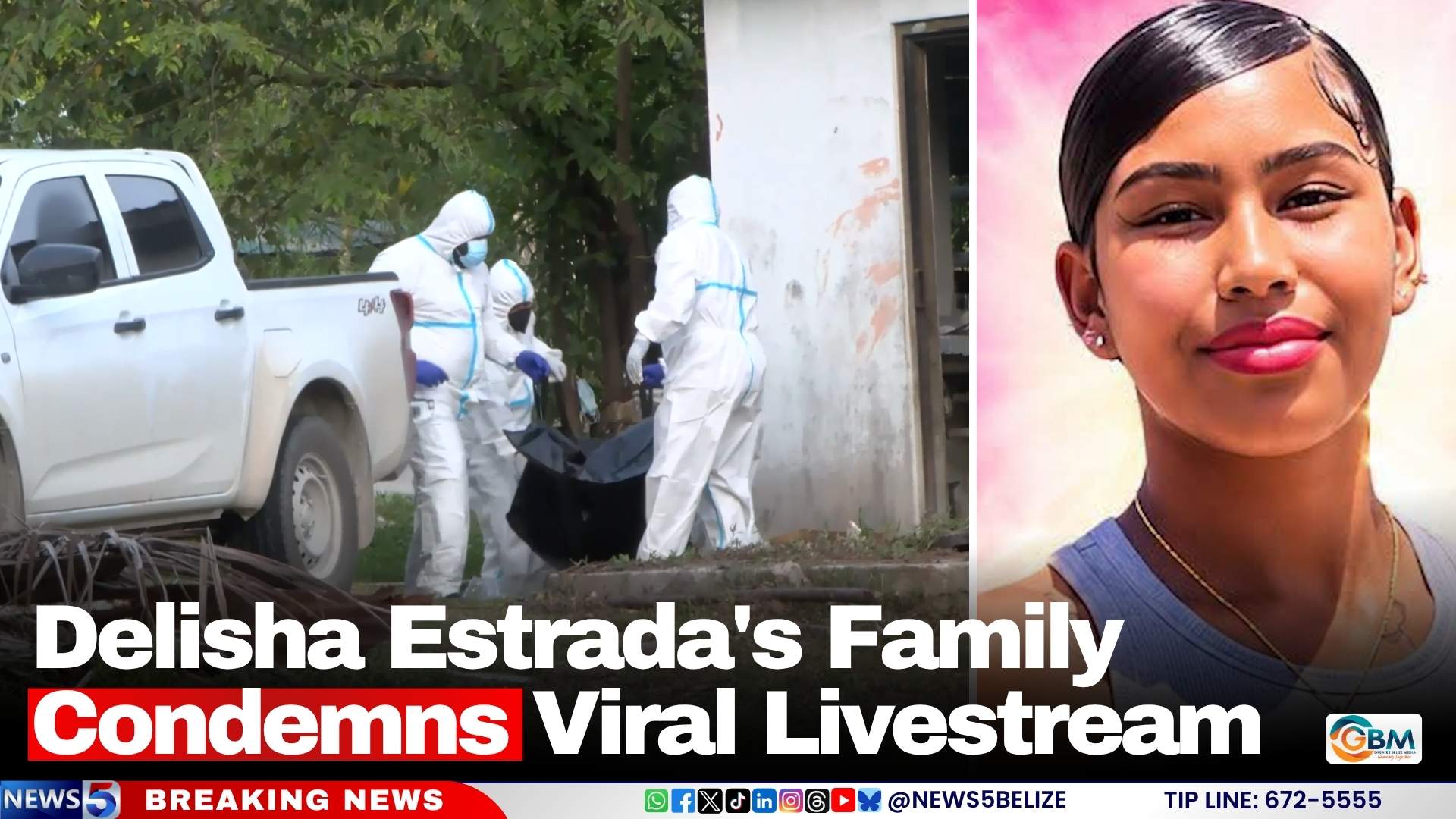
In the quiet town of San Ignacio, Cayo District, a double death investigation has already left one family shattered — and now an unauthorized viral social media livestream has compounded their pain while sparking public health concerns across the community.
The tragedy unfolded in late September 2026, when 21-year-old mother Delisha Estrada and her partner Michael Williams were found dead inside their shared home. Official autopsy results have since clarified the circumstances of the deaths: Williams passed away from severe pulmonary edema, while Estrada’s death has officially been classified as a homicide, with a post-mortem examination confirming she sustained a fatal blow to the head.
Weeks after the discovery, a local resident decided to stream live footage of the property on major social media platforms Facebook and TikTok, showing discarded bedding and other personal items left exposed outside the home. During the stream, the resident raised public alarms, claiming the abandoned items pose a serious unaddressed biohazard risk to the surrounding neighborhood.
For Estrada’s grieving family, the uninvited broadcast and the subsequent viral public discussion have opened new wounds at a time when they are still struggling to process their loss and care for the young son Estrada left behind.
Juanita Vanegas, Estrada’s aunt and the family’s spokesperson, spoke out publicly this week to condemn the livestream, saying the content creator crossed a fundamental line of respect for the deceased and her loved ones. “They just can’t let my niece rest in peace,” Vanegas said in an interview.
She added that the family had already spoken to the person behind the broadcast the day before the stream went live, making it clear they did not consent to any filming of the property or personal items. “She never had no right to do a live and show mattress or anything when my sister went and talked to her the day before,” Vanegas said.
Beyond their grief, the family is now navigating the practical challenges of raising Estrada’s minor son, including a push to enroll him in a school closer to their home to provide a more stable, supportive environment. To cover ongoing living and education costs for the child, the family has launched a public fundraiser, and they are asking for space to grieve rather than unwanted public attention.
“All we are asking now is just give us as family the time where we need to grieve,” Vanegas said. If the invasive content is not removed and the livestreamer does not respect the family’s request for privacy, Vanegas confirmed the family is prepared to take formal action: “If she cannot do that, then we will have to file a report against her ’cause it was a big thing on Facebook and TikTok yesterday.”
Local residents have echoed mixed concerns, with many supporting the family’s call for privacy while others continue to question why the potentially hazardous discarded bedding has not been properly removed and disposed of by authorities.